Iranian startup targets computer science skills gap with project-based learning model
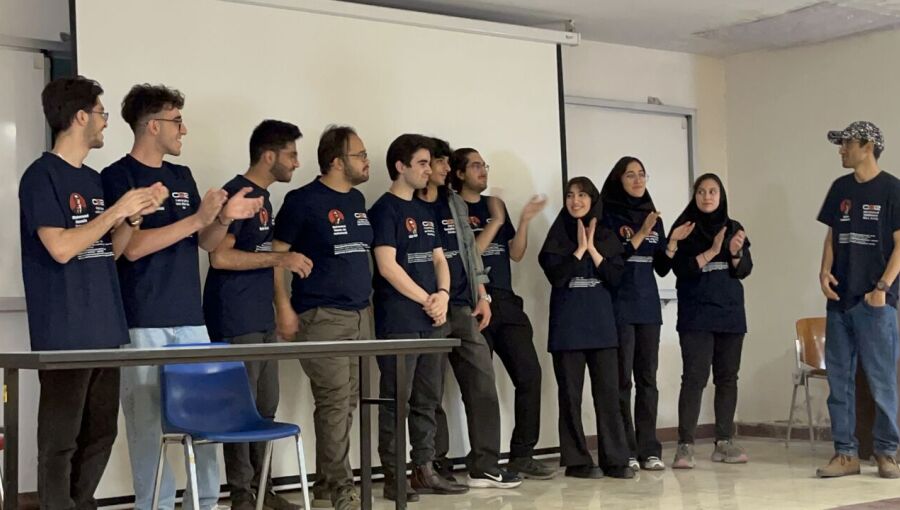
An Iranian startup has designed a new model for computer science education aimed at bridging the gap between university teaching and real job market needs, targeting students as young as 13 to stem the brain drain in the technology sector, IRNA reported on October 17.
CS12 has introduced a model for learning computer science that focuses on teamwork, practical projects and direct connection with the real job market environment, contrasting with traditional models based on theoretical teaching and memorisation.
Farhan Ebrahimzadeh, one of the startup's founders, said on the sidelines of the Computer Science 12 community's zero event at Tehran's Shahid Beheshti University that computer science education in Iran typically proceeds with emphasis on theoretical topics without engaging students with real projects.
In Iran, computer science education usually emphasises theoretical topics without engaging students with real projects. As a result, many graduates face serious problems when confronting the job market," Ebrahimzadeh said. "CS12 seeks to change this path so that learning begins from a young age."
The educational model is designed so teenagers and young people aged 13 to 15 become familiar with basic computer science concepts and gradually enter more specialised levels through real projects, group work and participation in building software products rather than through memorisation and repetition of course materials.
The model's main pillar is an active and dynamic community where learners have continuous interaction with mentors and teammates, learn from each other and play roles in real projects. A team of specialists act as validators who simultaneously monitor content and the educational process and upgrade it when necessary to ensure educational quality.
Classes are held as practical workshops and weekly sessions rather than being limited to teacher-centred education, with participants learning technical and soft skills simultaneously and gaining work experience in a real environment from the beginning.
"Instead of focusing on high-level education and complex theories, we start from infrastructure, exactly where the shortage of specialist personnel in the country is most felt - areas such as network design, distributed systems, security and technical infrastructure," Ebrahimzadeh said. "If we can fill this gap, we can build strong and local teams and no longer be dependent on outside the country for infrastructure development."
CS12 currently operates with a 20-person team in Tehran and is gradually expanding to other provinces, with units launched in cities including Arak, Sari and Sistan and Baluchestan, whilst a Shiraz branch will be added soon.
"One of our big problems in Iran is that social networks in the technology field have mostly become places for conversation and information transfer and do not produce real technical output," Ebrahimzadeh said. "We have come to change this situation - to turn mere networking into effective team building and real projects."
The startup aims to train a new generation of specialists and committed personnel for the country's future who can remain in the country, grow, and pave the way for technology development in Iran rather than emigrate.
"This startup, relying on project-based learning, gradual education, purposeful team building and geographical expansion, is trying to play a real role in upgrading Iran's technology ecosystem and train a new generation of specialist and committed forces for the country's future - forces that instead of emigrating, can stay in the country, grow and pave the way for technology development in Iran," Ebrahimzadeh said


No comments:
Post a Comment