Monday, September 29, 2025


Clean Houses': What if having a maid clashed with being a good feminist?
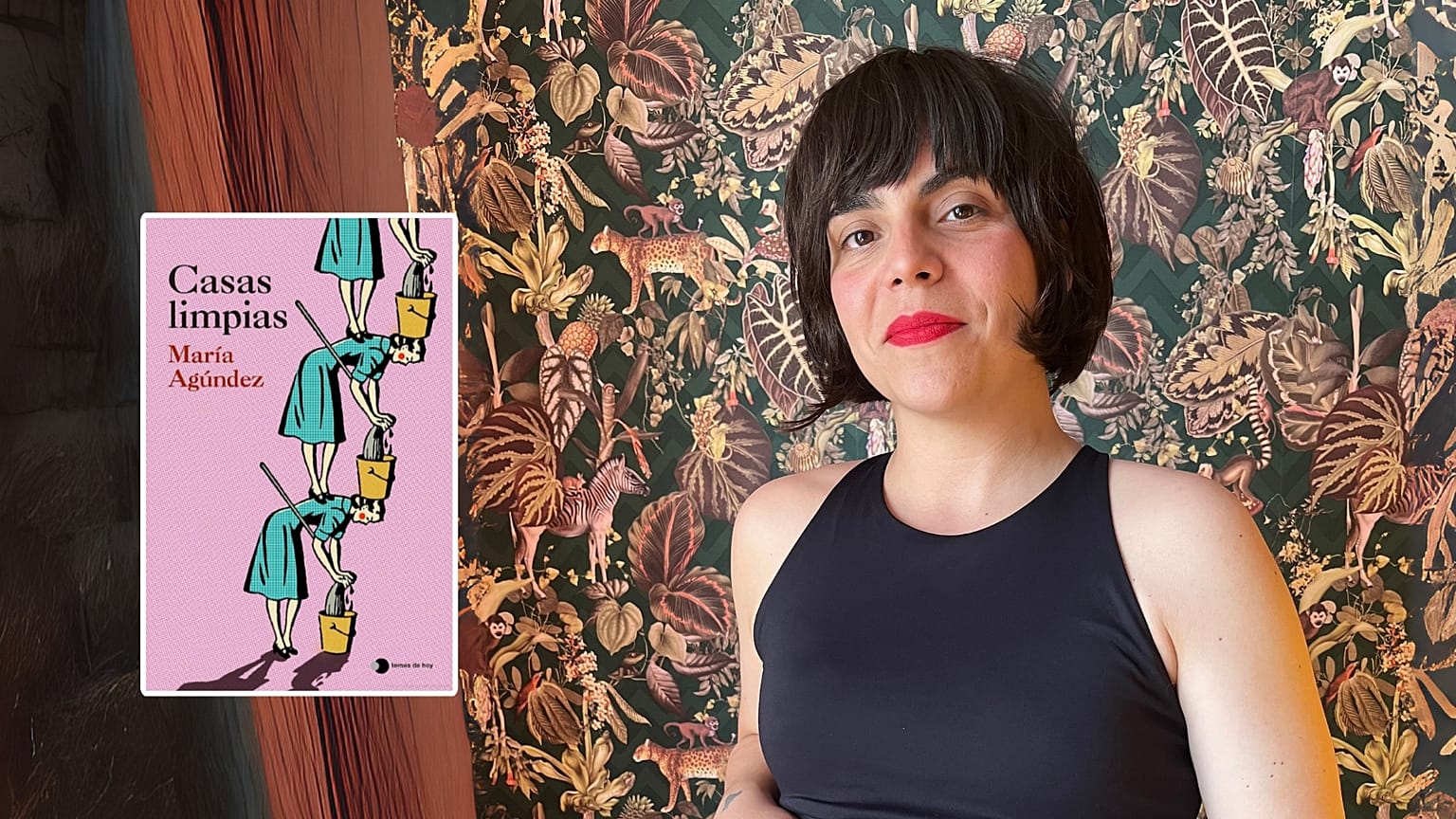
The writer Maria Agúndez and the cover of her latest novel 'Casas limpias'.
Copyright AP Photo

By Pilar Montero Lopez
Published on 

In her second novel, the Spanish writer María Agúndez raises the issues surrounding a profession that is still taboo in a society that is perhaps not as advanced as it likes to think.

Sol, the protagonist of 'Casas limpias' (Clean Houses), published by Temas de Hoy, is a young, progressive woman who would like to live as much as possible in accordance with current feminist ideas. However, when she's fired from her job as an artist's assistant and discovers that she is pregnant, she hires two Latin American women to help around the house to do what her boyfriend, who works 12 hours a day, cannot.

This decision makes Sol feel ashamed and she starts to worry about what people will say, to the point of hiding so that her neighbour, from whose window hangs a flag with a purple fist, doesn't find out.

This is how María Agúndez begins her second novel, a portrait elaborated with sharpness and a dose of humour in which the reader is uncomfortable to see herself reflected because, as the author told Euronews: "Hiring someone to clean the house sometimes means becoming a kind of little boss, but without giving the other person any kind of condition and, above all, we start from the assumption that we are hiring someone for not wanting to dedicate your free time to cleaning your own filth".

It is impossible not to remember the film 'The Help', with its portrayal of these two parallel worlds that are so unjustly different from each other; or 'Manual for Cleaning Women', the stories by Lucia Berlin, published ten years after the author's death, which reflect the everyday life of these women who are pushed into precarious jobs to support their families, or themselves.

Racism, inequality and prejudice

Although 'The Help' is set in the 1960s and Berlin also drew on her experiences during the 1940s and 1950s, María Agúndez takes the legacy of all this and puts it in a modern perspective in which the root problems - racism, inequality and prejudice - are still there, but in a different guise.

Caring for others, cleaning; these are still chiefly viewed as women's domains, and although breaking with this destiny would be the ideal way to comply with the much repeated term of empowerment, this is still not a possibility to be contemplated for all of them.

"We criticise a lot the ways we each have of executing our private lives and our feminism and I don't think everyone can afford it in the same way", explains María Agúndez regarding the social pressures that come from various ideological spheres. "It is as if only professional success can be a value nowadays, and even if a woman also aspires to look after her baby, it seems that it is frowned upon and that she has fallen into the care trap", she adds.

Lack of social recognition

The problem, on the other hand, lies in the precariousness of the world of work and "the incorporation of women into the workplace is perfect, but it becomes very complicated when there is a family nucleus because, who is going to give up? The grandparents, they also have the right to have their life", declares Agúndez.

And when it comes to job success, not all jobs are valid, and this is very cleverly reflected in 'Clean Houses' when the protagonist discovers that she is obsessed with cleaning and wants to work as a maid, but is criticised by her boyfriend and her parents because she can "aspire to something more". "Is it cooler for your mother, for example, to be a cultural worker, even if she has terrible conditions, rather than a cleaner? It's a question of social recognition, that's clear", confesses the author.

Also very present in the narrative is the gaze of a wealthy, conservative social sector, for whom hiring a domestic worker not only does not raise any self doubt, or humility but instead brings with it condescending phrases like "she's like one of the family, or if we even take her on holiday".

The kind of person who is afraid that the cleaner will steal, or who purposely leaves a giant ball of lint in a specific place in the house to check if it is thoroughly cleaned, as the novel shows, "are the ones who perpetuate this system the most because they don't believe there is a problem or have a critical eye", says Agúndez.

The contradictions of being a woman

Despite the profound reflections in the background and the serious tone of this article, no one should be fooled: 'Casas limpias', published in five languages other than Spanish, is neither a political novel nor an academic essay.

Rather, it is a look constructed from "what I can see in my surroundings, the conversations I have with other mothers in the park", in the words of the author, who maintains the witty style of Agúndez's literary debut, 'Piscinas que no cubren' (Uncovered Swimming Pools).

This work is like a sociological study in a literary key; a lens that focuses on the contradictions of being a woman because, as María Agúndez says: "It is as if men today have not yet reached the level of masculinity that give them permission to talk about everything and because they do not experience fatherhood in the same way, I wouldn't dare to say why."


Unpaid work in Europe: Which countries have the biggest gender gaps?
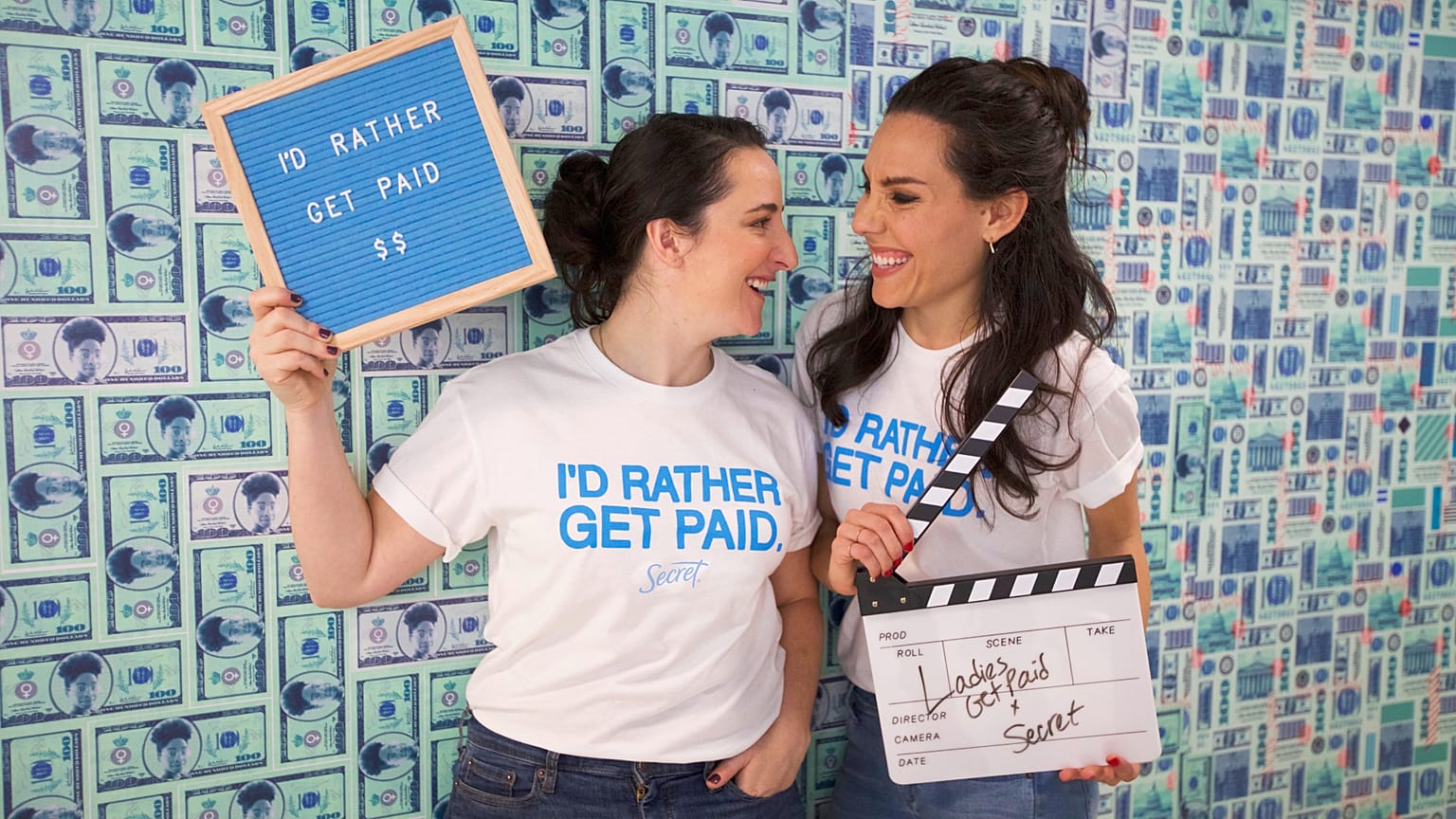
Ladies Get Paid co-founders, Claire Wasserman and Ashley Louise, partners in Secret's I'd Rather Get Paid campaign.
Copyright Copyright Business Wire 2018.

By Servet Yanatma
Published on 

Unpaid work is a significant aspect of gender inequality in Europe, with women on average spending two hours more per day on it than men. Differences in the gap follow regional trends, shaped by gender stereotypes and norms.

Gender inequality in the economy is evident across Europe. It appears in many areas, including employment, labour participation, and pay. A key driver of this gap is unpaid work. In OECD countries, women do nearly twice as much unpaid work as men each day. 

In 23 European countries, women do on average 86% more unpaid work than men,  a little less than double. More concretely, women spend 262 minutes per day on unpaid work, while men spend 141 minutes. This corresponds to a gap of 121 minutes , two hours each day.

Gaps in unpaid work between women and men vary widely across European countries. Which countries show the highest and lowest gaps? What are the main reasons behind unpaid work? And why is the gap especially large in some countries?

Gap is smallest in Sweden and largest in Turkey

Among 23 European countries, the unpaid work gap between women and men ranges from 29% in Sweden to a massive 349% in Turkey. 

In Sweden, women spend 220 minutes per day on unpaid work, compared with 171 minutes for men — a difference of 49 minutes. Swedish women also record the lowest unpaid work time among all countries in the list.

Nordic countries perform best in closing the gap

Three other Nordic countries follow Sweden with the lowest unpaid work gaps: Denmark (31%), Norway (35%), and Finland (50%).

After the outlier Turkey, where women do 3.5 times (349%) more unpaid work than men, the next highest gaps appear in Southern Europe: Portugal (242%), Greece (173%), and Italy (134%). Spain also ranks high, in seventh place, with a 98% gap, meaning women do almost twice as much unpaid work as men.

The OECD’s Gender Equality in a Changing World report finds that “unpaid work acts as a barrier to paid work for some women, keeping them out of the labour market”.

It is no coincidence that Turkey has the lowest labour participation rate in 2024 at 37%, compared with the EU average of 53%, according to the OECD. Italy follows with 42%, and Greece ranks fourth with 45%. These countries also report the highest gender gaps in unpaid work.

Care responsibilities and social norms

Dorothea Schmidt-Klau, chief of the employment, labour markets and youth branch at the ILO in Geneva, explained to Euronews Business why Turkey and Italy rank highest in Europe for the share of “persons available to work but not seeking”.

“Care responsibilities and social norms are two other drivers that play a role, especially in Turkey," she said.

"Limited access to affordable childcare and eldercare services, along with social attitudes regarding women’s roles, reduce the ability of women to engage in active job search.” As a result, she said the female participation rates here are among the lowest in OECD countries.

Among Europe’s five largest economies, Italy and Spain perform the worst, while Germany shows the smallest gap at 61%, followed by France at 66% and the UK at 78%.

Women exceed 5 hours unpaid work in 3 countries

In Portugal (328 minutes), Italy (306 minutes)  and Turkey (305), women do more than five hours unpaid work.

This is also more than 3.5 hours even in Sweden, which has the lowest unpaid work time. France ranks second where women spend 224 minutes on unpaid work. 

Turkish men do the least unpaid work: just 68 minutes

Not surprisingly, men spend the least time on unpaid work in the three countries with the widest gaps. Turkey is an outlier, where men dedicate only 68 minutes a day to unpaid work, followed by Greece with 95 minutes and Portugal with 96 minutes.

Most unpaid work is routine housework

In every country, for both women and men, routine housework makes up the largest share. In several countries, it accounts for more than 70% of daily unpaid time. Care for household members and shopping follow, and together the top three categories represent around 90% of all unpaid work, according to OECD.

In Portugal, for example, women spend 253 of their 328 daily unpaid minutes on housework, which corresponds to 77%. In France it drops to 70%, and in Denmark to 60%.

How to reduce the gender gap

The OECD highlights the role of “norms and stereotypes” in driving inequalities, noting that these are learned from an early age. The report calls on countries and the European Commission to take stronger action to narrow the gender gap in unpaid work. Some key recommendations below directly address the factors that sustain this gap.

  • Promoting equal sharing of care and household responsibilities between women and men, including by challenging gender stereotypes and norms (through awareness campaigns, education materials, etc.).

  • Providing both mothers and fathers with individual paid leave entitlements.

  • Expanding equitable access to hybrid and remote work by investing in digital infrastructure and training.

  • Investing in affordable, accessible, and high-quality early childhood education and care, as well as out-of-school hours care.

  • Improving pay, job quality, and formalisation in female-dominated caregiving professions, while also encouraging men to enter care-related careers.


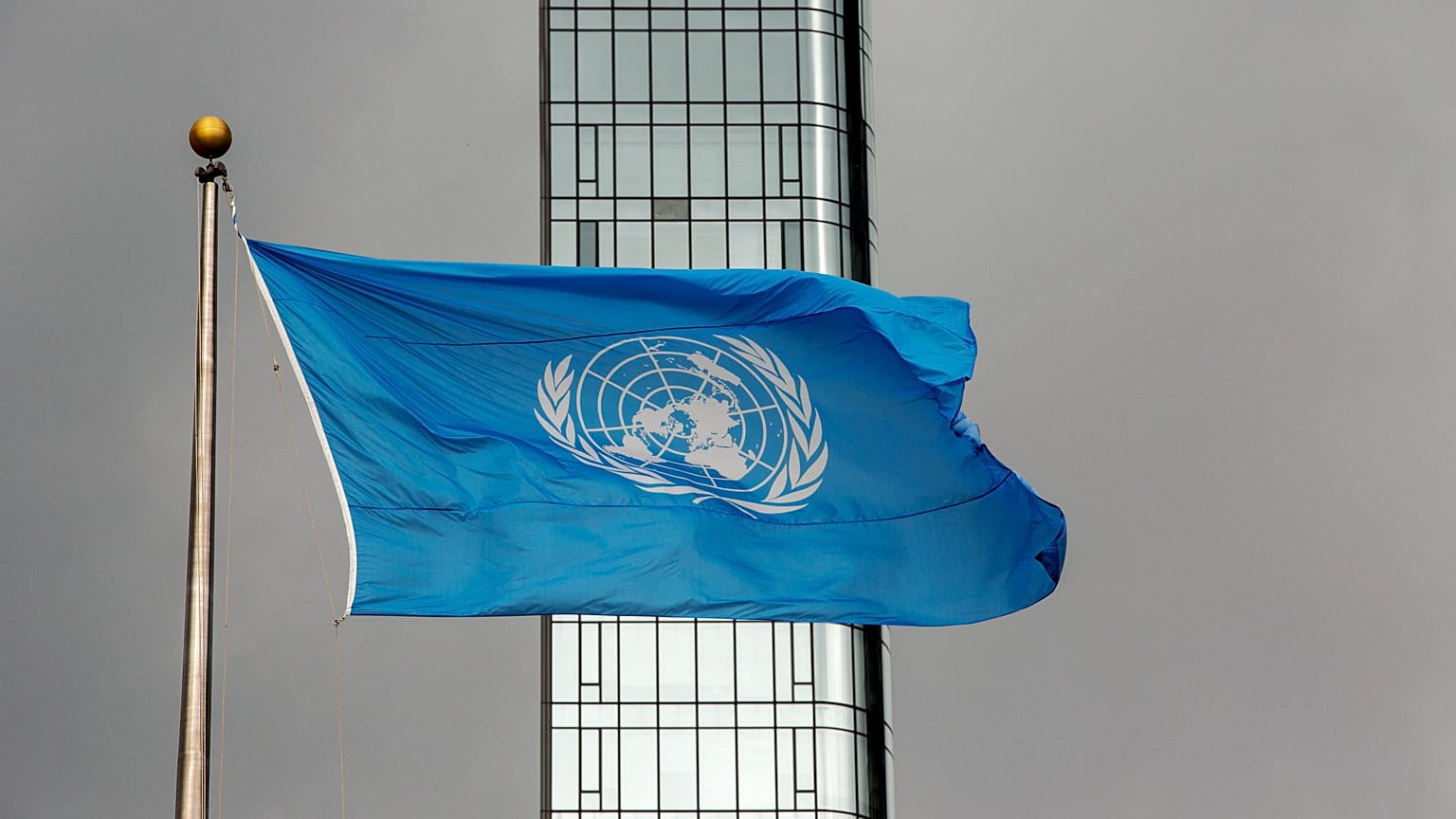



The UN flag flies on a stormy day at the United Nations during the United Nations General Assembly, Sept. 22, 2022.

UN leaders are concerned about AI’s potential harms. Could an AI forum prevent the worst?

Copyright AP Photo/Ted Shaffrey, File

By Roselyne Min with AP
Published on 


As world leaders weigh its promise and peril at this week’s high-level meetings, the United Nations heralds a COP meeting like body for international AI governance and an expert panel to present annual reports at the forum.

Artificial intelligence (AI) took  center stage at this week’s annual high-level United Nations (UN) meeting in New York.

Leaders at the UN Security Council addressed AI’s possible benefits and harms in security, military use and misinformation.

“The question is not whether AI will influence international peace and security, but how we will shape its influence used responsibly,” UN Secretary-General Antonio Guterres said in opening remarks at Wednesday’s meeting.

“AI can strengthen prevention and protection, anticipating food insecurity and displacement, supporting de-mining, helping identify potential outbreaks of violence, and so much more. But without guardrails, it can also be weaponised,” Guterres added.

Wednesday's general debate centred around how the Council can help ensure the responsible application of AI to comply with international law and support peace processes and conflict prevention.

How have world leaders reacted?

Several European leaders stressed the need for the Council to lead the way on ensuring that AI is not used by militaries without human oversight to avert potentially devastating escalations or misfires.

Greek Prime Minister Kyriakos Mitsotakis called on the Council to “rise to the occasion – just as it once rose to meet the challenges of nuclear weapons or peacekeeping, so too now it must rise to govern the age of AI.”

British Deputy Prime Minister David Lammy stressed deep AI analysis of situation data  holds a promise for peace, saying AI is capable of keeping “ultra-accurate, real-time logistics, ultra-accurate real-time sentiment analysis, ultra-early warning systems”.

UN sets up new bodies for AI

Last month, the UN General Assembly (UNGA) announced that it will set up two key bodies on AI - an independent scientific panel of experts and a global forum.

The UN said in a statement that the new governance architecture will be a much more inclusive form of international governance and address the issues surrounding AI, and ensure that it benefits all people.

The Scientific Panel, for which 40 experts will be appointed through nominations, will present annual reports at the forum named Global Dialogue on AI Governance to take place in 2026 in Geneva and 2027 in New York.

The new establishment is seen as the latest and biggest effort to rein in AI. Experts have called it “a symbolic triumph”.

They are “by far the world’s most globally inclusive approach to governing AI,” Isabella Wilkinson, a research fellow at the London-based think tank Chatham House, wrote in a blog post.

Britain, France, and South Korea have all held global AI summits but none of them have resulted in binding pledges for AI safety.

However, Wilkinson is sceptical that the UN's lumbering administration can regulate a fast-moving technology such as AI.

“But in practice, the new mechanisms look like they will be mostly powerless,” she added.

The UN chief will hold a meeting to officially launch the two new bodies on Thursday. It will be the first time that all 193 Member States of the UN will have a say in the way international AI governance is developed, according to the UN.

Previously, leading AI experts and Nobel Prize winners, including senior figures from OpenAI, Google DeepMind and Anthropic, had issued a call for the United Nations to spearhead a binding global treaty setting “minimum guardrails” for AI designed to prevent the “most urgent and unacceptable risks”.

Among those who signed the call were European lawmakers, including Italian former prime minister Enrico Letta and former president of Ireland Mary Robinson, who is currently a United Nations high commissioner for human rights.


AstraZeneca will list shares directly in New York, but isn't leaving the UK

Copyright Kirsty Wigglesworth/AP2009

By Doloresz Katanich
Published on 


Amid concerns it might leave the UK, the pharma giant reaffirmed its commitment to the country, keeping its headquarters, primary listing, and tax base there.

In order to attract global investors, AstraZeneca said it will directly list its ordinary shares on the New York Stock Exchange, in addition to its shares trading in the UK and Sweden.

To do so, the Anglo-Swedish pharmaceutical giant needs to replace its existing US listing of AstraZeneca American Depositary Receipts (ADRs) on the Nasdaq.

The company said that the move aims to harmonise its listing structure "while remaining headquartered in the UK".

"The Board of AstraZeneca is recommending to shareholders a Harmonised Listing Structure for the Company’s ordinary shares across the London Stock Exchange (LSE), Nasdaq Stockholm (STO) and the New York Stock Exchange (NYSE)," the company said in a statement.

The announcement follows increased speculation that the pharma company may move its shares entirely from the London Stock Exchange, where it is one of the largest companies traded. And according to analysts, the current announcement doesn't exclude this possibility in the future.

“While there is logic to shifting to a direct listing in the US rather than American Depositary Receipts beyond setting up for any longer-term moves, it does at least hint at the possibility of a more dramatic shift at some point in the future," said AJ Bell investment director Russ Mould.  

The US has the world’s largest and most liquid public markets by capitalisation. A direct listing makes it easier for US investors to buy AstraZeneca shares directly without going through ADRs.

Compared to ordinary shares, American Depositary Receipts come with additional costs and extra steps. ADR investors may be subject to fees and double taxation, and ADRs come through a custodian bank.

"Enabling a global listing structure will allow us to reach a broader mix of global investors and will make it even more attractive for all our shareholders to have the opportunity to participate in AstraZeneca’s exciting future,” said Michel Demaré, Chair of AstraZeneca.

In response to the announcement, AstraZeneca's shares listed on the FTSE 100 rose 0.71% at around 11.30 CEST.

Labi Siffre issues cease-and-desist order to Tommy Robinson over use of song in UK rally

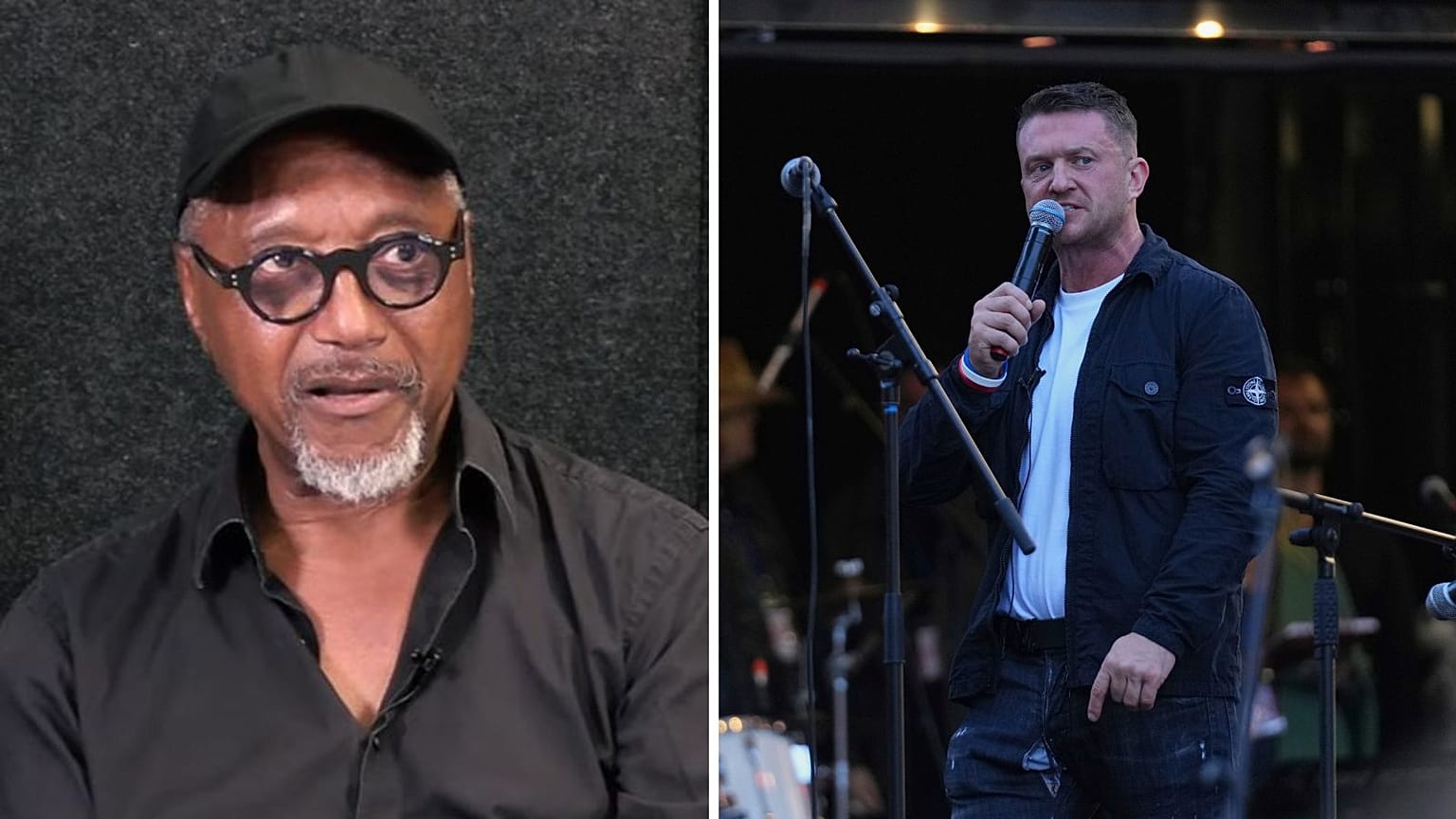
Labi Siffre issues cease-and-desist order to Tommy Robinson over use of song in anti-immigration rally
Copyright Screengrab YouTube Labi Siffre - AP Photo

“Anybody who knows me and knows my work will know the joke of them using the work of a positive atheist, homosexual black artist as apparently representative of their movement.” 


By David Mouriquand
Published on 


Labi Siffre has issued a cease-and-desist order to far-right activist Tommy Robinson over the use of his anti-apartheid song in an anti-immigration rally earlier this month.

British singer-songwriter Labi Siffre has issued a cease-and-desist order to far-right activist and convicted criminal Tommy Robinson over his use of the song ‘(Something Inside) So Strong’ at a recent rally. 

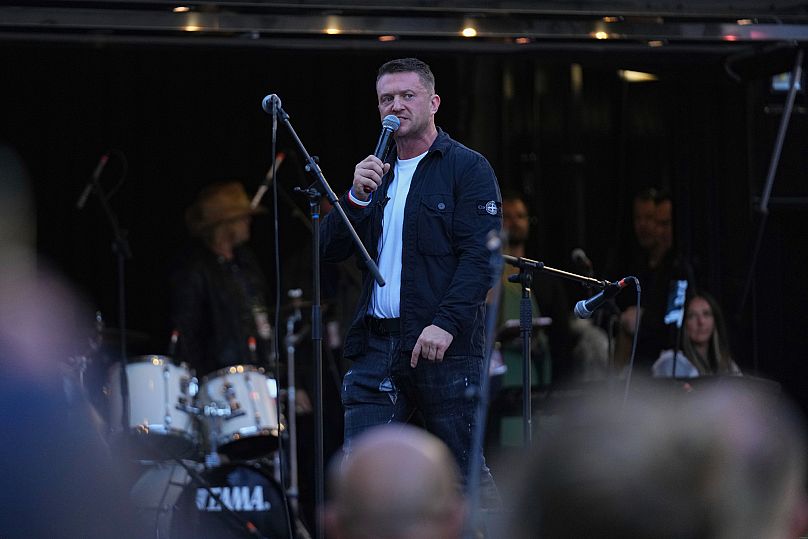
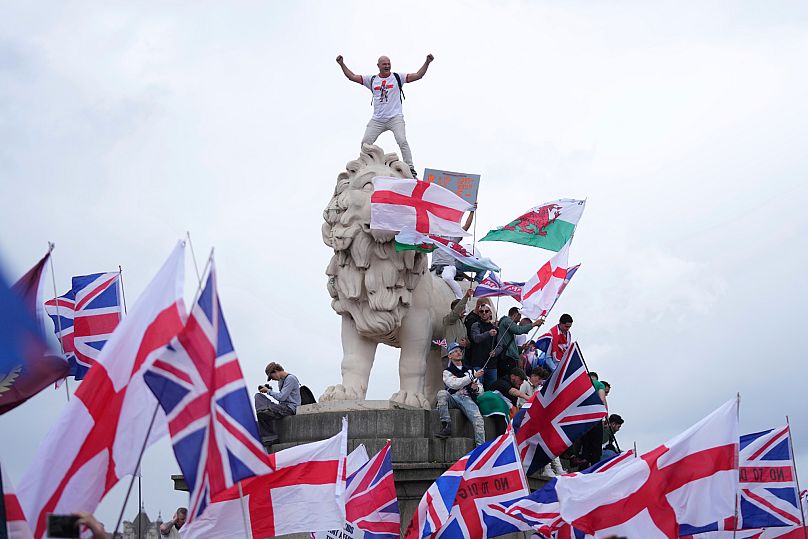
The 1987 hit featured prominently at the anti-immigration “Unite the Kingdom” rally in central London on 13 September, which was organised by Robinson - whose real name is Stephen Yaxley-Lennon. 

Robinson, who regularly expresses Islamophobic, racist and derogatory opinions and has a long history of criminal convictions ranging from theft to assault, stalking and fraud, also used Siffre's song without prior approval in posts on social media.

‘(Something Inside) So Strong’ was written by Siffre as an anti-apartheid song, inspired by a television documentary about apartheid in South Africa in which white soldiers were shown shooting at black civilians in the street. Siffre also told the BBC in 2014 that the song was influenced by his experience as a homosexual.  

The song went on to win an Ivor Novello Award and has been used in Amnesty International campaigns. It was said to be Nelson Mandela’s favourite song.

In an interview with The Guardian, Siffre, 80, has said that Robinson is “breaking all sorts of copyrights”, adding: “Even in an era when theft is easier than it ever was, it’s still theft.” 

He further explained his objection to the song’s use by Robinson by saying: “Anybody who knows me and knows my work since 1970 will know the joke of them using the work of a positive atheist, homosexual black artist as apparently representative of their movement.” 

Tommy Robinson at the Unite the Kingdom march - London, 13 September 2025 AP Photo

At the September rally, Robinson invited former X Factor contestant Charlie Heaney to sing the song, and introduced it by saying: “I always like telling stories through music and this next song now is going to tell all of our stories of why we’re here and why we care.” 

The Metropolitan police estimated that between 110,000 and 150,000 people attended the demonstration. At least 25 people were arrested, and 26 police officers were injured at the event. 

Elon Musk gave a speech via video link at the demonstration, saying that “massive uncontrolled migration” was contributing to the “destruction of Britain”. He then spewed criticism on the “woke mind virus” and told the crowd “you either fight back or you die”. 

UK Prime Minister Keir Starmer went on to condemn the "dangerous" comments made by Musk.

While the demonstration was one of the largest far-right protests in recent memory, Siffre added: “It’s just same old, same old. I wish the media would stop talking about this as an unprecedented movement. There’s nothing unprecedented about it. Anyone who has even the slightest knowledge of 20th-century history should know that.” 

The Tommy Robinson-led Unite the Kingdom march - 13 September 2025 AP Photo

Siffre is far from the first artist who has had to condemn or issue cease-and-desist orders so that their music is not used for political reasons.  

Donald Trump is renowned for using songs without authorisation. Last year, Jack White added his name to an ever-growing list of artists suing Trump over the illegal use of their songs in campaign videos. The singer filed a copyright infringement lawsuit, with the band The White Stripes opposing Trump’s use of their song ’Seven Nation Army’ in a political video.

Other artists who have criticsed Trump for his use of their work include the estates of Isaac Hayes and Sinéad O'Connor, as well as Céline Dion and Beyoncé.  

According to Rolling Stone, Beyoncé’s record label issued a cease-and-desist letter to the Trump campaign after the former President’s spokesperson Steven Cheung posted a now-deleted video on X of Trump stepping off an airplane with the song ‘Freedom’ playing the background. This took place days after the singer approved the song as the official anthem for Kamala Harris’ presidential campaign


EU energy systems vulnerable to heatwaves, droughts and rising cooling needs, EEA says

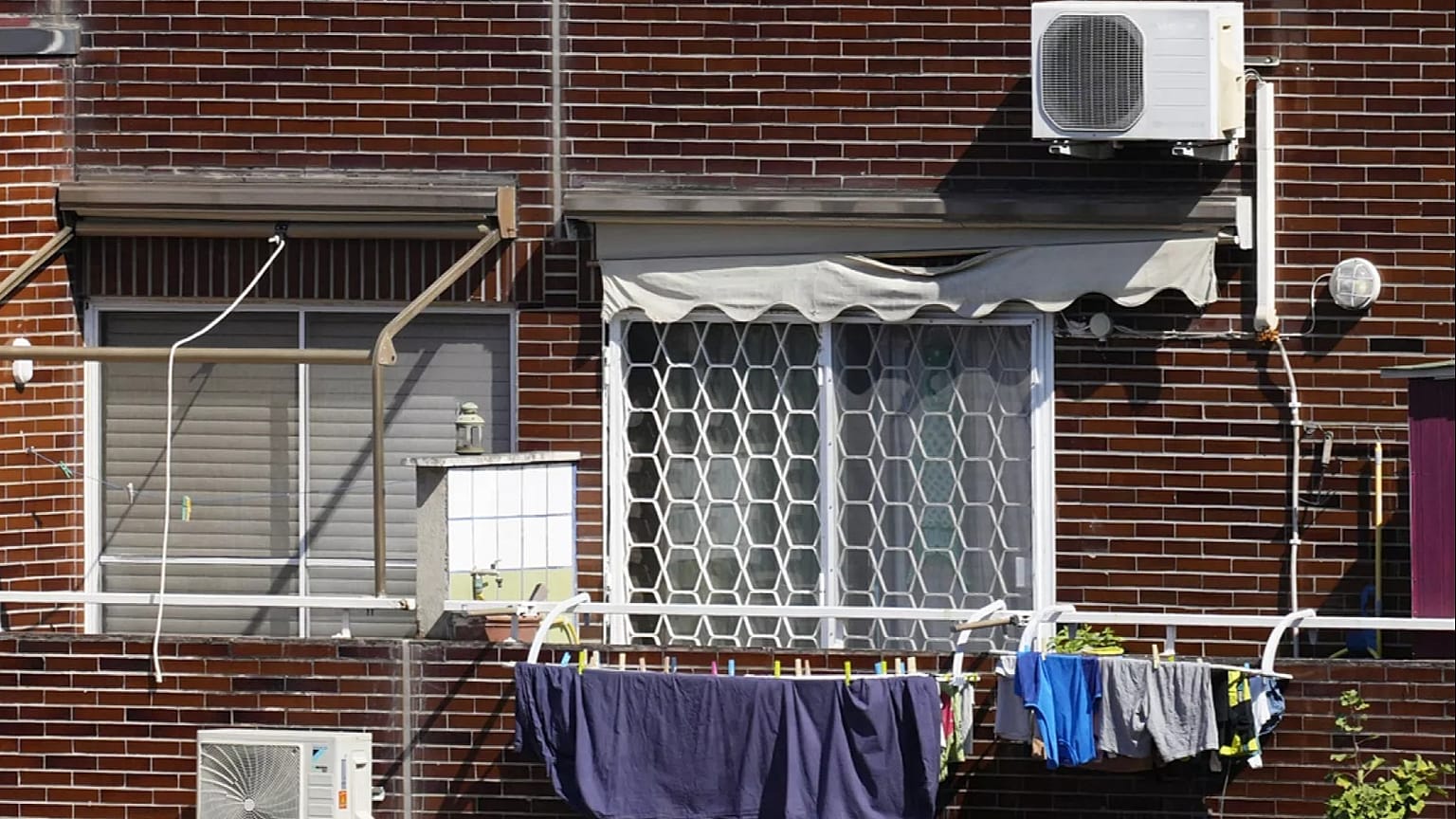
Air conditioning units are seen on the facade of a building in Rome, Tuesday, July 25, 2023.
Copyright Andrew Medichini/AP


By Ema Gil Pires
Published on 


Future energy demand for cooling is expected to increase more in southern EU countries, such as Greece, Italy, Portugal and Spain.

Portugal is a "good example" in the transition from fossil fuels to renewable energy, according to a new report. But it could be one of the countries that, in the future, spends the most on cooling its homes.

The report, released this Monday by the European Environment Agency and initially quoted by the Lusa news agency, says that Greece, Italy, Portugal and Spain could consume 71 per cent of the total annual energy for cooling purposes in residential buildings in the EU due to global warming in the future.

Emphasising that the "climate risks to energy security" arising from climate change "vary across Europe", it points out that southern Europe faces increasing risks from heat, droughts and water scarcity, while northern Europe is likely to face both risks and opportunities.

Cooling is one of Europe's 'main climate risks'

The European Environment Agency report lists increased demand for cooling as one of the "main climate risks" for the European energy system.

It projects that future energy demand for cooling is expected to increase more in the southern EU countries, such as Greece, Italy, Portugal and Spain.

Looking at recent years, the report also notes that "the amount of final energy used for cooling purposes in residential buildings tripled between 2010 and 2019" in 19 European countries.

Other potential threats to EU countries are "the regional reduction in hydroelectric potential due to lower water availability, the lower efficiency of thermal power stations and electricity transmission, and the impacts of extreme weather events on energy infrastructure".

In this context, the European Environment Agency explains that these other climate-related risks - such as floods, storms or forest fires - "can damage energy production and transmission infrastructures and disrupt energy supply".

Once again, southern Europe could be more prone to episodes of power cuts, due to "prolonged droughts that affect electricity supply, combined with heatwaves that affect peak demand" for energy.

Portugal listed as a 'good example' of renewable energy transition

In 2023, renewable energy sources accounted for 24.5 per cent of the EU's final energy consumption, the report says.

It outlines how this "all-time high" was "driven by EU policies to accelerate the transition to clean energy", such as the REPowerEU plan and the "Fit for 55" legislative package.

This figure, however, still falls well short of the "minimum target" set at European level - 42.5 per cent by 2030 - which will require a "profound transformation of the European energy system".

It cites Portugal as a "good example of the progress made in the transition from fossil fuels to renewable energies" and in the decarbonisation process.

"The country has almost doubled the share of renewable energies in its final energy consumption, from 19 per cent in 2004 to 35 per cent in 2023," The European Environment Agency states.

Last year, renewable energies supplied more than 73 per cent of Portugal's energy mix, enabling the country to position itself as "one of the pioneers in Europe's energy transition". This change, the report explains, "was driven by the expansion of hydroelectric, wind and solar energy".

"Portugal has invested heavily in additional hydropower and wind energy since the early 2000s. In recent years, it has rapidly increased solar capacity through large-scale photovoltaic projects and the growing adoption of rooftop solar installations. The country has also invested in modernising hydroelectric power stations with reverse pumping dams, providing storage and increasing security of supply," says the European Environment Agency.

In addition, Portugal's "closure of coal-fired power stations in 2021 marked a fundamental step in reducing emissions" and "sent a clear signal about the country's commitment to phasing out fossil fuels", the document concludes.


Experimental cannabis extract can help reduce chronic back pain, trial finds

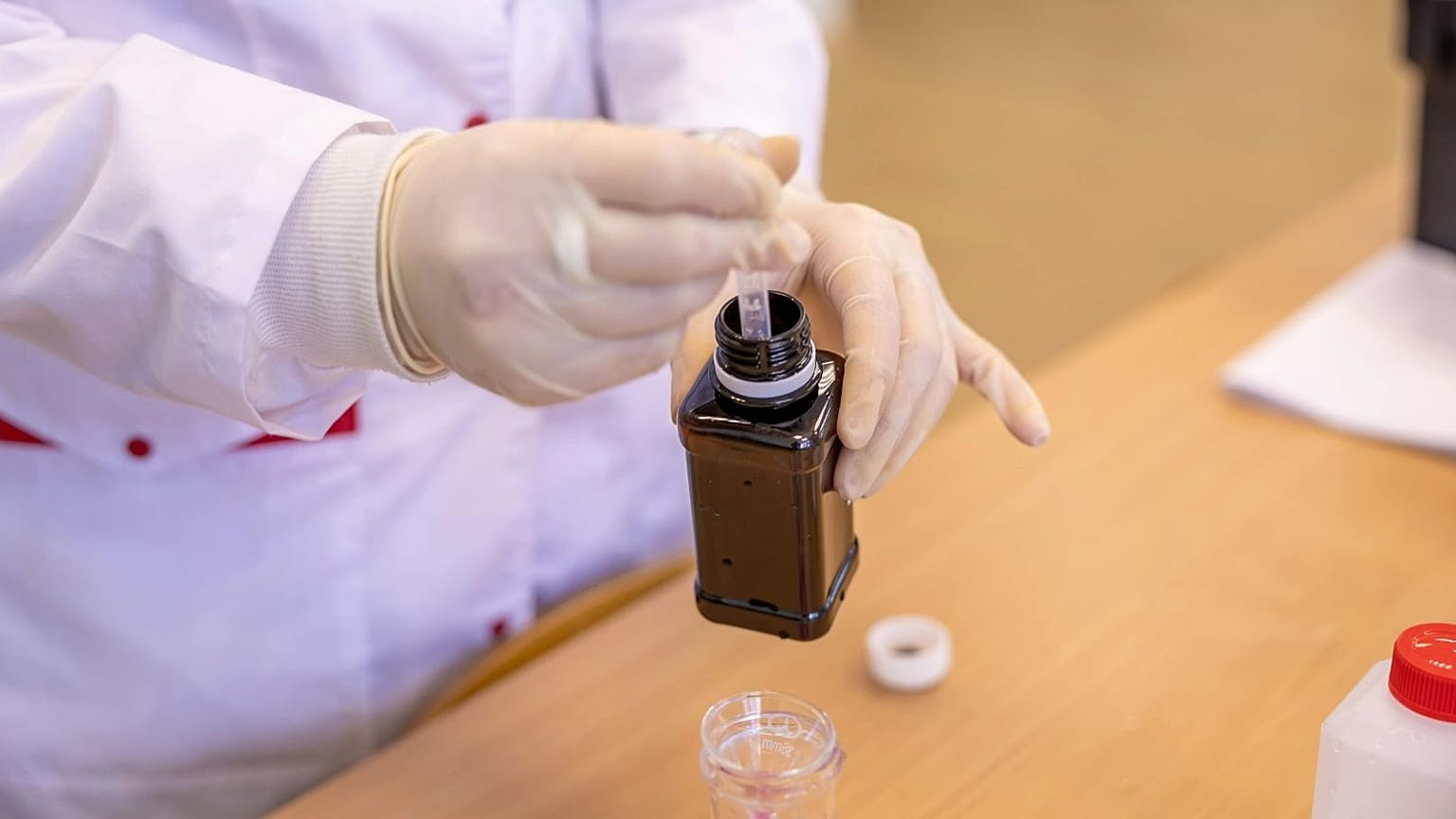
A scientist works with an extract.
Copyright Canva

By Gabriela Galvin
Published on 


Patients reported a significant reduction in pain scores in the months after starting the cannabis extract, which is not the same as smoking cannabis.

An experimental cannabis extract could help people manage chronic lower back pain without risking addiction or serious side effects, a new study has found.

The findings from a late-stage clinical trial could offer hope to the estimated 619 million people worldwide who have chronic lower back pain, which is the most common form of disability globally.

While lower back pain is fairly common and can be caused by several issues, chronic pain that keeps coming back can be debilitating.

Despite its prevalence, adequate treatments for chronic pain remain scarce. Existing options include opioids, which are highly addictive, and nonsteroidal anti-inflammatory drugs (NSAIDs) such as ibuprofen, which can come with long-term heart and gastrointestinal risks. 

About the study


The trial included 820 adults with chronic lower back pain who had not gotten sufficient pain relief from non-opioid medicines. Participants were split into two groups, with about half receiving VER-01 – the cannabis extract, which is made by the German company Vertanical – and the rest receiving a placebo, or dummy treatment.

They were asked to record their pain levels on a 0 to 10 scale, with 10 being the worst pain imaginable.

After three months, people who got the cannabis extract treatment reported a 1.9-point reduction on the pain rating scale, compared with a 0.6-point reduction among those who received a placebo.


In a six-month extension, patients taking VER-01 experienced an additional 1.1-point decline on the pain scale, as well as improvements in sleep quality and physical function.

The findings were published in the journal Nature Medicine on Monday.

“The pain relief was clinically significant and would be meaningful to the many people living with chronic pain out there,” Jan Vollert, a neuroscience lecturer at the University of Exeter who was not involved with the study, said in a statement.

“It is only one trial, and we will need further studies to confirm the findings, but this is a good signal that the compound could help patients,” Vollert added.

The most common side effects among people taking VER-01 were short-term dizziness, nausea, and excessive sleepiness. There were no signs of drug abuse or dependence on the cannabis extract, the researchers said.

The study authors plan to publish additional research testing VER-01 against standard opioid treatments for chronic back pain.

‘No way comparable to smoking cannabis’

VER-01 is derived from a strain of Cannabis sativa, which is a type of cannabis plant. Each dose of the medication contains 2.5 milligrams of Tetrahydrocannabinol (THC) – the main psychoactive element in marijuana that makes people feel “high” – as well as other compounds.

But Vollert cautioned that people should not turn to cannabis to self-manage their chronic pain. The new findings apply specifically to the cannabis extract found in VER-01, he said, which is “in no way comparable to smoking cannabis”.

“Smoking cannabis and taking VER-01 are probably as similar as eating hazelnuts and eating Nutella: they might share a similar basis, but they just are not comparable,” Vollert said.