It’s possible that I shall make an ass of myself. But in that case one can always get out of it with a little dialectic. I have, of course, so worded my proposition as to be right either way (K.Marx, Letter to F.Engels on the Indian Mutiny)
Wednesday, January 28, 2026
Shift in EU-US relations is 'structural, not temporary', Kaja Kallas warns
In the aftermath of the Greenland crisis, the EU's top diplomat has urged European nations to stop outsourcing their security and defence.
The changes in the relationship between Europe and the United States are "structural, not temporary", High Representative Kaja Kallas has said, as she warned against the dangers of outsourcing security in a new age of "coercive power politics".
Her remarks come on the heels of US President Donald Trump's attempt to seize Greenland from Denmark through punitive tariffs, an unprecedented dispute that brought the nearly 80-year-old transatlantic alliance to the brink of collapse.
The tensions were defused by a framework deal on Arctic security, the details of which remain under discussion.
"Arguably, the biggest change in the fundamental reorientation is going on across the Atlantic: a rethinking that has shaken the transatlantic relationship to its foundation," Kallas said on Wednesday morning at the European Defence Agency's annual conference.
"Let me be clear: we want strong trans-Atlantic ties. The US will remain Europe's partner and ally. But Europe need to adapt to the new realities. Europe is no longer Washington's primary centre of gravity."
"This shift has been ongoing for a while," she added, referring to previous American administrations. "It is structural, not temporary. It means that Europe must step up. No great power in history has ever outsourced its survival and survived."
Relat
In her speech, Kallas presented a grim overview of the current state of affairs.
She labelled Russia a "major security threat", China a "long-term challenge", and the Middle East a "completely unpredictable" region.
These developments, coupled with Trump's no-holds-barred foreign policy, have put a "severe strain on the international norms, rules and institutions enforcing them that we have built over 80 years", Kallas said.
"The risk of a full-blown return to coercive power politics, spheres of influence and a world where might makes right is very real," she noted.
The High Representative then exhorted European nations to "acknowledge that this tectonic shift is here to stay and act with urgency".
Since Trump's reelection, the European Union has rolled out several multi-billion initiatives to rapidly boost defence spending, promote its domestic industry and reduce its deep-rooted reliance on US-made weapons.
The bloc has set 2030 as a collective deadline to achieve "full defence readiness" and deter a potential Russian attack on an EU member state.
The efforts were dismissed this week by NATO Secretary GeneralMark Rutte, who told Europeans to "keep on dreaming" about becoming independent on security and defence. His comments prompted backlash in Brussels and Paris.
Kallas did not refer to Rutte's controversial intervention in her speech. Instead, she called for greater coordination and complementarity between the EU and NATO, which have 23 members in common, to ensure fairer burden sharing between allies.
"As the US is setting its sights abroad and beyond Europe, NATO needs to become more European to maintain its strength," she said. "And for this, Europe must act."
International development aid: A burden or a soft power tool? Here's what Europeans think
Europeans are divided on whether development assistance is beneficial for the EU and on exactly how it should be spent.
In a word increasingly dominated by conflict and tension, international aid seems to be one of the first casualties.
The past few years have seen a growing number of countries slashing or scaling back their budget devoted to developing economies.
With some exceptions, cuts have been particularly severe in the US (-56% from 2023 to 2025) as well as in Canada (-25%) and several European countries.
The Organisation for Economic Co-operation and Development (OECD)estimated a drop in international aid resources ranging from 9% to 17% in 2025.
Germany, the UK, France and Italyareamong the countries that, whether in GDP or absolute terms, have reduced their commitments. Spain, on the other hand, bucks the trend, though its contribution - 0.25% of its gross national income - is still far from the UN's 0.7% goal.
Is Europe's public on board? Not quite so.
Asurvey of 10,000 Europeans by More in Common, an international non-profit initiative, found that at least half of respondents in Ireland (55%), Spain (54%) and Denmark (50%) think international aid has a positive impact on the EU's global influence.
At the same time, support is much lower in France (35%) and Germany (36%).
Europe's priorities: From counterterrorism to disaster relief
Scepticism fades when aid is framed as a way to bolster Europe's influence and security — from protecting borders to managing migration safely.
In fact, the majority in France (75%), Denmark (80%) and Germany (71%) believe EU aid should prioritise security and counterterrorism programmes.
By contrast, Spaniards favour disaster relief (79%) while Irish respondents see clean water and sanitation as the top priority.
The vast majority of European surveyed say international aid is worth it if it strengthens Europe's security. However, German and French respondents appear to be the most sceptical, as around one in four disagrees.
"Development aid isn't high-salience for most voters across Europe, but they do have clear instincts and priorities", More in Common's lead researcher Conleth Burn told Europe in Motion.
"What's striking across the research is the low confidence Europeans have in Europe's ability to navigate the current geopolitical environment - many question Europe's influence full stop, so it's unsurprising some see aid as making little difference to that picture."
Does the EU's international aid increase make up for these cuts?
The EU's aid budget costs around €4 per EU citizen per year. The bloc is one of the world's largest donors. Its budget has consistently grown, reaching €1.9 billion in contributions in 2025.
Yet, civil society analysts point out that despite the EU's top-ups, combined international aid from EU institutions doesn't make up for the cuts by the single member states.
According to Concord, a European confederation of NGOs working in international cooperation, between 2023 and 2024, there was an 8.6% decrease in real terms among member states.
Which countries are the largest donors?
Across OECD, the US stands out as the biggest net contributor to official development assistance, with nearly €56 billion in 2024 ($65.5 billion), followed by Germany with almost €28 billion.
However, based on single countries' Gross National Income (GNI), Norway and Luxembourg emerge as the most generous donors with around 1%, followed by Sweden (0.79%), Denmark (0.72%) and Germany (0.68%), while the United States provided 0.23%.
The Czech Republic (0.16%), Greece (0.15%) and Hungary (0.09%) place last among European countries in the OECD table.
Fact check: Will the Mercosur trade deal open the door to 'toxic' food in the EU?
From farmers burning tyres outside the European Parliament to motorway blockades across the continent, tensions around the EU-Mercosur trade agreement don't look set to go away. Many critics argue that it will lead to a flood of "toxic" products on the European market, but how true is this?
On 21 January, after 25 years of tense negotiations, the European Parliament voted to refer the Mercosur trade agreement to the European Court of Justice to determine if the deal aligns with the bloc's rules.
It's a move which could delay the ratification of the Mercosur agreement for a further two years and is a blow to supporters of the trade deal that would establish a free trade zone between the European Union and the Mercosur bloc (Argentina, Brazil, Paraguay and Uruguay).
On the European side, France, Poland, Austria, Ireland and Hungary are among the staunchest Mercosur critics, leading to conflicting claims about what the deal would bring to the EU in practice.
MEPs claim the deal will lead to 'toxic' imports
Concerns around the environmental impact of the deal, fair competition, and scepticism around the quality of products which will enter the European market are among the key issues stirring up opposition to the deal.
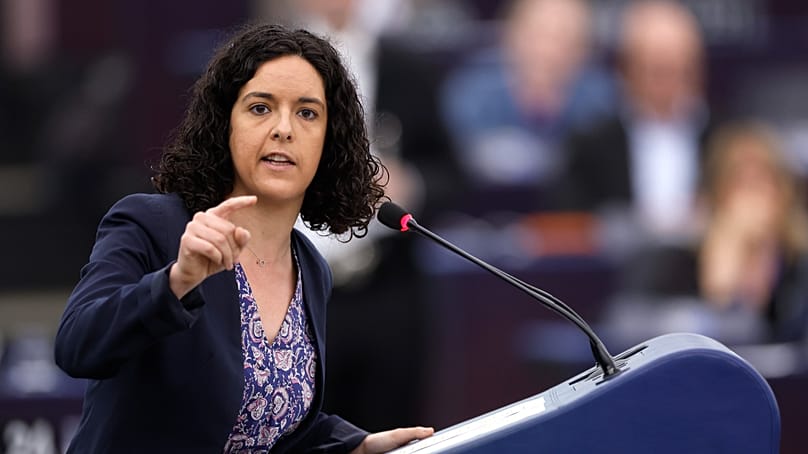
According to French MEP Manon Aubry, co-leader of the Left in the European Parliament, the agreement risks leading to the mass import of products treated with dangerous pesticides, a move which she said was "the worst free trade agreement ever negotiated by the European Union".
"We export pesticides that are banned in the EU, only for them to return to our plates via imported food," she said.
Co-chair of the The Left parliamentary group, Manon Aubry, addresses the plenary at the European Parliament in Strasbourg. (AP Photo/Jean-Francois Badias) AP Photo
The European Union has some of the world's most stringent rules when it comes to pesticides and food safety, meaning many harmful chemicals — that are banned for use in the EU — are instead shipped outside the continent, including to South America.
Critics argue that the Mercosur trade deal means that Europe will import food that is produced and grown with the very pesticides that are banned by the EU, but that are legal in many South American countries.
Ewa Zajączkowska-Hernik, a Polish MEP from the far-right Europe of Sovereign Nations Group, argues that the deal offers "no real protection mechanisms for farmers and consumers", claiming that it will lead to the "importation of food containing toxic substances that are banned in the EU".
Europe says it's all good
Despite the frenzy around Mercosur, the EU already has trade deals with South American countries, with checks in place to ensure imported products comply with European standards.
For instance, in 2024, the European Commission carried out an audit in Brazil over the lack of traceability in beef exported to the EU. As a result, Brazil suspended exports of female beef.
The EU-Mercosur trade agreement aims to boost trade in goods and services between the EU and South American countries by significantly reducing tariffs on certain products.
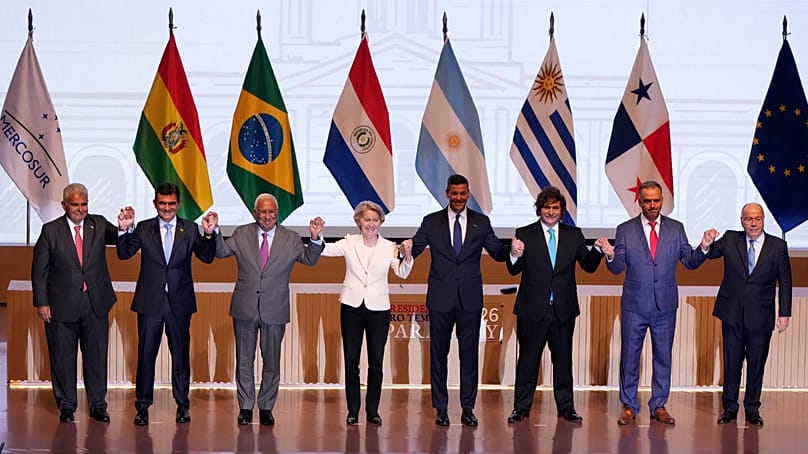
Mercosur leaders, European Council President and European Commission President. (AP Photo/Jorge Saenz) AP Photo
Counteracting claims that the Mercosur agreement would mean importing a flood of unregulated products, the European Commission says it will ensure that existing food safety regulations remain in place under the Mercosur agreement.
In a statement shared in January 2026, the Commission reiterated that this means that genetically modified foods banned in the EU cannot be imported; that food must "comply with the maximum pesticide residue levels set by the European Union"; and that, as stipulated by a directive introduced in 1981, importing meat from animals who have been given growth hormones is banned.
Does the deal offer protection for consumers?
The European Commission announced that, under the terms of the deal, food safety checks will be operated on two levels.
Member states carry out inspections when products reach EU borders, while the European Commission oversees production systems in exporting countries to ensure compliance with EU standards before the goods leave their port of origin.
In practice, the EU already imports products from Mercosur countries, including beef, and border controls are in place.
But, the sticking point for Karine Jacquemart, general director at Foodwatch — a European advocacy group that focuses on protecting consumer rights on food quality — is that these checks are not implemented correctly as things stand.
For example, France urged Europe to introduce further measures to guarantee the quality of imported products.
The Commission did this through promising more scrupulous health checks in Europe, as well as on veterinary and phytosanitary audits of third countries to ensure compliance with the bloc's rules.
Although France was among the EU member states which rejected Mercosur, President Emmanuel Macron praised the introduction of the measures, alongside the "establishment of a task force at the European Commission on the effectiveness of these checks".
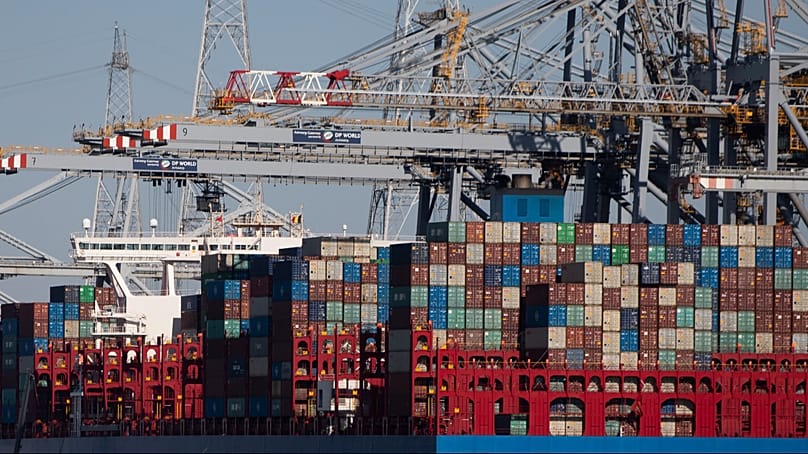
Shipping containers in the Port of Antwerp, Belgium. (AP Photo/Virginia Mayo, File) AP Photo
Critics, however, remain unconvinced. Jacquemart says the measures do not go far enough.
"Today, these rules are still not being properly enforced," she said. "Border checks alone won't stop the import of livestock treated with growth-promoting antibiotics — which are banned in the EU."
"Foodwatch has found that current controls in member states are insufficient, and resources to enforce them are limited," she added.
The authorities, however, assure that the current controls are indeed effective.
Speaking to Euronews' fact-checking team, The Cube, Aline Van den Broeck, spokesperson for AFSCA — Belgium's federal food safety agency — said that health-related checks at border inspection posts are being properly enforced.
She explained that the system is "designed to guarantee food safety, ensuring that imports from non-EU countries comply with European regulations and sanitary standards".
The framework aims to maintain a consistent level of health protection across the EU, according to Van den Broeck.
"Belgium operates a four-step border control system, which includes temporarily intensified routine checks on consignments from certain countries or products, particularly where previous compliance issues have been identified," she said.
Assurances from Brazil
Many of the health concerns surrounding the EU-Mercosur agreement stem from Mercosur countries' use of chemicals that are banned in the EU.
However, speaking to The Cube, Brazil's ambassador to the EU, Pedro Miguel da Costa e Silva, said that all meat currently exported to the EU comes exclusively from establishments audited and authorised by both EU and Brazilian authorities.
He also stressed that trade is already taking place regardless of the agreement, and that the deal would not change existing sanitary and phytosanitary standards.
"Trade is already taking place regardless of the agreement," he said, adding that "the deal would not alter existing sanitary and phytosanitary standards."
What do consumers say?
Consumer groups have also stressed the importance of maintaining food safety and animal welfare rules.
The Cube got in contact with the European Consumer Organisation, which represents European consumers and their rights.
It declined to respond to specific questions about allegations that "toxic" products could flood the European market.
Instead, a spokesperson told us that "while we understand the need for the EU to build long-standing partnerships with other regions in today's world, we need to make sure the food that reaches consumers' plates complies with EU food safety and animal welfare rules and that producers and governments do not give up on sustainability efforts."
THE GRIFT
Belarus joins Trump's 'Board of Peace,' raising eyebrows over Lukashenka's role
Belarus joined Donald Trump's conflict resolution initiative despite concerns over its president's continued crackdown on dissent and support for Russia in its war against Ukraine.
Belarus became the latest country to join US President Donald Trump's "Board of Peace" initiative, despite concerns over Minsk's years-long crackdown on dissenting voices and continued support for Moscow in its all-out war against Ukraine, putting the eastern European country under severe sanctions from Brussels and others.
In a statement on X, the Board of Peace said it "welcomes Belarus as a founding member of our growing international organisation." It is unclear whether Minsk paid the $1 billion fee to secure permanent membership for Belarus.
The Belarusian Foreign Ministry said in a statement last week Minsk was "prepared to take an active role in shaping a new architecture of global and regional security based on the principles of mutual respect and the unconditional consideration of the national interests of the member states."
Strongman President Aliaksandr Lukashenka's government has been under significant pressure from EU sanctions imposed following the disputed 2020 presidential election and violent crackdown on protesters and other opposing voices, with further measures introduced after the country allowed Russia to use its territory to launch its full-scale invasion of Ukraine in early 2022.
While Washington has eased its own sanctions on Minsk in return for the release of Belarusian political prisoners, concerns persist over Lukashenka's firm grip on the country since 1994 and his role in Russia's war.
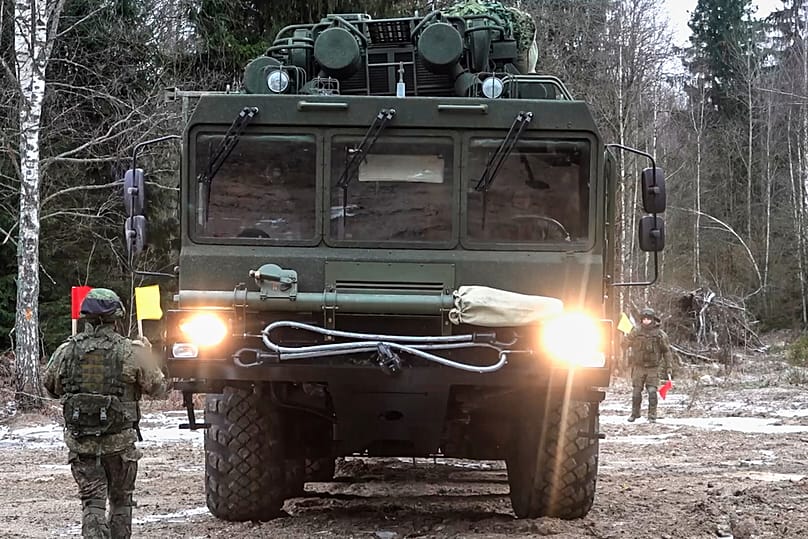
Lukashenka remains the key ally of Moscow and President Vladimir Putin, with Russia deploying its nuclear-capable Oreshnik hypersonic missile to neighbouring Belarus last month.
While the Kremlin did not specify how many missiles were sent and whether they were fitted with nuclear warheads, Lukashenka said that up to 10 Oreshnik systems will be stationed there.
Russia's Oreshnik missile system is seen during a training in an undisclosed location in Belarus, December 2025 AP Photo
The Belarus strongman leader also had choice words for Europe over the years, stating last year, "I don't give a damn about the West," after Brussels mulled a fresh raft of sanctions as he won his seventh consecutive election since 1994.
The vote was broadly understood to be rigged in his favour given his iron rule over the country and complete control of its institutions, and yet another repeat of the 2020 elections that sparked turmoil.
While fears lingered over the years that Minsk could also join the war in Ukraine on Russia's side, Lukashenka has pitched himself as a peacemaker and Belarus as a possible venue for talks between Moscow and Kyiv, stating last year that "some kind of resolution" would manifest itself at some point.
"We will probably continue to conflict for a long time. We are Slavs, if we start to conflict, it will last for a long time. But there will be a resolution. The light at the end of the tunnel will appear this year," he said.
Since then, the US-led peace talks have progressed at a snail's pace, mostly due to Moscow's maximalist demands, including taking full control of regions it partly occupied in Ukraine's east.
Belarusian opposition leader in exile Sviatlana Tsikhanouskaya reacted to the news of Minsk joining the Board of Peace by stating that although she welcomes "President Trump’s efforts to establish peace and resolve conflicts around the world," Lukashenka is "not someone who is interested in peace".
"Together with Putin, he is interested in war — solely in preserving his power at any cost," Tsikhanouskaya told Euronews. "And of course, he will try to exploit the Board (of Peace) to regain at least some semblance of legitimacy.”
"One day, a free Belarus will return to the international stage," she emphasised.
What happened in Davos?
Belarus is among more than 20 countries that have agreed to join US President Donald Trump's Board of Peace, an initiative that has expanded beyond its original remit of overseeing the Gaza ceasefire to what Trump describes as broader conflict mediation.
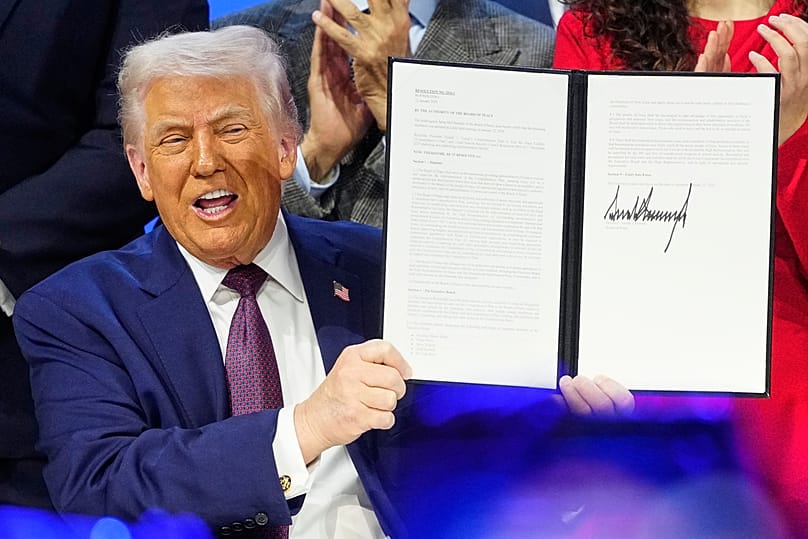
Trump signed the charter formally launching the board at the World Economic Forum in Davos last Thursday, flanked by founding member leaders including Argentina's Javier Milei and Hungary's Viktor Orbán. "We're going to have peace in the world," Trump announced.
The board, with Trump as permanent chairman even after leaving office, was initially conceived as a small group monitoring the Gaza truce but now includes invitations extended to dozens of nations.
US President Donald Trump holds the charter during a signing ceremony on his Board of Peace initiative at Davos, 22 January 2026 AP Photo
Trump said last week he expects more than 50 countries to join, in what appears to challenge the United Nations Security Council's traditional role in international conflict resolution.
Countries seeking permanent membership face a $1 billion contribution fee. Non-paying members would have a three-year mandate, according to a copy of the charter obtained by media outlets.
Trump previously defended inviting Lukashenka and Russia's Vladimir Putin, saying he wanted "everybody" who was powerful and could "get the job done". Putin said he was consulting "strategic partners" over Moscow's involvement.
Several European nations including France, Germany, Norway and Sweden have declined invitations, while China, Russia and India remain noncommittal. Trump revoked Canada's invitation right after Prime Minister Mark Carney's speech in Davos, where he warned of "rupture" in world order.
Relate
The plan's critics were quick to slam it right after the Davos signing ceremony, which brought together leaders as diverse as Kosovo and Indonesia, with Washington's Western allies notably absent.
“I think they were trying to duplicate — replicate — what happened when the United Nations came about," Amnesty International Secretary-General Agnes Callamard said. "But frankly it was a very poor and sad attempt to repeat what happened in the 1940s.”
US Secretary of State Marco Rubio described the board as "a group of leaders that is about action," saying its job "first and foremost" is ensuring the Gaza peace deal becomes enduring before looking elsewhere. He acknowledged details of operations remained unclear, calling it a work in progress.
Desperate major automaker mulls scrapping US factory plans due to Trump's tariffs
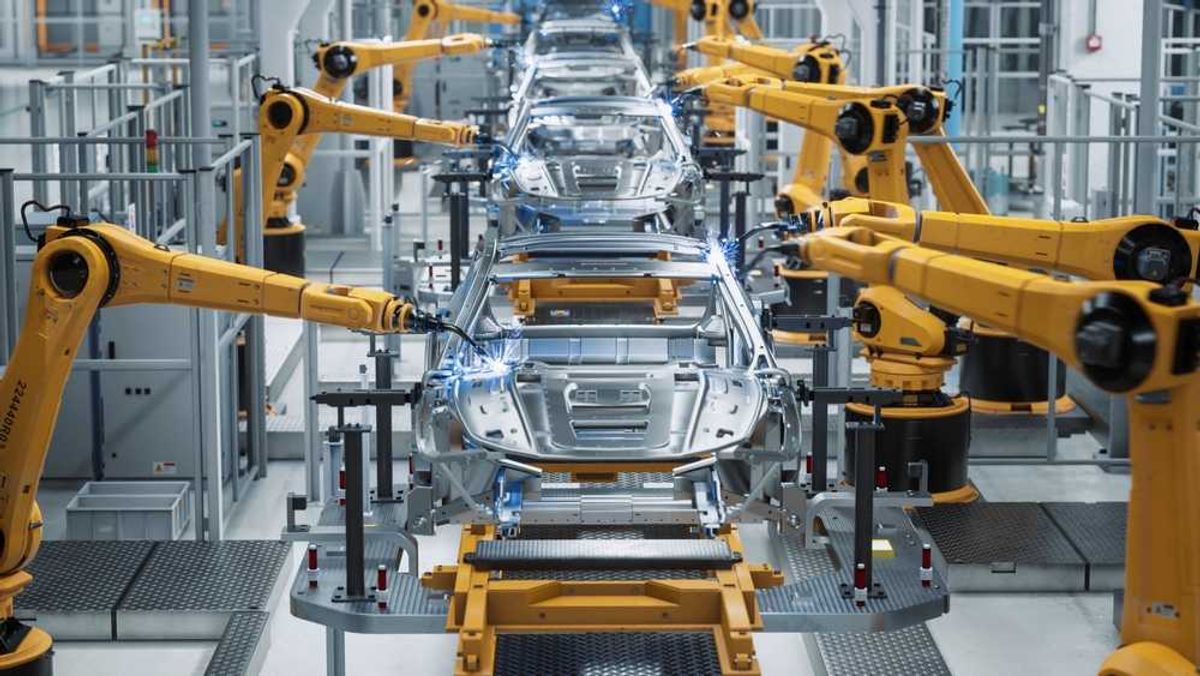
Car factory. (Photo credit: Gorodenkoff / Shutterstock)
Major automaker Volkswagen has considered cancelling its plans for a US major factory over President Donald Trump's automotive tariffs, according to reports Monday.
Oliver Blume, CEO of the Volkswagen Group, said in an interview with Handelsblatt that in the first nine months of 2025 levies issued by the Trump administration had cost the company $2.5 billion and that the company needed to make cuts, Semafor reported.
After Trump returned to office, German investments in the US dropped 45% year-on-year in 2025, according to Reuters. The dollar's depreciation was considered a factor while German exports also declined
Other recent political and economic factors have also come into play.
"After Trump warned at the World Economic Forum last week of possible further duties on Europe, growing global uncertainty over the stability of trade relationships pushed gold above $5,000 per ounce for the first time," according to Semafor.
Striking Spanish Workers Just Showed That Amazon Is Not Invincible
The workers used creative, disruptive tactics to win. Their victory holds lessons for the global labor movement.
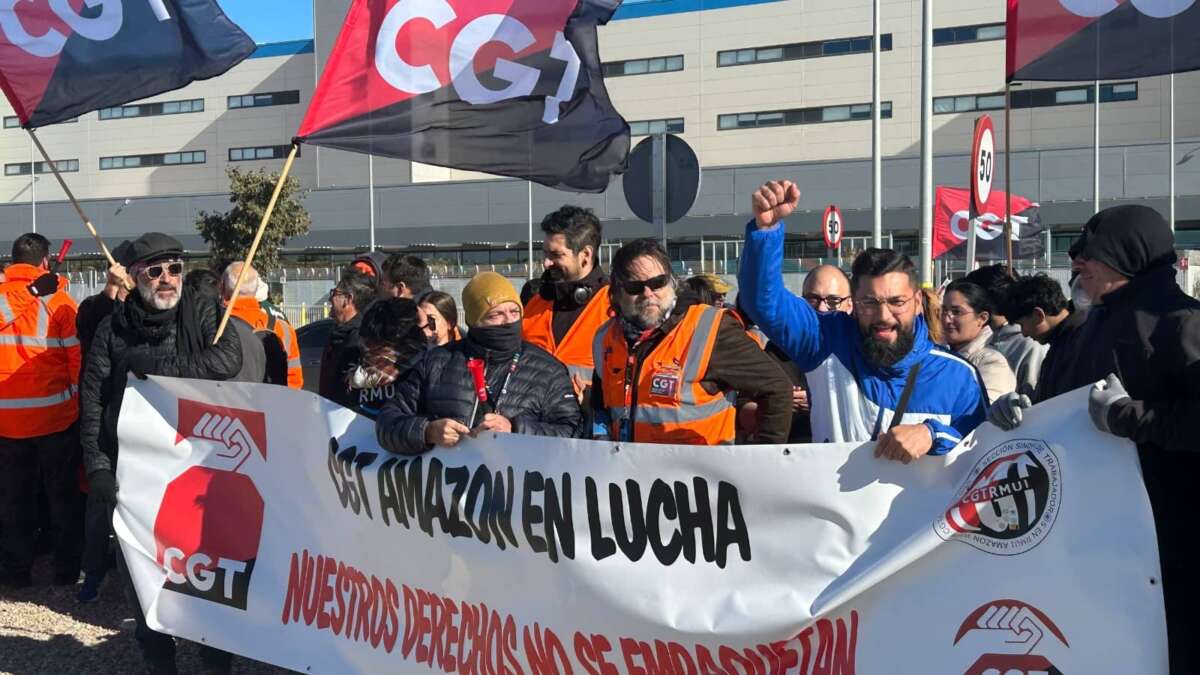
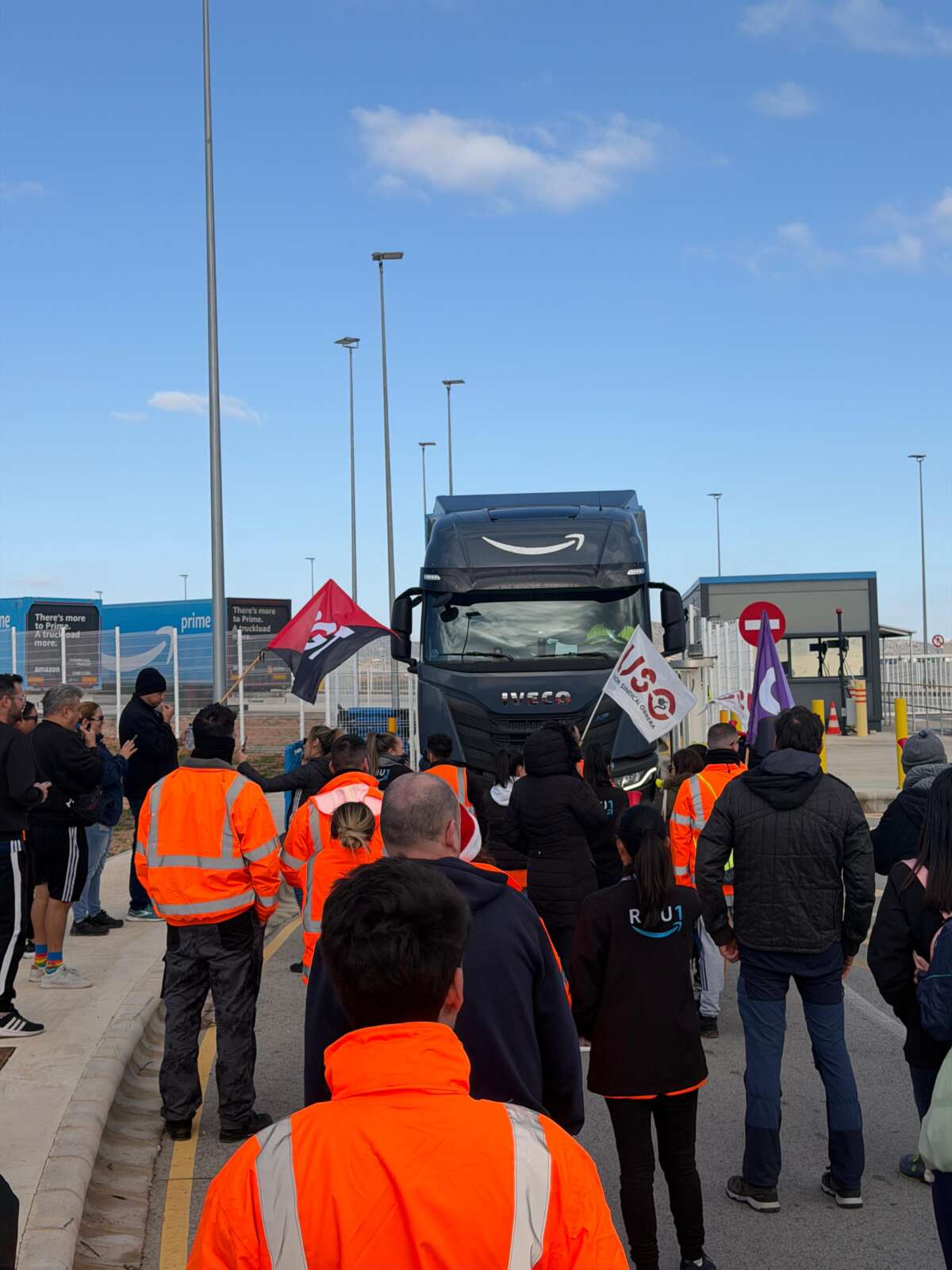
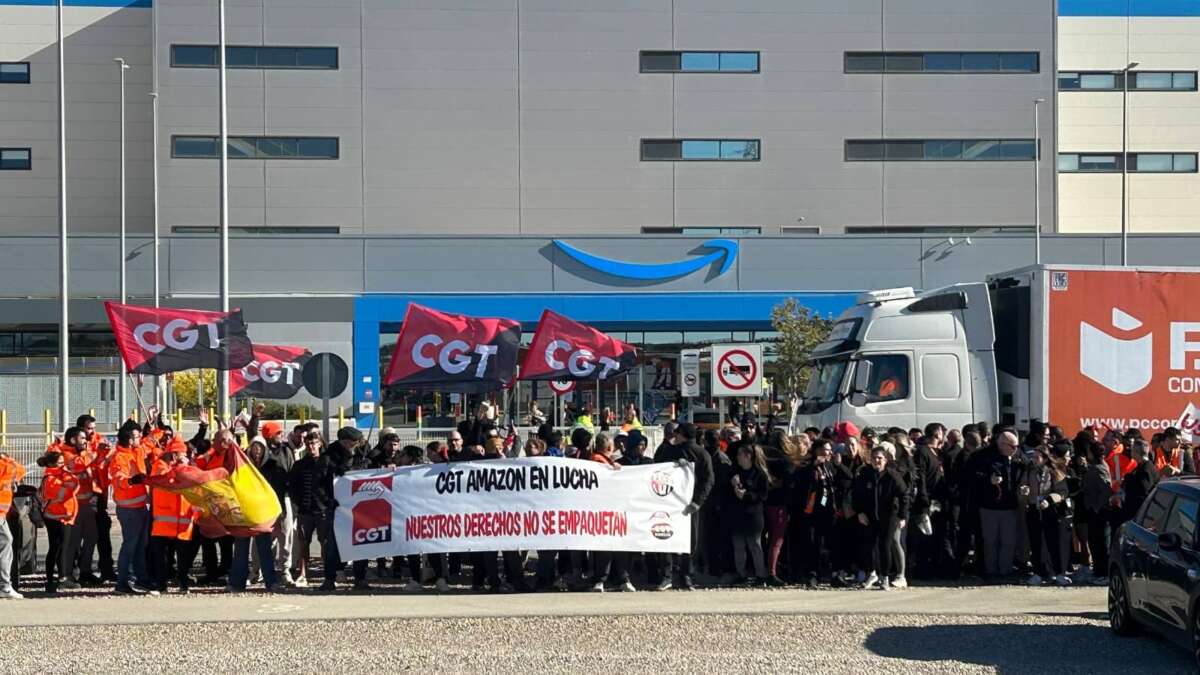
Confederación General del Trabajo (CGT) members protest at the Amazon RMU1 warehouse entrance on the first day of the November strike.Alfonso Martínez Valero
Truthout is a vital news source and a living history of political struggle. If you think our work is valuable, support us with a donation of any size.
The latest flashpoint of resistance to global logistics juggernaut Amazon has proven, once again, that collective worker power can force the company into improving its miserable working conditions.
Amazon workers in Murcia, in southeastern Spain, struck twice at the RMU1 fulfillment center during the 2025 holiday “peak” season and forced the company into a negotiated settlement in late December.
Workers won a 14 percent wage increase that took effect this month (January). They also won annual increases of 4 percent in each of the next two years, improved Sunday and night shift pay, and more paid time off. Strike leaders cautioned that the 14 percent increase can be somewhat misleading — it’s an increase from 2018 wage tables, thus largely an inflation adjustment. But as Alfonso Martínez Valero, an RMU1 worker and strike leader, told Truthout, benefits like pensions and unemployment pay are calibrated to base wage rates, so those benefits now will increase substantially.
“Have all objectives been achieved? No. But something fundamental has been accomplished: breaking the deadlock, reactivating negotiations and demonstrating that Amazon is not immune to collective organization,” the Murcia worker strike committee wrote following the walkouts. “The strike has shifted the balance of power and sent a clear message to workers in other countries: even within a global multinational, sustained collective action can open real cracks,” they wrote for a forthcoming article in The Amazon Worker, a publication of Amazon Workers International.
Murcia workers struck for three days at the end of November, and when that didn’t produce negotiations, they struck again from December 17 through 19. Amazon ramped up its anti-union campaign after the first strike, sending managers from one workstation to another to tell workers that a December strike action would be futile, that workers would lose money and jeopardize their jobs, according to Martínez Valero.
Of the 2,000 workers at RMU1, the union strike committee estimates that at least 75 percent participated in the December strike. The workers’ return to the picket lines in December appears to have convinced Amazon to bargain. On December 22, the union strike committee announced the settlement, negotiated under the auspices of government mediators.
The strike was organized and led by a feisty, class-struggle-oriented rank-and-file committee of the Confederación General del Trabajo.
The strike was organized and led by a feisty, class-struggle-oriented rank-and-file committee of the Confederación General del Trabajo, or CGT, one of four unions at RMU1. Unlike the “exclusive representation” model of U.S. labor relations, in Spain — as in other European countries — multiple unions can have a presence at the same worksite. Minimum standards are covered by provincial or national sectoral agreements, negotiated by unions and employer groups.
In 2024, Martínez Valero told Truthout, CGT members tried but failed to convince the other unions to participate in job actions to raise standards, which had languished without change since 2018. The other unions, he said, wanted “social peace,” but for the CGT, “confrontation is in our essence, to highlight the contradictions of the [capitalist] system, and the democratic struggle to achieve our goals.”
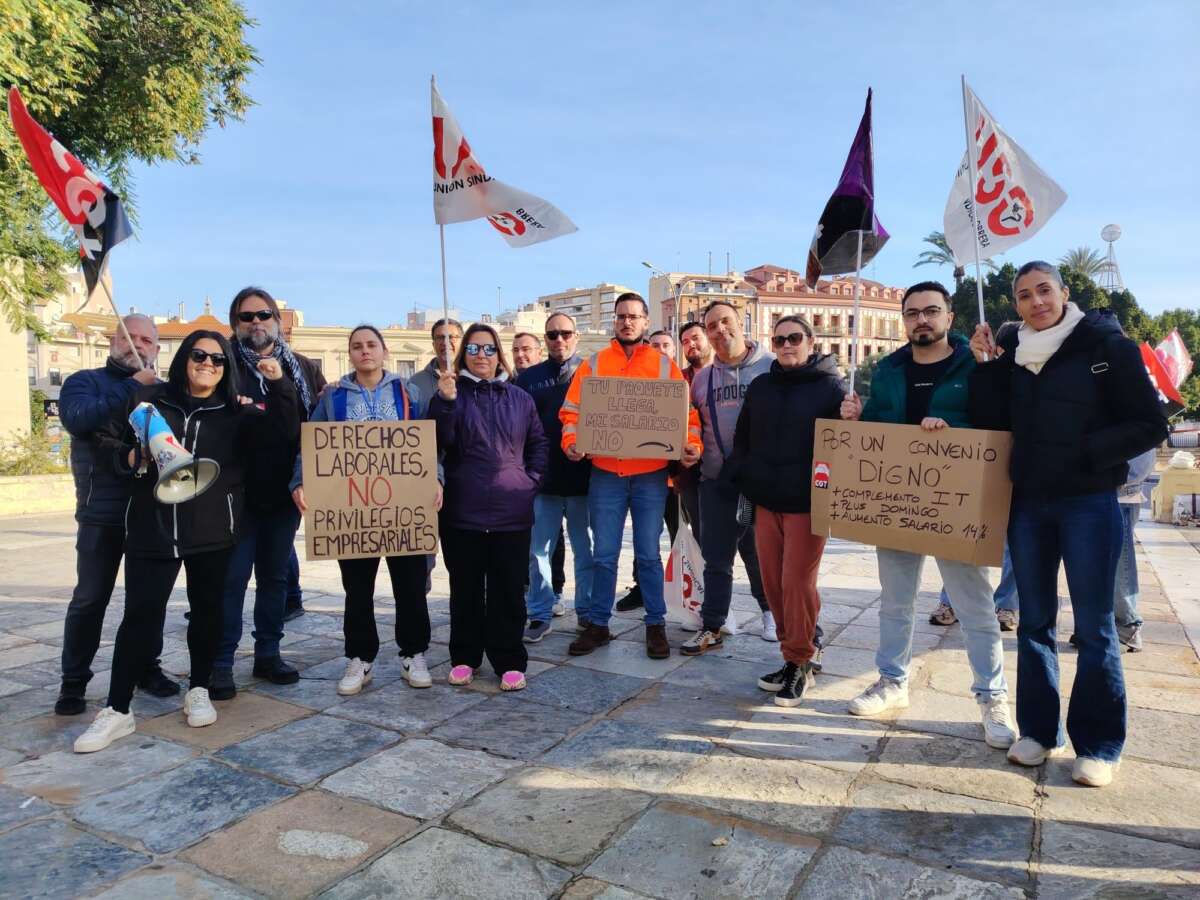
CGT strike committee members and other workers rally outside the government mediation office as Amazon officials and union representatives meet inside in December.
Alfonso Martínez Valero
This past September, CGT members convened worker meetings. “Spirits at the warehouse were very high,” Martínez Valero said. “Coworkers were very willing to go on strike, so we started a mobilization campaign. Mainly talking with people, publishing an agitation magazine … and openly talking about the strike.”
The one-on-one, shop floor organizing culminated in a worker vote to strike in both November and December. One of the other three unions officially endorsed the strike call, but judging from picket participation figures, it’s apparent that workers well beyond the CGT and the other union’s ranks joined in the walkout.
Creative strike tactics were decisive. As Martínez Valero explained to Truthout, “this strike was not a classic mobilization, where people don’t go to work.” Instead, he said, “we played a game of deception, which means that everyone showed up for work on the strike days, creating a false sense of demobilization and confidence in the company.” He explained that only when production peaks occurred, “our colleagues left their workstations” and picketed outside. The workers would then return to work when production slowed down. Workers “were coming and going and clocking in and out several times during their shift,” Martínez Valero said, “causing great organizational chaos and confusion [for Amazon] about where to put people.”
“This was disastrous for the company, as in November it was unable to ship out many goods, or did so very late. We know that on the first day of the strike, more than 40 trucks were delayed,” Martínez Valero said.
“The workers organized themselves into small groups or assemblies, based on their workstations or areas.”
To carry off this strategy of chaos, “the workers organized themselves into small groups or assemblies, based on their workstations or areas,” he said. “This arose spontaneously, as they know each other and trust each other. We noticed this and encouraged it, giving them free rein to make decisions: best times to leave, coordinate with other groups, organize and help each other.”
By encouraging workers in each department to make their own decisions about when to stop working, “they become empowered and gain confidence and bring more people along with them, and second, this technique allows us to adapt to any changes the company tries to make to minimize the economic impact,” he said.
There are lessons here for unionists everywhere: Strong worker-leadership, movement democracy, and creative, confrontational tactics that disrupt the supply chain can bring the company to heel.
In addition to sowing chaos inside the warehouse, the RMU1 workers blocked entrances so that trucks couldn’t get through to move goods.
The strike also enjoyed international support from allies. As the first November strike loomed, workers and unions from Japan, India, England, Poland, and the U.S. sent solidarity messages, including videos from North Carolina Amazon workers and Teamsters in New York.
Those Spanish and German strikes followed a one-day nationwide strike of thousands of Amazon delivery drivers in Italy in April. That walkout forced the company to the bargaining table, where they agreed to improve pay and safety for Italian drivers.
But in the U.S. — where Amazon employs about 70 percent of its global workforce of more than 2 million direct-hire and contract workers — the 2025 peak season was quieter on the picket lines compared to Europe, and also compared to 2024.
Anti-union blowback from Amazon is responsible for the diminished U.S. strike activity this past December. Following the 2024 strikes, Amazon punished many of the strikers in clear-cut acts of illegal retaliation. Workers responded with group delegations to management, and they filed charges with the National Labor Relations Board (NLRB). But even when the federal agency stepped in to declare the company had broken the law, Amazon held firm.
Then at New York City’s DBK4 warehouse, the site of one of the more active December picket lines, Amazon responded by firing 150 drivers last September. Workers rallied to announce they would fight back. “If Amazon thinks we’re going to take this lying down, they have another thing coming. Our solidarity is only growing stronger,” DBK4 worker Latrice Shadae Johnson told a protest crowd outside the Queens facility. But the DBK4 firings and the company’s nonstop hostility toward unions, combined with the relative toothlessness of U.S. labor law, have had a dampening effect on U.S. strike activity.
Strong worker-leadership, movement democracy, and creative, confrontational tactics that disrupt the supply chain can bring the company to heel.
It certainly is true that U.S. companies have a freer hand to intimidate workers and bust unions compared to employers in most other countries where Amazon operates. A recent report by the Economic Policy Institute noted that as of last year, there were nearly 350 pending or settled unfair labor practice charges against Amazon and its subsidiaries across 27 U.S. states, many involving fired workers. At the JFK8 facility on Staten Island, workers won a union representation election nearly four years ago but have yet to see their first day of bargaining with the company because of stalling by Amazon’s union-busting lawyers.
These grim realities are all the more reason why the U.S. labor movement needs to put exponentially more energy and resources into the Amazon organizing project.
Doing so is an urgent necessity for workers outside of Amazon as well. The largest private sector union contract in the nation is at United Parcel Service (UPS), covering some 300,000 delivery drivers and warehouse workers. The Teamsters UPS contract, which provides good pay, benefits, and rights to workers, expires in July 2028. That’s just 30 months from now.
Over the last few years, Amazon has overtaken UPS in package volume, and industry analysts believe the behemoth will surpass even the U.S. Postal Service by the end of the decade. Without an energetic organizing campaign at Amazon, Teamsters should expect UPS to come to the bargaining table demanding major concessions to match Amazon’s much lower pay and benefit standards.
This is a big challenge not just for the Teamsters, but for the entire labor movement. Because of its size, the UPS contract is a bellwether agreement — the terms for UPS workers set expectations for workers and bosses far beyond parcel delivery work. For example, the July 2023 Teamster-UPS settlement, which included substantial pay raises, gave momentum to UAW auto workers, who two months later launched their rolling strikes at the Big 3 automakers. Conversely, a defensive, concession-riven 2028 bargaining round for UPS Teamsters would augur poorly for all unions.
Workers rally on the first day of strike in November. The banner reads: “Our rights are not for packaging.”Alfonso Martínez Valero
The strike victory in Murcia, Spain, isn’t a copy-and-paste template for U.S. trade unionists. The legal and political terrains between the two countries are quite different. Amazon’s warehouse network is much denser in the U.S. compared to other countries, rendering single-site strikes here much less effective. But the core principles of Murcia’s success — rank-and-file leadership, union democracy, a confrontational posture, and a majority-participation, production-disrupting strike — are exportable anywhere Amazon workers seek justice. “It’s a collective effort, and we have to dispel the myth that Amazon is untouchable,” Martínez Valero said. “As the Spanish saying goes, ‘torres más altas han caído’ — taller towers have fallen.
This article is licensed under Creative Commons (CC BY-NC-ND 4.0), and you are free to share and republish under the terms of the license.
Jonathan Rosenblum is a union organizer, member of the National Writers Union, and part-time Amazon delivery driver. He serves as Activist in Residence at the Center for Work and Democracy, Arizona State University.
What do we know about the Nipah virus cases in India
Two confirmed cases of the Nipah virus in India have triggered international alert.
India has confirmed two cases of Nipah virus in West Bengal, a region in the eastern part of the country bordering Bangladesh, Bhutan, and Nepal.
Both infected patients are healthcare workers from the region, and are hospitalised in intensive care.
The Indian government added that 196 contacts of the confirmed cases are all asymptomatic and have tested negative for the virus.
The health ministry states that available data suggest that there is no need for the general public to be apprehensive about the safety of individuals and their family members.
However, given the high potential mortality of the virus, up to 75 percent, and the lack of specific treatment or vaccine, every outbreak is closely monitored.
What is the Nipah virus?
Nipah virus is an illness that can be transmitted from animals, through contaminated food, or from contact with an infected person.
It is mainly found in bats in the coastal regions and on several islands in the Indian Ocean, India, Southeast Asia, and Oceania.
The Nipah virus has considerable epidemic or pandemic potential as it can be transmitted by domesticated animals, and secondary human-to-human transmissions are possible.
In infected people, it causes a range of illnesses from asymptomatic to acute respiratory disease and fatal encephalitis.
The mortality rate is between 40 percent and 75 percent, depending on the strain of the virus.
Relate
Neighbouring countries are cautious
Some of India’s neighbouring countries are implementing checks for travellers from the affected Indian region and issuing official alerts.
Thailand has introduced airport checks for people travelling from West Bengal. So far, no cases have been detected outside of India.
The country also advises special surveillance for visitors in bat-associated areas.
Nepal has also implemented new measures in response to the cases in India, increasing surveillance in their border with the country and at its airports.
Nipah outbreaks 2025
It is not that uncommon for outbreaks of the Nipah virus to happen in the higher-risk areas
Since 1998, outbreaks have been reported in Bangladesh, India, Malaysia, the Philippines, and Singapore, according to the World Health Organization (WHO).
In July 2025, India confirmed four cases, including two deaths in two districts of Kerala State, in the southwest of the country – a region with regular outbreaks since 2018.
Bangladesh also reported four cases of the virus between January and August 2025. The disease is endemic in the country, and since the first recognised outbreak in 2001, human infections have been detected almost every year.
In both cases, the WHO considered the risk of international disease spread to be low.
However, the international agency stresses the need to raise awareness of the risk factors, as no specific drugs or vaccines are currently available for Nipah virus disease.
Hague orders Dutch government to protect residents on this sinking island from climate change
Copyright Stephan Kopelman
By Mike Corder with AP
Published on
In a sweeping victory for Bonaire residents, The Hague District Court has ruled that Dutch authorities had discriminated against the island's inhabitants.
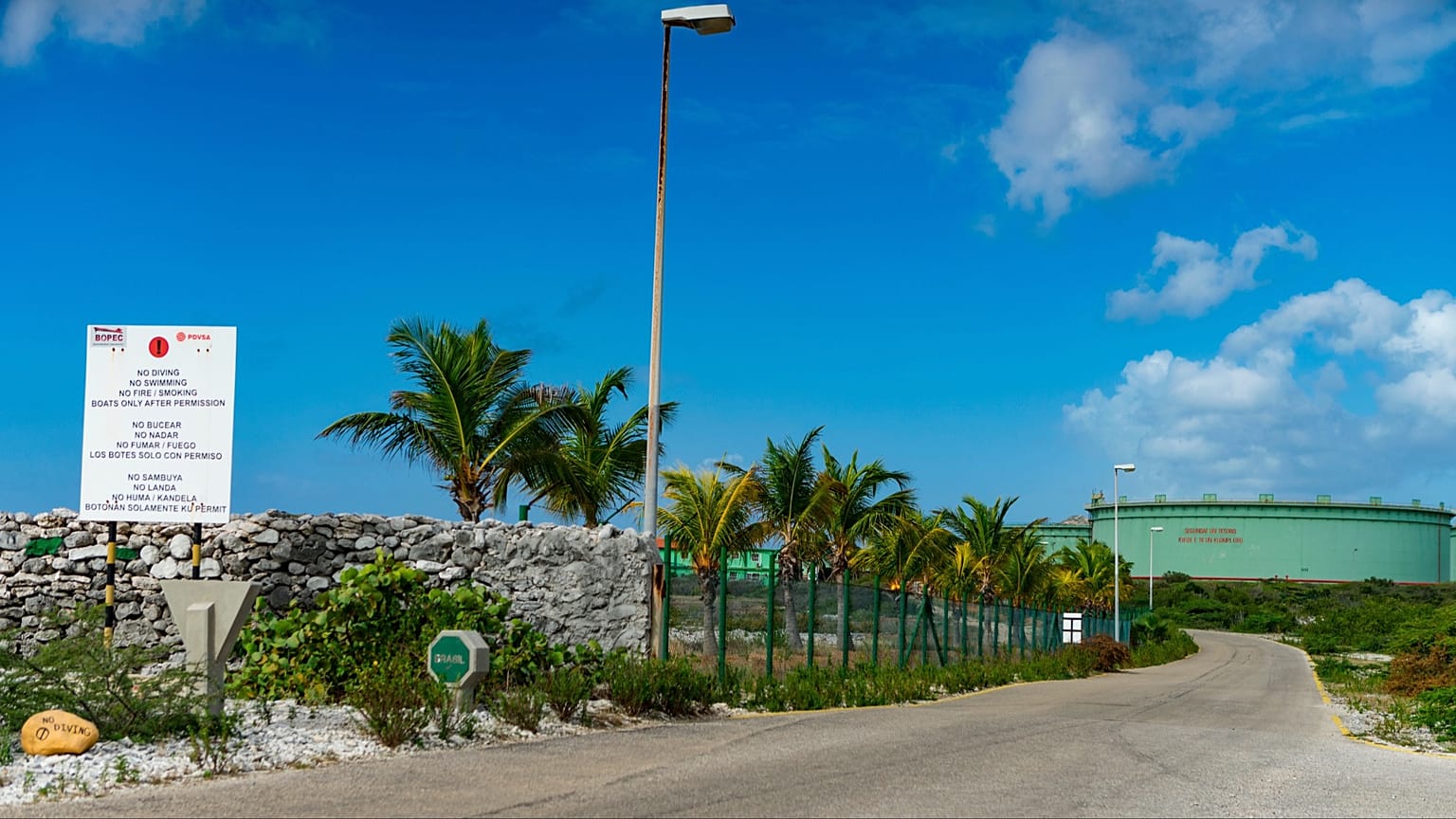
A court has today (28 January) ordered the Dutch government to draw up a plan to protect residents on the tiny Caribbean island of Bonaire from the devastating effects of climate change in a sweeping victory for the islanders.
The Hague District Court, in a stunning rebuke of Dutch authorities, also ruled that the government discriminated against the island’s 20,000 inhabitants by not taking “timely and appropriate measures” to protect them from climate change before it’s too late.
“The island already suffers from flooding due to tropical storms and extreme rainfall, and according to several researchers, this will worsen in the coming years," Judge Jerzy Luiten told a packed courtroom.
"Even conservative forecasts predict that parts of the island will be underwater by 2050, so in 25 years."
The case brought by eight Bonaire residents and backed by environmental group Greenpeace, sought to compel the government to better shield its citizens from the effects of increasing temperatures and rising sea levels and could set a precedent for similar legal challenges elsewhere.
'We're no longer second-class citizens'
“The judges heard us,” says one of the residents, Jackie Bernabela. "We are no longer second-class citizens. Equality. I am very happy."
There was no immediate reaction from the government to the 90-page written ruling. The government can appeal the decision.
In a statement issued before the ruling, Marie Vellekoop of Greenpeace Netherlands says: "It would be a victory of historic significance, should the court ruling force the State to take concrete measures to protect people from extreme weather and other consequences of the climate crisis.”
The case was heard in The Haguebecause Bonaire, along with two other islands, St. Eustatius and Saba, became special Dutch municipalities in 2010. The island’s 20,000 residents are Dutch citizens based on their colonial history.
Dutch government to tighten climate rules
Lawyers for the government argued that the Netherlands already is making strides to combat climate change, citing greenhouse gas reductions and mitigation efforts. Government lawyer Edward Brans says the issue should be handled by national administrations and not judges.
But the court ruled that government efforts weren’t enough, saying a target to reduce emissions by 55 per cent by 2030 compared to 1990 levels wasn’t binding and didn’t fully include emissionsfrom air and sea transport. The court also said that the Netherlands was “highly unlikely” to meet its 2030 target.
The ruling came as weeks of talks to form a new Dutch government following a national election in late October look like producing a new minority coalition headed up by centrist D66 leader Rob Jetten.
He earned the nickname “climate pusher” when he was a minister responsible for shepherding through a raft of legislation intended to reduce the Netherlands’ reliance on fossil fuels and significantly cut its carbon emissions. Now, the new government that Jetten is expected to lead will have to tighten the measures in line with the court’s ruling.
The new Urgenda case
It’s not the first time that The Hague District Court has issued a groundbreaking climate ruling. The same court heard the first stage of the landmark Urgenda case more than a decade ago. That case wrapped up in 2019 when the Dutch Supreme Court ruled in favour of climate activists and ordered the government to cut greenhouse gas emissions, a legal battle that paved the way for similar challenges around the world.
The Urgenda decision featured prominently in recent climate change decisions from the European Court of Human Rights and the United Nations’ highest court, the International Court of Justice. Both courts found that failing to combat climate change violated international law.
In the decade up to 2023, sea levels rose by a global average of around 4.3 centimeters, with parts of the Pacific rising higher still. The world has also warmed 1.3°C since preindustrial times because of the burning of fossil fuels.