Tuesday, March 31, 2026


Sweden charges man for coercing wife into providing sexual services to over 120 men

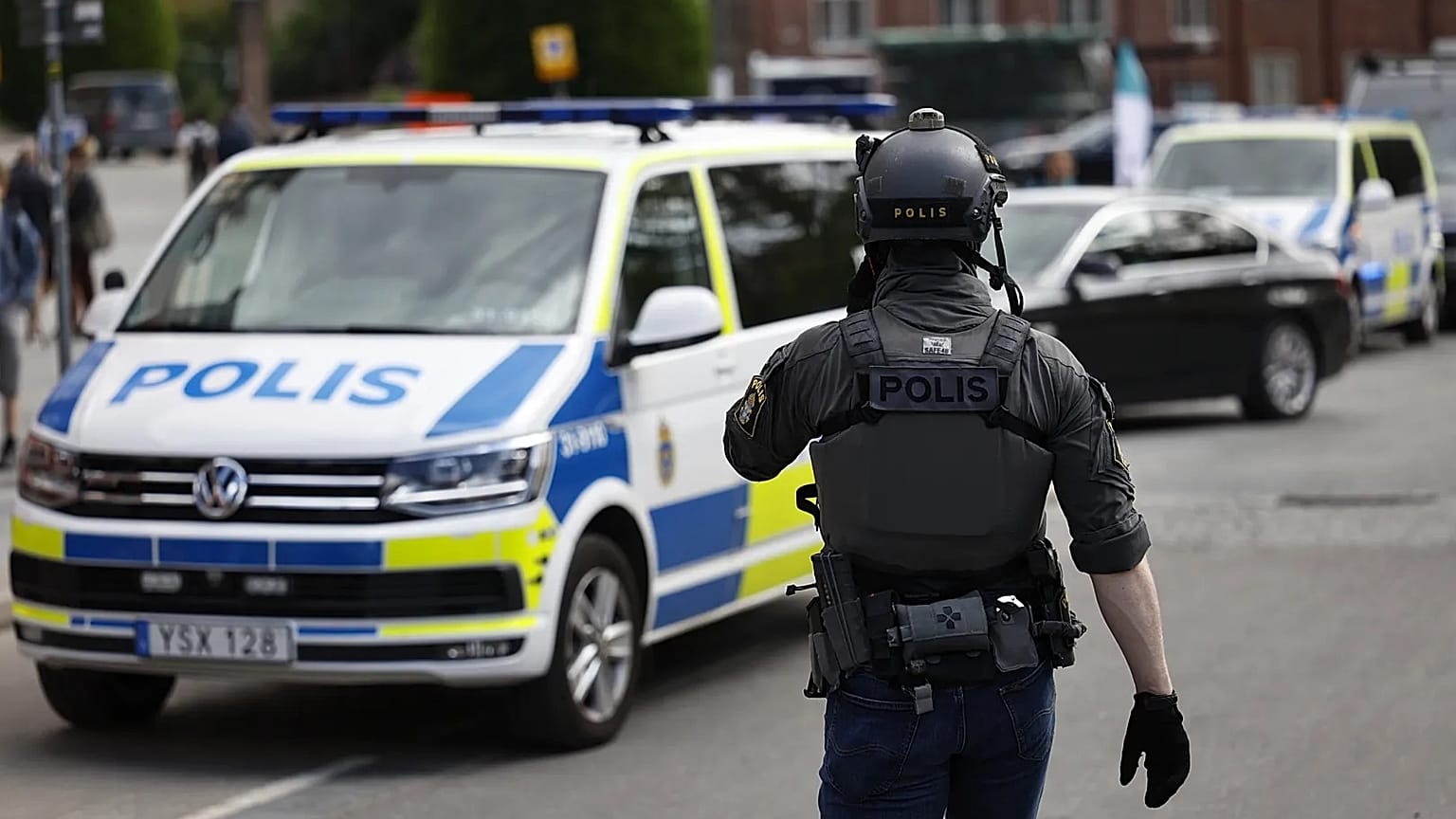
Swedish police arrive outside a building housing the Royal Institute of Technology (KTH) in Stockholm, 7 June, 2024
Copyright AP Photo

By Gavin Blackburn
Published on 

In addition to being charged with aggravated pimping, the 62-year-old suspect was also charged with eight rapes.

A Swedish prosecutor charged a man on Monday with aggravated pimping, assault and multiple rapes after he allegedly sold his wife's sexual services to over 120 men

The 62-year-old man was arrested in late October after his wife reported him to police in northern Sweden, and he has been held in custody since then.

According to the charge sheet, the man had for years benefitted financially from pressuring his wife "to perform and submit to sexual acts".

The man was accused of creating ads online, setting up meetings, keeping guard and pressuring the woman to perform sexual acts online in order to attract more clients.

He was also accused of being violent and threatening her, exploiting her fear of him and taking advantage of her drug addiction in what the prosecutor said was "ruthless exploitation".

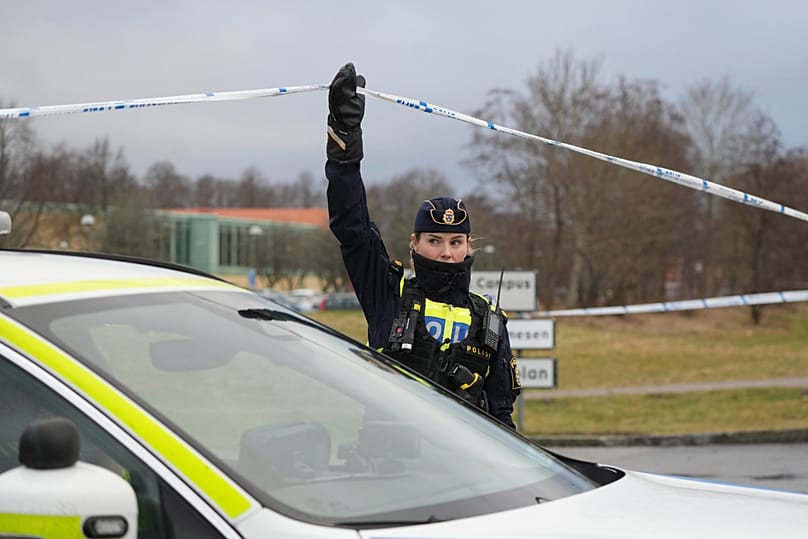
A police officer helps a police car out of an area cordoned off on the outskirts of Orebro, 5 February, 2025
A police officer helps a police car out of an area cordoned off on the outskirts of Orebro, 5 February, 2025 AP Photo

The charges also detailed several threats made to the plaintiff, with some of them including warnings about unleashing "the monster".

Prosecutor Ida Annerstedt said in February that authorities had identified some 120 individuals suspected of having bought sexual services.

The incidents were alleged to have occurred between August 2022 and October 2025.

In addition to being charged with aggravated pimping, the man, who denies the accusations, was also charged with eight rapes.

They include one incident with a client and several incidents where she was made to perform sexual acts on herself.

He was also charged with four attempted rapes and four assaults.

Silvia Ingolfsdottir, a lawyer representing the woman, told the AFP news agency the charges resulted from the "serious and aggravated crimes" her client had been a victim of.

"She now hopes to obtain justice," Ingolfsdottir said in a text message.

According to public broadcaster SVT, the man had previously been a high-ranking member of biker group Hells Angels.

The broadcaster also said the trial had been preliminarily scheduled to start on 13 April.

Parallels with Pelicot

The case is likely to be compared to that of Gisèle Pelicot, the 73-year-old French woman lauded as a feminist icon for waiving her right to anonymity in a multiple rape case.

Between 2011 and 2020, Pelicot was drugged and raped by her husband Dominique and dozens of other men while she was unconscious.

She became aware of the abuse in 2020, after her husband was arrested for upskirting women in a supermarket, and a subsequent police search of his computer showed images of her being raped.

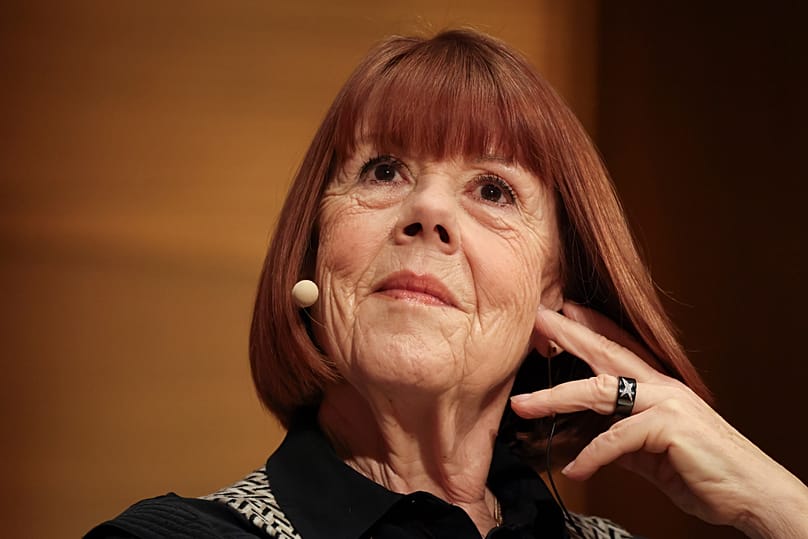
Gisèle Pelicot presents the German edition of her memoir in Hamburg, 24 February, 2026
Gisèle Pelicot presents the German edition of her memoir in Hamburg, 24 February, 2026 AP Photo

Her case transfixed France and attracted significant international media attention.

Pelicot has since become a symbol of the fight against sexual violence, and the shocking case spurred a national reckoning over rape culture in France.

In July last year, she was given France's highest award, being named a knight of the Legion of Honour ahead of France's Bastille Day.

Dominique Pelicot was sentenced to 20 years in prison, while sentences for the other defendants ranged from three to 15 years imprisonment.


Hungary's upcoming election and the effects of the generation gap

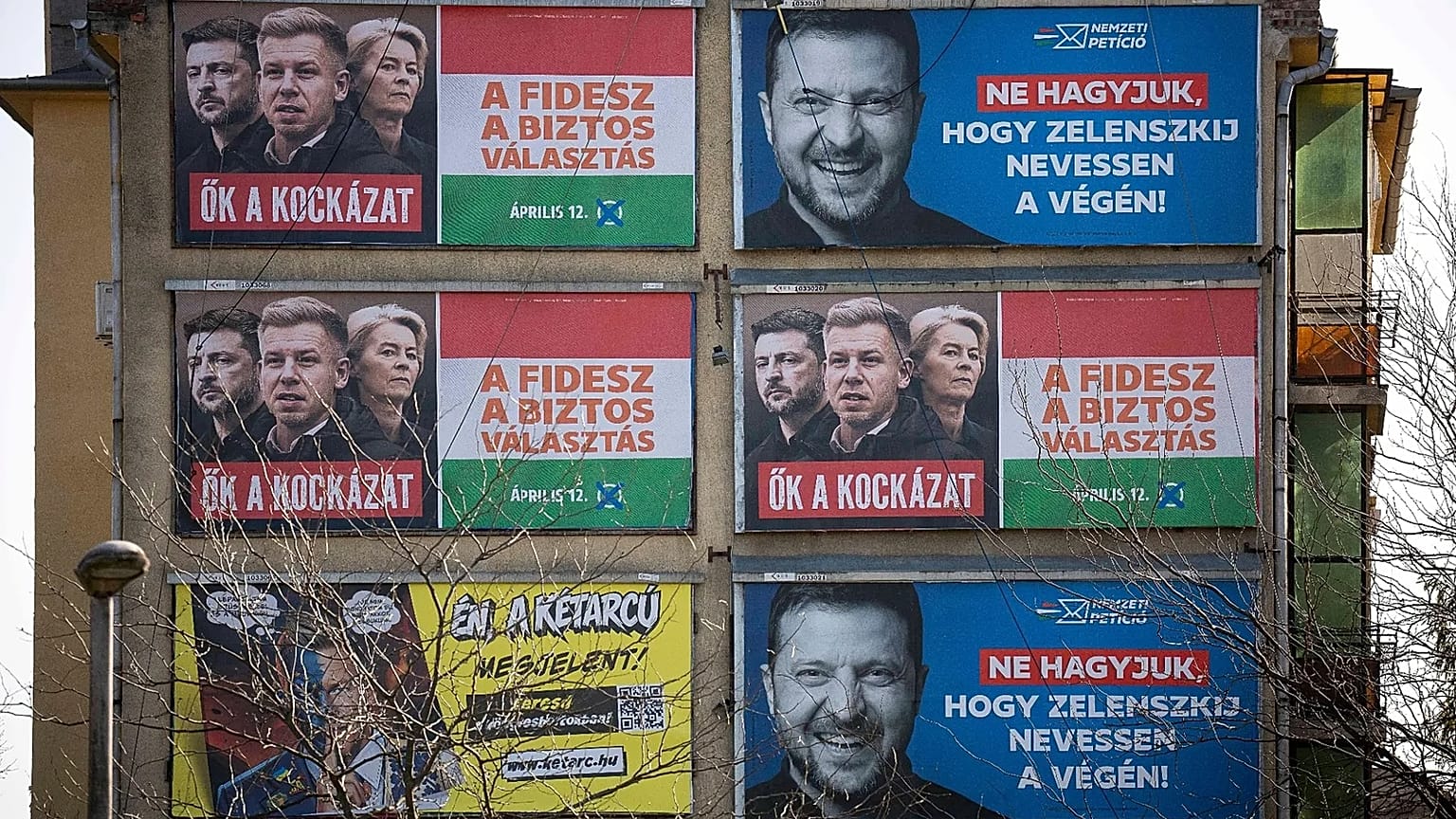
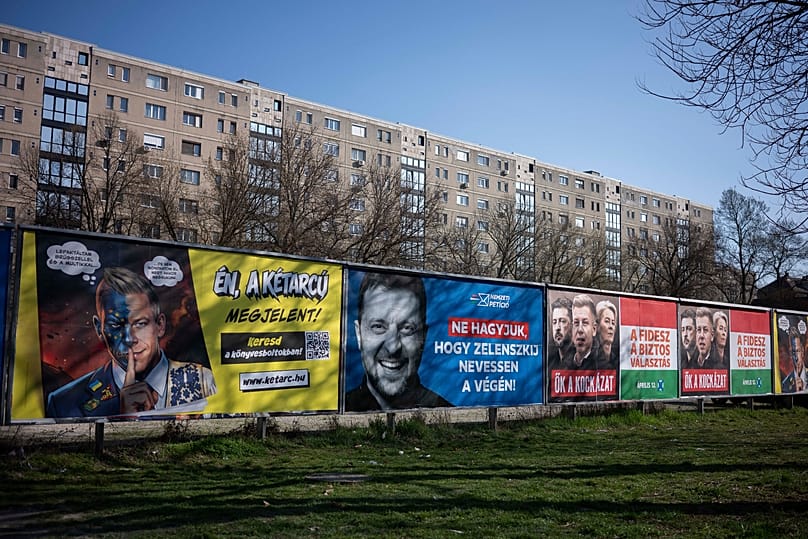
Campaign posters displayed on a wall in Budapest, 14 March, 2026
Copyright AP Photo


By Gábor Tanács & Tamás Fencsik
Published on 

Most independent polls show that more than 60% of voters under 30 support Péter Magyar's Tisza party while only 15% back Viktor Orbán's ruling Fidesz in April elections.

Hungary's upcoming general election on 12 April is marked by a clear generation gap with many young voters strongly favouring the opposition Tisza Party headed by Péter Magyar.

Most independent polls show that more than 60% of voters under 30 support Magyar's party while only 15% support Viktor Orbán's ruling Fidesz.

Orbán's campaign appears to be speaking to older voters. One campaign promise is a 14th month pension, promising security for Hungary's older citizens where Fidesz has a definite lead among voters over 64.

Based on earlier elections, young voters are harder to mobilise, so the generation issue might become one of the decisivce factors according to one of Hungary's leading sociologists.

"This may be the first election in Hungary where young people will play a decisive role in determining the outcome. If voter turnout among them is indeed high, this could largely offset the generally higher turnout among older voters," Andrea Szabó said.

But there are signs that this time younger generations are more interested in politics, as previously apolitical young influencers weight in.

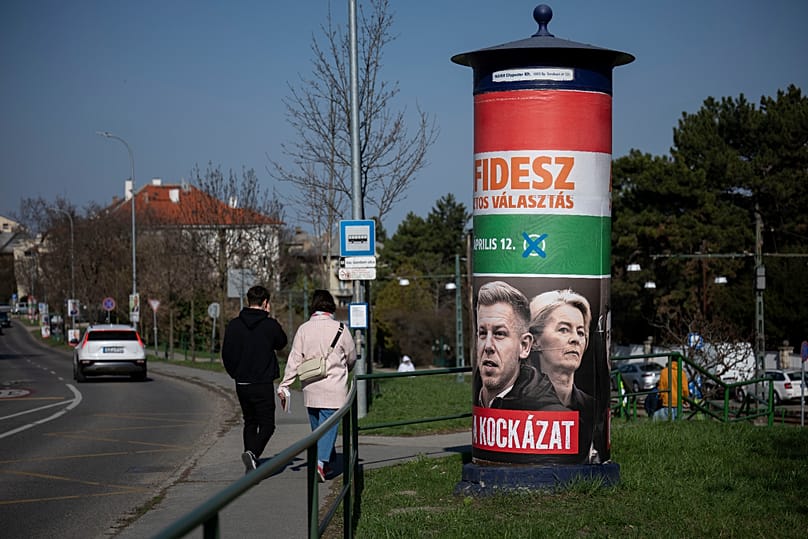
People walk next to a campaign poster which reads, "They're a risk. Fidesz is the safe choice" in Budapest, 14 March, 2026
People walk next to a campaign poster which reads, "They're a risk. Fidesz is the safe choice" in Budapest, 14 March, 2026 AP Photo

Alleged election interference

This year's election will determine whether the Fidesz party, which has been in power for 16 years, remains at the top of Hungarian politics or if the opposition Tisza party forms a government.

Critics of Fidesz see it as moving closer to Russia, which, under Vladimir Putin, has been waging a full-scale invasion of Ukraine since 2022.

They also claim that Fidesz is slowly moving away from the European Union, which has led Brussels to withhold trillions of euros of EU funds due to the dismantling of the rule of law.

In November 2025, the European Parliament adopted its second interim report on the undermining of the rule of law and the ongoing violation of EU values in Hungary. The Parliament voted by 415 votes to 193, with 28 abstentions, on the report on the procedure under Article 7 of the TEU, which MEPs had initiated in 2018.

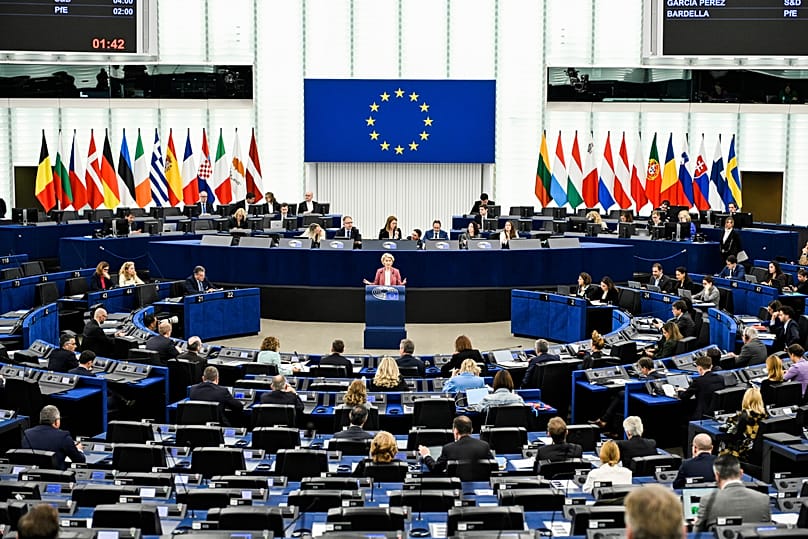
European Commission President Ursula von der Leyen speaks during a debate at the European Parliament in Strasbourg, 11 March, 2026
European Commission President Ursula von der Leyen speaks during a debate at the European Parliament in Strasbourg, 11 March, 2026 AP Photo

The report focuses on 12 areas of concern. In a statement, the European Parliament said MEPs condemned the fact that Hungary's Supreme Court for reviewing EU court rulings before applying them. They also criticised threats to judicial independence and Hungary's systematic refusal to implement judgments of the European Court of Human Rights.

Euronews, citing the investigative portal VSquare and journalist Szabolcs Panyi, wrote that Russian military intelligence agents may be interfering in the election process.

The government has dismissed these claims as fake news but VSquare reports observing patterns of interference comparable to those seen in elections in Georgia, Moldova and Romania, in which Russia was also accused of meddling.

How many young people will vote?

On the day of the 2022 parliamentary elections, 231,000 first-time voters could have gone to the polls, and approximately 90,000 went to vote. In 2026, the number of first-time voters is expected to be between 220-250,000, but there is no reliable data yet.

Young people are an important base for both Tisza and Fidesz and it matters how many of those 220-250,000 they can persuade to vote. Viktor Orbán has repeatedly hinted in his speeches over the past six months that Fidesz needs to convince young people to vote for them.

Initiatives have also come from elsewhere, such as elmegyekszavazni.hu, which is a collaboration between seasoned ex-politicians of V21 and young people from the TÉR Association. The V21 group was established by members of former governments and former European Commissioners in 2017 under its original name V18.

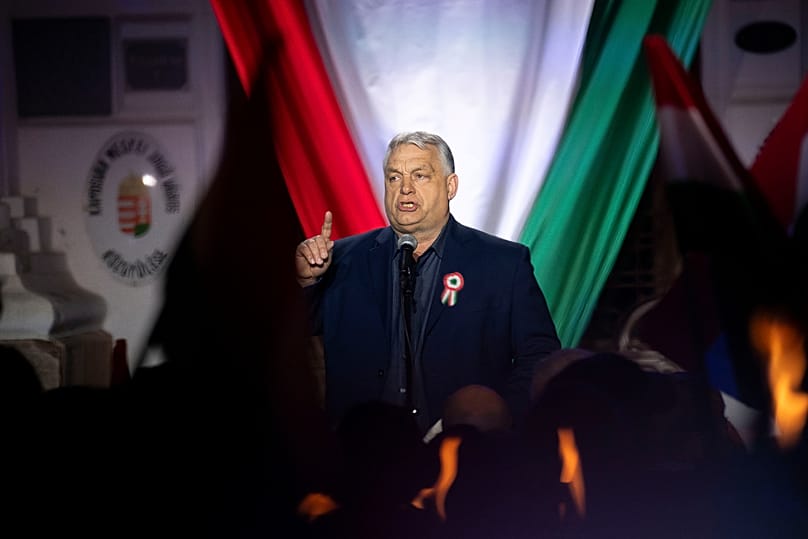
Prime minister of Hungary Viktor Orbán speaks during a countryside campaign tour in Kaposvár, 16 March, 2026
Prime minister of Hungary Viktor Orbán speaks during a countryside campaign tour in Kaposvár, 16 March, 2026 AP Photo

Some of the founders held responsible public administration positions under right-wing and other left-wing governments during the two decades after the change of regime.

As they write in their introduction, they are "all citizens who consider Hungary's European development and the preservation of the rule of law to be more important than anything else."

Seasoned politicians such as Péter Balázs or Géza Jeszenszky, former foreign ministers, Attila Holoda, former deputy state secretary and energy expert, Péter Bárándy, former justice minister, and Ákos Péter Bod, former central bank governor, all support the V21 initiative.

Campaign running on TikTok

The two most important faces of the campaign are Oszkár Kállai, whose TikTok name is "Oszikaaa," and LázaDóra.

Oszkár Kállai is 21 years old, a first-time voter, and has been waiting for the time to come to vote since he was a child.

"I've been interested in politics since I was 10," he told Euronews, adding that he grew up in child protection, where he didn't have much say in what happened to him.

"The people working in the home talked about politics a lot and I found it very interesting even then."

Oszkár says he owes a lot to his educators and that he grew up in a good home "in a scandal-free environment," he sums up, adding that "there were a few mishaps, but not the kind that the media is buzzing about these days."

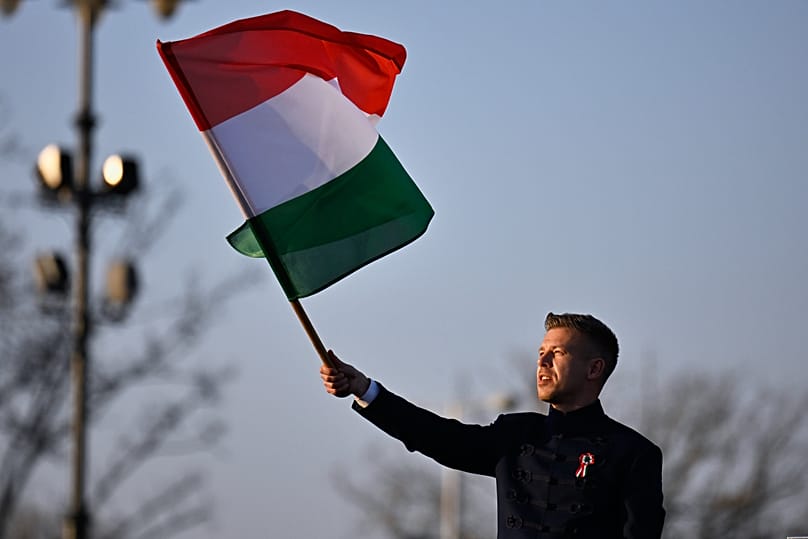
Opposition leader Péter Magyar waves a flag during a march in Budapest, 15 March, 2026
Opposition leader Péter Magyar waves a flag during a march in Budapest, 15 March, 2026 AP Photo

Kállai is currently studying social pedagogy and when he graduates he will be a manager in a children's home and later wants to do a master's degree. He still works in a children's home, as a child supervisor.

This is his fifth profile on TikTok and his channel has been blocked on several occasions. "I express my opinion and if anyone doesn't like it, they report it, and I've been blocked a couple of times," he says.

The channel, named "Oszikaaa", has been active for a year, currently has more than 90,000 followers and its videos are watched by an average of 120-130,000 people, but some have millions of views.

When asked how long viewers watch the sequences, he says that viewers usually continue to watch his latest, nearly five-minute video beyond the fourth minute.

"After all, I'm not talking about nothing," he explains.

Oszkár Kállai's channel features a significant amount of political content but he says his long shifts at work prevent him from attending protests or demonstrations.

A different age group

LázaDóra is from a different age group, has been voting since 2006, and she has never missed an election.

"I was born in 1987 and Viktor Orbán gave his famous speech at the funeral of Imre Nagy in 1989. He has been one of the most influential figures in Hungarian politics for as long as I can remember," explains Dóra.

Dóra grew up in Kecskemét. Fidesz is strong in Bács-Kiskun County, and she has voted for the party several times. She had been sceptical of Fidesz's activities since 2015, but in 2018 she voted for Viktor Orbán's party. The reason is prosaic, she simply did not want to vote for Ferenc Gyurcsány. She says that she "became enlightened" after the 2018 vote. She was disturbed by Lőrinc Mészáros's enrichment and believes that the government "stole the country and the future of the children."

Campaign posters displayed on the street in Budapest, 14 March, 2026
Campaign posters displayed on the street in Budapest, 14 March, 2026 AP Photo

She is bothered by the fact that Fidesz is allegedly turning Hungarians against gay people and Ukrainians, and as a mother, she is outraged by the state of child protection.

She registered for TikTok in December 2024 with a clearly defined goal: "I'm trying to do something to replace Fidesz." Dóra works in IT, is a mother of young children, and believed that this way she could do something to inform people about what she perceives as government wrongdoing. Her first two videos were viewed by 60,000 people and now she has 44,000 followers.

Now, in the run-up to the elections, she is producing content regularly, partly inspired by the campaign of V21 and the TÉR Association. The campaign is organised at a community level, and sees young voters make a video about what they think is missing in Hungary and how they would answer the question "Why are you going to vote?"
 

Ukraine signs 10-year defence deal with arms producer Bulgaria, Zelenskyy says

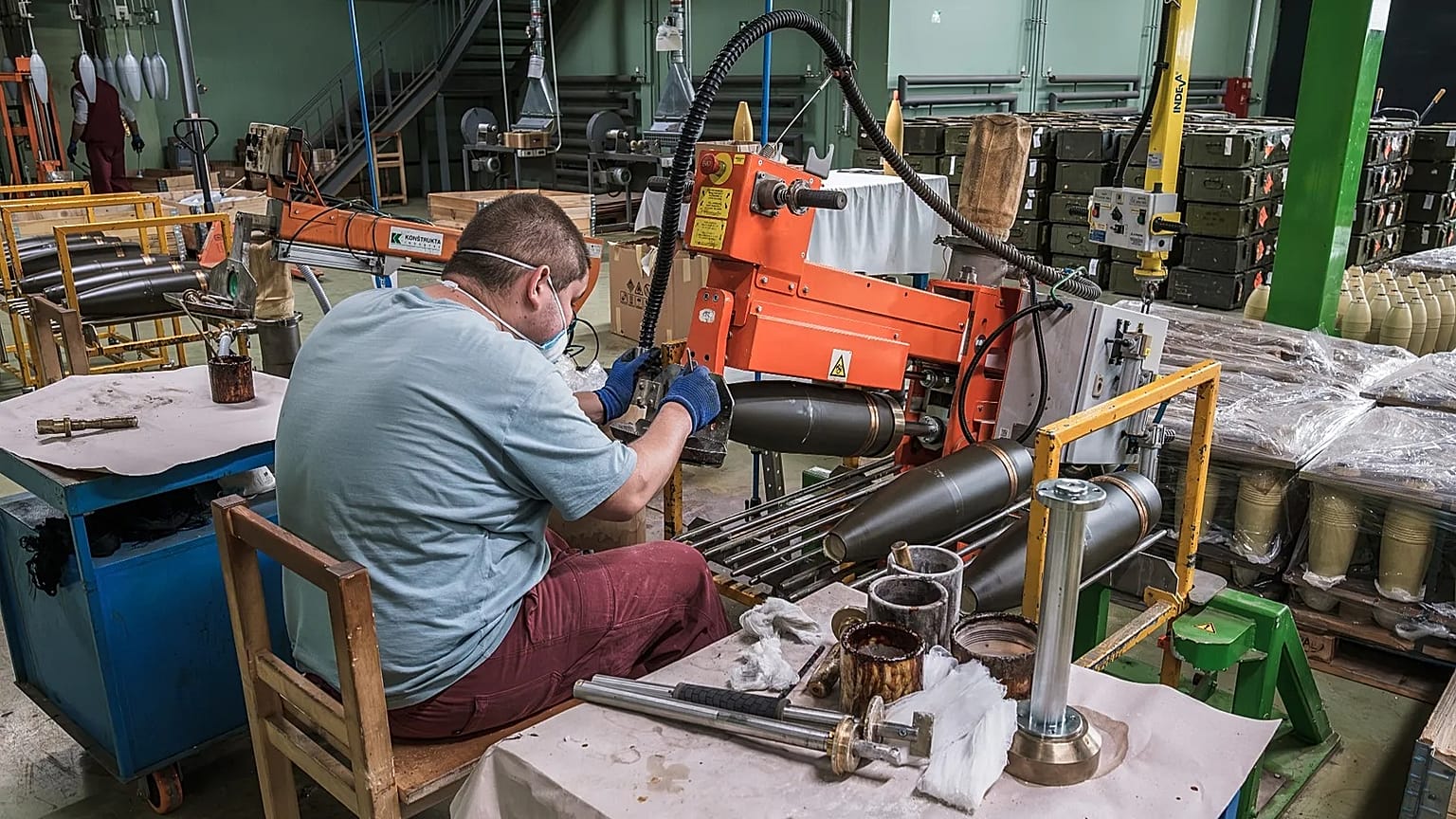
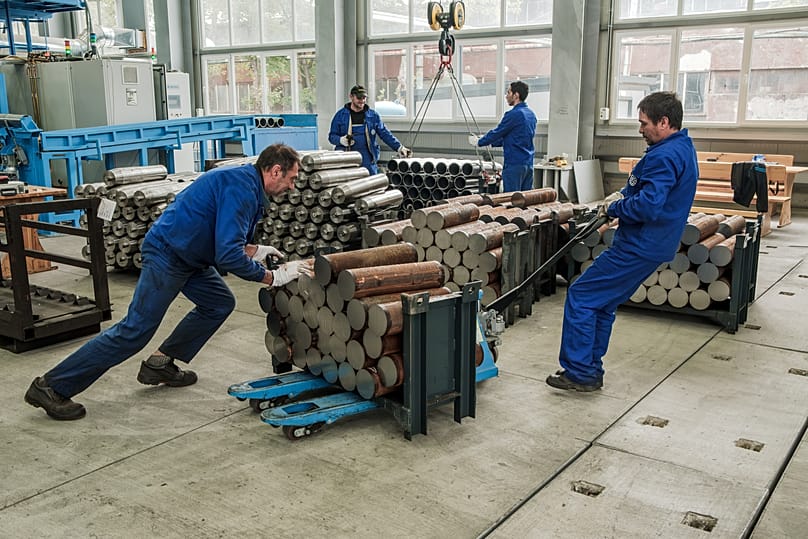
A worker at VMZ Sopot preparing the forged steel artillery shell bodies in the mechanical workshop, 17 October, 2025
Copyright EC - Audiovisual Service/Aleksandar Nikolov


By Gavin Blackburn
Published on 

The agreement with Bulgaria comes hot on the heels of a raft of similar deals Zelenskyy inked with partners in the Gulf.

Ukraine signed a 10-year defence agreement with Bulgaria, a major arms manufacturer, covering production of drones and other weapons, President Volodymyr Zelenskyy announced on Monday.

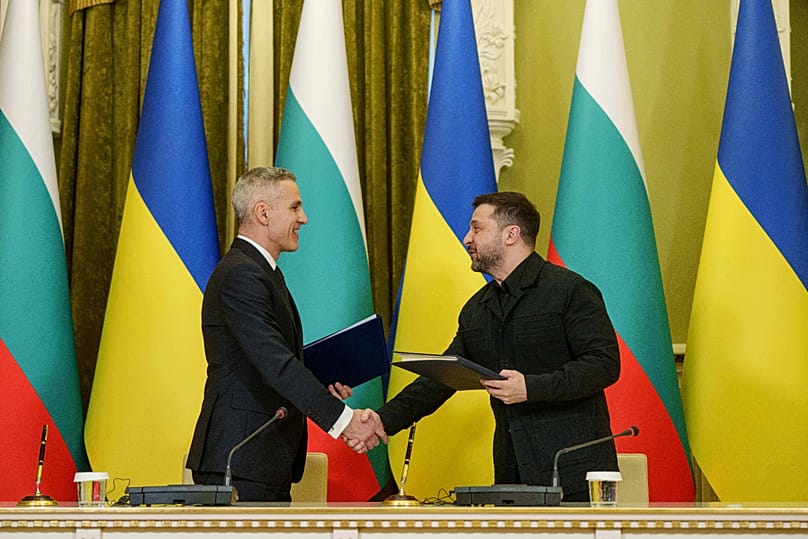
The Ukrainian leader said he was "very pleased" with the deal, signed during a visit to Kyiv by Bulgaria's interim Prime Minister, Andrey Gyurov.

The agreement covers "joint production, on the territory of our countries, of various types of weapons, including drones," Zelenskyy said at a press conference.

The length of the accord should make it possible to "systematise" security cooperation, Zelenskyy said, in particular keeping up with the rapid pace of technological change in the drones, a key weapon in Ukraine's fight against Russia's full-scale invasion.

Bulgaria, now a member of NATO and the EU, was part of the communist bloc during the Cold War, and for decades produced ammunition and weapons to Soviet standards, which are also used by the Ukrainian army.

Bulgaria's Prime Minister Andrey Gyurov and Ukraine's President Volodymyr Zelenskyy shake hands after signing cooperation documents in Kyiv, 30 March, 2026
Bulgaria's Prime Minister Andrey Gyurov and Ukraine's President Volodymyr Zelenskyy shake hands after signing cooperation documents in Kyiv, 30 March, 2026 AP Photo

According to government data, nearly 4% of Bulgaria's GDP comes from the defence industry, which has thrived since Russia started the war in Ukraine in 2022.

Sofia has sent large quantities of weapons to Kyiv and Gyurov hailed the new accord as the "result of long preparation."

"This is not a mere formality, but a joint commitment to our Euro-Atlantic security," he said at the press conference alongside Zelenskyy.

The two leaders also said they are working together on the creation of a gas corridor, called the Vertical Gas Corridor, to link Greece with several countries in southeastern Europe.

Gulf deals

The agreement with Bulgaria comes hot on the heels of a raft of similar deals Zelenskyy inked with partners in the Gulf.

Ukraine agreed to provide Gulf states with its complete air defence system — including maritime drones, electronic warfare and interception technology — to fend off Iranian drones, Zelenskyy said on Monday after a tour of Saudi Arabia, the United Arab Emirates, Qatar and Jordan.

"Not just interceptors alone, but also defence lines, software, electronic warfare systems, and so on. In other words, we are taking a systemic approach to this," Zelenskyy said.

Speaking in a WhatsApp chat with journalists, he also confirmed that Ukraine's maritime drones are part of the deals made with Saudi Arabia, the UAE and Qatar.

Kyiv's naval drone fleet has been expanding in recent years, and Ukrainian sea drones have proven effective in inflicting heavy losses on Russia's military sites and ships in the Black Sea, such as the Magura-V5 drones, which have been used to target the Russian fleet.

Zelenskyy also said that Ukraine is willing to share its expertise in unblocking maritime trade routes with the naval drones.

What is Ukraine getting in return?

For Ukraine the deals with the Gulf states are an opportunity to open its arms exports on a global scale.

Zelenskyy announced back in September that Kyiv was ready to take this is much anticipated step, which would transform the country’s defence industry and allow Kyiv’s partners to access the rarest type of weapons – those tested on the battlefield.

And this is why it is important that the deals have been signed for 10 years, Zelenskyy said.

"It is about exports and about opening up exports. But it the right kind of opening, where we understand that we are not selling our experience for nothing."

Workers at VMZ Sopot preparing the forged steel artillery shell bodies in the mechanical workshop, 17 October, 2025
Workers at VMZ Sopot preparing the forged steel artillery shell bodies in the mechanical workshop, 17 October, 2025 EC - Audiovisual Service/Aleksandar Nikolov

Kyiv's top priority is Ukraine’s air defence from Russia’s ballistic missiles. Zelenskyy said his country is feeling the shortage of PAC-3 missiles for Patriot air defence systems.

With only around 60 of those produced per month, many are supplied to the Middle East.

"All anti-ballistic packages – we can see how partners are directing as many of them as possible to where things are most intense today, primarily the Middle East."

He confirmed that the issue had been raised during his visit to the Gulf but refused to provide further details.

"Of course, this issue was raised in Middle Eastern countries. I will not go into details. We will continue working to ensure that Ukraine is supplied in this area."


UN Security Council to hold emergency session after peacekeeper deaths in Lebanon

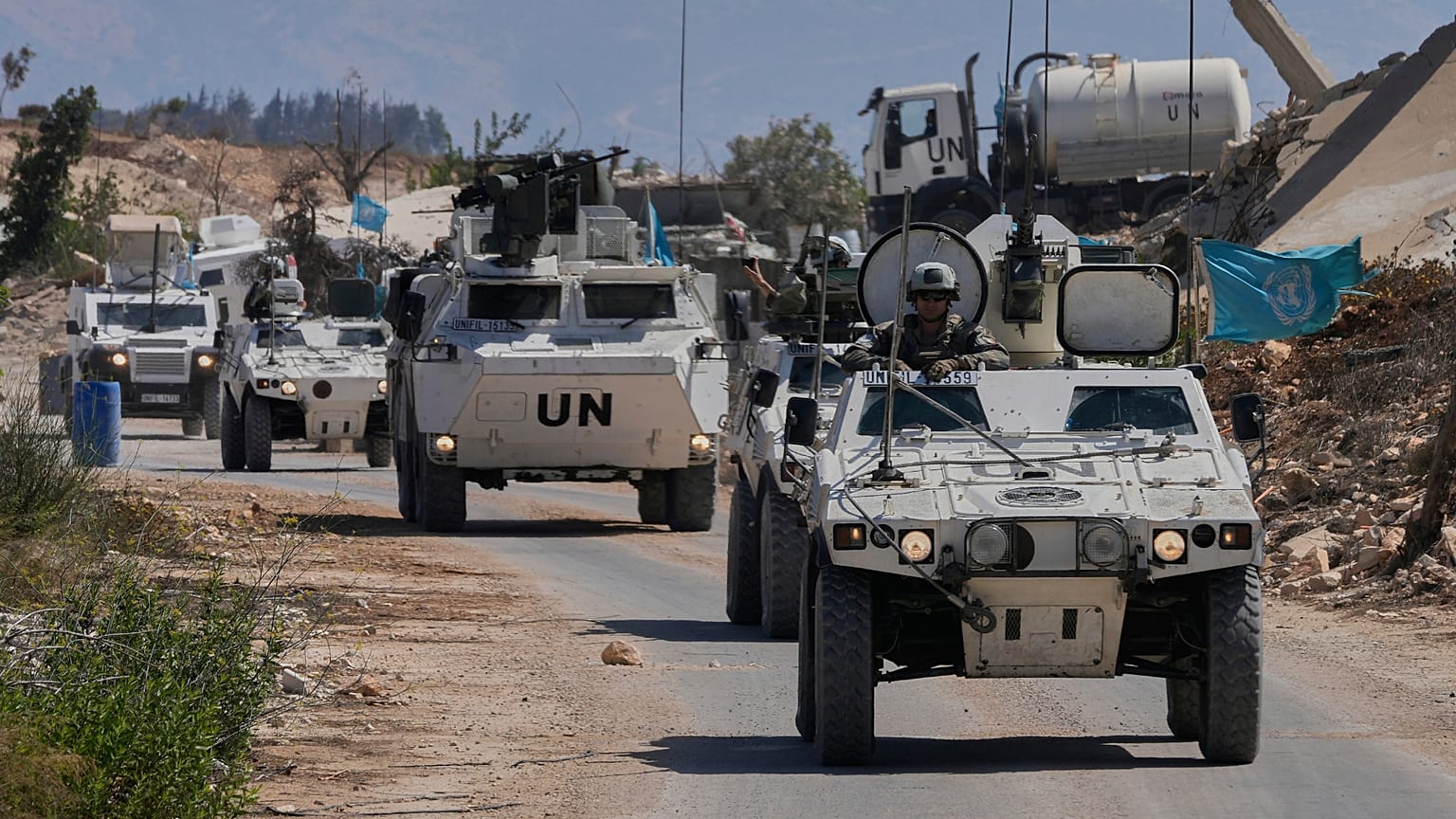
French U.N. peacekeepers patrol the Lebanese-Israeli border in the village of Houla, southern Lebanon, Wednesday, Aug. 20, 2025.
Copyright AP Photo/Hussein Malla


By Emma De Ruiter
Published on 

The UN Interim Force in Lebanon (UNIFIL) said two of its personnel were killed Monday in an explosion and another died late Sunday when a projectile hit their position. The UN force said it launched an investigation into the separate incidents.

The UN Security Council are set to convene an emergency session on Tuesday at the request of France after officials said three UN peacekeepers in southern Lebanon had been killed in less than 24 hours.

The United Nations Interim Force in Lebanon (UNIFIL) said two of its personnel were killed Monday in an explosion, and another died late Sunday when a projectile hit their position.

An explosion of “unknown origin” on Monday destroyed a vehicle near the village of Bani Hayyan, killing two peacekeepers and wounding two others.

It was unclear who was behind the projectile and explosion that killed the three peacekeepers, as the UN says the incidents remain under investigation.

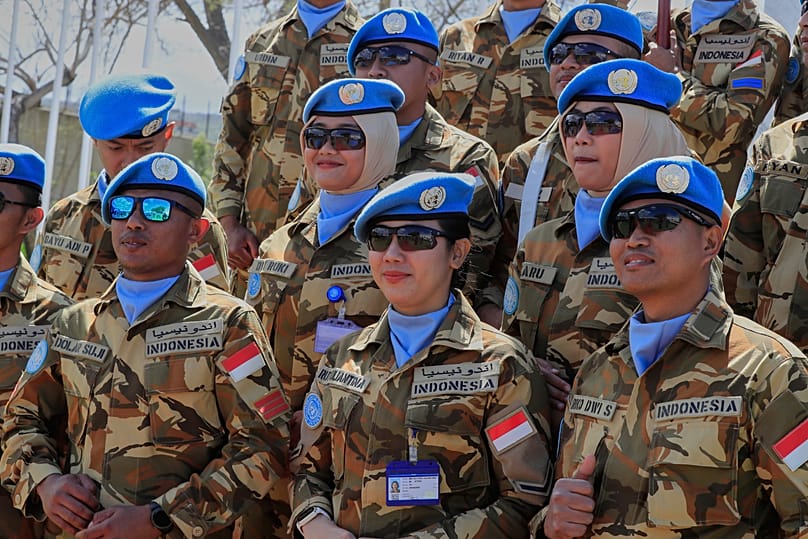
Jean-Pierre Lacroix, under-secretary-general for peace operations, said Monday that all three peacekeepers who were killed were from the Indonesian army.

The three deaths bring to 97 the number of UNIFIL peacekeepers killed by malicious acts since the mission began in March 1978. In total, more than 330 UNIFIL personnel have died while on duty — the highest toll of any UN peacekeeping operation.

Condemning the "heinous" attacks, Indonesian Foreign Minister Sugiono said on Tuesday that he had discussed the deaths with UN chief Antonio Guterres, and asked for an emergency UN Security Council meeting as well as "a swift, thorough and transparent investigation".

Indonesian UN peacekeepers attend a ceremony to mark the 47th anniversary of UNIFIL Establishment Day, at the UN Peacekeepers headquarters in Naqoura, Lebanon, March 19, 2025.
Indonesian UN peacekeepers attend a ceremony to mark the 47th anniversary of UNIFIL Establishment Day, at the UN Peacekeepers headquarters in Naqoura, Lebanon, March 19, 2025. AP Photo/Mohammed Zaatari

"The safety and security of UN peacekeepers is non-negotiable and must be upheld at all times," Sugiono said.

The Indonesian Ministry of Defence said in a written statement that two other soldiers were also seriously injured amid intensifying hostilities in the area.

“The Ministry of Defence emphasises that the safety of peacekeeping forces must be the top priority,” the statement said. “All parties involved in the conflict are expected to respect international humanitarian law and ensure the safety of peacekeeping personnel.”

The Israeli army said it is aware of reports regarding the two instances in which UNIFIL peacekeepers were killed. The IDF said it is reviewing them to determine whether the deaths resulted from Hezbollah activity or Israeli fire, noting that “these incidents occurred in an active combat area.”

Fighting intensifies amid Israeli invasion

Lebanon was pulled into the Middle East conflict when the Iran-backed Hezbollah militants fired rockets at Israel on 2 March in what they said was an act of revenge for the killing of Iran's Ayatollah Ali Khamenei in the initial US-Israeli strikes on Tehran on 28 February.

Israel has repeatedly struck targets in southern Lebanon, as well as Beirut, as it seeks to deliver a heavy blow to Hezbollah. Israel has moved thousands of troops across the border into Lebanon, as Israeli forces and Hezbollah have engaged in heavy fighting on the ground for at least three weeks.

Defence Minister Israel Katz and other officials have stated that Israel wants to take control of the entire area south of the Litani River, some 30 kilometres north of the border, and that displaced Lebanese residents will not be allowed back until Israel decides that its northern border is safe.

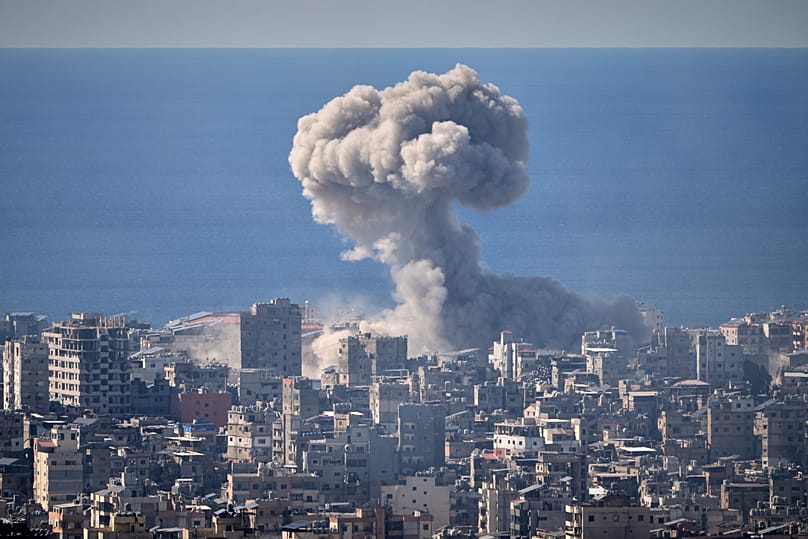
Smoke rises from an Israeli airstrike in Dahiyeh, Beirut's southern suburbs, March 9, 2026.
Smoke rises from an Israeli airstrike in Dahiyeh, Beirut's southern suburbs, March 9, 2026. AP Photo/Hassan Ammar

Jeanine Hennis-Plasschaer, the UN special coordinator for Lebanon, issued a statement Monday, saying that the humanitarian impact in southern Lebanon as Israel trades fire with Hezbollah has reached devastating levels.

The envoy detailed that the three UN peacekeepers and nine Lebanese paramedics killed in just the last few days are part of a broader death toll that now stands at more than 1,240, while more than 1 million people remain displaced.

“One thing is clear: the longer this goes on, the harder it will be to come back from,” Hennis-Plasschaer said. “As maximalist rhetoric abounds, the prospect of a negotiated settlement is a daunting one. But we must start somewhere.”

She added that while “tactical military gains may produce short-term wins, on and off the battlefield,” they do risk “long-term damage to the stability and prosperity both Lebanese and Israelis deserve.”


Jane Fonda and Pedro Pascal among stars demanding Texas ICE facility for children be shut down

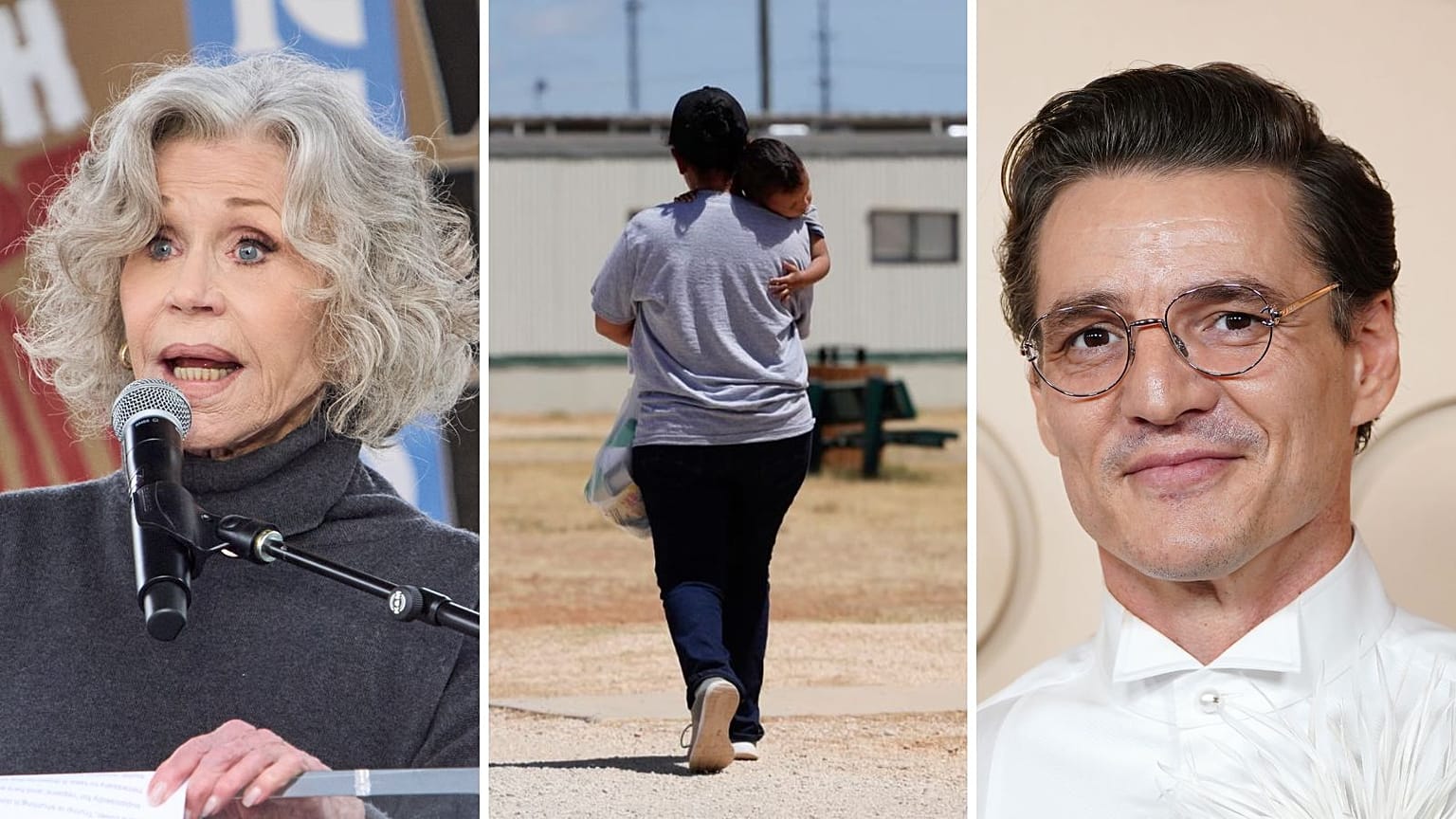
Jane Fonda and Pedro Pascal among stars demanding Texas ICE facility for children be shut down
Copyright AP Photo


By David Mouriquand
Published on 

Hollywood stars, policy experts, and organizations are demanding the “immediate closure” of the Dilley Immigration Processing Center in Texas - which has been hit with numerous reports of abuse, disease and dehumanizing conditions.

“No child should be locked in an immigration detention center,” reads an open letter signed by numerous Hollywood stars, policy experts, and organizations demanding the “immediate closure” of the Dilley Immigration Processing Center in Texas.

There have been numerous reports of abuse, disease and dehumanizing conditions within the walls of the family and children-oriented Dilley Immigration Processing Center, which is run on behalf of ICE by private corrections and detention company CoreCivic.

The detention centre hit headlines earlier this year when the young Liam Conejo Ramos was sent there by DHS and ICE. The five-year-old boy was detained during the fatal siege of Minneapolis by Trump’s team in January.

The letter is directed at CoreCivic, Trump, ICE Director Todd Lyons and now former Homeland Security Secretary Kristi Noem.

“Children held in immigration detention endure trauma, neglect and conditions that violate basic standards of health, safety, dignity and human rights,” reads the open letter. “Court filings of abuse against children have included refusals to provide clean water, rotten food contaminated with worms, dangerous medical neglect, sleep deprivation, denial of legal counsel, the separation of children from their families, and retaliation against families protesting the inhumane conditions. Children belong in schools and on playgrounds, not in detention centers.”

The letter continues: “We urge the federal government and CoreCivic to close the Dilley facility immediately, return children and families to the homes and communities they were taken from and to end child imprisonment now. Our commitment does not end with closure. We demand transparency, accountability, and systemic reforms to prevent these abuses from happening anywhere in the United States.”

Signatorees include Jane Fonda, Pedro Pascal, Diego Luna, Alejandro Gonzalez Iñárritu, Keke Palmer, Madonna, Mark Ruffalo, Maggie Gyllenhaal, Susan Sarandon, John Cusack, Michelle Williams, and many more.

The celebrities have backed the efforts of popular children’s educator Ms. Rachel, real name Rachel Accurso, who made headlines earlier this month for meeting with detained children while vowing to fight to close Dilley.

Ms. Rachel said in a statement about the Dilley petition: “Every child, everywhere, deserves to feel safe, to be cared for, and to be treated with dignity. We can all agree that no child should be locked in an immigration detention center and subjected to these cruel conditions. This is not who we want to be.”

The petition, which has garnered more than 15,800 signatures, comes after another No Kings protest day which saw up to 9 million people take to the streets to rally against Donald Trump and his administration.