Monday, April 06, 2026

Burkina Faso: Crimes Against Humanity By All Sides, HRW Says


By 

The Burkina Faso military with its allied militias and an Al Qaeda-linked armed group have killed more than 1,800 civilians and forcibly displaced tens of thousands since 2023, Human Rights Watch said in a recent report. These atrocities, including the government’s ethnic cleansing of Fulani civilians, amount to war crimes and crimes against humanity for which senior leaders on all sides may be liable. 

The 316-page report, “‘None Can Run Away’: War Crimes and Crimes Against Humanity in Burkina Faso by All Sides,” documents the devastating impact on civilians of an armed conflict that has received scant global attention. Researchers documented 57 incidents involving Burkinabè military forces and allied militias known as the Volunteers for the Defense of the Homeland (VDPs), and the Islamist armed group Jama’at Nusrat al‑Islam wa al‑Muslimin (JNIM) since the current military junta seized power in September 2022. Human Rights Watch issued a question and answer document to explain the legal issues involved. 

“The scale of atrocities taking place in Burkina Faso is mind-boggling, as is the lack of global attention to this crisis,” said Philippe Bolopion, executive director of Human Rights Watch. “The junta is committing horrific abuses itself, failing to hold those responsible on all sides to account, and curtailing reporting to obscure the suffering of civilians caught in the violence.”

Human Rights Watch interviewed more than 450 people in Burkina Faso, Benin, Côte d’Ivoire, Ghana, and Mali, and by phone about grave abuses between January 2023 and August 2025. Researchers also carried out extensive open-source analysis, examining satellite imagery, thousands of hours of audiovisual footage, and official documents to verify incidents and identify commanders on all sides. 

Under President Ibrahim Traoré, the junta has carried out a broad crackdown on the political oppositionpeaceful dissent, and independent media, fostering an atmosphere of terror and severely restricting the flow of information about the conflict and its toll. 

Since 2016, JNIM and other Islamist armed groups have waged an insurgency against successive governments in Burkina Faso as part of a broader offensive across Africa’s Sahel region. JNIM has killed civilians and looted property leading the junta to conduct brutal counterinsurgency campaigns.Murder and other grave abuses against civilians, often from communities accused of supporting the opposing side, have become a key tactic of the junta as well as of JNIM.

In one of the deadliest incidents, the Burkinabè military and allied militias killed more than 400 civilians in December 2023 in about 16 villages near the northern town of Djibo during an operation known as “Operation Tchéfari 2 (Warriors’ Honey in Fulfulde).” “[The militia] opened fire,” said a 35-year-old woman. “My two daughters died on the spot.” Bullets seriously injured her and her 9-month-old son. She heard a militia member say: “Make sure no one is breathing before heading out.” 

The military and militia have targeted Fulani communities because of their alleged support for Islamist armed groups, resulting in the ethnic cleansing of entire communities. 

In November 2023, government-allied militias killed 13 Fulani civilians, including 6 women and 4 children, in the western village of Bassé. “All the bodies, except for that of my son, were grouped together in the courtyard, blindfolded with their torn clothes and their hands tied behind their backs… riddled with bullets,” said a 41-year-old man. “My son …was lying on his stomach. He had been shot in the back of the neck.”

JNIM has used widespread threats and violence to dominate and punish communities as part of efforts to expand territorial control in rural areas. On August 24, 2024, JNIM killed at least 133 civilians, including dozens of children, in the central town of Barsalogho, accusing the whole community of supporting the VDPs. 

“[JNIM fighters] shot continuously, as if they had plenty of ammunition,” said a 39-year-old man. “People were falling like flies. They came to exterminate us. They did not spare anyone.” Five of his family members were killed in the attack.

JNIM has besieged dozens of towns and villages across Burkina Faso, blocking the movement of goods and people, resulting in hunger and illness. The armed group has planted improvised explosive devices on roads, and destroyed bridges, water sources, and communications infrastructure. 

All sides are responsible for the war crimes of willful killing, attacks on civilians and civilian objects, pillage and looting, and forced displacement, Human Rights Watch found. They have also committed murder and forced displacement as part of attacks on a civilian population, amounting to crimes against humanity, Human Rights Watch said. 

Human Rights Watch found that President Traoré, supreme commander of the armed forces, and six senior Burkinabè military commanders may be liable as a matter of command responsibility for grave abuses and should be investigated. Iyad Ag Ghaly, the JNIM supreme leader who is wanted by the International Criminal Court (ICC) for alleged crimes in Mali in 2012-2013, and four JNIM commanders may be liable as a matter of command responsibility for abuses by JNIM in Burkina Faso and should also be investigated. 

Members of all warring parties in the country have near-total impunity. Victims and their families said they do not trust national justice institutions or cannot access them. Government officials have either denied or downplayed allegations of abuse, especially by military forces and militias, and failed to conduct credible investigations. 

Governments have taken little action in the face of these atrocity crimes, Human Rights Watch said. Burkina Faso’s international partners—including the United Nations, African Union, European Union and its member states, and the United States—should address Burkina Faso’s longstanding cycles of abuse and impunity. They should promote accountability, including by imposing targeted sanctions against abusive commanders that Human Rights Watch identified. The Office of the Prosecutor of the ICC should open a preliminary examination into alleged war crimes and crimes against humanity committed by all parties in Burkina Faso since September 2022. 

“The world needs to recognize the magnitude of the atrocities unfolding in Burkina Faso to bring them to an end,” Bolopion said. “Regional bodies and partner governments should work with, and press, Burkina Faso’s authorities to tackle grave abuses by all sides and provide genuine accountability.”

The Lost Art Of Medicine: What Maimonides Knew That We Forgot – OpEd


Posthumous engraving in Thesaurus Antiquitatum Sacrarum, from which all modern portraits of Maimonides are derived, c. 1744. Credit: Wikipedia Commons


April 7, 2026 
By Joseph Varon


Contemporary medicine is not failing for lack of knowledge. It is failing under the weight of its own complexity. The present era is defined by unprecedented access to data, advanced technologies, an ever-expanding network of subspecialties, and a dense architecture of protocols and performance metrics. Nearly every aspect of patient care can now be measured, quantified, and standardized. Interventions that were unimaginable only decades ago are now routine. Yet despite these advances, a fundamental element has been eroded. This erosion is philosophical.

Medicine has accumulated extraordinary capability, but it has lost clarity of purpose. Increasingly, it functions as a system optimized for processes rather than a profession oriented toward patients. The distinction is subtle but consequential. Without a clear understanding of its purpose, medicine risks becoming an efficient mechanism that delivers care without understanding the individual it serves.

In the 12th century, Maimonides (Rabbi Moses ben Maimon [1135–1204], known as the Rambam), one of history’s most influential physician-philosophers and a court physician in Egypt, practiced medicine in an era devoid of modern diagnostics, randomized trials, or institutional oversight. Trained within the intellectual traditions of Andalusian and Islamic medicine, and deeply influenced by Greek philosophy, he integrated empirical observation with rigorous reasoning and ethical responsibility. Although he lacked contemporary tools, he possessed something far more important: clarity. In Regimen of Health, he asserted that the physician’s foremost responsibility is to preserve health rather than simply treat disease¹. This principle stands in sharp contrast to the modern system, which frequently prioritizes intervention over prevention.

The Physician As Intellectual Practitioner Rather Than Technician

Maimonides regarded medicine as an intellectual discipline rooted in observation, reasoning, and adaptation. His clinical writings consistently emphasize individualized care guided by physician judgment, rather than strict adherence to generalized rules². In his model, the physician was not merely a technician following predefined steps, but a thinker adept at navigating uncertainty.

Modern medicine increasingly emphasizes compliance. Clinical guidelines and protocols, though valuable, have expanded to the extent that they often define practice rather than merely inform it. Evidence-based medicine, initially conceived as the integration of clinical expertise with the best available evidence, is now frequently implemented as strict guideline adherence³.

When adherence is used as the primary metric of quality, deviation is perceived as risk. However, no patient precisely matches the populations studied in clinical trials. Maimonides recognized this implicitly, treating individuals rather than statistical abstractions. This distinction is not merely philosophical; it has practical consequences at the bedside. A physician trained to follow protocols may deliver technically correct care, yet fail to recognize when a patient falls outside expected patterns.

In contrast, a physician trained to think can identify nuance, adapt in real time, and challenge assumptions when necessary. Maimonides’ model required intellectual engagement with every patient encounter. Modern systems, in their effort to standardize care, risk reducing that engagement. The result is not necessarily incorrect medicine, but it is often incomplete medicine.

Prevention As the Core Principle of Medical Care

Maimonides positioned prevention as the central tenet of medicine. His recommendations regarding diet, exercise, sleep, and emotional balance reflect a systematic understanding of health maintenance as the physician’s principal responsibility¹. In his framework, disease frequently resulted from an imbalance.

Modern medicine recognizes the significance of prevention but, structurally, incentivizes intervention. Chronic disease management is predominantly pharmacological, while upstream determinants receive comparatively less systematic attention. This dynamic reflects systemic incentives rather than a lack of scientific understanding. Frieden has argued that effective clinical decision-making must extend beyond randomized trials to incorporate broader determinants of health⁶. Maimonides’ framework anticipated this perspective centuries earlier.

This imbalance becomes particularly evident in the management of chronic disease, where treatment pathways are well defined, but prevention strategies remain inconsistently applied. The modern patient often enters the healthcare system after the disease has already progressed, at which point interventions are more complex, more costly, and less effective. Maimonides’ emphasis on daily habits (i.e, nutrition, movement, and moderation), reflects an understanding that health is constructed over time rather than restored episodically. This temporal dimension of medicine is frequently underappreciated in contemporary care models.

The Integration of Psychological and Physical Health

Maimonides recognized that emotional and physical health are inseparable. He described the influence of psychological states on bodily function and emphasized that effective treatment must address both².

Unfortunately, modern healthcare often fragments this unity. Psychiatry, internal medicine, and behavioral health typically function in parallel rather than in an integrated fashion. Consequently, the patient is divided across multiple systems. Epstein and Street have shown that patient-centered care requires understanding the full context of the patient’s experience¹². Maimonides’ approach inherently embodied this principle.

The fragmentation of care also alters the physician’s perception of responsibility. When different aspects of the patient are managed by separate systems, accountability becomes diffuse. No single clinician is responsible for integrating the whole. Maimonides’ approach avoided this fragmentation by necessity. His model implicitly required the physician to synthesize physical, emotional, and environmental factors into a unified understanding of the patient. This integrative responsibility is increasingly difficult to sustain in modern practice.

Ethical Practice Amidst Systemic Pressures

For Maimonides, medicine was inherently ethical. The physician’s duty was unequivocal: to act in the patient’s best interest. Modern physicians operate within a framework shaped by administrative, financial, and legal pressures. Relman described the emergence of the “medical-industrial complex,” in which economic forces influence care delivery¹⁰.

The consequences of these systemic pressures are evident in the prevalence of physician burnout. Shanafelt and Noseworthy have associated this phenomenon with systemic pressures that undermine professional fulfillment⁹. This is more accurately described as moral injury: the inability to consistently act in accordance with ethical obligations.

This shift has implications beyond physician well-being. It affects trust. Patients may not fully perceive the structural constraints under which physicians operate, but they often sense when care is mediated by systems rather than guided by judgment. The erosion of trust in medical institutions may, in part, reflect this disconnect. Maimonides’ framework, centered on a direct ethical obligation between physician and patient, preserved that trust by design.

The Interplay of Knowledge, Authority, and Uncertainty


Maimonides engaged rigorously with intellectual authority but did not defer to it. He critically evaluated prevailing knowledge and underscored the provisional nature of understanding.

Despite its scientific foundation, modern medicine can gravitate toward authority-driven practice. Guidelines and consensus statements may become rigid beyond their evidentiary basis. Djulbegovic and Guyatt highlight the persistent tension between standardized evidence and individualized care³. Excessive certainty can constrain inquiry.

Individualized Care Versus Population-Based Approaches

Population-based data are essential, yet inherently limited. The concept of the “average patient” remains an abstraction. Maimonides treated individuals. His clinical reasoning was adapted to the specific patient rather than conforming the patient to a model.

Montori and colleagues have emphasized that optimal care requires integrating evidence with individual context and values¹⁵. This principle aligns directly with Maimonides’ approach. Yet, few modern healthcare providers apply it.

Technological Advancement in the Absence of Guiding Principles

Modern medicine’s technological capacity is without precedent. However, technology is not inherently beneficial; its value reflects the priorities of the system in which it is employed.

Topol has argued that technological innovation may restore the human dimension of medicine⁸. Nevertheless, electronic medical records frequently divert attention from the patient to documentation. Verghese describes a system in which the patient becomes secondary to their digital representation¹⁴. As a result, the clinical encounter risks subordination to its documentation. Maimonides practiced medicine without technological aids, yet maintained a profound presence.

Technology, when aligned with clinical reasoning, enhances care. When it replaces reasoning, it constrains it. The distinction lies not in the tool itself but in its role within the clinical encounter. Maimonides’ practice demonstrates that the absence of technology does not preclude effective medicine, while modern experience suggests that the presence of technology does not guarantee it. The challenge is not to limit technological advancement, but to ensure that it remains subordinate to clinical judgment.
Essential Elements Lost and the Need for Recovery

Cassell emphasized that medicine must address suffering, not merely disease¹¹. This aligns closely with Maimonides’ framework. Starfield distinguishes between patient-centered and person-focused care, noting that true care must address the individual beyond disease labels¹³. Maimonides practiced this inherently.

What has been lost is not knowledge itself. Rather, it is coherence.

Conclusions

Maimonides represents not a historical curiosity but a standard we have yet to reclaim. His medicine was grounded in principle: prevention over intervention, judgment over compliance, the individual over the average, ethics over expediency.

Modern medicine possesses extraordinary tools. But without a guiding philosophy, those tools risk being applied without direction.

The future of medicine will not be determined by how much more we can do.

It will be determined by whether we remember why we do it. Because a system that measures everything, standardizes everything, and controls everything, yet fails to understand the patient in front of it, is not advanced. It is incomplete. And if left uncorrected, it risks becoming something far more dangerous than outdated medicine:

It becomes medicine that no longer knows what it is.

References

Maimonides M. Regimen of Health. Translated by Bar-Sela A, Hoff HE, Faris E. Philadelphia: American Philosophical Society; 1964.

Maimonides M. Treatise on Asthma. In: Rosner F, editor. The Medical Writings of Moses Maimonides. New York: Ktav Publishing; 1971.

Djulbegovic B, Guyatt GH. Progress in evidence-based medicine: a quarter century on. Lancet. 2017;390:415–423.

Rosner F. The Medical Legacy of Moses Maimonides. Hoboken: KTAV Publishing; 1998.
Rosner F. Maimonides as a physician. JAMA. 1965;194(9):1011–1014.

Sackett DL, Rosenberg WM, Gray JA, Haynes RB, Richardson WS. Evidence-based medicine: what it is and what it isn’t. BMJ. 1996;312:71–72.

Topol EJ. Deep Medicine: How Artificial Intelligence Can Make Healthcare Human Again. New York: Basic Books; 2019.

Shanafelt TD, Noseworthy JH. Executive leadership and physician well-being. Mayo Clin Proc. 2017;92(1):129–146.

Relman AS. The new medical-industrial complex. N Engl J Med. 1980;303:963–970.

Cassell EJ. The nature of suffering and the goals of medicine. N Engl J Med. 1982;306:639–645.

Epstein RM, Street RL. The values and value of patient-centered care. Ann Fam Med. 2011;9(2):100–103.

Starfield B. Is patient-centered care the same as person-focused care? Perm J. 2011;15(2):63–69.

Verghese A. Culture shock—patient as icon, icon as patient. N Engl J Med. 2008;359:2748–2751.

Montori VM, Brito JP, Murad MH. The optimal practice of evidence-based medicine. JAMA. 2013;310(23):2503–2504.


Joseph Varon

Joseph Varon, MD, is a critical care physician, professor, and President of the Independent Medical Alliance. He has authored over 980 peer-reviewed publications and serves as Editor-in-Chief of the Journal of Independent Medicine.


Standing With Science In A Post-Truth World – Analysis


Photo Credit: Ajay Kumar Singh from Pixabay.

April 7, 2026 
Observer Research Foundation
By Lakshmy Ramakrishnan

Since 2018, India has faced periodic outbreaks of the deadly Nipah virus (NiV), most recently in West Bengal in February this year. Marked as a priority pathogen by the World Health Organization (WHO), NiV serves as a critical example of the One Health approach, which emphasises interconnectedness of human, animal, and environmental health in addressing global health and disease. With no licensed vaccines or therapeutics available, advances in mRNA vaccine research offer an encouraging pathway for response, including efforts led by the Coalition for Epidemic Preparedness and Innovations (CEPI) and India’s Gennova Biopharmaceuticals Limited to develop an mRNA vaccine candidate. However, scientific progress alone is insufficient. As the WHO marks this year’s World Health Day under the theme, “Together for Health. Stand with Science”, it serves as an opportunity to recognise that the challenge involves not only developing medical countermeasures, but also ensuring that societies are willing to trust science and accept its applications.

Misinformation Economy


Vaccine hesitancy, a major threat to global health, has been exacerbated by a rapidly evolving information economy. Misinformation casts doubt on the safety and efficacy of vaccines and thrives in an ecosystem where social media amplifies both factual and false information. During the COVID-19 pandemic, the WHO labelled the information overload as an infodemic. Research from the Massachusetts Institute of Technology (MIT) found that false information travels faster than factual content on social media, particularly when it evokes strong emotional responses such as fear. Repeated exposure to misinformation from a credible authority can reinforce belief in it and facilitate its spread.

Post-truth Dynamics

Anti-vaccine narratives utilise this ecosystem by applying conspiracy theories, misrepresenting studies through cherry-picking, and amplifying voices that discredit evidence-based science. False information influences public opinion, creating fear over vaccine safety. For instance, claims that Covid-19 mRNA vaccines cause ‘turbo cancers’—aggressive forms of cancer—gained significant traction online, despite having no scientific basis. In a post-truth world, where objective facts are increasingly found to be less influential in shaping public opinion than methods that appeal to emotion and personal belief, doubt and confusion are created. This leads to erosion of collective decision-making abilities, a decline in trust in science, and the widespread social acceptance of misinformation.

Its impact is evident in the resurgence of vaccine-preventable diseases across the world. Ongoing measles outbreaks in the United States (US), the United Kingdom (UK), and European countries demonstrate how declining vaccine uptake can rapidly cause outbreaks and contribute to shrinking herd immunity. This is concerning as it raises the possibility of a surge in severe measles infections, which has alarmed the medical community. A complication from measles—subacute sclerosing panencephalitis (SSPE)—which typically appears a year after infection, can lead to disability, paralysis and often fatality. This trend highlights how misinformation can directly transform into debilitating public health threats.

Politics of Health


Vaccine hesitancy is further complicated by the politicisation of science. It involves overemphasis on the inherent uncertainty of science to undermine existing scientific consensus. In the US, during the COVID-19 pandemic, vaccines were associated with political identity. Attitudes towards vaccine acceptance ranged from outright refusal to hesitation, to immediate vaccine uptake, with partisanship acting as a critical determinant. Studies suggest that political affiliation influenced susceptibility to misinformation and responsiveness to pro-vaccination campaigns. In this manner, politicisation can reinforce the acceptance and spread of misinformation.

This dynamic is now evident in the US childhood immunisation schedule. Recent attempts to alter the schedule—including shifting vaccines for rotavirus, meningitis, and hepatitis A and B from ‘routine administration’ to ‘shared clinical decision-making’, in which a patient or parent and clinician discuss the risks and benefits of vaccination—represent a significant policy change. Without a robust scientific rationale or review, it risks increasing childhood infections and hospitalisations. Although these attempts have been blocked by a federal judge, these shifts indicate how such policies can destabilise trust in science. Further, this discourse may potentially impact the course of scientific innovation.

Future of Innovation


The course of mRNA vaccine technology provides a notable illustration of the tension between scientific progress and public trust. In August 2025, the United States Department of Health and Human Services (HHS) abruptly terminated funds dedicated to mRNA vaccine research, including the cancellation of 22 contracts granted by the Biomedical Advanced Research and Development Authority (BARDA) valued at US$ 500 million. These cuts are likely to result in severe health and economic consequences, given that mRNA vaccines are estimated to prevent US$ 75 billion in economic costs each year. In addition to pandemic preparedness, mRNA platforms hold transformative potential for treating diseases such as cancer, making investment crucial.

This decision has been justified by concerns about vaccine effectiveness and safety, although the studiesused to support these claims focus heavily on in vitro studies, which do not adequately reflect clinical outcomes. Concomitantly, claims linking the sudden death of young healthy adults and mRNA-based COVID-19 vaccines have circulated widely, prompting further scientific scrutiny. Existing studies do not establish COVID vaccines as a causative factor. Studies have identified rare occurrences of myocarditis (inflammation of the heart) following vaccination; however, evidence suggests that these risks are higher following COVID-19 infection. Further, vaccine-induced inflammation is not unique to mRNA vaccine platforms but may occur with less public attention and scrutiny.

These concerns now extend to regulatory agencies. Moderna’s mRNA-based flu vaccine (m1010) recently came under the limelight when the US Food and Drug Administration (FDA) initially declined to review its application. Though the FDA has since agreed to proceed, with a decision expected in August this year, Moderna indicated that it will wait for this outcome before proceeding with its combined flu-COVID-19 vaccine (m1083), which has already been approved by the European Medicines Agency (EMA). These developments, along with speculation around future funding for mRNA vaccine research, have created uncertainty around the vaccine innovation ecosystem and its impact on health.

Rebuilding Trust in Science

The WHO’s Strategic Advisory Group of Experts (SAGE) is tasked with ensuring that vaccination policies are grounded in evidence-based decision-making. However, translating these measures into effective public health outcomes requires a pragmatic approach that enables meaningful public engagement with science. Addressing vaccine misinformation requires a shift towards scientific empowerment rooted in sustained trust-building. This includes clear science communication that counters false claims with accurate, evidence-based information. Pre-bunking—warnings issued before exposure to misinformation—can help reduce its impact. Misinformation can be debunked through multiple strategies, including myth–fact corrections, fact-only messaging, or ‘sandwiching’ myths between facts. While some studies suggest that corrective messaging may occasionally backfire, the notion that truth cannot catch up with ‘flying falsehoods’ reflects a resigned stance that is ultimately counterproductive to public health communication.

Strengthening science literacy through formal and informal education can help individuals better understand the benefits of science and enhance their decision-making. Integrating scientific expertise into policymaking must be reinforced through evidence-based measures. Engagement should include both scientific experts and non-scientific voices to bridge gaps in understanding and to reduce feelings of alienation. Community outreach activities should include trustworthy communicators to ensure credibility and relevance. Collectively, these approaches tackle the misinformation ecosystem head-on to cultivate a more informed public and strengthen trust in science.

Conclusion

Addressing vaccine hesitancy is not only a scientific endeavour but also a political and social one. Emerging global threats such as the Nipah virus (NiV) underscore that medical countermeasures alone are insufficient; success depends equally on public trust. In a post-truth world, where social media amplifies both factual and false information, building confidence in science requires sustained commitments to communication, education, and inclusive engagement. The year’s World Health Day theme, “Together for Health. Stand with Science”, emphasises the need to build collective trust and acceptance of medical technologies to ensure societies are not vulnerable to both existing and emerging health threats.

About the author: Lakshmy Ramakrishnan is an Associate Fellow with the Centre for New Economic Diplomacy at the Observer Research Foundation.

Source: This article was published by the Observer Research Foundation.

ORF was established on 5 September 1990 as a private, not for profit, ’think tank’ to influence public policy formulation. The Foundation brought together, for the first time, leading Indian economists and policymakers to present An Agenda for Economic Reforms in India. The idea was to help develop a consensus in favour of economic reforms.


Israel shifts from conventional confrontation to "total war of attrition" in Lebanon

Israel shifts from conventional confrontation to
Israel's IDF has expanded its tactics in Lebanon to a war of attrition, striking infrastrucutre and bridges. / bne IntelliNewsFacebook
By IntelliNews Gulf bureau April 6, 2026

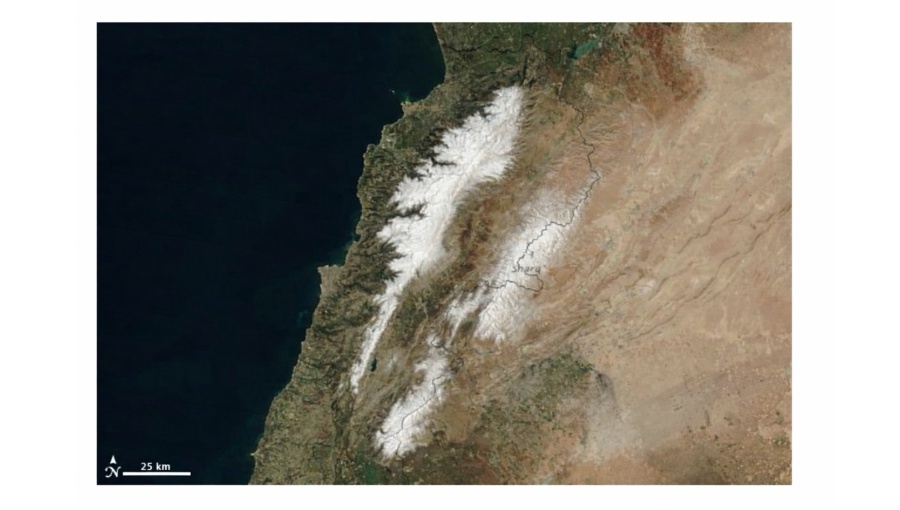
In just two days, something changed in Israel’s war against Lebanon. The military clash is no longer a mere exchange of fire along the border, but a fill war of attrition, targeting vital arteries and infrastructure, reshaping the rules of engagement on land and possibly at sea.

The period between April 4-5 marked a significant escalation in the war after Israel’s full scale invasion almost a month ago. Operations shifted to a new level based on sustained, long-term pressure, while Israel has adopted what can be described as a strategy of "logistical strangulation." Hezbollah has sought to introduce more advanced weapons, notably naval cruise missiles, in an effort to increase the pressure on the invading forces that hold almost all of southern Lebanon up to the Litani River.

The Masnaa border crossing emerged as one of the most critical strategic targets. On the night of April 4, the Israeli army issued evacuation warnings for the area, threatening to strike it on the grounds that it is being used to smuggle weapons from Syria. The crossing’s importance lies in the fact that it represents the last vital land supply route linking Lebanon to Syria, making it a central objective in Israel’s effort to cut off logistical support.

At the same time, Israel continued targeting key infrastructure. Israeli airstrikes completely destroyed the West Bekaa bridge on April 5 following a preliminary strike the day before in a move aimed at isolating southern Lebanon from the country’s interior and preventing reinforcements from reaching the front.

On the other side, Hezbollah announced a high-profile operation targeting an Israeli naval vessel with a maritime cruise missile fired from a long distance off the Lebanese coast, claimed a direct hit. However, Israeli Army Radio, citing a security source, denied the claim, highlighting the parallel escalation in the information war.

On the ground, Hezbollah intensified its operations, announcing 32 attacks within 24 hours, targeting sensitive sites including the Mishar intelligence base and the Dado base, the headquarters of Israel’s Northern Command. The group also claimed to have targeted an Israeli RC-12 reconnaissance aircraft over West Bekaa, in addition to striking Merkava tanks along several southern frontlines.

In response, Israel expanded its air campaign, striking multiple areas across southern Lebanon, Bekaa, and Beirut’s southern suburbs. The Housh area in Tyre was hit by heavy airstrikes, causing significant damage, while attacks also targeted the towns of Ma‘rakeh, Ain Baal, Naqoura, and Housh

Israeli warplanes also carried out intensive strikes on Beirut’s southern suburbs at dawn on April 4, targeting what Israel described as command centers linked to the "Lebanon Corps" of Iran’s Quds Force considered a key coordination link between Hezbollah and the Iranian regime, as well as facilities associated with Palestinian Islamic Jihad.

In a notable development, the United Nations announced that Israeli forces had destroyed 17 surveillance cameras belonging to UNIFIL headquarters in Naqoura, raising questions about the rules of engagement with international forces. Meanwhile, an Israeli special forces unit conducted a raid in the town of Shebaa, abducting a Lebanese civilian.

Airstrikes on April 4 resulted in 14 fatalities and more than 25 injuries in Lebanon, bringing the total death toll since March 2 to 1,422, underscoring the rising human cost of the conflict.

On the Israeli side, the army announced the death of Staff Sergeant Guy Ludar, a member of the Maglan commando unit, during fighting in southern Lebanon, in addition to nine soldiers wounded in rocket attacks.

These developments reflect clearly defined objectives for both sides:

- Israel is pursuing the destruction of Hezbollah’s military infrastructure, the establishment of a buffer zone in southern Lebanon, and the severing of supply lines.

- Hezbollah is focused on exhausting Israeli forces, hindering any ground advance, and demonstrating its ability to deploy advanced weapons capable of challenging conventional defense systems.

Alongside the military escalation, the humanitarian situation is deteriorating rapidly. Evacuation warnings in Tyre and surrounding areas have triggered mass displacement and severe traffic congestion, with the number of displaced persons in Lebanon exceeding one million, around 20% of the population.

Syrian authorities also announced the temporary closure of the Jdeidet Yabous crossing, opposite Masnaa, further increasing Lebanon’s isolation and compounding the humanitarian and logistical crisis.

In sum, the developments of April 4 and the morning of April 5 indicate that the war has entered a new phase defined by comprehensive attrition and the breaking of will. The battlefield is no longer confined to the south it now extends deep into infrastructure, the economy, and society in a trajectory that remains open to further escalation.

Syria, US Intervened To Halt Israeli Strike On Lebanon-Syria Border Crossing, Sources Say


Israeli soldiers in southern Lebanon. Photo Credit: IDF

April 7, 2026 
Arab News
By Najia Houssari

Syrian intervention helped halt a planned Israeli strike on the Masnaa border crossing between Lebanon and Syria, a vital commercial and civilian lifeline, Lebanese officials told Arab News on Monday.

Israel had issued warnings that it would target the crossing and the international road linking Lebanon to Syria, prompting urgent diplomatic contacts involving Beirut, Damascus and Washington to prevent the strike.

A Lebanese official source said Lebanese and Syrian authorities communicated with relevant parties after the Israeli threat, stressing that the crossing is used by thousands of civilians and is Lebanon’s main overland trade route to Arab countries.

Public Works and Transport Minister Fayez Rasamny told Arab News that the Masnaa crossing is subject to strict security oversight and coordination between Lebanese and Syrian authorities.


“The Masnaa crossing is under full supervision and monitoring by Lebanese security forces, where inspections, checks and scans are carried out with the utmost seriousness and discipline,” he said.

Rasamny denied claims about possible smuggling operations, particularly of weapons, as “not based on any factual evidence, given the strict security measures and coordination between the Lebanese and Syrian authorities.”

The Israeli army had warned travelers and residents to evacuate the crossing area and the M30 international road, claiming Hezbollah was using the crossing for military purposes and weapons smuggling.

However, security sources at the crossing said Hezbollah no longer uses the Masnaa route, particularly after political and security changes in Syria altered control and oversight along the border.

“Since the fall of the previous regime in Syria, Lebanon’s official land crossings have lost their security function for Hezbollah. The group has retreated from using the Masnaa crossing, which it had previously considered a main route,” a security source told Arab News.

Authorities on both sides of the border took precautionary measures within hours of the Israeli warning, moving trucks, transferring detainees and clearing administrative offices and equipment from the crossing area to minimize risks in event of an attack.

Syrian authorities also cooperated by allowing stranded trucks to return to Syrian customs yards, while traffic through the crossing was suspended until the threat subsided.

The Masnaa–Jdeidet Yabous crossing is currently the only operational land crossing between Lebanon and Syria and is Lebanon’s main land route for trade, agriculture, tourism and transit to other Arab countries.

Economic groups warned that any closure or destruction of the crossing would have severe consequences for Lebanon’s already collapsing economy.

Ibrahim Tarchichi, head of the Bekaa Farmers’ Association, said all trucks passing through Masnaa are subject to thorough inspections by several Lebanese security agencies.


“Closing Masnaa would harm all of Lebanon — commercially, touristically, industrially and agriculturally — as it is the only land route connecting Lebanon to Arab countries,” he said.

“More than 300 trucks pass through Masnaa daily, carrying over 5,000 tonnes of goods in imports and exports. The threat to close the crossing marks a turning point in this devastating war we are living through,” he added.

Israel previously targeted the crossing during the 2024 war, rendering it unusable for vehicles and trucks until it was repaired after the conflict.

The latest threat comes as Israel continues its military campaign in Lebanon after Hezbollah’s entry into the regional conflict,, raising fears that key infrastructure linking Lebanon to the outside world could increasingly be targeted.
Trump And The Unplanned Trap Of War With Iran – Analysis


April 7, 2026 
IFIMES

Genesis of the conflict and escalation of tensions

Tensions between Iran and Israel date back to 1979 and the establishment of the Islamic Republic of Iran, when the new theocratic authorities severed all diplomatic relations with Israel, branded it the “little Satan” and laid the ideological foundations for the export of the Islamic revolution. This doctrine was particularly geared towards supporting Shiite communities and movements across the Arab world – in Lebanon, Iraq, Syria, Bahrain, Saudi Arabia and Yemen – as Tehran sought to expand its geopolitical influence and undermine the stability of predominantly Sunni regimes in the region.[2]

In the decades that followed, hostility between the two states evolved through complex forms of indirect confrontation, including proxy wars, support for militant actors, the accelerated development of Iran’s nuclear and missile capabilities, as well as a series of covert operations, cyberattacks and targeted assassinations by both sides. This long-standing rivalry culminated in the June war of 2025 – a brief but highly intense direct conflict – in which Israel launched extensive air strikes on key Iranian nuclear and military facilities, prompting Iran to respond with large-scale missile attacks and the mobilisation of its allied paramilitary networks throughout the region.

This conflict marked a turning point, as prolonged indirect hostility gave way to open military conflict, setting the stage for a deeper and more protracted regional crisis.
Failure of diplomatic efforts

From the outset, the American administration demonstrated a clear commitment to resolving the crisis through diplomatic means. To this end, the United States initiated indirect negotiations with Tehran, mediated by Oman. The first round of talks, held in Muscat on 12 April 2025, concluded without tangible progress, though the door remained open for further dialogue. A new attempt followed on 6 February 2026, again in Muscat, while the final round of negotiations was held on 17 February in Geneva, aiming to establish a framework agreement on freezing Iran’s nuclear programme and reducing regional tensions. However, the talks collapsed on the same day, primarily due to irreconcilable differences on key issues – specifically uranium enrichment thresholds, ballistic missile constraints, and Iran’s regional footprint – triggering a dramatic escalation of the conflict.

The United States soon found itself deeply embroiled in the conflict. President Donald Trump’s administration is now more than a month into a military campaign aimed at degrading Iran’s military capabilities over the long term. However, this operation carries growing risks of a broader regional war that could draw in further actors and severely disrupt global energy security. At first glance, this may appear to be yet another Middle Eastern conflict in which Washington acts to defend its allies. Yet closer analysis reveals a more complex reality: both Iran and Israel, driven by their respective strategic interests, have played a role in pulling the United States and President Trump into this war.


Despite the administration’s initial reluctance to enter another major conflict, and although Donald Trump entered his second term with the ambition of being seen as a “president of peace”, even as a prospective Nobel Peace Prize laureate, developments on the ground have outpaced political intentions. Within a single year, he helped broker the end of several regional conflicts, including the complex war in Gaza in 2025. Nevertheless, the escalating spiral between Tehran and Tel Aviv, compounded by the failure of negotiations in Geneva, significantly narrowed the space for diplomatic manoeuvring.

This dynamic is also captured in a well-known remark by Mao Zedong: “Victory, victory, victory… until defeat is reached.”[3] Its essence lies in the warning that even a succession of triumphs can culminate in strategic failure if not tempered by prudence and a long-term assessment of consequences. History abounds with such examples: Napoleon Bonaparte, following a string of spectacular military feats, met disaster in Russia and ultimate defeat at Waterloo in 1815; Adolf Hitler, after initial successes between 1939 and 1942, reached a critical turning point at Stalingrad, which marked the beginning of his downfall. The United States itself is not immune to this pattern: from Vietnam in 1975, through Iraq in 2010, to the chaotic withdrawal from Afghanistan in 2021, a series of initial military successes ended in strategic overstretch and political retreat.


Against this backdrop, the breakdown of talks and mounting tensions between Iran and Israel effectively pulled the United States into a direct confrontation. Donald Trump was compelled to act to preserve the credibility of American power and protect national interests in the Persian Gulf – one of the key geostrategic zones of US global engagement.
A jointly laid trap: how Iran and Israel drew the United States into war

Although open hostilities erupted on 28 February 2026, their origins can be traced back to June 2025, when a pattern of reciprocal strikes had already taken shape. The escalation was temporarily halted on 24 June, when Donald Trump intervened and ordered a suspension of further attacks – Israeli aircraft, already operating over Iranian territory, were recalled to base. Following this brief lull, tensions intensified again through a series of indirect confrontations and strategic posturing. Efforts to de-escalate through indirect talks in Geneva in early 2026 ultimately failed, paving the way for renewed escalation at the end of February.

By late February, after negotiations collapsed in a deadlock, Israel concluded that diplomacy had run its course and launched a new wave of strikes against Iranian targets, causing the situation to deteriorate rapidly. Iran responded by directly striking US bases in Iraq and Syria, and Washington, faced with threats to its own forces and pressure from its Gulf allies, opted for direct intervention. A coordinated campaign with Israel was launched in March, targeting Iran’s nuclear infrastructure, missile launch sites, naval assets in the Strait of Hormuz and command structures of the Islamic Revolutionary Guard Corps.


This spiralling dynamic serves as a textbook example of the “action–reaction” pattern, in which both regional powers leverage American might to further their own objectives. Iran seeks to demonstrate its ability to inflict unsustainable damage on US interests, while Israel pursues the lasting destruction of Iran’s nuclear programme, viewing it as a matter of its own survival. Amidst this rivalry, the United States is steadily losing the ability to remain a neutral observer. The endgame remains precarious for Washington: a withdrawal would risk a significant loss of credibility, potentially ceding geopolitical ground to Russia and China in the Persian Gulf; alternatively, escalating to salvage its reputation would entail profound political and strategic risks.

Despite the destruction of hundreds of Iranian targets and the elimination of high-ranking commanders, risks to US troops have increased, oil prices have surged, and global trade through the Strait of Hormuz has come under serious threat. Tehran has rejected ceasefire proposals, insisting on reparations and threatening to blockade the Strait. While neither regional actor explicitly forced America’s hand, both have created conditions in which the administration can no longer afford to remain on the sidelines.
War on the nuclear brink: what are the consequences?

Israel’s longstanding objective has been the dismantling of the Iranian regime – initially through internal revolution, and then through military capitulation. As both strategies have fallen short of their goals, the conflict has entered an existential “survive or perish” phase, in which the nuclear threshold represents a tangible threat.

Should Israel continue strikes on critical facilities such as Bushehr or Fordow, the consequences would extend far beyond the region. Even a relatively contained incident, such as a radiation leak, could endanger the entire Gulf area. Further attacks on nuclear infrastructure could remove Tehran’s self-imposed restraint on developing nuclear weapons, potentially turning Iran into another North Korea – a state with nuclear deterrence. At that point, Israel’s strategy would return to square one or, more dangerously, precipitate a catastrophe.[4]

President Donald Trump is attempting a different approach. His 15-point plan, conveyed on 25 March via Pakistan, calls for Iran’s complete abandonment of nuclear weapons and an immediate end to the war. Grounded in the “peace through strength” doctrine, the plan acknowledges the reality that the Iranian nuclear programme cannot be permanently eliminated – only delayed. Rather than pursuing further escalation, the proposal outlines a framework for negotiations with strictly defined conditions and clear pathways for de-escalation.

Panic in the Gulf states is understandable in light of disruptions to oil exports, which account for roughly 95% of their economies, as well as tangible damage to tourism and air transport, which in some countries contribute more than 10% of GDP. The energy insecurity brought by the war is placing additional strain on state budgets. A critical strategic vulnerability lies in desalination infrastructure across the Gulf, which provides roughly 80% of potable water in the region. It must be clear to Israel that a protracted war will neither dismantle the Iranian state nor extinguish its nuclear ambitions.


The current conflict evokes the imagery of the Roman Colosseum, where gladiators determined their opponents’ fate through death – except that in the case of Israel and Iran, the complete defeat of the adversary is unattainable. A potential transition into a nuclear phase would transform the regional conflict into a grave global threat.

What is required now is wisdom: a swift end to military operations, credible negotiations and a focus on long-term security without a nuclear Iran. Rather than pursuing a dangerous escalation, a pragmatic settlement could avert catastrophe and open the path to stability.
Regional dynamics, allies and strategic costs

The role of the United States’ regional allies in this conflict is multifaceted and strategically complex. Saudi Arabia, the United Arab Emirates and other Gulf states find themselves in a unique position: they share concerns over Iran’s nuclear programme, yet directly bear the repercussions of escalation. Their geographical proximity to Iran leaves them exposed to missile strikes and the potential closure of the Strait of Hormuz, a key maritime route for global oil trade.

These states are pressing Washington to sustain the military campaign and bring about the definitive collapse of the Iranian regime. They have also signalled readiness to shoulder part of the financial burden of military operations in pursuit of Tehran’s lasting defeat. These dynamics place additional pressure on the US administration, while simultaneously offering President Donald Trump room to calibrate his approach between safeguarding American interests and limiting the risk of a wider regional war.

As a pivotal US ally, Israel has specific security interests at the very heart of the conflict. Tel Aviv regards Iran’s nuclear programme as an existential threat and maintains that it cannot be neutralised through diplomacy alone. This perception has driven pre-emptive military action, prompting Iranian retaliation, including threats to US forces, and creating a chain of events that has drawn the United States into direct confrontation.

The military campaign against Iran entails substantial economic costs. Oil prices have surged as a direct result of volatility in the Persian Gulf, generating inflationary pressures on both the US and global economies. The financial burden of military operations, including the use of precision-guided munitions and logistical support, amounts to billions of dollars per month.

Nevertheless, diplomacy remains a key instrument for achieving a long-term solution. Experience from the Geneva talks suggests that, while differences between the parties are considerable, they are not insurmountable. The key components of any renewed negotiation process include credible security guarantees, the gradual lifting of sanctions in exchange for verifiable constraints on Iran’s nuclear programme, and the establishment of robust monitoring mechanisms. The Trump administration could draw on its diplomatic capital and previous peace efforts to secure a historic agreement with Iran – one that would not only address the nuclear issue but also pave the way for broader regional dialogue.

The probability of a US ground offensive against Iran

At present, a large-scale US ground invasion remains unlikely. While Washington is reinforcing its military presence and carrying out sustained air strikes on Iranian infrastructure and military targets, the lack of sufficient forces and the scale of associated risks represent major constraints. For comparison, during the 1990–1991 Gulf War, the United States deployed approximately 540,000 troops within a coalition numbering close to one million, whereas the 2003 invasion of Iraq involved around 150,000 to 170,000 personnel. In Iraq, Shia and Kurdish communities, accounting for around 80% of the population, initially received US forces in a relatively positive manner. In contrast, in Iran the population currently stands firmly behind the authorities, which limits the potential effectiveness of ground operations.[5]

A more plausible scenario would involve limited operations, such as short-duration airborne assaults on strategic locations – including Kharg Island or the Iranian coastline along the Strait of Hormuz. Stretching approximately 167 kilometres and narrowing to just 33 kilometres at its narrowest point, the strait represents a highly sensitive chokepoint through which a substantial share of global oil trade flows. Limited ground operations would likely focus on securing maritime corridors rather than engaging in a prolonged territorial occupation.

In this context, the United Arab Emirates could play a significant role, with their geographical position enabling logistical and operational support for US forces. At the same time, Iran is pursuing a strategy that combines military, economic and political dimensions to frustrate rapid American gains and draw the United States into a protracted asymmetric conflict.

The most probable course of events remains the continuation of intensive air strikes, potentially accompanied by limited ground operations at strategic locations. A prolonged ground invasion remains unlikely, with the conflict continuing within an asymmetric warfare framework, in which neither side can rapidly assert dominance, instead relying on a combination of military and political instruments to pursue its objectives.
The war must be brought to an end without delay

History teaches us that an unbroken chain of military “victories” inevitably reaches a tipping point at which strategic advantage is eroded, resources are depleted and legitimacy is compromised. Napoleon Bonaparte fell after conquering half of Europe, Alexander the Great confronted the limits of his armies despite remarkable conquests, and the United States suffered defeat in Vietnam, even though it now maintains strong economic relations with the country. The historical lesson remains clear: what appears today as a series of American successes against Iran could, in time, evolve into a protracted conflict that ultimately leads to defeat.

The United States and President Trump now face a historic opportunity to demonstrate genuine leadership: to bring the conflict to an immediate end, return to the negotiating table and provide security guarantees for all parties. Saudi Arabia, the United Arab Emirates and Israel must not, through pressure or incitement, push the administration into further escalation. While their security concerns may be legitimate, they cannot be pursued at the cost of American lives or global stability.

Peace is not a sign of weakness – it is the highest form of strategic victory. The time has come for all parties to return to that objective before “victories” become irreversible. Having already demonstrated that he can bring wars to an end faster than his predecessors, Donald Trump must once again embrace the role of peacemaker. His aspirations for the Nobel Peace Prize will not be realised through further military strikes, but through the ability to bring an end to a conflict set in motion by others. The region and the wider world expect no less – and they expect it without delay.

IFIMES – International Institute for Middle East and Balkan Studies, based in Ljubljana, Slovenia, has a special consultative status with the United Nations Economic and Social Council ECOSOC/UN in New York since 2018, and it is the publisher of the international scientific journal “European Perspectives.” Available at: https://www.europeanperspectives.org/en

Iran–Israel conflict since the 1979 Islamic Revolution. Available at: https://www.cfr.org/backgrounder/irans-revolutionary-guards

Chinese proverb: “Victory, victory, victory… until defeat is reached”. Available at: https://www.goodreads.com/quotes/12087476-victory-victory-victory-until-defeat-is-reached

Chatham House warns that Israeli strikes could accelerate Iran’s nuclear program by strengthening hardliner arguments for a bomb. Available at: www.chathamhouse.org/2025/06/israels-strikes-might-accelerate-irans-race-towards-nuclear-weapons?utm_source

Pentagon preparing for weeks of ground operations in Iran, The Washington Post, 29 March 2026. Available at: www.washingtonpost.com/national-security/2026/03/28/trump-iran-ground-troops-marines/?utm_source


IFIMES

IFIMES – International Institute for Middle-East and Balkan studies, based in Ljubljana, Slovenia, has special consultative status with the Economic and Social Council ECOSOC/UN since 2018. IFIMES is also the publisher of the biannual international scientific journal European Perspectives. IFIMES gathers and selects various information and sources on key conflict areas in the world. The Institute analyses mutual relations among parties with an aim to promote the importance of reconciliation, early prevention/preventive diplomacy and disarmament/ confidence building measures in the regional or global conflict resolution of the existing conflicts and the role of preventive actions against new global disputes.