At least four killed as Typhoon Dujuan hits Japan
22.09.2026, DPA
Six people were reported missing in the greater Tokyo area, public broadcaster NHK said.
Although sunny weather has returned to many places, the ground remains saturated after the heavy rain, raising the risk of further landslides.
The 25th typhoon of the season triggered landslides and flooding in Chiba and Kanagawa prefectures, which both border Tokyo.
In Chiba, three people died as a result of landslides, local media reported.
In Kanagawa, a woman was killed when a landslide struck her home and sent mud pouring into the building.
Dozens of homes were damaged in Chiba and Kanagawa, as well as in Ibaraki prefecture. Roads were flooded, while local rail and air services were also temporarily disrupted.
The typhoon moved past parts of Japan's east coast before heading north-east over the sea.
At least two killed as Typhoon Dujuan hits Japan
22.09.2026, dpa
At least two people have died in Japan after Typhoon Dujuan brought heavy rain, flooding and landslides to areas around Tokyo, local media reported.
Four people were still missing in the greater Tokyo area, public broadcaster NHK said.
Although sunny weather has returned to many places, the ground remains saturated after the heavy rain, raising the risk of further landslides.
The 25th typhoon of the season triggered landslides and flooding in Chiba and Kanagawa prefectures, which both border Tokyo.
In Chiba, a man died in hospital after his excavator was buried by a landslide, local media reported.
In Kanagawa, a woman was killed when a landslide struck her home and sent mud pouring into the building.
Dozens of homes were damaged in Chiba and Kanagawa, as well as in Ibaraki prefecture. Roads were flooded, while local rail and air services were also temporarily disrupted.
The typhoon moved past parts of Japan's east coast before heading north-east over the sea.
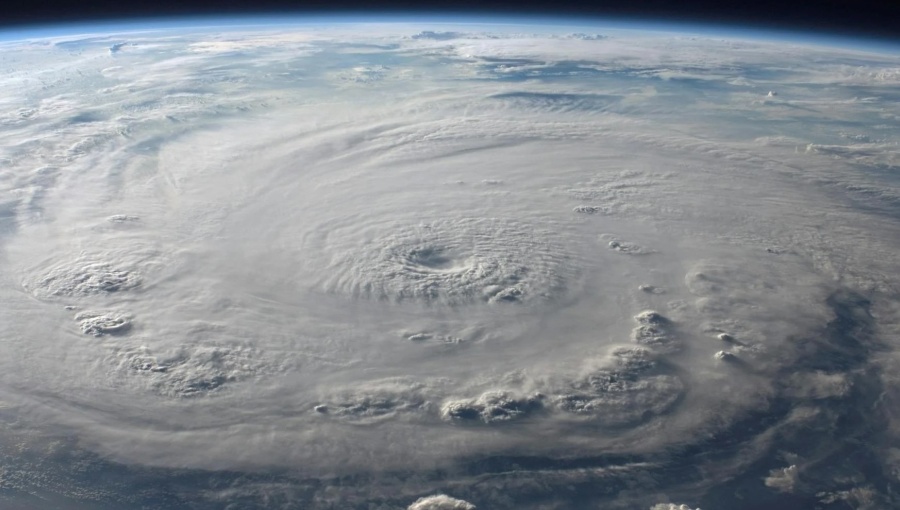
Two people were killed and at least four were unaccounted for after Typhoon No. 25 triggered landslides across Japan's Kanto region on September 21, the Yomiuri Shimbun reported on September 21.
The storm, described by the Japan Meteorological Agency as large and strong, tracked northeast over waters around Tokyo's Izu Islands to the south of the capital and passed closest to the Kanto region during the day, dumping rainfall that in places exceeded a full month's average in 24 hours.
The agency issued a Level 5 landslide emergency warning for the town of Oshima in the Izu Islands at 12:40pm. The alert is the highest of the five warning levels and was only the fourth such issuance, following one covering Oshima and other areas on September 7. It was downgraded to a Level 4 landslide warning at 11pm.
Oshima recorded 686.5mm of rain in the 24 hours to 5:20pm, twice the September monthly average of 341.3mm, according to the agency. Rain intensified across the Tokyo metropolitan area and Shizuoka Prefecture during the afternoon, with hourly totals of 69.0mm in Izu, Shizuoka Prefecture, and 61.0mm in Katori, Chiba Prefecture. Roads were flooded in a number of areas.
The cities of Miura and Yokosuka on the Miura Peninsula in Kanagawa Prefecture said four houses were struck by landslides and five residents were believed to have been caught, including women in their 20s, 30s and 60s and a man and a woman in their 70s. The prefecture confirmed the death of the woman in her 60s in Yokosuka. It requested a disaster relief deployment of the Self-Defence Forces to Miura on September 21.
In Sodegaura, Chiba Prefecture, a 51-year-old man was buried along with his heavy machinery while clearing soil from a road on the afternoon of September 21. He later died in hospital according to reports.
As of 9pm on September 21, the typhoon was about 130km southeast of Choshi, Chiba Prefecture, moving northeast at 35kph with a central pressure of 960 hectopascals and maximum sustained winds near its centre of 40 metres per second. It was forecast to move away to the east of Japan on September 22.

No comments:
Post a Comment