IMO Calls for All Parties in Hormuz Crisis to Respect Seafarer Safety
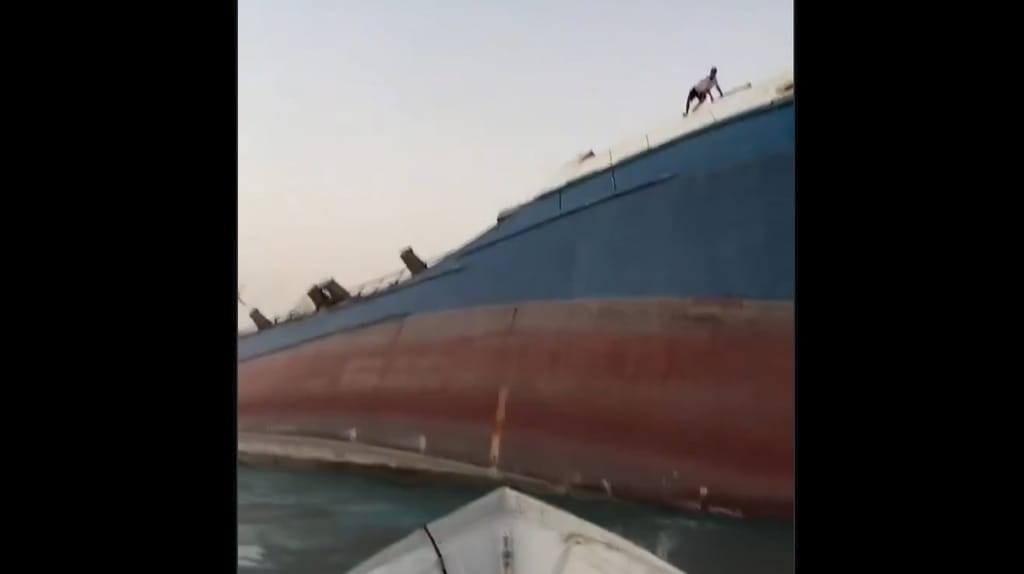
The U.S.-Iran conflict has claimed the lives of at least 25 seafarers since February, and Iran's attacks on foreign-flag shipping continue nearly every day, with lethal risk for tanker crewmembers. Recent reports from seafarers suggest that conditions on some of the "shadow fleet" ships on the route are below international standards, adding an additional layer of risk. On Wednesday, IMO Secretary General Arsenio Dominguez sent a reminder to shipping interests that the industry has agreed upon universal safety rules, enshrined in international law.
"IMO’s technical and operational regulations are there to protect seafarers, ships and the marine environment. They must be respected and enforced effectively," Dominguez said in a statement. "There are too many cases of ships transiting the Strait without complying with fundamental provisions of treaties such as the International Convention on the Safety of Life at Sea (SOLAS)."
The Forward Seafarers Union of India (FSUI) has reported at least one fatality linked to alleged substandard practices on a shadow fleet tanker in the region. The FSUI says that vessels that operate outside of the law bring serious risks for the crewmembers - many of them Indian nationals - who have to work aboard.
He highlighted the reports of vessels operating without any displayed IMO number, falsely-flagged tonnage, and unsafe operating practices - all consistent with "shadow fleet" standards. Dominguez urged shipping interests to avoid operating in the strait if it exposes seafarers to "unacceptable risks."
"It is imperative for governments to tackle the root causes of this conflict, which has also increased the cost of living for millions of people worldwide," Dominguez said. He highlighted the IMO Council's call for a political resolution to the Strait of Hormuz dispute, to include freedom of navigation and a single recognized system for navigation - a return to the situation before the war, when traffic passed through unhindered in an IMO-designated traffic separation scheme.

No comments:
Post a Comment