Showing posts sorted by relevance for query GEOTHERMAL. Sort by date Show all posts

Monday, April 29, 2024

Tapping into the heat beneath Nevadans’ feet


Amy Alonzo, The Nevada Independent
April 29, 2024

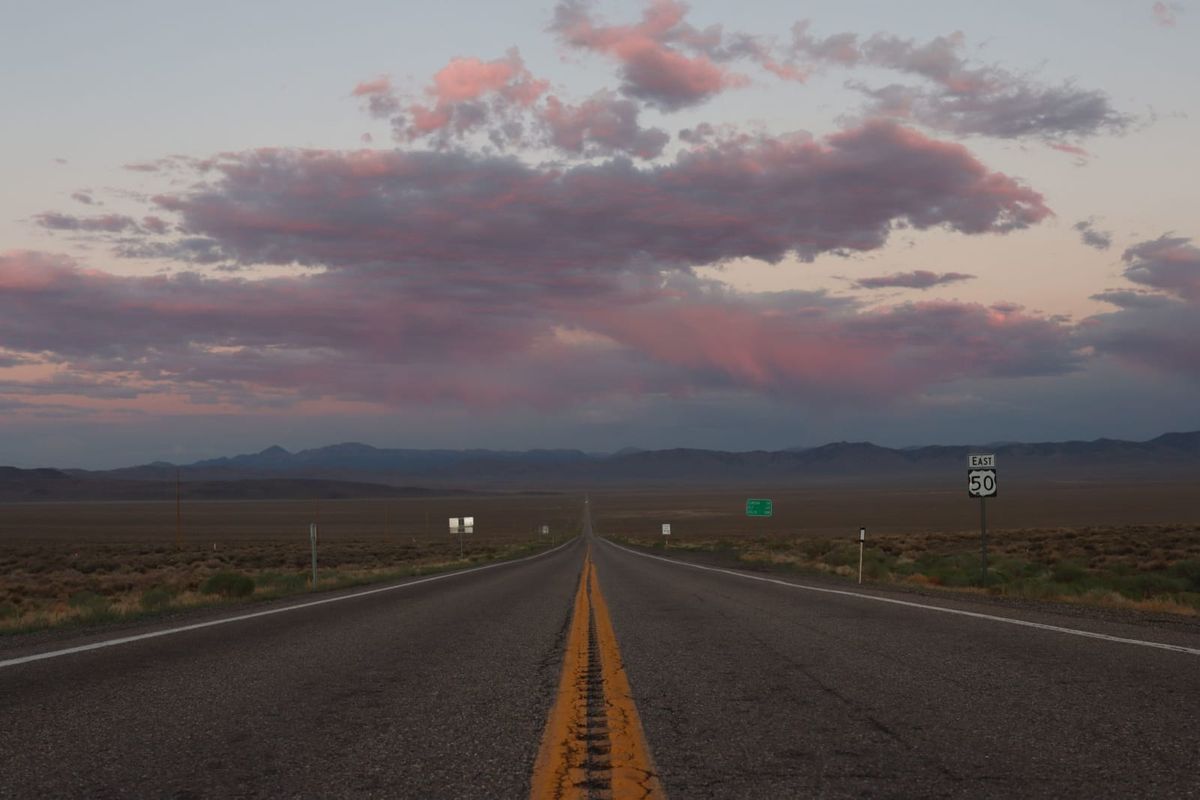
Nevada (Verena Wolff/dpa)

This story was originally published by The Nevada Independent. Sign up for its newsletters here.


With highly fractured, permeable ground, the Great Basin’s geology makes it one of the most geothermally rich areas in the world. Hot fluid rises easily toward the surface, ideal for driving power plants, and present-day Nevada is the second-largest producer of geothermal energy in the nation behind California.

Tapping into hot fluids below the ground to spin turbines in power plants that generate electricity and boasting a lower carbon footprint than many other power sources, geothermal accounts for about 9 percent of energy generated in Nevada. But that number could be much higher, scientists say. The Silver State could produce about 30 gigawatts (GW) of geothermal power — about 30 times more than it does now.

“We truly live in a classic geothermal province, one of the largest on Earth,” said Jim Faulds, state geologist and member of UNR’s Great Basin Center for Geothermal Energy, at a geothermal symposium hosted earlier this month at the university.

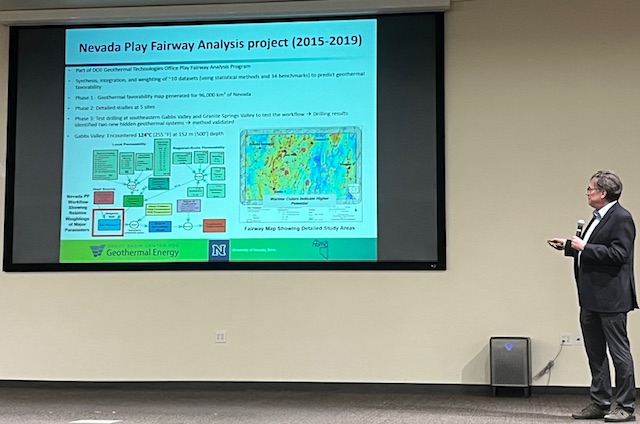
Established in 2000 and funded by the U.S. Department of Energy (DOE), the center aims to accelerate discoveries of commercially viable hidden geothermal systems in the Great Basin while reducing exploration and development risks.

The takeaway from the symposium’s panel of geothermal producers? Renewable energy developers are looking to the state to be an even larger player in the geothermal energy market.

“Nevada is uniquely well positioned in the world with geothermal,” said Kerry Rohrmeier, government affairs manager for Ormat Technologies, an international company based in Reno.

The DOE estimates the nation needs between 700 and 900 GW of clean power by 2050 for a decarbonized economy, and geothermal has the potential to account for nearly 10 percent of that.

The United States has the most installed geothermal capacity in the world, generating 3.7 gigawatts of geothermal power at plants across the West, including more than two dozen in Nevada. Yet geothermal accounts for just 0.4 percent of the nation’s overall electricity.


The production of geothermal energy has taken off in fits and starts because it’s not as simple as putting up a solar panel or wind turbine, Faulds said.

“The Earth is complicated. You think you have a decent resource, and it doesn’t pan out,” he said. “There’s those kinds of things that make geothermal a little bit slower than some other forms of renewable energy.”

But with a low carbon footprint and the ability to continuously produce energy, scientists and energy experts think it has the potential to be a game changer in the nation’s push for clean energy.

And Nevada, the state with the greatest geothermal resources in the nation, has the chance to lead that charge, according to scientists and geothermal energy producers. Recently, major power purchase agreements were signed between geothermal producers and entities such as the University of Utah, Google, Southern California Public Power Authority and NV Energy for geothermal energy produced in Nevada, with some contracts extending as long as 40 years.

“We are now in a new wave of geothermal exploration,” said Cary Lindsey, geothermal research scientist with the Great Basin Center for Geothermal Energy.


Jim Faulds, state geologist and member of UNR’s Great Basin Center for Geothermal Energy, speaks at a geothermal symposium April 16, 2024, at UNR. (Amy Alonzo/The Nevada Independent)

The heat beneath our feet

Across the Great Basin, particularly in northwestern Nevada, the state’s crust is being pulled apart due to tectonic forces. That pulling motion results in the state’s land mass growing by roughly 2 acres per year.

That pulling of the crust is good for geothermal energy production, Faulds said.

“If the crust gets pulled apart, it gets thin, and you’re bringing hot mantle closer to the surface and you have a high geothermal gradient,” he said.

Geothermal power plants tap into those hot fluids below the ground to spin turbines in power plants that generate electricity. Power can be generated from fluids with temperatures higher than 194 degrees Fahrenheit.

Nevada has 27 geothermal plants, mostly in the northern portion of the state, that combined have the capacity to generate up to 827 megawatts of power at any given time, although many don’t operate at full capacity and only about half that amount is transferred to the grid. A megawatt is 1,000 kilowatts, enough to power as many as 800 households.

That number is likely to grow substantially.

The Nevada Division of Minerals has received more than three dozen permit applications for geothermal exploration so far this year, a number fluid minerals manager Dustin Holcomb calls “just bonkers.”

Revenue from geothermal in the state is increasing as well. The state collected $14.3 million in geothermal leases and royalties last year, up from slightly less than $10 million in 2022 and $8.5 million in 2021. All geothermal rentals and royalties are split 50/25/25 between the state, the generating county and the federal government.

The DOE is pouring substantial funding into geothermal research across the Great Basin. The focus is largely on enhanced geothermal, which often utilizes horizontal drilling and hydraulic fracturing technology developed by the oil and gas industry. This technology reaches heat in areas untappable by conventional geothermal plants, using drilling and hydraulic fracturing to allow fluid to move through hot rock that was previously impermeable.

The DOE has an enhanced geothermal test site in Utah — FORGE — focused on higher drilling speeds and decreased implementation costs. The technologies tested at FORGE are being utilized in Nevada at a project developed by Fervo Energy in partnership with Google and being used to power its data centers.

While the technology for enhanced geothermal continues to get fleshed out, the department is also focusing on conventional geothermal energy production.


UNR’s Great Basin Center for Geothermal Energy’s INGENIOUS project received $10 million in federal funding to map out and build a playbook for conventional geothermal energy production — geothermal that doesn’t rely on fracking.

The goal is to map geothermally favorable resources across the Great Basin and create a template for geothermal exploration, Faulds said. Nearly half of the region’s geothermal resources are hidden, meaning they have no above-ground outlet such as a hot spring, and they are often discovered by accident, Faulds said, during mineral exploration or while drilling an agricultural well.


The Dixie Valley toad. (Patrick Donnelly/Center for Biological Diversity)

The need for more data and environmental oversight

Geothermal isn’t a panacea though.

“Solar, wind, geothermal — they all have their own environmental impacts. Some are more well understood than others,” Jaina Moan, external affairs director for The Nature Conservancy’s Northern Nevada Field Office, said after the symposium. “There’s drawbacks to any technology we deploy.”

Historically, conventional geothermal exploration didn’t take surface expressions such as hot springs into consideration, as evidenced by the ongoing battle over a proposed geothermal plant in the Dixie Valley area that could threaten an endangered toad. Hot springs in the area are home to the endangered Dixie Valley toad, and a report by the U.S. Fish and Wildlife Service — the agency that listed the toad as endangered at the behest of the Center for Biological Diversity — found that operating a geothermal plant in the area would have significant impact in Dixie Valley by reducing or eliminating discharge into the wetlands.

But technology and science are increasing understanding of the Earth's subsurface, its complexity and the relationship between hydrology and geology and mitigating those issues, Faulds said, adding that creating a database documenting hot springs, nearby energy developments and ensuing environmental impacts — a database that is currently lacking — would benefit industry and conservationists alike and could help prevent environmental issues in the future.

But the federal government seems to be heading in the opposite direction.

Earlier this month, the Bureau of Land Management adopted categorical exclusions to expedite geothermal exploration permitting. If the agency determines an exploratory project meets exclusionary criteria, the exploratory project can bypass the National Environmental Policy Act (NEPA) and avoid drafting an environmental assessment for permitting exploration, although any subsequent development would require NEPA analysis.

The details of the exclusions have not been outlined by the Bureau of Land Management and is a confusing approach to policy making, Patrick Donnelly, Great Basin director for the Center for Biological Diversity, said in a call with The Nevada Independent.

“Why would you issue these categorical exclusions without sharing what they are?” he asked. “Without having seen the exclusions, we don’t know if there’s an issue or not … but how are we to know?”

And ultimately, much of the renewable energy produced in the Silver State is exported across state lines, according to Faulds.

This exporting of geothermal power means that Nevada’s landscape — yet again — bears the brunt of clean energy generation while reaping just a fraction of the benefits.

This story was updated at 10:17 a.m. 4/25/24 to correct that Nevada receives 9 percent of its power from geothermal sources, not 4 percent.

Saturday, January 07, 2023

Geothermal energy poised for boom, as U.S. looks to follow Iceland’s lead

Some experts believe geothermal development could help reduce American emissions and help avert catastrophic climate change.


LONG READ

Ben Adler
·Senior Editor
Sat, January 7, 2023 

The Climeworks AG Orca direct air capture and storage facility, right, and Hellisheidi geothermal power plant, left, in Hellisheidi, Iceland, in September 2021.
 (Arnaldur Halldorsson/Bloomberg via Getty Images)


The small island nation of Iceland is known among environmentalists for its low greenhouse emissions — per capita, roughly one-third of those of the United States — thanks in part to its reliance on clean, geothermal energy derived from the more than 30 active volcanic systems that also power its famous hot springs.

Yet, in terms of total geothermal energy output, the U.S. is actually the world’s single biggest generator of geothermal energy — and some experts believe further development of that sector, including digging deep into the Earth, could reduce American emissions and help avert catastrophic climate change.


“It just really seems as though geothermal has an upward trajectory at the moment, in terms of innovation, funding, interest at all levels of business, but also the government,” Kelly Blake, president of the board of directors at Geothermal Rising, a geothermal-focused trade association, told Politico earlier this week.

“We’re kind of on the cusp of moving into the cost-effective range [for geothermal], just like we did with solar, over the next 20 years,” Roland Horne, a professor of earth sciences at Stanford University, told Yahoo News.

At present, geothermal energy, which is derived by using steam heat from underground to generate power, accounts for less than 1% of the U.S. electricity portfolio. Unlike wind and solar energy, which do not produce as much energy in certain conditions, geothermal energy is much more constant. Yet the cost of tapping it can be expensive in places that require extensive digging. In 2021, a kilowatt hour of electricity generated by geothermal cost an average of $3,991 in G20 countries, compared to $857 for utility-scale solar power and $1,325 for on-shore wind.

A geothermal plant outside Myvatn, Iceland, in on April 2017. (Loic Venance/AFP via Getty Images)

Recent technological advances, such as “enhanced geothermal systems,” also known as EGS in the industry jargon, may solve that problem, however. Traditionally, geothermal has only been economical in places like Iceland, where heat and water are close to the Earth’s surface. In an EGS, much as in a fracking well, fluid is injected deep underground, causing fractures to open in the rock, which allows hot fluid to rise from far below.

That’s why in June, the U.S. Department of Energy (DOE) announced a $165 million investment in geothermal energy research and deployment, and the 2021 bipartisan infrastructure law included $84 million for research into enhanced geothermal demonstration projects.

The private sector is also taking tentative steps into geothermal energy. A slew of geothermal energy startups have each raised millions of dollars in capital. Last month, the oil and gas giant Chevron partnered its Chevron New Energies with Sweden’s Baseload Capital to develop geothermal projects in the United States. In 2021, Chevron and BP invested $40 million in Eavor Technologies, a Canadian geothermal energy company. In November of that year, Hawaiian Electric, the Aloha State’s energy utility, unveiled a plan to increase its geothermal generation capacity to help meet its goal of a 70% reduction in greenhouse gas emissions by 2030.

“It’s like solar: If you look at solar 20 years ago, nobody’s interested in solar because it costs too much. But as solar has grown, the cost has come down as it’s improved in scale,” Horne said.

U.S. Secretary of State Antony Blinken, right, is greeted by Iceland's minister of foreign affairs, Gudlaugur Thor Thordarson, at a meeting of Arctic Council Ministers in Reykjavik, Iceland, on May 19, 2021. (Brynjar Gunnarsson/AP Photo)

“It’s unbelievable how geothermal has gone under the radar,” Iceland’s environment minister, Gudlaugur Thór Thórdarson, told Yahoo News. Iceland’s use of geothermal for heating and a mix of geothermal and hydropower for electricity has given it uninterrupted access to affordable heat and power, insulating its economy from the natural gas price shocks being felt by the rest of Europe since Russia’s invasion of Ukraine.

“Now, when you see the bills [in] electricity and the gas prices go up everywhere — at least, around us — it doesn’t affect us,” he said.

“This can be done all around the world,” Thórdarson added. “You don't need to be the most active volcanic island in the world to use geothermal.”

In January 2022, a Danish company signed an agreement to develop the largest geothermal heating plant in the European Union, and Icelandic companies are currently developing geothermal heating and energy projects in other countries. Under a partnership between Iceland’s Orka Energy Holding Ehf and China’s state oil and gas company Sinopec, the 390,000-person Chinese county of Xiong is being converted to rely solely on geothermal for residential heating.

Wells roughly 1,500 to 1,900 meters (4,900 to 6,200 feet) deep bring up water at 70 degrees Celsius (158 degrees Fahrenheit) that is used to heat homes. In an area where families previously burned coal for heat, the result has been a dramatic cut in carbon emissions and conventional air pollutants like smog. Orka and the Icelandic firm Mannvit are also building power plants that will produce electricity from geothermal in countries including Slovenia and Hungary.

“And we can do it in a lot of other places,” Thórdarson said. “It’s not very complicated. It’s just drilling for hot water.”

The Reykjanes geothermal power station is pictured on March 23, 2017, in Reykjanes, at the southwestern tip of Iceland. (Halldor Kolbeins/AFP via Getty Images)

Geothermal accounts for 6% of the electricity produced in California and 10% in Nevada. Hawaii, Utah, Oregon and Idaho have geothermal plants as well. Like Iceland, where 27% of the electricity and heating in 90% of homes comes from geothermal, these western states have volcanic activity that brings heat close to the Earth’s surface. That makes geothermal more economically viable than in the eastern half of the U.S., where heat tends to be buried deeper underground.

“The reason we have [geothermal] in the western states, and the reason they have it in Iceland, is basically geological advantage,” Horne said. “If you go to New York state, you don’t find that sort of recent volcanic activity, so to get to higher temperatures, you’ve got to drill a lot deeper, and that, of course, is expensive.”

Skeptics of geothermal’s potential note the technological challenges to drilling deeper.

“You have to remove all the rock you’ve cut from the hole, which gets harder and harder as the hole gets deeper,” writes Alice Friedemann, author of “Life After Fossil Fuels: A Reality Check on Alternative Energy,” on her website, Energy Skeptic. “The deeper you go, the hotter it gets, and the more expensive the drilling equipment gets, using special metallurgy.”

The Strokkur geyser in the Haukadalur geothermal park in Reykjavik, Oct. 21, 2022. (Jorge Mantilla/NurPhoto via Getty Images)

Some energy companies hope to facilitate deeper drilling through EGS, which offers the possibility of a geothermal boom similar to the way fracking has transformed oil and gas extraction. The Department of Energy’s Geothermal Technologies Office, which supports EGS research and demonstration projects, calls EGS “the next frontier for renewable energy deployment.”

“There have been more than 40 projects worldwide of so-called ‘enhanced geothermal systems,’” Horne said. “There’s even been some commercial ones in Germany and France, but at the moment, the cost is higher than other resources, which is what’s held it back.”

Horne expects that over the next decade or so, increased research and development in EGS will bring the cost down enough to make geothermal energy economically competitive.

“[Geothermal] is sort of the unwanted stepchild of renewable energy,” Geoffrey Garrison, vice president and senior geochemist at AltaRock Energy, a geothermal energy company, told Yahoo News. “The marginal cost of electricity from geothermal is more than solar and wind. Solar’s gotten so cheap, and wind has gotten so cheap, that when the power utilities look to renewables, those are the ones they go to.”

Since wind and solar are intermittent power sources, they need to be complemented with “peaker plants,” which burn coal or gas to even out the ups and downs in solar or wind production. Geothermal doesn’t have that problem.

An array of solar panels and windmills in Kern County, an hour north of Los Angeles, on Nov. 15, 2022, near Mojave, Calif. (George Rose/Getty Images)

Garrison is working on making geothermal energy cost-competitive by finding cheaper ways of drilling deeper, where the heat is greater and would deliver more electricity production. Altarock is building a demonstration project at the Newberry Volcano in Oregon, to bring up water of more than 400 degrees Centigrade from 14,000 feet below ground. At 374 degrees Centigrade, water reaches a state known as “supercritical,” at which it flows with the ease of gas but carries the energy density of a liquid, so it would provide far more bang for the buck when piped to the surface.

“You couple that with the fact that, at the surface, power plants work much more efficiently at higher temperatures,” Garrison said. “So a power plant using an input of 400C is going to be twice as efficient as 200C water.”

Bringing up water that hot in states like New York would require going 20,000 to 30,000 feet below ground. So, with support from DOE, AltaRock is currently working in a laboratory with a company called Quaise Energy on using millimeter wave technology — essentially a heat ray — to vaporize rock.

Whether anything that futuristic pans out, experts and industry observers say the U.S. geothermal energy industry may be on the cusp of its own, fracking-like boom.

Still, even enhanced geothermal could be limited in scope. The DOE estimates that there is potentially 40 times as much economically viable geothermal capacity as is currently generated in the continental U.S. But if that were all developed, it would still represent only 10% of current U.S. electricity capacity.

The John L. Featherstone Hudson Ranch Power 1 geothermal facility produces electrical power from underground volcanic-heated steam, on May 10, 2021, near Calipatria, Calif. (George Rose/Getty Images)

Skeptics point out that enhanced geothermal systems will have plenty of technical obstacles. Friedemann’s list includes, among other things, water escaping into the rock cracks, the need for materials that can withstand incredibly high temperatures, and the fact that new techniques that work in one area may not apply everywhere, given the variability in geology around the country.

Then there are the potential political and economic roadblocks, such as objections of nearby residents who — like those who have sometimes blocked fracked gas wells — may worry about chemical exposure and earthquakes that could be triggered by injecting liquid into the Earth. There are also steep costs that utilities would have to bear, such as bringing transmission lines to the sites of future geothermal power plants and the fact that a water-intensive process may not be feasible in areas with water scarcity.

“The depth to be drilled down to is so deep that it is likely this technology will always be too expensive and use more energy to drill than obtained,” Friedemann concludes.

Nonetheless, oil and gas companies are increasingly interested. “Baker Hughes, one of the largest drilling companies in the world, is expanding its geothermal business and has formed a partnership with Continental Resources and Chesapeake Energy — two giants in the independent oil and gas sector — to test whether they can profitably turn spent natural gas wells into geothermal facilities,” Politico recently reported.

A natural gas flare stack at an oil well in Midland, Texas, on April 4, 2022. (Jordan Vonderhaar/Bloomberg via Getty Images)

It makes sense, geothermal industry leaders say, because oil and gas companies have the technology and know-how to drill deep below the ground.

“Over the last 15 years, huge numbers of wells have been drilled in the United States because of the shale revolution,” said Sarah Jewett, head of strategy at Fervo Energy, a geothermal energy company that has raised over $177 million, told Politico. “All of this technology has evolved and grown, and that can be directly applied to geothermal power.”

That’s what Secretary of Energy Jennifer Granholm was thinking when she implored oil executives at a December meeting of the National Petroleum Council to pivot to geothermal energy.

“Think: You drill holes, too,” Granholm said. “You go beneath the surface, you know where things are. And fracking really opens up a huge opportunity for enhanced geothermal.”

As Granholm told Yahoo News in November 2021, “The Holy Grail is to identify clean baseload power.” The search for that Holy Grail is on.

Friday, August 25, 2023

Geothermal energy: Are we entering a golden age?

Gero Rueter
DW
August 24, 2023

Despite its advantages, geothermal energy has seen limited use compared to fossil fuels. Find out how this renewable source is gaining ground and what benefits it offers.


One of the main current uses of geothermal energy is to heat swimming pools and buildings
Image: Stella/imageBROKER/picture alliance

At some 6,000 degrees Celsius (11,000 degrees Fahrenheit), Earth's core is about as hot as the sun. Though not comparable, even at 2,000 to 5,000 meters (6,500 to 16,000 feet) beneath the surface of the planet, it can be a scorching 60 to 200 C. In volcanic regions, even surface temperatures can reach 400 degrees.

That makes for a lot of potential heat-based energy. Our ancestors were no strangers to the power of geothermal energy. In the first century AD, Romans living in the western German cities now known as Aachen and Wiesbaden heated their houses and thermal baths with hot spring water. In New Zealand, the Maori people cooked their food using the Earth's heat, and in 1904, geothermal energy was used to generate electricity in Larderello, an area in central Italy.

Volcanic areas turn geothermal energy into electricity

These days, some 400 power plants in 30 countries generate electricity using steam generated beneath Earth's surface, producing a total capacity of 16 gigawatts (GW).

This method of generating electricity is particularly important in volcanic regions along the Pacific Ring of Fire, including the United States, Mexico, El Salvador, Iceland, Turkey, Kenya, Indonesia, the Philippines and New Zealand. But on a global level, geothermal energy only accounts for 0.5% of electricity generation.


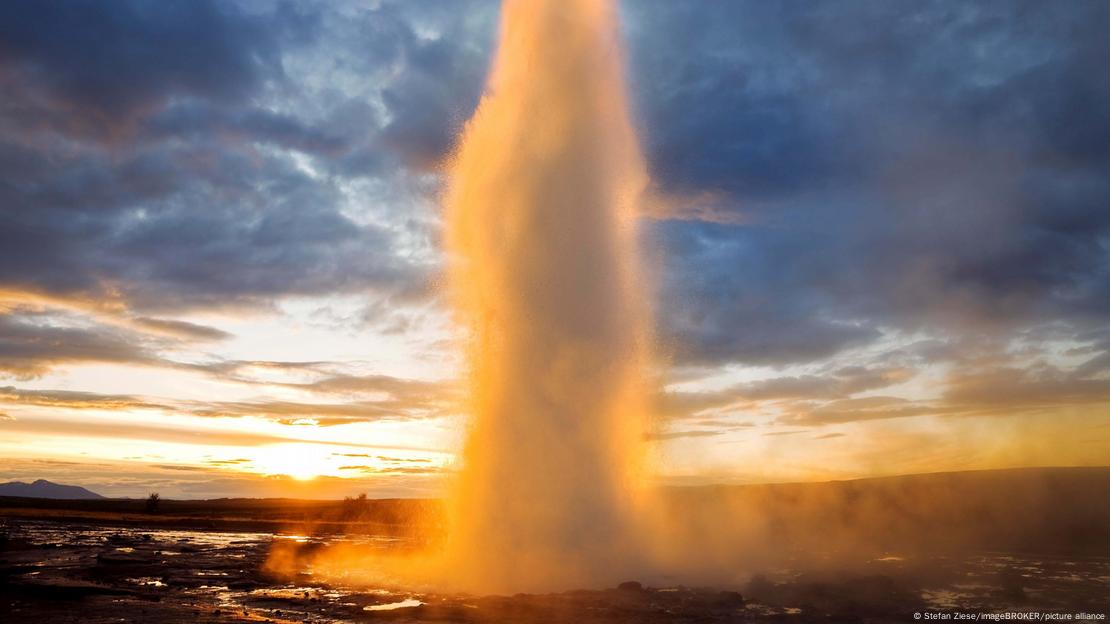
Shallow geothermal power plants use steam from reservoirs of hot water to produce electricityImage: Stefan Ziese/imageBROKER/picture alliance

Heat from deep geothermal energy is available everywhere

Across the world, geothermal energy is mainly used for heating swimming pools, buildings, greenhouses and for urban heating systems. Water up to 200 degrees C is pumped from boreholes up to 5,000 meters deep. The heat is then extracted and the cooled water is pumped back in through a second bore.

This method of heat capture is feasible worldwide, inexpensive and increasingly popular in countries that lack volcanic activity. According to assessments by the Renewables Global Status Report, the installed capacity of geothermal heat plants is around 38 gigawatts worldwide — more than double the capacity of geothermal power plants that generate electricity.

To date, China (14 GW), Turkey (3 GW), Iceland (2 GW) and Japan (2 GW) are the leaders in developing deep geothermal energy, heating more and more city districts and greenhouses. In Germany, the city of Munich enjoys inexpensive geothermal heating and has set its sight on using the technology to make the sector climate neutral by 2035.

The German government is also looking at further developing deep geothermal energy to create a nationwide climate-neutral heat supply by 2045. According to studies, deep geothermal energy could generate around 300 terawatt hours of heat annually from an installed capacity of 70 GW — more than half the future heat demand of all buildings.

Using heat pumps to extract heat from the earth's surface


Increasingly, however, geothermal energy is also being harnessed from sources close to the earth's surface using heat pumps. In boreholes just 50 to 400 meters deep, a closed pipe system carries water from the surface to underground and then back, heating it 10 to 20 degrees C. A heat pump then uses this energy to output water at 30 to 70 degrees C, which is then used to heat buildings.

Researchers believe using this shallow geothermal energy in Germany offers heating potential similar to deep geothermal energy. In Germany, these two technologies alone could satisfy the entire future heating demand for buildings.

How much does heat from deep geothermal energy cost?


According to analysis by six German research institutes, generating heat with deep geothermal energy costs less than three euro cents ($0.3) per kilowatt hour (kWh).

The kind of geothermal energy technology used so far pumps hot water from aquifers or water-bearing zones deep underground to the surface and uses the heat to warm homes, for instance.

But now the world's first commercial geothermal plant that doesn't rely on water pumped from aquifers is being built in the town of Geretsried in the German state of Bavaria.

The new technology could allow countries to exploit geothermal energy in locations where it wasn't previously possible to do so, according to Professor Rolf Bracke, head of the Fraunhofer Research Institution for Energy Infrastructures and Geothermal Systems.

Before Russia's attack on Ukraine, natural gas could generate heat even cheaper than this for many municipal utilities in Europe. That made it unattractive to invest in the construction of deep geothermal energy plants. Since Russia's invasion, however, sharply rises in gas prices have pushed that cost to more than 12 cents per kWh, changing the calculation. Municipal utilities are now showing great interest in deep geothermal energy for heat supplies.
Can geothermal energy completely satisfy the demand for heat?

No. The heating demands of the world's buildings can be met by the near-unlimited potential of deep geothermal energy and near-surface geothermal energy.

But industrial applications sometimes require temperatures of over 200 degrees, which, with present technologies, are generally unattainable with geothermal energy. For such high temperatures, heating with electricity, biogas, biomass and green hydrogen are the climate-friendly alternatives.
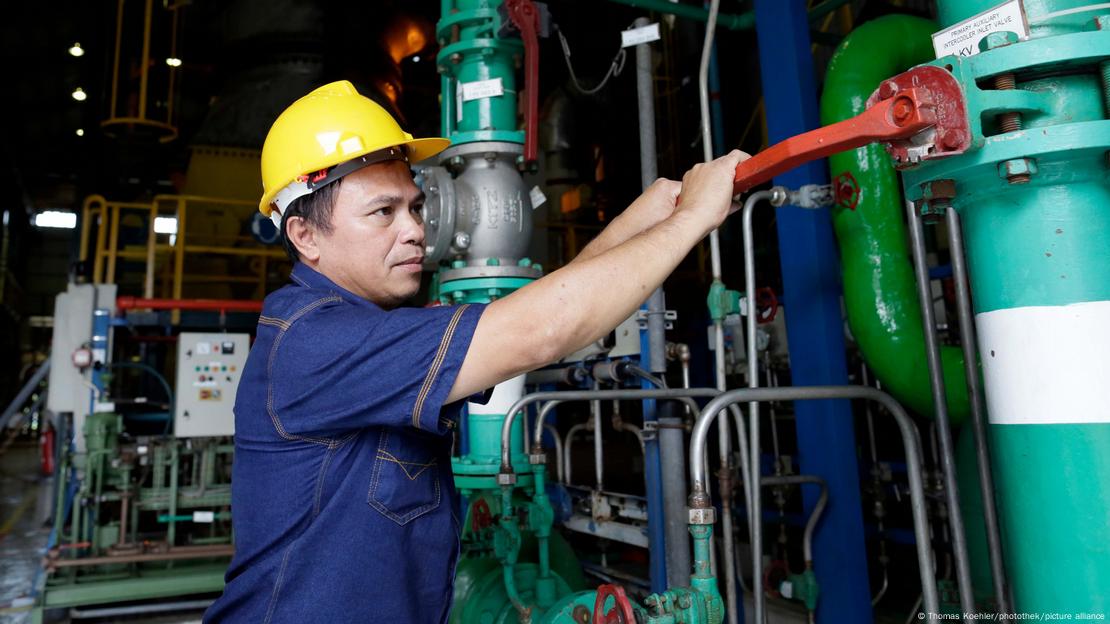
Deep and shallow geothermal energy could provide enough heat for the entire world's buildings, but it does fall short for some industrial applications
Image: Thomas Koehler/photothek/picture alliance

How quickly can deep geothermal energy start supplying heat?


Over the past century, the oil and gas industries in particular have amassed considerable knowledge of the earth's subsurface, on drill techniques, how to train personnel, and have developed sophisticated technology. Professor Rolf Bracke, head of the Fraunhofer Institute for Energy Infrastructure and Geothermal Energy (IEG), told DW he is confident that geothermal energy can be expanded rapidly "if the oil and gas industries turn their attention to geothermal energy."

But he says if those companies continue to focus on oil and gas production because it generates more money, there would be insufficient personnel and drilling technology to rapidly expand geothermal energy. According to Bracke, it takes two to three years to develop geothermal heat sources if approval is granted quickly, and about three times longer than that in Germany due to bureaucratic delays. The German government now wants to speed up this process and increase heat energy production tenfold from the current production of 1 terawatt by 2030.

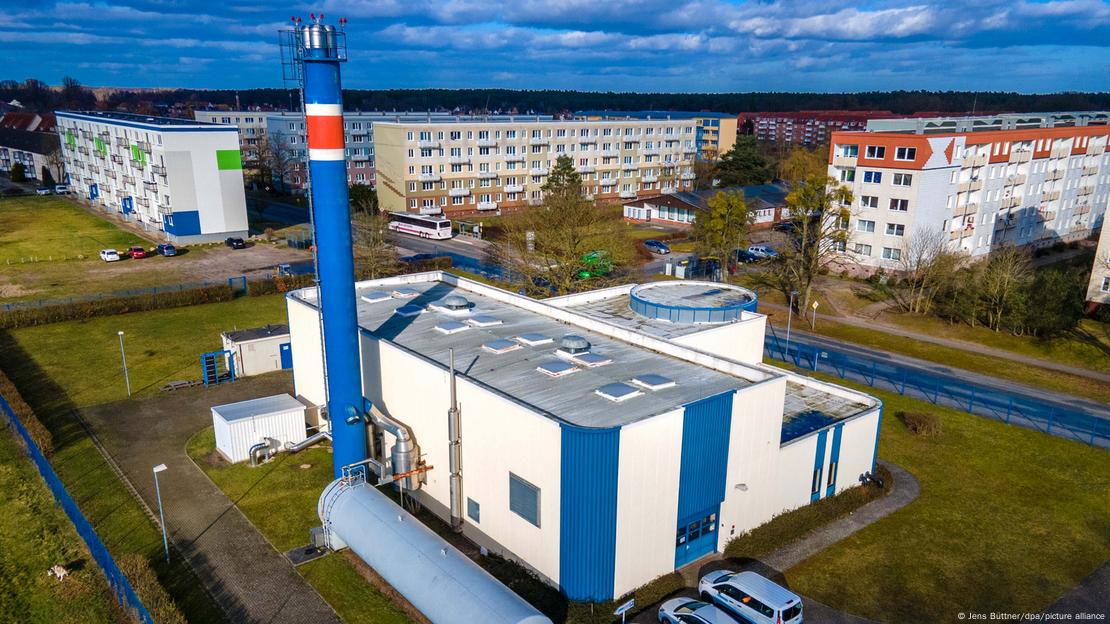
Germany wants to expand its geothermal production
Image: Jens Büttner/dpa/picture alliance

Can deep geothermal energy cause earthquakes?

Yes. In regions with seismic activity, geothermal energy can trigger small earthquakes when water is injected into the subsurface at too high a pressure, triggering existing stresses. In some cases, the tremors have resulted in cracks in buildings and public opposition to this technology.

According to Bracke, there have been no reports of earthquakes in regions without underlying stresses. Meanwhile, geothermal techniques have also been improved: surface tremors can now be avoided with lower underground water pressures and more sophisticated monitoring methods,

But compared to oil, gas and coal extraction, geothermal is far less risky, Bracke emphasized, and "by far the safest source of energy from our Earth."

This article was originally written in German. It was first published on January 1, 2023 and was updated on August 24 to include news on the latest geothermal technology. 

Tuesday, August 13, 2024

 FRACKING  BY ANY OTHER NAME

The Rise of Geothermal Power Networks

  • Governments worldwide are increasingly interested in geothermal energy as a clean, renewable source of heating and electricity.

  • The UK and US have significant untapped geothermal resources that could be developed to power communities and support decarbonization efforts.

  • Geothermal power networks, which distribute heat from underground reservoirs, are emerging as a promising solution for sustainable energy.

As governments rapidly search for ways to accelerate the shift away from fossil fuels to renewable alternatives, there could be huge potential for developing natural geothermal resources underground. Investing in networked geothermal power could provide abundant clean heating and electricity for millions of households and businesses worldwide. Although countries with abundant geothermal resources have been tapping into the natural power source for thousands of years, governments have only recently funded greater research into the use of advanced geothermal systems aimed at expanding the use of the energy source. 

Geothermal energy is a type of renewable energy that comes from the Earth’s core. Energy can be extracted from the thermal sources stored in rocks and fluids several miles below the Earth’s surface. Underground geothermal reservoirs of steam and hot water can be used for electricity generation and other heating and cooling applications in rich geothermal regions. Accessing geothermal energy requires the drilling of a borehole at a depth of between two and three miles underground, flowing cold water at low pressures through hot rocks, and transporting the warm water to the Earth’s surface through a second borehole for use as heating or for electricity generation.  

In the U.K., a 2023 report suggested there is significant potential for the development of the country’s geothermal resources to provide clean heating and electricity. The report highlights several regions of untapped geothermal energy in the U.K., which could be developed to provide networked geothermal power. Many of these areas happen to coincide with towns and cities included in the government’s Levelling Up White Paper, which lists several deprived parts of the U.K. that require greater attention and investment. These areas include Redcar and Cleveland, Middlesbrough, East Lindsey, Hartlepool, Northumberland and Bassetlaw. Other areas of potential for geothermal energy production include Newcastle upon Tyne, Northeast Derbyshire, the East Riding of Yorkshire and Nottingham. 

The MP Kieran Mullan, who managed the production of the report, said there was a “strong overlap” between areas where investment is required and the best geothermal locations, which could encourage greater support for renewable energy development in these areas. Mullan stated of the potential to tap into the U.K.’s geothermal resources, “Unlike wind or solar this technology provides baseload – it is there constantly. And our expertise in drilling in the North Sea means we are well placed to motor ahead.” 

The U.K. has vast amounts of untapped geothermal power, with enough geothermal energy underground to heat every home for a hundred years, according to estimates. However, Mullen emphasised that there is “catching up to do because across Europe there has been much stronger government intervention to support nascent deep geothermal industries in those countries.” 

The U.S. is also looking to tap into the natural energy stored underground through investment in new technologies to tap into geothermal resources and distribute the power. Earlier this year, Eversource Energy commissioned the first networked geothermal neighbourhood in the U.S. to be run by a utility, in Framingham, Massachusetts. There is great optimism around the potential for project expansion, as much of the equipment needed to tap into geothermal sources is already in place. Utilities can use gas line equipment to deploy networked geothermal power, circulating fluid rather than gas., with the potential to set up networks anywhere. 

Audrey Schulman, the executive director of the nonprofit climate-solutions incubator HEETlabs, stated, “In the end, what we would like is if the gas utilities become thermal utilities.” Eversource is using a geothermal loop in Framingham, which could ultimately be connected to an adjacent neighbourhood and another, to expand the network. Schulman explained, “Each individual, shared loop can be interconnected, like Lego blocks, to grow bigger and bigger.”

While a shift to geothermal power may have seemed impossible just a few years ago, there is growing pressure from the White House for utilities to decarbonise. Last year, New York became the first state to ban natural gas hookups in most new buildings. This ban is expected to be rolled out in several other states in the coming years, including California, Vermont and Colorado. This gives utilities little choice other than to look for clean heating alternatives. There is also a wide range of incentives, provided by the Inflation Reduction Act and other climate policies, to invest in renewable energy and clean technologies. Eversource Energy and two dozen other utilities, which together represent 47 percent of the country’s natural gas customers, are joining forces to establish an information-sharing coalition, known as the Utility Networked Geothermal Collaborative, which is expected to encourage more geothermal power networking projects across the U.S. 

Following several decades of stagnation in the geothermal energy sector, governments are once again looking to the abundant renewable energy source to provide heating and power in place of natural gas. Greater investment in the sector could support the development of large networks of geothermal power, offering millions of households clean heating. Some countries, such as Iceland, are already well acquainted with geothermal power, with countries such as the U.K. and U.S. expected to soon follow.  

By Felicity Bradstock for Oilprice.com


The DOE Is Betting Big On A Geothermal Game-Changer In Utah

  • Geothermal energy is currently limited to geographical hotspots, but enhanced geothermal seeks to produce energy from deep drilling anywhere.

  • Enhanced geothermal offers a continuous baseload power source, overcoming the intermittency challenges of solar and wind energy.

  • Despite its potential benefits, enhanced geothermal's high upfront costs pose challenges, but its low operational costs and vast potential could make it a significant player in the clean energy sector.

A huge experiment to produce electricity using enhanced geothermal energy is taking place underground in Utah. The United States Department of Energy (DOE) is funding an experimental pilot project drilling well over a mile deep into the Earth’s crust to access a continuous heat source for clean energy production. While the technology is in its infancy and there are questions about whether enhanced geothermal could ever be cost-competitive with other forms of clean energy production, the DOE is convinced that it’s a good enough idea to spend hundreds of millions of dollars on

Today, geothermal energy makes up a tiny fraction of energy production on a global scale. All told, it makes up less than 1% of the world’s primary energy supply. This is because currently, geothermal is only produced in geologically anomalous places where water carrying the residual heat of the Earth’s core has cracked through to the surface via hot water vents like hot springs or geysers. “Iceland, straddling two diverging tectonic plates, hits a geological jackpot and produces about a quarter of its electricity that way; in Kenya, volcanism in the Great Rift Valley helps push that figure to more than 40 percent,” Wired recently reported. “In the US, it’s just 0.4 percent, almost all of it coming from California and Nevada.”

The idea behind enhanced geothermal energy is that if you drill down deep enough, geothermal energy can be produced anywhere – not just the places where heat happens to be more accessible closer to the surface. Until recently, the idea was a bit more science fiction than fact, but drilling technologies have improved immensely thanks to the fracking boom of the last few decades. Whereas deep drilling and cracking through rock used to be a headache with little guarantee of success, it’s now a much more exact science.

What’s more, geothermal offers some extremely enticing benefits that other clean energies do not. First and most importantly, it’s a potential baseload power source, meaning that it produces steadily and continuously. This is a huge advantage over more popular renewable energies like wind and solar power, which are variable, as they depend on weather, seasons, and the time of day for production. And peaks of production rarely line up neatly with peaks of demand. This creates a huge challenge for the nascent energy storage sector, as well as our aging power grids, which were not designed with variable energy in mind. As such, a baseload clean energy source solves a number of the clean energy revolution’s most wicked problems – if it can be effectively scaled up and out. 

Second, enhanced geothermal energy takes up much less surface area than other forms of renewable energy production. Land use is currently one of the biggest hurdles for clean energy expansion as disputes and competition for land tie up industrial-scale solar and wind farms around the country and around the world. Late last year, global management consulting firm McKinsey & Company released an analytic report naming land shortages as one of three key challenges facing the renewable revolution, along with long permitting processes and gravely under-prepared power grids. “Utility-scale solar and wind farms require at least ten times as much space per unit of power as coal- or natural gas–fired power plants, including the land used to produce and transport the fossil fuels,” McKinsey reports, adding that “wind turbines are often placed half a mile apart, while large solar farms span thousands of acres.” Since enhanced geothermal’s reach is down into the earth, and not across landscapes, it could be a key workaround for such issues. 

While geothermal presents some key advantages and circumvents some of the biggest pitfalls of the renewable revolution, however, enhanced geothermal is still wickedly expensive, and by no means easy. While the up-front costs are considerable, however, the operational costs are relatively low. And once the heat source is tapped, it’s a gift that keeps on giving, forever. “The question is whether [enhanced geothermal systems] will be more or less practical than building a nuclear plant or a dam or installing carbon capture at a natural gas plant,” says journalist Gregory Barber, who has written about geothermal energy for Wired. “There are good reasons to think it will be—especially if you factor in safety and ecological concerns presented by the alternatives—but it's early.”

By Haley Zaremba for Oilprice.com


Saturday, June 27, 2026

Can geothermal power Central Europe’s energy transition?

FRACKING BY ANY OTHER NAME

Can geothermal power Central Europe’s energy transition?
/ Image by Arcturian from PixabayFacebookTwitter


By Clare Nuttall in Glasgow June 26, 2026

Beneath the Central and Southeast Europe region lies one of Europe’s most underexploited energy resources. Geothermal energy, long associated with Iceland’s volcanic landscapes, is attracting fresh attention as countries seek cleaner, more secure and less import-dependent sources of energy. The appeal is especially strong in a region where the 2022 gas crisis exposed the strategic vulnerability created by dependence on imported fossil fuels.

Unlike solar or wind, geothermal offers something energy planners prize: continuous, weather-independent baseload energy. But in Central Europe, geothermal’s most important role may not be electricity generation, but heating.

The region possesses two advantages. The first is geological; much of Central and Southeast Europe lies above the Pannonian Basin, a geothermally promising sedimentary basin stretching across countries including Croatia, Hungary, Romania and Serbia. The second relates to existing infrastructure as many cities retain large district heating networks built during the socialist era, creating ready-made systems into which geothermal heat can be fed.

“There’s a lot of potential because there’s been so little geothermal put in place so far,” says Philip Michael Gosney, chief commercial officer at Innargi, a Danish developer active in Poland. “I would expect strong incremental growth as markets mature, and people become more confident in the technology.”

Geothermal remains one of the most complex renewable energy technologies to deploy. Unlike solar or wind projects, whose resource can be measured relatively accurately before construction, geothermal developers must spend heavily on drilling before knowing whether the underground reservoir will perform as expected. That geological uncertainty explains why, despite vast theoretical potential, the sector remains underdeveloped across much of the region.

Central Europe’s new energy map 

Both the promise and the limitations of geothermal are perhaps best understood by looking at the projects now reshaping Central Europe’s energy map.

In Szeged, geothermal is already part of large-scale urban infrastructure. The Hungarian city has transformed much of its district heating system to run on geothermal energy, reducing gas use while cutting emissions.

Szeged vice mayor Sándor Nagy says the significance extends beyond climate implications. “Obtaining the heat source from beneath our feet instead of importing it from far away lands is a sure way of increasing security of supply, decreasing emissions and generally cutting costs,” he says.

Szeged’s geothermal overhaul was financed through a combination of EU structural funding and private investment. According to Nagy, neither the municipality nor the district heating company could have financed the transition alone.

“EU sources for green transitions are widely available and private investment into a public service in monopoly position is a rather safe bet for a steady return,” he says.

The city’s experience offers an example for the region. Large geothermal systems are capital intensive to build, but operating costs are highly predictable once infrastructure is in place because there is no fuel to purchase. Nagy says the system can operate without municipal subsidy, though Hungary’s regulated residential heating tariffs create market distortions.

“Once built the infrastructure requires no municipal subsidies at all,” he says. “It’s financially viable from end-user payments.”

Szeged is often portrayed as a special case, but Nagy cautions against overstating its uniqueness. “Europe boasts close to 300 large-scale geothermal district heating plants similar to ours, so the word ‘anomaly’ is probably an exaggeration.”

Real potential 

Still, geothermal success depends heavily on local conditions. “There is no off-the-shelf solution but I believe that the potential to switch a fossil fuel based heating system to some form of renewable is very much real for most municipalities across Europe,” Nagy says. He adds: “A detailed look at a location’s geological features, energy market, national regulations, existing infrastructure is certainly needed.”

The most immediate opportunity lies in heating rather than electricity generation. In practical terms, this comes down to temperature. Producing heat requires much lower underground temperatures than generating electricity. As Gosney points out: “We don’t heat houses to 200 degrees.”

Because of this, heating projects are scaling faster than geothermal power generation across Central Europe. Innargi is developing two large public heating projects in Łódź and Poznań with utility partner Veolia. Once completed, the projects could supply up to 15% and 20% respectively of each city’s district heating demand.

The decision to introduce geothermal heating in those two cities was based on a combination of geography and demand.

“Poland has a large area in the Polish trough which is good for geothermal heating,” says Gosney. “The subsurface temperatures are pretty good if you want to use it for heat.”

But geology alone is not enough. Heat must be consumed close to where it is produced. “We’re always looking for where you match the most subsurface potential to the most district heating,” he says. “For our business we need the two to geographically match so there’s a customer to off-take the heat when it’s produced.”

That existing demand infrastructure gives Central and Eastern Europe a major advantage over countries such as the UK, where district heating is far less developed. “In the UK there might be the subsurface there, but if there’s no one to take the heat there’s no customer for it,” according to Gosney. 

Investors eye Romania 

Romania offers another example of geothermal’s expanding commercial relevance. Historically, geothermal in Romania was associated primarily with thermal spas and balneological tourism. Today, developers increasingly view it as industrial infrastructure.

Green Tech International controls one of Europe’s largest geothermal portfolios, with 83 deep wells and around 300 MW of installed thermal capacity. Its operations are centred in Romania’s Călimănești-Căciulata area of Romania, where it supplies geothermal energy to local businesses, tourism facilities and heating systems.
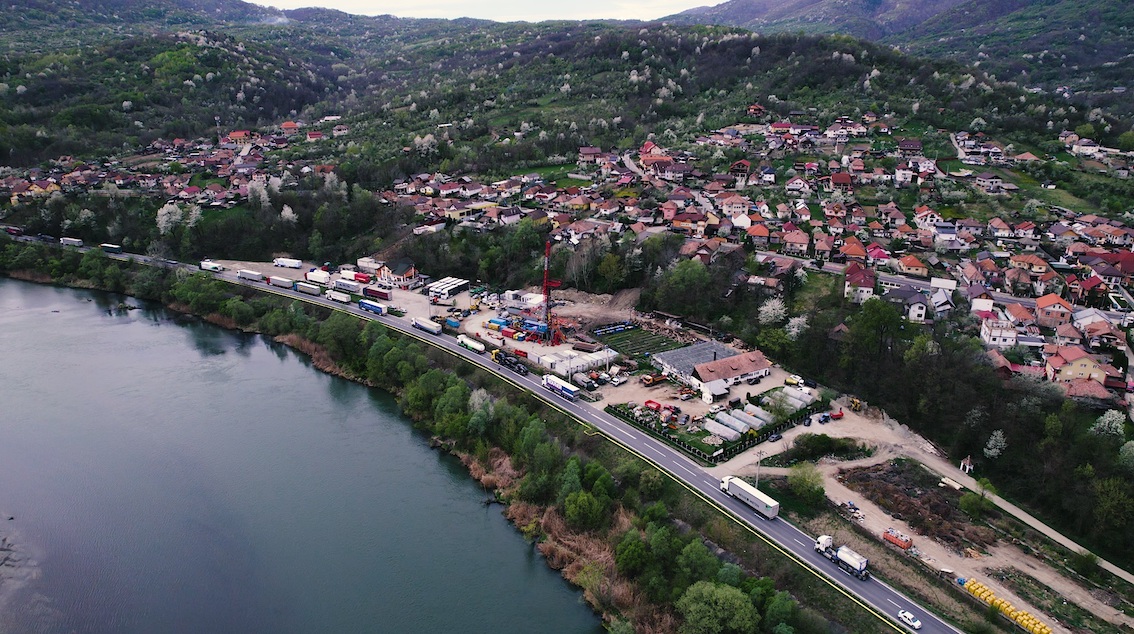
Călimănești, Romania, where Green Tech's operations are centered. Source: Green Tech. 

“Our strategy is not simply to sell geothermal energy,” says Dragoș Gavriluță, chief operating officer of Green Tech. “Instead, we focus on sectors where heating or cooling represents a significant operating cost and where access to reliable, low-cost thermal energy creates a sustainable competitive advantage.”

That strategy targets sectors ranging from district heating and greenhouse agriculture to a newer opportunity: AI-era data centres, where cooling costs are becoming increasingly important.

Green Tech’s planned geothermal district heating project in Bucharest illustrates the scale developers now envision. The project, valued at around €200mn, could generate more than 595,000 MWh of clean thermal energy annually while cutting carbon emissions by roughly 127,000 tonnes per year.

“Romania has some of the strongest geothermal resources in Europe and is generally considered to be among the top five EU countries in terms of geothermal potential,” says Gavriluță. “Yet utilisation remains relatively limited.”

Electric frontier 

If heating is geothermal’s near-term growth story, electricity generation remains its more ambitious frontier.

That is evident in Croatia, where developers are attempting to build commercial geothermal power plants.

ENNA Geo is developing two projects — Zagocha near Slatina and Babina Greda — that could help establish Croatia’s geothermal power sector.

According to ENNA Geo director Ivana Meašić, Croatia’s resource base is substantial. “Estimates indicate a total potential capacity of 1,000 MW for geothermal power plants. This represents a generation potential approximately three times greater than Croatia’s share in the Krško nuclear power plant, which covers 16 per cent of electricity consumption in Croatia,” she says. “ Therefore, the potential is enormous, although we are still far from achieving it, as Croatia currently does not have a single geothermal power plant producing electricity.”

 

ENNA Geo director Ivana Meašić. Source: ENNA Geo. 

The Zagocha project offers evidence of that promise. Drilling has reached 4,582 metres, making it the deepest geothermal well in Croatia. Tests confirmed geothermal water at 212°C — hot enough for electricity generation.

Once operational, the plant could generate more than 130,000 MWh annually, enough to power over 42,000 households.

But Croatia also illustrates geothermal’s core challenge: risk. “Geothermal projects always involve both geological risk and technical risk associated with well construction,” says Meašić.

“The cost of a single well averages between €10mn and €15mn,” she adds, while a power plant usually requires at least four wells.
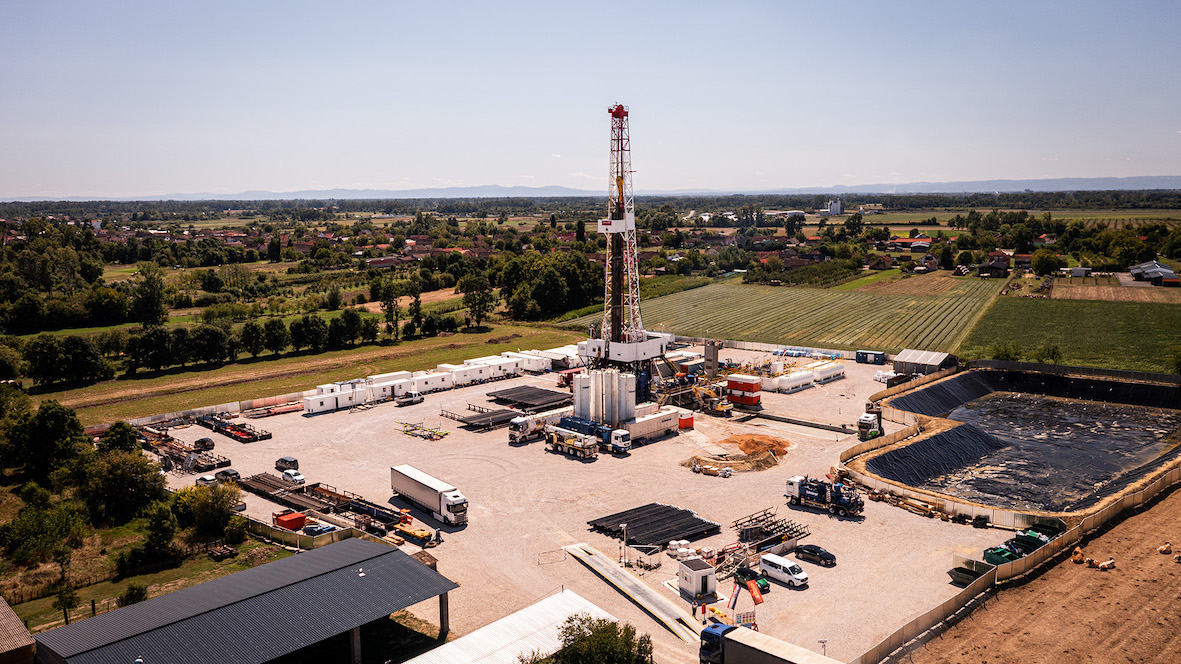
 

ENNA Geo's Babina Greda project. Source: ENNA Geo. 

Risks and rewards

Because exploration risk is so high, bank financing is often unavailable in the early stages. “One of the specific challenges of geothermal energy is that, due to geological risks, it is impossible to attract bank financing during the exploration phase.”

This financing problem helps explain why geothermal electricity has developed far more slowly than other renewables.

Slovenia already uses geothermal energy, but overwhelmingly for heat. According to Mojca Božič, project manager at Dravske elektrarne Maribor, d. o. o., total geothermal energy utilisation in Slovenia reached 2,275 TJ in 2024, with shallow geothermal heat pumps accounting for roughly 74 per cent. Deep geothermal use remains modest, and electricity generation is still experimental.

A pilot power plant installed by the company at the abandoned Pg-8 gas well near Lendava tested an innovative closed-loop geothermal gravity heat pipe system using ammonia as a working fluid.

“The concept of a closed-loop system based on a geothermal gravity heat pipe is technically functional,” Božič says. However, the reservoir itself disappointed. “The available thermal power of the well is lower than expected and does not allow stable continuous operation.”
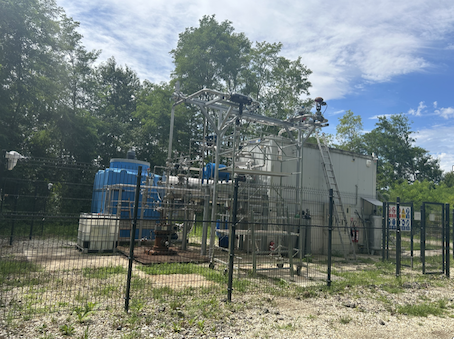
 

The pilot geothermal power plant in Lendava in Slovenia. Source: DEM. 

That distinction captures geothermal’s peculiar difficulty: the surface engineering may work perfectly while the underground resource still fails commercially.

Lithuania offers perhaps the clearest cautionary tale. According to Artūras Razbadauskas, rector of Klaipeda University and a representative of the Lithuanian Geothermal Association, western Lithuania possesses “the highest geothermal potential in the entire east European platform.” He estimates deep geothermal potential for heating and power at more than 20 GW. Yet the country’s geothermal contribution to its energy balance remains negligible.

“Theoretical capacity is immense,” Razbadauskas says, “but past operational failures and a lack of political and business backing have kept this resource almost entirely untapped.”

Built in 2000, the Klaipėda geothermal demonstration plant proved the underlying resource existed. But operations were plagued by reinjection problems, mineral scaling and poor economics. When biomass and waste-based alternatives became cheaper, the project could no longer remain viable.

This raises the central question facing geothermal in Central Europe: if the resource is so promising, why has deployment been so slow? Part of the answer lies in capital intensity. Another concerns policy. 

Meašić argues that subsidy frameworks remain essential, especially for geothermal electricity projects. Countries such as Germany and Italy provide long-term support mechanisms that reduce investor risk.

Without such frameworks, even promising projects can stall. “Today, it is particularly important to have access to a clean and reliable source of energy,” she says. “There is no need to import fuel, as geothermal water lies beneath our feet.”

On top of this, she says, “What should also be emphasised is that geothermal energy is a European “product”. The first geothermal power plant was built in Italy and, interestingly, it is still operating after more than 100 years. … Today, more than ever, we recognise that clean, secure and import-independent energy is essential to Europe’s economic resilience and security.” 

The technology will not replace all other renewables. Nor will every city prove geologically suitable. Geothermal is expensive, slow to develop and highly site-specific. However, it offers something rare in the energy transition: constant, local, low-carbon heat. For a region trying to reduce emissions while strengthening energy sovereignty, that combination is increasingly attractive.

The geothermal revolution beneath the streets of Szeged
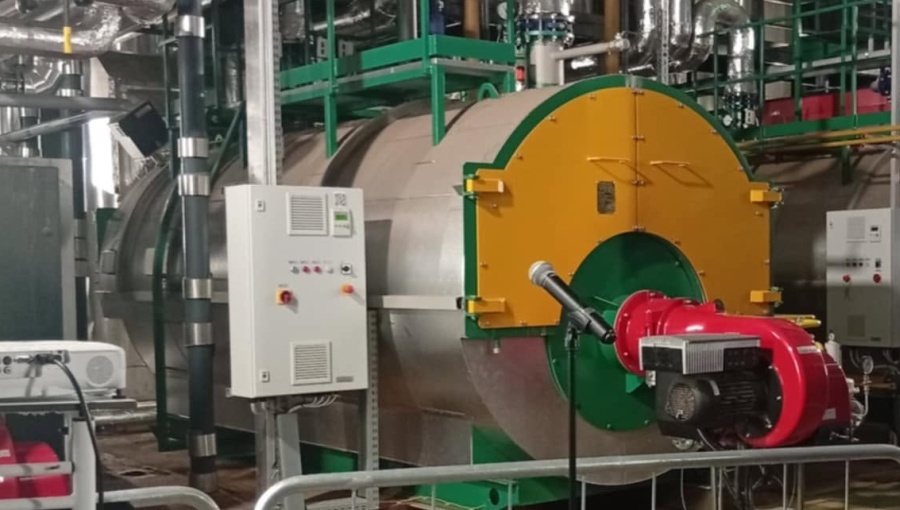
The geothermal revolution beneath the streets of Szeged
Nine geothermal systems in Szeged now feed into a vast network of heating plants, substations and underground pipelines. / Szegedi Távfűtő Kft. via FacebookFacebook
By IntelliNews June 26, 2026

On winter days in Szeged, warmth rises quietly through radiators in thousands of Soviet-era apartment blocks. Increasingly, that warmth is no longer generated by imported natural gas, it comes from deep beneath the city itself. In a continent still grappling with energy insecurity, volatile gas prices and the challenge of decarbonisation, Szeged, a university city in southern Hungary near the Serbian and Romanian borders, has become a laboratory for one of Europe’s most ambitious urban geothermal transitions.

Over the past eight years, the city has transformed what was once a gas-dependent district heating system into the largest geothermal district heating overhaul in Europe. Today, geothermal energy supplies heat to roughly 95% of the city’s 27,000 apartments connected to district heating, as well as hundreds of public buildings. Nine geothermal systems now feed into a vast network of heating plants, substations and underground pipelines.

Sándor Nagy, the city’s vice mayor, tells IntelliNews the benefits are about energy security as much as sustainability. “The fact that obtaining the heat source from beneath our feet instead of importing it from far away lands is a sure way of increasing security of supply, decreasing emissions and generally cutting costs,” he says.

That argument resonates strongly in Central Europe, where dependence on imported fossil fuels remains politically sensitive. Szeged’s district heating system once relied entirely on imported natural gas, making the municipally owned utility one of the city’s largest carbon emitters. The geothermal transition has already cut annual gas consumption by millions of cubic metres and sharply reduced carbon emissions, improving local air quality while insulating the city from some fossil-fuel volatility.

The idea itself is not new. Southern Hungary has long been known for its favourable hydrogeology. The Earth’s crust is thinner here, meaning heat rises closer to the surface. Thermal water has historically been used in spas, bathing and agriculture. But scaling geothermal energy to heat a dense urban district heating system required a far more sophisticated approach.

Under the Szeged project city, wells were drilled reaching depths of approximately 1,700 to 2,000 metres, extracting thermal water at temperatures around 90°C. The hot fluid is piped to heating plants, where heat exchangers transfer thermal energy into the district heating network. After its heat is extracted, it is reinjected underground to be reheated naturally, a closed-loop model designed for long-term sustainability.

“So far all geothermal energy systems in Szeged use reinjection,” Nagy says. “The extracted water gets pumped back to the reservoir after energy utilisation. There the water gets reheated by the Earth and we can extract it again and again.”

He says constant monitoring of water pressure, contamination and reservoir conditions ensures the system remains sustainable.

Yet even successful green transitions raise difficult questions, including whether a model like Szeged’s can survive without subsidies. 

“The geothermal overhaul of the district heating system in Szeged was financed from EU funding and private investment,” Nagy says. “Neither the district heating company nor the municipality had the financial means to carry out such a robust project.”

In Szeged’s case, European funding, including support from the European Regional Development Fund, was essential. Private capital also played a critical role, attracted by the predictability of district heating revenues in a monopoly public utility, and therefore, as Nagy says, “a rather safe bet for a steady return”.

Now it has entered operation, however, the system largely pays for itself. “Once built the infrastructure requires no municipal subsidies at all, it’s financially viable from end-user payments,” he says. 

However, residential heating tariffs are heavily controlled by the state, limiting how pricing signals can reward cleaner energy. “Energy prices are government regulated in Hungary and are kept so low for private users … that not even geothermal can match that level,” Nagy says.

Szeged’s experience also raises the question of whether the model is replicable. Nagy argues that the city is not unique in having positive conditions for geothermal. “Szeged does have good geothermal potential and the fact that there already had been a district heating system in place certainly helped,” he says.

However, he added, “Europe boasts close to 300 large-scale geothermal district heating plants similar to ours so the word ‘anomaly’ is probably an exaggeration.”

Replication, he argues, depends less on copying a template than on matching geology, regulation and urban demand. “A detailed look at a location’s geological features, energy market, national regulations, existing infrastructure is certainly needed to confirm if a project is viable. There is no off-the-shelf solution,” he says. 

“I believe that the potential to switch a fossil fuel based heating system to some form of renewable is very much real for most municipalities across Europe.”

Engineering, however, is only half the challenge. Geothermal projects can be messy, noisy and deeply disruptive during construction. In Szeged, drilling rigs operated around the clock while kilometres of underground pipes were installed beneath residential neighbourhoods.

“The project was well received at the urban level,” Nagy says, “but indeed, we had a number of local, neighbourhood level complaints.” Residents complained about noise, traffic and construction disruption. “It required constant negotiations with the drilling company to mitigate the effects.”  

That proved manageable because the disruption was temporary and the environmental gains were tangible. “The public understood the positive environmental effect of the project,” he says, and points out that even without immediate reductions in heating bills, public support remained strong. “Here, where the only promise we could make was of better air quality, the development resonated with the people and probably even won votes.”

Szeged has attracted major foreign manufacturers, including Chinese electric vehicle giant BYD, whose planned production facilities could significantly increase local energy demand.

“We as a ‘green city’ obviously encourage sustainable developments, and we are aware that some big industrial projects are planning to use geothermal energy too,” Nagy says. “If the new players reinject, and, more generally, take care of our water base as we do … then we do not expect any conflict with them.”

For investors, however, geology and engineering are only part of the equation. Sovereign risk remains a concern across Central and Eastern Europe, where regulatory shifts can alter infrastructure economics overnight.

Asked what assurances municipalities can offer foreign investors, Nagy is pragmatic. “This has to vary from country to country, depending on the functions and the budget of municipalities.”

Local governments cannot always guarantee long-term stability themselves, he adds, saying: “It may just mean that investors should try and get guarantees from the central government.”

Yet Nagy believes the opportunity is substantial. “The district heating system in Szeged serves 28,000 apartments in a monopoly position,” he says. “There are lots of smaller towns and many larger cities in Central Europe where investments in the energy sector are very much sought after.”

With limited public capital available, foreign investment could prove decisive. “Foreign investors … may see an opportunity that justifies the risks.”

Szeged’s geothermal transition does not offer a universal blueprint. Its success rests on unusually favourable geology, inherited district heating infrastructure and substantial external financing. Yet its significance lies precisely in showing that decarbonisation is not always about futuristic technologies or distant targets. Sometimes it means redesigning the hidden systems beneath existing cities. As Europe searches for ways to strengthen energy sovereignty while cutting emissions, Szeged suggests one answer may already be underfoot.