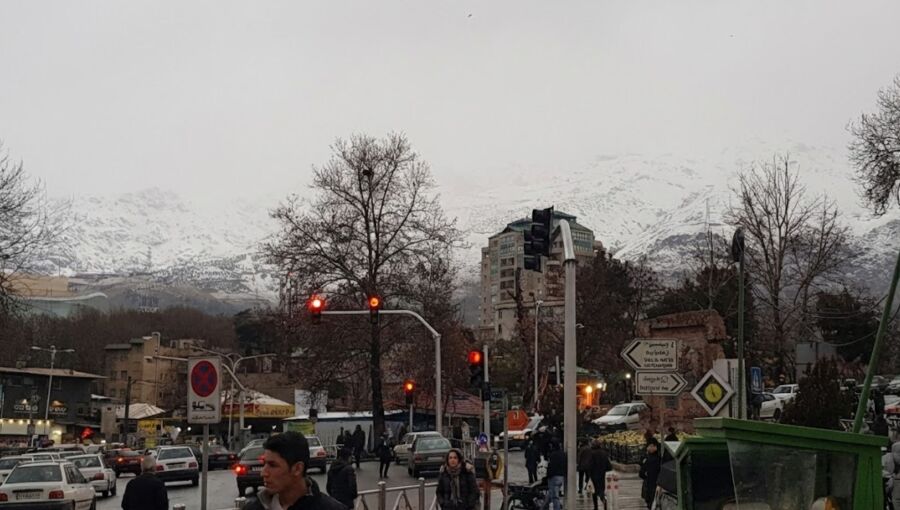
Tehran has entered its sixth consecutive year of drought, with rainfall in the province down 35% compared to long-term averages despite a slight national improvement, Eghtesad Online reported on April 14, citing Mehr News Agency.
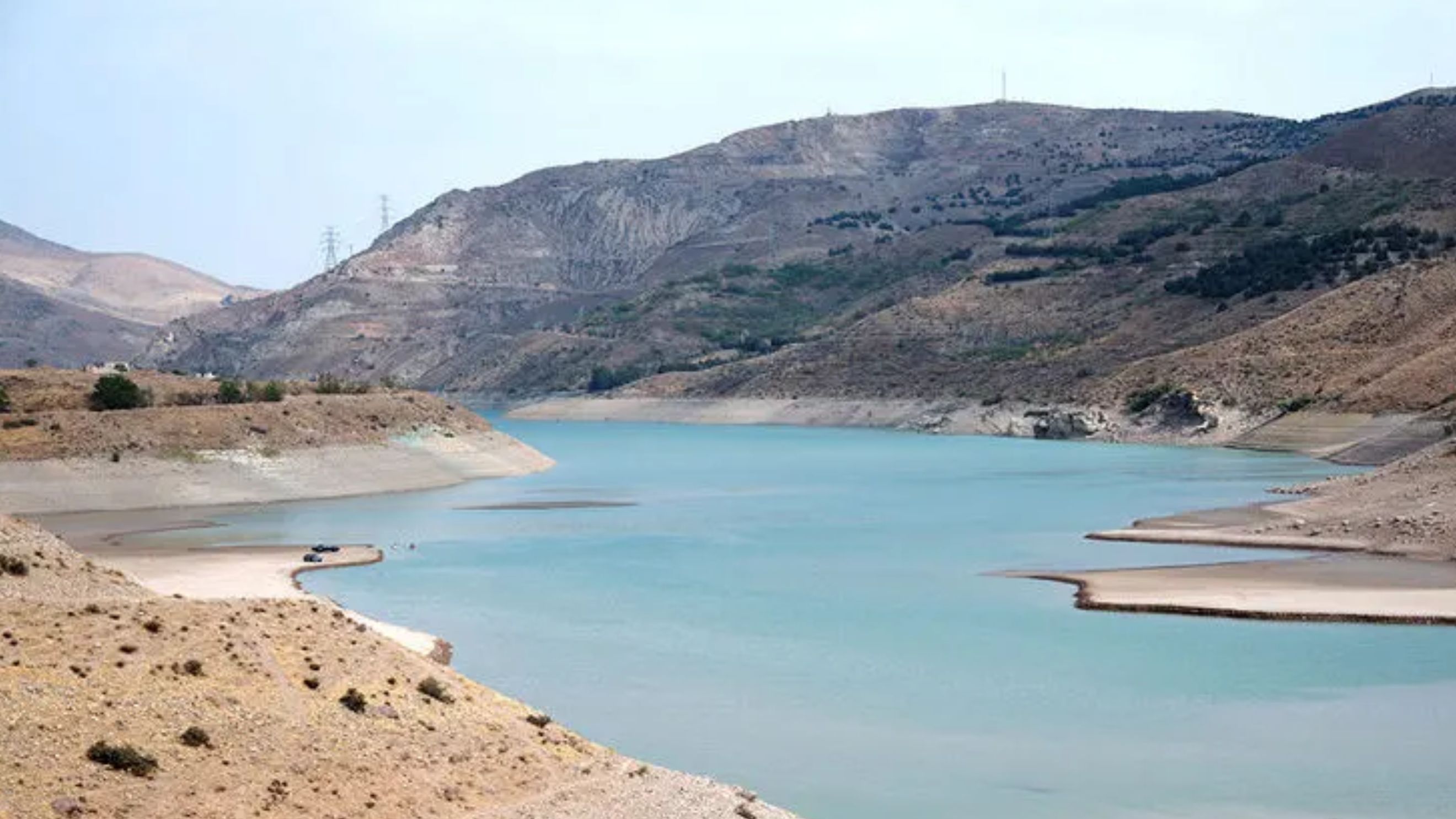
Alireza Jazghasemi, managing director of Tehran Province Water and Wastewater Company, said the capital's dams remained in a fragile state. Tehran sits at the top of the list of Iran's driest provinces, he said, with the Salt Lake catchment basin provinces of Tehran, Alborz, Markazi, Qazvin and Semnan all recording poor rainfall.
While Tehran's rainfall improved 10% compared to the previous water year, Jazghasemi said the precipitation had not translated into adequate runoff to replenish the capital's reservoirs. He expressed hope that snowmelt and spring rains in late April and May could help stabilise dam levels.
Jazghasemi said the company's main strategy for the current year was demand management and expanding the use of water-saving devices, alongside network repairs and meter replacements. He said public cooperation in reducing consumption was essential.
The water utility chief praised staff for maintaining uninterrupted service throughout what he called the "40-day war," with Israel and the US saying the company was among the first to respond to infrastructure damage from airstrikes.
He said some structural projects had been delayed by wartime conditions and would require redesign.
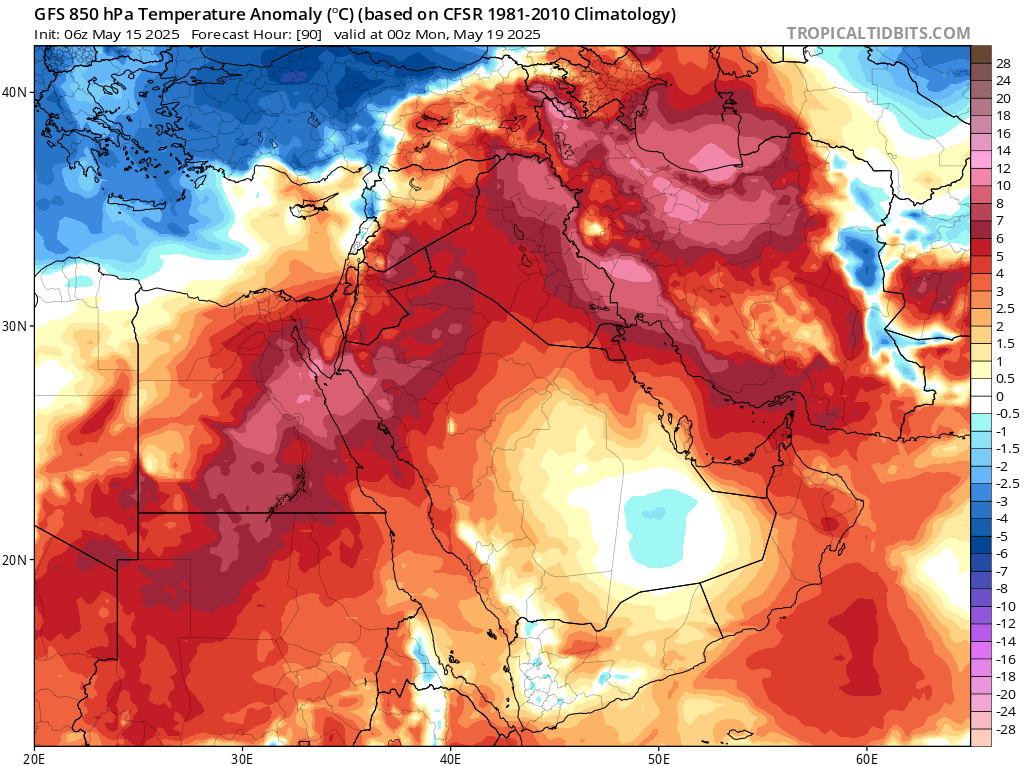
2025 saw significant drought across the West Asia region, with months of perilous conditions and dust storms across several countries and territories, as the effects of climate change continue.
 +
+
Eighteen Iranian provinces face water stress
To compound the stress on the national water system, 18 Iranian provinces are experiencing below-normal rainfall, with national precipitation at just 84.7% of the long-term average since the start of the current water year, ISNA reported on April 14, citing Meteorological Centre data.
Rainfall distribution across the country has been uneven. The northern Caspian coast, parts of the northwest and the Zagros mountain range have received adequate precipitation, while large areas of central, eastern and southeastern Iran remain significantly below normal levels.
In the past week alone, average national rainfall was recorded at 3.6 millimetres against a normal of 6.0 millimetres, a decline of 39.1%. While total rainfall since the start of the current season reached 42.8 millimetres compared to a long-term average of 25.8 millimetres, the apparent surplus was driven by concentrated bursts in specific areas and has not offset the cumulative national deficit.
Total precipitation since the start of the water year stood at 197.3 millimetres, 5.2% above the long-term figure of 187.3 millimetres. The report cautioned, however, that the recent drop in rainfall and its uneven distribution raised doubts about whether that marginal surplus would hold.
Iran's water crisis has been compounded by the conflict. Infrastructure damage from airstrikes, internet shutdowns affecting monitoring and coordination systems, and the diversion of government resources to wartime priorities have all added pressure to the country's already strained water management capacity.

No comments:
Post a Comment