Friday, January 28, 2022

Magnetic navigation: Songbirds use the Earth's magnetic field as a stop sign during migration
Magnetic navigation: songbirds use the Earth’s magnetic field as a stop sign during migration
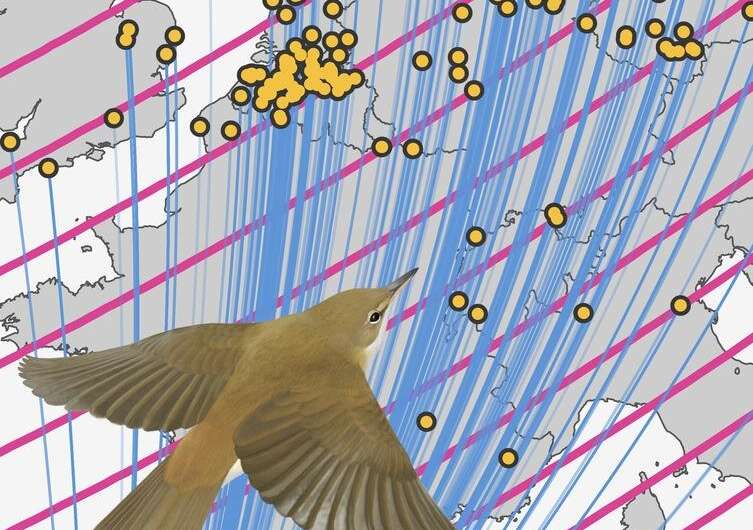
During their migration, reed warblers use magnetic information as a ‘stop sign’, with magnetic inclination in particular telling the birds that they have arrived at their destination. Credit: Thomas Miller

A new study published today in Science has shed light on how birds navigate back to their breeding site after flying across two continents.

The study, part of an international collaboration led by researchers at the University of Oxford and including scientists from the University of Oldenburg, suggests that information extracted from the Earth's magnetic field tells  where and when to stop migrating. This trick allows them to precisely target the same breeding site year-on-year from thousands of kilometers away.

How birds sense the Earth's magnetic field has been the subject of intense research. Birds might even 'see' , and possibly use this ability to both determine the direction they're facing in and where they are.

Dr. Joe Wynn, formerly of the University of Oxford and now a researcher at the Institute for Avian Research, Germany, said that "whilst we know an increasing amount about how birds inherit migratory information from their parents, how they return to the same site year-on-year with pinpoint accuracy has remained elusive. It's quite exciting, therefore, that we've been able to find evidence that magnetic cues could be used by songbirds trying to re-locate their homes." He started developing the idea for the study during a stay as a guest scientist in the research group of biologist Prof. Dr. Henrik Mouritsen at the University of Oldenburg. Mouritsen was also involved in data analysis for the study.

You have arrived at your destination

The team analyzed data from nearly 18,000  to investigate whether the birds used the Earth's magnetic field when finding their breeding site. Reed warblers are tiny songbirds that fly across the Sahara Desert each year to spend the summer in Europe.

They found that, as the magnetic field of Earth moved slightly, the sites to which birds returned moved with it, suggesting that birds homed to a moving magnetic target. Birds appeared to use magnetic information as a 'stop sign', with magnetic inclination in particular telling birds that they had arrived at their breeding location.

The work utilized 'ringing' data. For nearly a century, uniquely numbered metal rings have been attached to the legs of birds from across Europe.

Dr. Wynn added that "Ringing data are a fantastic way to answer questions about migration, simply because they've been gathered for so many years across a very large area…and when looking at where birds and ringed and then recovered, it seems that reed warblers use a single magnetic coordinate a bit like a 'stop sign'; when they reach the right magnetic field value, they stop migrating."

Why use the magnetic field to inform return migration?

Dr. Wynn explains that "Magnetic information seems to be pretty stable, meaning the magnetic field doesn't change very much in a given location year-on-year. Aiming for a specific magnetic value during migration might make sense then, and the cue we think birds are using, inclination, appears the most stable aspect of the magnetic field. We think this gives the birds the best chance of making it back to the breeding site."

In conclusion Dr. Wynn said that "the trans-continental migration of birds that weigh less than a teaspoon is remarkable for so many reasons, but the ability to precisely pinpoint the breeding site from half the world away is perhaps the most extraordinary aspect of all. That we can investigate this using data gathered by scientists and bird-watchers alike is extremely exciting, and we hope that this use of citizen science data inspires others to go out, watch birds and get excited about science more generally."Nature's GPS: How animals use the natural world to perform extraordinary feats of navigation

More information: Joe Wynn et al, Magnetic stop signs signal a European songbird's arrival at the breeding site after migration, Science (2022). DOI: 10.1126/science.abj421

Journal information: Science 

Provided by University of Oldenburg

Creating non-hallucinogenic analogs of LSD and psilocybin to treat mental illnesses

Creating non-hallucinogenic analogs of LSD and psilocybin to treat mental illnesses
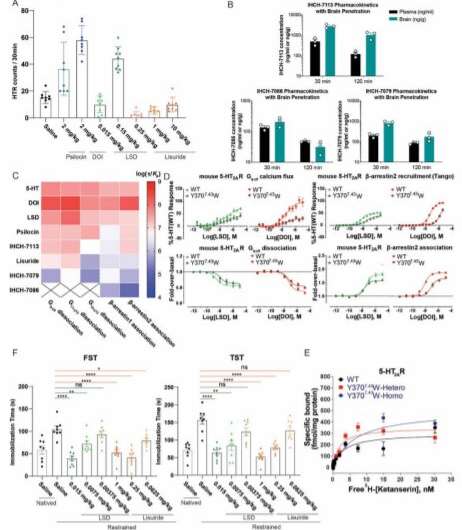
Effects of the psychedelics on animal behavior relevant to hallucination and 
depression. (A) Effect of LSD, lisuride, psilocin, and DOI on HTR behavior in mice
 (30- to 60-min time interval, Related Fig. S8A-D). (B) Metabolic rate and brain 
penetration of IHCH7079/7086/7113 in C57/BL6J mice
 (5 mg/kg intraperitoneally (ip); n = 3). (C) Heatmap illustration of transduction 
coefficients of psychedelics and non-hallucinogenic analogs at 5- HT2AR
 (Related Fig. S10). (D) Mouse 5-HT2AR-mediated β-arrestin2 association and
 Gq-γ9 dissociation activity of wild-type and Y3707.43W mutant with LSD and DOI.
 Error bars represent (n = 3). (E) Saturation curves of the specific [3H]-ketanserin 
binding to membranes of frontal cortex from wild-type and Y3707.43W mutant 
mice (n = 3 B6D2F1 mice). The density of 5-HT2AR is expressed as the 
asymptote value (Bmax = 299.5 ± 34.47 for wild-type; 351.2 ± 24.94 for 
heterozygous; 494.1 ± 49.52 for homozygous) of the radioligand bound. 
The selective antagonistMDL100907 was used to exclude the non-5-HT2AR
 binding. (F) Effects of LSD and lisuride on freezing behavior in Acute Restraint 
Stress (ARS)-induced “depression-like” mice. The freezing behavior of mice was 
tested by the forced swimming test (FST) and tail suspension test (TST).
 In (A) and (F), error bars represent SEM (n = 8 C57/BL6J or B6D2F1 mice), ns is
 not significant, *P < 0.05, **P < 0.01, ***P < 0.001 and ****P < 0.0001 
(two-tailed unpaired Student’s t-tests). Credit: DOI: 10.1126/science.abl8615

A combined team of researchers from the Shanghai Institute of Biochemistry and Cell Biology and ShanghaiTech University's, iHuman Institute has created non-hallucinogenic analogs of LSD and psilocybin for possible treatment of mental illnesses. In their paper published in the journal Science, the group describe the analogs they created and how they performed in mice.

In recent years, scientists have found that some hallucinogens, such as LSD and psilocybin, can provide relief for patients suffering from  and other mental illnesses like PTSD. And while many patients may enjoy the  experience, many do not. Scientists have therefore been taking a closer look at hallucinogens to find the mechanisms that provide relief to those suffering from depression—and if possible, to determine if the hallucinogenic effects of such drugs are necessary for treatment.

In this new effort, the researchers took a close look at both LSD and psilocybin using X-ray crystallography, and were able to determine their conformations when they become bound to the neural receptor 5-HT2AR. They found that both molecules could bind to 5-HT2AR in two ways, resulting in unique conformations. They then created compounds that would bind to 5-HT2AR in the secondary type of binding they discovered.

The researchers administered the compounds to mice that were stressed to the point of depression by being hung from their tails or forced to swim for extended periods. To test whether the mice were experiencing hallucinogenic effects, they used the twitch test. Prior research has shown that when mice are given hallucinogens, their heads twitch in a unique way. And to test whether symptoms of depression eased, they observed whether the test  engaged in activities they had stopped doing when  set in. The researchers found no head twitching and a renewed interest in normal activities. They suggest their work represents a good starting point for the development of non-hallucinogenic analogs of common hallucinogenic drugs.Active ingredient in magic mushrooms reduces anxiety and depression in cancer patients

More information: Dongmei Cao et al, Structure-based discovery of nonhallucinogenic psychedelic analogs, Science (2022). DOI: 10.1126/science.abl8615

Journal information: Science 

© 2022 Science X Network

Scientists develop novel non-hallucinogenic rapid-acting antidepressant compounds


Peer-Reviewed Publication

CHINESE ACADEMY OF SCIENCES HEADQUARTERS

According to the World Health Organization, approximately 280 million people worldwide live with depression. About two-thirds of those with depression have suicidal ideation, and 25% attempt suicide. Suicide is also one of the leading causes of death in 15-29-year-olds, with nearly 50% of suicides occurring in people with depression. However, conventional antidepressants produce effects only after weeks of daily dosing and do not alleviate all disease symptoms. Furthermore, 30% of patients with depression don’t respond to current antidepressant therapy. 

In a study published in the journal Science, the labs led by Dr. WANG Sheng at the Center for Excellence in Molecular Cell Science, Shanghai Institute of Biochemistry and Cell Biology of the Chinese Academy of Sciences, and Dr. CHENG Jianjun at the iHuman Institute, ShanghaiTech University reported for the first time a structure-based strategy to design novel rapid-acting antidepressant compounds, a discovery that could accelerate the discovery of non-hallucinogenic psychedelic analogs. 

Over the past ten years, many researchers and clinicians have come to believe that psychedelic pharmacology may represent a new era in psychiatric therapeutics. Most clinical studies described during this time have focused on psilocybin, a compound found in the Psilocybe genus of mushrooms, some of which were used for healing and spiritual purposes by the Mayan and Aztec cultures of Mesoamerica. 

The US Food and Drug Administration granted psilocybin “breakthrough therapy” status for the treatment of major depressive disorder and drug-resistant depression in 2019. The results of a phase II clinical trial showed that psilocybin can greatly improve the symptoms of patients with depression within one day after dosing, and the effect can last for more than three months. However, the hallucinogenic effects of these drugs remain a concern, and scientists have been unsure whether hallucinations are therapeutically important or just a side effect. 

Psilocybin is converted in the liver to pharmacologically active psilocin, which then acts on serotonin 2A receptors (5-HT2AR) in the brain. In this study, scientists produced six new crystal structures of 5-HT2AR that bound to compounds including psilocin, lysergic acid diethylamide (i.e., LSD, one of the most potent psychedelics), serotonin, and non-hallucinogenic psychedelic analogues. They found that psilocin displayed an unexpected binding mode known as the extended binding pocket (EBP) mode, which is regulated by lipids. They also found that compounds that occupied more EBP than orthosteric binding pocket (i.e., OBP, the usual site for receptor binding) were associated with anti-depressive activity in test animals without triggering hallucinations. Thus, scientists designed several new psychedelic analogues they thought would favor EBP binding over OBP binding. 

Scientists then repeated the behavioral tests on mice receiving these compounds and found that two compounds, dubbed IHCH-7079 and IHCH-7806, did not trigger head twitch behavior, which has long been seen as indicative of hallucinations. However, the mice displayed standard behavioral measures suggesting the compounds were effective antidepressants. 

These findings provide a solid foundation for the structure-based design of safe and effective non-hallucinogenic, rapid-acting antidepressants. It should be pointed out that the compounds reported in this work are not approved drugs, and further preclinical and clinical studies are needed to verify their safety and antidepressant effects in humans. 


An electrically charged thin film patch used to promote wound healing

An electrically charged thin film patch used to promote wound healing
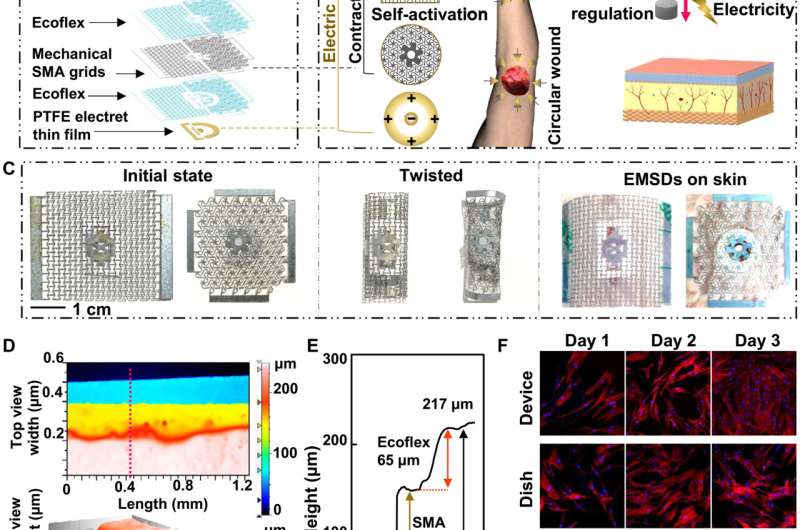
FIG. 1. Working principle and characterization of the EMSD.(A) Schematics 
of the overall EMSD-L and EMSD-C (top). Exploded illustration of the device 
components, essential materials, and multilayer structures (bottom). (B) 
Working principle of wound treatment by programmable and skin 
temperature–activated EMSDs. (C) Optical images of the initial state (left), 
twisted state (middle), and experimental setup for wound treatment (right) of
 the EMSDs. (D) Top- and side-view three-dimensional microscope images of
 the multilayer structures. (E) Height profile along the pink line in (D) showing
 the height of multilayer components. (F) Fluorescence images of stained 
fibroblasts cultured on a regular cell culture dish and the Ecoflex. 
(G) Comparison of normalized cell viability for 3 days showing excellent
 biocompatibility of the packaged device. All data in (G) are presented as 
means ± SD. Credit: DOI: 10.1126/sciadv.abl8379

A team of researchers working at the University of Electronic Science and Technology of China has developed an electrically charged thin film patch for promoting faster wound healing. In their paper published in the journal Science Advances, the group describes their patch, how it works, and how well it performed when tested on rats.

Humans have been looking for ways to promote faster healing of  for thousands of years in order to reduce both the length of time a patient experiences pain and the chances of infection. In this new effort, the researchers created an electrically charged thin film patch that helps wounds heal faster.

Prior research has shown that applying electricity to wounds induces faster healing. Unfortunately, this approach has been limited by bulky and complicated machinery. In this new effort, the researchers created a small, flexible patch that takes advantage of electricity's healing powers without the need for such equipment.

The patch is four-layered: the top and bottom layers are made of a type of electrically charged plastic and they get their charge through contact with the skin. One of the middle layers is made of a silicone rubber gel that helps the patch conform to the contours of the skin. The other middle layer is made of a shape-memory alloy material; its purpose is to pull the sides of the wound closer. The resulting thin-film patch is just 0.2 millimeters thick.

The researchers applied the patch to two kinds of wounds on test rats—straight and circular. They compared healing rates against other types of dressings and against undressed wounds. They found that circular wounds treated with the patch were 96.8% healed after eight days, compared to 76.4 to 79.9% for other dressings. Those that went untreated were only 45.9% healed. They found similar results in straight-line wound , though all of them healed faster than the circular wounds—such wounds require far less new skin development to heal.

The researchers suggest their  is a viable wound treatment option and plan to continue upgrading its features, such as allowing for differently shaped wounds.

Printing technique creates effective skin equivalent, heals wounds
More information: Guang Yao et al, A programmable and skin temperature–activated electromechanical synergistic dressing for effective wound healing, Science Advances (2022). DOI: 10.1126/sciadv.abl8379
Journal information: Science Advances 
© 2022 Science X Network

F

Hard barriers and soft power: Study assesses outsider perceptions of border walls

border wall
Credit: Pixabay/CC0 Public Domain

When it comes to being divisive, it doesn't get more literal than a wall. Walls exist as a means of separation, creating a sense of security by keeping something—or more typically someone—out. And whether it's separating Americans and Mexicans, Israelis and Palestinians, East Germans and West Germans, or any other two groups, the political divisiveness of border walls makes headlines around the globe.

Noting the strong reactions that many people have toward  walls, Penn researchers Diana Mutz and Beth Simmons wondered if walls carried a more universal meaning in the human mind, regardless of a person's nationality. And as it turns out, they do—with real implications for international influence and soft power.

Mutz, the Samuel A. Stouffer Professor of Political Science and Communication and director of the Institute for the Study of Citizens and Politics at the Annenberg School for Communication and in the Department of Political Science in the School of Arts & Sciences, was interested in the political psychology of distance and separation. Simmons, the Andrea Mitchell University Penn Integrates Knowledge Professor in Law, Political Science, and Business Ethics at Penn Carey Law, had an ongoing project involving the consequences of increased national border infrastructure around the world.

These related research interests converged as Mutz and Simmons developed an experiment to assess how border walls influence the way that individuals regard a foreign country—and crucially, in a way that steers clear of highly polarized political feelings about border policies where they live.

"It struck us both as intuitive and consistent with a lot of psychological research that walls connote unfriendliness, a desire to be separate from what is on the other side," Mutz says. "We thought the best way to untangle politics from perceptions would be to design an experiment that forces respondents to think beyond their own political context."

Their findings, "The psychology of separation: border walls, soft power, and international neighborliness," were recently published in the Proceedings of the National Academy of Sciences. The study revealed that the presence of walls lowered participants' evaluations of the bordering countries, and implied hostile international relationships.

The consistent negative impressions that participants had of countries with border infrastructure, the co-authors say, are important for policymakers to bear in mind. These findings speak directly to the potential impact of border security policies on a country's "soft power," the kind of influence, both on leaders and the public, that a country gains when seen favorably by those in other countries. Soft power is determined by foreign perceptions of the attractiveness of a society's culture, foreign policies, and values.

Working with a team of graduate students, the co-authors assembled found footage from the internet on Tajikistan and Kyrgyzstan, two countries that they felt respondents were likely to know very little about. Mutz and Simmons wanted participants to be unfamiliar with the locations involved, so their judgments wouldn't be swayed by prior knowledge of that country's reputation.

With the help of Waldo Aguirre and Anna Gamarnik from Annenberg's IT department, they created a short documentary about Tajikistan's culture and history. Respondents were shown one of three versions of the film, then asked to rate their impressions of the countries depicted. In one version, the narrator mentions that Tajikistan shares a border with Kyrgyzstan, shown as a valley between two mountains. In another version, the video refers to a "border wall," with an image of a wall presented. The third version also shows a wall, and explicitly mentions that neighboring Kyrgyzstan originally built it.

They conducted the experiment in three countries with varied recent experiences of border infrastructure: the United States, where border walls are extensive but partial and politically controversial; Ireland, where border barriers have been dismantled since the late 1990s; and Turkey, whose border abuts a civil war in Syria and who has almost fully sealed off its southern and eastern borders.

In addition to participants having negative perceptions of countries with border walls, the results showed that the government of the country responsible for erecting the wall was regarded especially unfavorably. And while walls increased perceptions of a country's border security, it lowered respondents' perceived security of the people who live there.

As the authors note, these reactions were consistent regardless of participants' political views, the political contexts of their home countries, and their distance from an international border.

"People in Ireland, the U.S., and Turkey all responded in the same way to the presence of a wall, and they all held the country that built it in lower esteem," Simmons says. "We had assumed that those who favored walls in their own domestic political context would be less likely to draw these same inferences. That's not at all what we found."

Positive feelings about a country's "soft" attributes can enhance a country's military influence and other sources of power. The potential damage that border walls may have on a nation's image can, subsequently, erode its soft power.

This doesn't mean that states should never erect border walls, the researchers say. "But it is important to appreciate the possibility that some symbolic security measures—of which walling may be one—may reduce a state's attractiveness more than they enhance national security."

Border walls could have unintended consequences on trade, study finds

More information: Diana C. Mutz et al, The psychology of separation: Border walls, soft power, and international neighborliness, Proceedings of the National Academy of Sciences (2022). DOI: 10.1073/pnas.2117797119

Journal information: Proceedings of the National Academy of Sciences 

Provided by University of Pennsylvania 

Geoscience researchers call for updated metaphor to help make field more inclusive and equitable

Geoscience researchers call for updated metaphor to help make field more inclusive and equitable
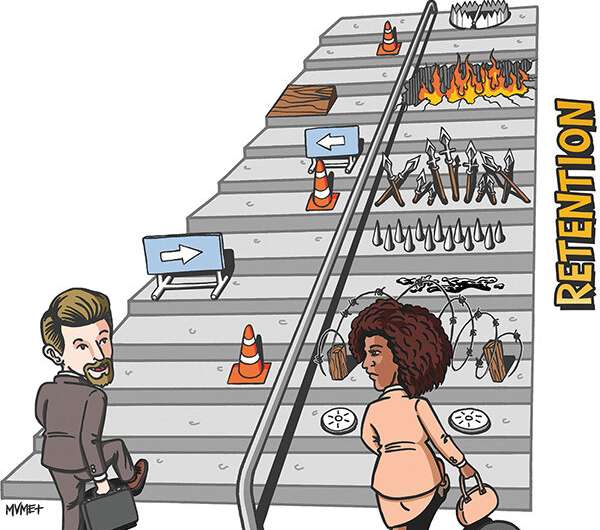
The hostile obstacle course that women and BIPOC researchers have to endure in the
 geosciences and STEMM. 
Credit: Nature Geoscience"Scientists from historically excluded groups face a hostile obstacle course" and artist Mvmet.

As a Black woman in geosciences, especially a full professor who holds an endowed chair position, Asmeret Asefaw Berhe has jokingly called herself a unicorn.

"That's how rare it is," said Berhe, professor of soil biogeochemistry and Ted and Jan Falasco chair in earth science and geology in the Department of Life and Environmental Sciences at the University of California Merced. "There is no reason why in 2022 that should be the case."

The geosciences are among the least diverse STEM fields, with about 90% of doctorates going to  and less than 4% of tenured faculty positions in geoscience departments being held by people of color.

To help combat this problem, a group of geoscience researchers is reimagining the "leaky pipeline" metaphor traditionally used to describe the lack of diversity and inclusion in the academy. The authors, including Berhe and University of Kansas researcher Blair Schneider, have written a paper in Nature Geoscience describing the "hostile obstacle course" that Black, Indigenous and other people of color face as they attempt to advance their careers.

"The leaky pipeline implies that the attrition of white women, BIPOC and members of other minoritized communities is a passive process: nothing more than a 'drip, drip' from holes within an otherwise robust system," the authors wrote. "In reality, we (and others) argue that the imagery of a leaky pipeline fails to represent the exclusionary experiences of many."

The paper, officially published Jan. 21, has already received 14,000 online views and more than 1,600 tweets. It currently ranks in the top 1% of most-viewed articles tracked by Altmetric.

The hostile obstacle course metaphor puts emphasis on systemic problems instead of individuals and better represents the experiences of marginalized geoscience scholars, the authors said. The obstacle course recognizes that barriers are not experienced equally.

"Our hope is that this reframing of the conversation puts the responsibility to address it rightfully with the leaders in our , scientific leaders and senior folks who should take the responsibility to fix the current climate," Berhe said, "so that when we actually recruit students from whatever background it might be, they actually find a safe place—a home—in our academic institutions in science, and they don't experience isolation, microaggression, harassment and discrimination."

The authors presented an image to describe the metaphor and accompany the paper. It shows a white man and a Black woman preparing to ascend a staircase. The stairs represent career progression and retention in the field, with the top being career achievement. Each person faces obstacles on their climb, but the woman of color has far more and different kinds of barriers—racism, sexism, sexual harassment, gender harassment and more—to overcome.

Schneider, associate researcher and science outreach manager at KU's Kansas Geological Survey, is one of the paper's seven authors. Like Berhe, she is a co-principal investigator for the ADVANCEGeo Partnership, the group that wrote the paper and an effort funded by the National Science Foundation to address sexual harassment and other exclusionary behaviors that lead to hostile workplaces in the earth, space and environmental sciences.

"I really do appreciate the people who originally brought forth the leaky pipeline metaphor," Schneider said. "They were starting a dialog that hadn't happened yet. But let's update this to actually include this intersectionality component and the different barriers people face based on their identities."

Growing up, Schneider said she never knew pursuing a career as a scientist was an option for someone like her.

"None of that was promoted to me," she said. "I do feel like it was kind of luck along the way that I ended up where I am."

As a white woman, Schneider said that even though she has faced sexism and harassment in her field, her experiences can't compare to her colleagues of color.

"I haven't dealt with any racism," Schneider said. "I haven't feared for my life in certain situations like other colleagues and friends have, and so it's also very eye-opening. I don't think I would still be here if I had gone through that."

Moving forward, the group hopes this metaphor will reframe conversations and inspire new policies to recruit and retain people with diverse identities and lived experiences.

"Policies that you put in place for white women aren't necessarily going to help women of color," Schneider said. "Policies that you put in place to help women in general don't necessarily help those who have disabilities."

"It's important to me to make sure that the next generation of scholars who are coming behind me don't have to go through the same stuff," Berhe added. "There are plenty of people who are still starting to climb on that staircase, and I really want us to remove those obstacles because we have an obligation to provide everyone with a safe learning and work environment."How scientific leaders can enact anti-racist action in their labs

More information: Asmeret Asefaw Berhe et al, Scientists from historically excluded groups face a hostile obstacle course, Nature Geoscience (2021). DOI: 10.1038/s41561-021-00868-0

Journal information: Nature Geoscience 

Provided by University of Kansas 

Where mathematics and a social perspective meet data

Where mathematics and a social perspective meet data
Credit: Wake Forest University

Community structure, including relationships between and within groups, is foundational to our understanding of the world around us. New research by mathematics and statistics professor Kenneth Berenhaut, along with former postdoctoral fellow Katherine Moore and graduate student Ryan Melvin, sheds new light on some fundamental statistical questions.

"When we encounter  in areas such as , economics or elsewhere, it can be valuable to address questions regarding the presence of discernable groups, and the inherent "cohesion" or glue that holds these groups together. In considering such concepts, socially, the terms "communities," "networks" and "relationships" may come to mind," said Berenhaut.

The research leverages abstracted social ideas of conflict, alignment, prominence and support, to tap into the mathematical interplay between distance and cohesiveness—the sort evident when, say, comparing urban and rural settings. This enables adaptations to varied local perspectives.

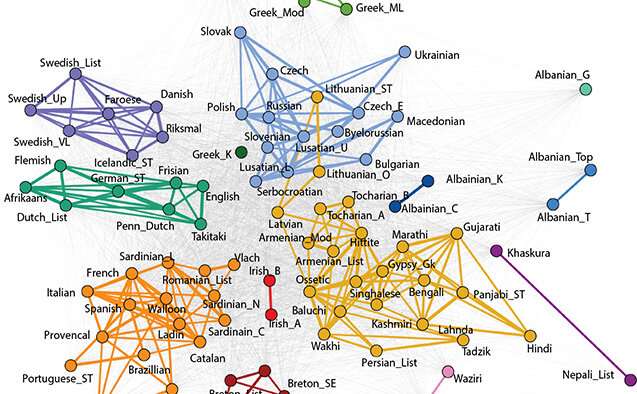
"For example, we considered psychological survey-based data reflecting differences and similarities in cultural values between regions around the world—in the U.S., China, India and the EU," Berenhaut said. "We observed distinct cultural groups, with rich internal network structure, despite the analytical challenges caused by the fact that some cohesive groups (such as India and the EU) are far more culturally diverse than others. Mark Twain once referred to India as 'the country of a hundred nations and a hundred tongues, of a thousand religions and two million gods." Regions (such as the Southeast and California in the U.S.) can be perceived as locally distinct, despite their relative similarity in a global context. It is these sorts of characteristics that we are attempting to detect and understand."

The paper, "A social perspective on perceived distances reveals deep ," is published in the Proceedings of the National Academy of Sciences.

"I am excited by the manner in which a social perspective, along with a probabilistic approach, can illuminate aspects of communities inherent in data from a variety of fields," said Berenhaut. "The concept of data communities proposed in the paper is derived from and aligns with a shared human social perspective. The work crosses areas with connections to ideas in sociology, psychology, mathematics, physics, statistics and elsewhere."

Leveraging our experiences and perspectives can lead to valuable mathematical and statistical insights.Childhood exposure to diversity is best chance for community cohesion in immigration

More information: Kenneth S. Berenhaut et al, A social perspective on perceived distances reveals deep community structure, Proceedings of the National Academy of Sciences (2022). DOI: 10.1073/pnas.2003634119

Journal information: Proceedings of the National Academy of Sciences 

Provided by Wake Forest University 

What wintering squirrels can teach astronauts

Microbes help hibernating animals recycle nutrients, maintain muscle through winter
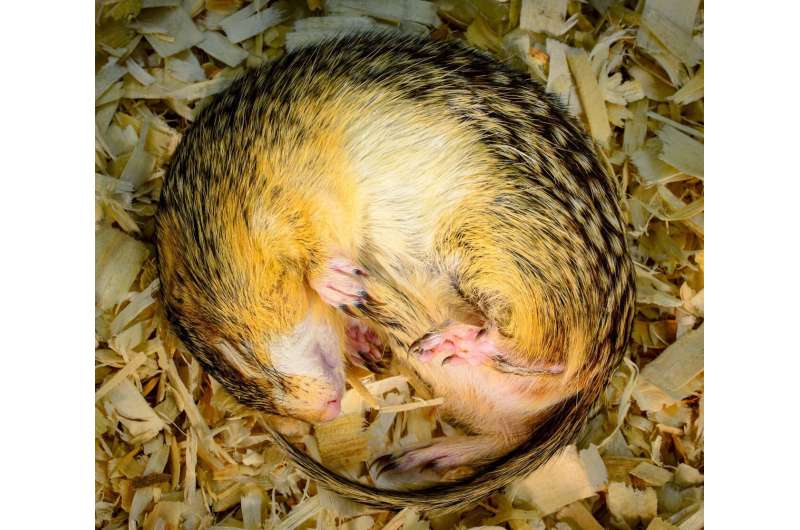
Thirteen-lined ground squirrels curled up for seasonal hibernation can slow their metabolic 
rates to as little as 1 percent of their waking activity. Credit: Photo courtesy Rob Streiffer

When bears and ground squirrels hibernate in winter, they stop eating, lasting until spring simply on the fat reserves they've stored up in their bodies. Usually, this sort of prolonged fasting and inactivity would significantly reduce the mass and function of muscle, but hibernators don't suffer this fate. How they avoid it, however, has been a mystery.

Now, in research published in Science, an Université de Montréal biologist has figured out why, and his findings could have implications for, of all things, the future of space travel . By studying a variety called the 13-lined ground squirrel that is common in North America, Matthew Regan has confirmed a theory known as "urea nitrogen salvage" dating back to the 1980s.

The theory posits that hibernators harness a metabolic trick of their gut microbes to recycle the nitrogen present in urea, a waste compound that is usually excreted as urine, and use it to build new tissue proteins.

How could this discovery be of use in space? Theoretically, Regan posits, by helping astronauts minimize their own muscle-loss problems caused by microgravity-induced suppression of protein synthesis and which they now try to reduce by intensively exercising.

If a way could be found to augment the astronauts' muscle protein synthesis processes using urea nitrogen salvage, they could be able to achieve better muscle health during long voyages into deep space in spacecraft too small for the usual exercise equipment, the argument goes.

"Because we know which muscle proteins are suppressed during spaceflight, we can compare these proteins with those that are enhanced by urea nitrogen salvage during hibernation," said Regan, who carried out this research while a postdoc at the University of Wisconsin-Madison.

He is now continuing his work through a Canadian Space Agency research grant at UdeM, where he last year took up a position as assistant professor of animal physiology in the Department of Biological Sciences.

"If," Regan continued, "there is an overlap between the proteins in spaceflight and the ones from hibernation, then it suggests this process may have benefits to muscle health during spaceflight."

A model hibernator

In his study, Regan designed a series of techniques and experiments to investigate the major steps in the urea salvage process and provide evidence for whether or not they occur in the 13-lined ground squirrel when it hibernates.

To do that, in their lab they injected their test squirrels' blood with "double-labeled" urea, meaning the urea's carbon atom was 13C instead of the usual 12C, and its  were 15N instead of the usual 14N. These labels allowed them to track the urea-sourced carbon and nitrogen through the different steps of the urea nitrogen salvage process.

That process, they found, led from the initial transport of urea from the blood into the gut, to the breakdown of urea into its component parts by gut microbes, to the flow of substances—called metabolites—containing urea nitrogen back into the animal, and finally to the eventual appearance of this urea nitrogen in tissue protein.

"Essentially, seeing 13C and/or 15N in metabolites at these various steps indicated that they originated from urea, and thus, that the hibernator was using urea nitrogen salvage," said Regan.

He did his experiments on squirrels with and without gut microbiomes at three times of the year: summer, when they were active and not hibernating; early winter, when they were one month into fasting and hibernation; and late winter, when they were four months into fasting and hibernation.

'Clear evidence of nitrogen salvage'

What they found was definitive: at each step of the process, there was clear evidence of urea nitrogen salvage by the squirrels with intact gut microbiomes.

Importantly, the squirrels with depleted gut microbiomes displayed no evidence of urea nitrogen salvage at any step, confirming this process was wholly dependent on the gut microbes' ability to degrade urea, something the squirrels themselves cannot do.

Regan and his team also made two other important findings:

  • First, the incorporation of urea nitrogen into the tissue protein of the squirrels was highest during late winter, suggesting that urea nitrogen salvage becomes more active as the hibernation season proceeds. This is unlike most physiological processes during hibernation, when tend to be significantly reduced.
  • Second, there was evidence the microbes themselves were using the urea nitrogen to build their own new proteins, which is useful for them because they, like the squirrel, are under conditions of fasting hibernation. Thus, both the squirrel and its microbes benefit from urea nitrogen salvage, which makes this process a true symbiosis.

What this means, Regan said, is that the squirrels emerge from hibernation in the spring in good shape. This is important because the year's only mating season, which is a time of intense physical activity for both males and females, occurs directly after they emerge from hibernation. Tissue function—particularly muscle tissue function—is therefore highly important for a successful mating season.

"By facilitating muscle protein synthesis late in the hibernation season, urea nitrogen salvage may help optimize the emerging squirrels' muscle function and contribute to their reproductive success during the mating season," said Regan. "Urea nitrogen salvage may therefore enhance the animals' overall biological fitness."

Starving masses and the elderly

Beyond the implications for space travel and the health of astronauts, Regan's discovery could have more immediate impacts now right here on Earth—in the starving masses of the underdeveloped world, and in the elderly.

Hundreds of millions of people globally experience muscle wasting as a consequence of various conditions—undernourishment, for instance, affects over 805 million people globally. More prevalent in Canada is sarcopenia, an age-related decline in muscle mass stemming from anabolic insensitivity that affects all humans, leading to a 30- to 50-per-cent decline in skeletal muscle mass between the ages 40 and 80.

"The mechanisms that mammals like the 13-lined ground  have naturally evolved to maintain protein balance in their own nitrogen-limited situations may inform strategies for maximizing the health of other nitrogen-limited animals, including humans," said Regan. One solution might be to develop a pre- or probiotic pill that people could take to promote a gut microbiome of the kind that hibernators like squirrels have.

"To be clear, these applications, though theoretically possible, are a long way from delivery, and a lot of additional work is needed to translate this naturally evolved mechanism safely and effectively to humans," Regan said.

"But one thing I find encouraging is that a study from the early 1990s provided some evidence that humans are capable of recycling small amounts of   via this same process. This suggests that the necessary machinery is in place. It just needs to be optimized."Arctic ground squirrels recycle nutrients to endure deep hibernation

More information: Matthew D. Regan et al, Urea nitrogen recycling via gut symbionts increases in hibernating ground squirrels over the winter, Science (2022). DOI: 10.1126/science.abh2950. www.science.org/doi/10.1126/science.abh2950

Journal information: Science 

Provided by University of Montreal