Wednesday, January 22, 2025

Woodside hits pause on two planned US green energy projects

Story by Nick Toscano
22/1/2025
SYDNEY MORNING HERALD, AU

Australian energy giant Woodside has paused two major clean energy projects it had been pursuing in the United States, in the latest sign of fossil fuel companies taking a step back from economically challenging green investments.

The move by Perth-based Woodside, the nation’s largest oil and gas producer, comes as US President Donald Trump returned to the White House this week and signed a slew of orders aimed at making it easier and cheaper to drill for fossil fuels while removing support for renewables and other lower-carbon technologies.


Woodside chief executive Meg O’Neill.© Supplied

The new administration also kick-started the process of withdrawing the US from the Paris Agreement, under which nations pledge collective action to limit rising temperatures to as close as possible to 1.5 degrees, compared with pre-industrial levels, which scientists say is key to averting catastrophic global warming.

Woodside said on Wednesday it had made the “strategic decision” to delay taking a final investment decision on its H2OK project – a liquid hydrogen project in the US state of Oklahoma.

Woodside chief executive Meg O’Neill said the decision was made to enable the company to prioritise work on its lower-carbon ammonia project in Texas, and was “not particularly” related to Trump’s return to the presidency.

But she said Woodside would need to assess the impact of Trump’s pledge to suspend the disbursement of funds under the $567 billion Inflation Reduction Act, which had been offering generous tax credits for hydrogen developers.

“We need to review it,” O’Neill said.

Also on Wednesday, Woodside announced it had ended its partnership with Heliogen, a company backed by billionaire Bill Gates, which had been planning a demonstration facility for concentrated solar thermal energy technology in California. It had intended to use an array of mirrors to reflect sunlight to a single target on the top of a solar tower, enabling low-cost storage in the form of high-temperature thermal energy.

However, both parties had since decided not to proceed to construction, Woodside said.

“As can be the case with these technology investments, we’ve determined the technology is not going to be as cost-competitive as we had anticipated,” O’Neill said. “That’s why we’ve parked that opportunity.”

Woodside’s retreat from the two US projects continues a global trend of giant oil and gas companies slowing the speed and scale of their forays into renewable energy and alternative fuels.

In Australia and around the world, large resources companies have faced pressure from institutional investors paying closer attention to environmental, social and governance factors (known collectively as ESG issues), which have been pushing big emitters to reduce their carbon footprints and do more to diversify into industries that don’t release harmful greenhouse gases into the atmosphere.

But the oil and gas industry’s climate commitments have been slowing – and sometimes stalling – since 2022, when Russia’s invasion of Ukraine choked energy supplies, unleashed a global scramble for spare fossil fuels and boosted commodity prices to near-record highs.

While the pullback began well before the US elections, “Trump 2.0 will only accelerate the pivot”, MST Marquee energy analyst Saul Kavonic said.

“Peak ESG has passed, and every oil and gas company is walking back from their uneconomic green opportunity pipeline,” he said.

The pendulum had “swung too far in the first place”, Kavonic said, to the point that some companies had been pursuing “uneconomic and at times impossible” targets.

“There is little appetite for loss-leading, strategic or marginal green investments any more,” he said.

The news comes as ASX-listed Woodside, whose operations span Western Australia, eastern Australia, Africa and the Americas, posted its strongest-ever yearly oil and gas production figures during the 12 months to December 31. The result was boosted by the ramp-up of its Sangomar oil field in Senegal, the company said

Woodside has embarked on plans to expand in the US after buying an under-construction liquefied natural gas (LNG) export terminal in Louisiana last year. O’Neill said the company welcomed the Trump administration’s “recognition that energy is at the heart of a vibrant economy”.

Hours after his inauguration, Trump initiated plans to enable the fast-tracking of permits for fossil fuel projects, expanding oil and gas drilling, particularly in Alaska, and lifting the former administration’s restrictions on LNG exports.

However, investment bank UBS said Trump’s lifting of the ban would add risk for Woodside’s Louisiana LNG project.

“A range of partially permitted projects planned to be constructed ahead of Woodside’s Louisiana LNG now face a much clearer path to development,” UBS analyst Tom Allen said.

UBS expects the LNG market to be undersupplied this year, before balancing out in 2026 and flipping into oversupply by 2027 when a wave of new projects comes onstream in the US and Qatar.

Artem Abramov, the head of new energies research at global consultancy Rystad, said Trump’s policy direction of accelerating domestic oil and gas supply would have major implications for renewable energy and clean technology sectors.

He said the impact of the US withdrawal from the Paris Agreement was expected to be more significant than during his previous term as president, and might be felt across the globe.

“It could further strengthen support for anti-climate policies in Europe and other regions,” he said.


Woodside Ditches Solar for LNG

By Irina Slav - Jan 22, 2025


Woodside Energy has suspended plans to invest in the construction of a solar power installation in the United States and delayed the final investment decision on a hydrogen project to focus on its core oil and gas business.

“Woodside has concluded its collaboration with Heliogen on Project Capella, with both parties deciding to not pursue the construction phase of the project. Woodside and Heliogen continue to evaluate opportunities for further collaboration in deploying concentrated solar power technology,” the Australian energy major said.

The Capella project, with a capacity of 5 MWe, was supposed to be a demonstration facility for AI-enabled concentrating solar power technology.

In hydrogen, the company said it would continue to “take a disciplined approach” and seek binding offtake agreements before it goes ahead with the final investment decision. “Woodside is reviewing the final 45V Clean Hydrogen Production Tax Credit regulations released by the United States Department of Treasury in January 2025,” the company said.

Woodside today released its fourth-quarter 2024 report, in which it said revenue in the three-month period was up 3% on the year but down 6% from the third quarter of 2024. The figures were largely in line with analyst expectations, with weaker oil earnings offset by strength in LNG sales.

The company said its new LNG facility, Scarborough, remains on schedule—something rare for LNG plants—and should start producing liquefied natural gas in 2026. In oil, Woodside’s Trion facility was at a 20% completion rate, with first oil expected in 2028.

In the U.S., where Woodside last year acquired troubled Driftwood LNG, the plan appears to be to sell stakes in the facility to other energy firms. What the Australian major does not plan to do is expand into upstream gas, the Wall Street Journal reported on Tuesday.

“One of the things we recognize is that the U.S. is blessed with very significant, high-quality gas resources,” chief executive Meg O’Neill told the WSJ in an interview. “That means there’s less imperative to take an upstream position.”

By Irina Slav for Oilprice.com


European and African Countries Back Green Hydrogen Pipeline Project


By Charles Kennedy - Jan 21, 2025


Italy, Austria, Germany, Algeria, and Tunisia reiterated on Tuesday their intention to develop a pipeline that would carry renewable hydrogen from North Africa to Europe, the Italian energy ministry said.

The 3,300-km (2,050 miles) hydrogen pipeline, named SouthH2 Corridor, is planned to ship green hydrogen from the African coast to Italy and then further north to Austria and Germany.

Ministers and officials from the countries and Ditte Juul Jørgensen, Director-General for Energy of the European Commission, attended the meetings and discussions for the project.

SouthH2 Corridor is recognized as a Project of Common Interest (PCI) by the European Commission, which means that the EU could finance parts of the infrastructure project.

The project will use more than 65% repurposed infrastructure, with new pipeline segments where necessary. The corridor has political endorsement, as well as strong support from companies involved in production and offtake of hydrogen along the whole corridor.

The project is expected to come on stream in 2030.

SouthH2 Corridor will further boost Italy’s role as a European energy hub, said Antonio Tajani, Italy’s Deputy Prime Minister and Minister of Foreign Affairs.

Green hydrogen projects in Europe have seen setbacks in recent months, amid persistently high costs and uncertainty about future demand.

Denmark, for example, looks to commission a cross-border green hydrogen pipeline to Germany in 2031, three years later than the previous timeline, the Danish government said in October.

Shell and Equinor have ditched plans for low-carbon hydrogen production and transportation in north Europe, due to a lack of demand.

Green hydrogen will struggle to compete at price level with gray hydrogen made from natural gas at least until 2050—much longer than previously anticipated, research firm BloombergNEF said last month.

BNEF’s new report on hydrogen prices finds that green hydrogen, the one produced via electrolysis using renewable energy, will fail to reach price parity with gray hydrogen by the middle of the century, as costs have more than tripled from the 2023 forecast.

By Charles Kennedy for Oilprice.com
Teck investing up to $3.9bn to grow copper output


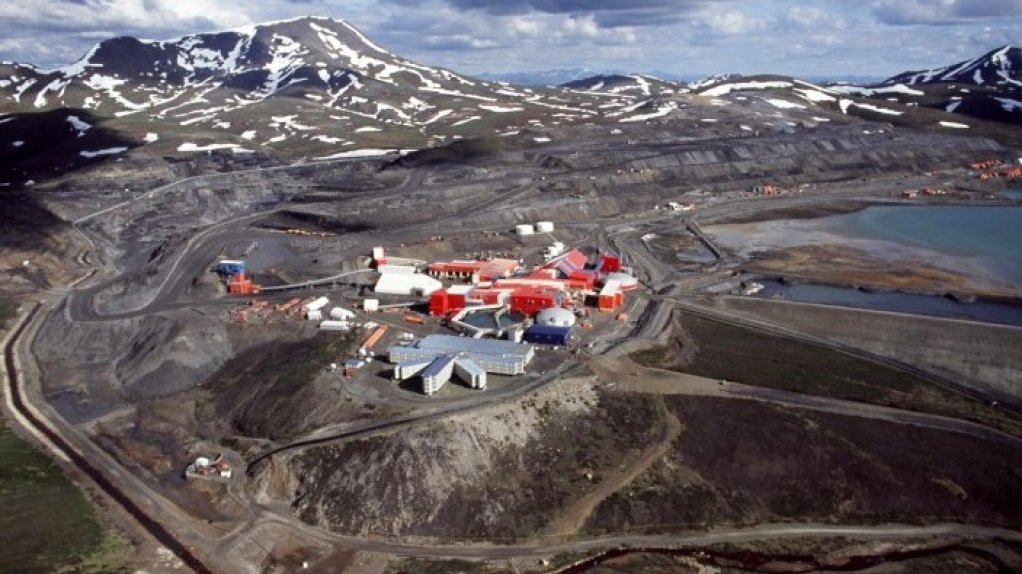
Teck's Red Dog mine in Alaska

21st January 2025
By: Mariaan Webb
Creamer Media Senior Deputy Editor Online


Canadian mining company Teck Resources has unveiled plans to invest up to $3.9-billion to expand its copper and zinc production, reinforcing its focus on energy transition metals following the sale of its steelmaking coal business to Glencore last year.

The shift aims to position Teck as a key player in the global copper market, with a target of achieving output of 800 000 t/y of copper by the end of the decade.


Central to Teck’s growth strategy are four near-term copper projects. Among these is the Quebrada Blanca (QB) optimisation and debottlenecking project in Chile, which seeks to boost throughput at Teck’s flagship mine by 15% to 25%.

The project is described as a low-capital-intensity initiative that builds on the successful ramp-up of QB operations, which achieved design throughput rates by the end of 2024. In the fourth quarter of 2024 alone, QB contributed 60 700 t of copper to Teck’s record quarterly production of 122 100 t, a 19% year-on-year increase.


In Canada, Teck is investing between $1.3-billion and $1.4-billion in a life extension project at the Highland Valley Copper mine. This initiative is set to extend the life of Canada’s largest copper mine to the mid-2040s, with expected average production of 137 000 t/y over the mine’s remaining life.

Meanwhile, in Peru, Teck is progressing its Zafranal project, which could be sanctioned in the second half of this year. The mine is expected to produce 126 000 t/y of copper during its first five years, along with significant gold by-product credits.


In Mexico, Teck is advancing the San Nicolas project in partnership with Agnico Eagle. Teck has earmarked up to $500-million for the development of the mine, which is expected to produce 63 000 t/y of copper and 147 000 t/y of zinc. A final investment decision is expected in the second half of 2025.

Teck’s production performance in 2024 underpins its growth trajectory. The company reported 2024 copper production of 446 000 t, a 50% increase over the previous year, driven primarily by the ramp-up of QB.

However, zinc production faced mixed results. Zinc-in-concentrate output declined by 4% to 615 t, largely owing to a shift towards copper-only ore at the Antamina mine, in Peru, although this was partially offset by a 3% increase in production at the Red Dog mine, in Alaska.

Yearly refined zinc production fell by 4% to 256 000 t, following a fire at the Trail electrolytic zinc plant in September 2024, which impacted fourth-quarter operations.
PAKISTAN

Manara to buy stake in Barrick’s Reko Diq project, reports FT


Staff Writer | January 21, 2025 


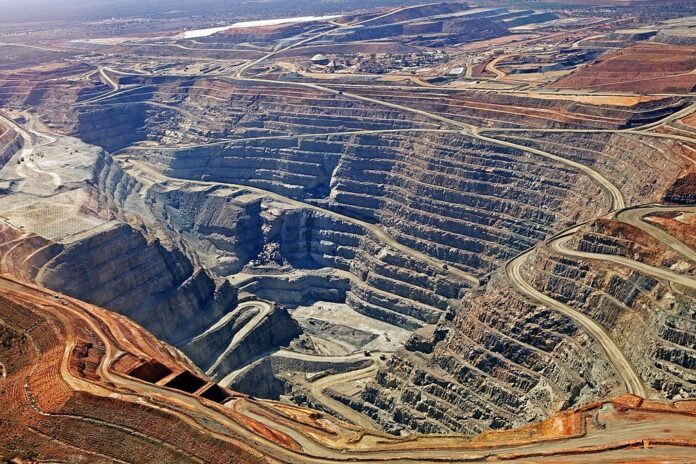
Barrick Gold’s Reko Diq project in Pakistan. (Image courtesy of Barrick Gold)

Saudi Arabian mining fund Manara Minerals is set to buy a 10%-20% stake in the Reko Diq copper-gold project in Pakistan being co-developed by Barrick Gold (NYSE: GOLD) (TSX: ABX) for about $500 million to $1 billion, the Financial Times reported on Tuesday.


The FT report said, citing unnamed sources, that Manara would acquire the interest from the Pakistan government, which, together with the province of Balochistan, owns half of the project.

The report comes after Barrick said on Monday that it wouldn’t reduce its 50% stake in Reko Diq. The project, according to the Canadian miner, is projected to generate approximately $74 billion in free cash flow over the next 37 years, based on consensus long-term prices.

Speaking to local media, Barrick chief executive Mark Bristow said an initial estimated capital expenditure of $5.5 billion will be allocated to develop the first phase of the mine. During this phase, Reko Diq is expected to produce 200,000 tonnes of copper concentrate and 250,000 oz. of gold annually.

Bristow said that the starter mine is scheduled for completion by 2029. A second phase, requiring an additional investment of $3.5 billion, is projected to double production.

Barrick has long maintained that Reko Diq is one of the world’s largest undeveloped copper-gold prospects. It boasts a high copper grade of 0.53%, meaning that for every tonne of ore mined, about 5 kg of copper can be extracted.

Once the expansion is complete, the mine is expected to process over 90 million tonnes of ore annually.
Zambia hopes mining will trigger economic revival

Reuters | January 21, 2025 |

Zambia’s finance minister Situmbeko Musokotwane. 
Credit: Ministry of Finance & National Planning – Zambia

Zambia is pinning its hopes on the mining sector for an economic revival after the worst drought in living memory caused a sharp slowdown in growth this year, its finance minister said on Tuesday.


Situmbeko Musokotwane told an event on the economic outlook that new mines were opening imminently and old mines were re-investing to lift output.


“If all goes according to plan, 2025 should be the start of this revival and it will be getting stronger and stronger each year going forward,” he said.

The government estimates last year’s copper production was over 770,000 tons, an increase on the 698,000 tons produced in 2023.

Zambia wants to raise copper output to about 1 million tons by 2026 and further out to 3 million tons.

A finance ministry presentation to the same event showed officials were still optimistic that economic growth would reach 6.6% this year.

The government has revised down its estimate for 2024 growth to 1.2% from the 2.3% forecast given in September due to the lingering effects of the drought, the presentation said.

Zambia is still targeting a budget deficit of 3.1% of gross domestic product (GDP) this year, higher than the latest estimate of last year’s deficit, which now stands at 2.7% of GDP.

The southern African country, the first African nation to default on its sovereign debt during the Covid-19 pandemic, has agreed restructuring terms for 90% of the external debt that it had hoped to restructure, the presentation also showed.

Zambian officials, including the secretary to the treasury and central bank governor, are in China to discuss some of the debt that still needs to be reworked, Musokotwane said.

(By Chris Mfula, Sfundo Parakozov and Tannur Anders; Editing by Alexander Winning and David Evans)

Zambia says Saudi’s Manara interested in its copper assets

Reuters | January 16, 2025 | 

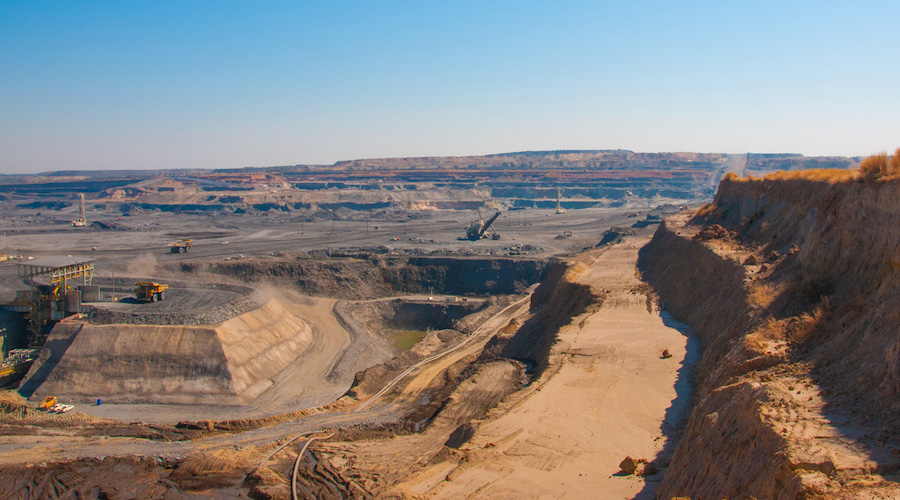
Sentinel open-pit copper mine. (Image courtesy of First Quantum Minerals.)

Saudi Arabia’s Manara Minerals is looking for critical minerals projects in Zambia to invest in, the southern African country’s mines minister Paul Kabuswe told Reuters on Thursday.


Manara and Africa’s second-largest copper producer held talks on Wednesday after the signing the previous day of a memorandum of understanding (MOU) with Saudi Arabia to cooperate on exploration for new minerals.

“They (Manara) are interested, but we do not know which ones yet,” he said on the sidelines of a mining conference in Riyadh, adding that an announcement on a potential mining deal between Zambia and Saudi Arabia is likely this year.

Saudi Arabia is among several Middle East economies pursuing deals in critical minerals, including copper and lithium, as part of de-facto ruler Crown Prince Mohammed Bin Salman’s strategy to wean the economy off its dependency on oil.

Manara, a joint venture between Saudi Arabian Mining Company 1211.SE and the kingdom’s $925 billion Public Investment Fund, is closing in on a deal to buy a minority stake in the Zambian copper and nickel assets of Canada’s First Quantum Minerals, Reuters reported in October.

First Quantum said on Wednesday that it is “assessing the potential benefits of a minority stake sale in Zambia”, as one of its priorities this year.

Kabuswe said while aware of the talks between Manara and First Quantum, Zambia’s government is not privy to details.

A new push by Zambia’s government to negotiate shareholdings as high as 30% in new mining projects has not impacted investor appetite, he said, although investors have had mixed feelings.

“We no longer want those agreements where we have 10% or 15%,” he said, adding that the government is also holding talks with Barrick Gold, Ivanhoe Mines and Chinese investors on their plans for new projects.

A newly-established copper trading unit, jointly owned with Swiss-based commodities trader Mercuria, could help boost government mining revenues, the minister said.

Mercuria will trade copper sourced from mines in which the government has shareholdings, Kabuswe said. Zambia prefers that its share of earnings is calculated in metal output which it can sell on its own rather than in a cash dividend, he added.

The country aims to boost copper output to about 3 million metric tons within the decade. Output dropped to about 698,000 tons in 2023, down from 763,000 tons a year earlier.

(By Pesha Magid and Felix Njini; Editing by Veronica Brown and Alexander Smith)
New York futures for gold, copper tumble on WSJ tariff report

Bloomberg News | January 20, 2025 | 

Side door of New York Stock Exchange. Stock image.

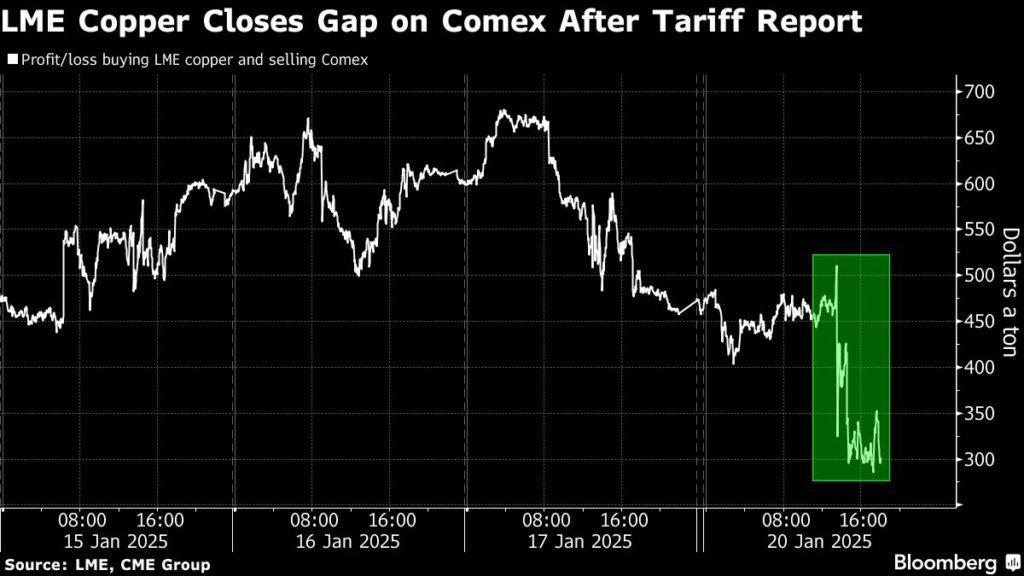
The gap in prices for copper and gold between New York and London narrowed as traders reacted to a report that the Trump administration would not impose tariffs immediately after inauguration.


Earlier Monday the Wall Street Journal reported that US President Donald Trump will stop short of imposing new tariffs on his first day in office. The prospect of metals being caught up in the sweeping tariff measures caused premiums for gold and silver futures deliverable in New York to swell in recent weeks, as traders bought out of their short positions.

Premiums for gold traded on the US-based Comex over the London spot market halved following the news report, to around $20 an ounce.


The price gap for copper on Comex over London Metals Exchange futures fell from nearly $500 a metric ton to around $300 a ton. China, the largest copper importer, will not be subject to specific tariffs on Trump’s first day in office, Bloomberg reported, citing people familiar with the matter.


Copper futures on the LME rose as much as 1.2% following the Wall Street Journal report, while prices on Comex traded 1.3% lower. Spot gold edged higher, while the first available gold futures contract on the New York-based exchange fell 0.9%.

The silver premium over spot — or exchange-for-physical — remained elevated, even after the report. Silver is used in greater quantities for industrial applications compared to gold. Some industry experts have said the talk on trade restrictions may be expediting a supply squeeze in London vaults, as traders rush to ship their metal across the Atlantic into Comex warehouses to avoid it becoming subject to tariffs.


(By Jack Ryan)

Trump’s EV rollback not expected to suppress appetite for critical minerals

HE'S DOING IT AGAIN; CUTTING NOSE TO SPITE FACE

Reuters | January 21, 2025 |


Donald Trump, 47th President of the United States
. (Image: Donald Trump X Account)

US President Donald Trump’s rollback of electric vehicle targets may temporarily slow demand for lithium and other critical minerals, but is unlikely to hamper the mining industry amid surging global EV demand, analysts and industry leaders said.


Trump on Tuesday revoked predecessor Joe Biden’s 2021 executive order that sought to ensure half of all new vehicles sold in the US by 2030 are electric. Automakers had been positioning for a jump in EV demand due largely to that Biden move.

Trump’s order caused shares of Japanese automakers, South Korean battery makers and Australian, US and Chinese lithium miners to slip. But even if EV demand cools in the world’s second-biggest auto market, analysts and industry experts expect traction elsewhere to more than compensate.

Trump has planned other regulatory changes to cut off support for EVs and charging stations. He also aims to strengthen measures blocking imports of automobiles and battery materials from China.

“Every time people take away subsidies or benefits … it’s a dent to the demand scenario,” said analyst Glyn Lawcock at Barrenjoey, an Australian investment bank. “(But) ultimately demand will still grow even if the US is a bit slower under Trump.”

Australian lithium producer Liontown Resources said the global transition to EVs was underway, with or without the United States.

“Longer term, I just don’t think it will be an issue on demand,” Antonino Ottaviano, Liontown’s CEO, said on a Tuesday analyst call.

Much of the EV industry’s growth happens in China, accounting for 11 million sales or 65% of the market, compared with North America, which accounts for 20% of the market, Liontown executives said on the call.

Meanwhile, the rest of the world already accounts for 1.3 million EV sales and is growing at 27% year on year, a trajectory that will see it become more meaningful than the entire North American market in less than two years, the Liontown executives added.

That growth potential is something Chinese EV manufacturers are chasing given they are locked out of the US market due to 100% EV tariffs imposed by Biden.

Grid-scale batteries that store days’ worth of electricity are rising in popularity across the world, for example. Critical metals are also used to build many consumer electronics as well as computer servers needed to power the artificial intelligence industry.

Albemarle, the world’s largest lithium company, declined to comment on Trump’s order.

Arcadium, a lithium producer about to be bought by Rio Tinto and the International Lithium Association trade group, was not immediately available for comment.

Rio Tinto also declined to comment on Trump’s order, but its CEO Jakob Stausholm told the World Economic Forum on Tuesday that he is bullish on the white metal.

“Lithium demand will probably go up another five times over the next 15 years, so a lot more lithium projects will have to be built,” Stausholm told the forum in Davos, Switzerland, adding that he has owned an EV for more than nine years.

“It’s just a better car” than an internal combustion engine, Stausholm added.

David Klanecky, CEO of privately held battery recycler Cirba Solutions, expects US demand for critical minerals to jump by 2030 due to the demand not just for EVs, but for myriad electronics.

Beyond any target rollbacks, miners said they believe measures to wean Western manufacturers off Chinese supplies will underpin support for their metals.

“We expect measures taken to build supply chain independence from China … to have a much greater impact than the rollback of a formal target for EV sales,” said Darryl Cuzzubbo, CEO of Australian rare earths developer Arafura.

“There is a tipping point looming for electric vehicles at which targets and incentives won’t be required to encourage take-up.”

(By Melanie Burton, Ernest Scheyder, Alexander Smith, Violet Li and Stefanno Sulaiman; Editing by Veronica Brown and Marguerita Choy)


As Trump takes aim at EVs, how far will rollback go?


By AFP
January 22, 2025


Shares of Rivian and other electric vehicle companies fell after US President Donald Trump issued an executive order targeting the EV industry - Copyright GETTY IMAGES NORTH AMERICA/AFP/File MARIO TAMA


John BIERS

As part of his flurry of first-day actions, US President Donald Trump took aim at electric vehicles, a cornerstone of the Biden administration’s climate change agenda.

Trump’s executive order on “Unleashing American Energy” on Monday included steps to ensure a “level” playing field for gasoline-powered motors and halt federal funding to build new EV charging stations.

The executive order also appeared to presage other reversals, referencing the possible elimination of a federal tax credit for EV purchases and the renouncement of a US waiver that allows California to set stricter requirements on cars.

During his inaugural address, Trump said the moves would “end” the “Green New Deal,” ridiculing Biden-backed incentives for EV sales.

While Trump harshly criticized EVs during the presidential campaign, policy experts have been skeptical Trump will junk all the Biden-era EV programs, in part because significant federal funding has gone toward projects in Republican congressional districts, where thousands of jobs are expected to be created.

Shares of EV makers like Rivian and EV charging companies such as EVgo fell sharply Tuesday. Tesla, which is led by close Trump ally Elon Musk, also fell.

Kathy Harris, director for clean vehicles of the Natural Resources Defense Council, called Trump’s policy a sop for “fat-cat oil executives,” noting that EVs are better for the environment and can save consumers money on gasoline.

Many of Trump’s executive orders are expected to face legal challenges, a possible outcome for the EV measures.

“This is not the end of this story,” Harris said. “If the administration tries to cut corners or ignore the law, they will end up in court.”

The Alliance for Automotive Innovation, which has previously endorsed the need for stable auto rules, reiterated its criticism of California’s car regulations in a statement that did not address other elements in Trump’s executive order.

“The country should have a single, national standard to reduce carbon in transportation,” said the group’s president, John Bozzella. “We can’t have regulations that push the industry too far ahead of the customer.”

– 90-day review –

The new policy comes as automakers pause some EV investments due to slowing growth, even as sales of emission-free vehicles climb to new levels in the United States.

In 2024, EV sales in the country reached 1.3 million, up 7.3 percent from the prior year, according to Cox Automotive’s Kelley Blue Book, which pointed to a meaningful rise in EVs at different price levels.

But GM, Ford and other automakers have scaled back some EV investments in recent months, pointing to slowing demand growth. A Ford executive warned in November that a glut of EVs across showrooms will lead to “incredible pressure” on prices in 2025.

The broadside against EVs followed Trump’s targeting of the vehicles during the presidential campaign, when he claimed Democrat Kamala Harris wanted to force EVs on consumers.

Harris said that she favored consumer choice.

The Biden administration’s fuel economy rules required automakers to market fleets with sharply lower carbon dioxidAs Trump takes aim at EVs, how far will rollback go?
ByAFPPublishedJanuary 22, 2025
Shares of Rivian and other electric vehicle companies fell after US President Donald Trump issued an executive order targeting the EV industry
Shares of Rivian and other electric vehicle companies fell after US President Donald Trump issued an executive order targeting the EV industry - Copyright GETTY IMAGES NORTH AMERICA/AFP/File MARIO TAMA
John BIERS
As part of his flurry of first-day actions, US President Donald Trump took aim at electric vehicles, a cornerstone of the Biden administration’s climate change agenda.

Trump’s executive order on “Unleashing American Energy” on Monday included steps to ensure a “level” playing field for gasoline-powered motors and halt federal funding to build new EV charging stations.

The executive order also appeared to presage other reversals, referencing the possible elimination of a federal tax credit for EV purchases and the renouncement of a US waiver that allows California to set stricter requirements on cars.

During his inaugural address, Trump said the moves would “end” the “Green New Deal,” ridiculing Biden-backed incentives for EV sales.

While Trump harshly criticized EVs during the presidential campaign, policy experts have been skeptical Trump will junk all the Biden-era EV programs, in part because significant federal funding has gone toward projects in Republican congressional districts, where thousands of jobs are expected to be created.

Shares of EV makers like Rivian and EV charging companies such as EVgo fell sharply Tuesday. Tesla, which is led by close Trump ally Elon Musk, also fell.

Kathy Harris, director for clean vehicles of the Natural Resources Defense Council, called Trump’s policy a sop for “fat-cat oil executives,” noting that EVs are better for the environment and can save consumers money on gasoline.

Many of Trump’s executive orders are expected to face legal challenges, a possible outcome for the EV measures.

“This is not the end of this story,” Harris said. “If the administration tries to cut corners or ignore the law, they will end up in court.”

The Alliance for Automotive Innovation, which has previously endorsed the need for stable auto rules, reiterated its criticism of California’s car regulations in a statement that did not address other elements in Trump’s executive order.

“The country should have a single, national standard to reduce carbon in transportation,” said the group’s president, John Bozzella. “We can’t have regulations that push the industry too far ahead of the customer.”

– 90-day review –

The new policy comes as automakers pause some EV investments due to slowing growth, even as sales of emission-free vehicles climb to new levels in the United States.

In 2024, EV sales in the country reached 1.3 million, up 7.3 percent from the prior year, according to Cox Automotive’s Kelley Blue Book, which pointed to a meaningful rise in EVs at different price levels.

But GM, Ford and other automakers have scaled back some EV investments in recent months, pointing to slowing demand growth. A Ford executive warned in November that a glut of EVs across showrooms will lead to “incredible pressure” on prices in 2025.

The broadside against EVs followed Trump’s targeting of the vehicles during the presidential campaign, when he claimed Democrat Kamala Harris wanted to force EVs on consumers.

Harris said that she favored consumer choice.

The Biden administration’s fuel economy rules required automakers to market fleets with sharply lower carbon dioxide emissions in a bid to address climate change, while laws such as the $400 billion Inflation Reduction Act of 2022 included a slew of lending and tax credit programs to boost EVs.

Programs under the IRA and the 2021 infrastructure law are in various stages of implementation. Monday’s executive order directs officials implementing the IRA to undertake a 90-day review to ensure that spending does not unfairly favor EVs “by rendering other types of vehicles unaffordable.”

Policy experts see no meaningful chance that the new administration will try to claw back US funds that have already been spent. But whether Trump will seek to block other projects that are still moving through the pipeline is less clear.

Nearly half of the $5 billion set aside for new EV chargers has been allocated to states under the infrastructure law, according to a memo from NRDC.

The 2021 infrastructure law’s “embedded safeguards… should ensure continuity for infrastructure investments,” the NRDC said. “Of course, the incoming administration could try drastic measures, but those will face real-world and legal hurdles.”

In November, the Energy Department advanced projects to provide Rivian a $6.6 billion federal loan to build an EV manufacturing facility in Stanton Springs North, Georgia, and a $7.5 billion loan to StarPlus Energy to finance lithium-ion battery cell manufacturing plants in Kokomo, Indiana, under a Stellantis-Samsung joint venture.

Construction on the Georgia plant is expected to begin in 2026, according to Rivian.

Neither Rivian nor Stellantis responded to AFP queries on the implications of the new Trump policy for their projects.

Read more: https://www.digitaljournal.com/business/as-trump-takes-aim-at-evs-how-far-will-rollback-go/article#ixzz8y4IaKMa3e emissions in a bid to address climate change, while laws such as the $400 billion Inflation Reduction Act of 2022 included a slew of lending and tax credit programs to boost EVs.

Programs under the IRA and the 2021 infrastructure law are in various stages of implementation. Monday’s executive order directs officials implementing the IRA to undertake a 90-day review to ensure that spending does not unfairly favor EVs “by rendering other types of vehicles unaffordable.”

Policy experts see no meaningful chance that the new administration will try to claw back US funds that have already been spent. But whether Trump will seek to block other projects that are still moving through the pipeline is less clear.

Nearly half of the $5 billion set aside for new EV chargers has been allocated to states under the infrastructure law, according to a memo from NRDC.

The 2021 infrastructure law’s “embedded safeguards… should ensure continuity for infrastructure investments,” the NRDC said. “Of course, the incoming administration could try drastic measures, but those will face real-world and legal hurdles.”

In November, the Energy Department advanced projects to provide Rivian a $6.6 billion federal loan to build an EV manufacturing facility in Stanton Springs North, Georgia, and a $7.5 billion loan to StarPlus Energy to finance lithium-ion battery cell manufacturing plants in Kokomo, Indiana, under a Stellantis-Samsung joint venture.

Construction on the Georgia plant is expected to begin in 2026, according to Rivian.

Neither Rivian nor Stellantis responded to AFP queries on the implications of the new Trump policy for their projects.
Chile Eyes Strategic Metals With Innovative Mining Waste Projects


Finimize Newsroom
about 18 hours ago •


What’s going on here?

Chile's development agency Corfo is inviting innovative projects to extract cobalt and rare earths from mining waste, offering $3 million to $4 million per project over three years to address rising global energy needs.


What does this mean?

As the world shifts towards renewable energy, the demand for strategic metals like cobalt and rare earths is skyrocketing. These metals are essential for making batteries and renewable tech. Chile, the world’s leading copper producer, sees an economic chance in utilizing its 800 mining waste deposits, known as tailings. Currently focused on copper extraction from this waste, Chile is aiming to develop cobalt extraction technologies. By offering substantial funding for these projects, Corfo is tackling waste management while eyeing economic growth. The upcoming regulatory updates from the Mining Ministry in March further emphasize Chile’s dedication to maximizing its mineral resources.

Why should I care?

Chile's extraction projects could significantly influence the supply and pricing of cobalt and rare earths, which are vital for the tech and renewable sectors. Investors should monitor technological advancements and any shifts in market leaders as Chile emerges as a potential key player in these metals.

The bigger picture: Energy transition's silent partners.

The initiative to extract strategic minerals from mining waste underscores a wider move towards sustainable resource management. As major economies transition to renewables, efficiently utilizing resources like mining waste could dictate future global trade policies and economic strategies, ensuring countries achieve their energy goals sustainably.


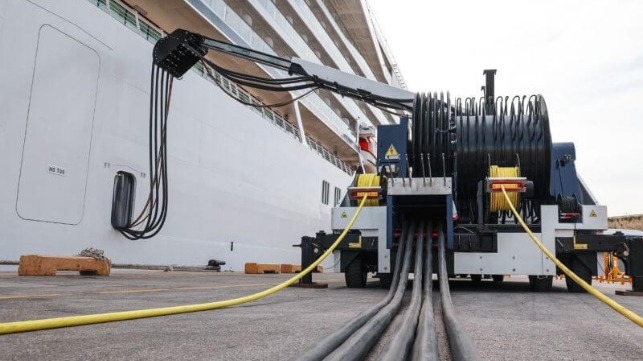
Expansion of Shore Power Capabilities at Italian and Mediterranean Ports

shore power connection
Ports in Italy and the Mediterranean are expanding shore capabilities for cruise ships, Ro-Ros, and containerships (Cavotec)

Published Jan 20, 2025 6:40 PM by The Maritime Executive


Efforts are continuing to build out the capabilities to support vessels to use shore power as ports seek to transition to more environmentally friendly systems in advance of pending EU regulations. Switzerland-based Cavotec reports it received multiple orders at the end of 2024 valued at €7 million (US$7.3 million) for Italian ports and this follows large orders for other ports in the Mediterranean.

“These orders highlight the growing adoption of sustainable port technologies in Italy,” highlights Cavotec. The company reports three new orders booed in December 2024 from across Italy to expand capabilities for cruise ships, Ro-Ro vessels, and containerships. In October 2024 it also reported two orders for shore power from unnamed ports valued at €6.5 million (US$6.8 million).

One of the Italian orders will see Cavotec supply systems to support cruise ships at multiple ports in western Italy. The company will supply its PowerMove and PowerFeed systems to enhance connectivity in the region.

For Tuscany, Cavotec will work with two ports. It will supply the PowerMove technology to support both cruise ships and Ro-Ro vessels.

While in southern Italy, it will supply two PowerMove systems to connect cruise ships and a PowerExtend system to support containerships. 

The ports for the Italian ports are scheduled for delivery between early and mid-2026.

The company also reported in October 2026 orders for its PowerMove system at two Mediterranean ports. The mobile cable management systems will be supplied in one order focusing on cruise ships and Ro-Ro vessels. It will be installed in 2025. 

The second order is for two PowerMove shore power systems that will enable two cruise ships to connect shore power simultaneously. It will be installed in the first quarter of 2026.

Cruise ships require large power supplies to support the hotel operations. The trade group Cruise Lines International Association (CLIA) highlights that the number of cruise ships equipped to connect to onshore power has more than doubled since 2018 and continues to grow. By 2028, CLIA says 239 member ships able to connect to onshore power are expected to be in service. It reports that 61 percent of members’ cruise capacity is fitted to operate on shore power with the cruise fleet adding a further 28 ships with shore power capabilities representing a further 40 percent increase in the sector.


Salvage Complexities Delay Raising of Lost Superyacht Bayesian

Bayesian (file image courtesy Perini Navi)

Published Jan 20, 2025 5:05 PM by The Maritime Executive


The raising of the lost superyacht Bayesian, which went down off Sicily last year with the loss of seven lives, has been temporarily postponed to wait for better weather and approval of a final salvage plan. The hull is considered a piece of evidence in an ongoing criminal investigation, and the local prosecutor has placed unusual physical preservation restrictions on the salvage process, adding to the technical complexities of raising a vessel from deep water. 

Bayesian (ex name Salute) was a 180-foot aluminum-hulled sailing yacht built in 2008. The vessel was known for her single aluminum mast, at one point the tallest of its kind in the world. 

The giant sailing yacht went down in a sudden and extreme windstorm at about 0500 on August 19, 2024. Local residents reported seeing a waterspout in the harbor, then a flare set off by Bayesian's crew. 15 passengers and crew were rescued minutes after the sinking; one deceased crewmember was pulled from the water, and six deceased passengers were recovered from belowdecks cabins, including owner Mike Lynch and his daughter Hannah. The vessel came to rest in 160 feet of water, accessible by divers but only for limited intervals. 

The shipbuilder denies any possibility of technical faults with the yacht's design or construction, and has insisted that it was an "unsinkable" vessel. Instead, the firm's owner accused the crew of "incredible mistakes" leading to the yacht's loss, and later sued the New York Times for its reporting on certain elements of the vessel's design. 

Local prosecutors in Sicily are also looking into the possibility of crew error, and are pursuing the matter using their authority to levy criminal charges (rather than through civil or administrative proceedings). Crewmembers Tim Eaton and Matthew Griffith are under investigation, which could result in possible charges of manslaughter and negligent shipwreck. Griffith was on watch the night of the casualty, and Eaton was the vessel's engineer. The yacht's master, New Zealand citizen James Cutfield, 51, is also under investigation. 

Bayesian's wreckage is considered evidence in this criminal inquiry, and the prosecutor has asked the salvage team - led by the vessel's P&I insurer - to adhere to unusual requirements. The record-setting aluminum mast, which extends 230 feet above deck level and weighs an estimated 20-plus tonnes, must be kept intact during the salvage operation. According to Giornale di Sicilia, the office also insists that the salvors cannot pump out the vessel's fuel tanks before raising the wreck, a standard precaution to reduce the risk of a spill. 

The salvage plan is not yet finalized, but its basic outline calls for parbuckling the vessel, bringing it fully upright. At this point in the evolution, if the Bayesian's rigging is kept fully intact, the tip of the gigantic mast would protrude out of the water by about 70 feet with the hull still resting on the bottom 160 feet below. The vessel would then be raised using a floating crane for hoisting and airbags for floatation. 

Once the final plan is agreed, the operation will likely begin in springtime. The original plan called for a January-February timetable, but the winter weather off Sicily is considered unfavorable for a delicate salvage operation. The delay may push back the inquest into the cause of death for the seven victims, which was scheduled for April.