Friday, February 07, 2025

Harmony Gold reports five deaths at two mines

Reuters | February 5, 2025 | 

Doornkop mine. Credit: Harmony Gold

Five people were killed in incidents at two of Harmony Gold’s South African mines, the company reported on Wednesday.


Three employees died on Tuesday after a collapse at the Joel mine in the Free State province, about 290 km (180 miles) southwest of Johannesburg, Harmony said in a statement.

Two other employees died in another incident on Tuesday morning at the Doornkop mine, 30 km (19 miles) west of Johannesburg, the company said.

Harmony, South Africa’s top gold producer, said the causes of the two incidents were being investigated.

South Africa’s mining industry reported 42 deaths last year, the lowest number to date and a 24% improvement on the previous year, according to official statistics released last month.

In January, the bodies of 78 miners were pulled from an illegal gold mine after a heavily-criticized police operation lasting several months that tried to force them to the surface.

(By Nelson Banya; Editing by Ros Russell)


China’s central bank buys more gold as prices hit record

Bloomberg News | February 7, 2025 |

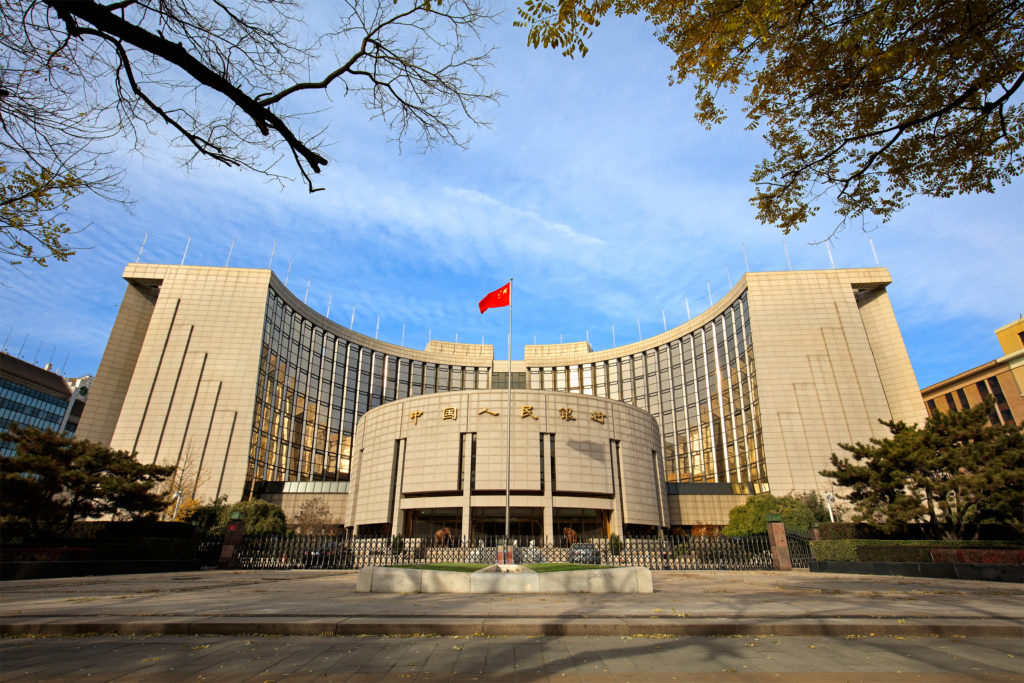
China’s central bank. Credit: Adobe Stock

China’s central bank expanded its gold reserves for a third month in January, even as the precious metal kept rallying to a record high.


Bullion held by the People’s Bank of China rose by 0.16 million troy ounces last month, according to data released Friday. The central bank resumed adding gold reserves in November after a six-month halt that followed an 18-month buying spree.

The move shows the PBOC’s commitment to diversify reserves even with gold at historically high levels, and it joins a slew of other central banks adding gold to their holdings amid geopolitical and economic uncertainties. The precious metal has set successive records this week, supported by haven demand.

“The PBOC will likely continue to diversify its reserves in the longer term, given the rising geopolitical uncertainty,” said David Qu, an economist at Bloomberg Economics. Politics may be the key reason behind the move as the central bank resumed buying after Donald Trump was elected, he said.

Buying gold for jewelry buying remains subdued in China due to tepid economic growth.

(By Yihui Xie)

London sees record gold outflow in January in race to ship to US

Bloomberg News | February 7, 2025 


Gold bullion.
 (Image by the London Bullion Market Association, Instagram.)

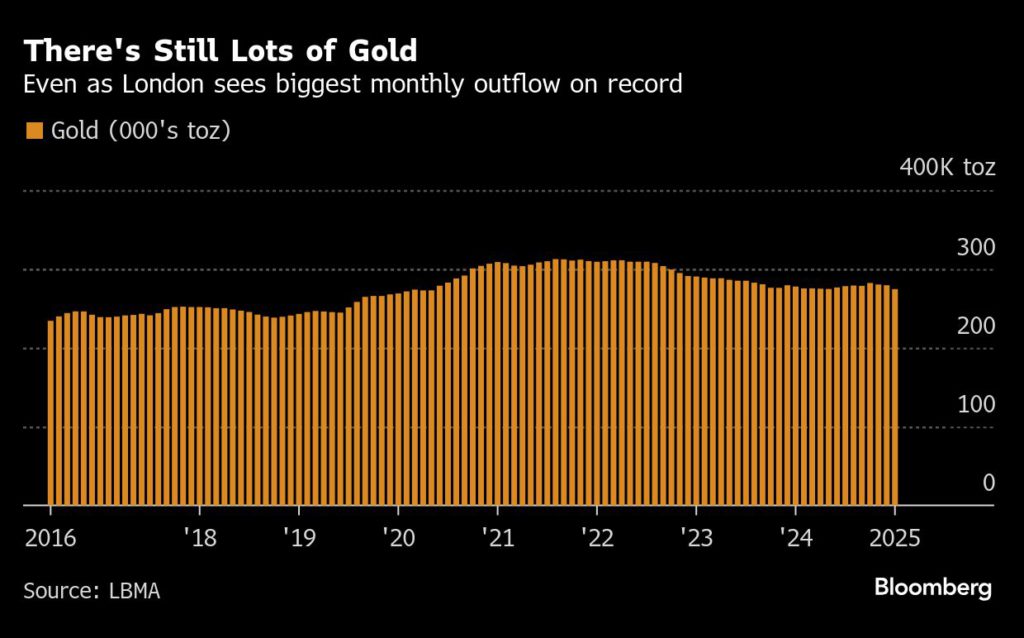
The amount of gold stored in London vaults fell by 4.9 million troy ounces in January, the largest monthly decline since records began in 2016, as traders rushed to ship the precious metal to the US to avoid tariff risks and capture premium prices.


London is the world’s largest hub for gold trading, with about $800 billion worth stored in vaults underneath the capital. Worries that President Donald Trump will impose tariffs affecting gold sent US prices soaring past those in London last month, offering a lucrative arbitrage opportunity for owners able to fly their holdings across the Atlantic.

The outflows, worth nearly $14 billion, reduced January stocks by 1.7% from December’s levels, according the data collected by the London Bullion Market Association, a trade group.

That includes holdings in commercial vaults owned by JPMorgan Chase & Co. and Brink’s Co, among others, as well as gold accounts in the Bank of England’s vault.


“The monthly decline in gold stocks reflects the well-documented market dynamics at present,” the LBMA said. “Given the flow of metal from London to New York, a 151 tonne decline in stocks in January is unsurprising.”

The one-month lease rate for gold, which reflects the short-term cost of borrowing it, jumped to the highest in decades in January. Long lines to withdraw the metal formed at the BOE’s vault, leading to unusually large discounts for gold stored there compared with the wider market.

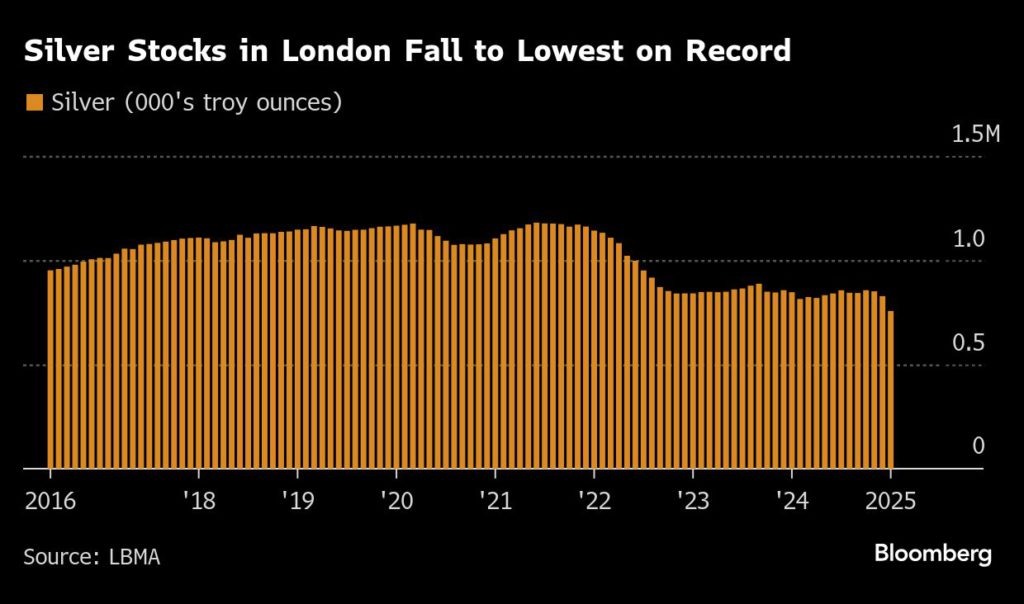
Silver stocks also saw the biggest outflow on record following the emergence of a similar New York premium. That premium hasn’t closed yet, though the spread in gold narrowed significantly this week.

“Like gold, silver’s outflow is directly linked to the movement of metal from London to NY due to tariff concerns,” the LBMA said.


So far, the White House hasn’t given any indication as to whether precious metals will be targeted by any potential tariffs.

The premium between New York and London markets on Wednesday implied a roughly 20% chance that Trump will include gold in a 10% blanket tariff on all US imports, analysts with Citigroup Inc said.

(By Jack Ryan)


BOE says tariff premium is fueling clamor to withdraw gold

Bloomberg News | February 6, 2025 | 

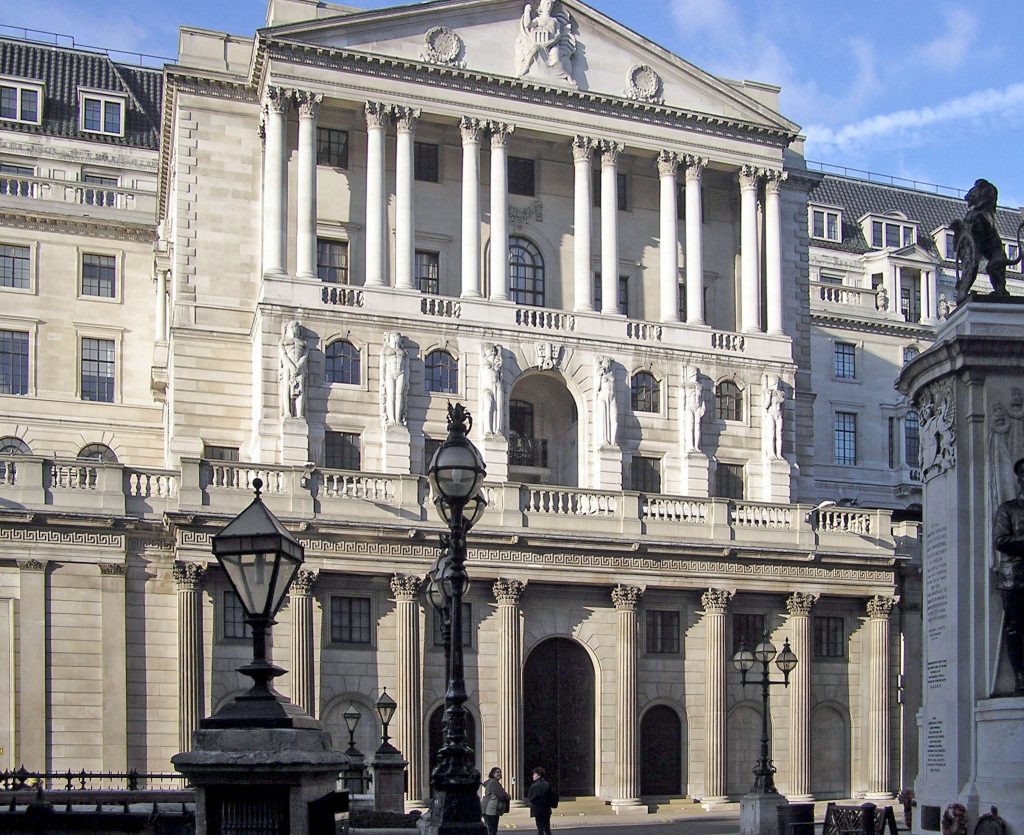
Bank of England headquarters in London. Credit: Wikipedia

The rush to ship gold from London to the US to take advantage of premium prices is fueling strong demand for slots to withdraw metal from the Bank of England’s vault, an official said.


Worries that US President Donald Trump will impose tariffs affecting gold has led to premiums in the New York market and weeks-long queues to withdraw metal from the BOE. Bars at the central bank’s vault have also been trading at a discount to the wider market this week, as withdrawal delays make the gold at the BOE less attractive than bullion held in more accessible commercial vaults.

As commercial gold holders look to take advantage of the price differential, there has been robust demand for delivery slots, BOE Deputy Governor Dave Ramsden said at a press conference on Thursday.

“All of those bodies who ship the gold, they’ve all got the delivery slots they need over the next few weeks,” Ramsden said. “If you were coming in new to us, you might have to wait a bit longer because all the existing slots are booked up. But this is a very orderly process.”

Long delays to withdraw bullion — which is trading near a record high — are all the more problematic for traders at the moment, as they seek to avoid the risk of tariffs and capture premium prices by shipping their gold to the US.

The BOE plays a crucial role in the London gold market, the world’s largest bullion-trading hub. It maintains accounts for other central banks, which favor storing their gold in London where it can easily be lent out or sold. The BOE also allows selected commercial operators to hold gold accounts, to provide liquidity to central banks.

Ramsden said gold inventories held in the bank’s vault had only declined about 2% since the end of December.

“It’s an obvious point, but gold is a physical asset, so there are real logistical constraints and security constraints. You know getting into the bank for me this morning was a bit trickier because there was a lorry in the bullion yard,” he said. “It takes time and the stuff is also quite heavy as you know.”

(By Jack Ryan)

Citi sees gold soaring to $3,000 on tensions triggered by Trump
Bloomberg News | February 6, 2025 |

Image courtesy of the Trump Statue Initiative.

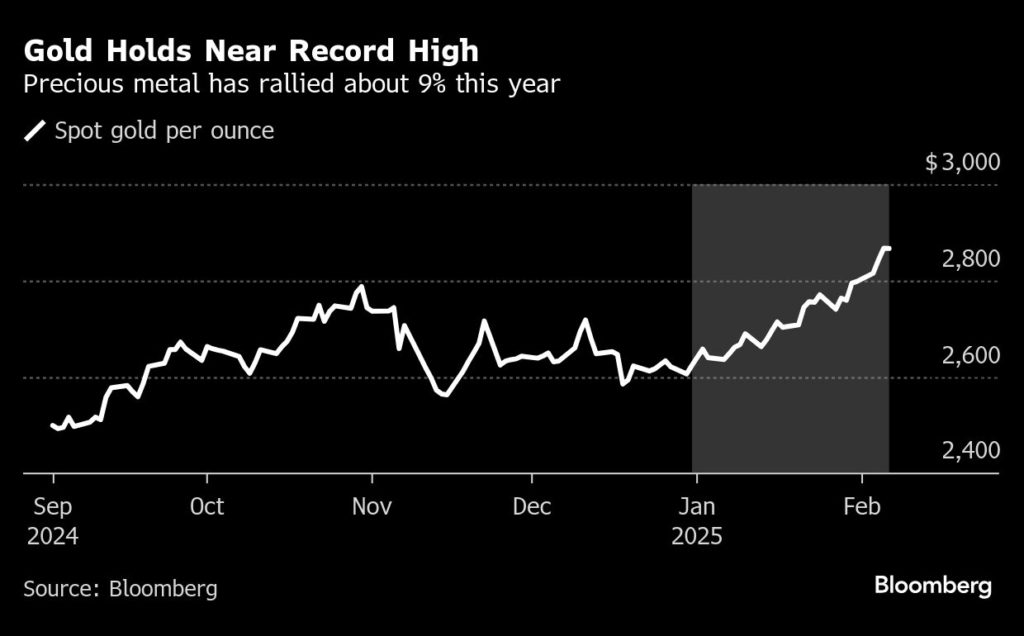
Citigroup Inc. expects gold prices to hit a record $3,000 an ounce within three months, with geopolitical tensions and trade wars stoked by US President Donald Trump boosting demand for safe-haven assets.


Trump jolted markets with the prospect of tariffs that could slow economic growth, reignite inflation and disrupt global commerce. Investors will continue to seek bullion’s security and central banks are likely to keep building out their reserves, analysts including Kenny Hu wrote in a report.

“The gold bull market looks set to continue under Trump 2.0,” the Citi analysts said, citing risks such as slower growth and high interest rates.

Gold hit successive records in the past few days as concerns about the tug of war between the US and China, as well as the possibility Trump will impose duties on other nations, support bullion’s role as a store of value in uncertain times.


Citi upgraded its three-month price target for gold from $2,800 an ounce, which the precious metal has already surpassed. Spot gold slipped as much as 1.2% to $2,834.26 an ounce on Thursday.

The bank also said that an appreciating US dollar will increase the incentive for central banks from emerging economies to boost gold holdings in order to support their own currencies, while investors will turn both to physical gold and exchange-traded funds.

Trade-war fears have also led dealers in London to shift metal to the US, fearing the possibility that bullion won’t be excluded from potential tariffs. Premiums as of Wednesday implied a roughly 20% chance of Trump including gold in a 10% blanket global tariff, Citi said.


“A Russia/Ukraine peace deal, and confirmation of whether gold would be exempt from broad tariffs (or not), could provide a buying opportunity over the next 2-3 months,” the Citi analysts said.

The bank raised its average price target for the year by $100 to $2,900 an ounce, while leaving its 6 to 12 month price target of $3,000 unchanged.

Silver and palladium edged lower, while platinum rose. The Bloomberg Dollar Spot Index was little changed.

Bullion rose earlier in the week after President Donald Trump said the US could take over Gaza, a comment that his aides sought to tone down, and that he wants to start working on a new nuclear deal with Iran. Washington is also expected to present a plan to end Russia’s war on Ukraine next week.

(By Jack Ryan)

Russians’ hunt to shield savings pushes gold purchases to record

Bloomberg News | February 5, 2025 |


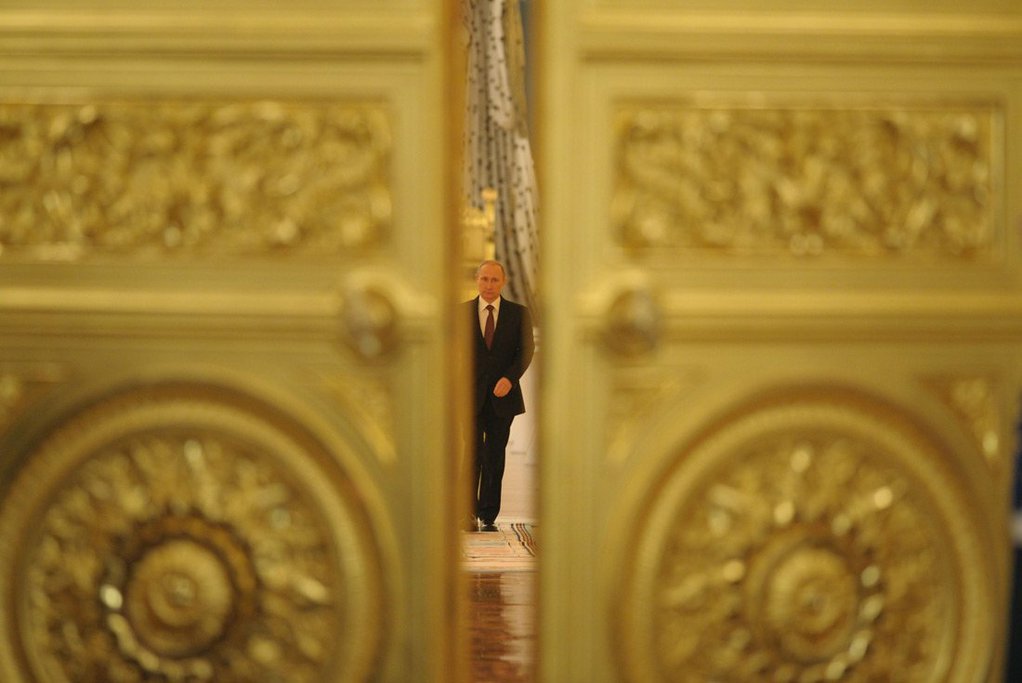
(Image from Vladimir Putin’s website)

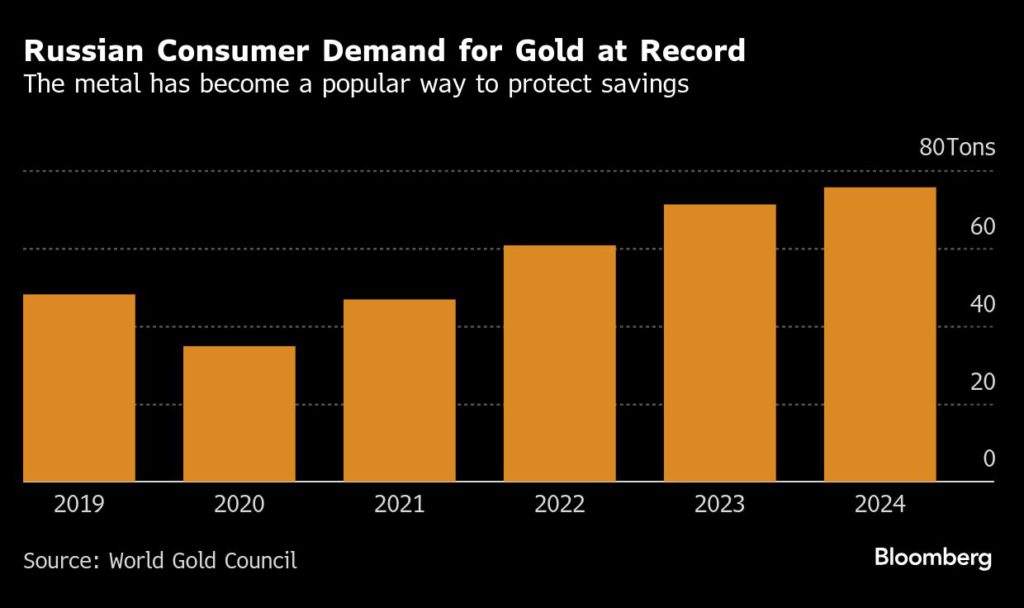
Russians bought a record amount of gold last year as they sought to protect their savings amid sanctions, obtaining the equivalent of about a fourth of the country’s annual output.


Consumers purchased 75.6 metric tons (2.7 million ounces) of the yellow metal in bullion, coins and jewelery in 2024, the fifth biggest figure among all nations, according to World Gold Council data published Wednesday. That’s an increase of 6% on the previous year and more than 60% since President Vladimir Putin ordered his troops into Ukraine almost three years ago.


Russia is the world’s second-biggest gold producer, mining over 300 tons of the precious metal a year. Since the invasion of Ukraine, Russian gold has been shunned in the West, with flows to trading hubs like London and New York drying up. Russia’s central bank, once the biggest gold buyer globally, also hasn’t resumed purchases at significant volumes.

Retail gold demand shifted upward after the Kremlin’s invasion of Ukraine as Russians started to find alternative ways of securing their savings instead of traditional investments in dollars or euros. Western sanctions last year intensified cross-border payment difficulties and led to some foreign currency shortages, while the ruble also fell to historic lows.

To spur gold sales, Russia canceled value-added tax on retail purchases of the metal right after the invasion following more than a decade of discussing such a move.

Gold price hits fresh record on haven demand

Bloomberg News | February 5, 2025 


Gold’s hot run continues. Stock image.

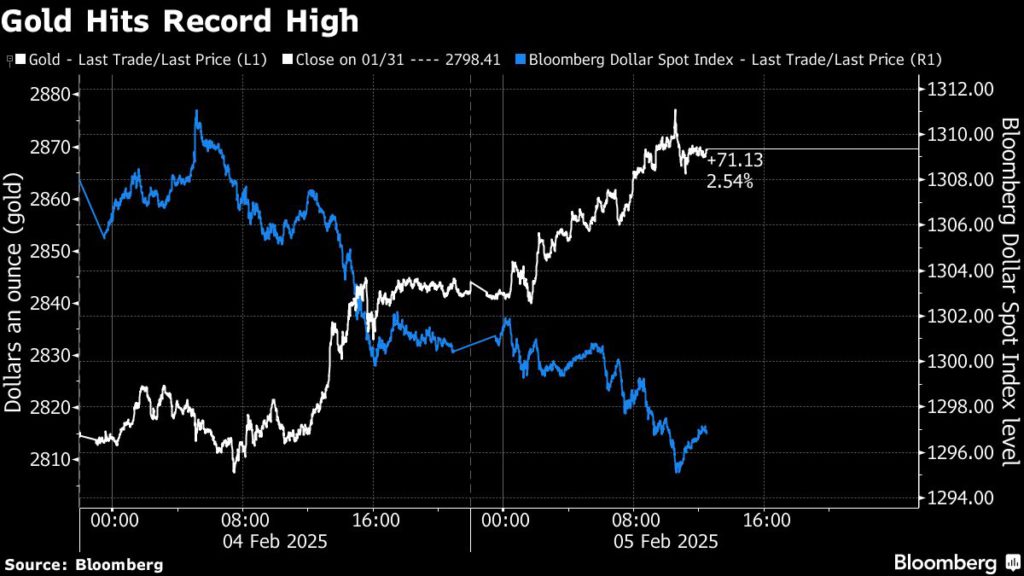
Gold pared gains from a new all-time high, as trade-war worries bolstered haven demand and there were continued signs of short-term tightness in the market.


Bullion rallied as much as 1.4% to exceed $2,882.36 an ounce before paring some gains after Bloomberg reported that US allies expect President Donald Trump’s administration to present a long-awaited plan to end Russia’s war on Ukraine at the Munich Security Conference in Germany next week.


Bullion prices still held at elevated levels, supported by concerns about the fallout of trade wars, particularly between the US and China. Markets are also waiting to see if there are any ripple effects for US monetary policy if tariffs reignite inflation.

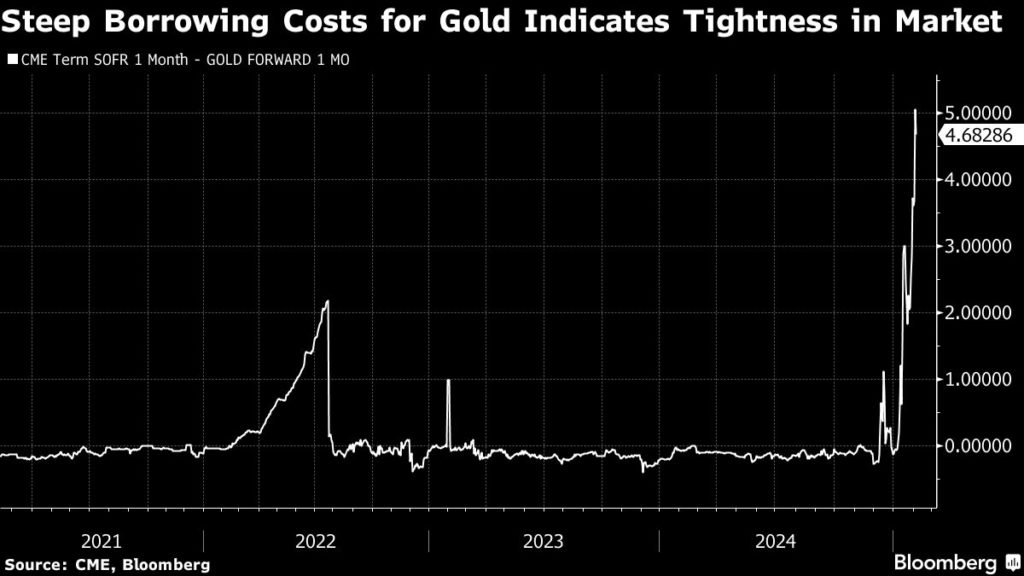
There are indications of increased demand for gold as major dealers seek to shift metal to the US before any tariffs are imposed. One month so-called lease rates in London have jumped to about 4.7%, far above previous levels of close to zero. The rate reflects the return that holders of bullion in London’s vaults can get by loaning their metal out to other buyers on a short-term basis.


Bloomberg last week reported that the rush for gold has led to weekslong queues to withdraw bullion from the Bank of England — where many central banks around the world hold reserves — to deposit with private banks. Gold has also been flowing into depositories of New York’s Comex exchange.

That has added to tightness in the market, according to Rhona O’Connell, head of market analysis for EMEA and Asia at StoneX Group Inc.

The typical 400-ounce bars that are traded in London aren’t suited for the Comex market, where traders must deliver 100-ounce or kilobars, but they can be refined in places like Switzerland.

“Metal is still going into Comex warehouses and elsewhere in the States,” said O’Connell. Authorities could possibly even intervene by lending out gold if the situation became drastic enough, she said.

“If it gets much tighter or threatens to become disorderly I would not be surprised if the official sector injected liquidity, because one thing that central banks won’t tolerate is a disorderly gold market.”


The dollar extended losses, following a US jobs report on Tuesday that pointed to a gradual slowdown in the labor market. A weaker greenback makes commodities like gold cheaper for most buyers.

Spot gold gained 1% to $2,873.69 an ounce as of 12:40 p.m. in New York. Silver, platinum and palladium also rose.

(By Sybilla Gross and Jack Ryan)


Column: Trump or BRICS? The quandary for Africa’s miners and governments


Reuters | February 5, 2025 |


US President Donald Trump. Credit: Gage Skidmore, Wikimedia Commons, licensed under the Creative Commons Attribution-Share Alike 2.0 Generic license.

Beyond the short-term volatility and uncertainty created by US President Donald Trump’s tariff machinations, it’s likely that the longer-term trend of the world splitting into two trading blocs is accelerating.


Stripping away Trump’s bluster and often contradictory actions, the message seems to be fairly clear. Trump’s view of the world is that you are either with the United States or against it


That presents a dilemma for Africa’s mineral rich countries as they want to develop their resources to provide them with the maximum benefit, but they also want to stay largely neutral.

But it’s increasingly likely that at some level African countries will have to decide whether they are more in the Trump camp, or whether they prefer to do business with the China-led BRICS group.

There are risks and rewards under both scenarios, and the circumstances of each African country may cause to lean one way or another.

Much of the debate at this weeks Investing in African Mining Conference in Cape Town has effectively been about the best path forward for Africa’s miners and governments.

The continent is already a major producer of minerals, but it’s untapped reserves are the major prize in coming decades, especially if the energy transition accelerates.

Africa is richly endowed, with an estimated 20% of global copper reserves, about the same for aluminum raw materials, 50% of manganese and cobalt, 90% of platinum group metals, 36% of chromium, as well as reserves of lithium, uranium, gold and rare earths.

But developing its mineral resources has been often too challenging, given political instability and corruption, poor infrastructure, lack of capital and legal frameworks that make long-term investments hard to justify.

However, the increasing appetite of the world for minerals, especially to enable the energy transition, is likely to set off a new scramble for Africa, this time Africans will have more say in how it unfolds.

Finding the right partners is the challenge for African countries.

On the one hand the Western world still offers deep capital reserves, sophisticated equity markets and investors and skills and experience in mining and engineering.

But Trump is undermining these advantages with his tariffs and threats to withhold aid and other funding, as well as his habit of turning on traditional allies and flip-flopping policies.

The main issue with Trump is his apparent transactional view of the world, in which there must always be a winner and a loser, and he always wants to be the winner.

This means getting a mutually beneficial deal from the United States is going to be more difficult while Trump is in office.

Not beggars

It was perhaps this frustration that boiled over in the remarks at the Investing in African Mining event, on Monday when South Africa’s Resources Minister Gwede Mantashe said Africa should withhold minerals from the United States if Trump cuts aid.

“If they don’t give us money, let’s not give them minerals. We are not just beggars,” Mantashe told the conference, which is also known as Mining Indaba.

“We cannot continue to debate these minerals based on the dictates of some developed nations as if we have no aspirations to accelerate Africa’s industrialization and close the development deficit,” Mantashe said.

These comments may be unwise in that they may serve to antagonize Trump, but they may also sharpen some thinking in the West on how best to get access to Africa’s minerals.

Should Africa be looking more toward China and the rest of the BRICS nations, as the best option to unlock its mineral wealth?

The experience here has been somewhat mixed. While China has been willing to develop mines in Africa, it tends to want to do it mainly using its own people and processes, and it wants to export raw ores and beneficiate them in China.

This has limited the benefits to African countries, but there may be an option to use legislation to copy what Indonesia has done in forcing companies to commit to domestic downstream operations as part of access to raw materials.

(The views expressed here are those of the author, Clyde Russell, a columnist for Reuters.)

(Editing by Kim Coghill)
Savannah suspends some lithium prospecting in Portugal after injunction

Reuters | February 6, 2025 | 

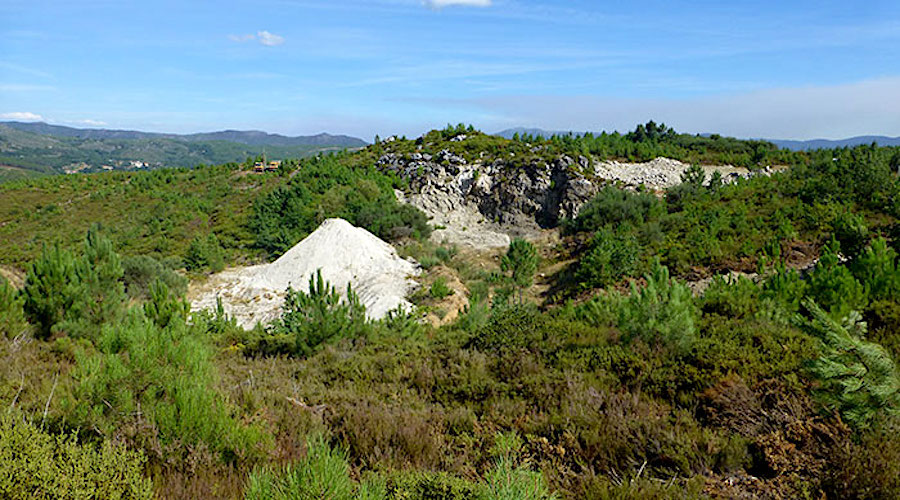
The Mina do Barroso project is set to be Europe’s first significant producer of spodumene. 
(Image courtesy of Savannah Resources.)


London-based Savannah Resources has suspended prospecting works at some sites of its lithium project in northern Portugal due to a precautionary injunction filed in a court by some landowners, the company said on Thursday.


The injunction only covers land that is not owned by the company.

Savannah said in a statement it was notified by the Mirandela Administrative Court of the injunction, which aims to reverse the government’s authorization in December for the company to access land belonging to others to do more prospecting.

“We were expecting it and we accepted it as normal … teams on the ground have already temporarily stopped the work they have been doing for the last two months,” it said.

The company has said Barroso’s spodumene deposit is the most significant in Europe and the latest prospecting results point to a larger deposit than the previously estimated 28 million metric tons of high-grade lithium for batteries. It plans to start commercial output in 2027.

It requires around 840 hectares for its four-mine project, but Savannah has just a fraction of that.

Private owners hold around 24% of the land needed, while 75% is made up of communal land.

Savannah was granted access to over 520 hectares of land, which it does not own, for a year.

The project has put the European Union’s ambition to reduce dependence on countries such as China for strategic raw materials to the test as it faces opposition from local residents and environmentalists.

“With serenity, we will treat this process like the many others already attempted by the same opposition group, and we hope to return to work quickly,” Savannah said.

(By Sergio Goncalves; Editing by Mark Potter)
Philippine lawmakers to approve bill to ban ore exports

Bloomberg News | February 6, 2025 | 

Manila, Philippines. Stock image.

The Philippine Congress could ratify a bill banning raw mineral exports as soon as June, the Senate leader said on Thursday, a plan that investors warn could lead to mine closures.


Congress is on a break after this week and sessions resume in June, but Senate President Francis Escudero hopes there would be a bicameral committee meeting with members from both the Senate and the House of Representatives to tackle the bill. “I’m hoping it will be done during the break so we can ratify it when sessions resume,” Escudero said in a briefing.


The bill aims to ban exports of raw ore in a bid to boost the downstream mining industry. It seeks to impose the ban five years after the law is signed to give miners time to build processing plants.

“If this is done, I believe this will be a game changer for our country if we will have processing finally here,” said Escudero, who authored the bill which the Senate passed on third and final reading on Monday. Previous efforts in Congress to introduce a ban in 2016 and 2014 failed due to lack of support.

The Philippines is the world’s second-largest nickel ore supplier with bulk of its shipments going to top market China. The government has been pushing miners to invest in processing facilities instead of just shipping out raw ore, hoping to replicate No. 1 nickel supplier Indonesia’s success in boosting mining revenue.

Indonesia’s ban on exports of metal ore in 2020 boosted the value of its nickel exports from $3 billion to $30 billion in two years as Chinese companies built refineries and smelters there. The Philippines can follow Indonesia’s lead, according to Escudero, an example of a resource-rich country pushing for more value from its minerals.

“Mineral-wise, the Philippines is a rich country pretending to be poor,” the senator said. Less than 3% of 9 million hectares (22 million acres) of land identified by the government as containing high mineral reserves is currently being mined.

The Chamber of Mines of the Philippines and the Philippine Nickel Industry Association said the proposed export ban “will lead to mine closures” that will “reduce government revenues and economic activities in mining communities.”

“The proposal will cause massive disruptions to existing supply chains; many mining companies have long-term contracts and established supply chains with international buyers,” they said in a statement.

(By Cliff Venzon and Neil Jerome Morales)

CRIMINAL CAPITALI$M

Suspended Exxaro CEO resigns following allegations

Bloomberg News | February 6, 2025 | 

Nombasa Tsengwa, CEO of Exxaro. Credit: Exxaro Resources via LinkedIn
HER OUTFIT BLENDS IN WITH THE CHAIR APOLSTERY 

The suspended chief executive officer of South African coal producer Exxaro Resources Ltd. resigned over the handling of a probe into allegations over her conduct.


Nombasa Tsengwa submitted her resignation in a Feb. 5 letter seen by Bloomberg News. The company accepted her move and will start an expedited process to appoint a new CEO, chairman Geoffrey Qhena said in a statement Thursday, adding that Finance Director Riaan Koppeschaar will remain as acting chief.

The company had placed her on precautionary suspension over claims related to “workplace conduct and governance practice” and appointed law firm ENS to undertake an independent investigation, it said in December.

In addition to accusations of bullying, Tsengwa received a charge sheet that accused her of conflict of interest and breaches of duty of good faith, she said in the letter.

The way the investigation was conducted and questioning at ENS offices “demonstrate that there is a predetermined outcome, which I refuse to subject myself further to,” she wrote.

Tsengwa took over as Exxaro’s first woman CEO in August 2022 after heading its coal business. The Minerals Council of South Africa elected her as its president in June.

The resignation comes as Exxaro looks to further diversify away from coal. After a failed attempt to buy a copper mine, the company is considering investing in manganese. It has discussed the potential acquisition of the Tshipi Borwa mine, people familiar with the matter said in December.

(By Paul Burkhardt and Loni Prinsloo)
Mining Indaba: From crime to catalyst – artisanal miners demand reform
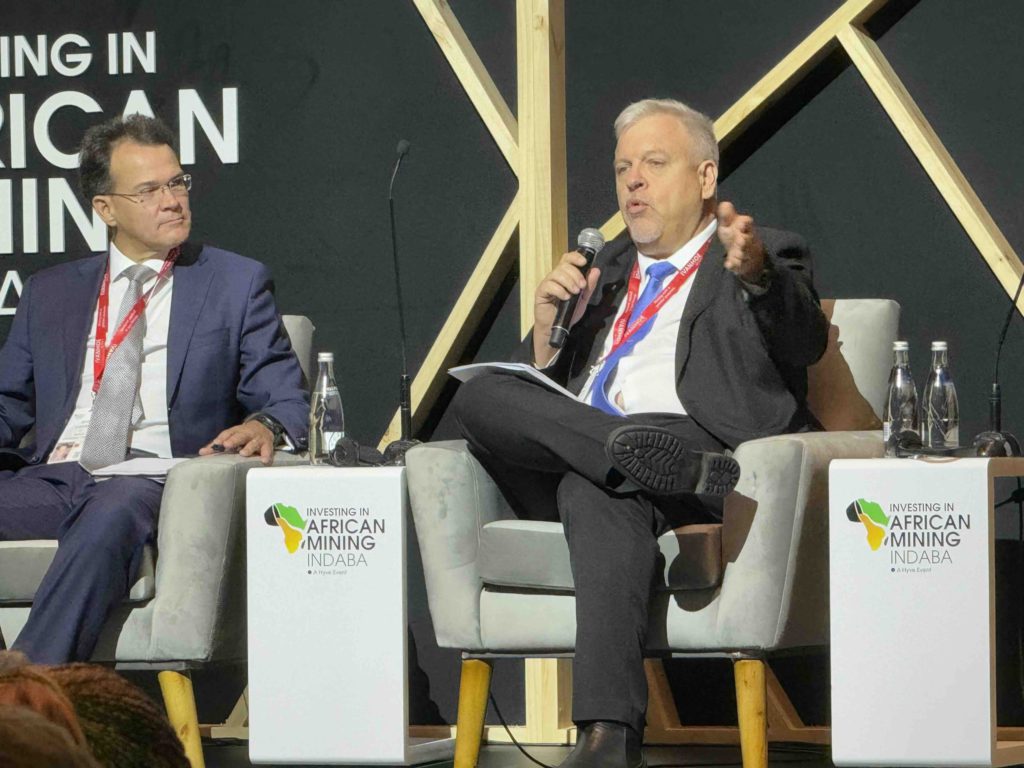

Rio-Tinto’s Werner Duvenhage, right, makes a point with Sean Gilbertson, CEO of Gemfields. Credit: Henry Lazenby

More can be done to transform artisanal and small‐scale mining (ASM) into a safe, transparent, investment-ready sector, according to an industry conference in Cape Town.


But experts warn that curbing endemic corruption comes first, the Investing in African Mining Indaba heard on Tuesday. Formalizing ASM and enforcing anti-corruption measures are two sides of the same coin.

“It’s about moving from crime to investing in a legitimate sector,” David Sturmes-Verbreek of global sustainability organization The Impact Facility said during a panel. It was considering what needs to change to harness the full potential of ASM.

Record-high gold prices attract more than 45 million informal miners across 80 countries to support families totalling 270 million people, according to Sturmes-Verbreek.

Corruption, lack of development and criminal gangs contribute to the rising trend throughout Africa, Central and South America and Asia. Some producers, such as Aris Mining (TSX: ARIS; NYSE-AM: ARMN), are trying to incorporate artisanal miners into the formal sector, but an uneasy relationship exists in most places where mines and the slums they attract interact.

By the numbers

The World Bank has chronicled 368 projects since 1980 to aid artisanal miners at a cost of nearly US$1 billion, with the bank contributing about a third, according to Rachel Perks, a senior mining specialist at the Washington-based institution.

In gold mining, ASM’s share of global supply surged from 4% in the 1990s to 20% today, while for cobalt it climbed from 5% to over 12%.

In South Africa last month, 78 gold diggers died in an underground rescue effort. The illegal miners, locally referred to as zamazama, were among hundreds that authorities had controversially locked in the mine, trying to root out criminal gangs and prevent a wider disaster.

Perks says regulated ASM reduces risks and environmental harm. It also opens big opportunities for wealth and rural development.

“By strengthening regulatory frameworks and ensuring government-led oversight, the sector can transform into a well-governed, investment-ready engine of sustainable development,” she said.

‘Professionalization’

Titus Sauerwein from the European Partnership for Responsible Minerals (EPRM) said pilot projects have shown ASM’s benefits. He warned that scaling these pilots will need sustained public and private investment and decisive government oversight.

In Zimbabwe, formalization transformed the life of Faith Mutete, the founder and CEO of Women in Mining Zimbabwe, who started mining at 15. She went on to earn a doctorate in public health in 2018. She says training and certification programs let her shift from informal work to a recognized profession in a country with 535,000 small-scale miners, 10% of whom are women.

“Professionalization changed my life,” Mutete told the conference.

Another success story is Kenyan entrepreneur Lawrence Ndago, the executive director of Multiflow Geoconsult and Services. He founded the firm dedicated to small-scale mining. Treating ASM as a business, not a nuisance, attracts investment for sustainable growth. His firm restructures ASM operations to reduce risk and boost profits. It also curbs illegal practices.

“When we operate like businesses, we can attract investment and create safe, lasting livelihoods for our communities,” he said.
Fighting corruption

Another panel contemplating why it’s difficult for miners to talk about and address corruption pointed out that ethical practices and anti-corruption measures were fundamental to improvements. The session was framed by the conviction of Singapore-based multinational commodities company Trafigura’s COO for corruption last week.

Werner Duvenhage, managing director of Rio Tinto’s (NYSE: RIO; LSE: RIO; ASX: RIO) Iron Titanium Africa unit, says that corruption taints every stage of mining. He urged companies to enforce strict ethical standards along every link in their supply chains.

“If your partners do not live by the same values, your project becomes compromised,” he said.

Ian Cameron from the Democratic Alliance, South Africa’s main opposition party, said the recent escape of a mining kingpin at Buffelsfontein mine shows how weak rules help criminals. They’re able to extort communities and promote bribery.

“Without a robust anti-extortion plan, criminal syndicates will continue to thrive,” he said in a Jan. 19 statement.
Doing better

If government, industry and communities unite under robust, enforceable frameworks, even entrenched problems like unsafe working conditions and corruption can be tackled, according to Mark Robinson. The executive director of Extractive Industries Transparency Initiative (EITI) gave examples of successful reform.

Ghana’s digital licensing system had exposed corruption last year, EITI said in a December news release. Meanwhile, Indonesia’s disclosure of ownership data flagged suspicious practices and stopped revenue leaks, Robinson said.

In Zambia, the ‘G-factor’ scoring system calculates the government’s share of mining revenue. It does this by dividing collected taxes, royalties and state income by total mine revenue. These metrics help hold the industry accountable, he said. They show what mineral value percentage reaches government coffers.
Minerals Council

Recent progress in South Africa’s broader mining sector offers a powerful lesson for ASM reform. The Minerals Council South Africa’s Zero Harm report, released Tuesday, shows that health and safety interventions reduced fatalities by 91% over three decades. They fell to 42 from 484 in 1994.

Last year, the industry reported 42 fatalities, down 24% from 55. Injuries fell to 1,841, a 16% drop from 2023. There were also fewer cases of occupational diseases. Injuries have fallen by 78% from 8,347 in 1994.

The EPRM’s Sauerwein says the industry has a unique opportunity to transform ASM from a high-risk, corruption-riddled activity into a catalyst for sustainable development.

“When governments, industry and communities stand together under strict ethical standards, we build not just mines, but futures,” Sauerwein said.
Trump says Japan’s Nippon Steel will invest in US Steel, not buy it

Reuters | February 7, 2025 | 

Donald Trump, 47th President of the United States. Credit: Wikimedia Commons

U.S. President Donald Trump said on Friday Japan’s Nippon Steel 5401.T will not buy U.S. Steel and would instead invest in the company, which would dramatically reshape the $15 billion merger bid that had been in negotiation for more than a year.


Trump did not give additional details. U.S. Steel did not immediately respond to a request for comment, while Nippon Steel declined comment.

Nippon Steel “is going to be doing something very exciting about U.S. Steel,” Trump said with Japanese Prime Minister Shigeru Ishiba by his side at the White House. “They’ll be looking at an investment rather than a purchase.”

The U.S. president mistakenly referred to Nippon Steel as “Nissan,” the Japanese automaker, during his remarks, a White House official said.

It was unclear what the details of the investment would be, but Trump said he would meet with the head of Nippon Steel next week and he would be involved “to mediate and arbitrate.”

Last year, Trump said “I am totally against the once great and powerful U.S. Steel being bought by a foreign company, in this case Nippon Steel of Japan.”

During separate remarks on Friday, Trump told reporters he hasn’t changed his mind on his opposition to the deal.

A $14.9 billion bid for U.S. Steel by Nippon Steel was blocked last month, by former President Joe Biden.

On Thursday, Trump met U.S. Steel Chief Executive David Burritt at the White House to discuss the deal, which is opposed by the United Steelworkers union.

The proposed merger became highly politicized ahead of November’s U.S. presidential election, with both Biden and Trump pledging to kill it. Nippon Steel put forth a series of concessions to try to sway public opinion in favor of the deal.

U.S. Steel shares ended down about 6% on Friday.

(Reporting by Trevor Hunnicutt, Nandita Bose, Alexandra Alper and Kanishka Singh in Washington; Editing by Anna Driver)


US Steel bid matches Trump goals, Nippon Steel says, no certainty deal will close


Reuters | February 6, 2025 | 


Credit: US Steel

Nippon Steel, Japan’s biggest steelmaker, said on Thursday its proposed acquisition of US Steel fits with President Donald Trump’s goal of a stronger United States as the leaders of the two allies prepared to meet.


Nippon Steel’s bid for US Steel, key to the Japanese company’s global expansion plan, was blocked last month by then-US President Joe Biden, citing national security. Together with US Steel, it filed a number of lawsuits challenging Biden’s decision.

The merger became highly politicized ahead of the November US presidential election, with both Democrat Biden and Republican Trump pledging to kill it off as they wooed voters in the swing state of Pennsylvania where US Steel is headquartered.

Nevertheless the bid “contributes to Trump’s goals of promoting US investment, creating US jobs, and strengthening US manufacturing through new investment and advanced technology transfer,” Nippon Steel said in a statement, while adding there was no guarantee that the transaction would be closed.

Cleveland-Cliffs teams up with Nucor in potential US Steel bid – report

“We are convinced that our acquisition plan is the best proposal for US Steel, and I hope that the (Japan Prime Minister Shigeru) Ishiba-Trump meeting will convey that to Trump and open the way for a deal,” Takahiro Mori, Nippon Steel’s vice chairman, told reporters on Thursday.

“If Trump fully understands that, I believe he might reconsider his position,” Mori said.

Trump and Ishiba are expected to meet at the White House on Friday. Mori said he visited the US last week but declined to say whether he met any members of Trump’s administration.

With the proposed deal, the world’s No.4 steelmaker would be aiming to boost its global crude steel output capacity to more than 100 million metric tons in the longer term.

Aside from the US where it is already present, Nippon Steel wants to expand further in India and Southeast Asia, where it expects demand for steel to grow and where some nations have tariff protection measures in place to limit imports, including from China.

Nippon Steel said on Thursday its April-December net profit dropped 18% to 362 billion yen ($2.4 billion) amid sluggish steel demand in Japan and overseas.

“Increases in exports due to the expanded structural supply/demand gap in China continues to cause global spreads weakness,” Nippon Steel said. “In Japan, while the pressure by imported materials is high, sluggish demand for steel is becoming more serious than expected.”

Nippon Steel also said it planned to sell all 10.7 million shares it holds in Kobe Steel, with the latter expected to do the same with the 6.7 million Nippon Steel shares it owns.

($1 = 152.4600 yen)

(By Katya Golubkova and Yuka Obayashi; Editing by Himani Sarkar, Muralikumar Anantharaman and Kate Mayberry)

Tungsten miner says clients in shock as China chokes supply

Bloomberg News | February 6, 2025 


The phone has been ringing off the hook for Lewis Black after China imposed export controls on tungsten, a niche metal mined by his firm that’s crucial to weapons manufacturing.


The chief executive officer of North America’s Almonty Industries Inc. said his customers are in a “state of disbelief” following Beijing’s move on Tuesday, one of a suite of measures announced as a riposte to tariffs placed on Chinese goods by the Trump administration.

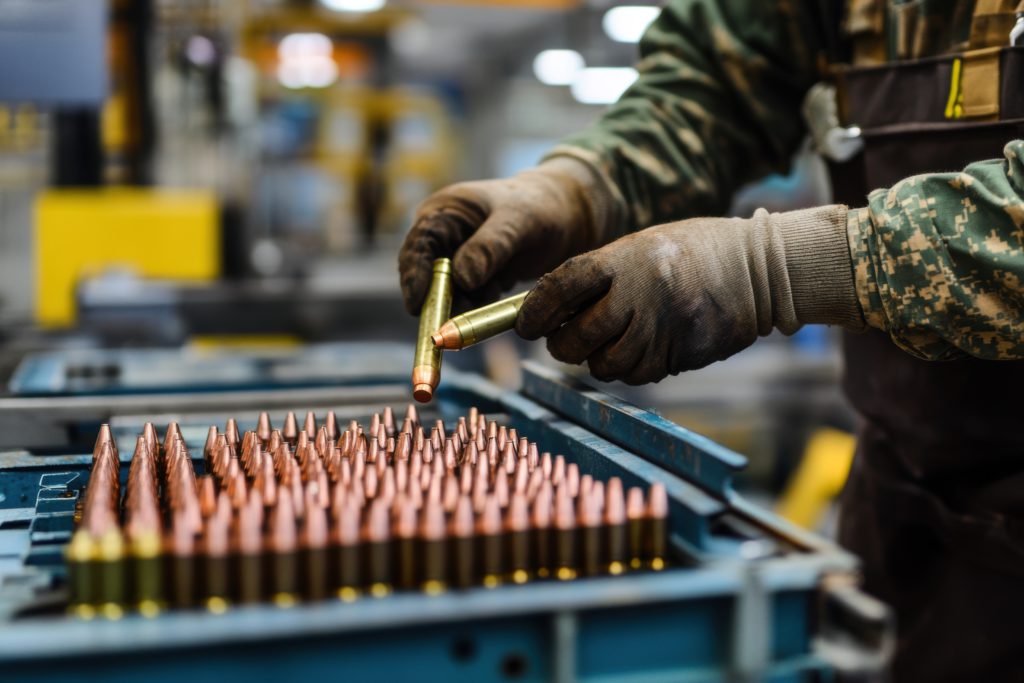
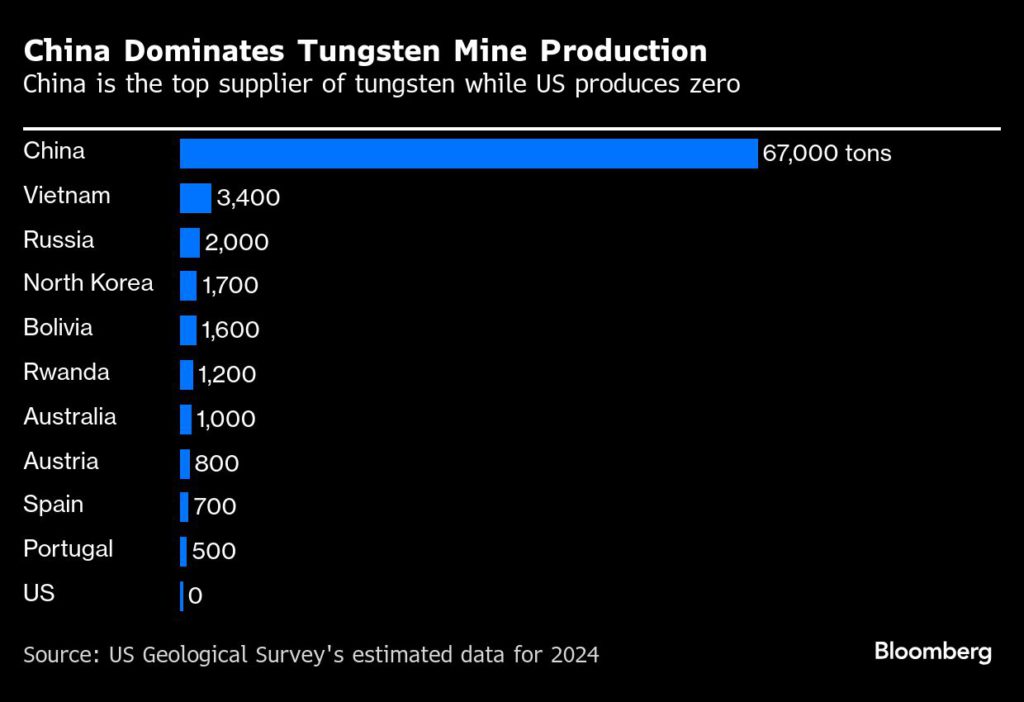
China accounts for about 80% of the world’s tungsten output, and there are concerns the government could add measures around tungsten scrap that would further constrict its availability. Almonty’s stock in Toronto has soared 41% over the last two days as investors price in scarcer supply of the super-dense material used in armor-piercing munitions, as well for engine parts and chip making.

“It’s the warning shot, because we cannot exist without it,” Black said in a phone interview from his base in New York on Thursday. “Our economy, manufacturing, defense, everything, is so dependent on it. And yet, Russia, China and North Korea have about 90% of the output.”


China has banned imports of tungsten scrap for a number of years, citing environmental concerns over how it’s processed. If it were to lift the embargo, it could suck in more supply and limit what’s left for other countries. That would create “a situation where it’s very difficult for my customers to compete with China,” said Black.

“The question is, how much will China tighten the screw to be heard?” he said. “I think the news was bad, but I think it’s going to get worse.”

The tungsten market is valued at roughly $5 billion, making it a relatively niche market compared with other major metals, such as copper at more than $200 billion, according to Bloomberg calculations.


China is the world’s biggest importer of the most heavily traded commodities like crude oil, soybeans and iron ore, leaving critical minerals as one of the few areas where its dominance over supply give it leverage. Its latest export controls affect four other minerals in addition to tungsten that have applications in high-tech industries.

Beijing’s willingness in recent years to impose trade restrictions on critical minerals has forced companies in the US and its allies to seek alternatives to Chinese output. Almonty, which has operations in Portugal, is currently switching its domicile from Canada to the US. The firm is focused on expanding in South Korea, where it’s set to open a new mine in about two months that should in its first phase yield 2,500 tons of tungsten a year.

In the US, tungsten hasn’t been mined commercially since 2015 and the nation has counted China as its biggest source of imports. Guardian Metal Resources Plc is developing a mine in Nevada and recently acquired another asset nearby. According to CEO Oliver Friesen, the Pilot Mountain project is expected to come online in three to three and a half years.

“It’s such a critical time right now, and really the US needs a domestic source,” Friesen said in an interview, adding that things could speed up if there are potential further tailwinds from the Trump administration. “We do believe we are in a strong position ultimately, at some point, to receive some type of funding to support the developments of our projects.”

China has already put export restrictions on gallium, germanium and antimony. That pushed up prices of the niche metals — which have crucial uses in many Western industries — and analysts also expect a similar price trend in the relatively small and concentrated market for tungsten.

“International prices should rise on that,” said Huang Yuting, an analyst at Mysteel Global, adding that while China consumes most of its tungsten output, exports have gone to countries such as Germany and Japan.

(By Annie Lee)
Trudeau tells CEOs Trump wants to annex Canada for critical minerals

Bloomberg News | February 7, 2025 |


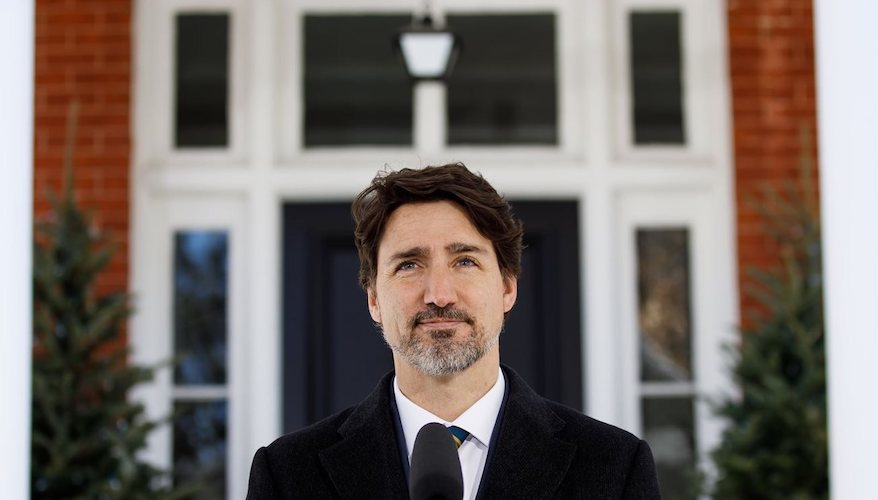
Justin Trudeau. (Image courtesy of Trudeau’s press team).

Canadian Prime Minister Justin Trudeau told executives gathered at an economic summit on Friday that he believes US President Donald Trump’s desire to annex the northern nation “is a real thing” due to its abundance of critical minerals.


Trudeau made the remarks to dozens of business leaders and policymakers gathered in Toronto to discuss how Canada can diversify trade away from the US given Trump’s tariff threats. The comments were confirmed by a senior government official who asked not to be identified discussing the closed-door meeting.

Since his election in November, Trump has repeatedly said Canada could avoid tariffs by becoming the 51st state. While the Trudeau government initially brushed off the comment as a joke, the jab took on a more menacing tone after Trump pledged in January to use “economic force” to compel the union and dismissed the border as an “artificially drawn line.”

Canada is rich in nearly three dozen critical minerals that are essential to modern technology, including mobile phones, electric vehicle batteries and defense applications. The country’s Natural Resources Minister Jonathan Wilkinson was in Washington, DC, this week, urging the US to partner with Canada on mining projects to erode China’s dominance in the sector.

The Toronto Star first reported on Trudeau’s remarks, which were made after media were asked to leave the room. “They’re very aware of our resources, of what we have and they very much want to be able to benefit from those,” Trudeau said in response to a question, according to the Star. “But Mr. Trump has it in mind that one of the easiest ways of doing that is absorbing our country. And it is a real thing.”


Canada is rich in nearly three dozen critical minerals that are essential to modern technology

Other political leaders in Canada have also said they are taking Trump’s annexation remarks seriously. British Columbia Premier David Eby said Monday that Trump is deploying a deliberate strategy to “destroy Canada’s economy” and drive it into becoming the 51st state. Federal New Democratic Party Leader Jagmeet Singh also views the sovereignty threat as real.

Trump signed an order Feb. 1 to put 25% tariffs on most of what Canada and Mexico sell to the US, upending the countries’ longstanding trade agreement. Trudeau’s government responded by pledging similar levies.

On Monday, the two countries agreed to delay the tariffs for 30 days. But the threat of a broader trade war remains, as one of Trump’s first executive orders after inauguration asked officials to investigate and report back on the state of US trade relationships by April 1.

“If those tariffs do end up coming in or the investigation into commerce tariffs that is scheduled for April moves forward, we need to be ready to respond robustly,” Trudeau said in public remarks at the economic summit, adding the country faces “what may be a more challenging long-term political situation with the United States.”

Executives attending Friday’s event included Kingsdale Advisors Chair Wes Hall, Linamar Corp. Executive Chair Linda Hasenfratz and Peter Tertzakian, an energy economist who is the founder of the ARC Energy Research Institute.

The summit, at a former brickworks factory-turned meeting space, underscores a broader concern in Canada that the country needs to urgently shift trade patterns and forge new international relationships in response to Trump’s policies.

“It should have happened 20 years ago, but the one thing that nobody in that room downstairs can build is a time machine. So we’re starting right now,” Flavio Volpe, president of the Automotive Parts Manufacturers’ Association, said on the sidelines of the summit.

Volpe said his industry, which supplies auto parts to the likes of Stellantis NV, General Motors Co. and others at assembly plants in Canada and the US, is unlikely to be able to diversify exports to Asia or Europe. Still, he said other industries should make a push to trade “east-west” rather than only shipping goods to the US.

“The best business case is always north-south,” he said, but shifting 5% to 10% of Canada’s exports to other markets is a way for the country to “get a win out of efforts like this.”

Transport Minister Anita Anand agreed.

“We have to make sure that we are trading with multiple partners in multiple locations,” she said. “Canada is the only G-7 country that has a free trade agreement with every other G-7 country.”


(By Geoffrey Morgan and Laura Dhillon Kane)