Tuesday, February 11, 2025


What happens to a school that refuses to obey the new Trump, Trans ban?


February 11, 2025

WASHINGTON — President Donald Trump’s recent executive order prohibiting transgender athletes from competing on women’s sports teams consistent with their gender identity raises complex questions about enforcement mechanisms and consequences for schools that do not comply.

The executive order, part of Trump’s broader anti-trans agenda, rescinds federal funds from “educational programs” if schools fail to adhere to the ban.

The administration is asking federal agencies to interpret Title IX — a federal civil rights law barring schools that receive federal funding from practicing sex-based discrimination — in a way that complies with the order.

“The war on women’s sports is over,” Trump said at a crowded Feb. 5 executive order signing ceremony in the White House.

“We’re putting every school receiving taxpayer dollars on notice that if you let men take over women’s sports teams or invade your locker rooms, you will be investigated for violations of Title IX and risk your federal funding — there will be no federal funding,” he said.

The order asks the secretary of Education to “take all appropriate action to affirmatively protect all-female athletic opportunities and all-female locker rooms” — going beyond just women’s sports teams and including locker rooms used for physical education classes.

Trump’s effort also came as an increasing number of states have passed laws banning trans students from participating in sports that align with their gender identity.

At least half of all states have enacted a law that bans trans students from taking part in sports that align with their gender identity, according to the Movement Advancement Project, an independent think tank.

Many others, led by both Democrats and Republicans, have not taken that step.

The Human Rights Campaign, an LGBTQ+ advocacy group, has noted that there has been “considerable disinformation and misinformation about what the inclusion of transgender youth in sports entails” and that trans students’ sports participation “has been a non-issue; many states, athletic organizations, and governing bodies successfully balanced fairness, inclusion, and access to play without any problem.”

‘Extremely broad’

But lawyers and Title IX experts told States Newsroom it remains to be seen how exactly schools across the country will enforce the executive order and how the administration would rescind federal funds for any schools failing to adhere.

Shiwali Patel, a Title IX expert and senior director of safe and inclusive schools at the National Women’s Law Center, said the “blatantly discriminatory” order is “extremely broad” and raises “a lot of questions.”

“It touches educational institutions, it touches international competitions, it touches immigration of trans women athletes, it calls for these convenings, it calls for state attorneys general to identify some enforcement mechanisms,” Patel said.

The order asks the assistant to the president for domestic policy to bring together state attorneys general to “identify best practices” in enforcing the ban.

The assistant is also responsible for bringing together “representatives of major athletic organizations and governing bodies” to promote such policies regarding trans athletes’ participation in women’s sports.

Elana Redfield, a lawyer and federal policy director at the Williams Institute at the University of California, Los Angeles School of Law, which focuses on laws and policies affecting LGBTQ+ people, pointed out that the executive order “contains kind of broad language, including addressing locker rooms.”

“So, it suggests that any kind of space … for example, PE classes or locker rooms for use in elementary and high school, middle schools as well — those kinds of spaces would be affected,” she said.

Kelli Rodriguez, assistant dean for academic affairs at Seattle University School of Law, said it’s going to be “really confusing for a while” and “a lot of waiting and seeing.”

Rodriguez, who is also the director of sports law at Seattle University School of Law, said “the one thing that’s different is that the executive order calls for, potentially, ramifications or punitive actions if institutions don’t comply.”

“I don’t know what that means yet, I think that’s one of the things that’s kind of outstanding — we’ll see what that means from an enforcement standpoint,” she said, noting that she thinks many schools right now are “very anxious” for what exactly those punitive actions would look like when it comes to federal funding.

Rodriguez also said she expects to see state attorneys general, individual athletes, parents of athletes and institutions challenge the executive order.

Breaking down Title IX


Redfield noted that Title IX is a spending clause type of legislation, which “gives the federal government enforcement power by giving grants to agencies, and then withholding those grants if the law is violated.”

“The Trump administration is sort of referencing things that are out there as a way to try to provide support for their position on the definition and meaning of Title IX, but ultimately, this is going to probably be decided by Congress or a court or both,” she added.

The House passed a measure in January that would bar trans students from participating on women’s school sports teams consistent with their gender identity.

The legislation would also amend Title IX so that “sex shall be recognized based solely on a person’s reproductive biology and genetics at birth.”

A similar measure from last session was reintroduced in the Senate in January, but the effort would likely need the backing of at least 60 senators to advance past the filibuster.
New investigations

Meanwhile, shortly after Trump signed the executive order, the Education Department announced investigations into two universities and an athletic association where they say “violations of Title IX have been reported.” Those under investigation include: San Jose State University in California; the University of Pennsylvania in Philadelphia; and the Massachusetts Interscholastic Athletic Association.

Following the executive order, the NCAA also announced last week that the organization would update its transgender student-athlete participation policy to limit “competition in women’s sports to student-athletes assigned female at birth only.”

Last updated 5:10 p.m., Feb. 10, 2025

Ohio Capital Journal is part of States Newsroom, a nonprofit news network supported by grants and a coalition of donors as a 501c(3) public charity. Ohio Capital Journal maintains editorial independence. Contact Editor David Dewitt for questions: info@ohiocapitaljournal.com.


The price of your favorite treat faces an existential threat


Photo by Etty Fidele on Unsplash
February 10, 2025

Valentine’s Day often conjures images of chocolates and romance. But the crop behind this indulgence faces an existential threat.

Regions like northeastern Brazil, one of the world’s notable cocoa-producing areas, are grappling with increasing aridity – a slow, yet unrelenting drying of the land. Cocoa is made from the beans of the cacao tree, which thrives in humid climates. The crop is struggling in these drying regions, and so are the farmers who grow it.

This is not just Brazil’s story. Across West Africa, where 70% of the world’s cacao is grown, and in the Americas and Southeast Asia, shifting moisture levels threaten the delicate balance required for production. These regions, home to vibrant ecosystems and global breadbaskets that feed the world, are on the frontlines of aridity’s slow but relentless advance
.
A farmer in Colombia holds a cacao pod, which holds the key ingredients for chocolate.©2017CIAT/NeilPalmer, CC BY-NC-SA

Over the past 30 years, more than three-quarters of the Earth’s landmass has become drier. A recent report I helped coordinate for the United Nations Convention to Combat Desertification found that drylands now cover 41% of global land, an area that expanded by nearly 1.7 million square miles (4.3 million square kilometers) over those three decades — about half the size of Australia.

This creeping dryness is not just a climate phenomenon. It’s a long-term transformation that may be irreversible and that carries devastating consequences for ecosystems, agriculture and livelihoods worldwide.
What causes aridity?

Aridity, while often thought of as purely a climate phenomenon, is the result of a complex interplay among human-driven factors. These include greenhouse gas emissions, land use practices and the degradation of critical natural resources, such as soil and biodiversity.

These interconnected forces have been accelerating the transformation of once-productive landscapes into increasingly arid regions, with consequences that ripple across ecosystems and economies.

Greenhouse gas emissions: A global catalyst


Human-induced climate change is the primary driver of rising aridity.


Greenhouse gas emissions, particularly from fossil fuel combustion and deforestation, increase global temperatures. Rising temperatures, in turn, cause moisture to evaporate at a faster rate. This heightened evaporation reduces soil and plant moisture, exacerbating water scarcity – even in regions with moderate rainfall.

Aridity began accelerating globally in the 1950s, and the world has seen a pronounced shift over the past three decades.

This process is particularly stark in regions already prone to dryness, such as Africa’s Sahel region and the Mediterranean. In these areas, reduced precipitation – combined with increased evaporation – creates a feedback loop: Drier soils absorb less heat, leaving the atmosphere warmer and intensifying arid conditions.


The number of people living in dryland regions has been rising in each region in recent years. Years 1971-2020. Scales vary.UNCCD

Unsustainable land use practices: A hidden accelerator

Aridity is also affected by how people use and manage land.


Unsustainable agricultural practices, overgrazing and deforestation strip soils of their protective vegetation cover, leaving them vulnerable to erosion. Industrial farming techniques often prioritize short-term yields over long-term sustainability, depleting nutrients and organic matter essential for healthy soils.

For example, in cocoa-producing regions like northeastern Brazil, deforestation to make room for agriculture disrupts local water cycles and exposes soils to degradation. Without vegetation to anchor it, topsoil – critical for plant growth – washes away during rainfall or is blown away by winds, taking with it vital nutrients.

These changes create a vicious cycle: Degraded soils also hold less water and lead to more runoff, reducing the land’s ability to recover.


Aridity can affect the ability to grow many crops. Large parts of the country of Chad, shown here, have drying lands.United Nations Chad, CC BY-NC-SA


The soil-biodiversity connection

Soil, often overlooked in discussions of climate resilience, plays a critical role in mitigating aridity.


Healthy soils act as reservoirs, storing water and nutrients that plants depend on. They also support biodiversity below and above ground. A single teaspoon of soil contains billions of microorganisms that help cycle nutrients and maintain ecological balance.

However, as soils degrade under aridity and mismanagement, this biodiversity diminishes. Microbial communities, essential for nutrient cycling and plant health, decline. When soils become compacted and lose organic matter, the land’s ability to retain water diminishes, making it even more susceptible to drying out.

In short, the loss of soil health creates cascading effects that undermine ecosystems, agricultural productivity and food security.
Global hot spots: Looming food security crises

Cocoa is just one crop affected by the encroachment of rising aridity.

Other key agricultural zones, including the breadbaskets of the world, are also at risk. In the Mediterranean, Africa’s Sahel and parts of the U.S. West, aridity already undermines farming and biodiversity.

By 2100, up to 5 billion people could live in drylands – nearly double the current population in these areas, due to both population growth and expansion of drylands as the planet warms. This puts immense pressure on food systems. It can also accelerate migration as declining agricultural productivity, water scarcity and worsening living conditions force rural populations to move in search of opportunities.


A map shows average aridity for 1981-2010. Computer simulations estimate that greenhouse gas emissions from human activities caused a 1.2% larger increase in the four types of dry regions combined for the periods between 1850 and 1981–2010 than simulations with only solar and volcanic effects considered. 
 UNCCD

Aridity’s ripple effects also extend far beyond agriculture. Ecosystems, already strained by deforestation and pollution, are stressed as water resources dwindle. Wildlife migrates or dies, and plant species adapted to moister conditions can’t survive. The Sahel’s delicate grasslands, for instance, are rapidly giving way to desert shrubs.

On a global scale, economic losses linked to aridification are staggering. In Africa, rising aridity contributed to a 12% drop in gross domestic product from 1990 to 2015. Sandstorms and dust storms, wildfires and water scarcity further burden governments, exacerbating poverty and health crises in the most affected regions.


The path forward

Aridity is not inevitable, nor are its effects completely irreversible. But coordinated global efforts are essential to curb its progression.

Countries can work together to restore degraded lands by protecting and restoring ecosystems, improving soil health and encouraging sustainable farming methods.

Communities can manage water more efficiently through rainwater harvesting and advanced irrigation systems that optimize water use. Governments can reduce the drivers of climate change by investing in renewable energy.

Continued international collaboration, including working with businesses, can help share technologies to make these actions more effective and available worldwide.

So, as you savor chocolate this Valentine’s Day, remember the fragile ecosystems behind it. The price of cocoa in early 2025 was near its all-time high, due in part to dry conditions in Africa. Without urgent action to address aridity, this scenario may become more common, and cocoa – and the sweet concoctions derived from it – may well become a rare luxury.

Collective action against aridity isn’t just about saving chocolate – it’s about preserving the planet’s capacity to sustain life.

Narcisa Pricope, Professor of Geography and Land Systems Science and Associate Vice President for Research, Mississippi State University

This article is republished from The Conversation under a Creative Commons license. Read the original article.
Memory-holing Jan. 6: What happens when you try to make history vanish?


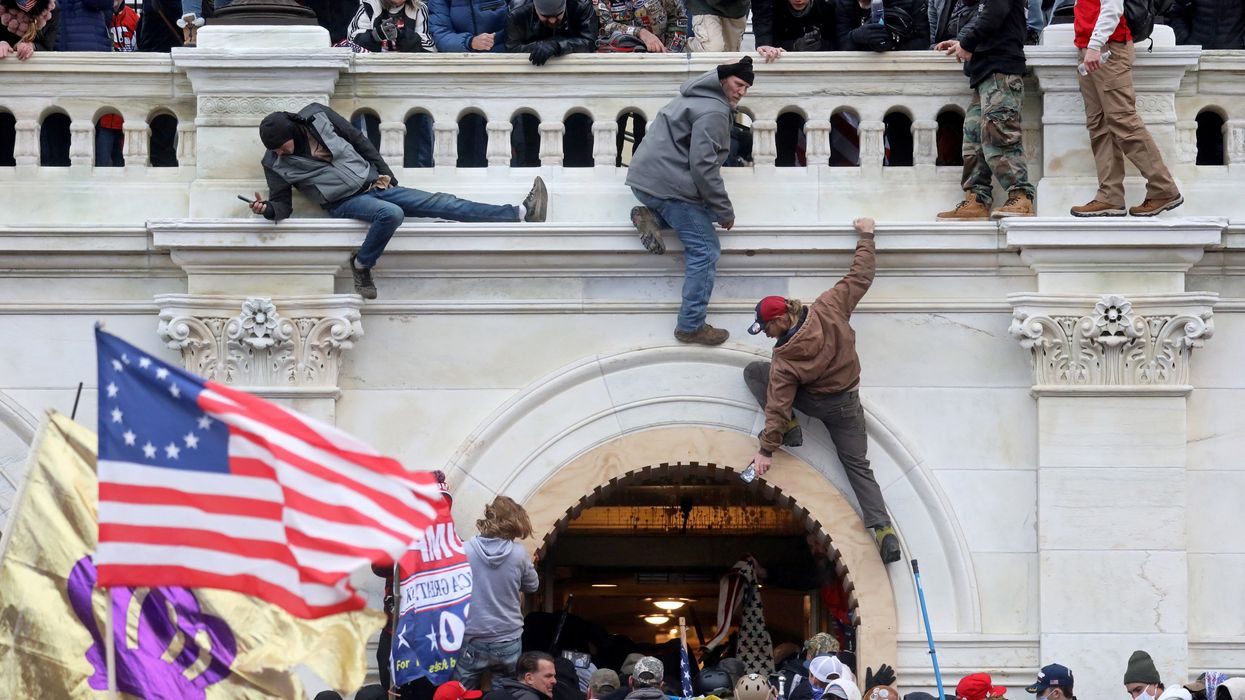
REUTERS/Leah Millis/File Photo
A mob of supporters of U.S. President Donald Trump fight with members of law enforcement at a door they broke open as they storm the U.S. Capitol Building in Washington, U.S., January 6, 2021. Picture taken January 6, 2021.
February 06, 2025

On Jan. 10, the U.S. Department of Justice released a 123-page report on the 1921 racial massacre in Tulsa, Oklahoma, which claimed several hundred lives and left the thriving Black neighborhood of Greenwood in smoldering ruins. The department’s investigation determined that the attack was “so systematic and coordinated that it transcended mere mob violence.” While it conceded that “no avenue of prosecution now exists for these crimes,” the department hailed the findings as the “federal government’s first thorough reckoning with this devastating event,” which “officially acknowledges, illuminates, and preserves for history the horrible ordeals of the massacre’s victims.”

“Until this day, the Justice Department has not spoken publicly about the race massacre or officially accounted for the horrific events that transpired in Tulsa,” said Kristen Clarke, the assistant attorney general for civil rights, in announcing the report. “This report breaks that silence through a rigorous examination and a full accounting of one of the darkest episodes of our nation’s past. This report reflects our commitment to the pursuit of justice and truth, even in the face of insurmountable obstacles.”

Only two weeks later, the department took a strikingly different action regarding the historical record of a violent riot: It removed from its website the searchable database of all cases stemming from the Jan. 6, 2021, assault on the Capitol that were prosecuted by the U.S. attorney for the District of Columbia.

These jarringly discordant actions were, of course, separated by a transfer of power: the inauguration of President Donald Trump, who swiftly moved to issue pardons, commute prison sentences and request case dismissals for all of the 1,500-plus people charged with crimes on Jan. 6, including seditious conspiracy and assaulting police officers. That sweeping clemency order — “Fuck it, release ’em all,” Trump said, according to Axios — prompted a wave of outrage, and criticism even from some Republicans. “I’ve always said that when you pardon people who attack police officers, you’re sending the wrong signal to the public at large,” said South Carolina Sen. Lindsey Graham.

The removal of the database happened more quietly, but it is worthy of notice in its own right. It signals the Trump administration’s intention to not only spare the president’s supporters any further consequences for their role in the riot, but to erase the event from the record — to cast it into the fog of confusion and forgetting in which the Greenwood massacre had existed for so long.

As some have noted, this push to whitewash recent history carries a disconcerting echo of countless autocratic regimes, from the Chinese Communist Party’s memory-holing of the Tiananmen Square massacre to the Argentine military junta’s “disappearing” of dissidents in the 1970s. It comes at the same time as the administration is also seeking to whitewash the teaching of American history, more generally: Trump issued an executive order on Jan. 29 titled “Ending Radical Indoctrination in K-12 Schooling” that threatens to withhold federal funds from schools that teach that the country is “fundamentally racist, sexist or otherwise discriminatory” and instructs the government to “prioritize federal resources, consistent with applicable law, to promote patriotic education.” One wonders: Would teaching the Tulsa massacre be allowed?

But the removal of the database is troubling for another reason, too: It undermines our ability to consider the events of Jan. 6 in all their complexity and particularity.

I was made aware of that complexity when I spent several days after the riot immersing myself in the more than 500 smartphone videos that participants had shared on the Parler social-media app, for an essay accompanying ProPublica’s compilation of the video trove. What struck me perhaps more than anything else about the videos was the sheer diversity of the motivations, profiles and actions that they put on display. Yes, seen from afar, the mob seemed to assume the unity of purpose of a single, organized mass bent on destruction.

But seen in the close-up of the videos, heterogeneity emerged. There were young women with puffy jackets and pompom hats, middle-aged women who could have been coming straight from a business lunch, young men furtively removing their black tactical gear under the cover of a tree to pull on red MAGA sweatshirts to pass as mere Trump supporters. There were people viciously attacking police officers and denigrating them (“You should be ashamed, fucking pansies”), others pleading with them not to (“Do not throw shit at the police!” “Do not hurt the cops!”) and still others thanking the cops who were arriving on the scene (“Back the blue! We love you!”). There were people smashing in windows and others decrying them for doing so (“Oh, God no. Stop! Stop!” “What the fuck is wrong with him?” “He’s Antifa!”) There were people who, in a matter of moments, swung from being pitchfork-carrying marauders to wide-eyed tourists, as they deferentially asked a Capitol police officer for directions or swung their cameras up to capture the inside of the dome. (“This is the state Capitol,” an awestruck man says to his young female companion.)

This was the great, necessary undertaking of the four-year effort by the Department of Justice: to draw distinctions for the sake of allocating individual accountability. By poring over countless such videos and other evidence, investigators zeroed in on the hundreds of people who could be identified as engaging in and instigating the most violence. There was Daniel Rodriguez, who could be seen on camera driving a stun gun into the neck of Officer Michael Fanone; he was sentenced to more than 12 years. There was Thomas Webster, a former New York City police officer and member of the Marine Corps who swung a metal flagpole at an officer; he got 10 years. There was Peter Schwartz, a Pennsylvania welder who attacked the police with a chair and chemical spray; he got 14 years.

Inevitably, some of the outcomes were ripe for second-guessing. Kerstin Kohlenberg, the former U.S. correspondent for Germany’s Die Zeit newspaper, reported recently on the case of Stephen Randolph, a 34-year-old Kentucky man who received an eight-year sentence for his role in pushing over one of the metal security barriers on the Capitol grounds, injuring a police officer in the process; others in the same group received much milder sentences. Trump and his allies could have chosen to comb through cases and pardon only the defendants who they could argue had been painted with too broad a brush.

But that’s not what Trump did. Instead, he himself took up the broadest brush possible and wiped it all clear. In doing so, he let the defendants off the hook. But in another sense, with the mass pardon and deletion of the database, he deprived all of the Jan. 6 participants of individual agency, of individuality, period. In a sense, he rendered them just what the most ardent castigation on the other side had cast them as from the outset: a mindless mob.

As chance has it, at the end of Trump’s first week in office, I was in Tulsa. I went to the Greenwood Rising museum, which tells the story of the rise of the neighborhood and its sudden destruction. It is a powerful presentation despite the dearth of documentation of the violence: snatches of oral history from survivors play over a video simulation of gunfire and arson; before and after photos capture the near-total obliteration of the neighborhood’s prospering commercial core by first the attack and later urban renewal.

One of the museum’s central preoccupations is the attempt by Tulsa authorities and leading white denizens to downplay the massacre, by framing it as a “Negro uprising”; only a couple decades afterward, the museum notes, many in Tulsa were barely aware it happened at all. This cover-up came with lasting consequences for Greenwood survivors, who were denied insurance claims for their destroyed homes, not to mention any form of civic restitution.

Even now, many Black residents of Tulsa are left wondering why the reckoning represented by the Department of Justice investigation is not joined by substantive reparations of any sort. The last two living survivors of the massacre, Lessie Benningfield Randle and Viola Fletcher, said in a statement responding to the report, “The DOJ confirms the government’s role in the slaughter of our Greenwood neighbors but refuses to hold the institutions accountable under federal law.” Still, they said, “We are relieved to see one of the biggest coverups in American history come crashing down.”

And now, back in Washington, the federal government has embarked on an entirely new cover-up of another day of enormous violence. The erasure will not be nearly as successful this time around. There are, after all, all those videos, which live on ProPublica’s website, among other places, while much of the deleted database can be found on the Internet Archive’s Wayback Machine. (And ProPublica is one of 10 media organizations that have jointly sued the federal government, seeking to obtain 14,000 hours of Jan. 6 surveillance footage.)

But for the time being, at least, those seeking to preserve the record of one of the darkest days in recent U.S. history will be doing so, like the survivors of Greenwood and other outbursts of violence around the world, in direct opposition to their own government.


Alex Mierjeski and Agnel Philip contributed research.
How a poker game pipe dream became a publishing powerhouse


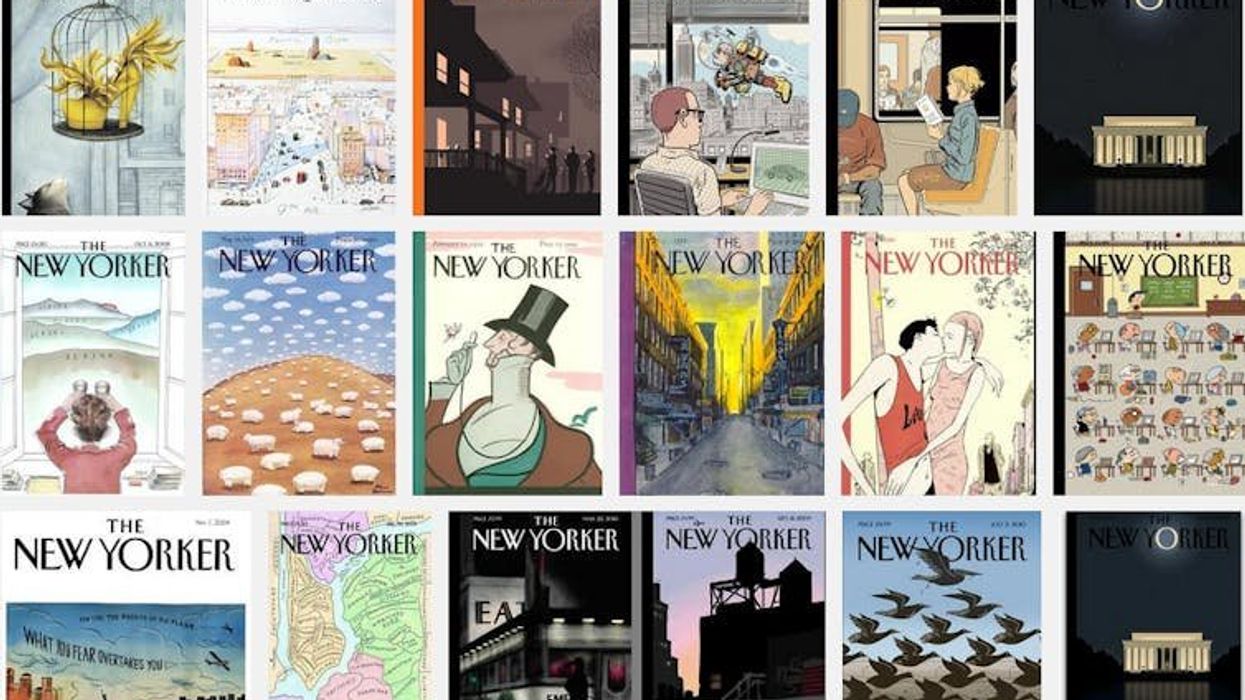
New Yorker expanded the scope of journalism far beyond the standard categories of crime, courts, politics and sports. Design Uncensored

February 11, 2025

Literate in tone, far-reaching in scope, and witty to its bones, The New Yorker brought a new – and much-needed – sophistication to American journalism when it launched 100 years ago this month.

As I researched the history of U.S. journalism for my book “Covering America,” I became fascinated by the magazine’s origin story and the story of its founder, Harold Ross.

In a business full of characters, Ross fit right in. He never graduated from high school. With a gap-toothed smile and bristle-brush hair, he was frequently divorced and plagued by ulcers.

Ross devoted his adult life to one cause: The New Yorker magazine.

For the literati, by the literati

Born in 1892 in Aspen, Colorado, Ross worked out west as a reporter while still a teenager. When the U.S. entered World War I, Ross enlisted. He was sent to southern France, where he quickly deserted from his Army regiment and made his way to Paris, carrying his portable Corona typewriter. He joined up with the brand-new newspaper for soldiers, Stars and Stripes, which was so desperate for anybody with training that Ross was taken on with no questions asked, even though the paper was an official Army operation.


Harold Ross and Jane Grant in 1926.University of Oregon Libraries

In Paris, Ross met a number of writers, including Jane Grant, who had been the first woman to work as a news reporter at The New York Times. She eventually became the first of Ross’ three wives.

After the armistice, Ross headed to New York City and never really left. There, he started meeting other writers, and he soon joined a clique of critics, dramatists and wits who gathered at the Round Table in the Algonquin Hotel on West 44th Street in Manhattan.

Over long and liquid lunches, Ross rubbed shoulders and wisecracked with some of the brightest lights in New York’s literary chandelier. The Round Table also spawned a floating poker game that involved Ross and his eventual financial backer, Raoul Fleischmann, of the famous yeast-making family.

In the mid-1920s, Ross decided to launch a weekly metropolitan magazine. He could see that the magazine business was booming, but he had no intention of copying anything that already existed. He wanted to publish a magazine that spoke directly to him and his friends – young city dwellers who’d spent time in Europe and were bored by the platitudes and predictable features found in most American periodicals.

First, though, Ross had to come up with a business plan.

The kind of smart-set readers Ross wanted were also desirable to Manhattan’s high-end retailers, so they got on board and expressed interest in buying ads. On that basis, Ross’ poker partner Fleischmann was willing to stake him US$25,000 to start – roughly $450,000 in today’s dollars.

Ross goes all in

In the fall of 1924, using an office owned by Fleischmann’s family at 25 West 45th St., Ross got to work on the prospectus for his magazine:
“The New Yorker will be a reflection in word and picture of metropolitan life. It will be human. Its general tenor will be one of gaiety, wit and satire, but it will be more than a jester. It will not be what is commonly called radical or highbrow. It will be what is commonly called sophisticated, in that it will assume a reasonable degree of enlightenment on the part of its readers. It will hate bunk.”

The magazine, he famously added, “is not edited for the old lady in Dubuque.”

In other words, The New Yorker was not going to respond to the news cycle, and it was not going to pander to middle America.

Ross’ only criterion would be whether a story was interesting – with Ross the arbiter of what counted as interesting. He was putting all his chips on the long-shot idea that there were enough people who shared his interests – or could discover that they did – to support a glossy, cheeky, witty weekly.

Ross almost failed. The cover of the first issue of The New Yorker, dated Feb. 21, 1925, carried no portraits of potentates or tycoons, no headlines, no come-ons.

Instead, it featured a watercolor by Ross’ artist friend Rea Irvin of a dandified figure staring intently through a monocle at – of all things! – a butterfly. That image, nicknamed Eustace Tilly, became the magazine’s unoffical emblem.

A magazine finds its footing

Inside that first edition, a reader would find a buffet of jokes and short poems. There was a profile, reviews of plays and books, lots of gossip, and a few ads.

It was not terribly impressive, feeling quite patched together, and at first the magazine struggled. When The New Yorker was just a few months old, Ross almost even lost it entirely one night in a drunken poker game at the home of Pulitzer Prize winner and Round Table regular Herbert Bayard Swope. Ross didn’t make it home until noon the next day, and when he woke, his wife found IOUs in his pockets amounting to nearly $30,000.

Fleischmann, who had been at the card game but left at a decent hour, was furious. Somehow, Ross persuaded Fleischmann to pay off some of his debt and let Ross work off the rest. Just in time, The New Yorker began gaining readers, and more advertisers soon followed. Ross eventually settled up with his financial angel.

A big part of the magazine’s success was Ross’ genius for spotting talent and encouraging them to develop their own voices. One of the founding editor’s key early finds was Katharine S. Angell, who became the magazine’s first fiction editor and a reliable reservoir of good sense. In 1926, Ross brought James Thurber and E.B. White aboard, and they performed a variety of chores: writing “casuals,” which were short satirical essays, cartooning, creating captions for others’ drawings, reporting Talk of the Town pieces and offering commentary.


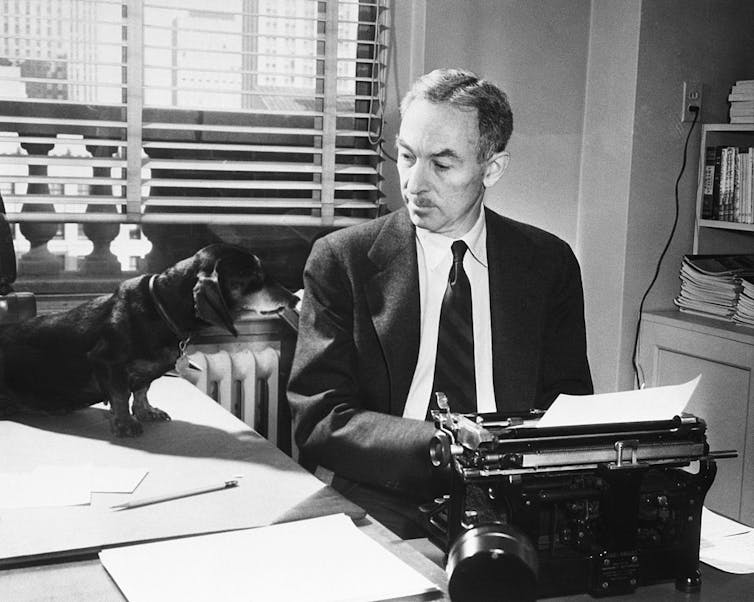
E.B. White in his office at The New Yorker.
Bettmann/Getty Images

As The New Yorker found its footing, the writers and editors began perfecting some of its trademark features: the deep profile, ideally written about someone who was not strictly in the news but who deserved to be better known; long, deeply reported, nonfiction narratives; short stories and poetry; and, of course, the single-panel cartoons and the humor sketches.

Intensely curious and obsessively correct in matters grammatical, Ross would go to any length to ensure accuracy. Writers got their drafts back from Ross covered in penciled queries demanding dates, sources and endless fact-checking. One trademark Ross query was “Who he?”

During the 1930s, while the country was suffering through a relentless economic depression, The New Yorker was sometimes faulted for blithely ignoring the seriousness of the nation’s problems. In the pages of The New Yorker, life was almost always amusing, attractive and fun.

The New Yorker really came into its own, both financially and editorially, during World War II. It finally found its voice, one that was curious, international, searching and, ultimately, quite serious.

Ross also discovered still more writers, such as A.J. Liebling, Mollie Panter-Downes and John Hersey, who was raided from Henry Luce’s Time magazine. Together, they produced some of the best writing of the war, most notably Hersey’s landmark reporting on the use of the first atomic bomb in warfare.

A crown jewel of journalism

Over the past century, The New Yorker had a profound impact on American journalism.

For one thing, Ross created conditions for distinctive voices to be heard. For another, The New Yorker provided encouragement and an outlet for nonacademic authority to flourish; it was a place where all those serious amateurs could write about the Dead Sea Scrolls or geology or medicine or nuclear war with no credentials other than their own ability to observe closely, think clearly and put together a good sentence.

Finally, Ross must be credited with expanding the scope of journalism far beyond standard categories of crime and courts, politics and sports. In the pages of The New Yorker, readers almost never found the same content that they’d come across in other newspapers and magazines.

Instead, readers of The New Yorker might find just about anything else.

Christopher B. Daly, Professor Emeritus of Journalism, Boston University

This article is republished from The Conversation under a Creative Commons license. Read the original article.
DESANTISLAND

Florida has the worst passing rate on national nursing exam in the country


(Gage Skidmore)
Florida Gov. Ron DeSantis speaking with attendees at the 2021 Student Action Summit, hosted by Turning Point USA at the Tampa Convention Center in Tampa, Florida.

February 10, 2025


Florida nursing students are passing the national licensure exam at higher rates than in the past decade, but the rates remain the worst in the country, according to a report published Monday.

The state’s 2024 pass rates for registered nurses and practical nurses to get their licenses (84.9% and 80.78%, respectively) are well under the national average, which was 91.16% for RNs and 88.38% for PNs, according to the annual report from the Florida Center for Nursing.

The gap between the National Council Licensure Examination (NCLEX) Florida scores and the national average are the closest they have been in 10 years, having rebounded after 2020 and 2021, when the gap neared 18%.

Passing the national exam is one of the steps toward becoming a licensed nurse, determining how many people can enter the workforce. Although a higher rate of candidates passed last year, the number who passed remained the same because more people took the tests in 2023. More than 16,000 students passed the exam.

The report focuses on scores of first-time takers.

“We’ve been looking at our test takers in Florida and the length of time from graduation until they take the test, and those that take the test within one to two months have a greater likelihood of being successful on the first attempt compared to those who take the test later,” said Rayna Letourneau, executive director of the Florida Center for Nursing.

Those who took the test a month after graduating had the highest passing rate, 94.32%. More than 800 students took the exam more than a year after finishing their program and their passing rates dwindled to 48.61% at the one-year mark.

Letourneau pointed to the decrease in test-takers from programs that closed or that the Florida Board of Nursing had shut down — 433 students in 2024 compared to 1,051 in 2023.

Florida is investing millions into bolstering the nursing workforce. During last year’s legislative session, then-Senate President Kathleen Passidomo spearheaded legislation increasing Florida’s investment in the health care industry.

For the 2024-2025 fiscal year, the state put $5 million toward grants for nursing programs to increase their capacity. However, only programs with at least a 75% passing rate on the licensure exam can apply for the funds.

Letourneau is scheduled to present the findings of the report to the Florida Senate on Wednesday and the House on Feb. 19. “There’s not a single solution. It really is a complex problem,” Letourneau said.

Florida Phoenix is part of States Newsroom, a nonprofit news network supported by grants and a coalition of donors as a 501c(3) public charity. Florida Phoenix maintains editorial independence. Contact Editor Michael Moline for questions: info@floridaphoenix.com.
How mirror bacteria could conquer life on Earth
February 11, 2025

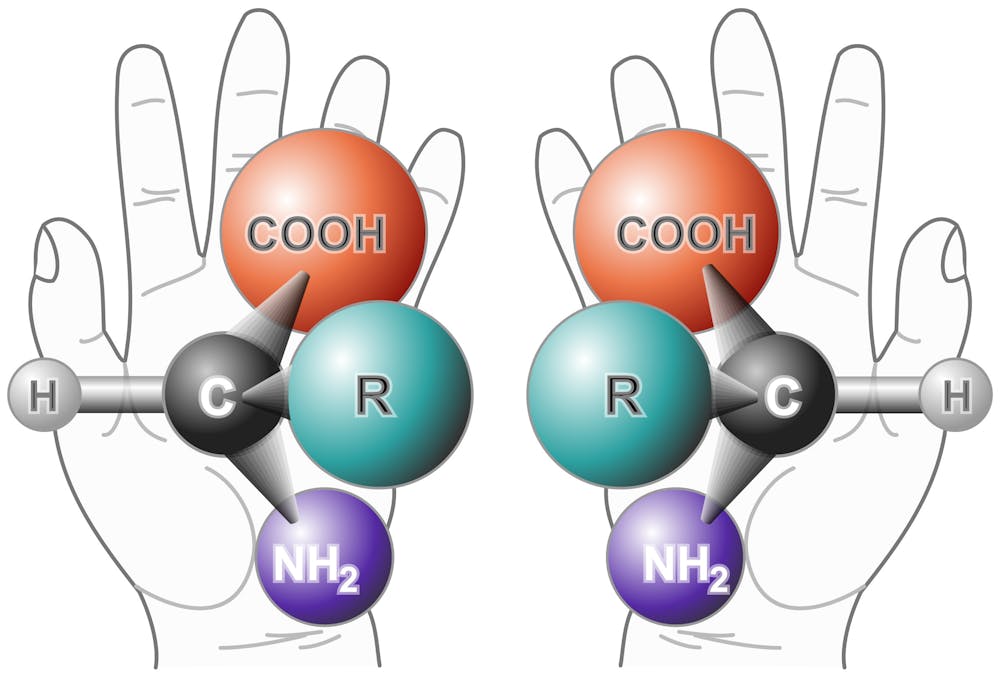
Most major biological molecules, including all proteins, DNA and RNA, point in one direction or another. In other words, they are chiral, or handed. Like how your left glove fits only your left hand and your right glove your right hand, chiral molecules can interact only with other molecules of compatible handedness.

Two chiralities are possible: left and right, formally called L for the Latin laevus and D for dexter. All life on Earth uses L proteins and D sugars. Even Archaea, a large group of microorganisms with unusual chemical compositions, stick to the program on the handedness of the main molecules they use.

For a long time, scientists have been speculating about making biopolymers that would mirror compounds in nature but in the opposite orientation – namely, compounds made of D proteins and L sugars. Recent years have seen some promising advancements, including enzymes that can make mirror RNAs and mirror DNAs.
Chirality refers to something that is not superimposable on its mirror image – like your hands.
NASA

When scientists observed that these mirror molecules behave just like their natural equivalents they considered that it would be possible to make a whole living cell from them. Mirror bacteria in particular had the potential to be a useful basic research tool – possibly allowing scientists to study a new tree of life for the first time and solve many problems in bioengineering and biomedicine.

This so-called mirror life – living cells made from building blocks with an opposite chirality to those that make up natural life – could have very similar properties to natural living cells. They could live in the same environment, compete for resources and behave like you would expect of any living organism. They would be able to evade infection from other predators and immune systems because these opponents wouldn’t be able to recognize them.

These features are why researchers like me were so attracted to mirror life in the first place. But these qualities are also huge bugs of this technology that make it a problem.

I am a synthetic biologist who studies using chemistry to create living cells. I am also a bioengineer who develops tools for the bioeconomy. As a chemist by training, engineering mirror life initially seemed like a fascinating way to answer foundational questions about biology and practically apply those findings to industry and medicine. As I learned more about the immunology and ecology of mirror life, however, I became aware of the potential environmental and health consequences of this technology.

Real concerns about hypothetical mirror life

It’s important to note that researchers are likely at least 10 to 30 years away from creating mirror bacteria. On the timescale of a fast-moving field like synthetic biology, a decade is a very long time. Creating synthetic cells is difficult on its own. Creating mirrored ones would require several technical breakthroughs.

However, it would come with a risk. If mirror cells were released into the environment, they would likely be able to quickly proliferate without much restriction. The natural mechanisms that keep ecosystems in balance, including infection and predation, would not work on mirror life.

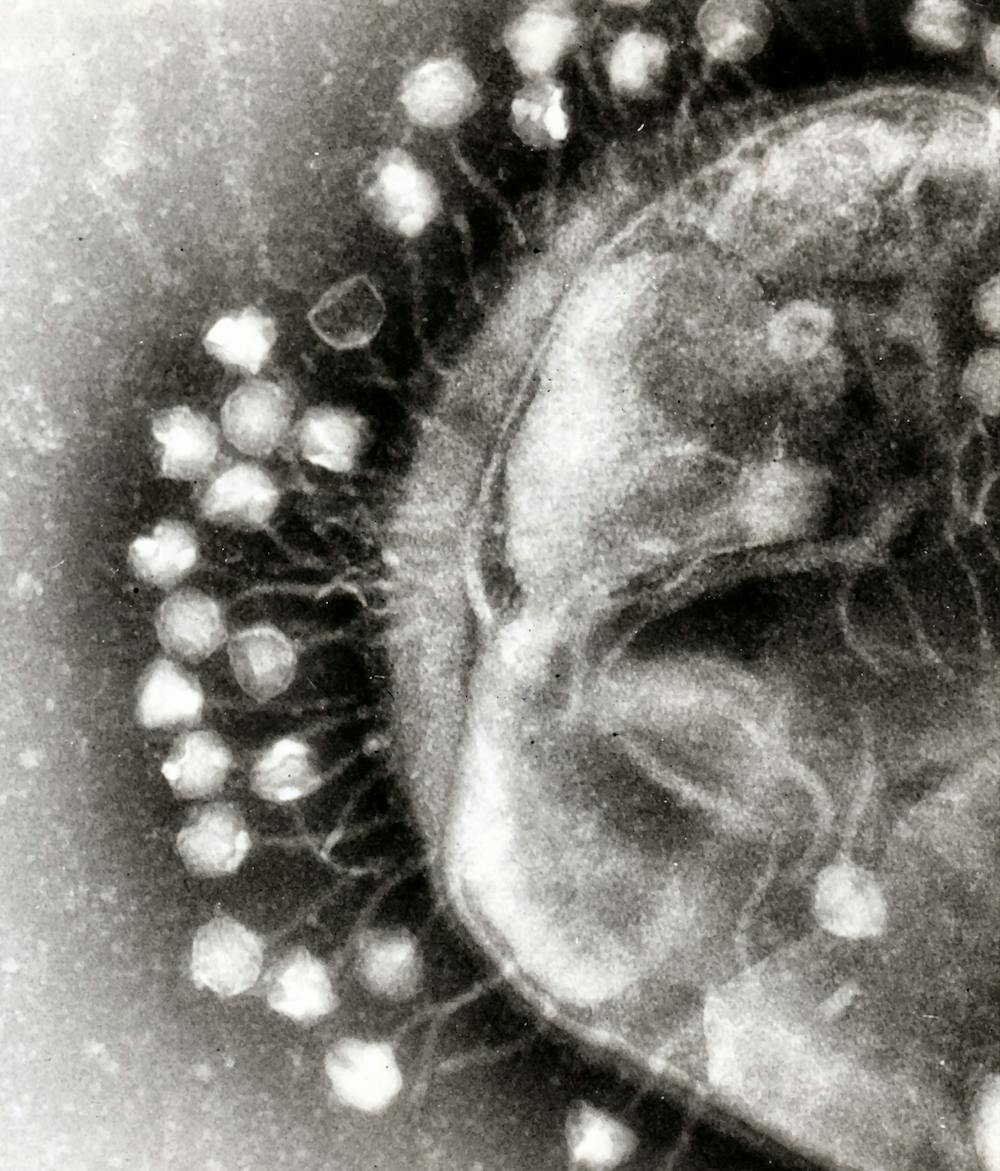
Bacteria, like most life forms, are susceptible to viral infections. These bacterial viruses, or bacteriophages, enter bacteria by binding to their surface receptors and then use their cellular machinery to replicate. But just as a left glove doesn’t fit a right hand, natural bacteriophages wouldn’t recognize mirror cell receptors or be able to use its machinery.

 Mirror life would likely be resistant to viruses

.
Mirror bacteria may be able to evade the bacteriophages that would otherwise help keep them in check. Here, multiple bacteriophages are attached to a bacterial cell wall.
Professor Graham Beards/Wikimedia Commons, CC BY-SA

Microorganisms foraging in the environment also keep bacterial populations in check. They differentiate food from nonfood by using chemical “taste” receptors. Anything those receptors bind to, such as bacteria and organic debris, are considered edible, while things that cannot bind to those receptors, such as rocks, are classified as inedible. Think about how a dog foraging on the kitchen floor will eat a bread roll but only sniff a spoon and move on. Mirror life would be, to the bacterial predators, more like a spoon than bread – predators would “sniff” it with their receptors and move on because these cells can’t bind.

Safety from being eaten would be great news for mirror bacteria, because it would allow it to replicate freely. It would be much worse news to the rest of the ecosystem, because mirror bacteria might hog all the nutrients and spread uncontrollably. Even if mirror bacteria don’t actively attack other organisms, they would still consume food sources other organisms need. And since mirror cells would have much lower death rates than regular organisms due to a lack of predation, they would slowly but surely take over the environment.


Even if mirror cells grow more slowly than normal cells, they would be able to grow without anything stopping them.

Insufficient immunity


Another biological control mechanism that wouldn’t be able to “sniff” out mirror cells is the immune system.

Your immune cells constantly check everything they find in your blood. The decision tree of an immune cell is fairly simple. First, decide whether something is alive or not, then compare it with its database of “self” – your own cells. If it is alive but is not a part of you, then it needs to be killed. Mirror cells likely wouldn’t pass the first step of that screen: it would not induce an immune response because the immune system would not be able to recognize or bind to mirror cell antigens. This means mirror cells could infect an unprecedentedly wide variety of hosts.

You might think an infection from mirror bacteria could be treated with antibiotics of the same handedness. It would probably work, and may even be easier on your gut than regular antibiotic therapy. Because antibiotics are also handed, mirror versions of these drugs would not affect your gut microbiome, just like how regular antibioics would not affect mirror cells.

But humans are a relatively small part of the ecosystem. All other animals and plants may also be susceptible to infection from mirror pathogens. While it is possible to imagine developing mirror antibiotics to treat human infections, it is physically impossible to treat the entire plant and animal world. If all organisms are susceptible to even a slow-moving infection by mirror bacteria, there is no good treatment that could be deployed across the entire ecosystem.

Better safe than sorry

Mirror life is an exciting research subject and a potential tool with some practical applications in medicine and biotechnology. But for many scientists, including me, none of those benefits outweigh the serious consequences to human health and the environment that mirror life poses.

I and a group of researchers in immunology, ecology, biosafety and security – including some who used to actively work on mirror life – conducted a thorough analysis of possible concerns regarding the creation of mirror life. No matter how we looked at it, straight up or in the mirror, the conclusions were clear: The potential benefits of engineering mirror life are not worth the risk.Mirror life is scientifically tantalizing but ethically unwise.

There is no way to make anything completely foolproof, and that includes any safeguards built into a mirror cell that could prevent the risk of accidental or deliberate release into the environment. Researchers working in this space, including us, may find this disappointing. But not making mirror cells can ensure the safety and security of the planet. More discussion among the global scientific community about what kinds of research on mirror biomolecules and related technologies are safe – as well as how to regulate this research – can help safeguard against potential harms.

Keeping mirror cells inside the mirror, rather than making them a physical reality, is the clearest path to staying safe.

Kate Adamala, Assistant Professor of Genetics, Cell Biology and Development, University of Minnesota

This article is republished from The Conversation under a Creative Commons license. Read the original article.
'Diseases of despair': Rural Americans don’t live as long as those in cities


Photo by Zoe Richardson on Unsplash

February 11, 2025

Rural Americans – particularly men – are expected to live significantly shorter, less healthy lives than their urban counterparts, according to our research, recently published in the Journal of Rural Health.

We found that a 60-year-old man living in a rural area is expected on average to live two fewer years than an urban man. For women, the rural-urban gap is six months.

A key reason is worse rates among rural people for smoking, obesity and chronic conditions such as high blood pressure and heart disease. These conditions are condemning millions to disability and shortened lives.

What’s more, these same people live in areas where medical care is evaporating. Living in rural areas, with their relatively sparse populations, often means a shortage of doctors, longer travel distances for medical care and inadequate investments in public health, driven partly by declines in economic opportunities.

Our team arrived at these findings by using a simulation called the Future Elderly Model. With that, we were able to simulate the future life course of Americans currently age 60 living in either an urban or rural area.


The model is based on relationships observed in 20 years of data from the Health and Retirement Study, an ongoing survey that follows people from age 51 through the rest of their lives. Specifically, the model showed how long these Americans might live, the expected quality of their future years, and how certain changes in lifestyle would affect the results.

We describe the conditions that drive our results as “diseases of despair,” building off the landmark work of pioneering researchers who coined the now widely used term “deaths of despair.” They documented rising mortality among Americans without a college degree and related these deaths to declines in social and economic prospects.

The main causes of deaths of despair – drug overdoses, liver disease and suicide – have also been called “diseases of despair.” But the conditions we study, such as heart disease, could similarly be influenced by social and economic prospects. And they can profoundly reduce quality of life.

We also found that if rural education levels were as high as in urban areas, this would eliminate almost half of the rural-urban life-expectancy gap. Our data shows 65% of urban 60-year-olds were educated beyond high school, compared with 53% of rural residents the same age.

One possible reason for the difference is that getting a bachelor’s degree may make a person more able or willing to follow scientific recommendations – and more likely to work out for 150 minutes a week or eat their veggies as their doctor advises them to.Rural communities are increasingly hampered by their lack of access to health care.
Why it matters

The gap between urban and rural health outcomes has widened over recent decades. Yet the problem goes beyond disparities between urban and rural health: It also splits down some of the party lines and social divides that separate U.S. citizens, such as education and lifestyle.

Scholarship on the decline of rural America suggests that people living outside larger cities are resentful of the economic forces that may have eroded their economic power. The interplay between these forces and the health conditions we study are less appreciated.

Economic circumstances can contribute to health outcomes. For example, increased stress and sedentary lifestyle due to joblessness can contribute to chronic health issues such as cardiovascular disease. Declines in economic prospects due to automation and trade liberalization are linked to increases in mortality.

But health can also have a strong influence on economic outcomes. Hospitalizations cause high medical costs, loss of work and earnings, and increases in bankruptcy. The onset of chronic disease and disability can lead to long-lasting declines in income. Even health events experienced early in childhood can have economic consequences decades later.

In tandem, these health and economic trends might reinforce each other and help fuel inequality between rural and urban areas that produces a profoundly different quality of life.

What still isn’t known

It should be noted that our results, like many studies, are describing outcomes on average; the rural population is not a monolith. In fact, some of the most physically active and healthy people we know live in rural areas.

Just how much your location affects your health is an ongoing area of research. But as researchers begin to understand more, we can come up with strategies to promote health among all Americans, regardless of where they live.

The Research Brief is a short take on interesting academic work.

Elizabeth Currid-Halkett, James Irvine Chair in Urban and Regional Planning and Professor of Public Policy, University of Southern California; Bryan Tysinger, Assistant Professor of Health Policy and Management, University of Southern California, and Jack Chapel, Postdoctoral Scholar in Economics, University of Southern California

This article is republished from The Conversation under a Creative Commons license. Read the original article.
Trump's new actions mirror an old familiar playbook

Woman with Ostarbeiter badge at the IG Farben plant in Auschwitz
By Bundesarchiv, Bild 146-2007-0074 / CC-BY-SA 3.0, CC BY-SA 3.0 de, https://commons.wikimedia.org/w/index.php?curid=5420127
February 11, 2025
RAW STORY

On this day in 1936, Nazi Germany's Reichstag (one-party parliament) passed a law giving the Gestapo absolute authority to hunt down and kill anybody they saw as a threat.

The Gestapo’s heinous actions which lead to the Holocaust were completely above any legal review. Remember that when I bang home a sharpened point in a minute.

For now, a quick primer on the Gestapo and its leader Heinrich Himmler  from PBS’s American Experience:

In January 1929 Heinrich Himmler was appointed head of the SS, a small body of 200 men that he would soon transform into the racist and deadly army of the Nazi police state. By 1933 Himmler's SS numbered 52,000 members of Hitler's "master race." Himmler then began a massive effort to separate the SS from the SA. To distinguish his troops, he introduced black SS uniforms that were unlike the SA's brown shirts. On June 30, 1934, under Hitler's orders, Himmler and Hermann Göring arranged the murder of SA leader Ernst Röhm and other senior SA officials in a massacre that would become known as The Night of the Long Knives. As a result, Himmler became chief of the German Police, including the Gestapo, the secret police.


You see where I'm going with this ...


One of the very first things the America-attacking Trump did upon assuming power on January 20th, was pardon his 1,500 or so fellow-convicted felons who beat up law enforcement officers, threatened lawmakers’ lives, and stormed our Capitol in an effort to overthrow the 2020 presidential election.

This sent a clear and unmistakable message to the right-wing terror groups in America to once again “stand back and stand by.” Anybody who defends the lawless Trump will be defended and rewarded. Anybody who stands against him will pay.

From my view, it is not a question of if Trump will deploy these anti-American groups against U.S. citizens, it is only a question of when. If, God forbid, a Big Mac, or the evil bile that flows through his body doesn’t kill him first, this broken, mess of a man has every intention of not relinquishing power in 2028.

It took him no time to admit as much on Thursday…

Much of his first three gruesome weeks in the White House have been about setting the pretext for absolute power, and the one-party loyalty that is due only to a dictator.

He is dismantling our government and just this weekend sent his pathetic, fawning Vice President JD Vance out to claim his right to this unchecked power.

This was from Vance’s Twitter account:
“Judges aren't allowed to control the executive's legitimate power.”

Sound familiar?

In other words: The executive’s actions are completely above any legal review just as they were in Hitler’s Germany …

The door to hell is wide open.

This is stunning, and wildly dangerous. The warnings should be coming from Democrats across the map, and our working press. Except as usual, not much was made of these hair-raising developments by our mainstream media, which these days have shown themselves to be either complicit, simply incapable of framing up this terrifying moment in American history, or a terrible combination of both.

Too many Democrats have been slow to the mark, or haven’t bothered diving into the fray at all. Here’s where I remind you they work for us, and to call them regularly: (202) 224-3121.

Listen to me: Republicans are in the process of stealing our democracy forever. This isn’t idle speculation it is a disquieting fact.

I’ll have more to say on this in the coming days, but I could not allow this significant day in history to pass without given it the chilling attention it deserves.

As Mark Twain wrote: “History doesn't repeat itself, but it often rhymes.”

D. Earl Stephens is the author of “Toxic Tales: A Caustic Collection of Donald J. Trump’s Very Important Letters” and finished up a 30-year career in journalism as the Managing Editor of Stars and Stripes. You can find all his work here,
and follow him on Bluesky here.
How Putin and Musk are weakening European democracies — while the world is distracted by Trump


Rokas Tenys / Alamy
February 11, 2025

In an unprecedented decision on December 6 2024, the Romanian constitutional court annulled the November 25 presidential elections after it received credible intelligence of large-scale external interference rigging the results of the first round in favour of a hardly-known far-right candidate, Calin Georgescu.

Georgescu’s massive last-minute surge was largely blamed on the creation of thousands of paid-for Russian-controlled bots on TikTok and illegal campaign financing.

This may seem like last year’s news, but with elections coming up in Germany, Poland, the Czech Republic, and possibly even Ukraine, there’s plenty to worry about – apart from a new US president who is disrupting Washington (and the world) with a flurry of executive orders and foreign policy initiatives that feel more like real estate sales pitches.

Concerns about Russian election interference are nothing new, but so far the picture of Moscow’s success is rather mixed.

Back in January 2017, the US intelligence community was confident that Russia had interfered in the 2016 presidential elections to get Donald Trump elected. The following year, similar accusations arose in the context of presidential elections in France. But in France, the Kremlin failed to prevent the victory of Emmanuel Macron.

More recently, in Georgia, the incumbent government of the Georgian Dream party won the parliamentary elections in October 2024 after alleged Russian interference. This sparked widespread protests and a government crackdown on media and civil society.

By contrast, despite alleged Russian interference in Moldova, the country’s pro-western president won a second term in November 2024. A referendum on a constitutional commitment to EU membership was supported by a razor-thin majority of voters.

Opinion polls on perceptions of Russia and Vladimir Putin across western democracies also offer some solace. According to a survey by the Pew Research Center in 2024, positive views of Russia and its leader remain very low across EU and Nato member countries. At the same time, approval ratings of the EU and Nato remained high among member countries’ citizens.

But these relatively comforting headline figures mask important, and somewhat worrying, trends. In Germany, which holds early parliamentary elections on February 23, positive views of Putin more than doubled from 8% in 2023 to 17% in 2024. This is still a far cry from the 76% who approved of Putin in 2003 or even the 36% who did so in 2019, according to the same survey. The German increase is an outlier among the 13 EU members, but in only one of them – Italy – did support for Putin drop, compared with the previous year.

The same goes for support for the EU and Nato. The median level of support for the EU across nine member states surveyed stands at 63%, with 36% of participants holding unfavourable views. Germany, with 63% favourable views, however, recorded the second consecutive decline, down from 78% in 2022 and 71% in 2023. And Germany is less of an outlier here – favourable views of the EU among member states have generally declined somewhat over the past two years.Musk speaks at an AfD rally.

When it comes to Nato, 63% of survey participants in 13 member countries thought more positively of the alliance, while 33% had more negative views. But again, with the exception of Hungary and Canada (where favourability went up), the share of those with favourable views had declined by between two and eight percentage points since last year.

Does this mean that Putin is winning? No, at least not yet. Attitude surveys are less important than election results.

Russia appears to have had some recent success in changing election outcomes, for instance in Romania where Romanian intelligance services discovered evidence of voter manipulation. But the Romanian example (in annulling the election) is also illustrative of how important it is for democracies to fight back – and even more importantly to take preventive action.

And this is a lesson that seems to have sunk in. On January 30, the foreign ministers of 12 EU member states sent a joint letter to Brussels urging the European Commission to make more aggressive use of its powers under the Digital Services Act to protect the integrity of democratic elections in the bloc. Article 25 of that act, crucially, establishes an obligation on online platforms to design their services free from deception and manipulation and ensure that users can make informed decisions.

While the commission has yet to demonstrate its resolve under the Digital Services Act, a Berlin court on February 7 2025, ordered that X must hand over data needed to track disinformation to two civil society groups who had requested it.
Musk and Putin: shared values?

If Putin is winning, he is not winning on his own. Democracies are not only under threat from Russia. Musk – an unelected billionaire wielding unprecedented influence under Donald Trump – has repeatedly been accused of interfering in European debates and election campaigns. Of his comments on the German election, Musk has argued that as he has significant investments in Germany he has the right to comment on its politics and that the AfD “resonates with many Germans who feel their concerns are ignored by the establishment”.

What Musk and Putin have in common is their deep dislike of open liberal democracies and a cunning ability to employ technology to further their goals by promoting political parties and movements that share their illiberal views.

Where they differ is that Musk focuses on the far right – Germany’s AfD or the UK’s Tommy Robinson. But Putin tends to back whoever he sees as serving Russian interests in weakening western unity and influence. This leads to the Kremlin lending support to leaders on both the far right and far left.

But often Putin’s and Musk’s proteges are the same. In the case of the German AfD, it was no accident that Putin echoed comments from a speech Musk gave at an AfD election rally, saying that Germans should move beyond their war guilt. Both were keen to remove the stain of being too close to Germany’s Nazi past from the AfD and make it not just electable but also respectable enough to bring into a coalition, much like Austria’s far-right Freedom Party which has a long history of friendly relations with Putin.

And what Musk can do openly on X, Putin tries to achieve with a campaign of his bot army on the platform.

Perhaps the most significant similarity between Musk and Putin – and others who have been accused of election interference – is that they tap into a growing reservoir of discontent with liberal democracy.

According to a 2024 survey of 31 democracies worldwide, 54% of participants were dissatisfied with how they saw democracy working. In 12 high-income countries – Canada, US, and 10 EU member states – dissatisfaction was even higher with 64% and has been increasing for the fourth consecutive year.

Pushing back against the kind of blatant election interference by the likes of Putin and Musk is clearly important. But it will not be enough to reverse persistent trends of decline in the support for democracy and its standard bearers including the EU and Nato. It is right to resist and prosecute election rigging. But it is also crucial to ask why people are dissatisfied with democracy – and to do something about it.

Stefan Wolff, Professor of International Security, University of Birmingham

This article is republished from The Conversation under a Creative Commons license. Read the original article.
Trumper can't quite grasp how the US gives foreign aid to keep the world safe


REUTERS/Marko Djurica
Supporters gather ahead of a rally for U.S. President-elect Donald Trump the day before he is scheduled to be inaugurated for a second term, in Washington, U.S., January 19, 2025.

February 11, 2025

Sometimes it’s like banging your head against a wall. David in Pittsburgh called my SiriusXM program last week to defend Donald Trump gutting the United States Agency for International Development.

MAGA morons and Fox fantasists have convinced themselves that there’s a massive amount of waste—using few dubious claims and some known outright lies—about agency that was less than 1% of the budget.

Even Marco Rubio—before he was Trump’s lapdog secretary of state—defended USAID on the Senate floor over and over, and urged the Biden administration to expand the program to blunt China’s influence. Now he’s part o the mob that’s gutting the agency and literally taking the sign off the building—even as a judge blocked Trump from placing 2200 people on leave.

The facts are clear. The programs have done an enormous amount of humanitarian good. But the tiny investment for the U.S. also helps the keep governments stable, and stops them from collapsing and turning to our adversies.

As I said to David, “if you want to be the big guy on the block,” you have to look out for your neighbors

He couldn’t quite grasp how this worked, and said that there was waste—which, even if it is true, you could cut, without killing the entire agency.

Listen in to get a sense of how the MAGA mind works—or doesn’t. And let me know your thoughts!