Friday, June 20, 2025


With AI, researchers find increasing immune evasion in H5N1


American Society for Microbiology


Highlights:

  • H5N1 avian influenza virus has been found in mammals and birds, and 1 person in the U.S. has died from an infection.

  • New work suggests that the virus is evolving new ways to evade human immune defenses.

  • Using artificial intelligence and physics-based modeling, the researchers found weakening binding between defensive antibodies and viral proteins.

  • The work shows how AI may help researchers understand how the virus is evolving and look for new antibodies or other therapeutic interventions.

Los Angeles, Calif.—The H5N1 avian influenza virus has infected birds and mammals around the world. As of June 2025, 70 people have been infected, and 1 person has died in the United States. A new analysis suggests that the virus is evolving clever strategies. Using artificial intelligence tools, researchers at the University of North Carolina at Charlotte (UNCC) analyzed thousands of viral proteins and found that their bonds to protective antibodies have weakened over time. 

Newer versions of the virus have improved their ability to evade the natural defenses of the human immune system. “The virus has certainly mutated away from what we saw a decade ago,” said UNCC computational biologist Colby T. Ford, Ph.D., who led the study. “They don't even look the same.” 

These adaptations increase the pandemic potential of the virus, he said, and candidate vaccines developed 10 years ago may not be efficacious against the contemporary strains of the virus. “This has the potential to be bad.”

Together with Shirish Yasa, B.S., who worked on the study as an undergraduate and is now a student at Eastern Virginia Medical School, Ford presented the findings at ASM Microbe 2025, the annual meeting of American Society for Microbiology, in Los Angeles. 

The researchers first collected data on more than 1,800 H5N1 proteins. They used AlphaFold 3, an artificial intelligence protein folding system, to predict the complicated structures of the viral proteins. Then, using physics-based modeling systems, they tested how well 11 immune antibodies—collected from both people and mice—attached to the proteins. 

Better bonds mean better protection, said Ford, but the analysis revealed that over the years the binding has been weakening. “Antibody performance is waning as we get to the newer isolates that we're seeing.”

The group has also been using large datasets focused on H5N1 to better connect clades of the virus to specific transmission channels. “We can see that there are distinct clades with very different paths in terms of transmission between hosts,” Ford said. The group recently connected the H5N1 death of a person in Louisiana to a clade that can pass directly from bird to human, without having to go through another animal. 

These analyses show how the virus is finding strategies to evade the immune system, Ford said, but they also show how AI and computational modeling can help researchers track the evolution of the virus and, potentially, design more effective antibodies. In a preprint, the group has described an approach that uses molecular information from new and emerging strains to design effective, targeted treatments. 

“Can we start to generate novel therapeutics based off those strains? The answer is yes, and we can do it fairly quickly with the AI pipeline we’ve built,” Ford said. 
 

###

The American Society for Microbiology is one of the largest professional societies dedicated to the life sciences and is composed of over 37,000 scientists and health practitioners. ASM's mission is to promote and advance the microbial sciences. 

ASM advances the microbial sciences through conferences, publications, certifications, educational opportunities and advocacy efforts. It enhances laboratory capacity around the globe through training and resources. It provides a network for scientists in academia, industry and clinical settings. Additionally, ASM promotes a deeper understanding of the microbial sciences to all audiences.

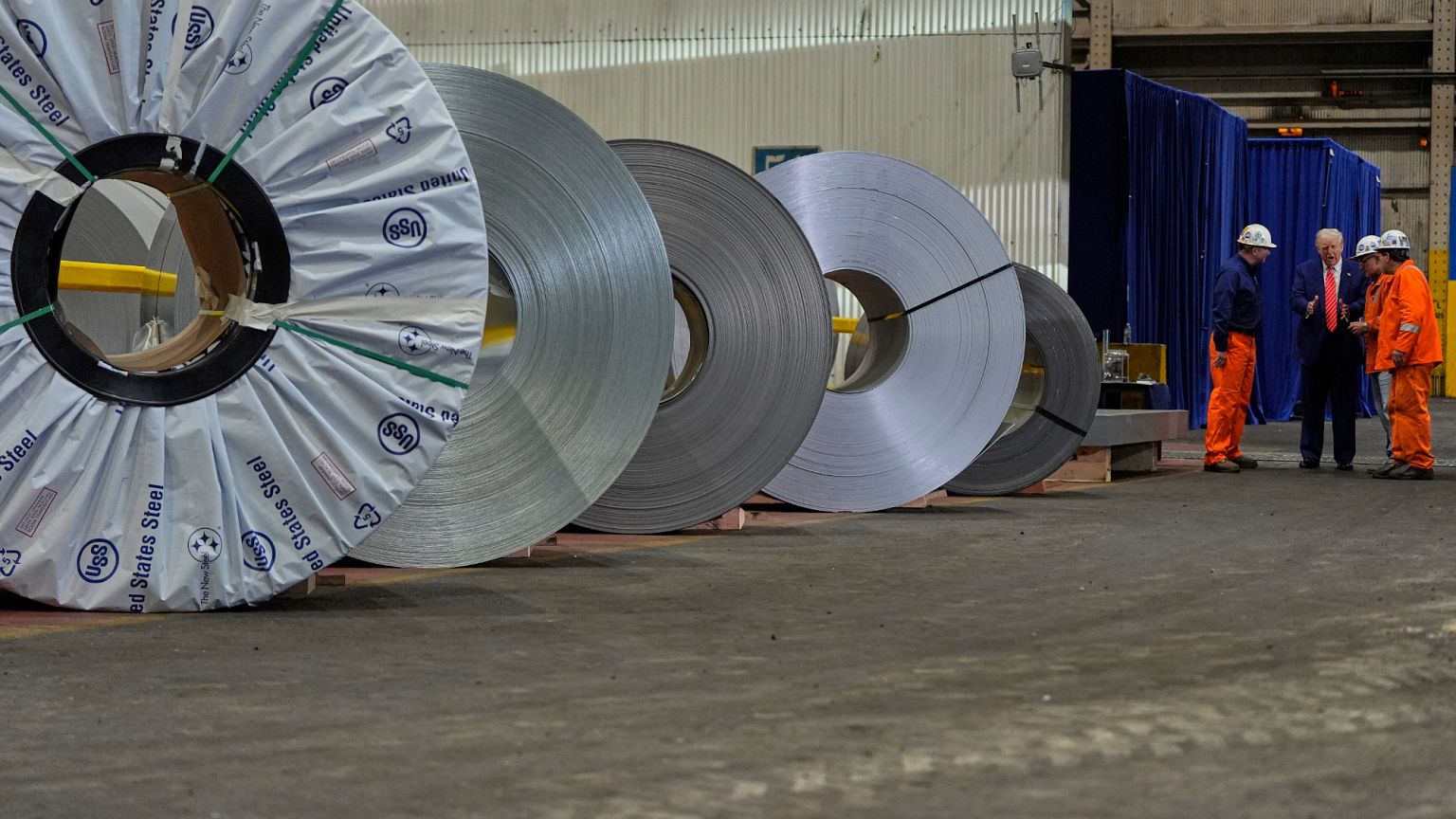
Thursday, June 19, 2025

Nippon Steel finalises US Steel takeover after state opposition

President Donald Trump talks to workers as he tours U.S. Steel Corporation's Mon Valley Works-Irvin plant. West Mifflin. 30 May 2025.
Copyright AP/Julia Demaree Nikhinson


By AP with Eleanor Butler
Published on 

Nippon Steel and US Steel said on Wednesday they have finalised their “historic partnership”, a deal that gives the US government a say in some business matters and comes a year-and-a-half after the Japanese company first proposed its nearly $15bn (€13bn) buyout of the iconic American steelmaker.

The pursuit by Nippon Steel of the Pittsburgh-based company was buffeted by national security concerns and presidential politics in a premier battleground state, dragging out the transaction for more than a year after US Steel shareholders approved it.

It also forced Nippon Steel to expand the deal, including adding a so-called “golden share” provision that gives the federal government the power to appoint a board member and have a say in company decisions that affect domestic steel production and competition with overseas producers.

“Together, Nippon Steel and US Steel will be a world-leading steelmaker, with best-in-class technologies and manufacturing capabilities,” the companies said.

The combined company will become the world's fourth-largest steelmaker in an industry dominated by the Chinese, and bring what analysts say is Nippon Steel's top-notch technology to US Steel's antiquated steelmaking processes, plus a commitment to invest $11bn (€9.6bn) to upgrade US Steel facilities.

In exchange, Nippon Steel gets access to a robust US steel market, strengthened in recent years by tariffs under President Donald Trump and former President Joe Biden, analysts say.

Anthony Rapa, a Blank Rome lawyer in Washington who advises firms on trade, operations and investments, said the government’s intervention in the Nippon Steel-US Steel deal is another sign of a trend that the US is increasingly equating economic security with national security.

He doesn't see the government's intervention as chilling foreign investment and said that using a “golden share” mechanism to ease national security concerns is unlikely to happen frequently — only in sensitive and complex cases.

Still, the episode could cause investors to be more strategic in how they approach transactions, Rapa said.

Anil Khurana, executive director of the Baratta Center for Global Business at Georgetown University, said the US government's interest in the deal is a sign of the growing importance it places on economic competition with China.

“Clearly the definition of what is national security has expanded to include national economic security, which is where I think this comes in,” Khurana said.

Nippon Steel and US Steel did not release a copy of the national security agreement struck with Trump's administration.

But in a statement on Wednesday, the companies said the federal government will have the right to appoint an independent director and get “consent rights” on specific matters.

Those include reductions in Nippon Steel's capital commitments in the national security agreement; changing US Steel’s name and headquarters; closing or idling US Steel’s plants; transferring production or jobs outside of the US; buying competing businesses in the US; and certain decisions on trade, labour and sourcing outside the US.

Nippon Steel announced in December 2023 that it planned to buy the steel producer for $14.9bn (€13bn) in cash and debt, and committed to keep the US Steel name and Pittsburgh headquarters.

The United Steelworkers union, which represents some US Steel employees, opposed the deal, and Biden and Trump both vowed from the campaign trail to block it.

Biden used his authority to block Nippon Steel’s acquisition of US Steel on his way out of the White House after a review by the Committee on Foreign Investment in the United States.

After he was elected, Trump changed course, expressing openness to working out an arrangement and ordering another review by the committee.

That’s when the idea of the “golden share” emerged as a way to resolve national security concerns and protect American interests in domestic steel production.

As it sought to win over American officials, Nippon Steel began adding commitments. Those included putting US Steel under a board made up of a majority of Americans and a management team of Americans.

It pledged not to conduct layoffs or plant closings as a result of the transaction or to import steel slabs to compete with US Steel’s blast furnaces in Braddock, Pennsylvania and Gary, Indiana.

In the final agreement, it pledged to produce and supply US Steel from domestic sources — such as mining operations in Minnesota — and to allow US Steel to pursue trade actions under US law.

It also made a series of bigger capital commitments in US Steel facilities, tallying $11bn (€9.6bn) through 2028, it said.

Nippon Steel said its annual crude steel production capacity is expected to reach 86mn tons, closer to its goal of 100mn tons.

The United Steelworkers on Wednesday noted that its current labour agreement with US Steel expires in 2026.

"Rest assured, if our job security, pensions, retiree health care or other hard-earned benefits are threatened, we are ready to respond with the full strength and solidarity of our membership," its international president, David McCall, said in a statement.

El Salvador in “darkest moment” for press freedom since civil war, rights groups say

El Salvador in “darkest moment” for press freedom since civil war, rights groups say
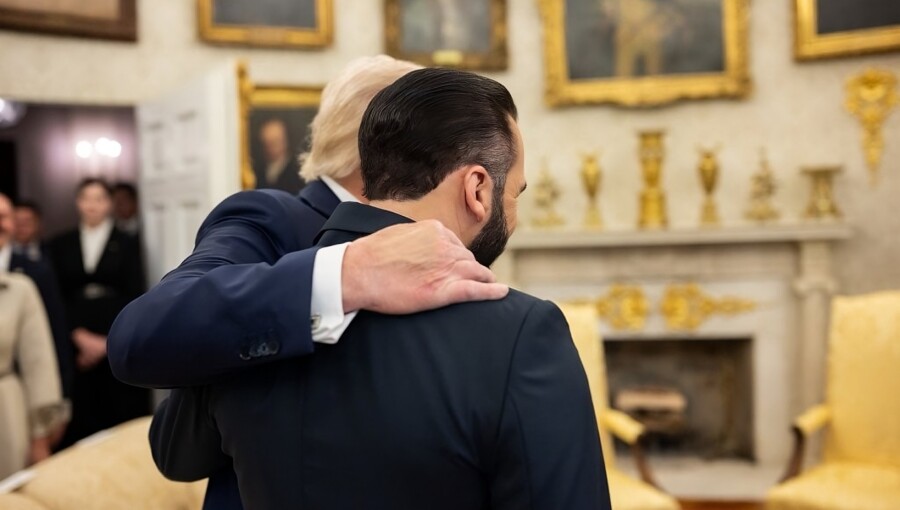
The media freedom deterioration has unfolded under President Nayib Bukele, a darling of US President Trump who gained popularity for his successful crackdown on gang violence but has faced growing criticism from human rights groups.
By bnl editorial staff June 19, 2025

Seventeen international press freedom organisations have issued a joint statement expressing "deep alarm" at what they describe as an accelerated deterioration of press freedom in El Salvador, with at least 40 journalists forced to flee the country in recent weeks.

The Association of Journalists of El Salvador (APES) documented the departures, which it attributed to "a sustained pattern of harassment, intimidation, and arbitrary restrictions on journalistic work," according to the statement released on June 18.

The journalists who have left the country come from various media outlets and had conducted investigations into human rights abuses, corruption, and government transparency issues, the organisations said. The exodus has "triggered a profound crisis of freedom of expression and created a climate of widespread fear," affecting even the families of exiled journalists.

APES has raised concerns about alleged watchlists and threats of arrest targeting journalists and human rights defenders, including those from the investigative outlet El Faro, the statement said.

The situation has been compounded by the recent passage of El Salvador's Foreign Agents Law, which the organisations described as posing "a direct threat to press freedom and the work of independent organisations." The legislation "imposes severe restrictions and could be used as a tool of persecution against those who practice journalism or defend fundamental rights," they warned.

Recent fact-finding missions by international press freedom organisations concluded that El Salvador is experiencing "one of its darkest moments for press freedom since the end of the armed conflict," characterised by high levels of self-censorship and forced exile.

The signatories, which include the Committee to Protect Journalists, Reporters Without Borders, and the Inter American Press Association, called on the Salvadoran government to "guarantee the physical integrity and freedom of all journalists and immediately cease any form of persecution, surveillance, or intimidation."

They demanded that the Salvadoran state "publicly clarify reports of watchlists and threats of arrests and to ensure that critical voices are not being criminalised."

The organisations also called for security guarantees to allow journalists who have been forced to flee to return without fear of persecution or legal action.

"The international community is closely monitoring the situation and demands the unrestricted respect for freedom of the press and expression in El Salvador," the statement said.

The joint statement was signed by 17 organisations from across the Americas and Europe, including regional press associations from Mexico, Colombia, Argentina, Chile, Brazil, and Peru, as well as global bodies such as the World Association of News Publishers and PEN International.

The media freedom deterioration has unfolded under President Nayib Bukele, who won re-election in February 2024 despite constitutional questions over consecutive terms.

"I don't care if they call me a dictator. I'd rather be called a dictator than see Salvadorans killed in the streets," Bukele publicly stated earlier this month. The 44-year-old flamboyant president, a darling of US President Donald Trump who was first elected in 2019 and returned to office in a landslide last year, accused NGOs of defending criminals and suggested the press was participating in an "organised attack" led by international groups. Since then, his administration has tightened regulations on NGOs’ activities following a playbook seen in some Eastern European countries such as Russia and Georgia, which have adopted controversial "foreign agents laws."

Bukele's second term has been marked by closer cooperation with the Trump administration on deportations and what critics characterise as increasing pressure on human rights. Under emergency laws bypassing judicial review, El Salvador has accepted over 200 migrants, mostly Venezuelans and some Salvadorans, deported from the United States since March, with many housed at the Cecot megaprison on allegations of links to criminal organisations, including MS-13 and Tren de Aragua.

Bukele has gained popularity for his successful crackdown on gang violence through a state of emergency declared in 2022, but has faced growing criticism from human rights groups over perceived authoritarian tendencies and restrictions on civil liberties.


European rights watchdog raises concerns over freedom of speech in Germany amid Gaza protests

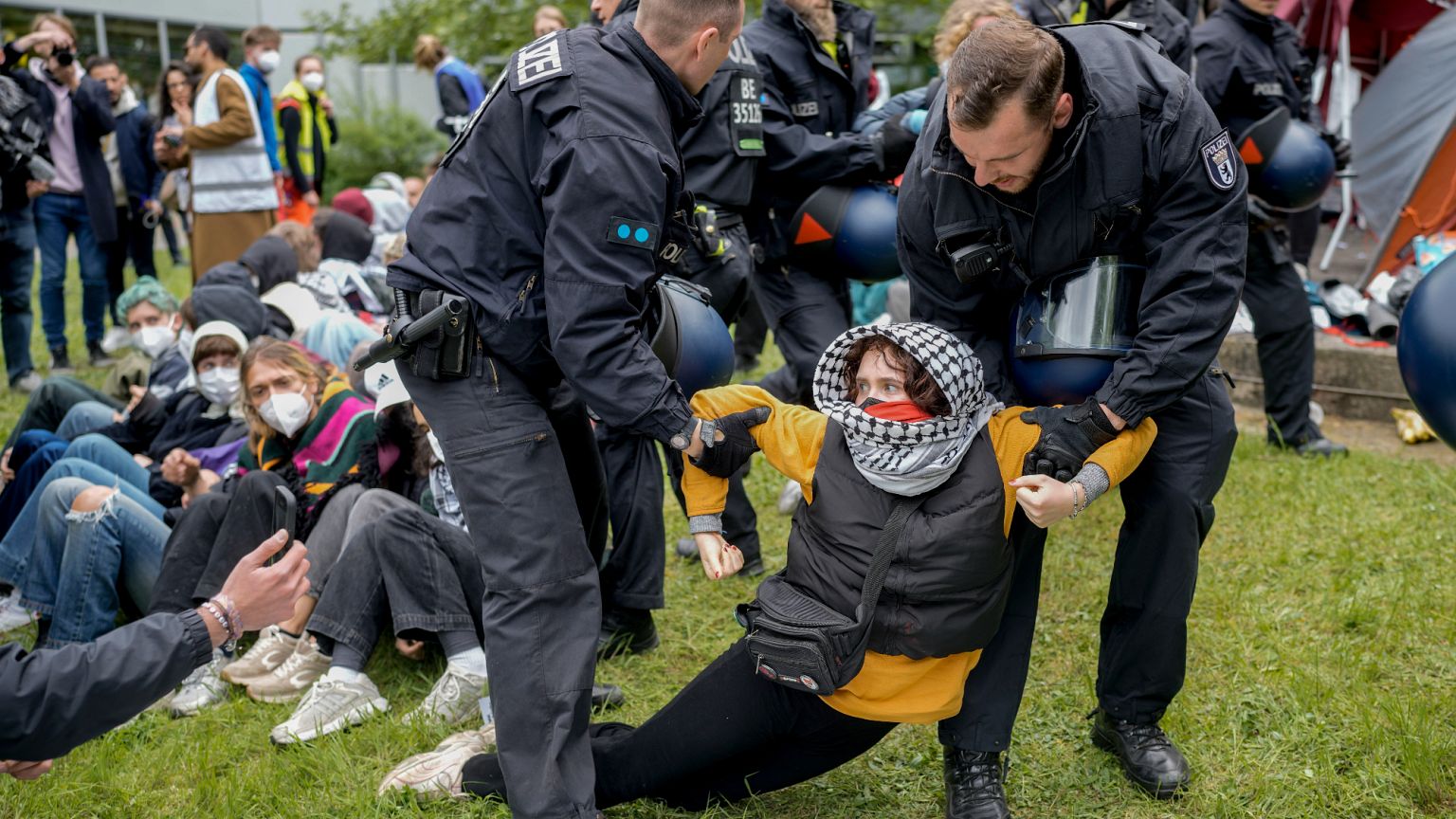
A woman is carried away by police officers during a pro-Palestinians demonstration by the group "Student Coalition Berlin" .
Copyright AP Photo


By Sandor Zsiros
Published on 

The Council of Europe’s Human Rights Commissioner has raised concerns that German authorities have curtailed the use of Arabic language and cultural symbols during Gaza protests and have allegedly used excessive force against demonstrators.

The Human Rights Commissioner of the Council of Europe, Michael O'Flaherty, has expressed serious concerns regarding the conduct of German authorities in response to pro-Gaza demonstrations. In a letter addressed to the German Interior Minister, Alexander Dobrindt, O'Flaherty highlighted what he perceives as infringements on freedom of expression and the right to peaceful assembly.

“Since February 2025, Berlin authorities have imposed restrictions on the use of the Arabic language and cultural symbols during protests. In certain instances, such as the demonstration held on 15 May 2025, marches were limited to static gatherings. Additionally, protestors have reportedly been subjected to intrusive surveillance—both online and in person—and arbitrary police checks,” O’Flaherty stated.

The Commissioner also raised alarm over reports of disproportionate police violence during these events.

“I am deeply concerned by allegations of excessive force used by police against demonstrators, including minors, which in some cases led to injuries. The use of force by law enforcement must adhere to the principles of non-discrimination, legality, necessity, proportionality, and precaution,” he said.

O'Flaherty has urged the German authorities to thoroughly investigate incidents of excessive force and to hold officers accountable where misconduct is found. He noted that police efforts to suppress Nakba Day commemorations—a remembrance of the 1948 displacement of Palestinians—were especially troubling.

The Irish human rights advocate further pointed out that freedom of speech appears to be restricted within some German universities and cultural institutions. He cited reports of foreign nationals facing deportation following their involvement in pro-Gaza activities.

“I am concerned by indications that the working definition of antisemitism adopted by the International Holocaust Remembrance Alliance (IHRA) is being interpreted by some German authorities in a manner that equates any criticism of Israel with antisemitism,” O’Flaherty wrote.

Tensions have run high in Germany since the beginning of the Gaza conflict, with frequent clashes at pro-Palestinian rallies. During the Nakba protest in mid-May, demonstrators were heard chanting slogans such as “From the river to the sea, Palestine will be free”—phrasing considered antisemitic under German law. The event saw several injuries as confrontations escalated.

In April, five students were arrested during a protest at Humboldt University for chanting anti-Israeli slogans. German police have also taken action against demonstrators displaying banned symbols, including altered Hamas slogans.

CRIMINAL CAPITALI$M

How Turkey became a fintech operator in Spain and Pakistan by seizing unicorn enterprise Papara

How Turkey became a fintech operator in Spain and Pakistan by seizing unicorn enterprise Papara
Spain’s PM Pedro Sanchez (left) with Turkish President Recep Tayyip Erdogan. The Erdogan regime, which has essentially acquired a new fintech, won’t expect any licensing problems in Spain or Pakistan, also an ally. / Turkish presidency
By Akin Nazli in Belgrade June 17, 2025

Turkey’s deposit insurance fund TMSF was last month appointed a trustee over local fintech Papara by court order, according to a statement from the country’s central bank.

Separately, the interior ministry said that it executed an operation targeting illegal betting and transfers of criminal proceeds allegedly conducted by Papara. The targeting extended to 13 suspects, including the company owners. All the suspects were detained.

Papara remains active as regards 65 electronic money institutions in Turkey, while the central bank is applying daily withdrawal limits in relation to the firm on a temporary basis.

According to its website, Papara had 21mn users. PPR Holding owns Papara. Karsli holds a 90% stake in PPR.

Spanish and Pakistani connections

Papara was launched in 2015 by Ahmet Faruk Karsli and Ilker Diker. 

In 2023, it completed the acquisition of Madrid-based neo-bank Rebellion Pay. Following the acquisition, Papara claimed that it had become Turkey’s first fintech unicorn.

So far, Turkey has seen the emergence of two decacorns, namely Alibaba’s e-commerce platform Trendyol and Getir, a rapid groceries delivery app-based service, along with five unicorns, namely Peak Games (acquired by Zynga (Nasdaq/ZNGA)), Dream Games, e-commerce platform Hepsiburada (Nasdaq/HEPS), artificial intelligence (AI)-based martech (marketing platform) Insider Growth Management Platform and Istanbul-based fintech Papara (launched in 2015).

In February 2024, media reports suggested that Papara acquired Pakistan-based fintech SadaPay.

In March 2024, Papara signed an agreement with Lebanon-based Bankmed Sal and Jordan's Arab Bank Plc (Amman/ABCO) to acquire their combined 100% stake in Turkey-based Turkland Bank (T-Bank).

Currently, the appointed trustee TMSF is directing all of these subsidiaries. Papara, meanwhile, remains a sponsor of leading football clubs in Turkey.

Business as usual

Since 2002, Turkey’s government has used deposit insurance fund TMSF as a tool for wealth transfer.

As of June 16, TMSF had established management over 801 companies. Additionally, it controlled stakes in 73 companies as well as the personal assets of 93 real persons as of end-2024.

One company is currently on sale.

In July 2024, Fatin Rustu Karakas, head of the TMSF, said that TMSF had seized 1,371 companies over links to the Gulenist clan since its alleged military coup attempt against the Erdogan administration on July 15, 2016.

The Imamoglu wave

In FebruaryTMSF was appointed as a trustee over fast food chain Maydanoz Doner in relation to a prosecution aimed at Gulenists. This was the first company seizure to have taken place for a while.

In March, the Istanbul chief public prosecutor's office seized 23 companies owned by Erkan Kork as part of a prosecution aimed at illegal sports betting.

Bankpozitif, a lender, and TV channel Flash TV, along with fintech companies Payfix, Aypara (iPara) and Ininal were among the seized companies.

Also in March,  Imamoglu Insaat, owned by jailed Istanbul mayor Ekrem Imamoglu and his family, was seized via a court order issued at the request of the Istanbul chief prosecutor’s office.

Since then, more companies have been seized as part of the operation aimed at Imamoglu, President Recep Tayyip Erdogan’s chief political opponent, and more businessmen have been arrested.

Currently, in the new wave of company seizures that was launched with Maydanoz in February, seizures are executed via three arms, namely the Imamoglu operation, the illegal betting operation and the Gulenist operation.

Separately, municipalities are seized. Prior to February, when the Kurdistan Workers’ Party (PKK) and Turkey’s ruling regime announced a collaboration, municipalities were seized as part of the PKK operation. Since March, municipality seizures have been executed as part of the Imamoglu operation.

TMSF: biggest fintech operator in Turkey

The electronic money institution licence of Ininal has been temporarily frozen.

In November, the electronic money institution license of Erpa Odeme Hizmetleri was also temporarily halted. However, no information was provided on the reasoning behind the move.

Local media reports quote anonymous witnesses at local courts as saying that Erpa was among local fintechs that served illegal betting schemes along with Maldopay, CMT Cuzdan, Envoysoft, Mefete, Erpa Pay and Ozanpay.

The payment institution licence of Aypara Odeme remains active while the licence of PayFix has been temporarily blocked.

Currently, the TMSF is the dominant player in Turkey’s fintech industry with its two active units in addition to the two units that remain suspended.


Asia's role as a global data centre hub is driving economic growth across the region

Asia's role as a global data centre hub is driving economic growth across the region
/ Unsplash - Compare Fibre
By bno - Taipei Office June 19, 2025

Asia is fast becoming a global data centre powerhouse, driven by the rapid growth of its digital economies, surging internet penetration, and increasing demand for cloud services and AI infrastructure. Governments across the region are investing in digital infrastructure, while global tech giants and regional players are establishing large-scale data centres to meet both local and international demand.

From India to Indonesia and Japan to Malaysia – and all points in-between - countries across Asia are competing to attract data centre investment. Many are succeeding and this digital infrastructure boom is now see as reflecting upon Asia’s technological rise whilst also signalling major economic benefits for host economies in terms of job creation, energy investments, and digital sovereignty.

Southeast Asia's digital ascendancy

Southeast Asia, in particular, has emerged as one of the fastest-growing data centre markets in the world. According to Structure Research, the region’s colocation and hyperscale data centre capacity is expected to more than double by 2027.

Singapore is a case in point. Despite its land constraints, the city state remains a top regional data hub due to its robust connectivity and pro-business environment. Being one of the most politically stable states in Asia helps too. Singapore had previously imposed a moratorium on new data centres due to environmental concerns, but has since reopened with new sustainability-focused regulations. Because of this, Microsoft and Google recently announced multi-billion dollar investments to expand their existing facilities in Singapore, incorporating AI-ready infrastructure and renewable energy commitments.

However, high demand and space limitations have prompted companies to look beyond Singapore and just across the northern border to Malaysia which has emerged as an attractive alternative. Johor, on the border across from Singapore, is now seeing a surge in data centre investments. In April 2024, Google unveiled plans to invest $2bn to build its first data centre and cloud region in Malaysia. This follows earlier announcements by Microsoft, which pledged to establish a new data centre region in the country to support its Azure services.

Indonesia, Southeast Asia’s largest economy and on Singapore’s southern border, is also witnessing a rapid data centre expansion. Amazon Web Services (AWS) is developing a major cloud region in the current capital Jakarta, while Tencent and Alibaba Cloud have already set up data centres to tap into Indonesia’s 270mn-strong population and growing e-commerce market. How the siting of these facilities will play out when the capital moves to Nusantara is still years away but a questions worth pondering early.

India meanwhile is nothing short of an emerging giant in having positioned itself as a global digital infrastructure hub. With its burgeoning internet user base – already the second largest globally – and strong government support under the Digital India initiative, the country is seeing significant data centre activity.

In 2024, Google Cloud opened a new region in Delhi-NCR, while Microsoft has announced plans for a third cloud region in Hyderabad. Indian conglomerates are also heavily involved.

Reliance Jio, through its partnership with Microsoft Azure, is building a network of data centres across the country, and Adani Group, another major player, has committed to building several hyperscale facilities, including a data centre park in Visakhapatnam on the Bay of Bengal coast

The Indian government’s data localisation regulations and the rising demand for sovereign cloud services are fuelling this momentum. States like Maharashtra, Tamil Nadu, and Uttar Pradesh are actively offering incentives such as land subsidies and fast-track approvals to attract investment.

Up in North Asia, countries like Japan and South Korea continue to lead in data centre development due to their advanced digital economies and technology sectors.

Japan has been a long-standing leader in IT infrastructure and in 2023, Amazon invested over $13bn to expand its AWS data centres in Tokyo and Osaka. Meanwhile, NTT Communications is expanding its own facilities to support AI and 5G applications. Japan’s stable power grid, skilled workforce, and demand for AI compute make it a key strategic hub in the Asia-Pacific region.

South Korea being home to tech giants like Samsung and LG, is also stepping up with Incheon and Seoul both seeing new investments, including recent plans by Oracle and IBM Cloud to boost their cloud infrastructure. The South Korean government has already launched smart city initiatives and is encouraging green data centres to power its future digital economy.

Taiwan too now hosts a Google data centre spread across 15 hectares in the centre of the country, and is already home to almost 30 other such sites - albeit many smaller in scale.

Economic benefits

The rise of Asia as a data centre hub is also bringing considerable economic benefits. Data centres create both direct and indirect employment from construction and engineering to IT services and facility management. According to a 2023 report by Deloitte, each hyperscale data centre could create up to 1,000 full-time equivalent jobs during the build phase and hundreds more during subsequent operations.

Moreover, data centres catalyse broader digital ecosystems. They attract cloud service providers, fintech firms, e-commerce platforms, and AI startups, contributing to the growth of local tech industries; in Malaysia, Johor’s data centre growth has spurred demand for fibre connectivity, logistics services, and renewable energy projects.

Energy is another key driver. Many companies are committing to carbon neutrality, prompting investments in green power. India’s Adani Group is known to be linking its data centres to solar farms, while Singapore and Japan are exploring data centre cooling innovations to help reduce emissions.

Beyond economics, digital infrastructure also has significant implications. Governments increasingly see data sovereignty and secure cloud storage as national priorities. Hosting domestic data onshore improves cybersecurity, regulatory compliance, and resilience against cross-border political risk.

Yet, while challenges remain such as accommodating energy demands, guaranteeing land availability, and environmental impact, the benefits are compelling. Asia’s data centre boom is not just a story of technological progress, but one of economic empowerment, digital sovereignty, and global rebalancing.

Greenpeace warns of potential environmental disaster as oil tankers collide near Strait of Hormuz

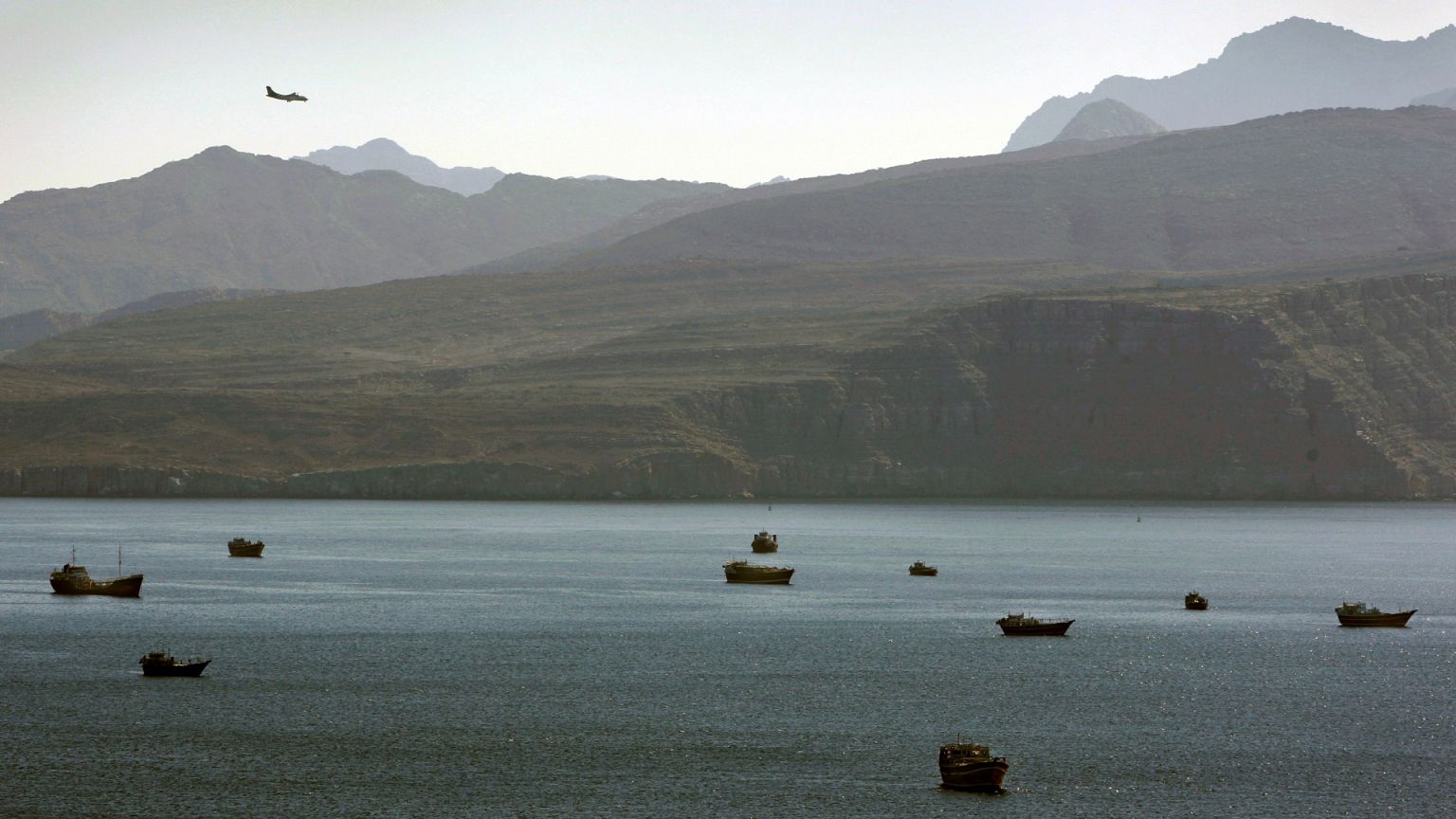
A plane flies over the mountains in south of the Strait of Hormuz. For illustrative purposes only.
Copyright AP Photo/Kamran Jebreili, File


By Gabe Levin with AP
Published on 

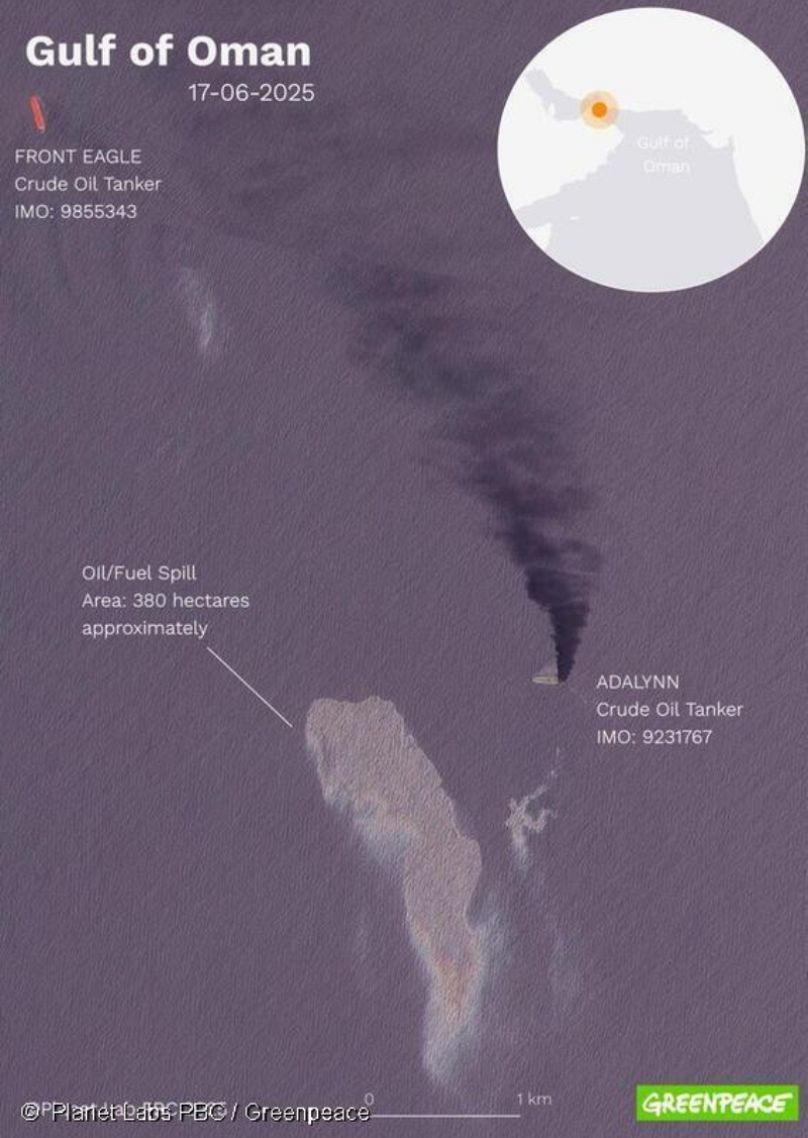
Greeneace said it had reviewed satellite imagery that showed a plume of oil stretching up to about 1,500 hectares from the crash site.

A collision between two oil tankers just east of the world’s most critical oil choke point, the Strait of Hormuz, could bring about a potential environmental disaster, Greenpeace said on Thursday.

The two giant tankers, ADALYNN and Front Eagle, crashed on Tuesday, 17 June, in the Gulf of Oman and caught fire before the Emirati national guard intervened to evacuate crew members. No injuries were reported, according to Emirati authorities.

Satellite data from NASA's Fire Information for Resource Management System showed heat signatures in the area early Tuesday morning.

How much oil are the tankers carrying?

Greenpeace said it had reviewed satellite imagery that showed a plume of oil stretching up to about 1,500 hectares from the crash site.

Satellite images from Gulf of Oman tanker collision.
Satellite images from Gulf of Oman tanker collision.©  Planet Labs PBC / Greenpeace

The 23-year-old tanker ADALYNN belonged to a so-called Russian “shadow fleet” – known to operate older ships below basic security standards – and may have been carrying around 70,000 tonnes of crude oil, the group said.

“This is just one of many dangerous incidents to take place in the past years,” said Farah Al Hattab of Greenpeace’s Middle East and North Africa division, adding that such oil spills "endanger marine life.”

The United Arab Emirates Ministry of Energy and Infrastructure did not respond to a request for comment.

Israel-Iran conflict raises shipping concerns

It was not immediately clear what caused Tuesday's incident. British maritime security firm Ambrey said it was unrelated to the fighting between Israel and nearby Iran.

The Strait of Hormuz, near where the collision took place, is the strategic maritime entryway to the Persian Gulf and sees about a fifth of the world’s oil pass through it, according to the US Energy Information Administration.

In 2024, an average of 20 million barrels of oil travelled through it daily.

After Israel launched airstrikes against Iran on 13 June, oil prices surged as worry mounted over whether the Islamic Republic might block the waterway.

Maritime ship experts say shipowners are increasingly wary of using the waterway, with some ships having tightened security and others cancelling routes there.

As the Israel-Iran conflict intensified over the weekend, hundreds of ships in the strait saw spotty navigation signals and had to rely more on radar.

The Financial Times reported on 13 June that the world’s largest publicly listed oil tanker company, Frontline, which owns the Front Eagle oil tanker involved in Tuesday’s crash, said it would turn down new contracts to sail into the Gulf through the Strait of Hormuz.