It’s possible that I shall make an ass of myself. But in that case one can always get out of it with a little dialectic. I have, of course, so worded my proposition as to be right either way (K.Marx, Letter to F.Engels on the Indian Mutiny)
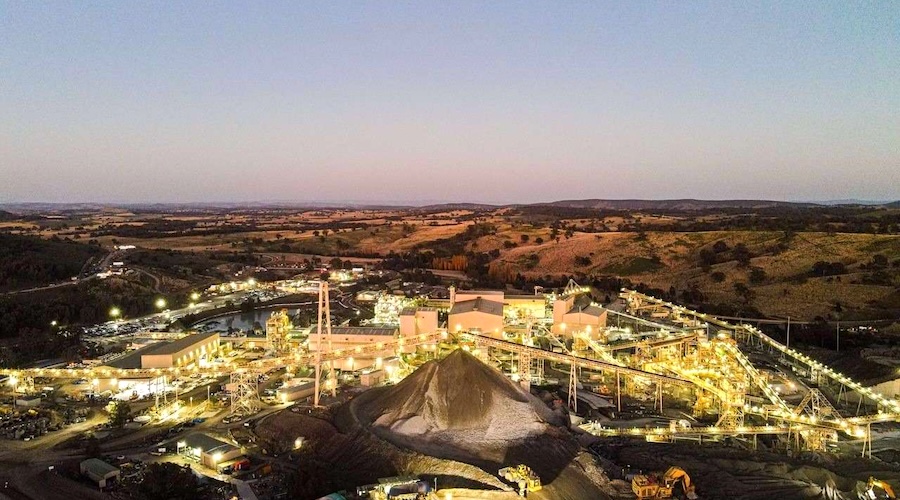
Cadia is one of Australia’s largest gold mines. (Image courtesy of Newmont.)
Shares in Newmont Corporation (NYSE: NEM) fell more than 4% in early New York trading on Wednesday after the company suspended underground operations at its Cadia gold mine in Australia following a 4.5-magnitude earthquake in New South Wales.
The company said the earthquake, classified as light to moderate seismic activity, was followed by two aftershocks late on April 14 and into Wednesday morning. Newmont said all underground workers were accounted for and returned to surface, with no injuries reported.
The miner’s shares were last trading at $114.09, down 4.4% from Tuesday’s close, giving the company a market capitalization of about $125 billion.
Specialist teams are inspecting and assessing Cadia’s underground infrastructure before management decides when to resume operations.
Cadia is one of Australia’s largest gold and copper operations, so any prolonged disruption could weigh on output from one of Newmont’s key assets.
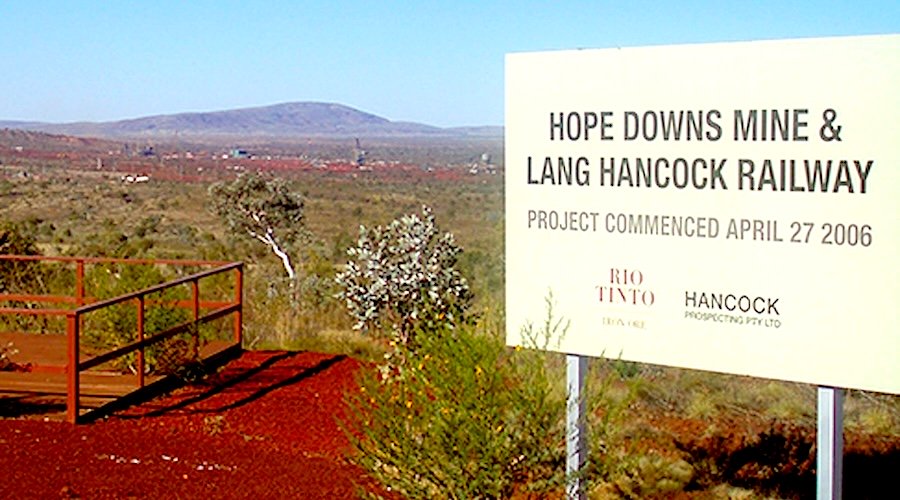
Hancock, Rio Tinto ordered to pay Hope Downs royalties to ex-partners
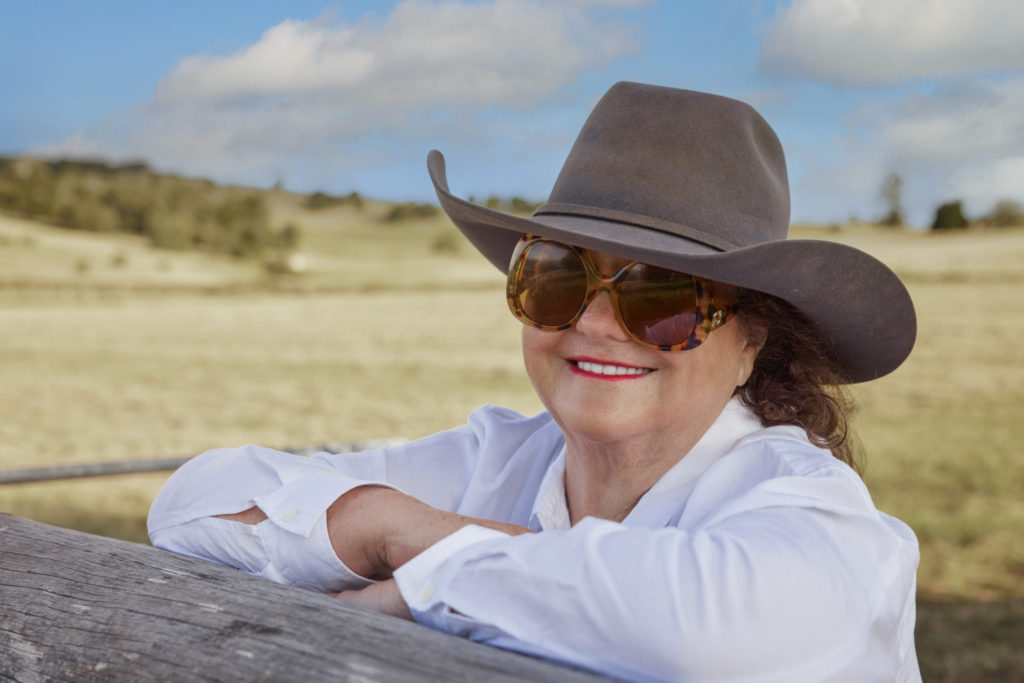
Australian billionaire Gina Rinehart’s Hancock Prospecting Pty and partner Rio Tinto (ASX:RIO) must pay millions of dollars in past and future royalties after a court sided with the heirs of her father’s former business partners.
The West Australian Supreme Court ruled that Wright Prospecting and DFD Rhodes are entitled to a share of royalties from parts of the Pilbara operation, marking a significant turn in a 15-year legal battle. The final payout will be determined at a later trial, though Hancock estimates the claims could total about A$14 million a year for Wright Prospecting and A$4 million for Rhodes.
The court also rejected competing ownership claims over the Hope Downs and East Angelas tenements, confirming they belong exclusively to Hancock Prospecting and dismissing what the company called “baseless” assertions from Wright family entities.
The long-running dispute over the Hope Downs iron ore complex traces back decades. Rinehart’s father, Lang Hancock, and his former classmate Peter Wright teamed up in the 1950s to secure mineral rights in the area that later became Hope Downs.
In 1969, they struck a deal with businessman Don Rhodes that promised a small royalty from ore produced there. The lawsuit later focused on the Hancock-Wright partnership, the division of assets under agreements negotiated in the 1970s and amended before Wright’s death in 1985, and the separate royalty claim advanced by Rhodes’ descendants.
“At the heart of the issues raised by the parties to the proceedings were a number of formal agreements made decades ago between men who were friends or colleagues who for some years engaged in harmonious and cooperative arrangements to explore, discover and prospect for iron ore in the East Pilbara,” Justice Smith said in a summary judgment.
Hancock said the ownership issue was the central question in the case and welcomed the court’s decision as a decisive victory, noting the judge found rival claims “fail at the first hurdle” and ruled it would be unjust for Wright Prospecting to benefit without contributing to the project’s risks or development.
Wright Prospecting also welcomed the judgment. “These proceedings were commenced in 2010 to recover our share of royalties from the Hope Downs 1-3 mines, and, after many delays, we are pleased to finally receive a result in our favour,” it said in an emailed statement.
Mounting pressures
The ruling adds fresh financial and legal pressure to a long-running dispute over the spoils from Hope Downs, a cornerstone Pilbara operation, and underscores how decades-old prospecting deals can still shape ownership economics at world-class mines.
Hancock sought to spread the impact, saying Rio will share liability for any royalty payments and related interest.
“Bringing Hope Downs to life required significant investment in exploration, evaluation and development, obtaining thousands of government approvals, securing major project financing and a joint venture partner,” executive director Jay Newby said.
He added that any royalty and interest payments to Wright or Rhodes would be shared with Rio, reducing Hancock’s contribution.
BC Court upholds personal liability for mining execs in environmental violations
The BC Court of Appeal reinforced that mining company directors and officers face personal responsibility for environmental violations, even when they claim ignorance of the harmful activities occurring under their watch.
The court released its decision this past Friday in R. v. Mossman, rejecting an appeal from a mining executive who sought to avoid liability for strict regulatory offenses at a gold mining operation near Prince Rupert, B.C. The ruling confirms that corporate leaders cannot escape personal consequences for environmental violations by arguing they were unaware of the problems.
Investigators initially targeted the director, president, chief operating officer and designated mine manager after discovering environmental violations at the mining site. Prosecutors charged the accused with multiple offenses under the Environmental Management Act and Fisheries Act, including failing to report environmental spills, dumping mine waste into waterways, and discharging substances that exceeded permitted concentrations.
The executive challenged his conviction on secondary liability charges, arguing prosecutors failed to prove he knew about the concentration exceedances. His legal team contended that without evidence he understood the circumstances surrounding the violations and chose not to respond, courts could not hold him personally responsible.
Lower courts disagreed with this interpretation, and the Court of Appeal upheld their reasoning. The three-judge panel concluded that strict liability environmental offenses do not require prosecutors to prove the accused possessed knowledge of the harmful conduct.
Justice Patricia Janzen wrote that individuals who choose to engage in regulated activities accept responsibility for exercising reasonable care to prevent environmental harm. The court rejected arguments that broad interpretation of secondary liability provisions would create unfair presumptive liability for corporate officers unaware of their company’s violations.
The appellant’s lawyers warned that holding executives liable without proving their knowledge would cause significant injustice given the heavy penalties involved. However, the court found these concerns insufficient to narrow the legislative framework protecting environmental resources.
Instead, the judges established a two-part test for securing convictions against corporate leaders. Prosecutors must prove the company committed the environmental offenses and demonstrate the accused’s active or passive involvement in those violations based on their organizational responsibilities.
The court emphasized that liability flows from executives’ voluntary assumption of responsibility to control foreseeable environmental harm within their areas of authority. This means the company’s regulatory breach must connect logically to the scope of responsibilities the accused willingly accepted in their leadership role.
Environmental lawyers say the decision strengthens regulatory enforcement against mining companies by removing knowledge requirements that previously helped executives avoid personal accountability. The ruling applies beyond the specific acts involved in this case, extending to similar secondary liability provisions in British Columbia’s Mines Act and Forest Act.
Legal experts predict regulatory investigators and Crown prosecutors will pursue individual charges more aggressively following this precedent. Mining executives across the province now face heightened personal exposure when their companies violate environmental regulations.
The decision particularly impacts senior management at resource extraction companies operating in environmentally sensitive areas. Company directors and officers must ensure their organizations maintain robust compliance systems to avoid personal criminal liability.
While the court did not address due diligence defenses in this appeal, legal observers note that demonstrating reasonable care to prevent violations may still provide protection against both primary and secondary liability charges.
The ruling reflects courts’ increasing willingness to hold corporate leaders personally accountable for environmental damage, marking a shift from traditional approaches that primarily targeted companies rather than individuals. Mining industry associations are reviewing the decision’s implications for executive governance practices and compliance protocols.
Freire Shipyard Launches The Armada Diving Support Vessel A22 Proserpina
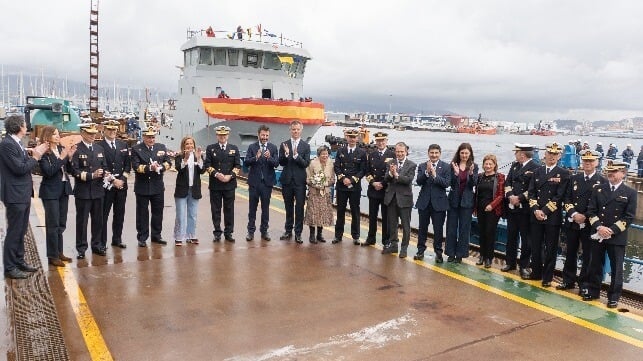
Official group photograph taken during the launch ceremony.
The Spanish shipyard C.N.P. FREIRE, S.A. (Freire Shipyard) held in Vigo the launch ceremony of the diving support vessel, hull number 739, built for the Armada Logistics Support Command: A22 Proserpina. Delivery is scheduled for later this year.
The ceremony was presided over by the shipyard's General Managers, Marcos and Guillermo Freire, accompanied by the Chief of Staff of the Armada (AJEMA), His Excellency Antonio Piñeiro Sánchez.
As well was attended by prominent civil authorities, including the Government Delegate in Galicia, Pedro Blanco Lobeiras; the Mayor of Vigo, Abel Caballero; the Director General for Industrial Strategy and Business Land of the Xunta de Galicia, Margarita Ardao Rodríguez; the Vice President and Deputy for Sports, Economy and Employment Promotion of the Provincial Council of Pontevedra, Luisa Sánchez; as well as the Director of the Port Authority of Vigo, Rubén Marín.
Likewise, the event brought together distinguished military authorities, such as the Chief of Logistics Support of the Armada, His Excellency Ignacio Céspedes Camacho; and the Director of Engineering and Naval Construction of the Logistics Support Headquarters, His Excellency Nicolás Lapique Martín.
Also in attendance were the Admiral-in-Charge of the Ferrol Arsenal, Mr. Vicente Rubio Bolívar; the Deputy Director of Engineering at the Directorate of Naval Engineering and Construction, Mr. Francisco Antón Brage; and the General Director of Economic Management of the Naval Logistics Headquarters, Mr. Francisco Javier Delgado Sánchez.
The institutional representation was completed by the Defence Delegate in Galicia, Mr. Jesús Ángel Paz Pena; the Naval Commander of Vigo, Mr. Jaime Toledano Funes; and the Commander of the Maritime Action Units in Ferrol, Mr. José Manuel Mata Hervás.
“Today we witness the achievement of a collective effort, a shared vision, and the trust built between the Armada and the Spanish shipbuilding industry,” stated Admiral General Antonio Piñeiro. He also addressed Freire's team in the following terms: “To all of you who have made this project possible—workers, engineers, technicians, and of course, your families—thank you. Thank you for demonstrating that the Spanish shipbuilding industry continues to be a reference.”
In addition, the AJEMA emphasized that “the ‘Proserpina’ has a clear, demanding, and strategic mission: to support the Military Diving School in the training of our specialists. We live in an environment where maritime security is increasingly complex. Threats are not only on the surface, but also underwater. Essential infrastructures run along the seabed: cables carrying our Internet, gas pipelines, other services, etc. Protecting them requires preparation, resources, and highly qualified professionals. That is where our divers operate, and that is where the ‘Proserpina’ becomes an essential component”.
“For the entire team at Freire Shipyard, it is a privilege to be the first private shipyard to build a steel vessel for the Navy. Through this collaboration, we contribute to the modernization of its auxiliary units, strengthening its position as a naval benchmark both nationally and internationally, and laying the foundations for future joint initiatives. We are grateful to the civil and military authorities who joined us at this ceremony, a moment of great significance for our shipyard,” stated Marcos and Guillermo Freire, General Managers of Freire Shipyard.
The vessel was christened by Mrs. Olga Vallespín Gómez, the first professional female diver in Spain, who also played an honourable ceremonial role as godmother during the event.
“I must proudly express how much I owe to the Armada. First and foremost, to the Navy’s Diving Center (CBA), located in La Algameca, Cartagena, which provided me with the best training as a professional diver in 1970, when I was beginning my university studies to become an archaeologist,” the ship's sponsor said. She added, “My wish is that the crew will find on this ship all the resources they need to fulfill their mission. I am certain that with the loyal dedication that characterizes our sailors, they will be able to accomplish their primary task: saving lives at sea.”
Advanced technology for underwater operations The auxiliary unit has an overall 32.90 metres length and 9 metres beam, with a range of 500 nautical miles at a cruising speed of 10 knots and a maximum speed of 12 knots. It is capable of carrying out prolonged missions in national waters and can accommodate up to 15 crew members.
The A22 Proserpina incorporates eco-friendly technologies to optimize fuel consumption and reduce emissions. Its main features include a dynamic positioning system (DP2) and a three-anchor mooring system, ensuring stability at depths of up to 90 metres.
The vessel is equipped for underwater intervention operations, including side-scan sonar (SBL), a lightweight, modular, and deployable autonomous underwater vehicle (AUV), and a remotely operated vehicle (ROV) for observation and exploration. The ROV can operate at depths of up to 900 metres, while the AUV reaches 300 metres.
Designed by Seaplace, the vessel includes dedicated areas for diving equipment, hyperbaric chambers and tactical coordination, supporting diving assistance missions, advanced training and technical work at depth.
A key step forward for naval diving Its primary mission will be to serve as a support unit for the Spanish Navy Diving School (EMB), specialised in complex underwater operations, ranging from structural inspections to technical interventions, ensuring operational safety and the maintenance of naval infrastructure.
The A22 Proserpina marks the beginning of a new phase in support of underwater operations, replacing the veteran Proserpina and strengthening the Spanish Navy’s technical and training capabilities. This vessel forms part of the ongoing modernization and renewal of auxiliary units, aimed at enhancing underwater intervention capabilities and maintaining the Navy’s position as a reference in this field, both nationally and internationally. It will also enable more efficient operations and ensure the continuity of training and specialisation in diving.
The products and services herein described in this press release are not endorsed by The Maritime Executive.
Gianluigi Aponte Transfers World's Largest Container Line to His Children
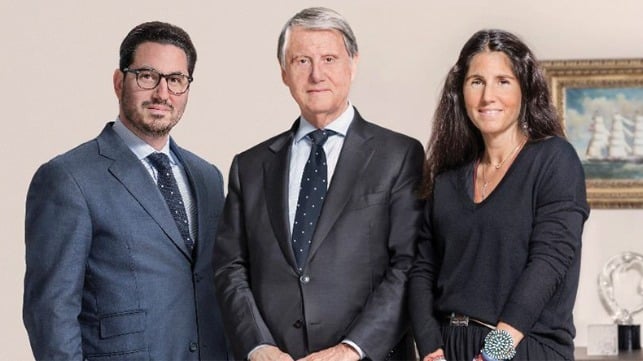
From left: Diego Aponte, Gianluigi Aponte, Alexa Aponte Vega (MSC file image)
Gianluigi Aponte, the founder and chairman of number-one container line MSC, has transferred the ownership of his company over to his daughter Alexa and his son Diego.
MSC confirmed Monday that Gianluigi Aponte passed ownership of the company to his children at the end of last year. They both have extensive experience in the industry: Alexa is now the MSC Group's CFO, and Diego serves as the company's president.
“With Diego and Alexa, I am confident the group will continue to thrive and honour our family’s legacy of innovation, resilience and unwavering commitment to the sea," Gianluigi Aponte said in a statement. "Passing ownership to my children is not only a reflection of their dedication and achievements, but also a continuation of our family’s centuries-long maritime heritage."\\
Gianluigi Aponte founded MSC in 1970 and built it into a shipping powerhouse, ascending the ranks of the world's containerlines. In 2020, MSC hired the then-COO of Maersk, Soren Toft, to take over as CEO and fulfill a mandate to grow MSC's fleet. Under Toft, MSC pursued growth by all available means, splashing on newbuilds and buying or chartering-in older tonnage throughout the pandemic era.
In early 2022, MSC overtook Maersk to become the number-one carrier by fleet size, and it now dwarfs its longtime rival. With 1,000 ships and 7.3 million TEU of capacity on the water, MSC accounts for one-fifth of the world boxship fleet - and it has over 120 more newbuilds totaling two million TEU on order.
Fincantieri Gets Order Valued at Over $2.3B for Three Princess Cruise Ships
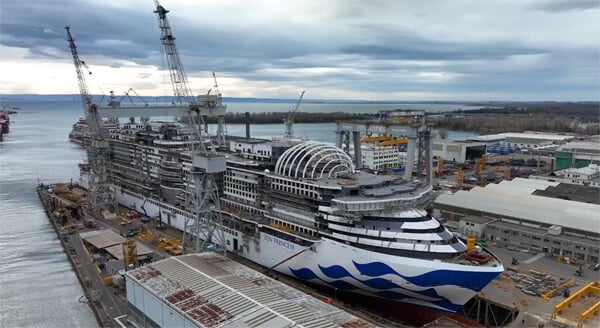
Fincantieri built new ships for Princess delivered in 2024 and 2025 (Fincantieri)
Italian shipbuilder Fincantieri and Carnival Corporation’s Princess Cruises confirmed an order for three new large cruise ships valued at over $2.3 billion (€2 billion), extending the record cruise ship orderbook. The orders are in keeping with Carnival Corporation’s declared strategy of strategically pacing its new ship orders for metered growth in its brands.
The cruise line is calling the new ships the largest and most advanced platform for its brand. At an estimated 183,000 gross tons and with a passenger capacity of 4,700 in lower berths, the ships will be approximately three percent larger in size while increasing capacity by more than nine percent versus the sister ships Sun Princess and Star Princess, built by Fincantieri and delivered in 2024 and 2025.
Princess is calling the ships “a next-generation platform” designed to further enhance its cruise experience while saying the new ships will build upon the Sphere Class platform (i.e. Sun Princess and Star Princess) previously developed by Fincantieri. The line said the new ships will feature completely reimagined outer decks, staterooms, and Piazza designs that cater to the brand's global travelers and diverse deployments.
Similar to the two recently delivered Princess ships, the new Voyager class ships will be dual-fuel powered, primarily using Liquefied Natural Gas (LNG). It has become the fuel of choice for much of the cruise industry after the first cruise ship, AIDAnova, was introduced in 2018 with LNG-fueled engines. The new Princess ships will be Carnival Corporation's 19th, 20th, and 21st LNG-based vessels and are part of the company's ongoing fleet enhancement efforts.
In keeping with Carnival’s strategy, however, the deliveries are scheduled for late 2035, 2038, and 2039, extending the industry’s orderbook beyond the newbuilds due for Norwegian Cruise Line and Oceania Cruises in 2037. Carnival Corporation previously had seven additional new ships under contract that are scheduled for delivery between 2027 and 2033.
The new ships, which will be the largest by capacity in the Princess Cruises fleet, will be built at Fincantieri's shipyard in Monfalcone, Italy. They add to Fincantieri’s large cruise ship orderbook, which also includes 200,000-plus gross ton ships for Carnival Cruise Line and Norwegian Cruise Line.
“These new orders secure a robust workload for our shipyards through 2039 and further support the profitable development of our cruise business, as outlined in our 2026–2030 Industrial Plan,” said Pierroberto Folgiero, CEO and Managing Director of Fincantieri. With the new Voyager-class ships, we are once again leveraging Fincantieri's distinctive expertise in sustainable, next?generation shipbuilding, supporting Princess Cruises in its growth trajectory and reaffirming our role as a trusted industrial partner for the evolution of the cruise industry."
The orders also demonstrate the industry’s confidence in long-term future growth. Globally, the cruise ship orderbook had already reached a record $86 billion, according to data released this week by Seatrade Cruise. They calculated that there were 76 firm orders for cruise ships and said that with several projects pending, the cruise ship orderbook is likely to soon exceed $100 billion. Yet, there are only about 350 cruise ships in service out of more than 60,000 commercial ships.
The trade group CLIA (Cruise Lines International Association) has forecasted that cruising will reach 40 million passengers annually by the end of this decade.
(Article originally published in Jan/Feb 2026 edition.)
The global cruise industry is having its moment as passenger counts rise and amazing new ships are delivered. There's something for everyone – short cruises, long cruises; budget cruises, luxury cruises; family cruises, adults-only cruises – and everything in between. Not to mention the destinations, which are endless.
Founded in 1966 as Norwegian Caribbean Lines by Knut Kloster, Norwegian was a pioneer in the industry. It helped make the Caribbean the most popular destination in the world, and it's gone through all kinds of permutations in its 60-year history, achieving many firsts along the way.
Remember "Cruise Like a Norwegian" and "Freestyle Cruising"? Known especially for its innovative marketing campaigns, it helped popularize cruising among the American public and was one of the first to use mainstream TV.
It changed hands a number of times over the years, and it wasn't until 2014 that the company, as we know it today, came together. That's when the renamed Norwegian Cruise Line, having gone public the year before, bought Prestige Cruise Holdings, which included the Oceania Cruises and Regent Seven Seas brands.
The lineup was complete. Three brands – each a leader in its category – with plenty of room for growth.
FOCUS ON LUXURY
Today, the company is realizing its full potential, and it's doing so by focusing on luxury and the upscale, affluent cruiser.
Not entirely, of course. Its contemporary Norwegian Cruise Line brand appeals to a wide audience of families, young couples and first-time cruisers, but even Norwegian has its luxury element in the form of The Haven, an exclusive retreat on all of its ships that caters to affluent guests.
The other two brands, Oceania Cruises and Regent Seven Seas, are all about luxury, and a year ago Jason Montague came back to run them.
Since then, the company has announced plans for five newbuilds for its Oceania Cruises brand and four for Regent Seven Seas, adding much needed capacity and representing the biggest expansion in the two brands' history. Why? Because there's a massive amount of wealth out there and massive demand for luxury at sea, and Norwegian intends to substantially increase its presence in the luxury segment and help meet that demand.
THE FINEST CUISINE AT SEA®
Oceania is known for its cuisine and bills itself as "the world's leading culinary- and destination-focused cruise line." It used to be Norwegian's upper premium brand, but under Montague's leadership it's transformed itself into a fully luxury offering.
It's also now "adults only," emphasizing its focus on "experiential cruising" and "immersive experiences" (Montague's terms) for like-minded adults, who value their privacy while enjoying each other's company.
In January, Oceania Cruises announced to great fanfare the first of its new Sonata Class vessels – Oceania Sonata – due in August of 2027. Demand was extraordinary, and it's more than a year away! Sister ships will follow in 2029, 2032, 2035 and 2037. The new vessels are larger than the previous Allura Class and can accommodate about 200 additional guests, reflecting the increased demand for luxury travel where pricing seems to be no obstacle.
Moreover, one-third of all guest accommodations will be suites, up from 25 percent previously, including four new two-bedroom Owner's Suites and two entirely new categories, Horizon Suites and Penthouse Deluxe Suites.
THE WORLD'S MOST LUXURIOUS FLEET®
While Oceania Cruises is luxury, Regent Seven Seas is ultra-luxury – for those who want the ultimate in cruising.
"There's simply nothing like it," says Montague, and it's hard to argue the point. Everything is included – Business Class air, all onboard amenities, gratuities, liquor, unlimited shore excursions, WiFi, laundry. Even a private car and driver at certain ports if requested. "We really try to deliver an all-inclusive and unrivaled experience," Montague adds.
The staff-to-guest ratio aboard Regent ships is unparalleled and almost one-to-one. Everyone feels like a VIP.
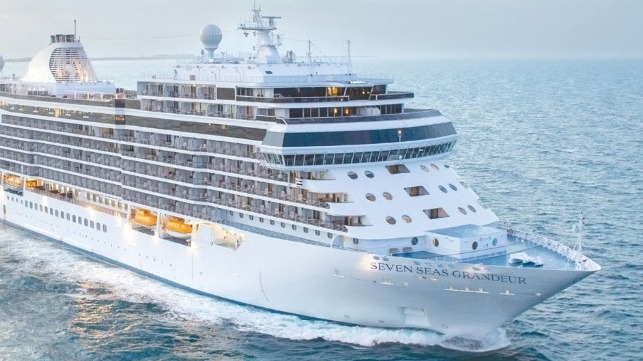
The first of Regent's four new Prestige Class vessels, the Seven Seas Prestige, is due in December with three more arriving in 2030, 2033 and 2036. According to the company, Prestige "embodies Regent's vision for the future of ocean travel and furthers the brand's commitment to excellence as reflected in every aspect of her elevated design." Demand is through the roof.
Of special note is the re-imagined Regent Skyview Suite at nearly 9,000 square feet and going for $25,000 a night. No problem. Guests are lining up to experience it. It's the largest suite at sea and, while other cruise lines may build the biggest ships, Regent will offer the biggest suites.
"It's all about the experience," Montague explains. "That's what our guests want, whether it be on the ship or off. They have money, but they don't always have time. So when they travel to different parts of the world, they want to get the most out of that experience, and that's where we thrive. We help deliver the maximum experience they can get when they cruise with us."
Montague is in his element, and he couldn't be happier. Asked what his biggest challenge is, what keeps him up at night, he replies, "I sleep like a baby. Geopolitical tensions can cause problems, of course, but you just move the ship. You go someplace else. We're not a physical asset that's stuck in one place like our land-based competitors."
VALUE PROPOSITION
Cruising is having its moment, and so is luxury.
And with so much money floating around – what with Baby Boomers wanting to enjoy their retirement and the stock market being up, not to mention the desire for immersive experiences rather than material things – why not take advantage of it?
Oceania and Regent are uniquely positioned to do just that. They have the product, and pricing is apparently no object. In fact, the higher the price, the more people seem to want it.
"We're just a great value proposition compared to land-based hotels and other forms of travel where you have to pack and unpack if you want to see more than one spot," Montague says.
Tony Munoz is the magazine's founder, publisher and editor-in-chief.
The opinions expressed herein are the author's and not necessarily those of The Maritime Executive.
ABS Publishes Leading Whitepaper on Human Readiness Levels for the Industry
“Emerging maritime technologies require qualification processes that extend beyond technical maturity; Human Readiness Levels (HRLs) provide a structured approach that supports safer operations while reducing unnecessary cost and rework.”
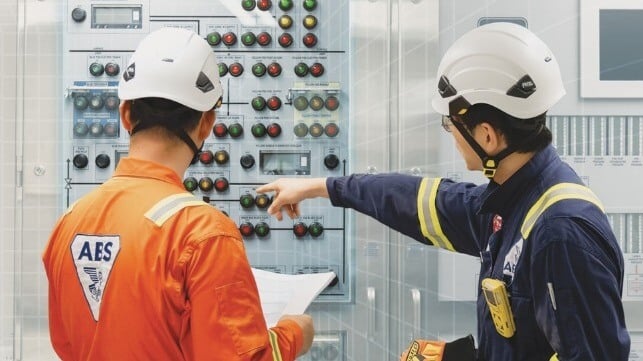
That is an excerpt from the latest industry-leading research from ABS, Beyond Technology Readiness: Applying Human Readiness Levels in Maritime Systems, which examines existing gaps in maritime human?system integration and demonstrates how HRLs can be integrated into current maritime qualification processes.
“Technical maturity alone is not sufficient to achieve operational safety. While existing frameworks offer valuable insight into technical maturity, they do not account for the human element that ultimately interacts with, operates, maintains and makes decisions with the technology. In this whitepaper, ABS is providing guidance for owners and vendors to incorporate human factors early so new technologies can be introduced more safely, effectively and with greater confidence,” said Michael Kei, ABS Vice President, Technology.
Technology readiness levels focus on hardware and software performance, while HRLs evaluate: operator roles and responsibilities; cognitive workload and decision authority; interface usability and interpretability; alarm strategy effectiveness; training effectiveness; procedural completeness; and organizational readiness.
The ABS whitepaper builds on existing guidance from the American National Standards Institute (ANSI) and the International Maritime Organization (IMO) and provides HRL maritime application examples for remote inspections, autonomous operations, AI decision support tools and augmented reality devices.
Recent research on maritime autonomous surface ships (MASS) has highlighted emerging risks associated with supervisory control, automation trust, alarm overload and degraded situational awareness. ABS identifies ways to integrate HRLs into maritime qualification processes such as the ABS New Technology Qualification program, SMART notations and verification and validation guides.
The products and services herein described in this press release are not endorsed by The Maritime Executive.
AI-Enabled ETA Management Could be the Key to Solving Port Congestion
An expanding global fleet. Bigger ships. Growing trade volumes. Slower port turnarounds.
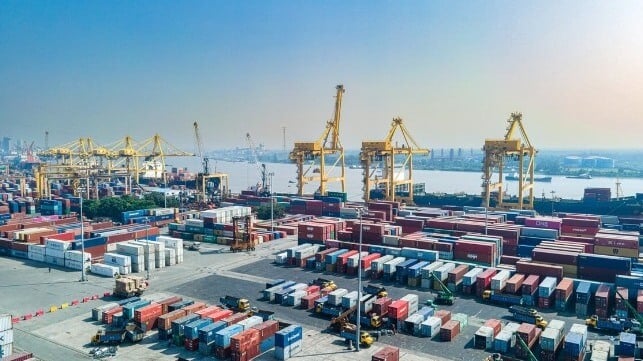
Port capacity is under increasing pressure and congestion is a significant challenge – raising operational costs for shippers, disrupting global supply chains and hitting economic activity. But AI-driven predictive ETA management can optimize port turnarounds to ease logistical impacts.
The smooth transit of 90% of global trade carried by sea remains hostage to port congestion stemming from supply-demand imbalances, operational inefficiencies and lagging investments in infrastructure. Weather also has an impact, along with labour issues and logistical constraints such as a lack of crane availability, yard space and inadequate landside transport connections.
Visibility is therefore key for vessel operators to avoid the ‘rush to wait’ at ports. This requires actionable data insights to determine accurate ETAs that can inform speed decisions to save fuel and optimize arrival times.
Counting cost of congestion
Congestion at ports can affect schedule reliability – adding days or weeks to transit times – as well as disrupt industrial production and push up freight rates due to a dearth of vessel capacity, while also increasing demurrage and detention charges. Consequently, carriers may be forced to reroute vessels or blank sailings.
As well as the negative costs and revenue impacts of port congestion, this can result in higher emissions from unplanned idle time at anchorage or suboptimal ETA management leading to higher than necessary speeds, while there are also safety concerns due to crowded waters.
Port congestion is compounded by the productivity demands of modern megaships – with ultra-large containerships discharging and loading 3000-5000 containers per call to extend berth times – that can put a strain on terminal capacity, especially if several such vessels arrive simultaneously.
Ports are also vulnerable to sudden demand surges caused by pre-holiday shipping rushes or global trade upheaval triggered by tariff changes that can lead to front-loading ahead of implementation to boost cargo shipments – causing delays, higher freight rates and congestion.
Port infrastructure issues
For example, berth waiting times can extend to several days during peak periods at Singapore – the world’s second-largest container port by TEU volume – while the European gateway ports of Antwerp and Rotterdam experience seasonal congestion, especially during the peak Q3/Q4 shipping season and when industrial action disrupts operations, according to research firm Kpler.
The biggest challenge is matching port capacity with shipping demand.
There is a lack of transparency about berthing slot availability in relation to expected ship traffic and arrival times, particularly in the container trade and possibly more so in bulkers and tankers. This means a slot may cease to be available for a waiting vessel if a port is working at full capacity, or available berths may not be used if expected vessels fail to arrive.
This leads to sub-optimal port utilization, putting intraport capacity utilization under pressure. Consequently, a port may develop port infrastructure that isn’t really needed. This also results in bottlenecks, slower vessel turnaround times and voyage delays.
Such bottlenecks – when the volume of ships calling at ports exceeds terminal capacity to efficiently process them – cause a domino effect where a delay due to congestion at one port ripples down to other ports on the route to hit entire trade lanes. Local congestion thus becomes global disruption.
S&P Global’s latest global port congestion analysis indicates a general decline in port efficiency globally with decreased port moves per hour, longer arrival processing times and increased average port hours at most ports across five regions – Northern Europe, North-East Asia, North America, South-East Asia and the Mediterranean.
Optimizing port traffic flows with AI
However, port traffic flows can be optimized by leveraging AI-driven intelligence used in smart voyage management that can enable predictive ETAs and earlier decisions on berth planning when there is a transparent flow of information between the port and shipping company.
Predictive ETA management uses AI analytics and advanced algorithms to forecast accurate arrival times based on a range of real-time data inputs – weather, vessel performance, traffic and navigational, and port and terminal operations.
This can enable more efficient planning of port calls through integration of port congestion insights, berth availability data, traffic events and analysis of avoidable waiting time.
Voyage intelligence, which combines meteorological, technical and operational data to predict ETAs, makes it possible to better navigate port call congestion when port information is included in the data stream.
Faster turnarounds, fuel savings
Real-time updates allow dynamic recalculation of optimal routes and speeds based on scenario analysis to determine the best route with the lowest fuel use and optimal arrival window.
One possible scenario is that a vessel could adjust speed 48 hours out to align with an open berth slot, thereby cutting waiting time from 18 hours to zero. It is all about facilitating the shift from a ‘rush to wait’ to just-in-time arrivals.
Ship operators are increasingly using cost-benefit analysis to vary speeds and save fuel within traditional contracts as part of intelligent routing, which can result in faster port turnarounds and savings of 5-8% in fuel and emissions, while also improving CII ratings. This is low-hanging fruit with minimal investment.
'Air traffic control system’ for ports
There is clearly also potential for wider application of smart ETA management to serve as an ‘air traffic control system’ for ports to allow more efficient berth allocation, improved resource coordination and enhanced capacity utilization.
This can provide visibility of all vessels sailing into a port for more precise scheduling of marine operation resources – such as pilots, shore labour and equipment – and better alignment with outbound logistics to avoid unnecessary costs.
Predictive ETA management can alleviate chronic port congestion to deliver measurable gains in shipping efficiency and sustainability – and dramatically improve the reliability of the global supply chain.
The opinions expressed herein are the author's and not necessarily those of The Maritime Executive.
(Article originally published in Jan/Feb 2026 edition.)
PASSENGER SAFETY: A HIERARCHY OF CONTROLS **By Pat Zeitler**
Those in the business of industrial safety are familiar with the concept, "hierarchy of controls."
It's predicated on the belief that health and safety risks are controlled through a hierarchy of actions that can best be described as an inverted cone or pyramid with the most effective control on top, narrowing down to the final and least effective control on the bottom. At the top of the pyramid is elimination, followed by substitution, engineering controls, administrative controls and personal protective equipment (PPE).
Safety professionals who dedicate themselves to cruise ships and ferry boats must implement this system in a way that encompasses both the industrial component of crew and passenger safety as well as the hospitality side of business.
In theory, eliminating hazards is best (step #1). However, many hazards are permissible in this system when the probability, risk or exposure is extremely low. A good example is how the cruise industry reacted during the 2020 Covid outbreak. It simply eliminated the hazard by ceasing operations until the threat of Covid went away. Another example would be a cruise operator not allowing a vessel to get underway due to reports of severe weather.
Step #2 is substitution. This action might be applied to a cruise ship or ferry boat in the form of changing a route (due to any number of factors) or reducing emissions by shifting to alternative fuels or electric propulsion – a substitution intended to mitigate the environmental hazard more than the immediate risk of personal safety.
The remaining three steps – engineering controls, administrative controls and personal protective equipment (PPE) – are tangible and easily recognizable by passengers and crew. This is where companies like Survitec, Consilium, Lalizas and Viking come into play.
ENGINEERING CONTROLS
Engineering controls, in the most simplistic terms, is a modification made or engineered in a way that physically separates the hazard from the person. The key factor is that the worker or passenger will not have to adapt their behavior to the known hazard.
For example, Consilium is a company that has been in the business of fire detection for marine purposes since 1967, long before the concept of a hierarchy of controls even existed. Safety technology is what Consilium is known for, and its newest innovation, SensEye, is a video monitor integrated into Consilium's SMiG automated safety management system and, with the assistance of AI, will notify the crew when abnormalities are detected.
The system monitors passengers and crew, and if a passenger enters a restricted area the system will notify the crew or if someone takes a fall the onboard emergency management system can be activated in real time.
When asked what safety trends Consilium expects to see in 2026 and beyond, Martin Steen, Consilium's Senior Vice President Americas, stated, "AI, AI, AI. We're investing heavily, same as all other leading tech companies. We'll use the AI engine to validate all our detection units such as smoke and heat detectors, flame detectors, gas detectors and – in combination with a HD smart camera – analyze the potential risk onboard. We will guide the crew in making the right decision to save life and values onboard."
Incorporating AI is taking fire detection and suppression to the next level. Detection alone is an administrative control. When combined with response capabilities like fire suppression, equipment shutdowns and emergency management system activations, it looks like the gold standard of an engineering control.
ADMINISTRATIVE CONTROLS
Administrative controls include regulations, company policies, materials that include warning signs and markers and even worksite communication systems. Consilium's safety management software could be considered an administrative control.
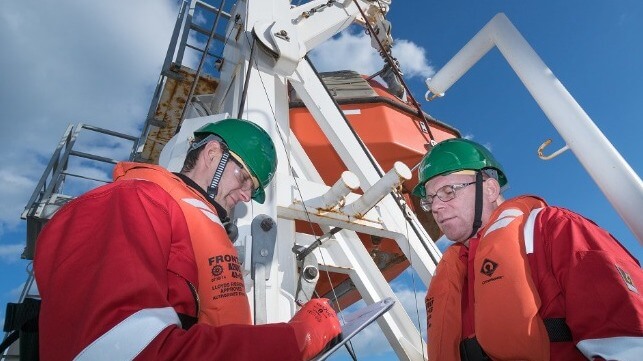
The defining characteristic of an administrative control is that it changes a crewmember or passenger's actions in a way that avoids a hazard. Training might be considered the ultimate administrative control, and vessel operators who team with Survitec have a partnership that includes access to a variety of training courses like safety equipment maintenance, lifeboat operator academies and customer-specific courses available upon request.
Survitec is best known for its life rafts and marine survival technology. Tracking and servicing life rafts, immersion suits, lifejackets as well as lifesaving equipment such as davits and fire suppression systems are key administrative controls that Survitec provides for its customers.
"We've seen a strong post?COVID resurgence in cruise?vessel contracting with shipyards," states Richard McCormick, Communications Director-MES &AES. "It's been significant not only for cruise operators but also for the wider network of suppliers that support them. As a result, we've secured record-breaking sales."
The success of 2025 is due in no small part to the newbuild MES (marine evacuation systems) orderbook. Systems like the Life Ark, Martin Ark 2 and Survitec Zodiac Evacuation Slide are setting the standard for passenger safety.
Looking ahead, Survitec is working on advanced automation solutions designed for the small ferry market as well as introducing its newest MES product, the Survitec Seahaven, the world's largest inflatable lifeboat.
PERSONAL PROTECTIVE EQUIPMENT
The last step on the hierarchy of controls is the most tangible and easily recognized one – personal protective equipment or PPE. It's the last line of defense against a hazard.
While items like gloves, safety glasses and hard hats immediately come to mind, PPE for passengers includes things like Survitec Marine Evacuation Systems, life rafts, immersion suits and all lifesaving equipment in general.
Lalizas is another leader in this space.
"At Lalizas, safety isn't simply about products – it's about people and outcomes," says Iasonas Lalizas, Marketing & Communications Director. "In 2026, we continue to build on our legacy by delivering rigorously tested, regulation-compliant lifesaving equipment, partnering with global operators to enhance onboard safety protocols and investing in education and innovation that protect passengers and crew alike. Our mission remains clear: to elevate safety standards across every voyage, from commercial fleets to recreational craft."
PPE for crew and passengers at sea is what Lalizas is all about.
Since the company's inception in 1982, the core product lines of Lalizas have been life rafts, inflatable and foam lifejackets, man overboard (MOB) systems, immersion suits and breathing devices. While staying true to its product roots, Lalizas introduced two new product lines in 2025 – a mini-version of the Lalizas Foam Folding Compact lifejacket, designed to save stowage space on board, and in-house production of pilot and embarkation ladders.
Beyond developing products, Lalizas acquired Ativa Náutica, Brazil's leading lifejacket manufacturer, a move that strengthened its global network in South America.
No survey of maritime PPE would be complete without mentioning Viking Life-Saving Equipment – the world's largest supplier of marine evacuation systems for cruise ships and passengers.
When aboard a ship, there exists inherent risks that cannot be removed or substituted – a fact that Tage Sørensen, who founded Viking Life-Saving Equipment back in 1960, knew very well. He began producing inflatable rubber life rafts for local Danish mariners.
Today, Viking is a synonym for safety at sea. Its product line of lifesaving PPE includes life rafts, immersion suits and firefighting equipment as well as lifeboats, evacuation systems and life jackets. Viking does more for passenger safety than just providing PPE. Its customers rely on Viking for engineering controls like boat davits and evacuation systems as well as administrative controls that include servicing agreements for life rafts and fire control systems.
Personal protective equipment like life jackets, immersion suits and life rafts are what most people initially think of when the conversation turns to passenger safety, and those items are a key component. However, safety at sea – especially as it relates to passengers – must be examined through a multilayered approach like the hierarchy of controls.
Pat Zeitler is Dive Superintendent at Orion Group in Houston.
The opinions expressed herein are the author's and not necessarily those of The Maritime Executive.