Thursday, April 16, 2026


Manganese X receives US patent for purification technology


Credit: Manganese X Energy Corp.

Manganese X Energy (TSXV: MN) said on Wednesday it has been granted a US patent for the proprietary purification technology it has developed for processing manganese sulphate.

The US patent expands the company’s global intellectual property portfolio, following its recent patent acceptance in South Africa. Applications for patents in Canada, Mexico and Australia have also been submitted for its technology, the company said.

“This achievement reinforces the strength of our technology and our commitment to building a secure and scalable domestic supply chain,” CEO Martin Kepman said, noting the importance of high-purity manganese sulphate in the rapidly growing lithium-ion battery market.

Manganese sulphate is a cathode material used in the production of lithium-ion batteries for electric vehicles and stationary energy storage systems.

Issuance of the US patent adds further value to the development of its flagship Battery Hill project in New Brunswick, the company said. The project, covering over 12.2 sq. km and five distinct zones, is considered to be one of the largest manganese carbonate deposits in North America. Based on a historical report cited by the company, it has a mineral resource of 194 million tonnes.

A pre-feasibility study is currently underway to evaluate multiple processing pathways to optimize both technical performance and economics, Manganese X said.

Shares of Manganese X surged over 9% to C$0.12 by midday, taking the Canadian junior’s market capitalization to C$25.8 million ($18.9 million).


LKAB plan for Swedish rare earths mine could breach Sami rights, report says


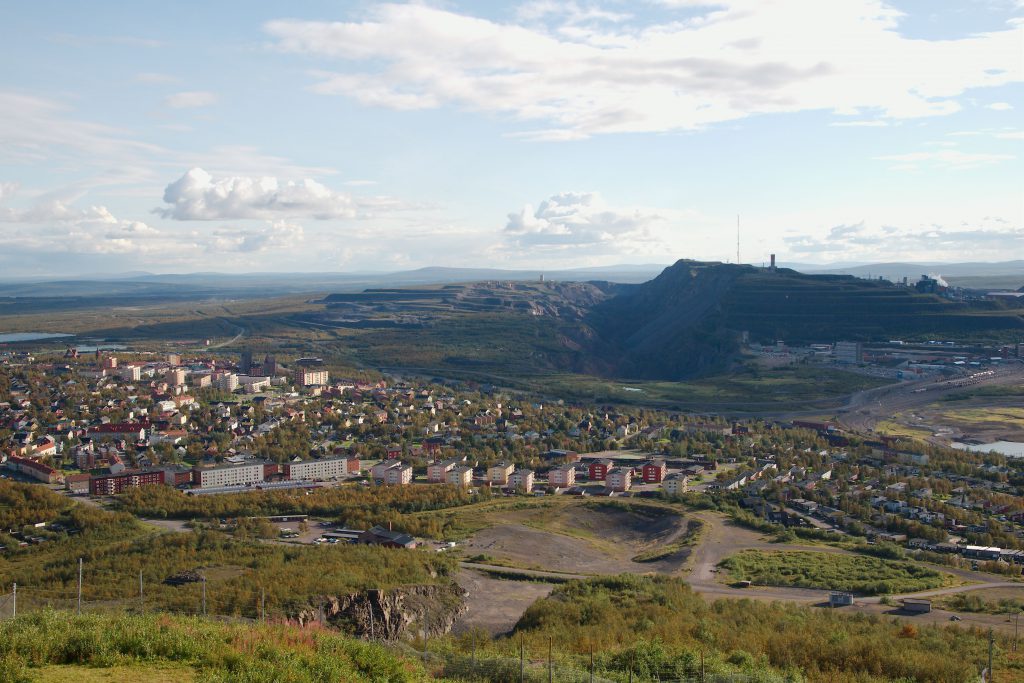
The town and mine of Kiruna, Sweden. Credit: Wikimedia Commons

LKAB’s plans for an iron ore and rare earths project in Sweden’s far north could violate the rights of the indigenous Sami reindeer-herders if it is opened, a report by Stockholm Environment Institute (SEI) published on Wednesday said.

Per Geijer, located near LKAB’s existing Kiruna mine, is one of the European Union’s flagship projects in its strategy to reduce reliance on China for rare earths needed for the transition to clean energy, defence and electric vehicle production.

But Sami reindeer-herders say it would spell the end of their traditional way of life, and have vowed to fight the mine in the courts.

“LKAB’s project carries a significant risk of violating the indigenous rights of the Sami community members,” said Rasmus Klocker Larsen, senior research fellow at the non-profit SEI.

SEI said LKAB’s plans for Per Geijer would breach Sweden’s duties under the United Nations’ International Covenant on Civil and Political Rights and the UN’s Declaration on the Rights of Indigenous Peoples.

The mine would prevent herders from moving their reindeer from winter to summer pastures, among other things.

LKAB said it had not reviewed the report.

“We understand our plans for the new deposit would have an impact and we want to engage in dialogue with the Sami village to develop appropriate and far‑reaching measures for compensation and to identify various solutions going forward,” the company said.

The conflict highlights the tensions and competing legislation that exists between Europe’s economic security goals and commitments to human rights.

Per Geijer, with 1.2 billion tonnes of total mineral resources, of which 2.2 million tonnes are rare earth oxides, is one of Europe’s biggest rare earth finds.

It is designated a strategic project by the EU, which means permitting should be accelerated. Sweden’s government wants to lead a new “green” industrial age in Europe and is cutting red tape for new mines.

LKAB has said Per Geijer is crucial for the long-term viability of the Kiruna mine – the world’s biggest underground iron ore mine. It applied for a mining concession last year. If granted, it would still need an environmental permit to start operations. Both could be appealed.

The Sami say they are not against mines if they don’t threaten their culture.

“This could be the last nail in the coffin that means the end of the whole community,” said Lars-Marcus Kuhmunen, chairman of the Gabna Sami.

(By Simon Johnson; Editing by Paul Simao)

 Ivanhoe holds ‘captive audience’ on Congo sulphuric acid market, CEO says


Credit: Ivanhoe Mines

Ivanhoe Mines has a “captive audience” for its sulphuric acid in the Democratic Republic of Congo, its CEO said on Wednesday, as prices for the chemical soar on limited supplies due to the Iran conflict.

Vancouver-based Ivanhoe this year started selling sulphuric acid as a byproduct of copper smelting at its Kamoa-Kakula project to other mine operators on the DRC copper belt, which need acid to dissolve copper from ore in a process known as leaching.

Supplies from the key Middle East region have struggled to reach world markets, raising fears of a global sulphuric acid squeeze. The DRC alone has an acid market of about 2 million metric tons per year, Ivanhoe CEO Marna Cloete told Reuters on the sidelines of a copper industry gathering in Santiago.

“We just produced just over 100,000 tons in the first quarter, but that’s going to the likes of Glencore, to ERG (Eurasian Resources Group) … so it’s local distribution,” she said, adding that annual acid output would reach 600,000 to 700,000 tons once its smelter was running at full capacity.

“The local market is more than sufficient for us to sell to,” she added, noting that restrictions on exporting sulphur from neighbouring Zambia had stopped DRC companies from making their own acid. “We’ve got a captive audience in terms of our distribution,” Cloete said.

Ivanhoe said in a statement on Monday the Kamoa-Kakula smelter had ramped up to 60% of capacity, with a further increase constrained by a lack of concentrate feed.

The company’s price for high-strength sulphuric acid was around $500 per ton in the first quarter, with spot prices generally increasing over the three months, Ivanhoe said.

(By Tom Daly; Editing by Rod Nickel)

Chinese nickel tycoon taps top global traders for aluminum push

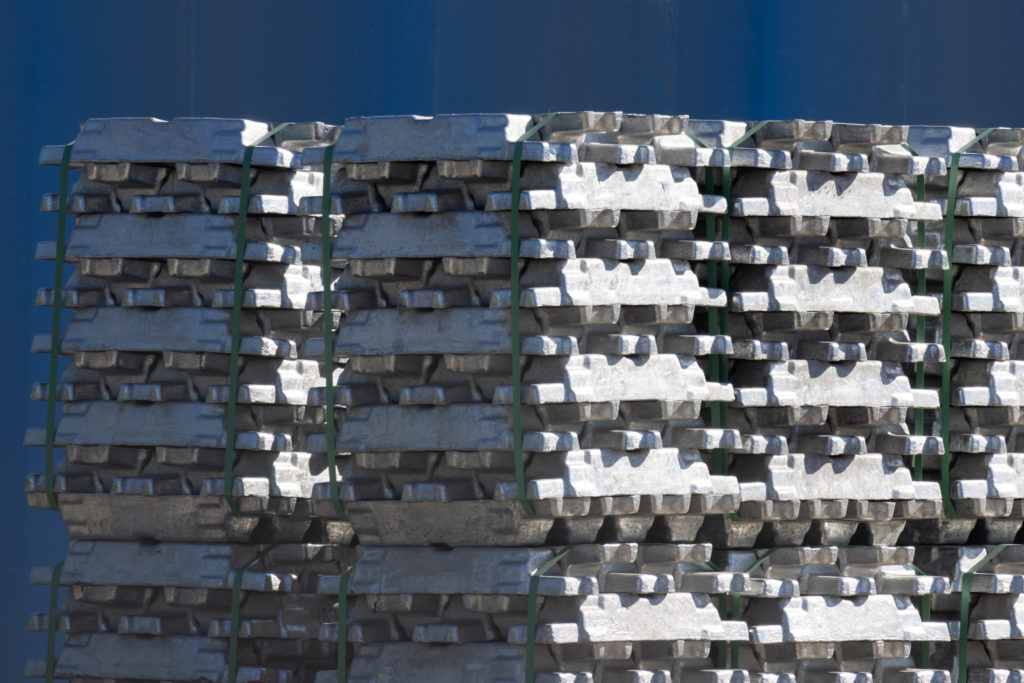
Aluminum ingots. Stock image.

A Chinese tycoon who helped transform Indonesia’s metals industry over the past decade is in talks with commodity trading giants Mercuria Energy Group, Glencore Plc and Trafigura Group to secure investments in his new $3 billion aluminum smelter.

A deal between Xiang Guangda’s Tsingshan Holding Group Co. and the trading houses over minority stakes in the Weda Bay industrial park smelter would provide the merchants with a share of output from the 800,000-ton facility, people familiar with the matter said, adding the talks were already advanced. They asked not to be named as discussions are not public.

For Tsingshan, the involvement of high-profile Western investors with a global outlook and client base could be helpful in securing the support of an Indonesian government that has soured on local mining billionaires, the people said. It would also help limit the group’s financial exposure, they added.

For the traders, it would ensure a new source of metal at a time when a war in the Persian Gulf — a region that accounts for around a tenth of global aluminum supply — has upended flows and underscored the importance of diversified sourcing. Emirates Global Aluminium PJSC, the region’s biggest producer, has said it could take as long as a year to restore full output at its Abu Dhabi plant following an Iranian attack.

Tsingshan — a company that has been key to Indonesia’s emergence as a dominant player in nickel — has typically partnered with local producers and leading Chinese metals companies. In aluminum, it has teamed up with Huafon Group and Xinfa Group to build and run smelters in both the Morowali industrial park, in Sulawesi and in North Maluku, home to Weda Bay.

Spending on the new aluminum project is expected to top $3 billion, including smelters and associated power-generation facilities, the people said. The project will be developed in two phases, each with a capacity of 400,000 tons, they added.

Officials at Tsingshan did not respond to requests for comment. Mercuria, Glencore and Trafigura declined to comment.

Tsingshan is also speeding up other aluminum projects to allow the group to step in at a time of supply upheaval. Two plants in Indonesia will add production capacity totaling about 600,000 tons a year as early as next month, the people said — earlier than a planned third-quarter target.

Xiang, whose giant nickel bet sent shockwaves through the London Metal Exchange in 2022, is one of a number of Chinese entrepreneurs boosting aluminum capacity in Indonesia. China, the world’s largest producer, has hit a domestic cap on output, pushing companies to seek alternative venues with cheap energy and accommodating policy.

Aluminum prices in London rose to a four-year high this week after US President Donald Trump’s blockade of Iranian ports threatened more disruptions to shipments from the Persian Gulf. Fees paid by Japanese clients to obtain aluminum have surged to the highest level in 11 years, while premiums paid in the US have also climbed.

The acute supply-chain disruptions have pushed Japanese auto-parts manufacturers into talks with Russian giant United Co. Rusal International PJSC for its high-end alloy products, Bloomberg reported last month. Other metal buyers usually dependent on the Middle East are looking for alternative suppliers in other regions, including Indonesia.

(By Alfred Cang)

AG

Silver faces sixth year of deficit with stock drawdown raising squeeze risks, research shows


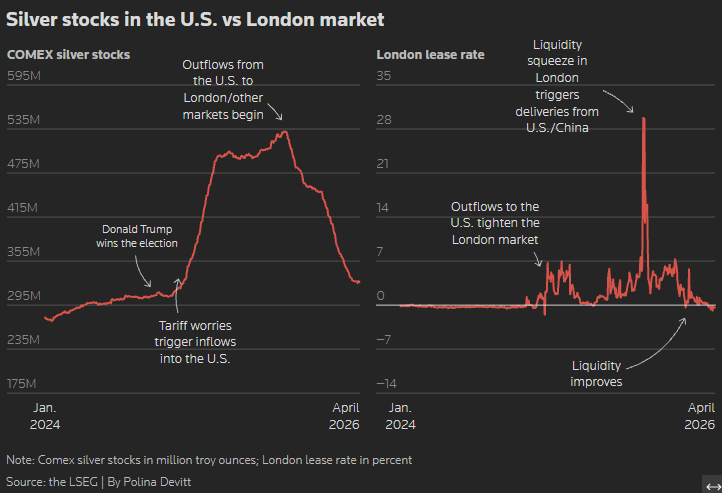
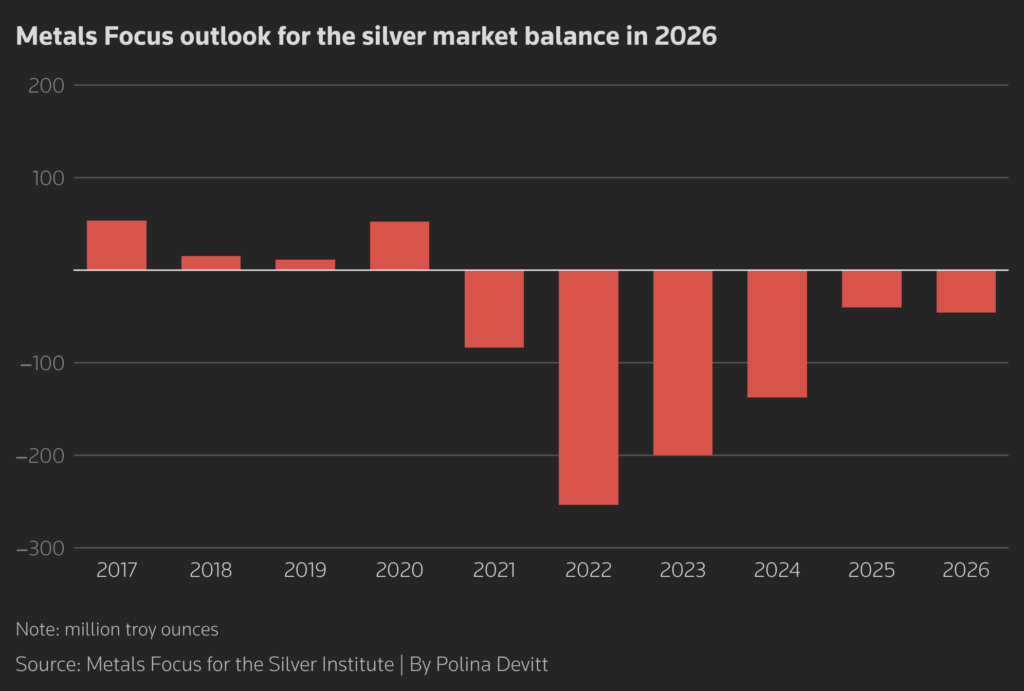
The silver market is heading for a sixth year of structural deficit, with 762 million troy ounces drawn from stocks since 2021, raising the risk of a renewed liquidity squeeze despite weaker demand expectations, the Silver Institute and consultancy Metals Focus said on Wednesday.

Silver , used in jewellery, electronics, electric vehicles and solar panels as well as for investment, is down 35% since a bout of frenzied retail buying – following a 147% surge in 2025 – drove prices to a record high of $121.6 an ounce in January.

The base for that rally was created in 2025 by months of inflows of the metal to the US inventories and silver-backed exchange-traded products (ETPs) alongside a spike in physical demand that triggered a liquidity squeeze in the benchmark London market in October.

Since then, liquidity has improved as metal flowed back from the US, ETPs saw outflows and Indian demand eased.

“Lease rates in London have largely normalized, but risks of another liquidity squeeze this year remain,” said Philip Newman, managing director at Metals Focus, which prepared the research for the Silver Institute industry association.

Metals Focus estimates that 28% of 884 million ounces of silver held in London vaults at end-March were not tied to ETPs and were potentially available to support liquidity, the highest share since January 2025 and up from a historic low of 17% in September that helped precipitate the October squeeze.

Conditions for a silver squeeze will be created again, requiring further outflows from the US, if the price becomes more volatile and Indian demand gets active, especially coupled with inflows to ETPs storing their metal in London, Newman said.

The global silver market deficit is expected to widen to 46.3 million ounces in 2026 from 40.3 million in 2025, even as total demand falls 2% due to weaker industrial and jewellery consumption, partly offset by stronger coin and bar demand, the research showed.

Industrial silver fabrication is forecast to fall 3% to a four-year low with the Iran war’s damage to global growth threatening further downside. By contrast, coin and bar demand is seen rising 18% supported by a recovery in the US buying.

Total global silver supply is forecast to decline 2%, reflecting producer hedging normalizing after jumping in the second half of 2025.

(By Polina Devitt; Editing by Joe Bavier)

CU

DRC boosts US copper sales fivefold to 500,000 tonnes


Gecamines’ Mutoshi copper-cobalt project.(Image courtesy of Trafigura.)

The Democratic Republic of Congo has raised planned copper sales to the United States to 500,000 tonnes through a state-backed marketing venture, marking a fivefold increase from its initial January commitment.

The deal, first reported by Semafor, is led by state miner Gécamines and marketed through a joint venture with Mercuria Energy Group, with backing from the US International Development Finance Corporation. It targets copper output from Gécamines’ minority stakes in major operations, including Kamoto Copper Company and Tenke Fungurume.

The expanded agreement highlights the DRC’s growing influence in global copper markets while intensifying competition between Western and Chinese players for control of critical mineral supply chains, as Kinshasa seeks to convert passive stakes into direct revenue and greater commercial control.

Gécamines has been working to transform its holdings in some of the country’s largest mines into physical copper it can market independently. Its stakes include Glencore’s (LON: GLEN) Kamoto Copper Company and the Chinese-run Tenke Fungurume mine, one of the world’s highest-grade copper-cobalt deposits. While the partnership is intended to improve transparency and control, Mercuria remains the seller of record as Gécamines develops an in-house trading arm

Analysts say that transition will require significant investment in financing, insurance and risk management, as well as access to physical markets. 

Congo’s copper production has surged to 3.5 million tonnes in 2025, cementing its position as the world’s second-largest supplier after Chile. The growth comes amid record prices and rising demand driven by electric vehicles, renewable energy and data centre expansion.

Strategic reserve

In a parallel move to tighten its grip on critical minerals, the DRC has established a strategic reserve for cobalt and other key materials, handing control to regulator ARECOMS. The agency can now acquire, hold and market designated minerals, allowing the state to stockpile unused export quotas and intervene more directly in global markets.

The reserve, which will also include germanium and could be expanded to other minerals, builds on previous measures to bolster cobalt prices, including a temporary ban on exports last year followed by a quota system.

“It will allow the Congolese state to intervene in a targeted manner regarding the quantities of strategic mineral substances available in order to maintain the balance of the international market and contribute to strengthening its economic sovereignty,” ARECOMS said in an emailed statement.

Congo, which produces about 70% of the world’s cobalt, has already moved to curb oversupply through export bans and quotas. It shipped about 48,800 tonnes in the first quarter, down sharply from roughly 123,000 tonnes a year earlier, when exports were frontloaded ahead of a four-month freeze.

Under the quota system, 10% of national cobalt exports are reserved for strategic use, amounting to 9,600 tonnes in 2026. Any unshipped volumes risk being transferred to the state reserve, adding another lever for the government to influence supply.

China’s hold

Chinese companies such as CMOC, Zijin and Huayou dominate copper and cobalt production in the DRC, where the metals are often mined together, while US firms have historically stayed away because of conflict, corruption and logistical hurdles.

Kinshasa hopes American capital can dilute that dominance after years of Chinese expansion. In 2007, Congo granted Chinese miners tax breaks running to 2040 in exchange for $9 billion in promised investment, of which about $6 billion materialized, as Western governments showed little appetite to curb sales to Chinese buyers.

By the time US President Donald Trump returned to office in January 2025, Chinese firms controlled about 80% of Congo’s mining output, underscoring Beijing’s dominance in the sector. Western interest is increasing, however, with Orion CMC — backed by the US development finance agency — moving to acquire stakes in Glencore’s Congolese assets as Washington looks to secure critical mineral supply.

While the Congolese state holds a 30% stake in Kamoto, Gécamines can tender up to half of the mine’s copper production in 2026 and 2027 to offset volumes it was previously unable to market, potentially extending beyond that period if needed.


Blue Moon outlines 13-year mine at Norway copper project


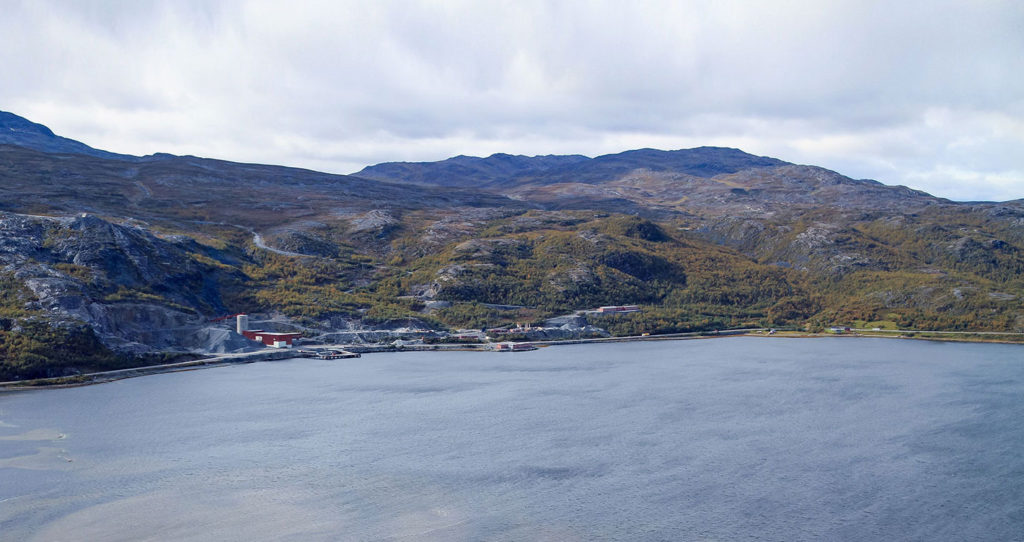
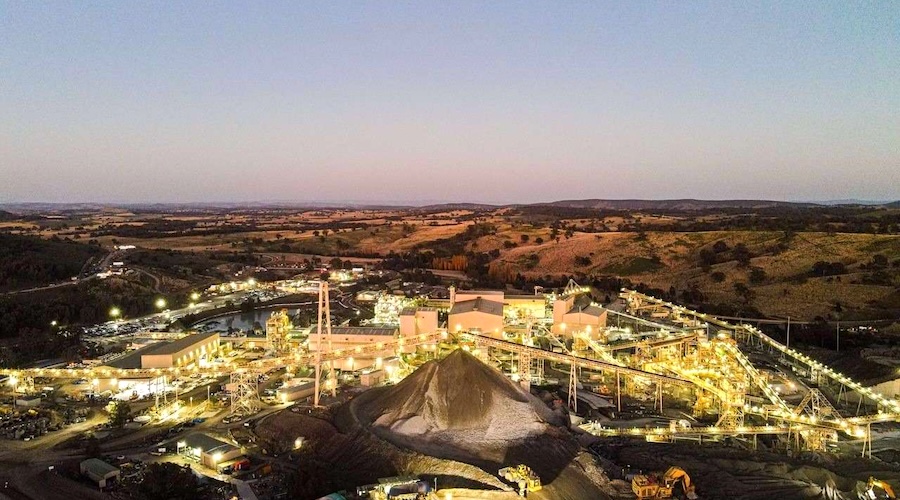
The Nussir project is a new copper mine in Northern Norway based on the brownfield site of a mine that stopped operations in 1979. Credit: Nussir ASA

Blue Moon Metals (TSXV: MOON) (NASDAQ: BMM) says a newly feasibility study for its Nussir copper project in northern Norway has confirmed what it calls a “long-life asset with strong economics”.

The study, published on Thursday, outlined a potential 13-year mine operation with average annual production of 19,000 tonnes in copper equivalent (CuEq), including 3,600 oz. of gold and 546,000 oz. of silver.

Under the base-case scenario, including long-term price assumptions of $4.78/lb. copper, $3,515/oz. gold and $45.26/oz. silver, the project has a net present value (after tax, discounted at 8%) of $235 million, with an internal rate of return of 19%. Initial capital expenditures are estimated at $184 million. The total payable metal mix breaks down as 77% copper, 6% gold and 13% silver.

The FS results are based on a current measured and indicated resource of 28.72 million tonnes grading at 1.2% CuEq, inclusive of proven and probable reserves of nearly 25 million tonnes at 0.99% CuEq.

According to Blue Moon, there is potential to expand this resource as the deposit remains open to the west and at depth. Adding 5 years to the mine life utilizing 50% of the inferred resources would result in a 52% increase to the calculated NPV, the company estimates.

It also noted that FS only considers the underground resource of the Nussir deposit and not the Ulveryggen deposit part of the project.

Production in late 2027

The FS provides strong support to make a final investment decision on the project and confirms that the timeline to hot commissioning of the process plant is the third quarter of 2027, the Canadian-based junior said. The start of production is pegged for December 2027.

“The completion of this feasibility study update marks yet another significant milestone for our Nussir project and reaffirms the strength and value of this asset and resource,” CEO Christian Kargl-Simard stated in a press release.

“Through our ongoing exploration efforts at Nussir, including 200-metre step out holes at over 1-kilometre depth, we believe this will be a generational copper mine, so we believe these results are just the beginning,” he added.

Blue Moon acquired the Nussir project in late 2024 as part of its efforts to diversify away from its zinc project in California, focusing on near-production assets. The project is host to a historic mine that was in production during the 1970s, with mining occurring from four shear-hosted open pits until operations halted in 1979.

Shares of Blue Moon Metals inched higher to trade at around C$11.20 apiece, for a market capitalization of C$974 million ($710 million).

China copper consumption to grow by 3.7% annually through 2035, Minmetals says


Stock image.

Refined copper consumption in top metals market China shows no signs of peaking and could grow by an average of 3.7% annually over the next decade, a researcher from state-owned China Minmetals Corp said on Tuesday.

China’s demand growth this year will be much lower at about 1%, Zuo Haoen, market research director at Minmetals Non-Ferrous, told the World Copper Conference in Santiago, citing a slowdown in the pace of the energy transition – especially in copper-intensive solar power – and high copper prices.

Under Minmetals’ “most realistic” scenario, Chinese copper consumption will grow by 3.7% a year to 22.95 million metric tons by 2035, up a total 43% from 16 million tons in 2025.

If China’s copper intensity can be maintained, consumption will grow by more than 50% over the decade, Zuo said, noting that the country had ground to make up on developed economies in terms of per capital copper consumption.

The Minmetals forecast is based on a projected population of 1.35 billion in China in 2035. “Even with a mild population decline, future incremental copper demand will remain substantial,” Zuo said.

(By Tom Daly; Editing by Neil Fullick)

 AUSTRALIA

Newmont halts Cadia gold mine after earthquake


Cadia is one of Australia’s largest gold mines. (Image courtesy of Newmont.)

Shares in Newmont Corporation (NYSE: NEM) fell more than 4% in early New York trading on Wednesday after the company suspended underground operations at its Cadia gold mine in Australia following a 4.5-magnitude earthquake in New South Wales.

The company said the earthquake, classified as light to moderate seismic activity, was followed by two aftershocks late on April 14 and into Wednesday morning. Newmont said all underground workers were accounted for and returned to surface, with no injuries reported.

The miner’s shares were last trading at $114.09, down 4.4% from Tuesday’s close, giving the company a market capitalization of about $125 billion.

Specialist teams are inspecting and assessing Cadia’s underground infrastructure before management decides when to resume operations.

Cadia is one of Australia’s largest gold and copper operations, so any prolonged disruption could weigh on output from one of Newmont’s key assets.

Hancock, Rio Tinto ordered to pay Hope Downs royalties to ex-partners


Australian billionaire Gina Rinehart. (Image courtesy of Gina Rinehart’s website.)

Australian billionaire Gina Rinehart’s Hancock Prospecting Pty and partner Rio Tinto (ASX:RIO) must pay millions of dollars in past and future royalties after a court sided with the heirs of her father’s former business partners.

The West Australian Supreme Court ruled that Wright Prospecting and DFD Rhodes are entitled to a share of royalties from parts of the Pilbara operation, marking a significant turn in a 15-year legal battle. The final payout will be determined at a later trial, though Hancock estimates the claims could total about A$14 million a year for Wright Prospecting and A$4 million for Rhodes.

The court also rejected competing ownership claims over the Hope Downs and East Angelas tenements, confirming they belong exclusively to Hancock Prospecting and dismissing what the company called “baseless” assertions from Wright family entities.

The long-running dispute over the Hope Downs iron ore complex traces back decades. Rinehart’s father, Lang Hancock, and his former classmate Peter Wright teamed up in the 1950s to secure mineral rights in the area that later became Hope Downs.

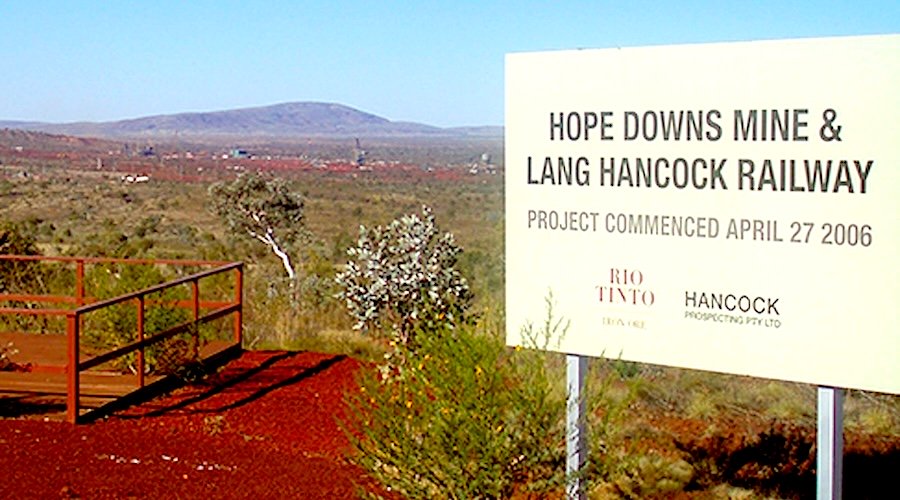
Hope Downs iron ore complex. (Image courtesy of Hancock Prospecting.)

In 1969, they struck a deal with businessman Don Rhodes that promised a small royalty from ore produced there. The lawsuit later focused on the Hancock-Wright partnership, the division of assets under agreements negotiated in the 1970s and amended before Wright’s death in 1985, and the separate royalty claim advanced by Rhodes’ descendants.

“At the heart of the issues raised by the parties to the proceedings were a number of formal agreements made decades ago between men who were friends or colleagues who for some years engaged in harmonious and cooperative arrangements to explore, discover and prospect for iron ore in the East Pilbara,” Justice Smith said in a summary judgment.

Hancock said the ownership issue was the central question in the case and welcomed the court’s decision as a decisive victory, noting the judge found rival claims “fail at the first hurdle” and ruled it would be unjust for Wright Prospecting to benefit without contributing to the project’s risks or development.

Wright Prospecting also welcomed the judgment. “These proceedings were commenced in 2010 to recover our share of royalties from the Hope Downs 1-3 mines, and, after many delays, we are pleased to finally receive a result in our favour,” it said in an emailed statement.

Mounting pressures

The ruling adds fresh financial and legal pressure to a long-running dispute over the spoils from Hope Downs, a cornerstone Pilbara operation, and underscores how decades-old prospecting deals can still shape ownership economics at world-class mines. 

Hancock sought to spread the impact, saying Rio will share liability for any royalty payments and related interest. 

“Bringing Hope Downs to life required significant investment in exploration, evaluation and development, obtaining thousands of government approvals, securing major project financing and a joint venture partner,” executive director Jay Newby said. 

He added that any royalty and interest payments to Wright or Rhodes would be shared with Rio, reducing Hancock’s contribution.


BC Court upholds personal liability for mining execs in environmental violations


Credit: Adobe Stock

The BC Court of Appeal reinforced that mining company directors and officers face personal responsibility for environmental violations, even when they claim ignorance of the harmful activities occurring under their watch.

The court released its decision this past Friday in R. v. Mossman, rejecting an appeal from a mining executive who sought to avoid liability for strict regulatory offenses at a gold mining operation near Prince Rupert, B.C. The ruling confirms that corporate leaders cannot escape personal consequences for environmental violations by arguing they were unaware of the problems.

Investigators initially targeted the director, president, chief operating officer and designated mine manager after discovering environmental violations at the mining site. Prosecutors charged the accused with multiple offenses under the Environmental Management Act and Fisheries Act, including failing to report environmental spills, dumping mine waste into waterways, and discharging substances that exceeded permitted concentrations.

The executive challenged his conviction on secondary liability charges, arguing prosecutors failed to prove he knew about the concentration exceedances. His legal team contended that without evidence he understood the circumstances surrounding the violations and chose not to respond, courts could not hold him personally responsible.

Lower courts disagreed with this interpretation, and the Court of Appeal upheld their reasoning. The three-judge panel concluded that strict liability environmental offenses do not require prosecutors to prove the accused possessed knowledge of the harmful conduct.

Justice Patricia Janzen wrote that individuals who choose to engage in regulated activities accept responsibility for exercising reasonable care to prevent environmental harm. The court rejected arguments that broad interpretation of secondary liability provisions would create unfair presumptive liability for corporate officers unaware of their company’s violations.

The appellant’s lawyers warned that holding executives liable without proving their knowledge would cause significant injustice given the heavy penalties involved. However, the court found these concerns insufficient to narrow the legislative framework protecting environmental resources.

Instead, the judges established a two-part test for securing convictions against corporate leaders. Prosecutors must prove the company committed the environmental offenses and demonstrate the accused’s active or passive involvement in those violations based on their organizational responsibilities.

The court emphasized that liability flows from executives’ voluntary assumption of responsibility to control foreseeable environmental harm within their areas of authority. This means the company’s regulatory breach must connect logically to the scope of responsibilities the accused willingly accepted in their leadership role.

Environmental lawyers say the decision strengthens regulatory enforcement against mining companies by removing knowledge requirements that previously helped executives avoid personal accountability. The ruling applies beyond the specific acts involved in this case, extending to similar secondary liability provisions in British Columbia’s Mines Act and Forest Act.

Legal experts predict regulatory investigators and Crown prosecutors will pursue individual charges more aggressively following this precedent. Mining executives across the province now face heightened personal exposure when their companies violate environmental regulations.

The decision particularly impacts senior management at resource extraction companies operating in environmentally sensitive areas. Company directors and officers must ensure their organizations maintain robust compliance systems to avoid personal criminal liability.

While the court did not address due diligence defenses in this appeal, legal observers note that demonstrating reasonable care to prevent violations may still provide protection against both primary and secondary liability charges.

The ruling reflects courts’ increasing willingness to hold corporate leaders personally accountable for environmental damage, marking a shift from traditional approaches that primarily targeted companies rather than individuals. Mining industry associations are reviewing the decision’s implications for executive governance practices and compliance protocols.


Freire Shipyard Launches The Armada Diving Support Vessel A22 Proserpina

Freire Shipyard
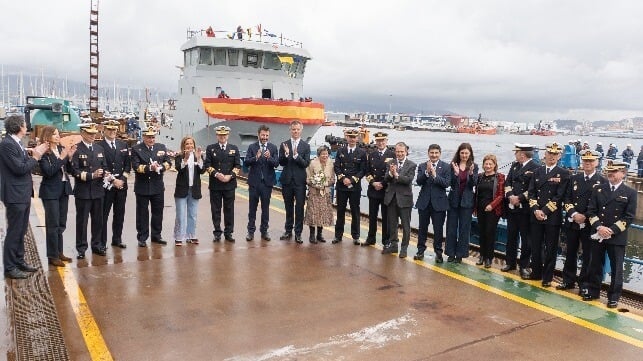
Official group photograph taken during the launch ceremony.

Published Apr 15, 2026 8:53 PM by The Maritime Executive


[By: Freire Shipyard]

The Spanish shipyard C.N.P. FREIRE, S.A. (Freire Shipyard) held in Vigo the launch ceremony of the diving support vessel, hull number 739, built for the Armada Logistics Support Command: A22 Proserpina. Delivery is scheduled for later this year.

The ceremony was presided over by the shipyard's General Managers, Marcos and Guillermo Freire, accompanied by the Chief of Staff of the Armada (AJEMA), His Excellency Antonio Piñeiro Sánchez.

As well was attended by prominent civil authorities, including the Government Delegate in Galicia, Pedro Blanco Lobeiras; the Mayor of Vigo, Abel Caballero; the Director General for Industrial Strategy and Business Land of the Xunta de Galicia, Margarita Ardao Rodríguez; the Vice President and Deputy for Sports, Economy and Employment Promotion of the Provincial Council of Pontevedra, Luisa Sánchez; as well as the Director of the Port Authority of Vigo, Rubén Marín.

Likewise, the event brought together distinguished military authorities, such as the Chief of Logistics Support of the Armada, His Excellency Ignacio Céspedes Camacho; and the Director of Engineering and Naval Construction of the Logistics Support Headquarters, His Excellency Nicolás Lapique Martín.

Also in attendance were the Admiral-in-Charge of the Ferrol Arsenal, Mr. Vicente Rubio Bolívar; the Deputy Director of Engineering at the Directorate of Naval Engineering and Construction, Mr. Francisco Antón Brage; and the General Director of Economic Management of the Naval Logistics Headquarters, Mr. Francisco Javier Delgado Sánchez.

The institutional representation was completed by the Defence Delegate in Galicia, Mr. Jesús Ángel Paz Pena; the Naval Commander of Vigo, Mr. Jaime Toledano Funes; and the Commander of the Maritime Action Units in Ferrol, Mr. José Manuel Mata Hervás.

“Today we witness the achievement of a collective effort, a shared vision, and the trust built between the Armada and the Spanish shipbuilding industry,” stated Admiral General Antonio Piñeiro. He also addressed Freire's team in the following terms: “To all of you who have made this project possible—workers, engineers, technicians, and of course, your families—thank you. Thank you for demonstrating that the Spanish shipbuilding industry continues to be a reference.”

In addition, the AJEMA emphasized that “the ‘Proserpina’ has a clear, demanding, and strategic mission: to support the Military Diving School in the training of our specialists. We live in an environment where maritime security is increasingly complex. Threats are not only on the surface, but also underwater. Essential infrastructures run along the seabed: cables carrying our Internet, gas pipelines, other services, etc. Protecting them requires preparation, resources, and highly qualified professionals. That is where our divers operate, and that is where the ‘Proserpina’ becomes an essential component”.

“For the entire team at Freire Shipyard, it is a privilege to be the first private shipyard to build a steel vessel for the Navy. Through this collaboration, we contribute to the modernization of its auxiliary units, strengthening its position as a naval benchmark both nationally and internationally, and laying the foundations for future joint initiatives. We are grateful to the civil and military authorities who joined us at this ceremony, a moment of great significance for our shipyard,” stated Marcos and Guillermo Freire, General Managers of Freire Shipyard.

The vessel was christened by Mrs. Olga Vallespín Gómez, the first professional female diver in Spain, who also played an honourable ceremonial role as godmother during the event.

“I must proudly express how much I owe to the Armada. First and foremost, to the Navy’s Diving Center (CBA), located in La Algameca, Cartagena, which provided me with the best training as a professional diver in 1970, when I was beginning my university studies to become an archaeologist,” the ship's sponsor said. She added, “My wish is that the crew will find on this ship all the resources they need to fulfill their mission. I am certain that with the loyal dedication that characterizes our sailors, they will be able to accomplish their primary task: saving lives at sea.”

Advanced technology for underwater operations
The auxiliary unit has an overall 32.90 metres length and 9 metres beam, with a range of 500 nautical miles at a cruising speed of 10 knots and a maximum speed of 12 knots. It is capable of carrying out prolonged missions in national waters and can accommodate up to 15 crew members.

The A22 Proserpina incorporates eco-friendly technologies to optimize fuel consumption and reduce emissions. Its main features include a dynamic positioning system (DP2) and a three-anchor mooring system, ensuring stability at depths of up to 90 metres.

The vessel is equipped for underwater intervention operations, including side-scan sonar (SBL), a lightweight, modular, and deployable autonomous underwater vehicle (AUV), and a remotely operated vehicle (ROV) for observation and exploration. The ROV can operate at depths of up to 900 metres, while the AUV reaches 300 metres.

Designed by Seaplace, the vessel includes dedicated areas for diving equipment, hyperbaric chambers and tactical coordination, supporting diving assistance missions, advanced training and technical work at depth.

A key step forward for naval diving
Its primary mission will be to serve as a support unit for the Spanish Navy Diving School (EMB), specialised in complex underwater operations, ranging from structural inspections to technical interventions, ensuring operational safety and the maintenance of naval infrastructure.

The A22 Proserpina marks the beginning of a new phase in support of underwater operations, replacing the veteran Proserpina and strengthening the Spanish Navy’s technical and training capabilities. This vessel forms part of the ongoing modernization and renewal of auxiliary units, aimed at enhancing underwater intervention capabilities and maintaining the Navy’s position as a reference in this field, both nationally and internationally. It will also enable more efficient operations and ensure the continuity of training and specialisation in diving.

The products and services herein described in this press release are not endorsed by The Maritime Executive.


Gianluigi Aponte Transfers World's Largest Container Line to His Children

Aponte family
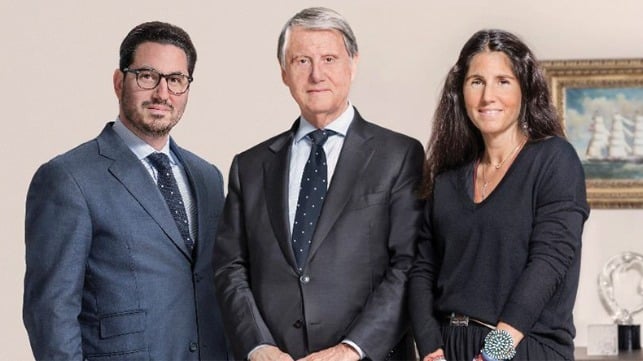
From left: Diego Aponte, Gianluigi Aponte, Alexa Aponte Vega (MSC file image)

Published Apr 13, 2026 9:31 PM by The Maritime Executive


Gianluigi Aponte, the founder and chairman of number-one container line MSC, has transferred the ownership of his company over to his daughter Alexa and his son Diego. 

MSC confirmed Monday that Gianluigi Aponte passed ownership of the company to his children at the end of last year. They both have extensive experience in the industry: Alexa is now the MSC Group's CFO, and Diego serves as the company's president. 

“With Diego and Alexa, I am confident the group will continue to thrive and honour our family’s legacy of innovation, resilience and unwavering commitment to the sea," Gianluigi Aponte said in a statement. "Passing ownership to my children is not only a reflection of their dedication and achievements, but also a continuation of our family’s centuries-long maritime heritage."\\

Gianluigi Aponte founded MSC in 1970 and built it into a shipping powerhouse, ascending the ranks of the world's containerlines. In 2020, MSC hired the then-COO of Maersk, Soren Toft, to take over as CEO and fulfill a mandate to grow MSC's fleet. Under Toft, MSC pursued growth by all available means, splashing on newbuilds and buying or chartering-in older tonnage throughout the pandemic era.

In early 2022, MSC overtook Maersk to become the number-one carrier by fleet size, and it now dwarfs its longtime rival. With 1,000 ships and 7.3 million TEU of capacity on the water, MSC accounts for one-fifth of the world boxship fleet - and it has over 120 more newbuilds totaling two million TEU on order.