Thursday, March 26, 2026

Trump links US security deal for Ukraine with conceding Donbas to Russia

Zelenskiy orders Rada to prepare for three more years of war
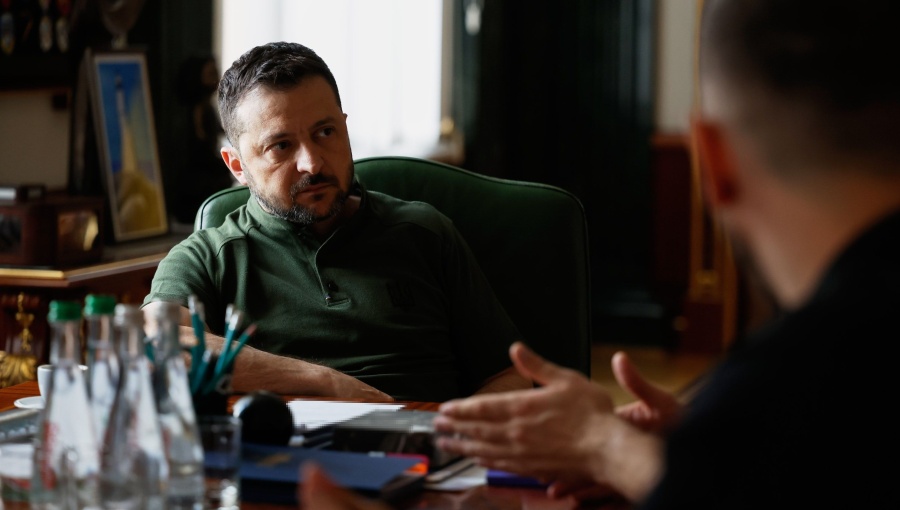
Trump links US security deal for Ukraine with conceding Donbas to Russia
US President Donald Trump linked a US security deal to Ukraine’s conceding control of the whole of the Donbas to Russia. Ukrainian President Volodymyr Zelenskiy is keeping his options open and ordered the Rada to prepare for three more years of war. / bne IntelliNews


By bne IntelliNews March 26, 2026

US President Donald Trump explicitly linked a US security deal to Ukraine’s conceding control of the whole of the Donbas to Russia, he said in an interview with Reuters on March 25. Ukrainian President Volodymyr Zelenskiy is keeping his options open and ordered the Rada to prepare for three more years of war.

Zelenskiy has on many occasions explicitly ruled out giving away territory that is not already occupied by the Armed Forces of Russia (AFR). He is insisting that Washington sign off on the proposed US security deal, that is part of the 27-point peace plan (27PPP) before he is willing to talk about territories. Moreover, he's insisting that the US deal is approved by Congress, giving it the power of an international treaty that Trump cannot then ignore.

As bne IntelliNews reported, the peace talks appeared to be stalled again as the Trump administration is completely distracted by its war in the Middle East. In a bad sign, Zelenskiy instructed the Ukrainian parliament on March 25 to prepare contingency plans for three more years of war.

Zelenskiy orders Rada to prepare for three more years of war

Zelenskiy instructed Ukraine’s parliament to prepare an operational plan in the event that the war with Russia continues for another three years.

In a national address on March 24, Zelenskiy said negotiations with Russia had yet to produce meaningful progress despite the involvement of international partners. He indicated that Moscow remained unwilling to engage constructively in peace efforts.

“Russia does not want to move towards peace,” Zelenskiy said. “It is crucial that we in Ukraine, along with the US, Europe, and other global players, do everything possible and necessary to make the Russians genuinely interested in diplomacy – realistically and honestly – rather than simply seeking to profit from oil or buying time for further attacks and aggression.” The Ukrainian president also pointed to continued large-scale attacks as evidence of the Kremlin’s position. He said that nearly 1,000 drones and missiles had been deployed by Russian forces on that day alone, highlighting the intensity of ongoing hostilities.

After making significant territorial gains in December and January, the Russian assault slowed down in the last month allowing the Armed Forces of Ukraine (AFU) to recapture a lot of lands. They say this may be linked to the pause in negotiations, as Putin typically cranks up military operations whenever he's in talks. There are numerous reports that Russia is now preparing for its spring offensive and bringing in fresh troops and new equipment.

Zelenskiy’s directive to parliament suggests he is keeping his options open, preparing state institutions for a protracted conflict while keeping the door open to diplomacy.

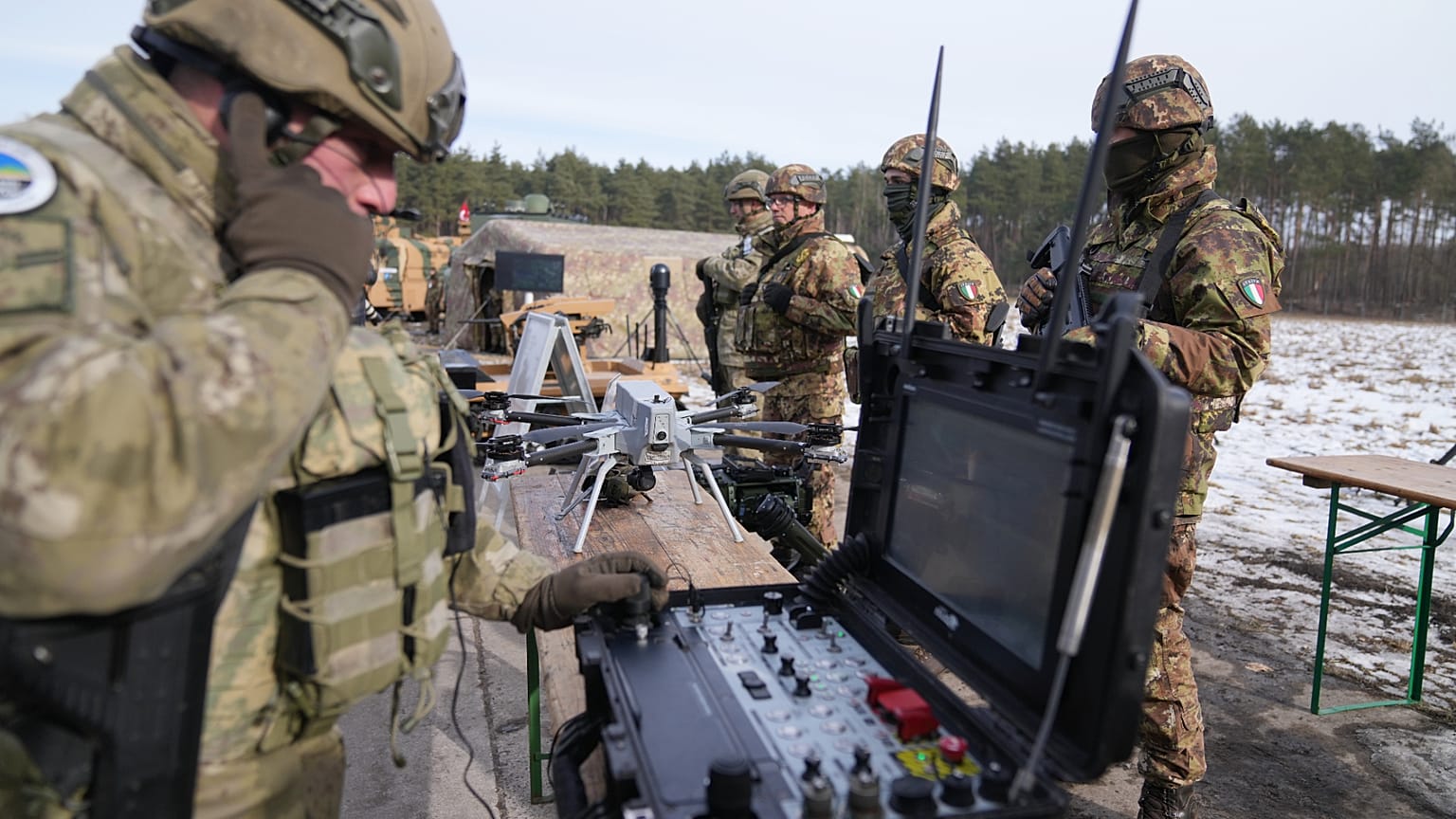


Iran and Ukraine wars 'very much interlinked' by Russia, Kallas warns


By Jorge Liboreiro
Published on 

"We can't forget about Ukraine," EU High Representative Kaja Kallas has said as the war in the Middle East leads the geopolitical agenda at G7 meeting.

The wars in Iran and Ukraine are "very much interlinked" by Russia, High Representative Kaja Kallas warned on Thursday, calling on the United States to ramp up economic pressure on the Kremlin as it benefits from rising oil prices due to the conflict.

Moscow is reportedly providing Tehran, a long-standing ally, with drones and intelligence services to help target American military assets in the Middle East. The administration of President Donald Trump has largely avoided blaming Russia.

"We see that Russia is helping Iran with intelligence to target Americans, to kill Americans, and Russia is also supporting Iran now with the drones so that they can attack neighbouring countries and also US military bases," Kallas said as she headed into a G7 meeting of foreign affairs ministers in Abbaye des Vaux de Cernay, France.

"These wars are very much interlinked. So if America wants the war in the Middle East to stop (and) Iran to stop attacking them, they should also put the pressure on Russia so that they are not able to help them in this," she added.

Kallas urged the US, Israel and Iran to "sit down" and find a negotiated solution, or an "off-ramp", as she put it, that could bring the war to a quick end. Washington and Tehran have sentconflicting messages about a potential settlement, sowing confusion.

Trump insisted Thursday that Iran is "begging" for a deal, after moving an ultimatum for Tehran to reopen the Strait of Hormuz or face the "obliteration" of its power plants to Friday.

Kallas stressed that Europe would join a coalition to secure the waterway carrying one fifth of the global oil production only "after the cessation of hostilities".

"We need an exit, not an escalation," she said. "There has to be a diplomatic solution so that this region will come out of it stronger and more peaceful."

Her plea comes as the White House, in a bid to calm rattled energy markets, eases sanctions on both Iranian and Russian oil, causing dismay among Europeans.

The dramatic rise in oil prices has reversed the downward trend that weighed down the Russian economy. Now, Moscow is emerging as a winner from the global energy chaos.

Meanwhile, the intensity of the Middle East war has drastically upended the global demand for weapons and ammunition, which threatens to complicate Ukraine's access to the air defence systems it needs to repel incoming Russian fire.

"We can't forget about Ukraine," Kallas said.

In a new interview with Reuters, Ukrainian President Volodymyr Zelenskyy said the Trump administration had made security guarantees conditional on Kyiv ceding the entire Donbas to Moscow. The region, which is partially occupied, includes heavily fortified cities that Ukraine needs to contain the Russian advance.

"President Trump, unfortunately, in my opinion, still chooses a strategy to put more pressure on the Ukrainian side," Zelenskyy said.

Asked about Zelenskyy's remarks, Kallas warned the US against giving Russia something that it has failed to conquer on the battlefield.

"This is clearly the wrong approach. It is, of course, the Russian playbook of negotiations," she said. "This is the trap that we should not walk into."


Closing the 'deterrence gap': German military association calls for war economy

Closing the "deterrence gap": Bundeswehr association calls for war economy
Copyright AP Photo

By Diana Resnik
Published on 

The German Armed Forces Association is warning of a growing Russian threat, a weakened Europe and an unreliable Washington — while the Iran conflict pours billions into Putin's coffers.

Germany's Armed Forces Association (DBwV) is sounding the alarm: the country needs to put its defence industry on a war footing, and fast.

"The danger already exists now — and it is growing every day," association head André Wüstner told Handelsblatt, warning that Russia could be ready for a confrontation with NATO far sooner than the 2029 timeline experts had previously assumed.

Wüstner called on German defence manufacturers to expand capacity and introduce shift working, steps he described as necessary to move toward "a kind of war economy" if tensions continue to escalate.

Europe's vulnerability is compounded, he argued, by Washington's unreliability under Donald Trump, which has left the continent with what he called a "deterrence gap".

The DBwV represents active and former soldiers, reservists and military personnel across Germany.

Iran war hands Putin a golden opportunity

The Iran war has handed Vladimir Putin an opening he will not waste, according to Wüstner.

"Strengthened by fresh income from oil sales and spurred on by the decreasing supply of air defence systems to Ukraine, he can further intensify his brutal attacks on the infrastructure and civilian population," the DBwV chief told Handelsblatt.

Wüstner warned that Europe's "deterrence gap" could embolden Russia to step up hybrid attacks — and raised the prospect of incursions on NATO's eastern flank.

The Iran war, he argued, must not become a distraction from the threat on Europe's doorstep.

Rising oil prices are filling the Kremlin's coffers

Three weeks into the conflict, the economic windfall for Moscow is already stark.

Brent crude was trading just below $71 a barrel two days before the first strikes.

It neared $120 at peak uncertainty and remains above $106 at the time of publication.

US WTI crude climbed from $65 to above $100 over the same period. Russia's Urals blend has surged more than 66% over the past month, last trading above $96 a barrel.

The numbers translate directly into Kremlin revenue.

Instead of the $99bn (€86bn) projected for 2026, Moscow now stands to earn $169bn (€146bn) from oil exports alone, plus a further $50bn (€43bn) from gas — a total windfall of $84bn (€73bn) in additional raw material revenues and $45bn (€39bn) in extra state income.

Putin, meanwhile, is playing the statesman.

Positioning himself as a reliable energy partner, he told Europeans this week that Russia stood ready to supply oil and gas.

"We need signals from them that they are ready to co-operate with us," he said.

US weapons bound for Ukraine are being diverted

The war is also squeezing Ukraine's armoury.

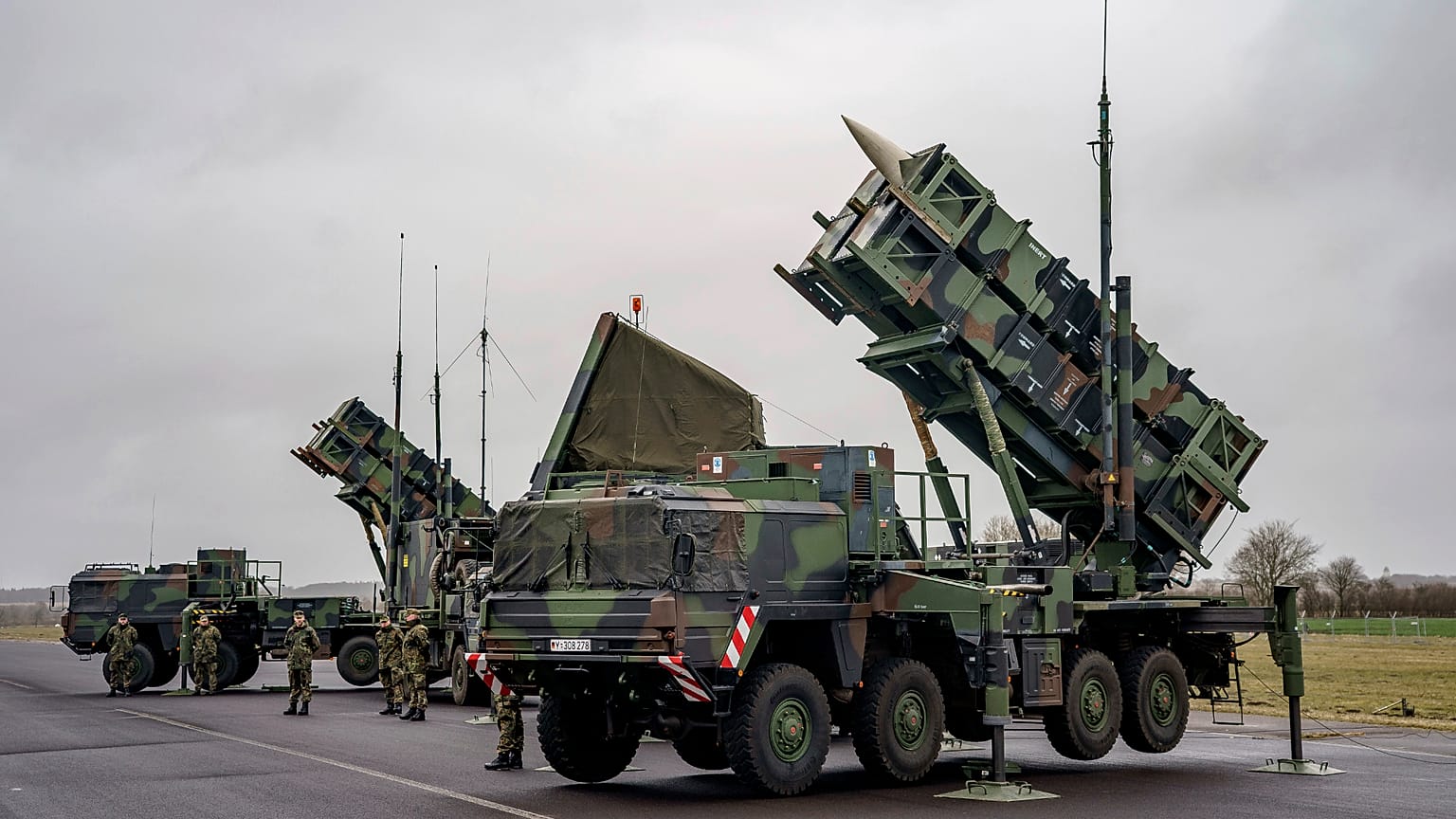
Patriot anti-aircraft missiles urgently needed in Kyiv are being redirected to the Iran theatre — piling fresh pressure on European allies already stretched by years of military aid commitments, and on Germany in particular, which lacks sufficient air defence systems to protect its own airspace.


Pentagon mulls redirecting Ukraine military aid to Middle East, reports claim

FILE - "Patriot" anti-aircraft missile systems of the German forces Bundeswehr’ in Schwesing, Germany, March 17, 2022.
Copyright AP Photo

By Sasha Vakulina
Published on 

With the Iran war showing no signs of winding down, the US might prioritise the Middle East over Ukraine not only in terms of its focus and attention, but also in terms of military aid, US media reported Thursday.

The Pentagon is reportedly considering redirecting military aid planned for Ukraine to the Middle East, the Washington Post reported on Thursday, citing unnamed sources familiar with the matter.

According to the report, the weapons under consideration include air defence interceptor missiles ordered through the Prioritised Ukraine Requirements List (PURL) programme.

PURL allows other NATO members to fund the procurement of US weapons for Ukraine.

NATO Secretary General Mark Rutte declined to answer the question regarding the Pentagon's plans at Thursday’s press conference, despite being asked several times.

Rutte said it was not his place to comment on critical support, but assured that essential military equipment “continues to flow” to Ukraine, alongside military intelligence from the US.

The NATO chief did note that since last year, PURL has supplied Ukraine with vital equipment, including 70% of the batteries used in Patriot systems, underscoring the programme’s crucial importance.

Ukrainian officials have openly voiced concerns that Washington’s attention and resources have been more focused on the Middle East.

These fears have been echoed by the European leaders. French President Emmanuel Macron said at the end of last week’s EU summit in Brussels that the Iran war “must not divert our attention from the support we give Ukraine.”

The Pentagon notified the US Congress on Monday that it intended to divert about $750 million in funding provided by NATO countries through the PURL programme to “restock the US military’s own inventories, rather than to send additional assistance to Ukraine," the Washington Post reported.

Addressing the Joint Expeditionary Force Leaders' Summit in Helsinki on Thursday, Ukrainian President Volodymyr Zelenskyy called on Europe to “have full capacity to produce all types of air defence systems and missiles for them,” including protection against drones, cruise missiles and ballistic threats.

“We cannot rely on other partners’ industries. We must be confident in our own industry here in Europe," Zelenskyy said.

"And while we are building this capacity, please remember that we need protection from Russian missiles every single day. I am grateful to those of you who actively support us through the PURL programme, it’s critically important.”

More than 800 Patriot missiles were used in the first three days of fighting in the Iran war, more than Ukraine has received throughout the entire Russian full-scale invasion, Zelenskyy said during a press briefing on 5 March.

Yurii Ihnat, Head of the Communications Department of the Ukrainian Air Force Command said as Russia specifically targeted Ukraine’s energy infrastructure over the past few months, Moscow increased the use of ballistic missiles, which only the Patriot systems can intercept.


Swedish prosecutors seek prison for oil executives over alleged Sudan war crimes

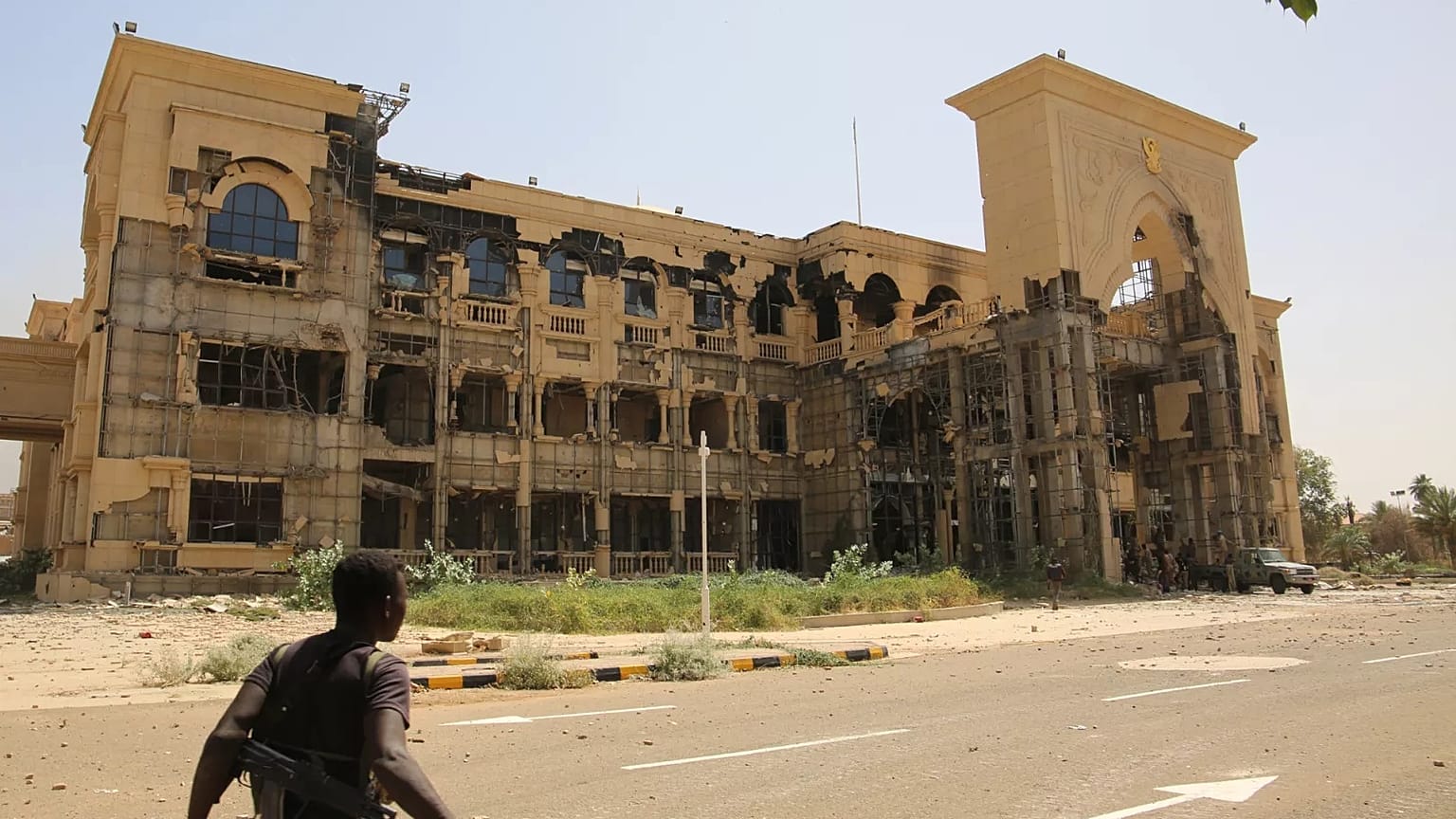
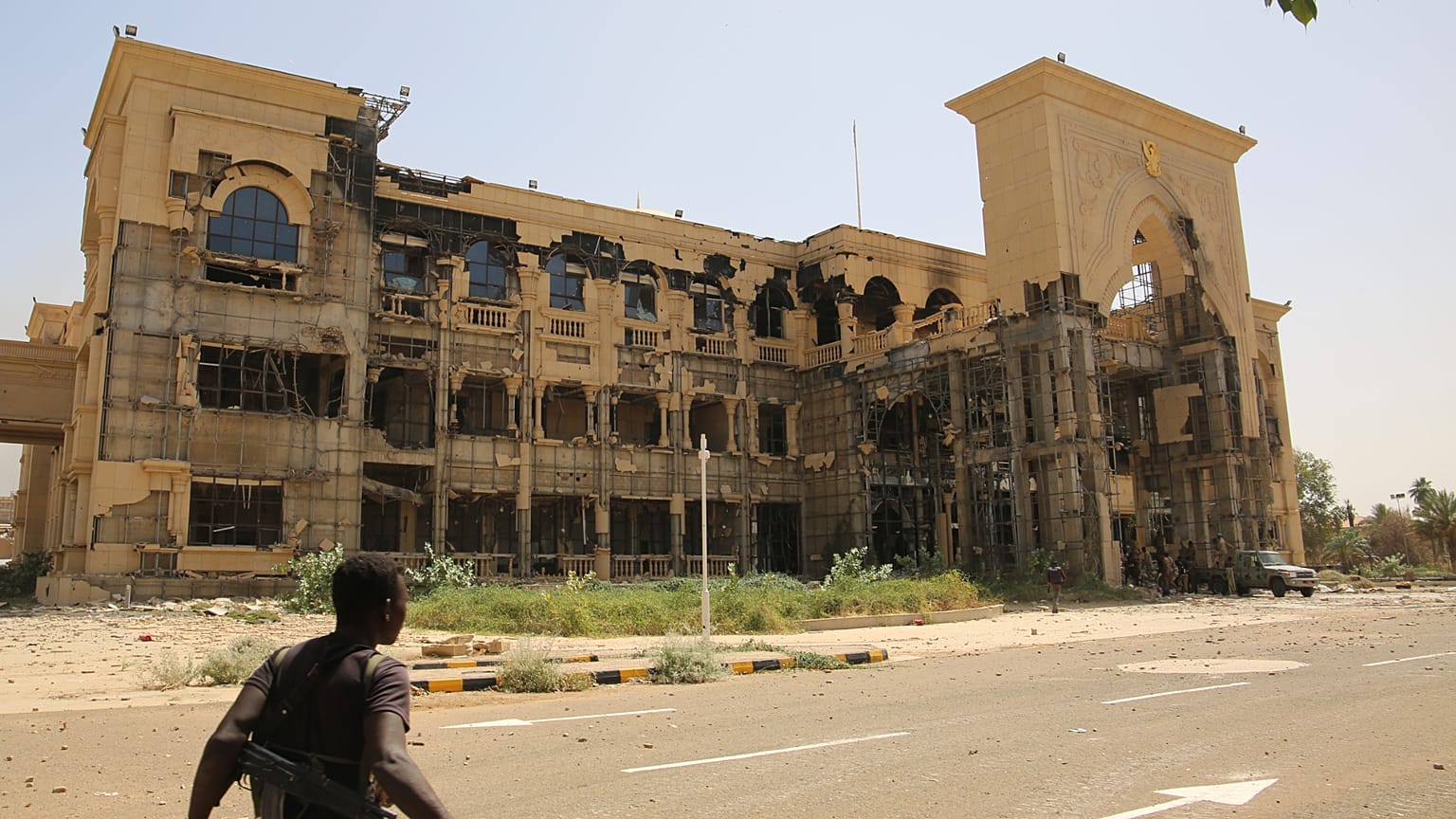
An army soldier walks in front of the Republican Palace in Khartoum, 21 March, 2025
Copyright Copyright 2025 The Associated Press. All rights reserved


By Gavin Blackburn
Published on 


Prosecutors said the accused men were complicit because Lundin Oil had entered into agreements with Sudan's government to make the military responsible for security.

Swedish prosecutors on Thursday called for lengthy prison sentences for two former oil executives accused of war crimes over their business dealings during Sudan's civil war.

Ian Lundin of Sweden and Swiss national Alex Schneiter are accused of asking Sudan's government to make its military responsible for security at the site of one of Lundin Oil's exploration fields, which later led to aerial bombings, the killing of civilians and burning of entire villages between 1999 and 2003, according to the prosecution.

Lundin was chief executive of Swedish family firm Lundin Oil, now known as Orron Energy, from 1998-2002, and Schneiter was vice president at the time.

Both have denied the charges, saying there was no relationship between the company and Sudan's government as claimed by the prosecution.

The prosecutor called for a 10-year prison sentence for Lundin and six years for Schneiter and asked the court to place them in custody at the end of the trial pending the verdict as they posed a flight risk, news agency TT reported.

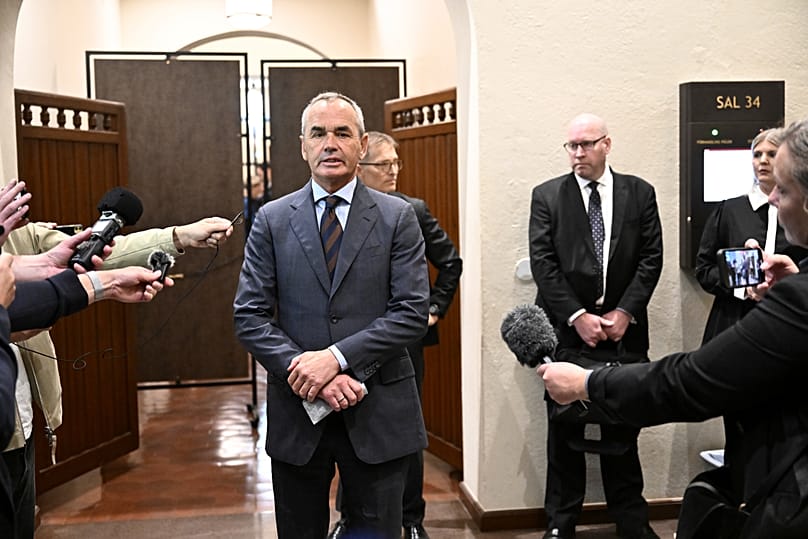
Ian Lundin speaks to journalists in the Stockholm district court in Stockholm, 5 September, 2023 AP Photo

"This concerns involvement over a long period of time, in several different stages, and complicity in crimes against civilians where a very large number of civilians had their lives completely destroyed in the company's and the defendants' pursuit of profit," prosecutor Henrik Attorps told the Stockholm district court on Thursday as he delivered his closing arguments.

The trial opened in September 2023, following a more than decade-long probe and a more than 80,000-page investigation report.

The prosecution argued that after Lundin Oil struck oil in 1999 in the "Block 5A" field in what is now South Sudan, the Sudanese military, together with an allied militia, led offensive military operations to take control of the area and create "the necessary preconditions for Lundin Oil's oil exploration."

It said the accused were complicit because Lundin Oil had entered into agreements with Sudan's government to make the military responsible for security, knowing it meant the military and allied militias would need to take control of areas by "military force," prosecutors have argued.

According to the prosecution, this included aerial bombardments from transport planes, shooting civilians from helicopter gunships, abducting civilians, plundering villages and burning crops.

The trial is expected to wind up in May and no date has been set for the verdict.


Sexual violence 'form of warfare' in Sudan war, UN representative says

FILE - An army soldier walks in front of the Republican Palace in Khartoum, Sudan, after it was taken over by Sudan's army, 21 March 2025
Copyright AP Photo

By Amandine Hess
Published on 

Sexual violence is being used as a weapon of war in Sudan, with women and girls bearing the brunt amid mass displacement and scarce health services, UNFPA country representative told Euronews.

Sexual violence has been weaponised on an unprecedented scale in Sudan's civil war, with women bearing the brunt of attacks aimed at destroying communities, the UNFPA country representative told Euronews.

Sudan's war, which began in April 2023, has spiralled into what the United Nations calls the world's most devastating humanitarian crisis.

Fabrizia Falcione, the international sexual and reproductive health agency's representative for Sudan, said she has never seen conflict-related sexual violence on such a large scale.

"In this conflict, sexual violence is being clearly utilised as a form of warfare itself. And women are the ones who are paying the price," Falcione said.

Parties to the conflict commit sexual violence and rape women and girls to "disintegrate or somehow make a long lasting wound on communities," she said. Women tend to be the ones keeping families and communities together, which makes them a target, according to Falcione.

Falcione has met hundreds of women and girls who escaped violence from Darfur and Kordofan, two Sudanese regions which have been the scene of heavy fighting between the Sudan Armed Forces and the Rapid Support Forces paramilitary group.

"When they arrive, they tell about the violence they suffered, including the instances of rape and sexual violence that they went through," she said.

"I did meet also women who were telling about other women who give birth along the road. And unfortunately, their fate is unknown."

Facing trauma and stigma

Sexual violence survivors face trauma, injuries, the risk of sexually-transmitted diseases and unwanted pregnancies. They also often face stigma, Falcione said.

"Sexual violence and rape have an impact on communities and on societies on the longer term. The children who will be and are born out of rape, the girls, the women who may not be considered as part of the society anymore or of the community because of being survivors of sexual violence."

UNFPA works with communities, families, women, men, boys and girls to overcome stigma. In a country where more than 65% of the population is below 24, Falcione believes young people are a powerful agent of change.

"Unfortunately stigma that is related to sexual violence exists everywhere."

Displaced women's most pressing needs are basic services, including sexual and reproductive health services, Falcione said. Humanitarian workers provide these services in displacement camps but they remain very limited, she said.

UNFPA runs mobile health units to reach women and safe spaces exclusively dedicated for women and girls, "where they can share with other women their trauma," and "get services to overcome trauma, including psychosocial support by skilled people."

Safe spaces also serve as places where women can learn new skills to generate an income to "recreate their lives."

Millions remain displaced

More than 1,000 days into the war, approximately 9.3 million people remain internally displaced across Sudan. Most of them are women and children.

Around 3 million people have returned to their areas of origin, according to the UN's International Organisation for Migration agency (IOM). More than 1 million have returned to Khartoum alone.

Falcione stressed women want to return to the communities they came from. But to do so, they need basic services such as job opportunities and basic health services.

"Women are peacemakers. This war is not a war of the women," she said.


UK police force says it will reopen rape and sexual assault probe into Andrew Tate

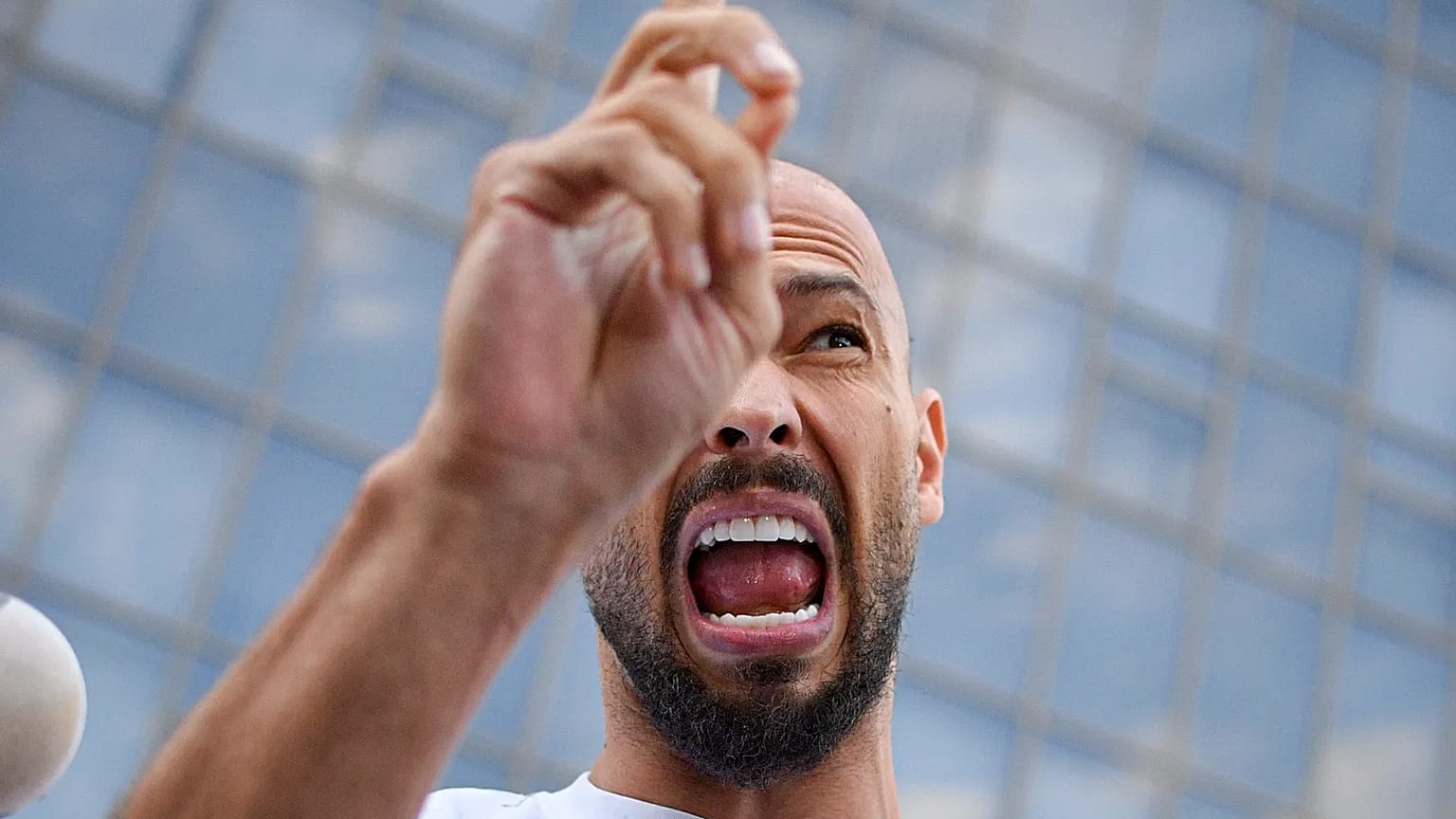
Andrew Tate speaks to media outside the Bucharest Tribunal after being placed under house arrest, 22 August, 2024
Copyright AP Photo


By Gavin Blackburn
Published on 


The Crown Prosecution Service (CPS), which brings criminal cases in England and Wales, did not charge the social media figure following the initial police investigation in 2019.

A British police force said on Thursday it would reopen a probe into rape and sexual assault allegations made by women against self-proclaimed misogynist influencer Andrew Tate between 2014 and 2015

It is the latest in a slew of investigations into Tate, a British-US citizen who promotes his divisive views to millions of followers on social media.

"Hertfordshire Constabulary can confirm that a decision has been made to reinvestigate allegations made by women between 2014 and 2015 relating to rape and sexual assault offences," the police force, based north of London, said in a statement.

In Romania, Tate and his brother Tristan face allegations of trafficking minors, sexual intercourse with a minor and money laundering.

Hertfordshire police probed sexual offence allegations made by three women against Andrew Tate for four years before the case was closed in 2019.

Andrew Tate, left, and his brother Tristan, wait inside the Court of Appeals building in Bucharest, 30 January, 2024
Andrew Tate, left, and his brother Tristan, wait inside the Court of Appeals building in Bucharest, 30 January, 2024 AP Photo

"It is long overdue for Hertfordshire Constabulary to reopen the investigation into our allegations of rape, sexual abuse and assault by Andrew Tate," the women said in a statement.

The Crown Prosecution Service (CPS), which brings criminal cases in England and Wales, did not charge the social media figure following the police investigation in 2019.

The CPS previously said the claims were fully investigated and did not meet its legal test for a realistic prospect of conviction.

The three women are now suing Tate in a civil case along with a fourth woman. The High Court trial is set to begin in June 2026.

The Tate brothers are accused of tax evasion and money laundering in the UK.

They also face separate rape and human trafficking allegations brought by different women and investigated by Bedfordshire Police, which covers their hometown of Luton, also north of London.

Bedfordshire Police secured a European arrest warrant over the allegations, with a Romanian judge ordering the brothers to be extradited to the UK after legal proceedings in Romania.

The influencer brothers deny all accusations.

Their lawyers said last year they would return to the UK to face sexual offence allegations after the proceedings in Romania had concluded.


US judge weighs whether Venezuela can pay Maduro's legal costs in drug trafficking case

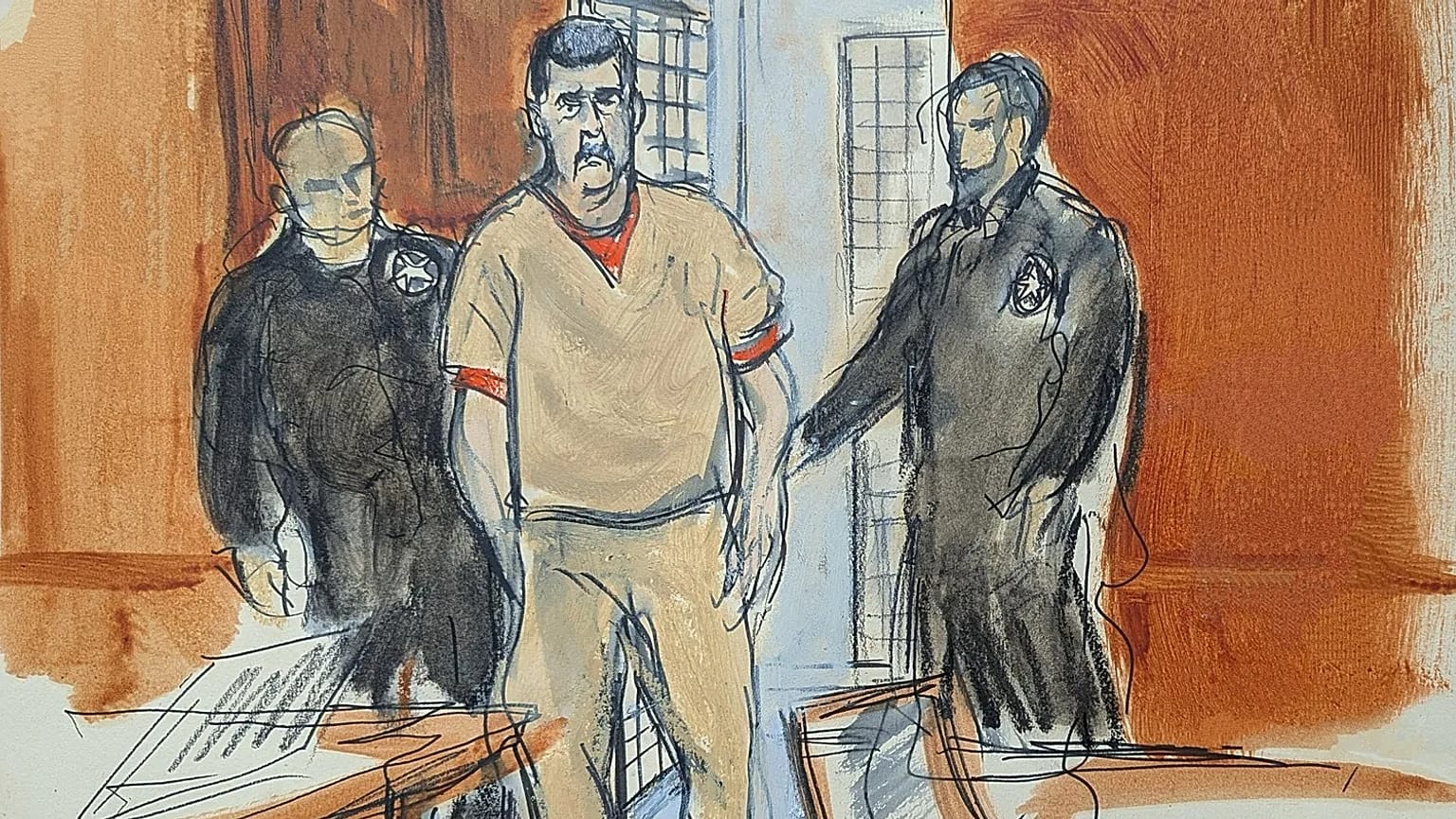
Former Venezuelan President Nicolás Maduro is escorted into a Manhattan federal courtroom, 26 March, 2026
Copyright AP Photo


By Gavin Blackburn
Published on 

US sanctions prevent the Venezuelan government from footing the bill and Maduro and Flores say they do not have sufficient personal funds to cover it themselves.

Ousted Venezuelan president Nicolás Maduro cut a relaxed figure as he returned to a federal court in New York on Thursday for his second appearance since his capture by US forces in an extraordinary nighttime raid.

During the one-hour hearing, the judge indicated he would not dismiss the case over Maduro and his wife's apparent inability to afford their legal bill without aid from the Venezuelan government.

The former leader, 63, and wife Cilia Flores have been held in a Brooklyn jail for almost three months since American commandos snatched the pair from their compound in Caracas in early January.

The stunning operation deposed the strongman who had led Venezuela since 2013 and has since forced the oil-rich country to largely bend to the will of US President Donald Trump.

Maduro has declared himself a "prisoner of war" and pleaded not guilty to the four counts he faces: "narco-terrorism" conspiracy; cocaine importation conspiracy; possession of machine guns and destructive devices; and conspiracy to possess machine guns and destructive devices.

Former Venezuelan President Nicolás Maduro listens as his defence attorney addresses Judge Alvin Hellerstien in New York, 26 March, 2026
Former Venezuelan President Nicolás Maduro listens as his defence attorney addresses Judge Alvin Hellerstien in New York, 26 March, 2026 AP Photo

Wearing a grey prison uniform, glasses and a headset for translation, he jotted down notes throughout the hearing and occasionally spoke to his lawyer through an interpreter.

Maduro, who smiled as he entered the room, did not address the court during the proceedings, which focused on arguments over who will pay his and Flores' legal fees.

US sanctions prevent the Venezuelan government from footing the bill and Maduro and Flores say they do not have sufficient personal funds to cover it themselves.

"I'm not going to dismiss the case," said Judge Alvin Hellerstein, seemingly rebuffing a request by Maduro's lawyer, though he did not issue a formal decision.

Hellerstein also did not immediately set the next court date.

Protest in Caracas

Before the hearing, Trump said that "other cases are going to be brought" against Maduro, without giving more details

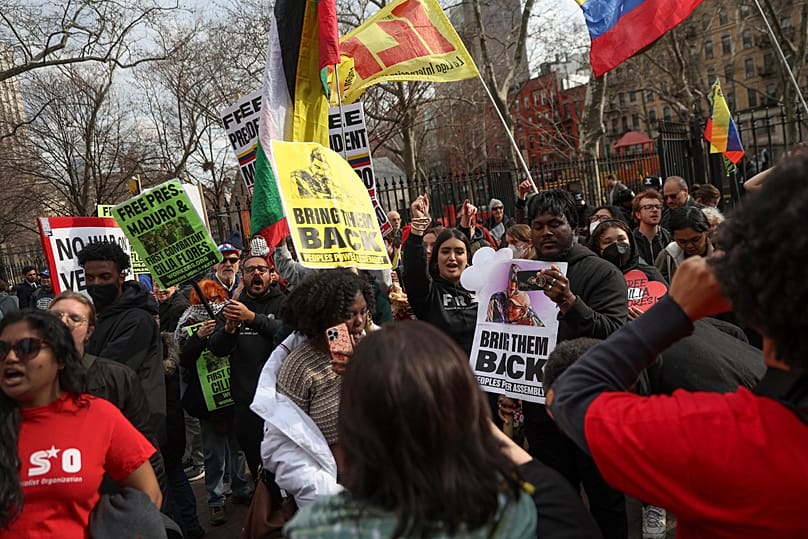
Several backers and opponents of Maduro gathered outside the Manhattan courthouse, including some with a large inflatable doll depicting him in an orange prison jumpsuit with handcuffs.

At one point, a scuffle broke out between protesters before police intervened and escorted a man from the area.

Demonstrators protest outside Manhattan federal court before a pre-trial hearing in former Venezuela President Nicolás Maduro's drug trafficking case, 26 March, 2026
Demonstrators protest outside Manhattan federal court before a pre-trial hearing in former Venezuela President Nicolás Maduro's drug trafficking case, 26 March, 2026 AP Photo

Hundreds of people also rallied in the Venezuelan capital Caracas during the hearing, including Maduro's son Nicolás Maduro Guerra.

"We trust in the legal system of the United States," he told the AFP news agency, but said the "kidnapping" of his father undermines the legitimacy of the case.

Detained in Brooklyn's Metropolitan Detention Centre, a federal prison known for unsanitary conditions, Maduro is reportedly alone in a cell with no access to the internet or newspapers.

US pressure

Maduro and his wife were forcibly taken by US commandos in the early hours of 3 January in air strikes on the Venezuelan capital backed by warplanes and a heavy naval deployment.

At least 83 people died and more than 112 people were injured in the assault, according to Venezuelan officials. No US service members were killed.

The South American country is now led by Delcy Rodríguez, who had been Maduro's vice president since 2018.

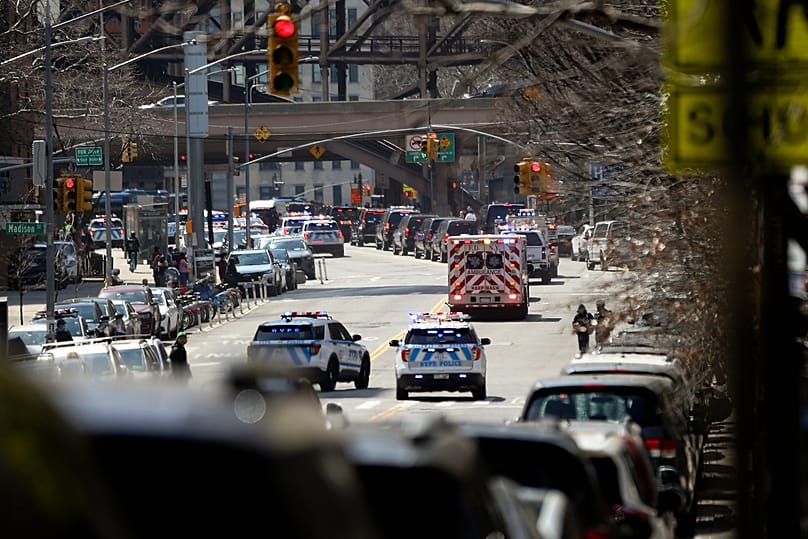
A motorcade carrying former Venezuela President Nicolás Maduro departs Manhattan federal court after a pre-trial hearing in New York, 26 March, 2026
A motorcade carrying former Venezuela President Nicolás Maduro departs Manhattan federal court after a pre-trial hearing in New York, 26 March, 2026 AP Photo

Under US pressure, she is grappling with leading a country saddled with the world's largest proven oil reserves but an economy in shambles.

Rodríguez has since enacted a historic amnesty law to free political prisoners jailed under Maduro and reformed oil and mining regulations in line with US demands for access to her country's vast natural wealth.

This month, the State Department said it was restoring diplomatic ties with Venezuela in a sign of thawing relations.