Friday, December 11, 2020

John Lennon and the Politics of the New Left
BYJON WIENER

Forty years after his murder in New York City, we remember John Lennon’s record of political engagement as a champion of the anti-war movement and a self-styled “instinctive socialist” — which brought him into conflict with Richard Nixon and J. Edgar Hoover.

John Lennon and Yoko Ono at their “bed-in for peace” in Amsterdam’s Hilton Hotel in 1969. (Eric Koch / Anefo)


When John Lennon was murdered forty years ago, on December 8, 1980, we believed Richard Nixon had been the worst president ever — because of the war in Vietnam, because of the repression that he called “law and order” and the racism of the Southern Strategy, and also because of his treatment of Lennon. Nixon had tried to deport Lennon in 1972 when the former Beatle made plans to lead an election-year effort to challenge the Republican president’s reelection with a campaign to register young people to vote.

In the end, of course, Lennon stayed in the United States and Nixon left the White House in disgrace. But the seemingly endless battle in the immigration courts ruined his life for the next few years. To recover, in 1975 he left Los Angeles, where he’d been living apart from Yoko Ono in a kind of exile, and returned to New York and the Dakota.

He and Yoko had a son, and he declared himself a househusband. He stayed out of sight for five years, then returned to music and public life with a new album, which opened with the glorious song “Starting Over.” Then he was shot and killed by a deranged fan.
Giving Peace a Chance

Of course, Lennon will always be remembered as part of the ’60s. He wrote and recorded “Give Peace a Chance”; on November 15, 1969, as they gathered at the Washington Monument to oppose the Vietnam War, half a million people sang Lennon’s song, while Nixon sat alone in the White House, watching football on TV. That was one of the best days of the ’60s.

Lennon’s politics developed through several distinct stages, each marked by a new song. And “Give Peace a Chance” was not the beginning of Lennon’s life with the Left. He had taken his first steps toward radical politics in 1966, when he and the other three Beatles defied the advice of their manager and publicly denounced the war in Vietnam. “We think about it every day,” Lennon said. “We think it’s wrong.” That was a bold and risky move: at the time, only 10 percent of the American public agreed.

Lennon addressed the Left directly the year before “Give Peace a Chance,” in August 1968, with a song that criticized radical activists: “You Say You Want a Revolution,” he sang — and concluded “count me out.” He complained about leftists “carrying pictures of Chairman Mao” and their “talk about destruction.” Genuine liberation, he declared in interviews as well as that song, consisted of “freeing your mind,” which could be achieved, according to Lennon, through psychedelic drugs and meditation.
John Lennon in March 1969. (Joost Evers / Anefo)

But that phase didn’t last long. Lennon released an alternate version of “Revolution” in November 1968, on the White Album, that was different from the single. This one was slower, so the words were easier to understand — and after the lines “When you talk about destruction, don’t you know that you can count me out,” he added a single word: “in.” Out, or in? He made his ambivalence clear.

After he got together with Yoko Ono in May 1968, Lennon learned that in order to transform himself, he needed to join in the work of transforming the world. Instead of posing personal liberation as an alternative to political action, he and Yoko would work together on both. And he would use his status as a celebrity to challenge not only the war but also the conventions of left-wing protest.

A Song for the Movement

For their honeymoon in 1969, the couple invited the press to their room at Amsterdam’s Hilton Hotel, where they declared they were holding a “bed-in for peace” — staying in bed for a week to protest “all the violence in the world.” They offered the bed-in as an alternative to the traditional protest march and invited young people to create their own forms of anti-war protest — “grow your hair for peace.” As a counterculture media event, the bed-in was wildly successful, provoking ridicule from the media and enthusiasm from the longhairs.

John and Yoko wanted to hold a second bed-in in the United States but were barred from entering the country — so they did one as close as they could get — in Montreal, at the Queen Elizabeth hotel. There, knowing that he was primarily a songwriter, Lennon set out to write an anthem for the anti-war movement — the result was “Give Peace a Chance,” which he recorded in their hotel room with friends joining in.John Lennon’s politics developed through several distinct stages, each marked by a new song.

In the streets, the song was sung mostly as a chant with a melody, one line over and over: “All we are saying . . .” The rest of the lyrics made it clear that this was offered as a criticism of the Left, with its analysis and arguments — “Everybody’s talking ’bout revolution, evolution, this-ism, that-ism,” he sang: “all we are saying, is give peace a chance.”

It was a call for the anti-war movement to put aside political differences and unite around the simple demand for “peace.” The Left, of course, criticized those politics, but it suited the moment of the Vietnam Moratorium march in Washington in November 1969 — and many more in the years and decades to come.
A Song for the Streets

That same fall of 1969, Lennon called Tariq Ali, one of the leaders of the British New Left, to talk politics. Ali was a leader of the Vietnam Solidarity Campaign, which had organized the marches on the US Embassy in London at Grosvenor Square — big, militant events. Ali brought in Robin Blackburn, his fellow editor of the Red Mole, and Lennon agreed to an interview, which appeared in March 1971.

Now he made himself part of the New Left project: “We should be trying to reach the young workers because that’s when you’re the most idealistic and have the least fear,” he said, adding, “We can’t have a revolution that doesn’t involve and liberate women.” In the United States, Ramparts magazine published the interview, with a cover headlined “The Working-Class Hero Turns Red.”After he got together with Yoko Ono in May 1968, Lennon learned that in order to transform himself, he needed to join in the work of transforming the world.

Lennon’s conversations with Ali and Blackburn also led to a new song: “Power to the People.” John sang it as a song for the streets, a marching song, a fighting song. The record was released in time for the May 1971 spring offensive in Washington, “Stop the war or we’ll stop the government,” which brought hundreds of thousands to the streets of the capital.

The Nixon administration responded with the largest mass arrests in US history: twelve thousand demonstrators arrested on a single day. Amazingly, “Power to the People” became a million-seller worldwide, receiving Top Forty airplay for nine weeks that spring of 1971.
Lennon and Nixon

John and Yoko moved to New York City in the fall of 1971, and he released “Imagine,” which quickly became the most popular song of his post-Beatles life. It proposes a utopia, presented in simple instructions: “Imagine no more countries,” “Imagine no religion.” Yet somehow it was widely misunderstood.

Rolling Stone called it “irrational yet beautiful.” Did they believe “greed and hunger” were “rational”? The New York Times described it as a song of “optimism.” Okay, but did America’s national newspaper of record really think a call to “imagine no possessions” to be “optimistic”? The World Council of Churches asked John if it could use the song and change the lyrics to “Imagine one religion.” Lennon told them they “didn’t understand it at all.”

In the fall of 1971, however, “Imagine” seemed to many movement people a hymn to the New Left in defeat. Activists were depressed and exhausted. Despite the largest peaceful protests in the nation’s history, combined with the most militant and widespread civil disobedience, Nixon was headed for an easy reelection.
The John Lennon memorial in Central Park, Manhattan

Lennon wanted to help stop that. He met with Abbie Hoffman and Jerry Rubin and developed a plan for a national concert tour that would coincide with the 1972 election. The idea was to combine rock music with political organizing and do voter registration at the concerts.

This seemed particularly promising in what would be the first election in which eighteen-year-olds had the right to vote. Everyone knew young people were the most anti-war constituency, but also the least likely to vote. The first US concert tour by one of the ex-Beatles would have been a huge event.

They did a trial run in Ann Arbor, Michigan, in December 1971. John and Yoko played with a new band, and fifteen thousand people heard speeches from Rennie Davis, Jerry Rubin and David Dellinger of the Chicago Seven trial, and Bobby Seale of the Black Panthers. Allen Ginsberg chanted a new mantra, and surprise guest Stevie Wonder played “For Once in My Life” and then gave a brief speech denouncing Nixon. It was a triumph.

FBI undercover agents reported to J. Edgar Hoover on the Ann Arbor concert and on Lennon’s plans. The CIA also joined in, and even Britain’s intelligence agency, MI5. Word was sent to Republican senator Strom Thurmond, the former Dixiecrat and segregationist who was at the time chair of the Senate Internal Security Subcommittee. He described the tour plans in a memo to the Nixon White House and suggested that “deportation would be a strategic counter-measure.”

Within weeks, Lennon was served with a deportation order. His immigration attorney told him his case was weak and he would have to cancel the tour. So he did.
An Instinctive Socialist

In 1980, on the day he was killed, Lennon did a long interview for a New York radio station. He said growing up in working-class Liverpool had made him “an instinctive socialist.” It gave him a deep hostility to Britain’s ruling class, a hatred of war, and a distinctive kind of verbal humor. That made it easy for him to become a rebellious working-class hero. It also made it harder for him to become a feminist; for that, he needed Yoko.

In retrospect, Lennon’s murder marked the beginning of the forty-year political crisis that culminated with four years of Donald Trump. A Republican president who proved to be more right-wing than Nixon seemed unimaginable in December 1980. Lennon was killed four weeks after Ronald Reagan was elected, six weeks before the former movie star became president.

It was Reagan, not Nixon, who said “government is not the solution, government is the problem.” It was Reagan who argued for massive tax and spending cuts. It was Reagan, not Nixon, who used federal power to attack the labor movement, in the PATCO strike (Nixon had relished his support from conservative unions, which had refused to endorse his challenger, George McGovern, in that same 1972 election.) By 1988, when Reagan left the White House, we no longer believed Nixon was the worst Republican we could imagine. Then George W. Bush started a war in Iraq, and we no longer believed Reagan was the worst. And then we got Trump.

The Republicans of our day are worse than their predecessors in Lennon’s time, but today’s movements are miles ahead of the ones Lennon joined. The summer of Black Lives Matter saw street protests not just in a few big cities but in virtually every city and town in America. Millions of people marched in the biggest protests in American history.

The marchers were multiracial and part of a movement founded and led by black women. And they skillfully combined protest with politics. Lennon would have been eighty this year. He would have hated Trump, but he would have loved the summer of 2020.


Our new issue, “Failure Is an Option,” is out now. We discuss why the United States’ institutional breakdown won’t stop after Trump leaves office and what can be done to improve things for working people.


The CIA’s Secret Global War Against the Left

Bernie Sanders’s Five-Year War
Matt KarpBranko Marcetic

We’re Celebrating Our 10th Anniversary. Help Us Stick Around for Many More.
Bhaskar Sunkara

Are You Reading Propaganda Right Now?
Liza Featherstone

TAX THE RICH!

A recent poll shows that almost 80% of Canadians are in favour of a wealth tax.

We’ve been advocating for this for a long time. Now with widespread public support and a minority government, this is our moment to make it happen.

Add your name to the petition right now.

Add your name

As I write this, activists across the country are taking part in a Day of Action — a nationwide, virtual phone bank to recruit support for a 1% wealth tax on people making over $20 million. We’re also calling for the government to crack down on tax havens and make web giants like Amazon and Facebook pay their fair share.

Throughout this crisis, most Canadians and small business owners have struggled to get by. At the same time, the very wealthiest have made record profits. Canadian billionaires are $37 billion richer since the COVID-19 lockdown.

It’s not right — but everyday people taking actions like this one can help change course.

Sign the petition to tax the ultra-wealthy:

ndp.ca/fairshare

The pandemic has been devastating for young people, families, and small businesses. Millennials have already lived through a Great Recession in 2008 – and now they’re getting hit again.

It’s a different story for the wealthiest Canadians, who are getting richer. Some wealthy corporations are making record profits because of the pandemic. Canada’s billionaires are $37 billion richer since March 2020.

Successive Liberal and Conservative governments have rigged the system to favour their corporate friends and the very richest elite – and they’ve let the wealthiest avoid paying their fair share of taxes by hiding billions of dollars offshore every year.

The pandemic isn’t over. Families, youth, seniors, our healthcare system, our education system and our economy all need support, and that costs money.

Join Jagmeet Singh and the NDP in our call to have those who profited from the pandemic help pay for the support the rest of us need.

We’re calling on Justin Trudeau and the Liberals to introduce a temporary COVID-19 excess profit tax that at least doubles the tax rate on excess profits, and a 1% wealth tax on people with fortunes over $20 million.

Join our call – add your name now

ndp.ca/fairshare


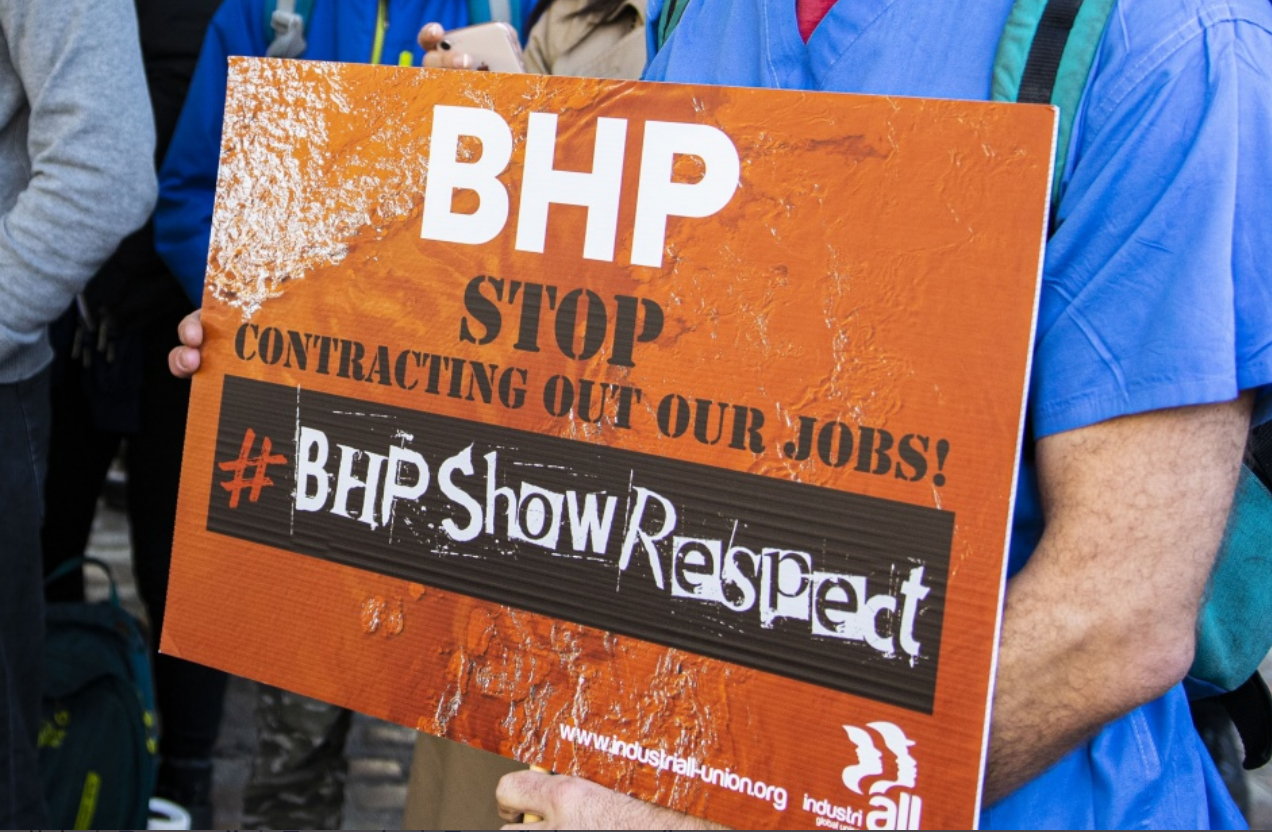
BHP continues to avoid dialogue with IndustriALL

OVER COVID CONDITIONS IN ITS MINING OPERATIONS

16 October, 2020

During its virtual annual general meeting for shareholders and investors, mining giant BHP, the largest mining company in the world by market capitalization and a company that claims to operate with integrity and responsibility, refused to recognize its responsibility in the Cerrejón conflict.

During the AGM, IndustriALL raised the issue of an apparent double standard in how BHP is handling Covid-19. The company has ensured adequate responses in the face of the virus in Australia and Canada, which are in stark contrast to its poor handling of the pandemic in Chile, Peru and Colombia.

In March, workers at BHP’s Spence mine in Chile had to implement a 24-hour work stoppage to force the company to take adequate protection measures against Covid-19.

As of late August, affiliates in Peru, Chile and Colombia reported rising numbers of infections at BHP’s operated and non-operated mines, with IndustriALL affiliate Sintracarbón reporting over 250 cases of COVID-19 among workers at the Cerrejón mine in Colombia alone, and four suspected Covid-19 deaths there (three direct employees, one a contractor).

IndustriALL mining director Glen Mpufane asked the board:

“BHP commits to upholding the UN Guiding Principles on Business and Human Rights, which would indicate that it endorses the principle of respecting - equally - the human rights of people in all countries where it operates. How, therefore, does BHP explain the disjuncture between its handling of Covid-19 in industrialized versus lower-income countries?”

Despite the testimonials from workers, BHP refused to recognize any differences.

Operations at the Cerrejón coal mine in Colombia, in which BHP owns a 33 per cent stake, came to a halt on 31 August. IndustriALL affiliate Sintarcarbón launched a strike after rejecting a shift change that would add 72 working days per year with no wage increase.

What the workers call the death shift would also reduce the number of jobs by 25 per cent and place tremendous burdens on the health, well-being and family lives of the remaining workforce.

Although BHP CEO Mike Henry, in a response to Valter Sanches’ letter calling on BHP to resolve the strike, emphasised the need for dialogue to resolve the strike, the Chairman of the board, Ken Mckenzie, flatly refused to engage in dialogue with IndustriALL Global Union.

Glen Mpufane had asked:

“Will BHP undertake a meaningful dialogue with IndustriALL Global Union in order to ensure the highest labour standards are maintained throughout its operations and that the challenges posed by the pandemic can be tackled through meaningful social dialogue?”

Related documents
IndustriALL and London Mining Network investor handbill on BHP


Toyota Moves Closer to Production with Next Generation Fuel Cell Electric Technology for Zero-Emissions Heavy Duty Trucks

- Newest prototype showcases Toyota's commitment to heavy duty fuel cell electric vehicles

- Next generation fuel cell electric system delivers increased efficiency and performance


NEWS PROVIDED BY Toyota Motor North America

PLANO, Texas, Dec. 10, 2020 /PRNewswire/ -- Toyota's next generation fuel cell electric technology is now powering a new set of Class 8 heavy-duty trucks. Using the same fuel cell system as the all-new 2021 Mirai sedan that goes on sale this month, the engineers at Toyota Motor North America Research and Development have developed a set of production-intent prototype trucks that are being prepared to run drayage routes at the ports of L.A. and Long Beach to validate their performance, efficiency and drivability.

U

sing the same fuel cell system as the all-new 2021 Mirai sedan that goes on sale this month, the engineers at Toyota Motor North America Research and Development have developed a set of production-intent prototype trucks that are being prepared to run drayage routes at the ports of L.A. and Long Beach to validate their performance, efficiency and drivability.

Designed to be flexible enough to meet the needs of a wide variety of OEM truck makers, the new fuel cell electric system in the latest prototypes has been adapted to a Kenworth T680 chassis. A more compact hydrogen storage cabinet behind the cab houses six hydrogen tanks with the same capacity as previous prototypes while a new, more powerful lithium-ion battery helps smooth out the power flow to the electric motors. In this configuration, the second generation fuel cell system delivers over 300 miles of range at a full load weight of 80,000 lbs., all while demonstrating exceptional drivability, quiet operation, and zero harmful emissions.

"This is an important step in the transition to emissions-free heavy-duty trucks," said Andrew Lund, chief engineer, Toyota Motor North America Research and Development. "Our first prototype trucks proved that a fuel cell electric powertrain was capable of hauling heavy cargo on a daily basis. These new prototypes not only use production-intent hardware, they will also allow us to start looking beyond drayage into broader applications of this proven technology."

Reducing airborne pollution at the Ports of L.A. and Long Beach is an important driver of this program. Toyota's Environmental Challenge 2050 aims to almost completely eliminate CO2 emissions from our vehicles, operations and supply chain by 2050. Converting the drayage trucks that currently serve these ports to electric drivetrains would move us closer to that goal while improving the quality of life of operators, workers, and communities in and around the ports.

TMNA R&D

Toyota Motor North America Research & Development (TMNA R&D) aims to redefine next-generation vehicles to more than simply a form of transportation. Since 2003, Toyota has been awarded more patents than any other automaker, including autonomous vehicle patents (more than 1,400). Centered in Ann Arbor, Michigan, Toyota TMNA R&D puts the brightest thinkers from across the globe together to focus on letting people live more safely and comfortably. Globally, Toyota spends approximately $1 million per hour on R&D to ensure that Toyota rapidly and continuously develops cutting-edge, high-quality, and appealing vehicles.

First Heavy Duty Fuel Cell Electric Trucks Set for Delivery to Pilot Program Customers at Ports of L.A. and Long Beach

- Toyota Logistics Services and Southern Counties Express Adding Heavy-Duty Trucks to Port Fleets

- Trucks Built Under the Zero and Near Zero Emission Freight Facilities (ZANZEFF) project sponsored by the California Climate Initiative 


PLANO, Texas, Dec. 10, 2020 /PRNewswire/ -- The future of heavy-duty trucking will arrive at the Ports of Los Angeles and Long Beach this month. The first two fuel cell electric heavy duty Class 8 trucks built under the Zero and Near Zero Emissions Freight Forwarding (ZANZEFF) project sponsored by the state of CA are preparing for delivery to demonstration fleet customers.


The first two fuel cell electric heavy duty Class 8 trucks built under the Zero and Near Zero Emissions Freight Forwarding (ZANZEFF) project sponsored by the state of CA are preparing for delivery to demonstration fleet customers.


Toyota Logistics Services and Southern Counties Express each will receive a Kenworth T680 Class 8 truck powered by a Toyota fuel cell electric drivetrain. Both of these zero-emissions trucks will be used for drayage operations in the ports of Los Angeles and Long Beach.


"We have been involved with Toyota's hydrogen truck project since the beginning and we are excited to see the latest models now being released for further testing," said Gordon Reimer, president, Southern Counties Express. "We are proud to be associated with the Toyota research and development team, and look forward to the continued progress of this technology."

An additional 8 trucks will be delivered in 2021 as part of the ZANZEFF program. Three of the eight trucks will go to United Parcel Service for its port operations while two of the eight trucks will go to Total Transportation Services, another prominent port operator. Toyota Logistics Services will also receive three additional trucks.

"After extensive testing with our proof-of-concept prototypes, we're ready for the next step of putting more trucks into drayage operations," said Andrew Lund, chief engineer, Toyota Research and Development. "Moving toward emissions-free trucks is more important than ever, and the ZANZEFF project has been instrumental in getting us closer to that goal."

Development of the Kenworth T680 FCEV is part of a $41 million Zero and Near-Zero Emissions Freight Facilities (ZANZEFF) grant awarded by the California Air Resources Board (CARB), with the Port of Los Angeles as the prime applicant. CARB has awarded those funds to the Port of Los Angeles for the ZANZEFF project as part of California Climate Investments, a California initiative that puts billions of Cap-and-Trade dollars to work reducing greenhouse gas emissions, strengthening the economy and improving public health and the environment.

"The Port is currently engaged in 16 different zero-emission demonstration projects to support development of on-road trucks that we expect will help bring feasible zero-emission technology to the marketplace," said Chris Cannon, chief sustainability officer for the Port of Los Angeles. "Conversion of the Port drayage fleet to zero-emission technology involves tremendous financial investment and will take the collaboration and commitment of many stakeholders - both public and private - to create a viable market for zero-emissions drayage technology. We are proud of our continuing partnership under this project to deploy these trucks as an important step in verifying the capabilities and role of hydrogen fuel cell technology in the path to zero emissions."

TMNA R&D
Toyota Motor North America Research & Development (TMNA R&D) aims to redefine next-generation vehicles to more than simply a form of transportation. Since 2003, Toyota has been awarded more patents than any other automaker, including autonomous vehicle patents (more than 1,400). Centered in Ann Arbor, Michigan, Toyota TMNA R&D puts the brightest thinkers from across the globe together to focus on letting people live more safely and comfortably. Globally, Toyota spends approximately $1 million per hour on R&D to ensure that Toyota rapidly and continuously develops cutting-edge, high-quality, and appealing vehicles.

Southern Counties Express
Southern Counties Express has been servicing the Ports of LA & LB for over 30 years. As an early adapter of many Compliance and Green Initiatives we are committed to continuous improvement in air quality.

California Climate Investments
The Zero and Near-Zero Emissions Freight Forwarding (ZANZEFF) project is part of California Climate Investments, a statewide initiative that puts billions of Cap-and-Trade dollars to work reducing greenhouse gas emissions, strengthening the economy, and improving public health and the environment — particularly in disadvantaged communities.

Port of Los Angeles
The Port of Los Angeles is one of the world's busiest seaports and leading gateway for international trade in the Western Hemisphere. It has ranked as the number one container port in the United States each year since 2000. The Port is a major economic driver at the local, regional, and national levels, and a key generator of jobs, commerce and tourism in Southern California. Located along 43 miles of waterfront, 25 miles south of downtown Los Angeles in San Pedro Bay, the Port encompasses 7,500 acres of land and water, and features both passenger and cargo terminals, including automobile, breakbulk, container, dry and liquid bulk, and warehouse facilities. The Port is strongly committed to developing innovative, sustainable operations that benefit the economy, environment, and quality of life for the communities it serves, focusing on supply chain efficiency, upgrading infrastructure, and transforming the LA Waterfront into a world-class visitor destination.


Natel Energy Commissioned The Monroe Hydro Project, First Fish-Safe Restoration Hydro Turbine Installation

Pacific Northwest National Laboratory shows 100% safe fish passage for hydro turbine 


NEWS PROVIDED BY Natel Energy


ALAMEDA, Calif., Dec. 10, 2020 /PRNewswire/ -- Natel Energy, a supplier of sustainable hydropower solutions, today announced the successful completion of the Monroe Hydro Project with the installation of its 1 MW class D190 Restoration Hydro Turbine (RHT), and 100% safe fish passage test results from the Pacific Northwest National Laboratory (PNNL).

The Monroe Hydro Project in Madras, Oregon is a first-of-its-kind design making use of an existing irrigation canal and a new fish safe turbine technology to generate reliable, renewable energy. With the installation of the commercially released 1 MW class D190 RHT, the site will now contribute 100% renewable energy to the local grid. Grant funding from the Department of Energy's Water Power Technologies Office (WPTO) supported the development of the RHT, and the fish passage testing that was conducted by PNNL. The successful completion of the Monroe Hydro Project and the industry-leading fish passage results extend Natel Energy's work to make distributed, sustainable hydropower a large scale source of reliable, renewable energy.

"We are thrilled with the successful completion of the Monroe Hydro Project, marking our second commercial installation of Restoration Hydro Turbines," said Gia Schneider, CEO of Natel Energy. "Ensuring successful fish passage is a fundamental challenge for hydropower developers and operators, and the results of this testing are groundbreaking for low-head deployment. The 100% safe fish passage results achieved in the testing by PNNL marks a new milestone that solidifies the RHT as delivering fish safety without compromising on energy output."

The RHT is a compact propeller-style turbine with specially designed blades that allow large fish to pass safely. In September 2020, PNNL conducted turbine passage tests that revealed a 100% survival rate for rainbow trout up to 400 mm (15 inches) long passing downstream through the 1.9-meter diameter D190 RHT. Over the course of testing, the gross head at the site was approximately 5.2 meters, and the turbine produced approximately 300 kW electrical output. With the support of the WPTO, PNNL scientists and engineers used Sensor Fish, RFID tag, radio tag, and balloon tag technologies to assess physical turbine stressors and enable the recovery of all fish after their passage through the turbine. Each fish was carefully inspected after passing through the turbine, and no evidence of passage related injuries was observed. This is surprisingly good performance given the compactness of the turbine relative to the large size of fish tested.

At less than 2-meters in diameter, the RHT is the most compact turbine that has demonstrated this successful survival rate for large fish. The RHT requires no fine fish screens and minimizes the need for excavation and installation materials, reducing the overall cost to install. In addition, the RHT features a variable-speed direct-drive permanent magnet generator, delivering high efficiency across a wide range of flow rates on a simple and reliable powertrain.

The RHT is suitable for upgrading or repowering existing small hydro plants with modern, high-performance fish safe turbines; for adding a new generation to existing non-power dams; and for new hydro development through Natel's Restoration Hydro design approach. Restoration Hydro combines best practices from stream restoration, whitewater recreation, and even dam removals, with modern low-head hydropower technology to create a blueprint for a new generation of water-power-restoration projects. In addition to producing reliable, renewable energy, Natel Energy's Restoration Hydro projects generate multiple environmental co-benefits that may include habitat creation, improved water quality, and sustained increases in groundwater and aquifer recharge rates. When deployed strategically at multiple sites across a basin, Restoration Hydro projects enhance river, wetland and watershed connectivity, which can help mitigate the impacts of droughts and floods.

About Natel Energy

Natel Energy is a California-based company with a mission to mitigate climate change and build climate resilience by providing hardware and software solutions that enable a 100% renewable grid via a hydropower backbone. Climate change is water change, and hydropower is situated at the confluence of climate mitigation and adaptation. Hydropower is a crucial component of a low-carbon, renewable grid because of its reliability, flexibility and complementary generation characteristics to wind and solar. Hydropower projects are also integrally dependent upon and have substantial impact on watershed function. Natel's solutions address cost, operations and environmental performance challenges at the heart of unlocking additional sustainable, reliable hydropower generation – both from the existing fleet and from new project development.

SOURCE Natel Energy
[ Ending poverty in China: Data speak ] 
China's achievements in poverty alleviation

NEWS PROVIDED BY China.org.cn

BEIJING, Dec. 10, 2020 /PRNewswire/ -- A video by China.org.cn on how China succeeded in eradicating poverty, what methods China used to reduce poverty, and what achievements China gained so far.

China has seen one people shaking off poverty every 2.24 seconds since 2012, faster than global average and 10 million more than the population of Germany.

[Ending poverty in China: Data speak] China' s achievements in poverty alleviation


The annual input of poverty alleviation funding from the central government increased by 100 billion yuan (US$14.3 billion).

From 2013 to 2019, the disposable income of the rural poor increased by 19.7%, and 2.2 percentage points higher than the national average over the same period.

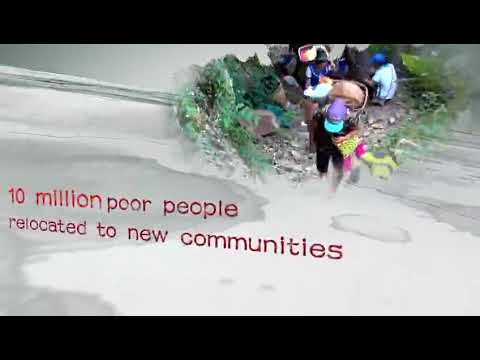
Over 57 million rural people moved into safe houses; Ten million poor people relocated to new communities; About 6,000 people moved out of the mountains every day; The rural per capita housing area expanded fivefold.

All villages in impoverished areas could be accessed by paved roads; All villages within the coverage area of large power grids had access to electricity; Almost all villages had broadband coverage.

Almost all are covered by universal health insurance.

Over 95% of impoverished counties help maintain the school retention rate.

All rural residents living below the current poverty line will be lifted out of poverty by 2020. China will achieve the Sustainable Development Goal on eradicating extreme poverty 10 years ahead of schedule.

[ Ending poverty in China: Data speak ] China' s achievements in poverty alleviation

http://p.china.org.cn/2020-12/10/content_76997814.htm

SOURCE China.org.cn
Related Links

http://china.org.cn

GREEN CAPITALI$M
Siemens Energy teams up with Duke Energy, Clemson University to study hydrogen use

- Project to help each entity reach bold carbon-reduction goals.

- U.S. Department of Energy to fund year-long study. 


NEWS PROVIDED BY Duke Energy


GREENVILLE, S.C., Dec. 10, 2020 /PRNewswire/ -- Siemens Energy, Duke Energy and Clemson University have teamed up to study the use of hydrogen for energy storage and as a low- or no-carbon fuel source to produce energy at Duke Energy's combined heat and power plant at Clemson University in South Carolina.

The U.S. Department of Energy announced today that it awarded Siemens Energy a $200,000 grant for the research initiative.

The pilot project, called H2-Orange – a nod to hydrogen gas and the collaboration with Clemson University – will ramp up in March 2021 and include studies on hydrogen production, storage and co-firing with natural gas.

The studies will evaluate multiple forms of hydrogen production, including green hydrogen, which is created from water and has no byproducts. Hydrogen also has the potential to store larger quantities of energy more efficiently and for longer durations than current lithium-ion battery technology.

"We look forward to developing an advanced hydrogen energy storage system to reduce the carbon footprint on the Clemson University campus, while optimizing the cost of energy for the campus and microgrid," said Richard Voorberg, vice president of global service operations at Siemens Energy. "We want to be a driver of the energy transition, and this is a great step toward building reliable and efficient clean energy infrastructure in the U.S."

This unique arrangement combines the experience, expertise and perspectives of Siemens Energy as the technology developer, Clemson University as the beneficiary and Duke Energy as the owner and operator of the asset.

Siemens Energy will study the use of its Silyzer electrolyzer to produce hydrogen fuel to help power the existing SGT-400 natural gas turbine at the Clemson plant. The Silyzer can use renewables and clean energy sources to create hydrogen without producing emissions. Clemson University will lead the integration of hydrogen into the campus grid and ensure energy needs are met, and Duke Energy will provide operational, engineering and grid modeling expertise. Duke Energy also expects the results of the study to be applicable to its larger combustion turbine fleet.

"Hydrogen integration is a possibility at many of our natural gas stations," said Regis Repko, Duke Energy's senior vice president and chief fossil/hydro officer. "The best way to innovate is through teamwork, and this research could influence the future of energy – reducing reliance on fossil fuels, decreasing energy costs and benefiting the environment and all energy users."

For years, Duke Energy has actively evaluated hydrogen as a low- or no-carbon fuel source to help the company meet its bold net-zero carbon goal by 2050. Siemens Energy and Clemson University also have net-zero carbon goals to reach by 2030.

"This collaboration supports our institutional goal to be carbon neutral while advancing the development of energy technologies that could have far-reaching societal benefit," said Tanju Karanfil, Clemson University vice president for research. "We are proud to collaborate with industry leaders Duke Energy and Siemens Energy and appreciate their interest in this project."

Additional information – www.siemens–energy.com/press

Duke Energy

Duke Energy (NYSE: DUK), a Fortune 150 company headquartered in Charlotte, N.C., is one of the largest energy holding companies in the U.S. It employs 30,000 people and has an electric generating capacity of 51,000 megawatts through its regulated utilities, and 3,000 megawatts through its nonregulated Duke Energy Renewables unit.

Duke Energy is transforming its customers' experience, modernizing the energy grid, generating cleaner energy and expanding natural gas infrastructure to create a smarter energy future for the people and communities it serves. The Electric Utilities and Infrastructure unit's regulated utilities serve approximately 7.7 million retail electric customers in six states – North Carolina, South Carolina, Florida, Indiana, Ohio and Kentucky. The Gas Utilities and Infrastructure unit distributes natural gas to more than 1.6 million customers in five states – North Carolina, South Carolina, Tennessee, Ohio and Kentucky. The Duke Energy Renewables unit operates wind and solar generation facilities across the U.S., as well as energy storage and microgrid projects.

Duke Energy was named to Fortune's 2020 "World's Most Admired Companies" list, and Forbes' 2019 "America's Best Employers" list. More information about the company is available at duke-energy.com. The Duke Energy News Center contains news releases, fact sheets, photos, videos and other materials. Duke Energy's illumination features stories about people, innovations, community topics and environmental issues. Follow Duke Energy on Twitter, LinkedIn, Instagram and Facebook.

Siemens Energy

Siemens Energy is one of the world's leading energy technology companies. The company works with its customers and partners on energy systems for the future, thus supporting the transition to a more sustainable world. With its portfolio of products, solutions and services, Siemens Energy covers almost the entire energy value chain – from power generation and transmission to storage. The portfolio includes conventional and renewable energy technology, such as gas and steam turbines, hybrid power plants operated with hydrogen, and power generators and transformers. More than 50 percent of the portfolio has already been decarbonized. A majority stake in the listed company Siemens Gamesa Renewable Energy (SGRE) makes Siemens Energy a global market leader for renewable energies. An estimated one-sixth of the electricity generated worldwide is based on technologies from Siemens Energy. Siemens Energy employs

more than 90,000 people worldwide in more than 90 countries and generated revenue of around €27.5 billion in fiscal year 2020. www.siemens-energy.com.

Clemson University

One of the most productive public research universities in the nation, Clemson University attracts and powerfully unites students and faculty whose greatest desire is to make a difference in the lives of others. Ranked among the best national public universities by U.S. News & World Report, Clemson is dedicated to teaching, research and service. Our main campus, located in Upstate South Carolina, sits on 1,400 acres in the foothills of the Blue Ridge Mountains, along the shores of Lake Hartwell. We have a presence in every South Carolina county through research facilities, economic development hubs and innovation campuses. Through the research, outreach and entrepreneurial projects led by our faculty and students, Clemson University is driving economic development and improving quality of life in South Carolina and beyond. For more information, go to clemson.edu or visit us on Facebook, Instagram or Twitter.
Montreal pledges to plant 500,000 trees, boost public transit ridership as part of climate plan

Thu., December 10, 2020, CBC

The City of Montreal is aiming to reduce greenhouse gas emissions over the next decade by prioritizing public transit, making buildings more energy efficient and encouraging the shift to electric vehicles.

The climate plan, presented Thursday, outlines Mayor Valérie Plante's long-term vision for the city, less than a year before the next municipal election.

In addition to the commitment to reducing greenhouse gas emissions, the 122-page document also promises measures to mitigate the effects of climate change, including a commitment to plant 500,000 more trees.

Plante said the climate crisis was a top priority before the pandemic, and that the plan serves as a blueprint for a recovery that "will be green and inclusive."

"Our plan will also enable Montreal to meet its commitments and maintain its leadership role in the fight against climate change," Plante said.

Emissions from vehicles a major obstacle

The biggest hurdle facing the city in meeting its emission target is gas-guzzling vehicles, which account for 30 per cent of the city's total emissions.

To that end, the city aims to expand public transit usage with the coming light-rail network and more residential developments near Metro stations. It also plans to designate more parking spaces for zero-emission vehicles.

In all, there are 46 commitments in the document geared toward cutting emissions levels by 55 per cent by 2030, compared with 1990 levels.

The plan was welcomed by environmental groups, some of whom were consulted by the Plante administration.

The David Suzuki Foundation Quebec, which helped develop the emissions modelling for the city, said the plan is "in line with climate science and Intergovernmental Panel on Climate Change recommendations."

The Quebec government put forward its own climate plan month, centred on getting more people to use electric vehicles. The plan was not well received by environmentalists, who said it wouldn't do enough to curb emissions.

Montréal unveils an ambitious plan to reach its climate goals

NEWS PROVIDED BY Ville de Montréal - Cabinet de la mairesse et du comité exécutif 

MONTRÉAL, Dec. 10, 2020 /PRNewswire/ - Ville de Montréal is pleased to unveil its Climate Plan 2020-2030 today. Consisting of 46 firm actions, the plan will allow Montréal to achieve the ambitious climate targets it has set for itself in the area of ecological transition, i.e., a reduction of 55 per cent of greenhouse gases (GHG) in the community between now and 2030 (compared with 1990), as well as carbon neutrality for its operations between now and 2040 and for the community in 2050.

"Before the health crisis hit, the climate crisis was at the heart of our concerns. In September 2019, Montréal witnessed a historic march that brought together 500,000 people demanding concrete action to fight climate change. The COVID-19 pandemic turned everything upside down. But the year 2020 also highlighted the importance of having a resilient city on a human scale. A city that offers quality green spaces to its population. The Climate Plan we are presenting will enable Montréal to improve the quality of life of its population in the short, medium and long term through a recovery that we hope will be green and inclusive. Our plan will also enable Montréal to meet its commitments and maintain its leadership role in the fight against climate change," declared Valérie Plante, mayor of Montréal.

The Climate Plan 2020-2030 consists of 46 actions, 16 of which are key actions, grouped into five areas of intervention targeting the mobilization of the Montréal community, urban planning and development, buildings, the exemplarity of the city, and governance. Among the actions that will have the greatest impact are:

Planting, maintaining, and protecting 500,000 trees, in priority areas susceptible to heat waves;

Encouraging sustainable mobility in neighbourhoods and future urban developments, such as the Hippodrome site;

Favouring and increasing the percentage of electric vehicles in the city centre;

Encouraging greening and stimulating the densification of the city by converting to open-air parking;

Adapting by-laws and supporting programs to increase the energy efficiency and resilience of all types of buildings;

Improving the energy performance of large buildings through a system of rating and disclosure of their energy consumption and GHG emissions;

Transforming 100 per cent of municipal building stock operations to zero carbon;

Imposing a climate test on all the city's decisions to limit their GHG emission impact and maximize their adaptation to climate change;

Dedicating funding for adapting to climate change, from 10 to 15 per cent of the budget of Ville de Montréal's Ten-year Capital Expenditure Program.

To monitor the evolution of the plan and the achievement of its targets, the city will publish an annual report on the progress made on each of the various actions that it contains.

For further details, visit montreal.ca

SOURCE Ville de Montréal - Cabinet de la m
New Whitepaper, Co-Authored by Chubb and Microsoft, Explores Evolution of Email Cyber Crime

Multi-factor authentication critical to deterring new email fraud 


NEWS PROVIDED BY Chubb

WHITEHOUSE STATION, N.J., Dec. 10, 2020 /PRNewswire/ -- Chubb has released a new whitepaper outlining how cyber criminals have evolved their deceptive practices around email cyber crimes, including the use of Business Email Compromise (BEC). The paper, "Email: Is the Digital Door Propped Open for Identity Hijackers?," explores how BEC works, why it is successful, and the importance of using multi-factor authentication as a safeguard.

Co-authored by Chubb and Microsoft, the whitepaper provides ways in which businesses can block these increasingly complex attacks.

"BEC attacks serve as a prime example of how cyber crime is quickly evolving," said Patrick Thielen, Senior Vice President, Chubb North America Financial Lines. "As employees become savvier about not clicking on unfamiliar links or downloading unknown attachments, cyber criminals are just as quickly pivoting to different means—hijacking email accounts and impersonating executives. These sophisticated fraud schemes often result in employees erroneously transferring money to criminals under the auspices of their bosses' supposed directions."

According to the authors, multi-factor authentication is a critical tool to help deter such fraud, as bad actors often access email accounts through weak passwords. An additional layer of defense or proof of identity can help ensure those individuals accessing email accounts or other sensitive company assets are who they say they are.

"Data suggests that implementing multi-factor authentication can help to significantly reduce the risk of email compromise," shared Christopher Arehart, Senior Vice President, Chubb North America Financial Lines. "Whether using a pin, biometric data, or tools like an authentication app, multi-factor authentication is easy to implement and can help close the digital door on cyber criminals."

"The old saw of an ounce of prevention being worth more than a pound of cure remains true in the cyber world," said Joram Borenstein, General Manager, Modern Work and Security Partnerships, Microsoft. "By layering authentication across multiple factors, consumers and employers make it harder for criminals to breach defenses and get at your business and personal data."

The full white paper can be found here. To learn more about how to protect your business from cyber risk, visit www.chubb.com/cyber.

About Chubb
Chubb is the world's largest publicly traded property and casualty insurance company. With operations in 54 countries and territories, Chubb provides commercial and personal property and casualty insurance, personal accident and supplemental health insurance, reinsurance and life insurance to a diverse group of clients. As an underwriting company, we assess, assume and manage risk with insight and discipline. We service and pay our claims fairly and promptly. The company is also defined by its extensive product and service offerings, broad distribution capabilities, exceptional financial strength and local operations globally. Parent company Chubb Limited is listed on the New York Stock Exchange (NYSE: CB) and is a component of the S&P 500 index. Chubb maintains executive offices in Zurich, New York, London, Paris and other locations, and employs approximately 33,000 people worldwide. Additional information can be found at: www.chubb.com.

SOURCE Chubb

Study: U.S. Military Communications Technology and Cyber Defense Challenges Remain

Second Annual State of Military Communications Study, from Government Business Council and Viasat, Finds Military Communications Still Not Seen as a Priority; Creating Potentially Dire Implications Relative to Adversaries 

NEWS PROVIDED BY Viasat, Inc.

Dec 10, 2020

WASHINGTON and CARLSBAD, Calif., Dec. 10, 2020 /PRNewswire/ -- Despite the Department of Defense (DoD) making strategic moves to improve its communications technologies, a new study finds challenges still exist in fulfilling a successful military communications technology strategy for the multi-domain battlefield. Concerns regarding the DoD's acquisition process and cybersecurity were revealed in the study, conducted by the Government Business Council (GBC), the research division of Government Executive Media Group, in partnership with Viasat Inc., (NASDAQ: VSAT) a global communications company.

According to the second annual State of Military Communications study, respondents reported the top three causes of defense communications technology deficiencies in their agencies include: limited funding, incompatibilities with legacy architectures and cultural complacency. Cultural complacency was also reported as the number one reason why defense agencies continue to contract with companies from the Traditional Defense Industrial Base (TDIB) over companies from the New Defense Industrial Base (NDIB).

Other key findings from the study include:

Despite technology improvements, communications technology strategy is still not seen as an agency priority, with communication technology blackouts still common

97% of respondents reported a complete loss in connectivity at some point while working in the military.

The majority (60%) of respondents think U.S communications technology is either behind or only on par with their adversaries, suggesting potentially dire implications relative to near-peer adversaries.

76% of respondents believe that a focus on improvements to defense communications is much lower, or just on par, with other top priorities in their agency.

Secure connectivity was seen as the number one improvement need in defense communications technology

When asked about their agency's preparedness for a cyberattack on defense communications infrastructure, confidence levels were low across the board. The highest percentage (39%) of respondents indicated they were 'moderately confident' in their agency' preparedness, while 16% said they were 'not at all confident' and only 8% reported feeling 'extremely confident.'

Acquisition remains a barrier to a U.S. military lead in defense technologies 

67% of respondents agree there is room for the military to improve its adoption of communications technology.

Increased commercial sector engagement could help boost the pace of improvements to the military's communications technology portfolio, according to the majority (63%) of respondents.

Respondents (52%) also suggest that increased participation from non-traditional companies — including those from the NDIB — in DoD's acquisition process could expose the military to the latest and greatest technology and business processes.

Investments in cloud, analytics and communications are being made to support the next-gen warfighter

Though challenges exist with developing and acquiring advanced communications technology, respondents did report their agencies are upgrading equipment to minimize challenges created by outdated legacy IT.

Advanced satellite communications, analytics and 5G technology were flagged by respondents as the top next-gen technologies their agency must leverage to advance defense communications capabilities.

Respondents also believe cloud computing is worthy of investment, noting their organizations were prioritizing it in order to outpace competitive adversaries. Specifically, 36% of respondents reported a concerted agency push for cloud computing technologies within the past 12 months.

"As the defense landscape evolves, global military prowess will no longer be determined by artillery alone; command over information — and the digital channels that convey it — will determine the victor," said Daniel Thomas, director, Research & Strategic Insights, Government Business Council. "This year's State of Military Communications survey continued to highlight the need for the DoD to increase its communications modernization efforts to remain competitive against global adversaries to drive real-time decision making and information sharing."

"In its second year, the State of Military Communications survey once again spotlighted the need for enhanced communications to help bridge the multi-domain battlefield and support our warfighters," said Ken Peterman, president, Government Systems, Viasat. "Status-quo acquisition models anchored in cultural complacency must evolve, the pace of technology deployment must align with the speed of relevancy and a focus on security, cloud computing, communications and analytics are all needed to ensure our U.S. competitive military advantage does not erode. Viasat is at the vanguard of the New Defense Industrial Base, focused on bringing innovative business models and game-changing technologies to the defense sector with the goal of creating unprecedented warfighter capabilities and mission outcomes."

A complete copy of the Second Annual State of Military Communications Study can be found here.

About the research and methodology

Government Business Council, the research division of Government Executive Media Group, in partnership with Viasat, conducted the State of Military Communications survey, an in-depth study of senior military decision-makers. The study, now in its second year, was fielded from September-October 2020, to a random sample of U.S. active military and DoD civilians from across the nation. Responses of 195 defense employees were captured after quality control and screening, with about 40% of respondents identifying as GS/GM-13 level or above (including Senior Executive Service). Respondents represented all branches of the military, with the greatest input from the Air Force, Navy, and Army in the 2020 survey.

About Government Business Council

As Government Executive Media Group's research division, Government Business Council (GBC) is dedicated to advancing the business of government through analysis, insight and analytical independence. An extension of Government Executive's 50 years of exemplary editorial standards, GBC produces over 100 research initiatives each year, studying influential decision-makers across all sectors in government to provide invaluable insights, thought leadership content and marketing intelligence for government contractors.

About Viasat

Viasat is a global communications company that believes everyone and everything in the world can be connected. For nearly 35 years, Viasat has helped shape how consumers, businesses, governments and militaries around the world communicate. Today, the Company is developing the ultimate global communications network to power high-quality, secure, affordable, fast connections to impact people's lives anywhere they are—on the ground, in the air or at sea. To learn more about Viasat, visit: www.viasat.com, go to Viasat's Corporate Blog, or follow the Company on social media at: Facebook, Instagram, LinkedIn, Twitter or YouTube.

Copyright © 2020 Viasat, Inc. All rights reserved. Viasat, the Viasat logo and the Viasat signal are registered trademarks of Viasat, Inc. All other product or company names mentioned are used for identification purposes only and may be trademarks of their respective owners.

SOURCE Viasat, Inc.
Related Links

http://www.viasat.com


Wildfire resilience requires action from all, explains IBHS Chief

Roy Wright presents latest scientific guidance during California Department of Insurance Workshop


NEWS PROVIDED BY Insurance Institute for Business & Home Safety (IBHS)

Dec 10, 2020


RICHBURG, S.C., Dec. 10, 2020 /PRNewswire/ -- As California grapples with the wildfire risk across the state, the Insurance Institute for Business & Home Safety (IBHS) today shared the latest science-based guidance to reduce wildfire risk during a California Department of Insurance workshop. Roy Wright, president & CEO of IBHS, brought the organization's scientific expertise from a decade of work at the IBHS Research Center and numerous post-fire field investigations to "Modeling Wildfire Risk and Mitigation in the Era of Climate Change."

"Wildfire risk to communities can be reduced, but it cannot be eliminated. Research in the field and in our lab has demonstrated the clear set of actions that must be taken to give homes a better chance. Yet, this set of actions requires stakeholders to work together to implement and vigilantly maintain wildfire-resistant properties," explains Wright. "Each home is a system with multiple vulnerabilities, so no single action alone will significantly reduce wildfire risk but, collaboratively, communities can bring down their risk."

IBHS lays out the actions for homeowners, neighborhoods and communities in its Suburban Wildfire Adaptation Roadmaps and Wildfire Ready guide for homeowners to walk stakeholders through the opportunities to reduce wildfire risk. Filling the need for actionable guidance specifically for closely-built suburban communities, the Suburban Wildfire Adaptation Roadmaps qualitatively describe the relative vulnerabilities of eight components of the home and actions to improve the risk. Wildfire Ready turns the nuanced technical report into a progressive guide for homeowners that prioritizes the actions that give a home a better chance of surviving a wildfire.

"Embers can pick up and loft regularly more than half a mile. This ability to transport themselves fundamentally changes who is at risk to wildfire because once fire enters a community a domino effect begins as one burning home generates more lofted embers and produces radiant heat making the neighboring homes vulnerable. This domino effect makes community adaptation vital to wildfire mitigation," continues Wright, a northern California native who grew up with wildfire risk. "Communities, neighborhoods, and individuals must work together using wildfire resistant materials and designs as well as vigilant maintenance."

IBHS is committed to producing leading wildfire research that delivers actionable guidance to empower home- and businessowners to prevent avoidable loss.

"As we dive even deeper into wildfire science, we must apply the learnings we already have to improve communities' chances against wildfire. The roof, the 0-5-foot home ignition zone, the area underneath a deck, and vents are the first items that must be addressed," Wright adds.

Home and business owners eager to take action against wildfire can explore Wildfire Ready and Wildfire Ready‒Business at disastersafety.org/wildfire.

About the Insurance Institute for Business & Home Safety (IBHS)
The IBHS mission is to conduct objective, scientific research to identify and promote effective actions that strengthen homes, businesses and communities against natural disasters and other causes of loss. Learn more about IBHS at DisasterSafety.org.

SOURCE Insurance Institute for Business & Home Safety (IBHS)
Related Links

www.disastersafety.org
AMELIORATING CAPITALISM

Aflac Incorporated Announces $25 Million Commitment to Invest in LISC's Black Economic Development Fund 


NEWS PROVIDED BYAflac Incorporated

Dec 10, 2020


COLUMBUS, Ga., Dec. 10, 2020 /PRNewswire/ -- Aflac Incorporated (NYSE: AFL) announced today its $25 million commitment to invest in the Black Economic Development Fund introduced by the Local Initiatives Support Corporation (LISC).

The Black Economic Development Fund (the "Fund") is a mission-oriented investment fund with the primary objective of supporting Black-led financial institutions, anchor institutions and business transactions to strengthen the Black community in rural and urban communities. The ultimate goal is to help close the racial wealth gap. The Fund expects to begin initial deployment of capital in the first quarter of 2021, taking an industry-agnostic approach across a diverse set of borrowers and geographies with a variety of products and investment durations.

This announcement follows Chairman and CEO of Aflac Incorporated Daniel P. Amos' recent signing of the CEO Action for Diversity & Inclusion™ pledge, reaffirming Aflac's longstanding commitment to building productive, diverse and inclusive workplaces—principles that underscore Aflac's long-time commitment to fostering a diverse and inclusive corporate culture and workforce.

Chairman and CEO of Aflac Incorporated Daniel P. Amos commented, "The concept of diversity, equality and inclusion is not new at Aflac; it is a topic about which we at Aflac have been passionate for decades. Aflac has a long history of inclusiveness dating back to the U.S. Civil Rights movement when our principal founder, John Amos, actively worked with leaders engaged in issues of equality and fairness. We are proud to continue that good work and thrilled to take part in LISC's Black Economic Development Fund. We view this as much more than just a financial investment; rather, we see it as an investment in society to help support schools, housing and small businesses within Black communities. Aflac's founding principles have evolved into what is now known internally at Aflac as 'The Aflac Way,' a collection of guiding principles that reflects Aflac's corporate culture: treating all of its constituents, both internal and external—with dignity, respect and fairness. Our investment in the Black Economic Development Fund speaks to that ideology, and it is our honor to be a part of it."

"It's encouraging to see corporations like Aflac extend their commitment to diversity and equality by investing their assets in communities of color," said George Ashton, managing director of LISC Strategic Investments. "Aflac's investment in the Black Economic Development Fund will help fuel broad social and economic benefits that will have a lasting impact on businesses, jobs, and economic growth throughout the country. With this investment, Aflac is setting the standard for its peers to do the same."

ABOUT AFLAC INCORPORATED

Aflac Incorporated (NYSE: AFL) is a Fortune 500 company, helping provide protection to more than 50 million people through its subsidiaries in Japan and the U.S., where it is a leading supplemental insurer by paying cash fast when policyholders get sick or injured. For more than six decades, insurance policies of Aflac Incorporated's subsidiaries have given policyholders the opportunity to focus on recovery, not financial stress. Aflac Life Insurance Japan is the leading provider of medical and cancer insurance in Japan, where it insures 1 in 4 households. Fortune magazine recognized Aflac as one of the 100 Best Companies to Work for in America for 20 consecutive years. For 14 consecutive years, Aflac has been recognized by Ethisphere as one of the World's Most Ethical Companies. In 2020, Fortune included Aflac Incorporated on its list of World's Most Admired Companies for the 19th time, and Bloomberg added Aflac Incorporated to its Gender-Equality Index, which tracks the financial performance of public companies committed to supporting gender equality through policy development, representation and transparency. To learn how to get help with expenses health insurance doesn't cover, get to know us at aflac.com.

ABOUT LISC

With residents and partners, LISC forges resilient and inclusive communities of opportunity across America – great places to live, work, visit, do business and raise families. Since 1979, LISC has invested $22 billion to build or rehab more than 419,000 affordable homes and apartments and develop 70.3 million square feet of retail, community and educational space.

For more information on the Black Economic Development Fund, please visit https://www.liscstrategicinvestments.org or contact strategicinvestments@lisc.org.


AMELIORATING CAPITALISM


Clorox Signs "America Is All In" Statement in Support of Action on Climate Change

On the fifth anniversary of the Paris Climate Agreement, U.S. Businesses, Government Entities and Institutions Voice Support for National Mobilization on Climate


NEWS PROVIDED BYThe Clorox Company

Dec 10, 2020, 16:20 ET

OAKLAND, Calif., Dec. 10, 2020 /PRNewswire/ -- The Clorox Company (NYSE:CLX) has signed America Is All In – a statement supported by more than 1,000 businesses, government entities, universities and other institutions to express support for ambitious commitments to tackle the climate crisis.

Signatories to America Is All In support driving economic growth through job-creating sustainable investments. A key principle of the collaborative statement is approaching climate and economic recovery in a manner that addresses systemic inequalities and ensures everyone benefits from a transition to climate resiliency.

"Clorox's corporate purpose is to champion people to be well and thrive, every single day. And this includes contributing to a healthy planet," said Clorox CEO Linda Rendle. "Consistent with our commitment to science-based climate action, we're lending our voice to call for a coordinated, national response to climate change and recognize that all sectors must act together to help our planet thrive now and in the future."

Clorox has made addressing climate change a key priority in its IGNITE Strategy. The company has committed to 100% renewable electricity in the U.S. and Canada by next year and to setting science-based targets to reduce greenhouse gas emissions in its operations and across its value chain.

These commitments build upon a long-standing focus on climate stewardship that resulted in cumulatively reducing emissions by 56% per case of product sold and by 46% on an absolute basis between 2008 and 2019. Clorox is proud of its progress and commitment to climate stewardship but recognizes that the efforts of any single organization are not sufficient to meet the scale of the challenge. America Is All In conveys the importance of multi-stakeholder collaboration and leadership in addressing climate change.

America Is All In will be shared with U.S. federal government officials and members of Congress, United Nations officials and global heads of state. View the statement and signatories at AmericaIsAllIn.com.

The Clorox Company

The Clorox Company (NYSE: CLX) is a leading multinational manufacturer and marketer of consumer and professional products with about 8,800 employees worldwide and fiscal year 2020 sales of $6.7 billion. Clorox markets some of the most trusted and recognized consumer brand names, including its namesake bleach and cleaning products; Pine-Sol® cleaners; Liquid-Plumr® clog removers; Poett® home care products; Fresh Step® cat litter; Glad® bags and wraps; Kingsford® charcoal; Hidden Valley® dressings and sauces; Brita® water-filtration products; Burt's Bees® natural personal care products; and RenewLife®, Rainbow Light®, Natural Vitality Calm™, NeoCell® and Stop Aging Now® vitamins, minerals and supplements. The company also markets industry-leading products and technologies for professional customers, including those sold under the CloroxPro™ and Clorox Healthcare® brand names. More than 80% of the company's sales are generated from brands that hold the No. 1 or No. 2 market share positions in their categories.

Clorox is a signatory of the United Nations Global Compact and the Ellen MacArthur Foundation's New Plastics Economy Global Commitment. The company has been broadly recognized for its corporate responsibility efforts, named to the 2020 Axios Harris Poll 100 reputation rankings, Barron's 2020 100 Most Sustainable Companies list, and the Human Rights Campaign's 2020 Corporate Equality Index, among others. In support of its communities, The Clorox Company and its foundations contributed more than $25 million in combined cash grants, product donations and cause marketing in fiscal year 2020. For more information, visit TheCloroxCompany.com, including the Good Growth blog, and follow the company on Twitter at @CloroxCo.

America Is All In

The America Is All In statement was co-produced by the many organizations and networks that support the management of We Are Still In - a joint declaration of support for climate action signed by more than 3,900 CEOs, mayors, governors, tribal leaders, college presidents, faith leaders, health care executives, and others in 2017. America Is All In was organized by The American Sustainable Business Council, B Team, Bloomberg Philanthropies, Center for American Progress, Ceres, CDP, Climate Mayors, Climate Nexus, C40, C2ES, Environmental Defense Fund, Environmental Entrepreneurs, Georgetown Climate Center, Health Care Without Harm, ICLEI, National League of Cities, Rocky Mountain Institute, Second Nature, Sierra Club, Sustainable Museums, The Climate Group, We Mean Business, World Resources Institute (WRI), and World Wildlife Fund (WWF). Learn more at AmericaIsAllIn.com.

CLX-C

SOURCE The Clorox Company
Related Links

http://www.TheCloroxCompany.com