Berlin closes parks and sports facilities after poisonous caterpillar outbreak
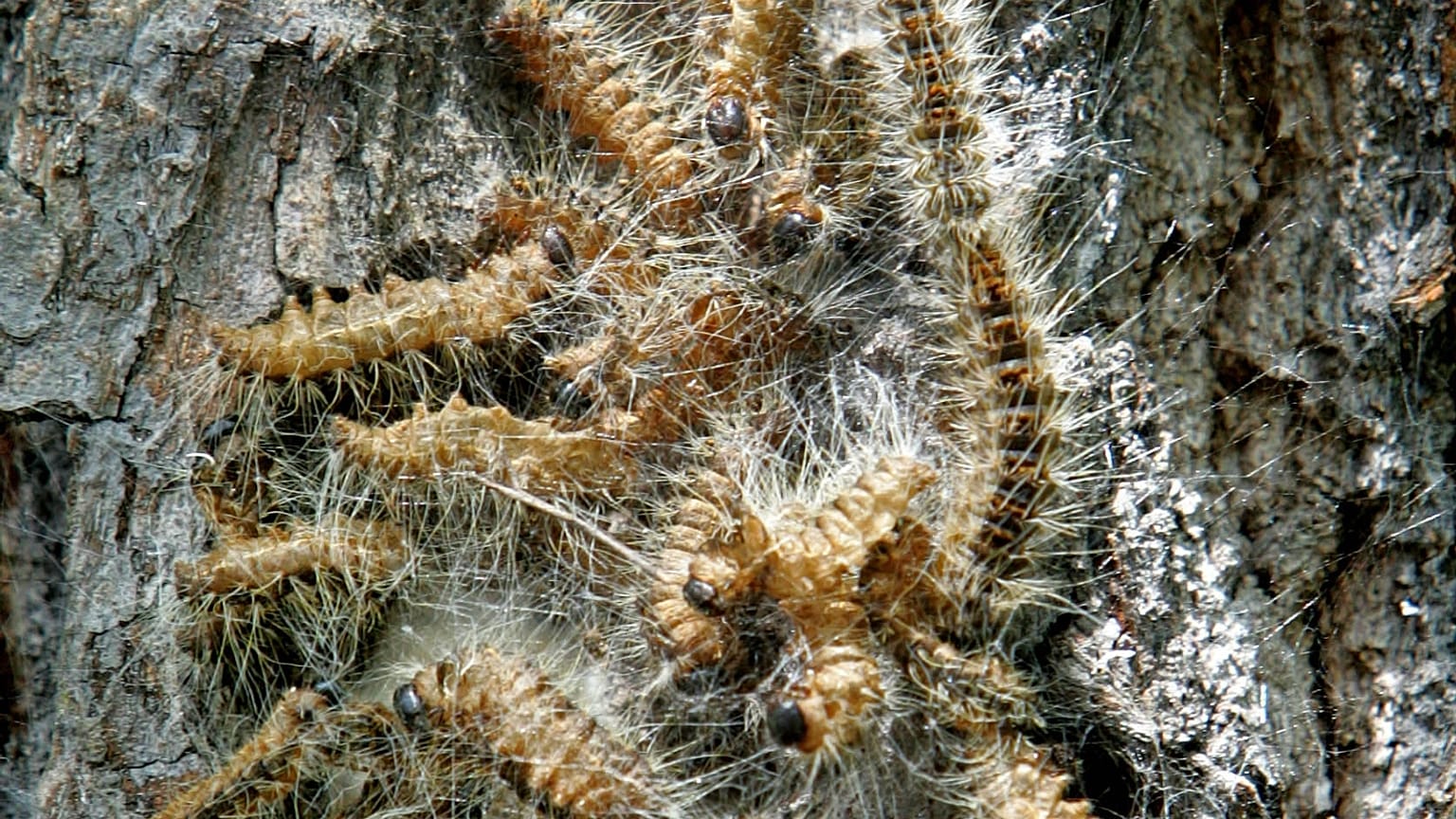
Poisonous caterpillars are infesting residential areas in Berlin. As health authorities fail to intervene, residents are taking matters into their own hands.
Oak processionary caterpillars have spread extensively across parts of Berlin, forcing authorities to close sports facilities and green spaces in the Charlottenburg-Wilmersdorf district due to health concerns.
Residents living near Jungfernheide, a large park in the west of the German capital, have been particularly affected. According to locals, the caterpillars and their nests can be found on door frames, cars, building façades and even street lighting.
District councillor Nico Kaufmann (SPD) told German newspaper B.Z. that some children have developed severe skin reactions, while residents say they have had to rely on cortisone medication to cope with the symptoms. Older people have reportedly become reluctant to leave their homes.
The danger comes from the caterpillars' tiny stinging hairs, which contain the protein thaumetopoein. The hairs can easily detach and be carried by the wind. Because they are microscopic and barbed, they can penetrate the skin, eyes and respiratory tract, causing itching, rashes, conjunctivitis and, in some cases, breathing difficulties.
A further challenge is that the hairs remain active long after the caterpillars have left their nests, meaning abandoned nests can continue to pose a health risk.
Local residents accuse authorities of failing to respond quickly enough to the outbreak. Health authorities do not classify the insects as conventional pests such as rats, while restrictions on the use of biocides have limited control measures.
Residents have now launched a petition calling for a binding protection plan for Jungfernheide and a broader city-wide strategy to tackle the problem across Berlin.

No comments:
Post a Comment