New war teed up as ‘most serious' Social Security overhaul attempt in years revealed
Travis Gettys
August 11, 2026
RAW STORY
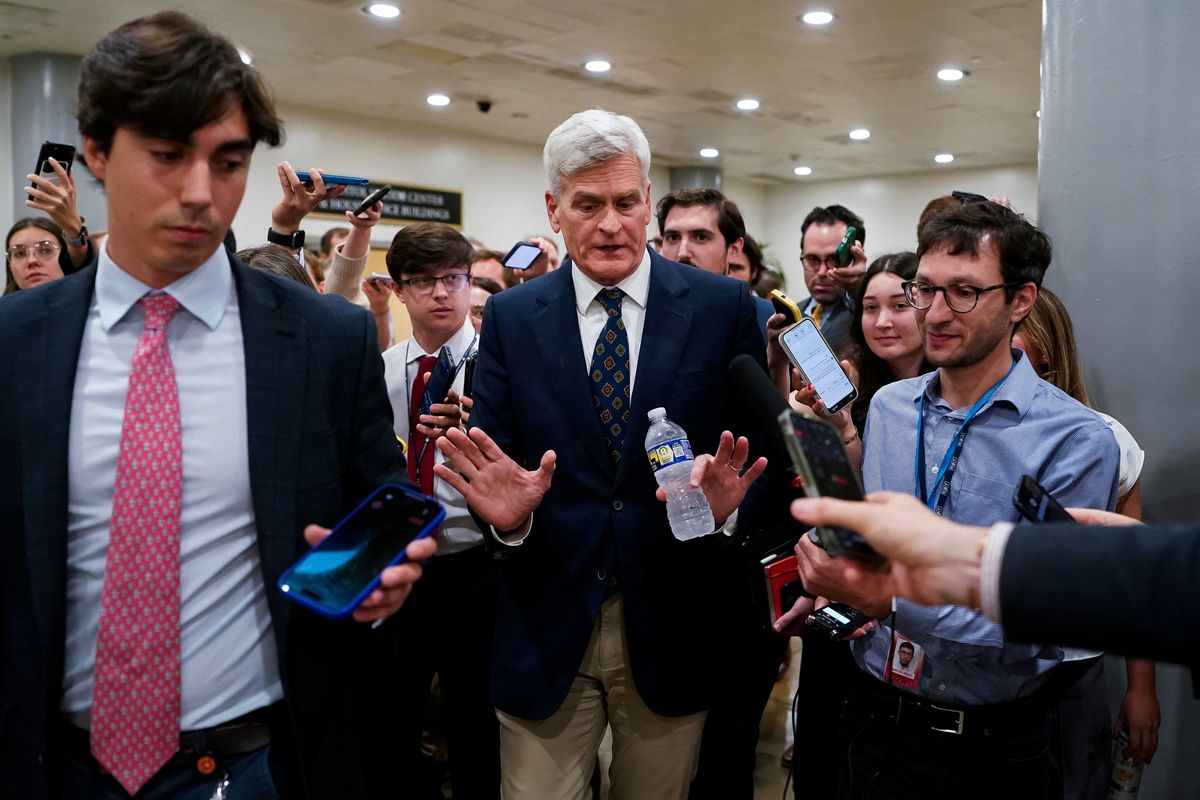
U.S. Senator Bill Cassidy (R-LA) speaks to reporters following a Senate Republican Steering Committee lunch with U.S. President Donald Trump at the U.S. Capitol in Washington, D.C., U.S., June 24, 2026. REUTERS/Elizabeth Frantz
A bipartisan group of eight senators is pushing legislation many in Washington view as the "most serious" attempt in more than a decade to overhaul Social Security, setting up a major legislative fight later this year over the fate of benefits for 59 million current recipients.
The bill, called the PROMISE Act and led by retiring Sens. Dick Durbin (D-IL) and Bill Cassidy (R-LA), doesn't cut benefits or raise taxes directly, reported NOTUS.
Instead, it would direct the existing Social Security Advisory Board to draft a plan extending the program's solvency for 50 years — likely requiring some mix of tax increases and benefit cuts — and would create procedural rules forcing Congress to vote on that plan.
Backers are targeting the lame-duck session after the midterms, when several supporters, including Durbin and Cassidy, will already be departing the Senate and face no further political consequences. Congress has roughly six years before automatic cuts of up to 25 percent hit beneficiaries, according to the Social Security Board of Trustees, driven by retiring baby boomers and longer lifespans outpacing revenue.
The effort traces back to Durbin's private conversations with Erskine Bowles, co-author of the failed 2010 "Simpson-Bowles" deficit deal, and gained steam through meetings with Sens. Tim Kaine (D-VA), Angus King (I-ME), Thom Tillis (R-NC), Cassidy and Finance Chair Mike Crapo (R-ID).
The Senate Finance Committee held its first hearing on the bill last Wednesday.
Opposition is intense and cuts across a broad political spectrum. AARP is urging lawmakers to reject the bill, citing polling showing 85 percent of Americans support maintaining or increasing benefits. Sen. Bernie Sanders (I-VT) wants Democrats to instead fund the program by lifting the payroll tax cap for high earners.
Even anti-tax crusader Grover Norquist is lobbying Republican leadership against the bill, calling it a left-wing effort to manufacture GOP support for tax hikes, while Progressive group Social Security Works called the process a way "to cut Social Security in the least democratic way possible."
“They always try in the least accountable moment," said Alex Lawson, executive director of Social Security Works. "For all the times they have failed, they only have to succeed one time for seniors to lose.”
President Donald Trump has vowed not to touch Social Security, and a White House spokesperson declined to comment on the bill. One Senate Democratic aide predicted failure, saying they would "eat my shoe" if it passes this year — a skepticism Durbin himself acknowledged, saying only that "miracles do occur."
Still, supporters argue economic pressure may force action. Rising federal debt has already rattled bond markets and pushed up borrowing costs, and Brookings' Ben Harris said that volatility "could force senators to come to the table," even as he doubted the bill's chances.
Backers also say routing the plan through an independent board is designed to shield lawmakers from direct political blowback — a feature critics say is precisely the problem, warning it strips the public of a voice in decisions that could ultimately determine the size of their retirement checks.

No comments:
Post a Comment