Bennito L. Kelty
September 2, 2026
RAW STORY
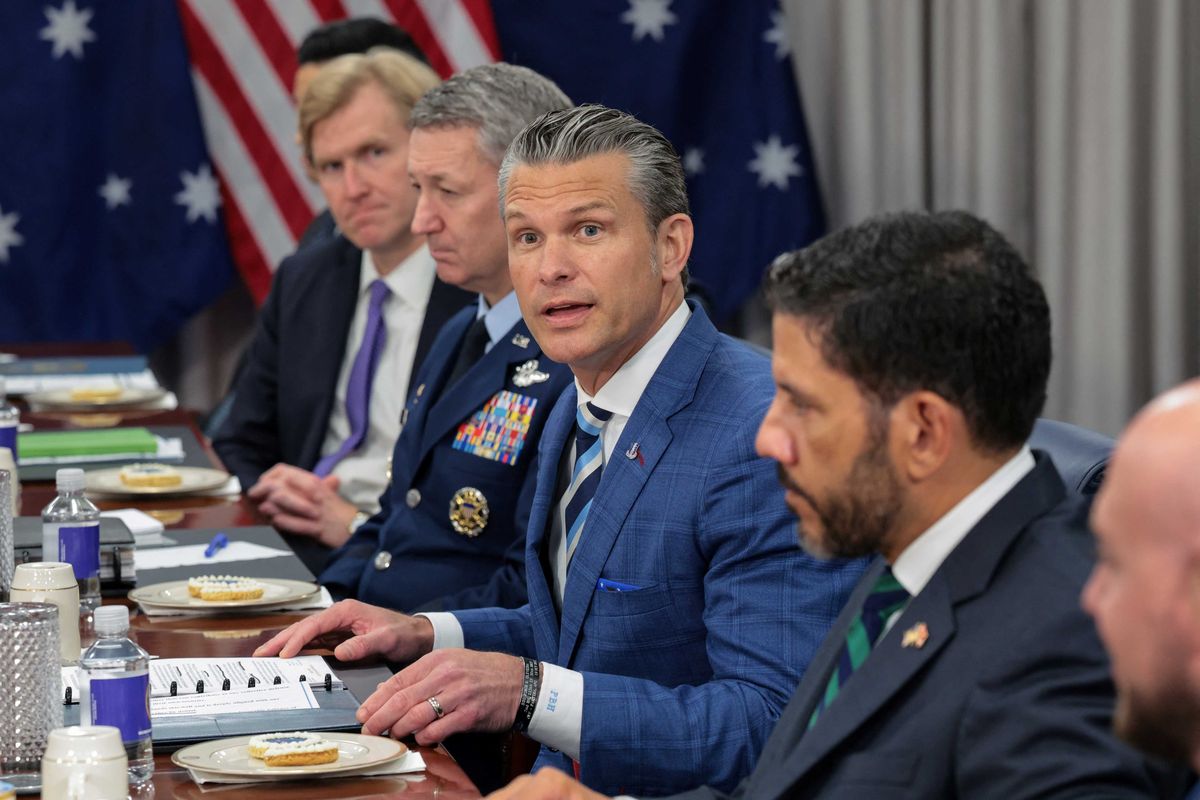
U.S. Defense Secretary Pete Hegseth speaks during a meeting with Australia’s Deputy Prime Minister and Defence Minister Richard Marles, not pictured, at the Pentagon, in Washington, D.C., U.S., September 2, 2026. REUTERS/Kylie Cooper
Anonymous insiders told The Washington Post that the Pentagon scrubbed decades of classified documents following a story about senior military officials' warnings about Iran.
In a Wednesday article, The Post revealed that the Pentagon pulled decades' worth of classified documents from a secret computer system that is commonly used by defense officials and U.S. troops. Insiders tipped The Post off following a story on Sunday about several top generals and admirals cautioning Defense Secretary Pete Hegseth about the risks of extending a war with Iran.
The documents were removed from the internal web portal on the Secret Internet Protocol Router Network (SIPRNet), according to three anonymous insiders who spoke to The Post. SIPRNet contains information that is labeled 'secret,' while top-secret information is put on other highly classified networks where fewer people have access, according to The Post.
Insiders told The Post that the documents were associated with the Secretary of Defense Orders Book (SDOB), which details the location and availability of U.S. warships, military units, weapons systems, and other resources. The SDOB also gives top generals and admirals a forum in which they can disagree with President Donald Trump and Hegseth while still carrying out their orders, The Post noted.
SDOB provides a "non-concurring" process where top generals and admirals can explain any reservations or disagreements they have with the orders or describe the detrimental effects of those orders on other military plans.
The Post noted that the SDOB became the "focus of intense discussion" after a story detailing how top generals and admirals told Hegseth that a prolonged, large-scale conflict against Iran is unsustainable. Those senior military officials also told Hegseth that operations against Iran risked weakening their ability to confront threats elsewhere.
Those warnings from senior military officials appeared in an August 14 edition of the SDOB, according to The Post.
Sean Parnell, a Pentagon spokesman, declined to discuss the removal of the classified documents with The Post, saying, "The Department of War does not publicly discuss internal operational deliberative processes," and "the success of our service members is Secretary Hegseth's top priority."
U.S. Defense Secretary Pete Hegseth speaks during a meeting with Australia’s Deputy Prime Minister and Defence Minister Richard Marles, not pictured, at the Pentagon, in Washington, D.C., U.S., September 2, 2026. REUTERS/Kylie Cooper
Anonymous insiders told The Washington Post that the Pentagon scrubbed decades of classified documents following a story about senior military officials' warnings about Iran.
In a Wednesday article, The Post revealed that the Pentagon pulled decades' worth of classified documents from a secret computer system that is commonly used by defense officials and U.S. troops. Insiders tipped The Post off following a story on Sunday about several top generals and admirals cautioning Defense Secretary Pete Hegseth about the risks of extending a war with Iran.
The documents were removed from the internal web portal on the Secret Internet Protocol Router Network (SIPRNet), according to three anonymous insiders who spoke to The Post. SIPRNet contains information that is labeled 'secret,' while top-secret information is put on other highly classified networks where fewer people have access, according to The Post.
Insiders told The Post that the documents were associated with the Secretary of Defense Orders Book (SDOB), which details the location and availability of U.S. warships, military units, weapons systems, and other resources. The SDOB also gives top generals and admirals a forum in which they can disagree with President Donald Trump and Hegseth while still carrying out their orders, The Post noted.
SDOB provides a "non-concurring" process where top generals and admirals can explain any reservations or disagreements they have with the orders or describe the detrimental effects of those orders on other military plans.
The Post noted that the SDOB became the "focus of intense discussion" after a story detailing how top generals and admirals told Hegseth that a prolonged, large-scale conflict against Iran is unsustainable. Those senior military officials also told Hegseth that operations against Iran risked weakening their ability to confront threats elsewhere.
Those warnings from senior military officials appeared in an August 14 edition of the SDOB, according to The Post.
Sean Parnell, a Pentagon spokesman, declined to discuss the removal of the classified documents with The Post, saying, "The Department of War does not publicly discuss internal operational deliberative processes," and "the success of our service members is Secretary Hegseth's top priority."

No comments:
Post a Comment