World is being ‘held hostage by oil mafia’: How one tiny country is putting its foot down at COP31
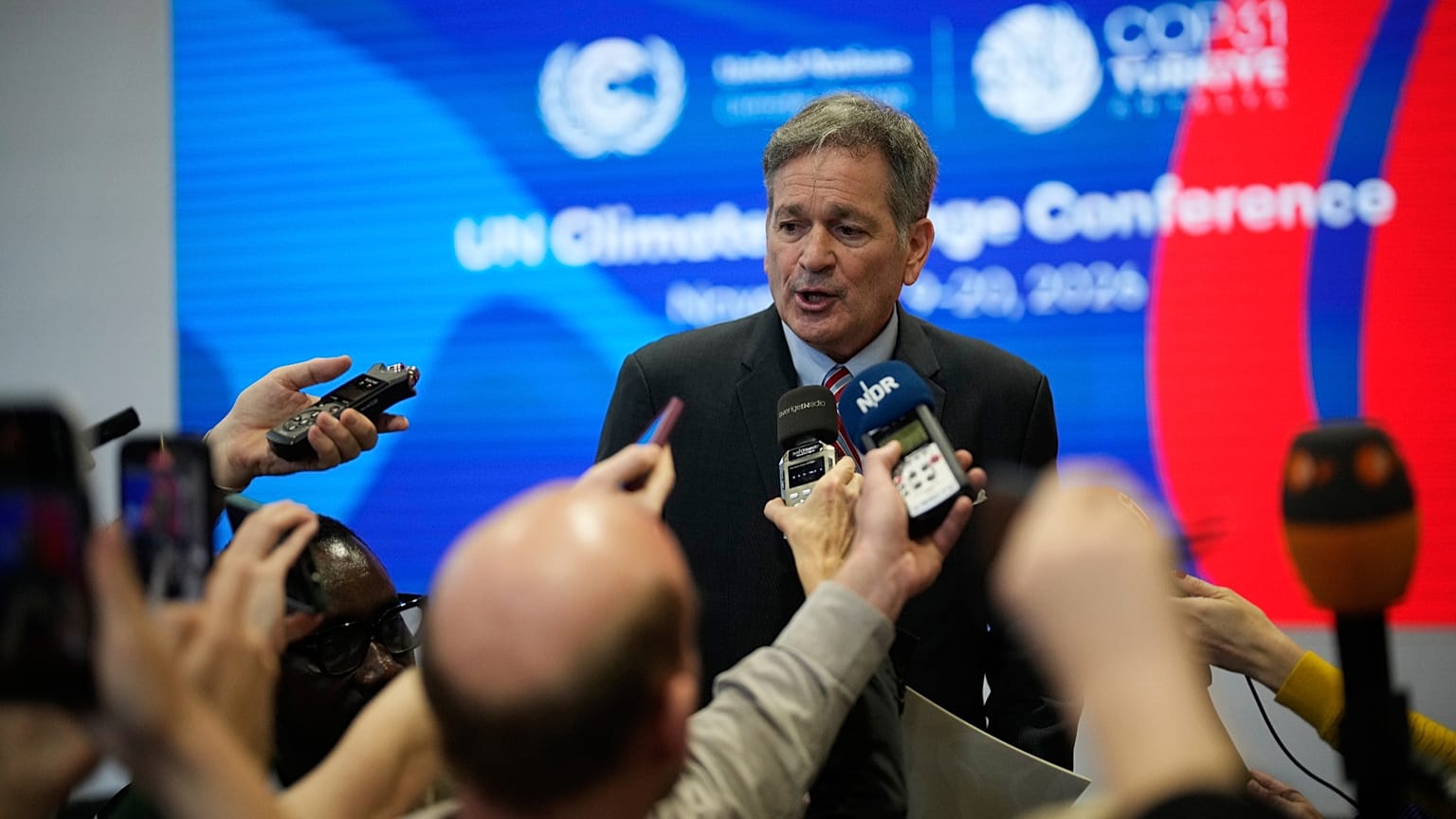
On the final day of COP31, one country says it will “not lend its name” to “complacent or ineffective language” in the final pact, which requires consensus.
It’s crunch time as COP31 enters its final day of discussions, following a lacklustre draft deal that sparked heavy backlash.
The annual UN climate summit, which is being held in Antalya, Türkiye, may overrun into the weekend amid growing divisions.
Yesterday (19 November), co-host Australia unveiled a slimmed-down draft deal that removed all mentions of fossil fuels – the leading driver of climate change – despite growing momentum to publish an exit strategy.
It signals a repeat of the COP30 summit in Belém last year, where the transition away from fossil fuels (TAFF) was erased from the final deal following resistance from fossil-fuel exporting countries.
Panama threatens to block final COP31 deal
COP agreements require consensus from all parties – that’s almost 200 nations – which means progress is often slow and incremental.
However, Panama appears to be putting its foot down, threatening to block any final deal that doesn’t deliver on a cap of oil production alongside a strident defence of science.
In a letter to COP31 hosts, Panama’s environment minister Juan Carlos Navarro said his country would “not join any consensus, and will formally object in the closing plenaries, to the adoption of any decision that does not lead to an outcome satisfactory” to its principles and values.
Navarro added that Panama would “not lend its name” to “complacent or ineffective language” in the final pact.
Earlier this week, the politician argued that the world is being “held hostage by the petroleum mafia” and that nations are “in love with its kidnappers”.
“They torture us for our own good, they destroy our planet for our own good. They destroy nature to help us, and they demand our unrequited, endless, unlimited, boundless love. And we are so stupid that we fall for it.”
TAFF roadmaps gain appeal outside of the UN remit
Nations agreed at COP28 in Dubai in 2023 to transition away from fossil fuels, but language around energy sources is highly contested at the yearly talks.
However, following the first TAFF conference in Santa Marta, Colombia, which took place in April, several countries have established their own exit strategy – with Europe leading the way.
Before COP31, France, Germany and the Netherlands published national roadmaps to get away from coal, oil and gas.
On 11 November, two days into the talks, Finland affirmed its commitment to TAFF.
Almost a week later (17 November), Denmark, Portugal, Luxembourg and Spain announced their own national plans.
While “you can always wish and fight” for TAFF to be anchored in the cover decision, “this is not for us the ultimate benchmark for success,” German Environment Ministry State Secretary Heike Henn told reporters on Monday (16 November), ahead of the draft’s publication. “The success is in doing, in a growing coalition,” she said.
What will COP31 actually decide?
Experts have criticised the erasure of fossil fuels from the latest draft deal, warning that the talks risk becoming a “ghost COP”.
"The summit will have nothing to show for what happened here,” Mohamed Adow, founder and director of climate think tank Power Shift Africa said on Thursday, 19 November.
“After the progress made in 2023 at COP28 in Dubai where fossil fuels were mentioned for the first time, there is now no mention of the f-word at all.
“COP31 has been muzzled on the most important threat causing the climate crisis.”
Inga Fritzen Buan from environmental group WWF told news agency AFP that some major fossil energy producers are attempting to “undermine” everything related to emissions cuts and the energy transition.
“With this draft, they’re succeeding,” Buan added. “This is not a mere disagreement over the placement of a comma.”
Electrification takes centre stage
The latest text included a call to increase the global share of final energy demand met by electricity to 35 per cent by 2035 – a key initiative of Türkiye.
However, concern remains that the draft deal does not explicitly require that extra electricity be powered by clean energy rather than coal or gas.
“We are going to fight for clean electrification” met by renewables and nuclear energy, French Ecological Transition Minister Monique Barbut told reporters.
Some countries rejected calls to ramp up carbon capture, utilisation and storage technology, which critics see as an expensive distraction from cutting pollution.
The draft also proposes further discussions toward “tripling” finance for climate adaptation measures by 2035, but drops a $120 billion (approximately €109 billion) goal being sought by developing nations.
Rich nations have long resisted calls to increase support for countries struggling to adapt to climate change, citing budget constraints and insisting that big emerging economies such as China also contribute.
The draft deal also contains a recognition of the “best-available science” and a reference to the work of the Intergovernmental Panel on Climate Change (IPCC), a key battleground at COP31.
COP31 draft climate deal removes all mention of fossil fuels, triggering outcry
Negotiators at the COP31 meeting in Antalya stripped out any reference to ending the use of fossil fuels – the leading driver of global warming – in a slimmed-down draft deal text published Thursday, in what climate campaigners called a "glaring regression" as the marathon negotiations approach their Friday deadline.
Issued on: 19/11/2026
By: FRANCE 24

UN climate talks co-host Australia unveiled a new draft agreement Thursday that drops any mention of fossil fuels, sparking anger from campaign groups.
The nearly 200 nations involved in the COP31 global climate talks in Turkey have until Friday to strike a final agreement, though the marathon negotiations often run into overtime.
The summit is unfolding against a record-breaking El Niño, disasters fuelled by climate change from Europe to Nepal and a global energy shock triggered by the Iran war.
A sweeping draft pact unveiled earlier in the week laid out competing positions on flashpoint topics from energy to finance and trade, drawing criticism for its length and complexity.
After days of tense consultations, Australia published a slimmed-down text half the original length containing fresh language and new proposals on some of the thorniest issues.
"We'll be engaging in intense consultations with every single group starting this afternoon and into the night," Australia's Climate Minister Chris Bowen, who is steering the negotiations, told reporters.
Government ministers offered little immediate comment as they absorbed the fresh proposal.
Panama earlier threatened to block any deal that does not include a cap on global oil production, among other demands.
Bowen said he had not yet seen Panama's letter of objections.
Fossil-free
An earlier proposal "for accelerated action to phase out fossil fuels" was nixed in the revised text, and all mentions of coal, oil and gas removed from the nine-page document.
The omission is striking given last year's summit also failed to mention fossil fuels, while countries have pursued efforts outside the United Nations process to exit coal, oil and gas.
"Some major fossil energy producers are attempting to undermine everything related to emissions cuts and the energy transition – and with this draft, they are succeeding," Inga Fritzen Buan from environmental group WWF told AFP.
"This is not a mere disagreement over the placement of a comma."

06:57
"Erasing explicit calls to transition away from fossil fuels... is a glaring regression. You cannot solve a fossil fuel crisis by pretending we don't need to phase out fossil fuels," said Harjeet Singh, convenor of the Fill the Fund campaign.
The draft "cover decision" is designed to capture the outcome of COP31 and set the course for future action as global temperatures rise and climate disasters multiply.
Mohamed Adow from campaign group Power Shift Africa said COP31 "has been muzzled on the most important threat causing the climate crisis... This new text has gone backwards".
Flagging a fight
The latest text said that taking steps to electrify the global economy could have "significant benefits" in shoring up energy security and cutting planet-heating greenhouse gas emissions.
It includes a call to increase the global share of final energy demand met by electricity to 35 percent by 2035 – a key initiative of COP31 host Turkey.
Read morePlugged-in planet? COP31 host Turkey leads charge for electrification
Some countries are concerned the text as written does not explicitly require that extra electricity be powered by clean energy and not coal or gas.
"We are going to fight for clean electrification" met by renewables and nuclear energy, French Ecological Transition Minister Monique Barbut told reporters.
Some countries rejected calls to ramp up carbon capture, utilisation and storage technology, which critics see as an expensive distraction from cutting pollution.
Vanuatu's Climate Minister Ralph Regenvanu told AFP it "had been singled out for special attention that it doesn't deserve" in the latest text.
The draft also proposes further discussions toward "tripling" finance for climate adaptation measures by 2035, but drops a $120-billion goal being sought by developing nations.
Rich nations have resisted calls to increase support for countries struggling to adapt to climate change, citing budget constraints and insisting that big emerging economies such as China also contribute.
The draft expresses "deep concern" about the imminent breach of the 1.5C temperature goal set under the 2015 Paris accord, and underscores the "importance" of the work of the Intergovernmental Panel on Climate Change (IPCC), the world's leading authority on global warming.
The timing of the IPCC's next set of reports has been a source of considerable friction at COP31.
Dozens of countries want the IPCC's next assessments available before a global review of carbon-cutting efforts in 2028. A smaller number of nations, including Saudi Arabia and India, want them postponed until 2029.
(FRANCE 24 with AFP)
COP31: Corporate interests gain access to govt delegations participating in climate negotiations
Issued on: 17/11/2026 - FRANCE24
Eve Irvine is pleased to welcome Siphesihle Mvundla, South African Climate and Energy Justice Campaigner at groundWork, a non-profit environmental justice organization. At COP31 in Turkey, representatives of major polluting industries have gained access to climate negotiations through government delegations, accredited organisations and other participation arrangements, according to research by the Kick Big Polluters Out coalition. Mvundla questions the extent of their involvement: "This year particularly, it's not just about the numbers, but it's about the influence that these private interests would have on the negotiations." While businesses have a role in implementing climate action, he questions their access to negotiations intended to regulate their industries and is calling for "an end to big polluter sponsorship and partnership at climate conferences" and insisted: "No more allowing big polluters to write the rules of climate action."
Video by:Eve IRVINE/George Shantzek
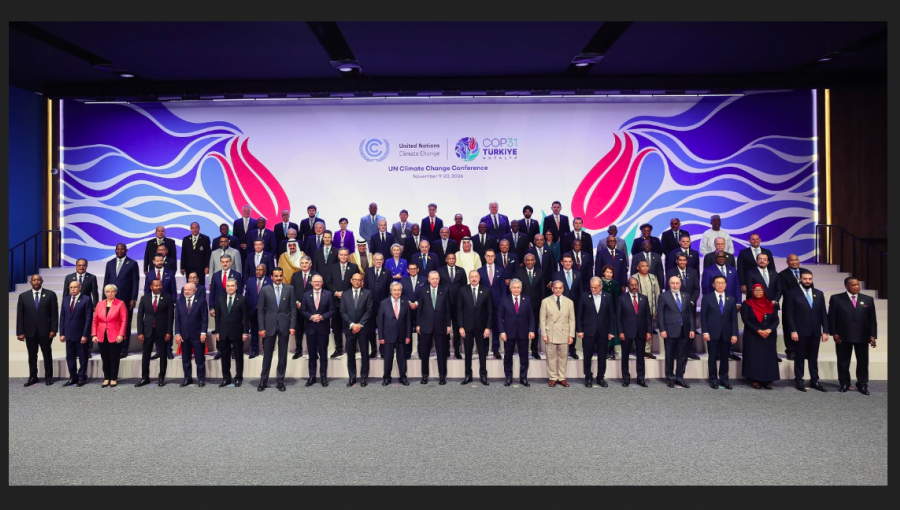
Across more than a million square metres of pavilions, debating halls and curated sustainability showcases on Turkey’s Mediterranean coast, the global climate establishment has once again gathered to release some more carbons.
As the heads of states, financiers and CEOs continue to mingle at the COP31 summit, an uncomfortable question hangs over the proceedings: Is the summit machinery genuinely rescuing the climate or merely managing the political and financial dividends of appearing to do so?
Climate policy has increasingly shifted from being a discipline of measurable action to an exercise in representation. Success is frequently tallied in communiques signed, photo opportunities staged and green-tinted corporate logos unveiled, rather than in tonnes of carbon permanently removed from the atmosphere.
As Caglar Kuzlukluoglu argues in a column for BloombergHT, environmentalism has turned into a "stage performance" and a degenerated public relations slogan.
The sheer scale of the Antalya event, with its vast footprint and long-haul delegates, invites scrutiny over the carbon cost of the diplomacy itself.
Greenwashing. Everybody's at it
"Greenwashing" is a term that was coined to describe polluters who overstate their environmental credentials pitching in investor decks and marketing campaigns. Governments are notable greenwashers. They have turned into corporations that manage national environmental brands much as companies do.
Net-zero pledges, zero-waste initiatives and green infrastructure plans have become vital instruments of soft power and diplomatic prestige. The issue is rarely the promotion of these policies, but the tendency for publicity to outrun execution.
Targeting tension
The headline target atop the COP31 agenda is to raise electricity’s share of global energy consumption to 35% by 2035.
Host city Antalya serves as a microcosm in the targeting tension. The Mediterranean basin is on the front line of climate stress, grappling with acute water scarcity, worsening wildfires, extreme heat and coastal degradation driven in part by mass tourism. Yet the true summit dividend for Antalya is measured in international media coverage or hotel occupancy.
Rapidly financialising ecosystem
Beneath the diplomatic theatre lies a vast, rapidly financialising ecosystem. Green bonds, carbon markets, environmental, social and governance (ESG) frameworks, along with clean-tech capital flows now constitute a multi-trillion-dollar market.
At the same time, climate action has spawned a lucrative "reputation economy". Corporations deploy sustainability metrics to attract institutional capital. Sovereigns use climate commitments to unlock concessional finance. Municipalities polish green credentials to draw investment and tourism.
The central dilemma is that green finance is simply repackaging incumbent business models under a more palatable narrative. Without rigorous verification and enforceable accountability, glossy sustainability disclosures are just well-designed brochures.
In global finance, the ultimate metric is the volume of green assets under management or the ambition of long-dated targets. Yet neither nature nor the working populations bearing the brunt of climate disruption read summit communiques or sustainability disclosures.
“The planet doesn't need public relations strategies but a real transformation,” says Kuzlukoglu.
Too preachy? Let's rebrand, reframe
On November 12, Reuters put out a newsletter with a picture of activist Greta Thunberg talking at a climate event. The headline asked, “Does climate action need a rebrand?”
“Can a rebrand of climate action work? That’s what today’s newsletter seeks to find out as we follow the developments at the COP31 summit in Turkey,” the news agency wrote.
Previously, on November 11, Reuters reported that politicians at COP31 were trying out a new sales pitch for climate action, namely “do it for the economy”.
According to the news service, John Kerry, a former US secretary of state who has been advocating for climate action for “decades,” had said he liked the reframing of the issue.
"I think everybody who is working on climate needs to change the way they talk about it," Kerry told reporters on the summit sidelines.
Previously, in June, in the UK, the veteran politician talked “passionately” about “fixing climate communications” and the need to rebrand climate action during the London Climate Action Week event.
Participants at the event reiterated that the climate industry seemed a little too “preachy” and needed a different approach.
Are we making progress on climate action? 23 encouraging signs from COP31
New alliances, commitments and funding could help protect Pacific island nations, restore degraded peatlands and tackle global food waste.
As COP31 draws to a close, some of the familiar tensions that have shadowed the UN’s climate summits for years are dominating the headlines again.
With draft agreements on the table, oil- and gas-producing nations such as Saudi Arabia have sought to weaken calls for a faster transition away from fossil fuels.
Meanwhile, a coalition of more than 130 developing countries is demanding that wealthy nations cut their own emissions faster and commit more climate funding in grants rather than loans, so that developing nations don’t get saddled with debt.
The summit has made headlines for more than its political disputes, though. Host country Türkiye unveiled its ‘35 by 35’ pledge, which aims to raise the share of global energy demand met by electricity from around 23 per cent today to 35 per cent by 2035.
But there have been plenty of small victories on the sidelines, too, including efforts to protect coral reefs and funds to help Pacific island nations cope with rising seas.
Here are 23 ways that COP31 has given us reason for optimism.
Food, agriculture and health wins at COP31
23. Funding to curb food waste
The IKEA Foundation announced a €40 million, four-year initiative that aims to scale up proven solutions – such as improving cold storage and converting food waste into organic fertiliser or animal feed – to cut food loss, prevent supply-chain waste, divert food from landfills and redistribute surplus food.
22. An initiative tackling food and water insecurity
The FAO launched the Turquoise Nexus Initiative to help countries facing water shortages and food insecurity improve irrigation systems, prepare for droughts and develop more water-efficient crops.
21. Funding for climate change and health research
The European Commission, British medical research foundation the Wellcome Trust and public funders from five continents launched the first global alliance dedicated to funding research involving climate change and human health.Relat
20. Protection for those hit by conflict
Germany’s International Climate Initiative announced grants of €7-15 million per project to address the links between climate change and conflict, such as competition over dwindling water supplies and agricultural land.
Clean energy and technology wins at COP31
19. Support for clean energy in Africa
Italy and the UNDP will commit €10 million to support clean energy projects in Africa, potentially including biogas in Kenyan schools and digital electricity networks in Uganda.
18. Accolades for sustainable buildings
Through the International Sustainable Buildings Competition, COP31 and the UNEP recognised nine projects delivering measurable emissions cuts, including a Bangladesh garment factory that cut operational emissions by 78 per cent and an Irish university building that cut its energy consumption by 40.5 per cent.
17. Access to energy-efficient cooling
Italy, Switzerland and several charitable organisations pledged more than €15 million to improve access to energy-efficient cooling and protect communities in regions such as in Southeast Asia, South Asia and the Horn of Africa from extreme heat.
16. Tackling climate misinformation
A UN-backed initiative launched recommendations for tackling climate misinformation generated by AI, as well as a charter that aims to prevent advertisers from funding climate disinformation.
Climate finance and adaptation wins at COP31
15. Funds for environmental protection
Four governments – Belgium, Denmark, Germany and South Korea – pledged more than €180 million to Global Environment Facility funds supporting environmental protection and climate adaptation.
14. Protecting Pacific island nations from rising seas
The Asian Development Bank spearheaded a programme that aims to raise about €1 billion to protect 14 Pacific island countries from rising seas and extreme weather.
13. A boost for early warning systems
Canada announced up to €6.5 million for the Climate Risk and Early Warning Systems initiative, which helps vulnerable countries prepare for extreme weather.
12. Cleaning up the Mediterranean
An EU-funded programme called Interreg NEXT MED officially launched 49 projects worth more than €120 million in 15 Mediterranean countries – including Italy, Spain, Egypt and Lebanon – that address issues such as water management, biodiversity, clean energy and waste reduction.
Oceans, nature and biodiversity wins at COP31
11. Celebrating Ghana’s emissions cuts
Ghana has received 6.57 million carbon credits for reducing emissions from deforestation and forest degradation. Expected to be worth about €40 million, the credits were issued under the Architecture for REDD+ Transactions (ART) and its TREES standard. Ghana is the first African country to receive these credits.
10. Hope for degraded peatlands
A new initiative called the Peatland Breakthrough aims to restore 30 million hectares of degraded peatlands and raise about €90 billion for conservation and climate action.
9. A reef conservation fund
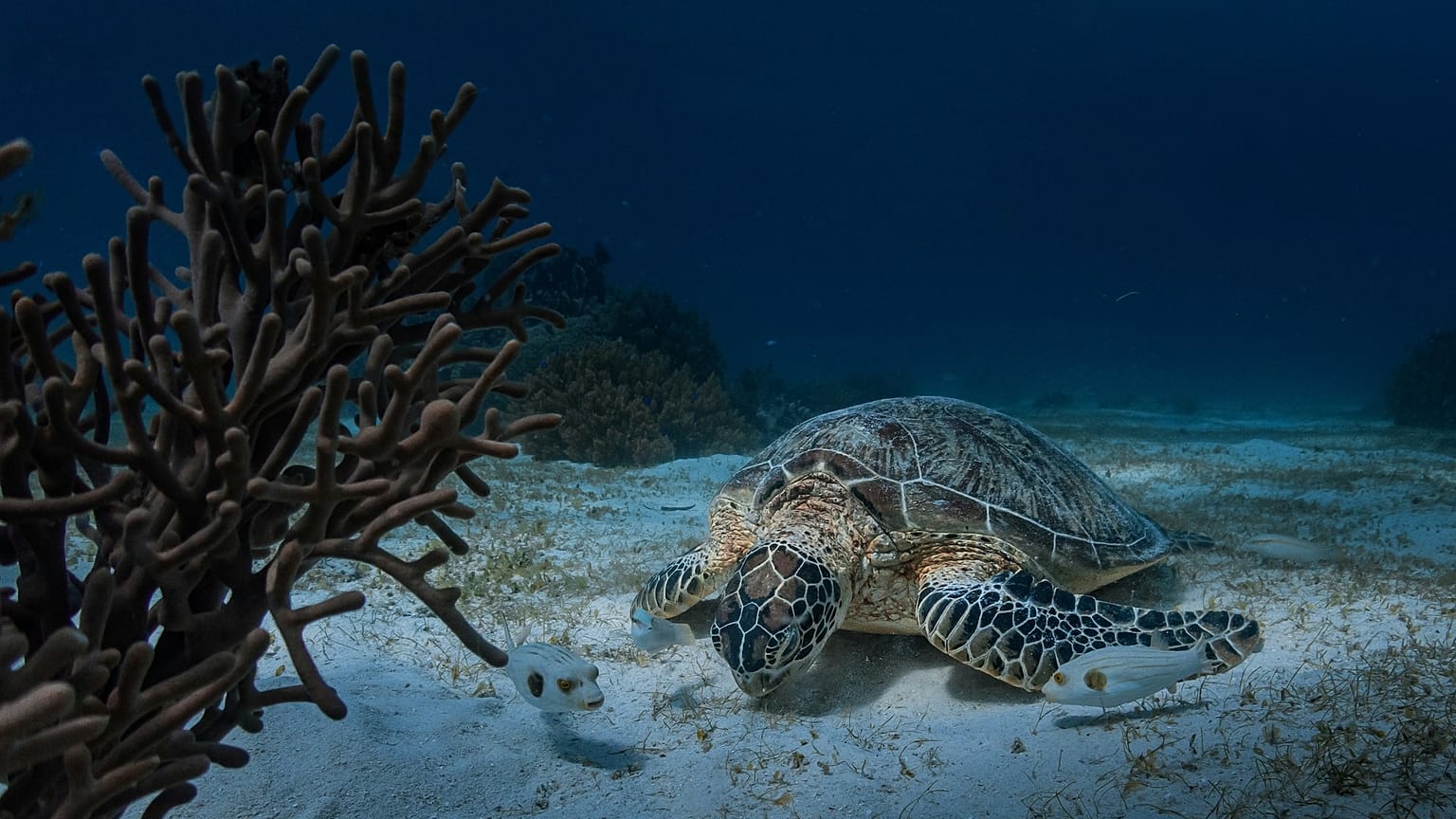
The UN-backed Global Fund for Coral Reefs announced more than €27 million for reef conservation projects in 22 developing countries, including Mexico, Belize, Guatemala, Honduras, Indonesia, the Philippines and Tanzania.
8. Green initiatives at sea
A coalition of 27 countries launched the Blue NDC Implementation Taskforce to help secure funding and technical support for projects, such as cleaner shipping, offshore renewable energy and marine conservation. The EU also joined the Blue NDC Challenge, an initiative led by France and Brazil to help countries put the ocean commitments in their climate plans into practice.
7. Millions for coastal protection
Canada granted the Ocean Risk and Resilience Action Alliance about €9 million in funding commitments from now through 2030 to finance projects that protect oceans and coastal communities from climate change.Relate
6. Funding for local environmental initiatives
Germany opened a new funding round offering grants of €60,000-€200,000 for local organisations in developing nations that are working to cut emissions, protect biodiversityand help communities adapt to climate change.
5. Support for small-scale fishers
The European Commission unveiled its ‘From Water to Market’initiative to support small-scale fisheries, coastal livelihoods and food security across the Mediterranean.
4. Biodiversity action
Norway announced about €4.5 million in funding to help developing nations implement their national biodiversity action plans.
Climate pledges and accountability wins at COP 31
3. Paris Agreement’s second Global Stocktake
Despite tense talks throughout the conference, signatories of the Paris Agreement kicked off the second Global Stocktake, a two-year assessment of global progress towards meeting the agreement’s climate goals.
2. Methane leak monitoring
The UNEP revealed that its satellite-based monitoring system has helped stop five major methane leaks in Canada, Iraq, Kazakhstan and Mexico since June, preventing an estimated 125,000 tonnes of methane from reaching the atmosphere. So far, though, just nine of the 159 countriesbehind the Global Methane Pledge have endorsed a new declaration reaffirming their goal of cutting global methane emissions by at least 30 per cent from 2020 levels by 2030.
1. Fossil fuel phaseouts
During COP31, Finland affirmed its commitment to TAFF by publishing a national roadmap, following in the footsteps of France, Germany and the Netherlands. Denmark, Portugal, Luxembourg and Spain later announced their own national plans.

No comments:
Post a Comment