Friday, December 12, 2025

Myriad ups stake in Wyoming uranium project to 75%

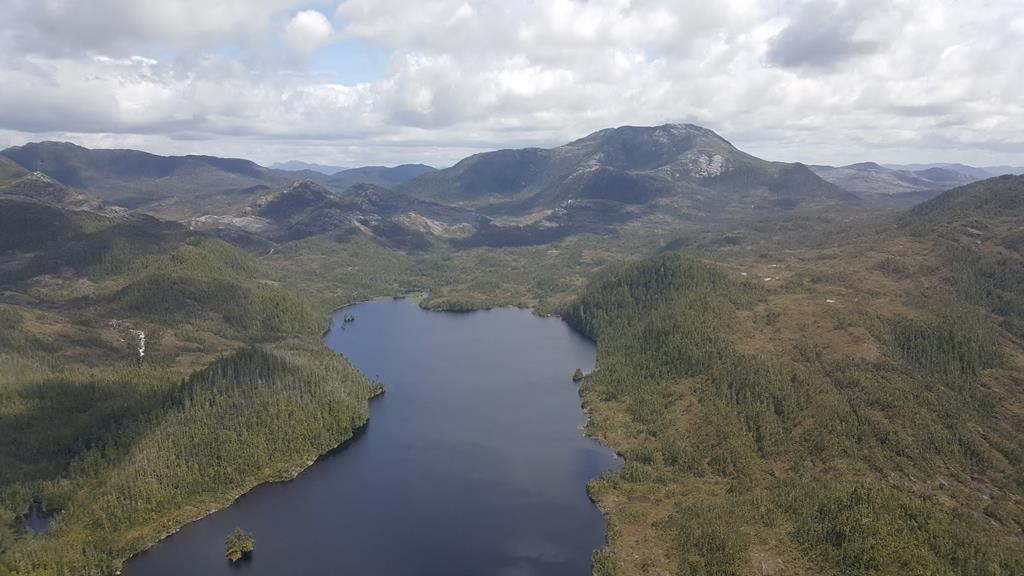
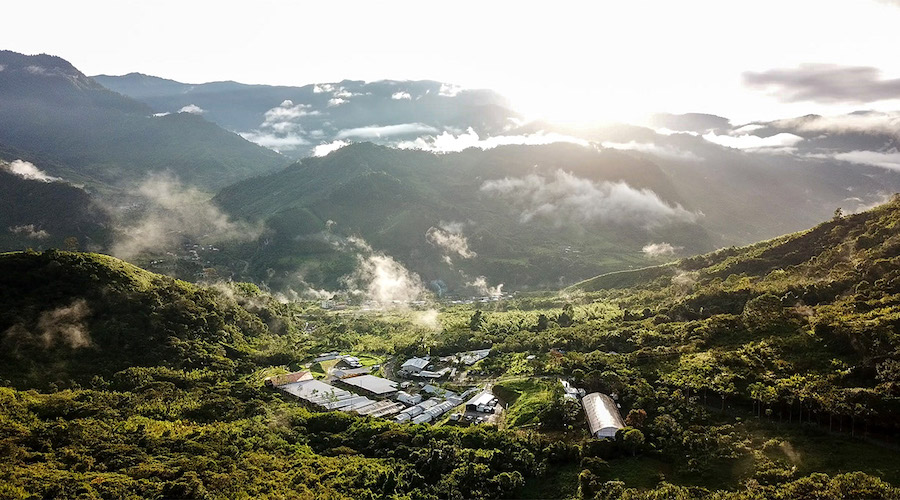
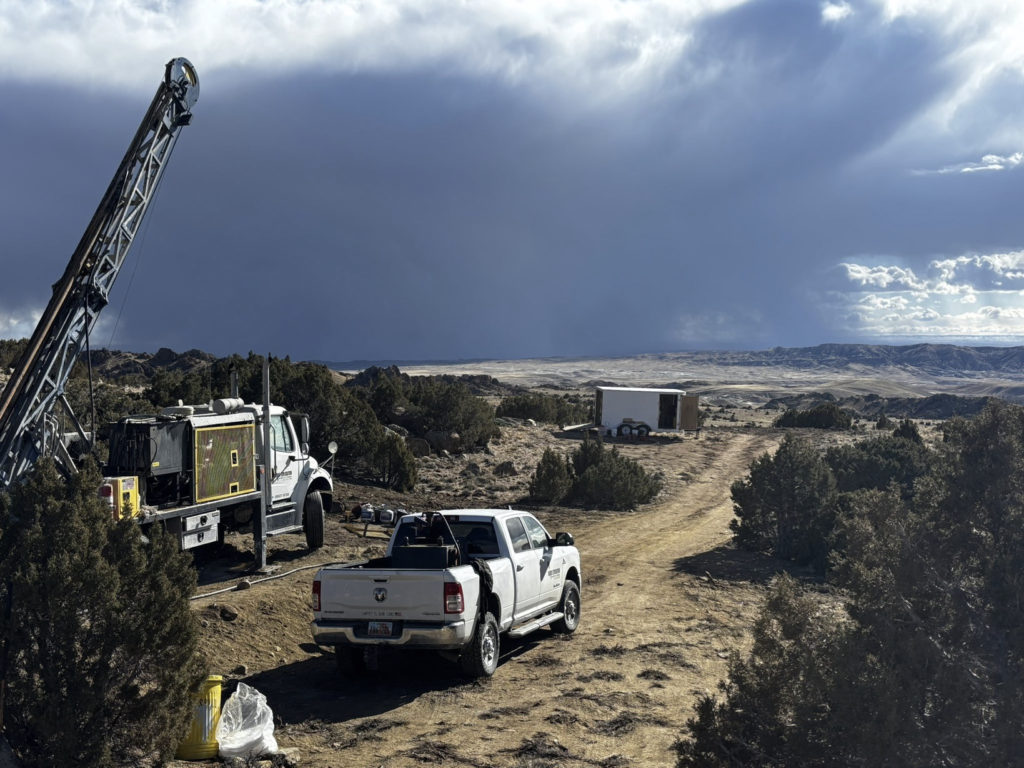
Looking south from the Canning deposit at Copper Mountain, Wyoming. Credit: Myriad Uranium

Vancouver-based Myriad Uranium (CSE: M) has earned a 75% interest in the Copper Mountain uranium project in Wyoming by spending over $5.5 million on eligible expenditures under the property option agreement with Rush Rare Metals Corp.

Myriad’s 75% interest and Rush’s 25% interest in the project are subject to certain underlying NSR royalties, the company said.

In October, Myriad obtained a new permit to expand drilling at the project where a past owner spent $25 million ($100 million today) in the late 1970s, before the Three Mile Island nuclear accident crashed prices for the heavy metal.

Union Pacific (NYSE: UNP) railroad outlined six open pits in a study at the time for the Copper Mountain project that sought to tap 245 million lb. uranium oxide (U3O8).

“Reaching the 75% expenditure threshold is an important milestone for the company, and it comes at a moment when the scale and potential of Copper Mountain are becoming increasingly clear,” Myriad CEO Thomas Lamb said in a news release.

“Our first phase of drilling and exploration has significantly exceeded expectations and the project has the potential to be one of America’s largest.”

Wyoming has once more become a centre of activity for United States uranium, with operating in-situ recovery mines, licensed capacity and a regulator base accustomed to the commodity, Lamb told MINING.COM sister publication The Northern Miner in an interview.

Chile raises mining investment forecast through 2034 to $105 billion


The increase represents the highest investment forecast since the 2016-2025 period.

Escondida mine in Chile. (Image courtesy of Microsoft | BHP.)

Chile’s mining investment is expected to reach $104.549 billion from this year through 2034, state-run agency Cochilco said on Thursday, up 26% from last year’s forecast.

Chile is the world’s largest producer of copper and second-largest of lithium, a key ingredient of rechargeable batteries.

The increase represents the highest investment forecast since the 2016-2025 period.

New investment includes an expansion at BHP’s Escondida, the world’s biggest copper mine, and new concentrators at Collahuasi, a copper mine jointly owned by Anglo American and Glencore.

The 2024–2033 investment portfolio was estimated at $83.181 billion.

“In this portfolio, we are seeing how new copper and lithium projects are consolidating as drivers of future development,” mining minister Aurora Williams said in a presentation of the Cochilco report.

(By Fabian Cambero and Daina Beth Solomon; Editing by Gabriel Araujo and Aida Pelaez-Fernandez)


Ioneer eyes bid for Rio Tinto’s US boron unit


The Boron mine site in California. (Image courtesy of Rio Tinto.)

Australian mining firm Ioneer Ltd. is interested in bidding on a bundle of Rio Tinto Group’s US assets that produce boron, a critical mineral used in fertilizer, according to its top executive.

Chief executive officer Bernard Rowe said he sees an opportunity to consolidate Ioneer’s boron-and-lithium project in Nevada with Rio’s boron operations in California that it’s seeking to sell. Bloomberg reported in late November on Rio’s plans to soon start a sales process to divest the assets.

“There are a lot of synergies between our two deposits,” Rowe said in a Friday interview. “We of course will be interested in looking.”

Boron, an element mineral with few producers, was added to the US list of critical minerals last month. It has a wide variety of industrial applications including in fertilizer, glass and ceramics manufacturing, fiberglass insulation and to strengthen metal alloys. It’s also used in rare earth magnets found in motors and electronics.

Rio’s boron assets include a mine and processing operation in the Mojave Desert town of Boron, as well as a refinery and shipping facility in Los Angeles port and its Owens Lake mining operation near Sierra Nevada. Rio’s California operations meet about 30% of global demand for boron, according to the company’s website.

Ioneer owns Rhyolite Ridge in Nevada, one of two advanced lithium projects in the US that has financial backing from the government. Rhyolite Ridge faced a setback in February after South African firm Sibanye Stillwater Ltd. scrapped plans to take a major stake in the project.

Rowe said the company is now looking for new investors with the help of Goldman Sachs Group Inc. The company is in talks with a range of prospective partners, including private equity groups and chemical makers, and expects to secure new investment in the first half of 2026.

“We think we’ll be more successful with a consortium-style equity funding, rather than a single partner,” he said.

(By Jacob Lorinc)


AME calls on BC Premier to appeal court decision on Indigenous rights in mineral claims staking

Banks Island, British Columbia, is one example of mining claims granted to a private entity without the nation’s knowledge or consent. Credit: Gitxaala Territorial Management Agency.

The Association for Mineral Exploration (AME) on Friday called on British Columbia Premier David Eby to appeal the Gitxaala Nation v. British Columbia (Chief Gold Commissioner), 2023 BCSC 1680 decision to the Supreme Court of Canada.

On Dec. 5, the British Columbia Court of Appeal (BCCA) determined in a new ruling that the province’s Declaration on the Rights of Indigenous Peoples Act (DRIPA) incorporates the United Nations Declaration on the Rights of Indigenous Peoples (UNDRIP) and creates legally enforceable obligations.

The BCCA case was a partial appeal by the Gitxaala and Ehattesaht First Nations, following the 2023 BCSC decision that ruled the province’s automatic online mineral claim system breached its constitutional duty to consult, but had limited interpretation of DRIPA.

The case began when Gitxaala Nation filed a legal challenge in 2021 in the Supreme Court seeking to overturn the province’s granting of multiple mineral claims from 2018 to 2020 on Banks Island, in their territory. The issue centered around whether the Mineral Tenure Act is consistent with UNDRIP.

AME’s position

The AME is also calling on the BC government to recall the legislature to bring forward substantive amendments to the Declaration on the Rights of Indigenous Peoples Act and section 8.1 of the Interpretation Act.

The approach, AME said, that the Court of Appeal has taken in the Gitxaala case has cast confusion on business and reconciliation in the province, and maintains the decision must be appealed and the two laws substantially changed.

“Government must be crystal clear about their focus on amending both DRIPA and the Interpretation Act. These changes cannot just be window dressing. They must be substantial, otherwise we are headed to a place where DRIPA and the government’s reconciliation goals are unworkable,” AME CEO Todd Stone said in a news release.

The AME also said that while the Dec. 5 case decided that the previous mineral tenure regime did not consult First Nations prior to awarding mineral tenure, it does not invalidate the Mineral Tenure Act.

The decision, the Association said, did not consider as relevant the MCCF that was implemented on March 25, 2025, in response to the BCSC’s decision that the Mineral Tenure Act is constitutionally valid but that the province must amend the process under the Mineral Tenure Act.

“The implications and related public reaction to the BC Court of Appeal decision demonstrate that the public interest is not met by having these issues dealt with by the courts, and that a path forward should be found by government, industry and Indigenous Nations working towards reconciliation together,” AME said.

“It is in the public interest that legislation is in place to guide our province’s future. DRIPA and the Interpretation Act (s. 8.1) require significant amendments to address the issues brought forward by the case and the public. If these changes are not substantive the problem will only get worse as courts are left to interpret UNDRIP as ‘a complex, multi-faceted international instrument’ and decide what laws must be changed and how.”

In its press release, AME stipulated a deadline of Feb. 16, 2026, for the appeal.


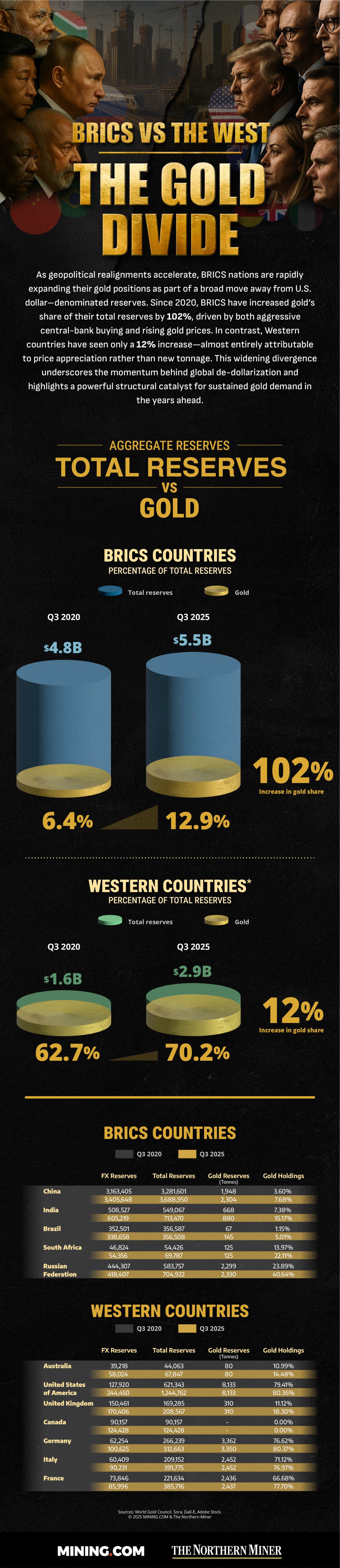
Infographic: BRICs vs the West – the gold divide

As geopolitical realignments accelerate, BRICS nations are rapidly expanding their gold holdings as part of a broad shift away from US-dollar-denominated reserves. Since 2020, BRICS countries have increased gold’s share of their total reserves by 102%, driven by both aggressive central-bank buying and rising metal prices. In contrast, Western nations have seen only a 12% increase – growth almost entirely attributable to price appreciation rather than new tonnage.

This widening gap underscores the momentum behind global de-dollarization and highlights a powerful structural catalyst for sustained gold demand in the years ahead.


AU

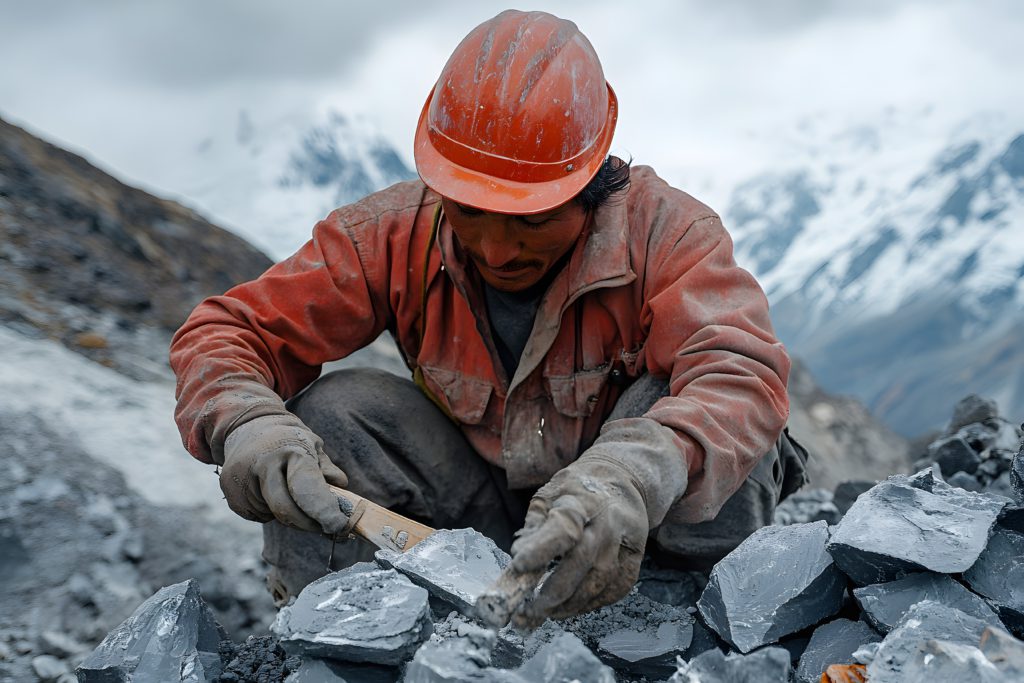
Illegal miners are digging gold at a $4.8B Newmont site in Peru

AI-generated stock image by Athena.

A multi-billion-dollar gold project owned by the world’s biggest bullion producer has been invaded by illegal diggers in northern Peru, according to a top government official.

Newmont Corp.’s stalled Minas Conga project in the Cajamarca region “is being partially exploited by illegal mining,” Prime Minister Ernesto Alvarez told reporters Friday. Newmont didn’t immediately comment.

Denver-based Newmont is the latest global company to face informal miners as near record prices increase incentives for diggers in poor rural areas of the country. Southern Copper Corp., First Quantum Minerals Ltd. and MMG Ltd. have said illegal miners are operating on their concessions, delaying progress.

Development at the estimated $4.8 billion Conga project was halted shortly after receiving environmental permits in 2010 in the wake of farmer opposition that spiraled into violent protests. Newmont still holds the mineral rights.

“When legal mining that meets high standards is not developed, it cedes the space to illegal mining, which pollutes and uses violence,” said Alvarez, the top deputy to interim president Jose Jeri.

Peruvian authorities are grappling with how to deal with the surge in illegal mining. The government supported the extension of a controversial permit known as Reinfo that allows informal diggers to operate with loose requirements. Peru’s mining industry chamber SNMPE heavily opposes Reinfo.

“It was said about Conga that it shouldn’t happen because local communities preferred agriculture,” Alvarez said. “Now, the rivers that originate in the Conga area are being contaminated by the mercury used in illegal mining. It’s a macabre situation.”

(By Marcelo Rochabrun)


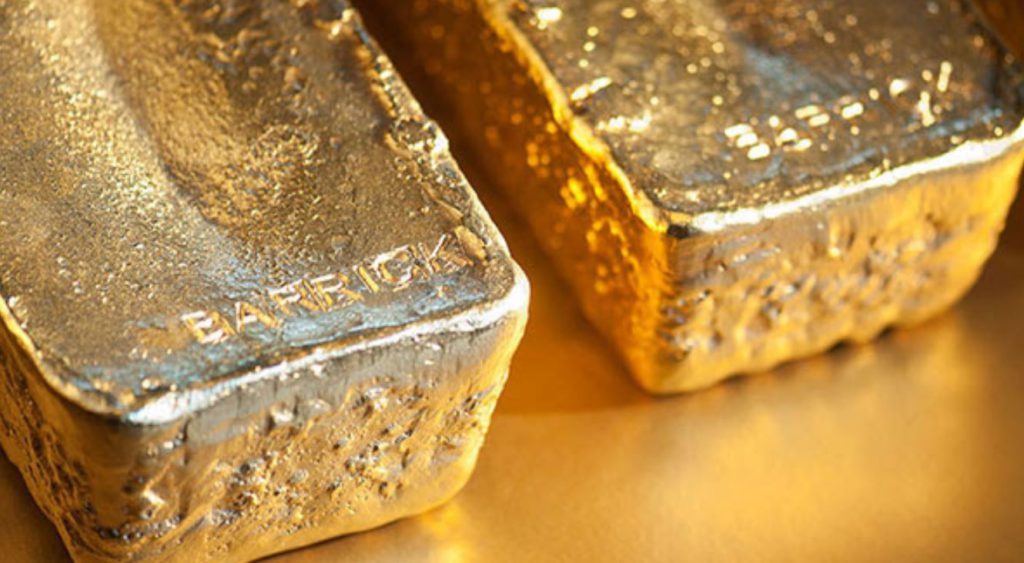
Mali returns possession of seized gold to Barrick

Credit: Barrick

A Malian judge has ordered the return of possession of 3 metric tons of gold seized nearly a year ago from Barrick Mining’s Loulo-Gounkoto complex to the Canadian miner, according to two people familiar with the matter.

The gold, worth about $400 million, was seized by a military helicopter in January following a confiscation order from a Malian judge. It has remained at the BMS bank in Mali’s capital, Bamako, since then, according to both sources.

While the judge ordered possession of the gold to be returned to Barrick, the miner will be responsible for transporting the gold out of the bank vaults, they said.

The two sides reached an agreement last month to resolve their dispute over Barrick’s operations in the West African country after two years of negotiations. The disagreement, over the implementation of a new mining code introduced by the military-led government, led to Barrick suspending operations of its gold mining complex in January, and a Malian court-appointed provisional administrator taking control in June.

Barrick agreed to a settlement worth $430 million, one of the two sources and a third person said. The provisional administration is set to return control of the mining complex to Barrick next week, all three sources said.

A spokesperson for Barrick declined to comment, while a spokesperson for Mali’s mines ministry did not immediately respond to a request for comment.

Four Barrick employees who had been in prison since November 2024 were released last month as part of the agreement, while Barrick dropped its international arbitration case against Mali.

(By Portia Crowe and Divya Rajagopal; Editing by Tomasz Janowski)

Mali clears domestic arrears after back payment from miners

Fekola mine, Mali.(Image courtesy of B2Gold.)

Mali has ordered the payment of 312 billion CFA francs ($554 million) to local companies to clear arrears for services provided in 2023 and 2024, after state finances were bolstered in the wake of recovering 761 billion CFA francs from miners in the application of a new mining code.

The settlement will also include some invoices for this year, Minister of Economy and Finance Alousséni Sanou said on national television.

“This significant payment is the logical continuation of an operation that began in September 2024,” Sanou said. “It comes on the heels of the payment of an important amount of money received from mining companies in the country, in line with an operation for the application of the 2023 new mining code.”


Sanou said earlier this month that the country had recouped the 761 billion CFA francs in back payments as a result of asking miners to move to the new mining code.

The country upped the ante on international mining companies as it sought ways to fund a growing fight with Islamist insurgents after cutting military ties with the West, including the European Union.

(By Kamailoudini Tagba)


Indonesia to levy gold export duties from December 23

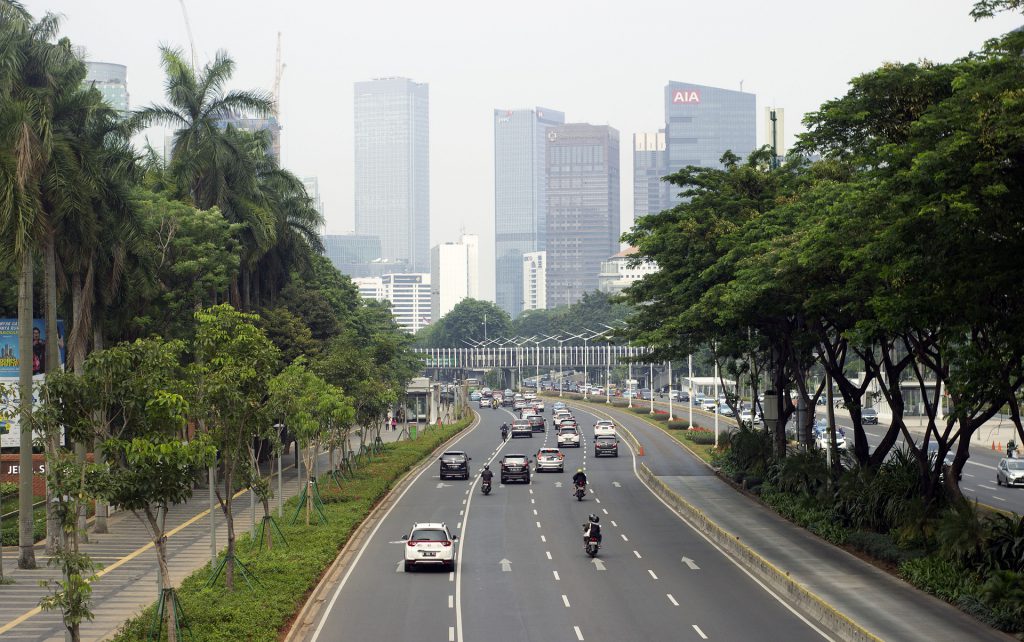
Jakarta, Indonesia. (Stock image)

Indonesia will impose duties on exports of gold products from December 23, a regulation on the finance ministry’s website showed on Wednesday, a step that could earn revenue of $180 million next year for the southeast Asian nation.

Duties ranging from 7.5% to 12.5%, depending on the type of gold product, will kick in when the government-set reference price falls between $2,800 and $3,200 a troy ounce.

The duties will rise to between 10% and 15% once the reference price reaches $3,200 per troy ounce.

Minted bars will face the lowest duties, while the highest duties are set for dore, or semi-pure ingots, the website showed.

The reference price is to be set periodically by the trade ministry based on benchmark prices of gold, it added.

On Monday, Finance Minister Purbaya Yudhi Sadewa said the gold export tax could earn revenue of as much as 3 trillion rupiah ($180 million) in 2026.

($1=16,680.0000 rupiah)

(By Fransiska Nangoy, Bernadette Christina Munthe and Ananda Teresia; Editing by John Mair and Clarence Fernandez)

Chinese gold miner to buy 50% of St Barbara unit for $245M


Simberi consists of an open cut mine on the northernmost island in the Tabar group of islands in the province of New Ireland in Papua New Guinea. Credit: Sun Engineering

Australia’s St Barbara said on Wednesday that Chinese gold producer Lingbao Gold Group will buy a 50% stake in its subsidiary St Barbara Mining for A$370 million ($245.5 million) in cash.

St Barbara Mining owns the Simberi Gold Company, which will hold an 80% stake in Simberi gold project in Papua New Guinea (PNG).

The remaining 20% stake will be acquired by Kumul Minerals, the state nominee for PNG’s share of minerals projects in the country, for A$100 million.

Kumul’s investment comesas the PNG government seeks to expand national ownership of key resource projects.

Meanwhile, Australian gold producers have been enjoying rapid equity gains, boosted by surging gold prices, prompting companies to unlock value from quality assets both domestically and overseas.

“With Lingbao, we have a committed, experienced and a well-funded partner,” St Barbara CEO Andrew Strelein said, adding that Kumul’s participation in Simberi helps align the interests of key stakeholders.

“St Barbara is now fully funded for its expected share of the development costs of the Simberi gold project.”

The company aims to reach a final investment decision on the Simberi expansion project in the third quarter of fiscal 2026.

($1 = A$1.5072)

(By Nichiket Sunil; Editing by Sumana Nandy and Subhranshu Sahu)


CU

How tight supply, AI demand propelled copper price towards $12,000


Copper is closing in on the $12,000 a metric ton mark as expectations of soaring demand from data centres that power artificial intelligence and tight supplies collide with shortages outside the United States.

Valued for its exceptional electrical conductivity, copper wiring is vital in power grids that feed data centres, electric vehicles and the infrastructure needed for the energy transition.

Copper prices are up 35% so far this year and heading for their largest gain since 2009, due to mining disruptions and stockpiling in the US. On Friday, they touched $11,952 a ton.

“Investors who want a broad basket of AI interests will also buy into financial products which include hard assets that feed into data centres,” said Benchmark Mineral Intelligence analyst Daan de Jonge. “Investors will buy copper-related assets such as ETFs.”

Canada’s Sprott Asset Management launched the world’s first physically backed exchange-traded copper fund in mid-2024. The fund, which holds nearly 10,000 tons of physical copper, has shot up by almost 46% this year to nearly 14 Canadian dollars per unit.

A recent Reuters survey of analysts’ forecasts shows the copper market will see a deficit of 124,000 tons this year and 150,000 tons next year.

Copper demand growth is being driven by billions of dollars being invested worldwide to modernize and expand power grids. Data centres and clean energy require vast amounts of electricity.

The energy transition, which includes renewable energy technology such as wind and solar, is also expected to boost copper demand.

Macquarie expects global copper demand at 27 million tons this year, up 2.7% from 2024, with demand in top metals consumer China rising 3.7%. It forecasts global demand growth outside China at 3% next year.

“Bullish sentiment is being driven by the narrative around tight supply, supported by macro news flows,” said Macquarie analyst Alice Fox.

A magnet for traders

Supply disruptions include an accident at Freeport McMoRan’s giant Grasberg mine in Indonesia in September, while miners such as Glencore have cut production guidance for 2026, reinforcing expectations of tight supplies.

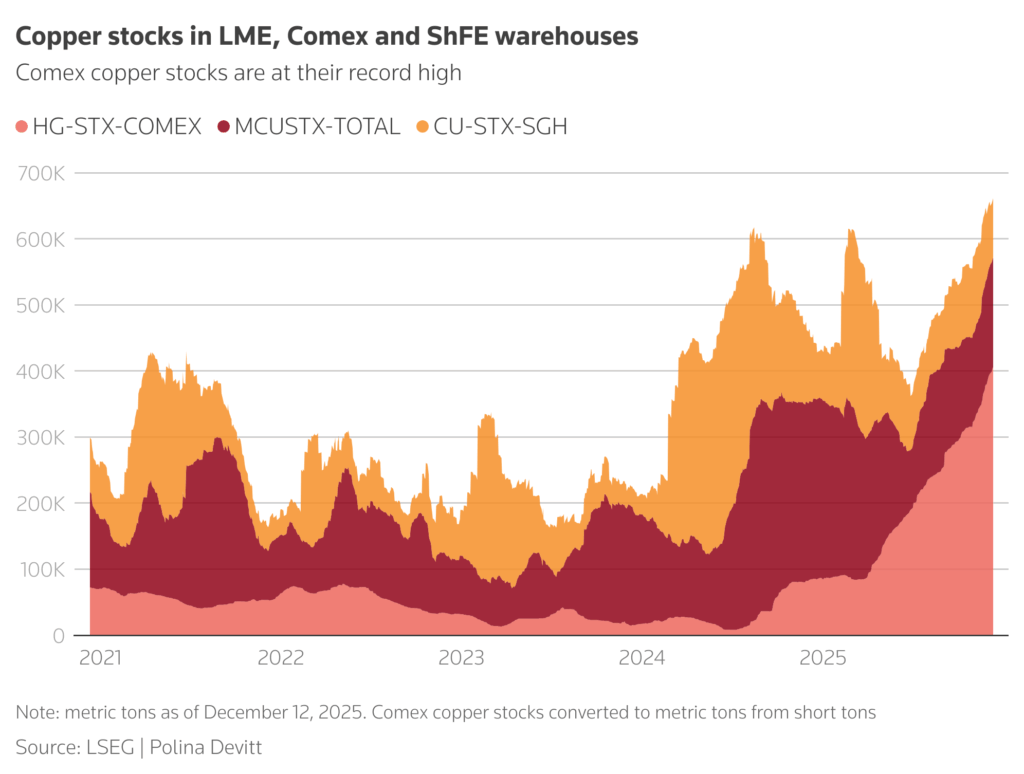
The overall amount of copper stored in exchange warehouses – the London Metal Exchange, US-based Comex and the Shanghai Futures Exchange – is up 54% so far this year at 661,021 tons.

Traders have been shipping copper to the United States since March due to higher prices on Comex ahead of US President Donald Trump’s planned import tariffs. Higher prices are needed to cover the import tariff.

Stocks on Comex at a record high of 405,782 tons amount to 61% of total exchange stocks versus 20% at the start of 2025.

“It feels incredibly tight because all of this material is going to the US,” said BMI’s de Jonge.

Refined copper was given an exemption from the 50% import tariffs that came into force on August 1, but US levies on the metal remain under review with an update due by June.

(By Polina Devitt, Pratima Desai and Tom Daly; Editing by Nia Williams)
SolGold weighs higher $1.1B Jiangxi bid as copper M&A heats up


Cascabel copper-gold project in northern Ecuador. (Image courtesy of SolGold.)

Ecuador-focused miner SolGold (LON: SOLG) has opened the door to a takeover from China’s Jiangxi Copper (JCC), which returned with a higher all-cash proposal valuing the company at about £842 million ($1.13 billion).

JCC, already SolGold’s largest shareholder with 12.2%, first approached the company in November 23 with a non-binding proposal that was rejected. On November 28, it came back with a 26-pence per share offer that the board also rebuffed. The latest 28-pence bid marks JCC’s third attempt and lifts the price by 7.7%. 

SolGold said it would recommend shareholders accept the fresh bid if JCC tables it as a firm offer on those terms. 

A successful acquisition would hand JCC full control of SolGold’s flagship Cascabel copper-gold project in northern Ecuador, one of South America’s largest undeveloped copper-gold resources.

The new bid comes as copper assets attract intense interest on expectations of a looming supply crunch driven by electrification. The heightened demand has sparked major dealmaking attempts, including BHP’s unsuccessful runs at Anglo American (LON: AAL).

Investors unsure

Despite the sweetened proposal, SolGold’s shares fell more than 10% to 25.1 pence on Friday. They were last trading at 25.75p, still below the bid price, as investors show caution toward large mining deals.

The offer still faces Chinese regulatory approval for outbound investment, a process JCC has started but one that has become more complex under tighter scrutiny in Beijing.

BHP (ASX: BHP) and Newmont (NYSE: NEM), which each own about 10% of SolGold, showed acquisition interest five years ago, then looked elsewhere after funding disputes and changes in scope at Cascabel.

JCC, which operates in countries including Peru, Kazakhstan and Zambia, has support from major SolGold shareholders BHP, Newmont and Maxit Capital, which together hold 40.7%.

Argentina’s Mendoza province approves $559M copper mine

Argentina’s Mendoza province has approved its first large-scale mining project in more than two decades after giving the greenlight to PSJ Cobre Mendocino, a joint venture between Switzerland’s Zonda Metals and Argentine company Alberdi Energy.

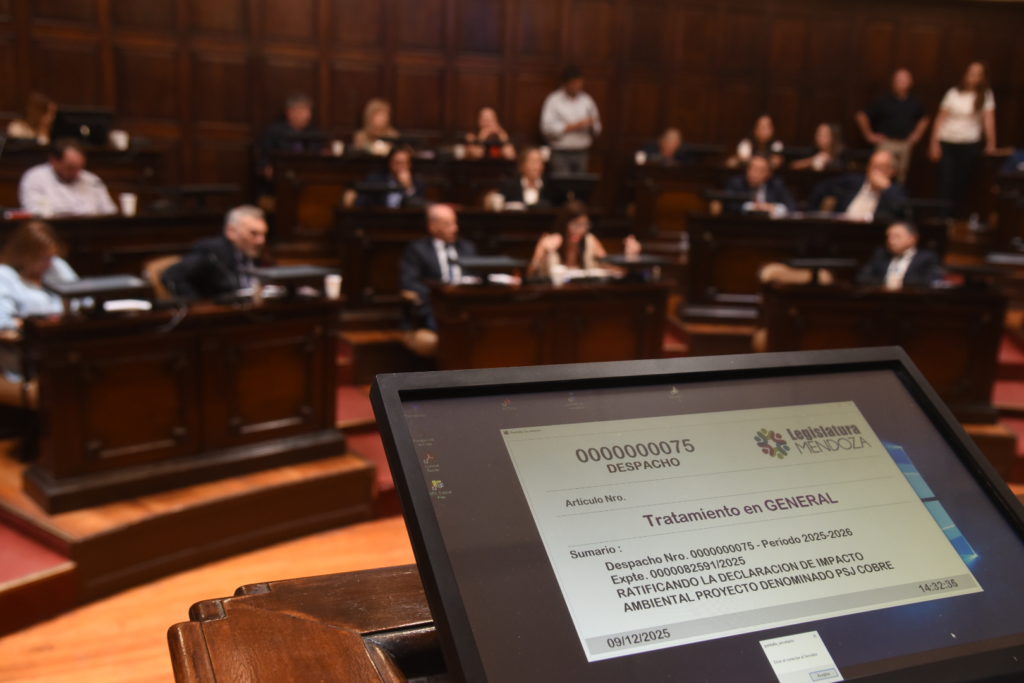
This week, Mendoza’s Senate endorsed Cobre Mendocino’s environmental impact statement, ending a lengthy review process that attracted groups such as Greenpeace over water and waste concerns. The project will now enter the feasibility reports stage. It follows more than 13 years of studies, a recent 10-day public hearing and more than 9,500 written submissions with public support exceeding 60%.

“This institutional decision allows us to take another step in a process that has been long, transparent and highly participatory,” CEO Fabián Gregorio said in a statement. “We are now entering a technical feasibility stage, during which we will continue building the project together with the community, institutions and productive stakeholders.”

Argentina, despite boasting an abundance of copper resources, has not produced the metal since the closure of the Alumbrera mine in 2018. On the federal level, Argentine President Javier Milei is keen to attract mining development through an incentive program known as RIGI. Recipients include McEwen’s (TSX, NYSE: MUX) Los Azules copper project. 

16-year mine

Located in Uspallata, in the department of Las Heras, the Cobre Mendocino mine is expected to produce 40,000 tonnes of copper concentrates annually over a 16-year life. It contemplates an initial capital investment of $559 million and a construction period of 18 to 24 months.

The company has maintained that the project will use a conventional flotation process to produce copper concentrates without using any illegal substances. The project is expected to generate 3,900 jobs during construction and about 2,400 while operating, including both direct and indirect employment.

With legislative approval, Cobre Mendocino is planning detailed engineering studies, cost and financing analysis to feed into feasibility reports. Operations, closure planning and markets will also be assessed before a potential construction decision.

Kazakhmys says it will have new controlling shareholder

Credit: Kazakhmys

Kazakh copper producer Kazakhmys said on Wednesday it had signed a framework agreement that would transfer control of the company to a new shareholder.

“The signing of the document is the starting point for the transfer of control. In the near future, all necessary measures and obligations under the agreement will be carried out in accordance with established procedures, followed by the signing of a share purchase agreement,” the company said in a statement.

The agreement was inked by Kazakhmys’ president, Vladimir Kim, and its board chair Eduard Ogay.

Kazakhmys did not say who would take control. Local media named construction company Qazaq Stroy, founded and majority-owned by Nurlan Artykbayev, as the new shareholder of Kazakhmys. The preliminary transaction amount was $3.85 billion, local media reported.

Kazakhmys declined to name the new owner when asked by Reuters and referred journalists to its published statement. Qazaq Stroy did not immediately respond to a comment request.

Kazakhmys ranks 20th in the world in terms of copper concentrate production, producing 271,000 tonnes annually, and 12th in terms of crude and cathode copper production, producing 377,000 tonnes and 365,000 tonnes respectively, taking into account tolling raw materials.

In its statement, Kazakhmys said the change of shareholder would not affect its production or contractual obligations.

(By Mariya Gordeyeva and Lucy Papachristou; Editing by Mark Trevelyan)


Zn

Chinese zinc smelter breaks contract with Teck’s Alaska mine amid tariffs

Red Dog mine. Photo courtesy of Teck.

Zhuzhou Smelter Group, one of China’s largest zinc smelters, broke a supply contract with Teck Resources’ Red Dog mine in Alaska earlier this year due to hefty tariffs fueled by Beijing and Washington’s trade war, two sources familiar with the matter told Reuters.

Vancouver-based Teck supplies zinc concentrate from Red Dog, one of the world’s largest zinc mines, to global clients including in Asia.

The world’s two largest economies imposed triple-digit tariffs on imported goods from each other at the height of a trade war earlier this year.

Both reached a trade truce and trimmed the whopping tariffs after multiple rounds of trade talks and a meeting between US President Donald Trump and his Chinese counterpart, Xi Jinping, in South Korea in late October.

But the existing double-digit reciprocal tariffs still make it hard for Chinese smelters to import zinc concentrate from the United States, said the first source.

“As long as the tariffs are in place, it’s impossible to import zinc concentrate from the US,” said the first source, adding that it also applies to the imports of lead concentrate.

Both sources requested anonymity as they are not authorized to talk about sensitive commercial matters.

Zhuzhou Smelter Group found it hard to fulfill the contract with Teck amid the current tariffs and had to pay a break-up fee, the first source said, while declining to disclose details on the fee.

Zhuzhou Smelter, a subsidiary of the state-run China Minmetals, and Teck did not respond to a Reuters request for comment.

The Chinese zinc smelter typically buys 30% of needed concentrate from abroad, according to the first source.

China only imported 2 kilograms of zinc concentrate from the US in the first 10 months of this year, compared with 78,871 tons over the corresponding period in 2024, customs data shows.

But China’s total zinc concentrate imports from January to October jumped by 37% year-on-year, according to customs data.

Zhuzhou Smelter, headquartered in eastern China’s Hunan province, boasts a production capacity for zinc products at 680,000 metric tons per year.

(By Amy Lv, Lewis Jackson, Ernest Scheyder and Tom Daly; Editing by Leslie Adler)


China's Trade Surplus Blows Past $1 Trillion

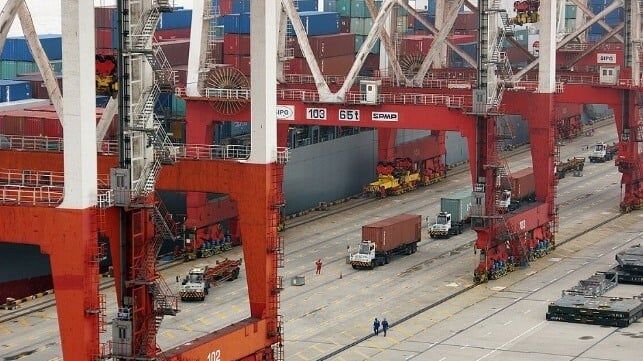
Cargo operations at the busy port of Shanghai Yangshan (file image courtesy Bruno Corbet / CC BY SA 3.0)

Published Dec 8, 2025 11:19 PM by The Maritime Executive


In the first half of 2025, the Trump administration made an unprecedented effort to shake loose China's grip on the American import market, employing sky-high tariffs to deter importers from buying Chinese goods. It worked, but not by reducing China's exports overall. Chinese manufacturers are making and shipping more finished goods than ever before - but they're now selling to other countries.  

China's trade surplus in goods has broken an annual record: Chinese exports exceeded imports by $1.1 trillion in the first 11 months of the year, and the gap is still widening. For comparison, this amount is roughly equal to the GDP of Poland, or the annual total of U.S. holiday season retail spending. 

China's exports to the U.S. market dropped by about 20 percent year-over-year, but this was more than offset by a substantial growth in sales to Europe, Southeast Asia, Latin America and Africa. Given the prevalence of re-packaging and transshipment operations in overseas markets, some of this cargo surge ended up in the U.S. market by circuitous means - but far from all of it. China has been making inroads with consumers in alternate markets all over the world, from developing nations to high-GDP European countries. 

The lopsided trade imbalance is driven by burgeoning industrial capacity, promoted and sponsored by China's government. Manufacturing rose six percent in the year through November, despite tariffs. Persistently low consumer purchasing and fierce domestic competition give Chinese companies a powerful incentive to find overseas customers - often to the annoyance of China's trade partners.

"I’m trying to explain to the Chinese that their trade surplus isn’t sustainable because they’re killing their own clients, notably by importing hardly anything from us any more," said French President Emmanuel Macron last weekend, speaking to French outlet Les Echos. 

As for the U.S. market, those Chinese goods are not expected to start flooding back soon, at least not in the near term. The latest version of the National Retail Federation (NRF) Global Port Tracker report predicts continued import volume declines through the first half of 2026 at U.S. container ports. The White House's early tariff hikes may have been smoothed down, but the effects of tariffs (and tariff uncertainty) on import cargo demand will continue to be felt for months, per Hackett Associates, the firm that conducts the survey for NRF. Double-digit percentage declines in import trade volume could be seen in the first quarter.


DP World to Consolidate ID Ending P&O and Unifeeder Brands

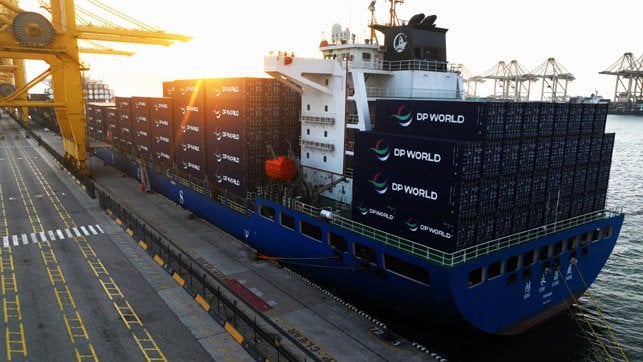
DP World containership
DP World will unify its operations replacing the brand names of P&O and Unifeeder (DP World)

Published Dec 9, 2025 7:37 PM by The Maritime Executive


DP World reports it will unify its global operations in an effort to elevate its image as an integrated global logistics provider. In the process, the company’s legacy brand, including the storied names of P&O and Unifeeder, will be phased out.

The company highlights the changes in the global marketplace, saying customers increasingly expect seamless, end-to-end service delivery. It says the unification of the brands is designed to strengthen its positioning, but behind the scenes, the operations will remain the same.

“We are building a future where trade flows effortlessly,” said Sultan Ahmed bin Sulayem, Group Chairman and Chief Executive Officer at DP World. “Unifying these brands complements the next natural step in our transformation journey from a leading port operator into a fully integrated global logistics provider.”

DP World began in the 1970s as a port operator. In addition to its global port terminal operations, the company moved to make acquisitions in major segments. It acquired the operations of P&O in 2006, giving it the ferry operations as well maritime logistics business. P&O had spun off its cruise ship operations into a separate company, which merged with Carnival Corporation in 2005.

P&O Ferrymasters will become DP World Multimodal Solutions, an operation that includes more than 100 rail modalities, 14 inland terminals, and provides a broad range of logistics services. P&O Maritime Logistics becomes DP World Maritime Solutions, with a fleet of more than 400 ships, including 17 specialized multi-purpose cargo vessels. It also provides pilot and otage services.

Separately, DP World acquired Unifeeder in 2018. The company dates to 1977 when it was started in Denmark, and with operations of 37 vessels in Northern Europe with a capacity of over 37,000 TEU. Unifeeder will become part of DP World Shipping Solutions, which will have a fleet of 150 vessels, ranging between 350 to 8,500 TEU. 

According to DP World, together, the unified businesses will provide integrated, multimodal connectivity across continents, enabling customers to move cargo efficiently, sustainably, and reliably. It said the transformation represents a major step in DP World’s journey from a leading port operator into a fully integrated global logistics provider. Each business the company notes plays a vital role in connecting global trade flows, from feedering and shortsea shipping to inland logistics and offshore services. Now they will deliver the full spectrum of solutions under a single, global brand, DP World.