Saturday, April 04, 2026


Trump unveils up to 100% tariffs on patented drugs

resident Donald Trump answers questions from reporters after signing an executive order in the Oval Office of the White House Tuesday, 31 March 2026, in Washington.
Copyright AP Photo/Alex Brandon

By Doloresz Katanich with AP
Published on 

Companies in the EU, Japan, Korea and Switzerland face a lower, capped tariff rate under existing trade agreements with the US.

President Donald Trump signed an executive order on Thursday that could impose long-threatened tariffs of up to 100% on certain patented drugs from companies that do not reach agreements with his administration in the coming months.

Companies that have signed a “most favoured nation” pricing deal and are actively building facilities in the US to bring production of patented pharmaceuticals and their ingredients onshore will have a 0% tariff.

For those that do not have a pricing deal but are building such projects in the US, a 20% tariff will apply, rising to 100% within four years.

A senior administration official told reporters on a press call that companies still have months to negotiate before the 100% tariffs take effect — 120 days for larger companies, and 180 days for others.

The official, speaking on condition of anonymity to preview the executive order before it was issued, did not identify any companies or drugs at risk of being hit by the increased tariffs but noted the administration had already reached 17 pricing deals with major drugmakers, 13 of which have signed.

In the order, Trump wrote that he deemed such actions necessary “to address the threatened impairment of the national security posed by imports of pharmaceuticals and pharmaceutical ingredients.”

It comes on the first anniversary of Trump’s so-called Liberation Day, when the president unveiled sweeping new import taxes on nearly every country in the world, sending the stock market reeling.

Those “Liberation Day” tariffs were among the duties the Supreme Court overturned in February.

Some warned of the consequences of the tariffs announced on Thursday. Stephen J. Ubl, CEO of the pharmaceutical industry trade group PhRMA, said taxes “on cutting-edge medicines will increase costs and could jeopardise billions in US investments."

He pointed to America’s already large footprint in biopharmaceutical manufacturing and noted medicines sourced from other countries “overwhelmingly come from reliable US allies.”

Trump has launched a barrage of new import taxes on America’s trading partners since the start of his second term and has repeatedly pledged that very high tariffs on foreign-made drugs were forthcoming.

But the administration has also used the threat of new levies to strike deals with major companies — like Pfizer, Eli Lilly and Bristol Myers Squibb — over the last year, with promises of lower prices for new drugs.

The EU, Japan, Korea and Switzerland will see a 15% US tariff on patented pharmaceuticals, matching previously agreed rates for most goods, and the UK will get 10% — which Thursday’s order noted would “then reduce to zero” under future trade agreements.

The UK previously said it had secured a 0% tariff rate for all British medicines exported to the US for at least three years.

Trump also unveils update to metal tariffs

In addition, on Thursday, Trump rolled out an update on his 50% tariffs on imported steel, aluminium, and copper.

Starting Monday, tariff rates on those metals will be calculated based on the “full customs value” of what US customers pay when buying foreign metal under the latest order, which administration officials say will prevent importers from other countries from avoiding higher payments.

Products fully made of steel, aluminium and copper will continue to be tariffed at 50% for most countries.

But the administration is also changing how tariffs are calculated for derivative metals — or finished goods that contain some of these metals, but are not made entirely of them.

For a product with metal that amounts to less than 15% of its entire weight (like the cap on a perfume bottle), only country-specific tariffs will now apply, officials told reporters on Thursday.

But for products with more metal, such as a largely steel washing machine, they said a 25% tariff will apply to the whole value.

More sectoral taxes are expected

Thursday’s orders are the latest example of Trump turning to sector-specific duties. The president used Section 232 of the 1962 Trade Expansion Act to impose the levies, the same authority he cited to impose import taxes on cars, lumber and even kitchen cabinets.

And many expect to see more product-specific import taxes in the future.

That's because a ruling from the Supreme Court struck down tariffs Trump imposed using another law — the 1977 International Emergency Economic Powers Act — to immediately slap tariffs on any country, at nearly any level.

While the 20 February court decision marked a significant blow to Trump's economic agenda, the president still has plenty of options to keep taxing imports aggressively.

Beyond sectoral levies, Trump also imposed a 10% tariff on all imports under a separate legal power just hours after the Supreme Court’s ruling, but that duty can only last for 150 days. Some two dozen states have already challenged the new tariffs.

Trump has argued his steep new import taxes are necessary to bring back wealth that was “stolen” from the US. He says they will narrow America’s decades-old trade deficit and bring manufacturing back to the country. But Trump has also turned to tariffs amid personal grudges, or in response to political critics. And disrupting the global supply chain has proven costly for businesses and households that are already strained by rising prices.


Trump restructures broad metals tariffs but keeps 50% rate
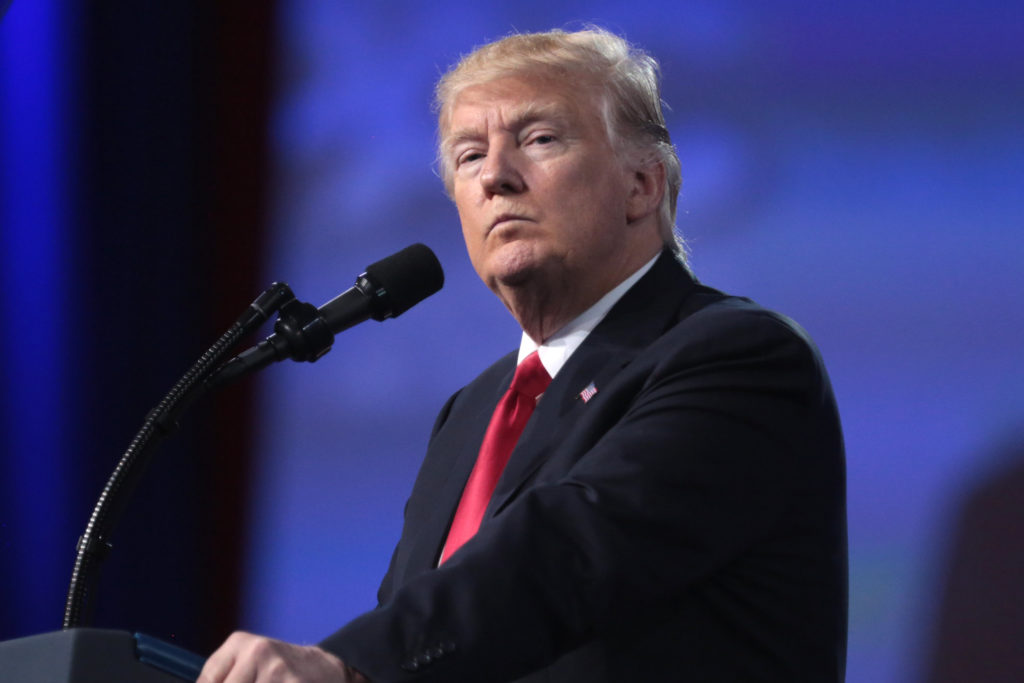
Credit: Gage Skidmore | Flickr, under licence CC BY-SA 2.0.

The Trump administration said it will maintain 50% tariffs on many imported steel, aluminum and copper products, even as it moves to simplify duties for goods made with negligible amounts of the metals.

A senior administration official cast the changes as necessary to simplify a complicated policy and provide more fairness to businesses grappling with President Donald Trump’s tariff regime. The official spoke on condition of anonymity to provide details before the president formally announced them.

Under the new structure, goods with total steel, aluminum or copper content below 15% will be effectively exempted from the metals tariffs, a White House statement said. Some other derivative goods will be subject to a lower 25% rate if they are deemed to be “substantially made” of one of the metals, according to the statement.

Products made abroad but entirely with American metals will face a lower 10% tariff rate, the White House said. Some “metal-intensive industrial equipment and electrical grid equipment” will be taxed at 15% through 2027, a move intended to bolster the US industrial base.

Despite the changes, 50% tariffs will be maintained on a large number of derivative products — including, for example, imported steel pipe. And the levy will be assessed against the full value of the product, not merely its metal content, according to the official.

Comex copper rose as much as 1.4% right after the announcement before giving back the gain to trade 0.5% lower late afternoon Thursday in the US.

The shift follows months of lobbying by companies that said they were unfairly hit by previous duties targeting metals imports. Though the administration argues the levies are designed to encourage domestic manufacturing, an extension of the tariffs to so-called derivative products meant they were applied even to items containing small metal elements, just a fraction of the overall product’s weight and value.

The revised metal tariffs, which were established under Section 232 of the Trade Expansion Act of 1962, come one year after Trump launched the core of his second-term trade agenda, which imposed sweeping levies on goods from dozens of other countries in a bid to foster more US manufacturing, expand American access to other markets and rebalance global trade flows.

While the US Supreme Court earlier this year struck down Trump’s country-by-country levies because they were imposed using an emergency law, the president has been moving to rebuild that tariff wall using other authorities. The administration on Thursday is also unveiling tariffs on imported drugs, with higher levies for products made by companies that are not manufacturing products in the US or who have not struck deals with the White House to lower costs for American consumers.

Officials on Thursday cited consumer products such as dental floss, which has a small metal piece to cut the floss but otherwise lacks significant steel or aluminum content, as an example of products that would be see relief from the metal tariff changes. Washing machines are also expected to benefit.

The structure could result in higher duties for some imported steel and aluminum goods — with the promise of easier compliance to soften the blow. Previously, the steel and aluminum tariffs were applied to derivatives based on the amount of those metals they contain, making it difficult to quickly calculate the appropriate charges.

Supporters of the revised approach on metals said it would buttress the administration’s efforts to reshore domestic manufacturing.

“This action will help ensure these tariffs function as intended to support domestic production and American workers,” said Jon Toomey, president of the Coalition for a Prosperous America, a group representing US manufacturers.

November midterm elections to determine control of Congress are likely to hinge on voters’ feelings about the state of the US economy. Tariffs and the war in Iran have contributed to rising costs for Americans, posing a risk to Trump’s Republicans.

The senior administration official downplayed the revised tariff scheme’s impact on consumer prices.

Trump last year imposed a 50% levy on foreign steel and aluminum in a measure aimed at Chinese overcapacity. The decision wound up hitting other major trading partners hard, including Canada, the European Union, Mexico and South Korea. Later the administration expanded covered products to include the so-called derivative products that contained the metals.

(By Jennifer A. Dlouhy, Joe Deaux and Catherine Lucey)


Trump to reduce steel, aluminum tariff rates for derivative products
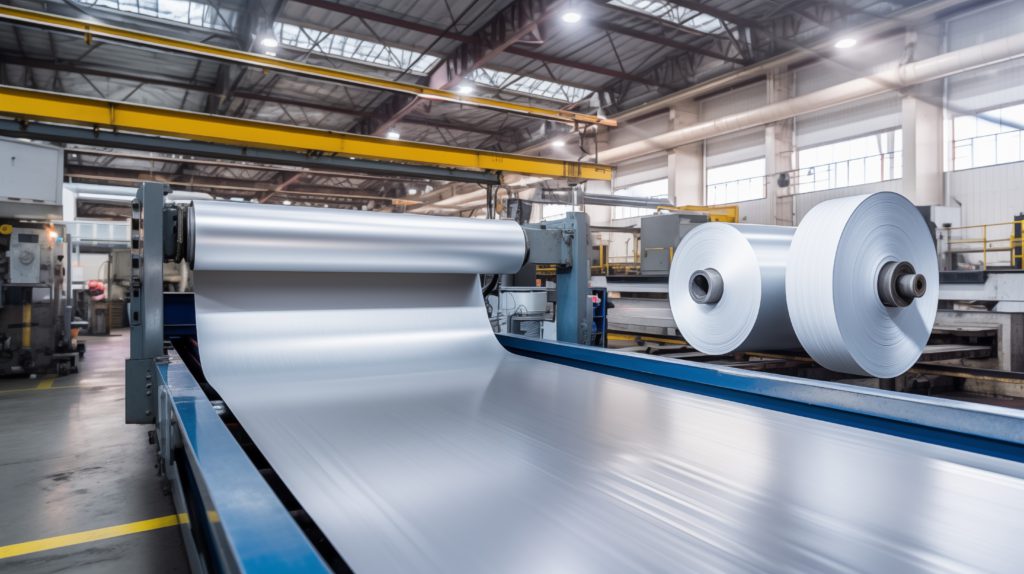
Stock image.

The Trump administration plans to reshape its steel and aluminum tariff regime, keeping a 50% tariff for commodity steel and aluminum imports while reducing duties on derivative products made from the metals to 15% or 25%, depending on the product, two sources familiar with the plans said.

The details could change and will be subject to a tariff proclamation from President Donald Trump, which is expected as early as Thursday.

A White House spokesperson did not immediately respond to Reuters‘ request for comment. The tariff adjustment plan was first reported by the Wall Street Journal.

The sources told Reuters that the change is being made to simplify an overly complicated tariff regime put in place last year when Trump doubled the rate of his Section 232 tariffs on steel and aluminum to 50%.

That increase also added the tariffs to thousands of derivative products made with the metals to encourage domestic production, from tractor parts to stainless steel sinks and gas ranges. But the 50% duty only applied to the steel and aluminum content of the product, creating a compliance headache for importers to calculate that figure.

The latest change will apply the lower tariff on the total value of the imported derivative product, making it easier to comply, the sources said.

Trump’s proclamation is expected to include a revised annex listing products subject to the tariffs and duty rates. The sources said that steelmaking equipment may qualify for the lower 15% rate, as the Trump administration imposed the higher tariff rates last year to encourage more investment in domestic steel production.

Such equipment is often imported from Germany and Italy, such as furnace ladles and rolling-mill machinery, and made from sophisticated heat-resistant alloys.

(By David Lawder and Carlos Méndez; Editing by Chris Reese and Andrea Ricci)


Co

Congo gives cobalt miners until end-April to use 2025 export quotas


Processing facilities at Tenke Fungurume mine in 2016 before the CMOC acquisition. (Image courtesy of Lundin Mining.)

Democratic Republic of Congo’s mining regulator has said that miners must use all unfulfilled fourth-quarter 2025 export quotas by April 30, warning that any unused volumes after that will be forfeited and reallocated to a strategic reserve.

Quotas for the first quarter of 2026 can be shipped until June 30, alongside those for the second quarter, ARECOMS said, confirming total quotas allocated for 2026 remain valid.

ARECOMS chair, Patrick Luabeya said in a statement signed on Monday but issued on Tuesday that the measures, including the withdrawal of quotas for non‑compliance, “enter into force on March 31, 2026”.

Congo, which supplies about 70% of the world’s cobalt, imposed export quotas last year after a months-long export ban aimed at curbing global supply, a move that helped lift prices.

Congo’s mining chamber did not immediately respond to a request for comment.

Delayed quota shipments

Reuters previously reported that while companies resumed shipments after exports resumed, operational and logistical constraints under the new quota system slowed execution of allocated volumes.

Industry reaction was mixed.

A source at top cobalt producer CMOC said the April 30 deadline was sufficient, as the company had already loaded its entire fourth-quarter quota and had yet to start drawing on first-quarter allocations.

A source with CMOC’s trading arm IXM, meanwhile, said the extension “seems long enough, but still hard”, citing a lack of clarity in the regulator’s timeline, while a source at China’s Huayou called the decision “good news”.

The sources asked for anonymity because they were not authorized to speak on the matter.

(By Ange Kasongo, Tom Daly and Maxwell Akalaare Adombila; Editing by Alexander Smith)

US firm Virtus Minerals buys Congolese cobalt producer Chemaf


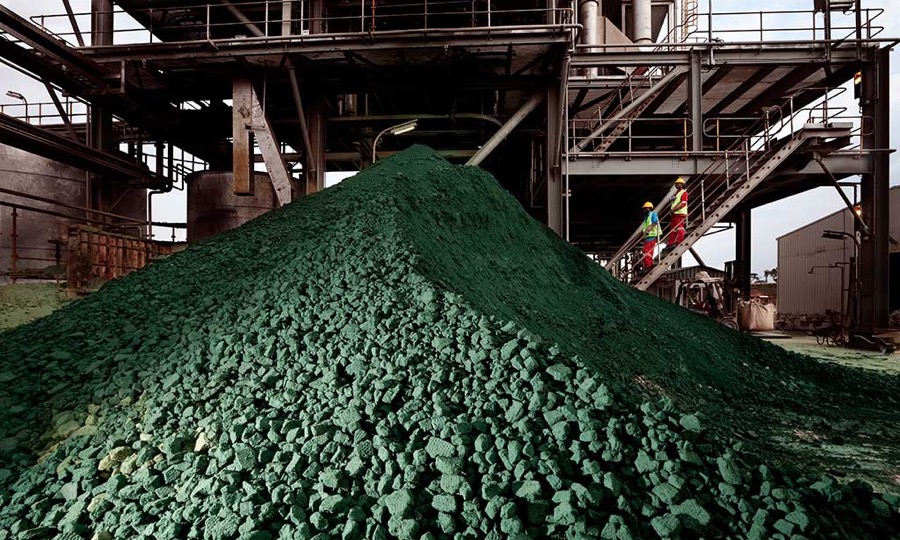
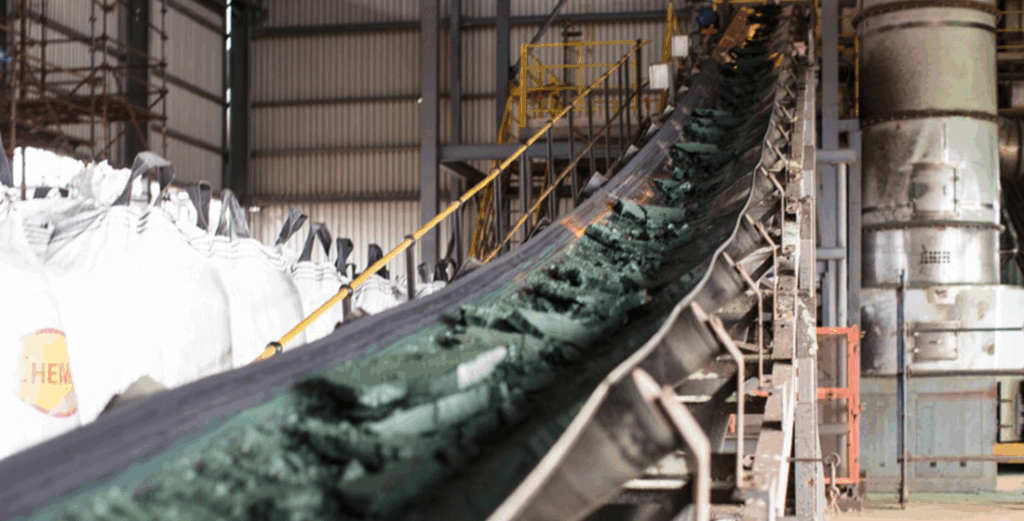
Cobalt processing. Credit: Chemaf

US firm Virtus Minerals has acquired Congolese cobalt and copper producer Chemaf, US Under Secretary of State for Economic Affairs Jacob Helberg said on Tuesday.

Congo has been seeking to develop a minerals partnership with Washington and has drawn up a list of assets, including Chemaf’s mines, to attract US investment into a sector long dominated by Chinese firms.

“US firm Virtus’ acquisition of the Chemaf mines in the DRC is HUGE for America and for the people of the DRC,” Helberg said in a post on X.

Virtus had earlier said it had agreed to acquire Chemaf for about $30 million. Chemaf also has $200 million in unsecured debt and $700 million in secured debt.

The deal had faced opposition from the CEO and chair of state miner Gecamines, prompting Congo to remove them from their positionsReuters reported last month.

Chemaf is privately owned, and Gecamines has no stake in it. However, the miner owns the lease to Chemaf’s mines, and any bid for control of Chemaf cannot proceed without its approval.

The Wall Street Journal, which first reported on the deal earlier on Tuesday, said Virtus has also committed to raising about $720 million in investment.

(By Ruchika Khanna, Natalia Bueno Rebolledo and Clement Bonnerot; Editing by Rashmi Aich)

$100 Oil Isn’t Enough to Balance Alberta’s Books

  • Oil prices surged sharply after Donald Trump signaled further escalation against Iran, raising fears of prolonged conflict and supply risks.

  • Higher prices are hurting consumers (e.g., rising fuel costs) but boosting energy stocks and oil-producing economies, though not enough to fix all budget deficits.

  • Fiscal impacts vary widely: some producers benefit from higher prices, while others still struggle due to high budget break-even levels.

Oil markets reversed their recent downtrend on Thursday, with oil prices surging after President Donald Trump declared that the U.S. would continue to hit Iran "extremely hard" for the next two to three weeks. Trump warned that he would hit all of Iran's electric generating plants if a deal is not reached, sending the country back to the Stone Age. Trump’s bellicosity marks a sudden shift in policy, suggesting that securing the Strait of Hormuz is no longer Washington’s top priority. Brent crude for May delivery was up 7.58% to trade at $108.8 per barrel at 2.50 pm ET, while the corresponding WTI crude contract jumped 11.54% to change hands at $111.70/bbl.

Oil consumers are beginning to bear the brunt of the oil price spike, with the average price of gasoline in the U.S. surging past $4 per gallon for the first time since the summer of 2022. However, oil companies and oil-dependent economies are enjoying a rare bonanza: previously, we reported that the Energy sector is outpacing the other 10 U.S. market sectors by a wide margin, with the sector’s nearly 40% gain in the year-to-date incomparable to the -4.5% decline by the S&P 500. Still, oil prices are not high enough for some economies to dig themselves out of their deep holes. According to Alberta Finance Minister Nate Horner, it is "highly unlikely" the recent surges in oil prices will be enough to erase the province's multibillion-dollar deficit for the 2025–26 fiscal year. Horner says the deficit is likely to narrow considerably from the earlier projection of $4.1-billion, but has emphasized a surplus remains out of reach. The final deficit number will be revealed before the end of June when the year-end fiscal report is tabled. Alberta’s new fiscal year starts on April 1.

There’s been a lot of napkin math done in my office,” he said. “We’re very interested in this, too. All I can say for sure is that the position will have improved. Is it enough to take us out of a deficit position? Highly unlikely.”

Every $1 change in the price of WTI impacts Alberta's annual revenue by approximately $680 million. However, oil prices only surged in late February when US-Israel launched attacks on Iran, meaning Alberta only got to enjoy higher oil revenues for just over a month for the last fiscal year. Previously, Alberta had projected a massive $9.4-billion deficit for the 2025/2026 fiscal year, based on a WTI forecast of US$60.50.

Thankfully, the province might be able to balance its books in the current financial year since it requires oil prices to average $74 and $77 per barrel for the entire year. StanChart has increased its average Brent price forecast for 2026 to $85.50/bbl from $70.00/bbl and for 2027 to $77.50/bbl from $67.00/bbl. However, StanChart has predicted that oil prices will gradually ease as the months and quarters roll on, with Brent crude averaging $78.00/bbl in Q1 2026; $98.00/bbl in Q2 2026, $85.00/bbl in Q3 2026, and $80.50/bbl in Q4 2026.

That said, the budget outlook is mixed for Gulf producers. Saudi Arabia will need some luck to avoid posting a deficit in the current year, with the Kingdom needing a Brent oil price between approximately $90 and over $100 per barrel to balance its 2025-2026 budget, according to IMF and Bloomberg estimates. The high price is driven by massive spending on Vision 2030 projects, public services, and previously lower production levels under OPEC+ cuts.

The UAE is almost certain to post a big surplus in the current year, thanks to a low breakeven oil price of just under US$66 per barrel to balance its budget. The UAE’s strategic economic diversification allows its budget to be balanced at lower levels. Similarly, Qatar could be gushing cash for years, with Fitch projecting the country’s fiscal breakeven oil price could fall to around $50 by 2027. Qatar has traditionally employed a conservative oil price estimate to enhance financial flexibility, ensuring that even with lower oil prices, it can manage its expenditures. Oman is also in good standing, with a budget breakeven oil price estimated to be between US$65 and US$80 per barrel.

Unfortunately, Bahrain can only hope to narrow its budget deficit despite the high oil price, due to the country’s high breakeven oil price of $124.9 to $125.7 per barrel, largely due to a high reliance on oil revenues and lower diversification.

By Alex Kimani for Oilprice.com


Suncor plans major shift in focus to in situ oil sands output by 2040

Loading a truck at the Fort Hills oilsands mine in Alberta. Image from Suncor Energy.

Canada’s Suncor Energy said on Tuesday the majority ‌of its bitumen output by 2040 will be produced using steam-assisted extraction technology, an announcement that marks a significant structural shift for the oil sands heavyweight and which the company said will result in lower costs and higher cash flow over the long term.

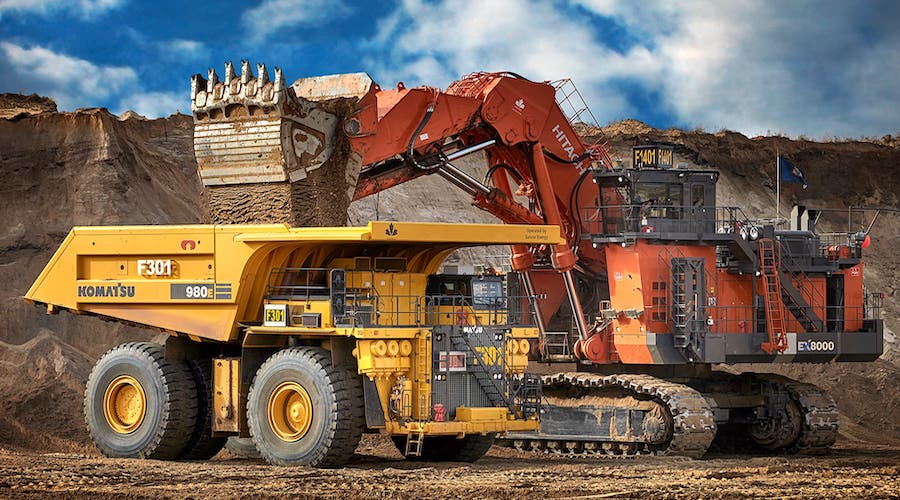
Currently, 70% of Suncor’s oil sands crude ​is produced at its large-scale mining operations in northern Alberta, where trucks and shovels are used to extract the ​thick, heavy bitumen deposits that lie close to the surface. The remaining 30% comes from deeper ⁠deposits that require the use of steam technologies, a method called in situ, to loosen the oil underground before it can ​be pumped to the surface.

But over the next 15 years, Suncor’s production mix will shift so that by 2040, 60% of ​its oil sands barrels will come from in situ developments, and just 40% from mining, CEO Rich Kruger said at an investor day presentation. The change reflects anticipated declining production from Suncor’s Base Plant mine, which is expected to be largely depleted by the mid-2030s, but also reflects the ​company’s desire for lower-cost production.

“All barrels are not created equal,” Kruger said. “In situ delivers two times the relative cash flow per ​barrel compared to mining today.”

Already, Suncor’s most profitable asset is its Firebag site, which produces approximately 245,000 barrels per day using in situ technology. On Monday, the ‌company filed ⁠a regulatory application to expand the site’s permitted capacity from an existing limit of 368,000 bpd to 700,000 bpd.

While most of the planned ramp-up of in situ development will come after 2032, Kruger said, Suncor expects to be able to increase output from Firebag to 275,000 bpd by 2028, through a series of debottlenecking and optimization projects.

The company also has a proposed in situ ​development, called Lewis, which is expected ​to produce 160,000 bpd ⁠and which Kruger said will be developed in phases, sequenced to coincide with the timing of the Base Plant mine’s gradual depletion.

Suncor’s investor day had been highly anticipated by the market, which has ​been waiting to hear how the company plans to secure a long-term bitumen supply to ​replace its Base ⁠Plant production.

One option the company had previously proposed was a new, 225,000-bpd, open-pit oil sands mine expansion, which would be located adjacent to its existing Base Plant operations. But it has been unclear whether such a project would get the go-ahead from Canadian regulators.

On Tuesday, ⁠Kruger said ​the company’s latest reserve estimate indicates it has 11 billion barrels more in ​reserves than previously estimated, bringing its total bitumen reserves to 30 billion barrels. Suncor expects to grow its upstream production by about 100,000 bpd by 2028.

($1 = ​1.3936 Canadian dollars)

(By Amanda Stephenson and Sumit Saha; Editing by Shinjini Ganguli and Chris Reese)


URANIUM (Pb)

Paladin Energy says Saskatchewan project nod facing judicial review

Patterson Lake South project in Saskatchewan. (Credit: Fission Uranium.)

Uranium producer Paladin Energy said on Tuesday that Metis Nation–Saskatchewan (MN-S) has filed for judicial review challenging the February 19 approval of its environmental impact statement for the Patterson Lake South project.

The review application has been lodged in the Saskatchewan Court of King’s Bench and is directed at both the Government of Saskatchewan and Paladin, the company said.

Paladin said its Canada unit has been consulting with Metis Nation–Saskatchewan on the project for many years. But the petition alleges the province “inadequately consulted” MN-S before granting the approval.

The Metis Nation-Saskatchewan is a government that represents the indigenous Metis citizens in Canada’s Saskatchewan, per their website.

The application seeks to have the environment ministry’s approval set aside and requests an interim injunction preventing Paladin from taking action in reliance on the approval, pending a judicial determination of the case.

Paladin has denied the claims made in the application, and said it intends to defend its position.

Shares of the firm closed 1.2% lower at A$11.05.

(By Anjali Singh; Editing by Sumana Nandy)


Japan, France agree rare earths deal to cut China reliance


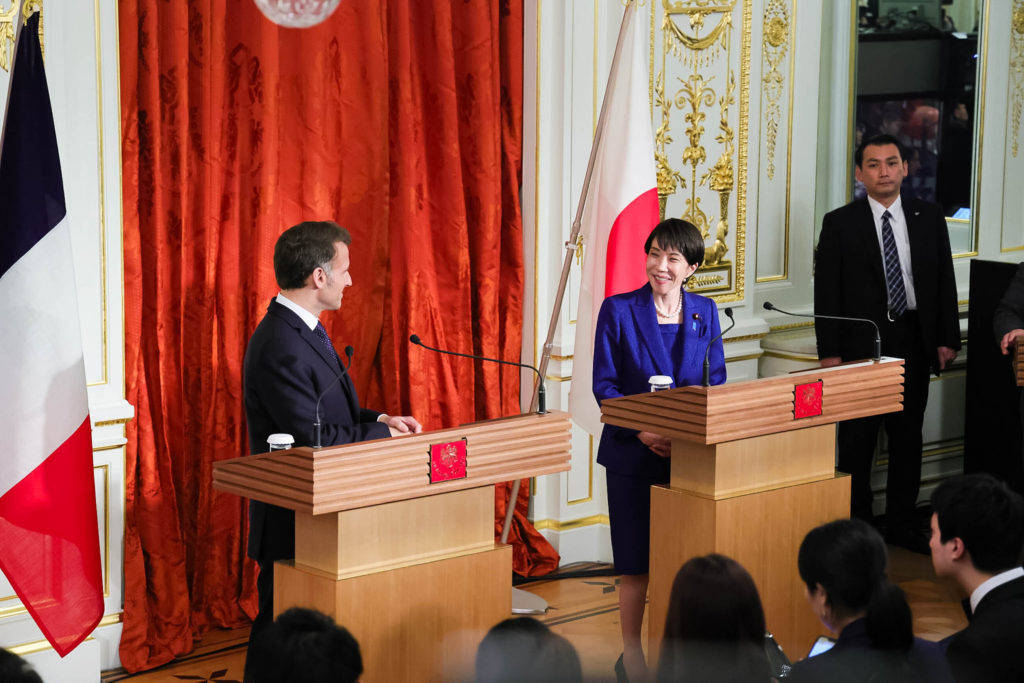
French President Emmanuel Macron (left) announcing the strategic partnership with Japanese Prime Minister Sanae Takaichi. Credit: Sanae Takaichi | X

Japan and France agreed to strengthen support for rare earths supply chains on Wednesday, Japan’s public broadcaster NHK reported, in the latest moves by both countries to lessen dependence on the world’s dominant supplier, China.

During French President Emmanuel Macron’s three-day visit to Japan for talks with Prime Minister Sanae Takaichi, officials signed a roadmap to cooperate on critical minerals supply chains, NHK said.

“We cannot rely solely on specific countries, especially China,” French Finance Minister Roland Lescure was quoted as saying by NHK.

The two sides also agreed to secure raw material supplies for a rare earths refining project in southern France, called Caremag, the broadcaster said.

The state-owned Japan Organization for Metals and Energy Security and gas firm Iwatani, along with the French government, are investors in Caremag, which is due to start operations in late 2026.

Japan plans to get about 20% of its future demand for dysprosium and terbium from the refining plant, heavy rare earth oxides used in magnets for EV motors, offshore wind turbines and electronic components.

Takaichi and Macron are due to issue a joint statement calling for diversifying supplies of rare earths and other critical minerals during their summit on Wednesday, the Nikkei newspaper reported separately.

Diversifying from China

The deal comes at a critical moment, with Japan and Western governments and manufacturers scrambling to secure supplies of rare earths minerals to reduce their dependency on China, the world’s dominant rare earths producer and supplier.

In February, China prohibited exports of so-called dual-use items to 20 Japanese entities, which it said supply Japan’s military.

That was after Takaichi angered Beijing with comments about Taiwan in November.

The rules cover seven rare earths and associated materials currently on China’s dual-use control list, including dysprosium and yttrium, along with a swathe of other controlled critical minerals.

“China is pursuing a strategy of using rare earths as a diplomatic card, and if US-China and Japan–China relations improve, exports could recover quickly,” said Kotaro Shimizu, principal analyst at Mitsubishi UFJ Research and Consulting.

Japan has reduced its reliance on China to 60% from 90% following a 2010 diplomatic incident which saw Beijing restricting rare earths supply to Tokyo.

Japan has been boosting investments in overseas projects like trading house Sojitz’s tie-up with Australia’s Lynas Rare Earths, and promoting rare earths recycling and manufacturing processes.

In the latest set of steps, Japan’s Mitsubishi Materials this week agreed to acquire a stake in US ReElement, a company involved in rare earth element recycling, as both countries have set up an action plan for China alternatives

Japan and the US are also considering joint development of rare-earth-rich mud deposits, near the remote Minamitori Island, and Japan is in talks with India to jointly explore rare earths in the desert state of Rajasthan.

Japan and France will also seek cooperation in space, with companies from the two countries expected to sign memorandums of understanding on 12 joint projects, including space debris removal and rocket launches, the Nikkei said.

(By Katya Golubkova, Yusuke Ogawa, Rajasik Mukherjee and Nichiket Sunil; Editing by Shailesh Kuber and Kevin Buckland)

AG

Ghana will only let locally owned firms buy Gold Fields mine

Crushed ore stock pile at Damang Gold mine in Ghana. (Image courtesy of Gold Fields)

Ghana’s search for a new owner of a Gold Fields Ltd. mine that the government is about to take control of will be limited to locally owned companies.

Gold Fields previously considered whether to sell the Damang operation, but the government refused to renew the mine’s lease last year. Authorities then granted a 12-month extension, which required the company to ensure “the successful transition of the asset to ownership by the people of Ghana.”

The state is running a tender to select a company to take over the asset, and the deadline for offers is Tuesday. Only firms that are “100% owned by Ghanaian citizens” can participate in the process, according to a notice dated March 24 and signed by Emmanuel Armah-Kofi Buah, minister for lands and natural resources.

Africa’s biggest gold producer is trying to increase local ownership in the industry. Major mines are currently owned by multinational firms such as AngloGold Ashanti Plc, Newmont Corp. and China’s Zijin Mining Group Co. Ltd. African governments from Mali to Zimbabwe are pushing for a larger share of the revenues generated by their natural resources.

Damang, which entered production almost 30 years ago, is one of two Ghanaian mines owned by Johannesburg-listed Gold Fields. Its output was 88,000 ounces of gold last year, about a third of its peak two decades ago. The company is due to transfer Damang to the government on April 18 and is also negotiating a lease extension for its larger Tarkwa operation.

Under a deal struck with the state, Gold Fields conducted a study on how to extend Damang’s life, which it has given to the government.

The eventual owner will need experience of open‑pit gold mining, the capacity to run the asset for at least another decade and access to more than $500 million in funding for project development, according to the tender document.

The last mature gold mine to come up for sale in Ghana was Akyem, which Zijin agreed to buy from Newmont for $1 billion in October 2024.

(By William Clowes and Ekow Dontoh)


OceanaGold finds high-grade gold in New Zealand

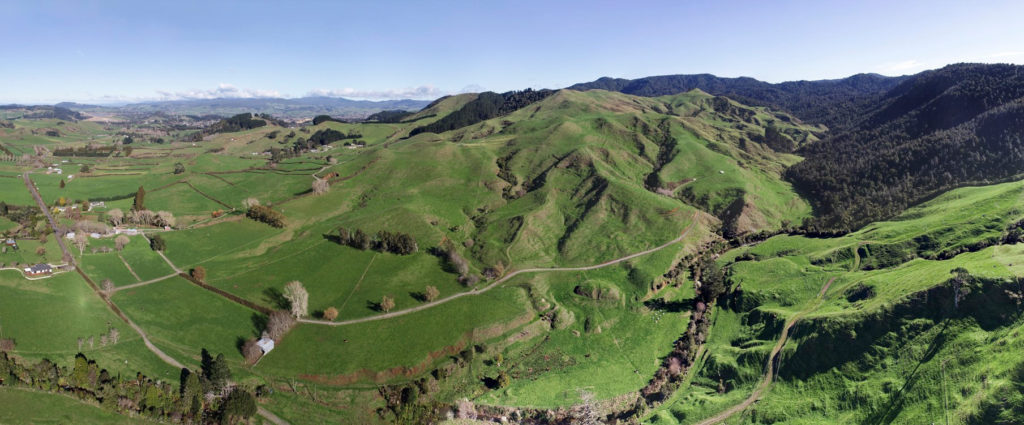
A view of the surrounding area where the Wharekirauponga underground mine would be built. Credit: The Waihi North project.

OceanaGold (TSX: OGC) said recent drilling at its Wharekirauponga deposit in New Zealand points to a new high-grade zone emerging outside current reserves.

Highlight hole WKP144A cut 5.4 metres grading 25.8 grams gold per tonne from a depth of 483 metres, OceanaGold said Wednesday in a statement. Another standout hole, WKP144B, cut 14.9 metres at 16.3 grams gold from about 467 metres downhole.

Wednesday’s results, which included assays from four other drill holes, “highlight strong potential for future resource growth and conversion to reserves,” Desjardins Capital Markets mining analyst Bryce Adams said in a note to clients.

Located about 10 km north of the company’s Waihi operation on New Zealand’s North Island, Wharekirauponga is a low-sulphidation epithermal gold-silver vein system that has seen significant resource growth in recent years. Ongoing drilling is focused on converting resources to reserves and expanding the mineralized footprint.

Southern extent

The latest drilling confirms both the continuity and extension of mineralization within the East Graben vein system while outlining a newly defined high-grade zone at the southern extent of the deposit, OceanaGold said. The area spans about 150 metres of strike and remains open in multiple directions.

Wharekirauponga holds 2.63 million measured and indicated tonnes grading 17.3 grams gold for contained metal of 1.46 million oz., according to a December 2025 resource. Inferred resources are pegged at 2.9 million tonnes grading 8.5 grams gold for 800,000 oz. of contained metal.

Development plans envision an underground mine that could leverage existing infrastructure at Waihi. Exact timelines will depend on permitting and further resource definition.

Three drill rigs are now operating at Wharekirauponga, and OceanaGold expects to add two more during the second quarter.

Expanding system

Exploration over the past several years has steadily expanded the system. Drilling last year extended mineralization to roughly 1.4 km of strike and identified multiple high-grade shoots along the East Graben vein and associated structures.

“With Wharekirauponga remaining open in multiple directions, we remain well positioned to drive shareholder value through continued resource growth and conversion as we increase the amount of drilling this year,” CEO Gerard Bond said in the statement.

OceanaGold rose 3.1% to C$45.23 Wednesday morning in Toronto, boosting the company’s market value past C$10 billion ($7.2 billion).


It may take a year to restore Abu Dhabi aluminum output, EGA says

Credit: Emirates Global Aluminium

The Middle East’s biggest aluminum producer said it may take as long as a year to restore full output at its Abu Dhabi plant, following an Iranian attack a week ago.

Emirates Global Aluminium said the Al Taweelah smelter went into emergency shutdown, after suffering significant damage from missiles and drones. The company has completed an initial damage assessment of the facilities in the United Arab Emirates and is in contact with customers whose shipments may be impacted, it said in a statement Friday.

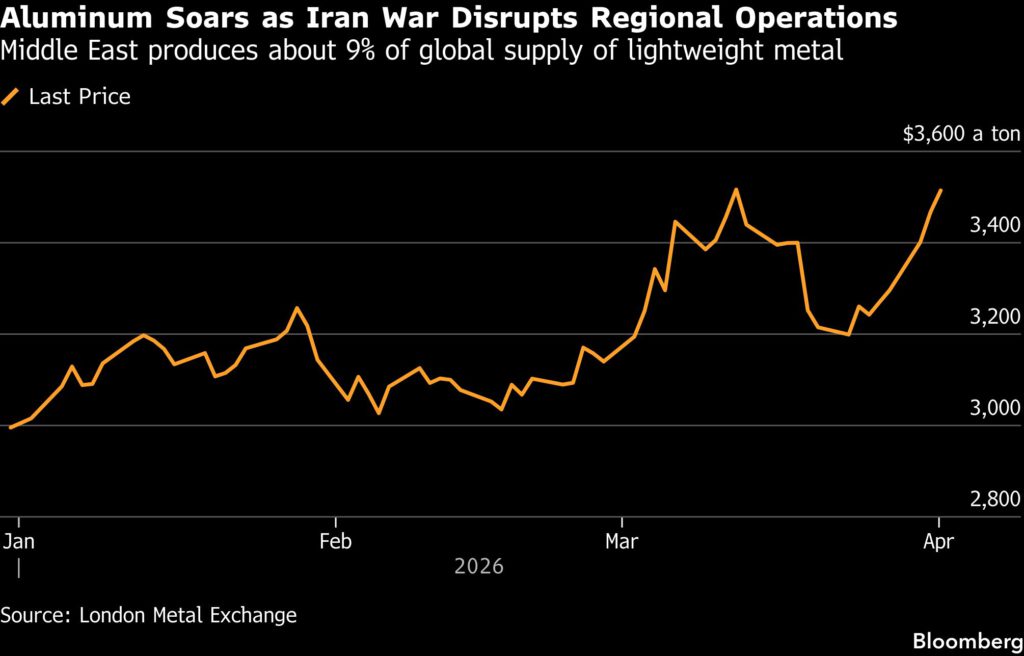
The Middle East accounts for about 9% of global aluminum production, but the impact of the war is being amplified because constraints on output elsewhere have eroded inventories, leaving the market with little buffer to cushion any shocks. Even before the attacks on EGA’s facilities, the industry was bracing for more production cuts as Strait of Hormuz disruptions affected the flow of raw materials for the region’s plants.

“To resume operations at the smelter, EGA must repair infrastructure damage and progressively restore each of the reduction cells,” the company said in the statement. “Early indications are that a complete restoration of primary aluminum production could take up to 12 months.”

Aluminum prices have climbed more than 10% on the London Metal Exchange since the start of the Iran war.

Al Taweelah is one of the world’s biggest smelters, producing 1.6 million tons of cast metal in 2025. Other facilities at the site in Abu Dhabi, including an alumina refinery and a metals recycling plant, could resume some production earlier, pending a final damage assessment, EGA said.

“We are working directly with customers whose deliveries might be impacted by the situation at Al Taweelah,” EGA chief executive officer Abdulnasser Bin Kalban said in the statement.

Iran also hit Aluminium Bahrain’s smelter in the Persian Gulf on March 28. The company known as Alba said it’s assessing damages.

(By Anthony Di Paola)

Top Gulf aluminum producer EGA halted output after Iran strike

Emirates Global Aluminium is the world’s largest ‘premium aluminum’ producer. Credit: Emirates Global Aluminium | LinkedIn

Emirates Global Aluminium, the Middle East’s top producer of the metal, halted operations at its Al Taweelah smelter after the site was struck by Iranian missiles and drones over the weekend, according to a person familiar with the matter.

The smelter on the outskirts of Abu Dhabi lost power due to the strikes and smelting facilities known as potlines were forced into an uncontrolled shutdown, said the person, who asked not to be identified as the information isn’t public. Metal has solidified inside the smelting circuits, causing significant damage to the operations, the person said

Aluminum prices rose as much as 2% on the London Metal Exchange after Bloomberg reported on the halt, while shares of rival producers including Alcoa Corp. and Century Aluminum Co. rallied more than 7%.

LME futures of the lightweight metal have surged since the strikes, with Aluminium Bahrain, another major producer in the region, also confirming its operations were attacked by Iran over the weekend. The two plants are among the world’s largest, each producing 1.6 million tons of aluminum in 2025.

A halt at EGA’s smelter, along with Alba’s reduced operations and earlier curtailments at Qatar’s Qatalum smelter would take around 3 million tons of annual capacity offline — close to half of Middle East aluminum production, said Ewa Manthey, commodity strategist at ING Groep NV. That marks a “sharp escalation” from earlier disruptions and would imply “deeper aluminum deficits” across all scenarios.

The Middle East as a whole produces about 9% of global supply, with EGA and others playing a key role in supplying manufacturers across Europe, Asia and the US. Even before the industry was directly targeted, the effective closure of the Strait of Hormuz had already left the region’s major producers short of critical inputs, with the sector anticipating a cascading wave of production cuts unless the strait reopens soon.

“The Strait of Hormuz is effectively a chokepoint for the global aluminum market,” Wood Mackenzie principal analyst Charvi Trivedi said in an April 1 note, which estimated that disruptions could remove 3 million to 3.5 million tons of output this year. “Disruptions here could cut off up to 60% of alumina supply to Middle Eastern smelters, rapidly deepening the market deficit.”

Aluminum is the most ubiquitous industrial metal after steel, but in recent years the industry has faced several disruptions in a complex global supply chain that involves mining raw bauxite ores, refining them into alumina and then smelting that into finished metal. While EGA can produce some alumina itself, it’s typically a large buyer of the material, bringing in additional cargoes through the strait to feed Al Taweelah and a second smelter in Dubai.

EGA has moved to sell large volumes of alumina in the wake of the strikes, Bloomberg reported earlier Wednesday.

With the exception of aluminum, base metals faced heavy downward pressure in March as hostilities in the Middle East disrupted commodity supplies and threatened an inflationary shock for the world economy. US President Donald Trump said Wednesday he’ll only consider a halt to attacks on Iran when the Strait of Hormuz is reopened, sowing further confusion about how long he’s prepared to continue the war.

Aluminum on the LME settled 1.9% higher at $3,531.50 a ton in London. Copper closed 0.8% higher at $12,434.50 a ton, while other key industrial metals also ended higher.

(By Yvonne Yue Li)

Australia passes law to trade, stock fuel alongside rare earths


Stock image.

Australia’s parliament passed legislation empowering the country’s export credit agency to physically buy, stockpile and sell fuels alongside critical minerals including rare earths, as the country suffers energy shortages triggered by the Middle East conflict.

Prime Minister Anthony Albanese’s administration had announced its intention to establish the critical minerals reserve in January. However, as global energy markets were upended due the US-Israel war against Iran, the Labor government added into the draft legislation capabilities to acquire and store fuel. Parliament passed the law on Tuesday.

The move comes as gasoline and diesel prices at the pump have surged to records across Australia. Panic buying has boosted demand — especially in rural areas — and led to some service stations running out of fuel, prompting the government to roll out measures such as halving the fuel excise and reducing charges on heavy vehicles.

The new laws allow Export Finance Australia to add to the country’s existing fuel reserves. The agency is primarily focused on providing loans, bonds, and equity to support Australian businesses overseas, but its transformation into the government’s trading arm will now see its remit expand to buying diesel and gasoline as well as rare earth elements to strengthen supply chains.

“The Reserve would ensure Australia’s preparedness to address supply chain disruption of materials, goods or things, including fuel and other commodities, as a result of market volatility and geopolitical events,” a memorandum of the laws showed. “The critical minerals strategic Reserve is intended to position Australia as a trusted and stable partner in high value, vulnerable critical minerals supply chains.”

The government has allocated A$1.2 billion ($831 million) to fund the stockpile.

Critical minerals have been at the center of geopolitical and trade tensions in recent years as governments recognize vulnerabilities in supply chains. China, which dominates the market, weaponized exports of rare earths to Japan, amid rising tensions over Taiwan.

Canberra’s move also follows a landmark pact signed last year between Australia and US President Donald Trump to boost America’s access to rare earths and other critical minerals to counter China’s dominance.

A key objective for the reserve would be to establish a floor for critical mineral prices, the government has said previously. That would help protect producers against future market slumps driven by floods of supply from China.

(By Paul-Alain Hunt)