‘A Devastating Gut Punch’: New Trump-GOP Cuts to Food Aid Take Effect Amid High Grocery Prices
“This is a plan to wreck state SNAP programs and push millions off of SNAP and into hunger.”

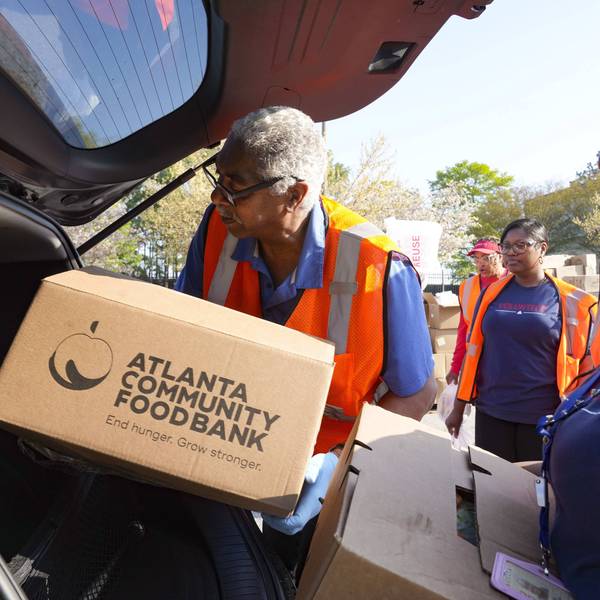
Volunteers load boxes of food into a car during a food distribution event on May 29, 2026 in Montebello, California.
(Photo by Justin Sullivan/Getty Images)
Jake Johnson
Oct 05, 2026
COMMON DREAMS
The Republican budget package that President Donald Trump signed into law last summer included a change requiring states to fund a larger portion of the costs of administering the Supplemental Nutrition Assistance Program, which provides food aid to tens of millions of Americans.
That change, which advocates and experts warned would impose unsustainable burdens on some states and potentially result in more cuts to food aid, took effect late last week, amid a nationwide affordability crisis that has forced many Americans to turn to food banks and other sources of support to meet their families’ needs.
RECOMMENDED...
US Food Banks Under Strain as Trump Policies Drive Up Costs

‘Misled’ and ‘Strung Along’ by Trump, Financial Pain of Farmers Grows as Costs Continue to Skyrocket
Katie Bergh, a food policy expert at the Center on Budget and Policy Priorities (CBPP), explained that—under the Trump-GOP budget law—“every state now gets half as many federal dollars to ensure SNAP gets to eligible families on time and in the right amount.”
“Some states didn’t increase state funding to make up for this federal funding cut, which could lead to staff shortages, backlogs, and low-income families waiting months for help,” Bergh warned. “Other states and counties are weighing property tax increases or cuts to other services to fill the gap.”
CBPP has estimated that more than 5 million people, including more than a million children, have lost SNAP since Trump signed the Republican budget measure into law last year.
Rep. Shontel Brown (D-Ohio) condemned the newly implemented SNAP changes in a statement, noting that Trump and the Republican Party have created new work requirements—and thus new bureaucratic burdens for states and aid recipients—while also slashing administrative funding, a potentially disastrous combination.
“It’s a devastating gut punch and it’s intentional,” said Brown. “This is a plan to wreck state SNAP programs and push millions off of SNAP and into hunger.”
The Food Research & Action Center estimated in a recent analysis that the new cost burden for states “ranges from $3 million in Wyoming to $168 million in New York.”
“States are being asked to administer a more complicated program with fewer federal resources. That is not an efficiency strategy. It is a fiscal transfer,” the group said. “Ultimately, this policy does not simply affect state agencies. It affects every family waiting for an application to be processed, every community experiencing rising food insecurity, and every state budget attempting to balance growing needs with fewer available resources.”
“This is a plan to wreck state SNAP programs and push millions off of SNAP and into hunger.”
Volunteers load boxes of food into a car during a food distribution event on May 29, 2026 in Montebello, California.
(Photo by Justin Sullivan/Getty Images)
Jake Johnson
Oct 05, 2026
COMMON DREAMS
The Republican budget package that President Donald Trump signed into law last summer included a change requiring states to fund a larger portion of the costs of administering the Supplemental Nutrition Assistance Program, which provides food aid to tens of millions of Americans.
That change, which advocates and experts warned would impose unsustainable burdens on some states and potentially result in more cuts to food aid, took effect late last week, amid a nationwide affordability crisis that has forced many Americans to turn to food banks and other sources of support to meet their families’ needs.
RECOMMENDED...
US Food Banks Under Strain as Trump Policies Drive Up Costs
‘Misled’ and ‘Strung Along’ by Trump, Financial Pain of Farmers Grows as Costs Continue to Skyrocket
Katie Bergh, a food policy expert at the Center on Budget and Policy Priorities (CBPP), explained that—under the Trump-GOP budget law—“every state now gets half as many federal dollars to ensure SNAP gets to eligible families on time and in the right amount.”
“Some states didn’t increase state funding to make up for this federal funding cut, which could lead to staff shortages, backlogs, and low-income families waiting months for help,” Bergh warned. “Other states and counties are weighing property tax increases or cuts to other services to fill the gap.”
CBPP has estimated that more than 5 million people, including more than a million children, have lost SNAP since Trump signed the Republican budget measure into law last year.
Rep. Shontel Brown (D-Ohio) condemned the newly implemented SNAP changes in a statement, noting that Trump and the Republican Party have created new work requirements—and thus new bureaucratic burdens for states and aid recipients—while also slashing administrative funding, a potentially disastrous combination.
“It’s a devastating gut punch and it’s intentional,” said Brown. “This is a plan to wreck state SNAP programs and push millions off of SNAP and into hunger.”
The Food Research & Action Center estimated in a recent analysis that the new cost burden for states “ranges from $3 million in Wyoming to $168 million in New York.”
“States are being asked to administer a more complicated program with fewer federal resources. That is not an efficiency strategy. It is a fiscal transfer,” the group said. “Ultimately, this policy does not simply affect state agencies. It affects every family waiting for an application to be processed, every community experiencing rising food insecurity, and every state budget attempting to balance growing needs with fewer available resources.”
Matthew Chapman
October 5, 2026
RAW STORY
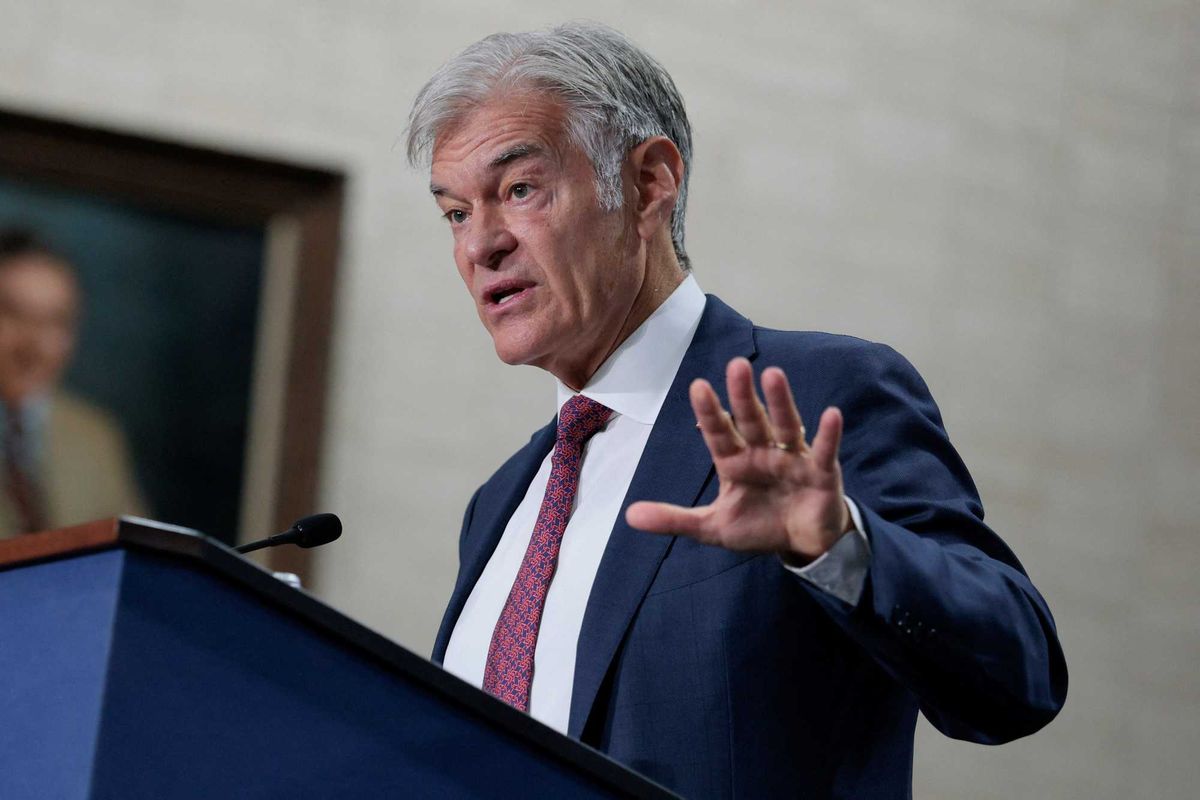
U.S. Center for Medicare & Medicaid Services (CMS) Administrator Dr. Mehmet Oz speaks during an event on screen time harm in children at the Department of Health and Human Services in Washington, D.C., U.S., September 1, 2026. REUTERS/Evan Vucci
The Trump administration Medicare and Medicaid administrator, Dr. Mehmet Oz, made a claim about grocery prices on Fox News — but even far-right host Laura Ingraham wasn't buying it.
"You have no idea what things are going to cost," said Oz. "We went grocery shopping. Stick of butter, bag of peanuts. Butter in America is about a buck for a stick like this."
"Where are you shopping?" Ingraham cut in. "It's not a buck."
"I just bought this; it was close to that," said Oz. "Maybe it's going bad."
Oz's claim is slightly misleading. It is possible to get butter in certain parts of the country for around $1 per stick, though certainly not per pack.
Nevertheless, the skepticism comes following over a year of Trump administration officials publicly downplaying inflation in ways that left observers offended or disbelieving.
In one of the most infamous cases, Agriculture Secretary Brooke Rollins got raked over the coals for claiming her office had "run almost 1,000 simulations" and it "can cost around $3 a meal for a piece of chicken, a piece of broccoli, a corn tortilla, and one other thing."
U.S. Center for Medicare & Medicaid Services (CMS) Administrator Dr. Mehmet Oz speaks during an event on screen time harm in children at the Department of Health and Human Services in Washington, D.C., U.S., September 1, 2026. REUTERS/Evan Vucci
The Trump administration Medicare and Medicaid administrator, Dr. Mehmet Oz, made a claim about grocery prices on Fox News — but even far-right host Laura Ingraham wasn't buying it.
"You have no idea what things are going to cost," said Oz. "We went grocery shopping. Stick of butter, bag of peanuts. Butter in America is about a buck for a stick like this."
"Where are you shopping?" Ingraham cut in. "It's not a buck."
"I just bought this; it was close to that," said Oz. "Maybe it's going bad."
Oz's claim is slightly misleading. It is possible to get butter in certain parts of the country for around $1 per stick, though certainly not per pack.
Nevertheless, the skepticism comes following over a year of Trump administration officials publicly downplaying inflation in ways that left observers offended or disbelieving.
In one of the most infamous cases, Agriculture Secretary Brooke Rollins got raked over the coals for claiming her office had "run almost 1,000 simulations" and it "can cost around $3 a meal for a piece of chicken, a piece of broccoli, a corn tortilla, and one other thing."

No comments:
Post a Comment