David Edwards
October 2, 2026
RAW STORY
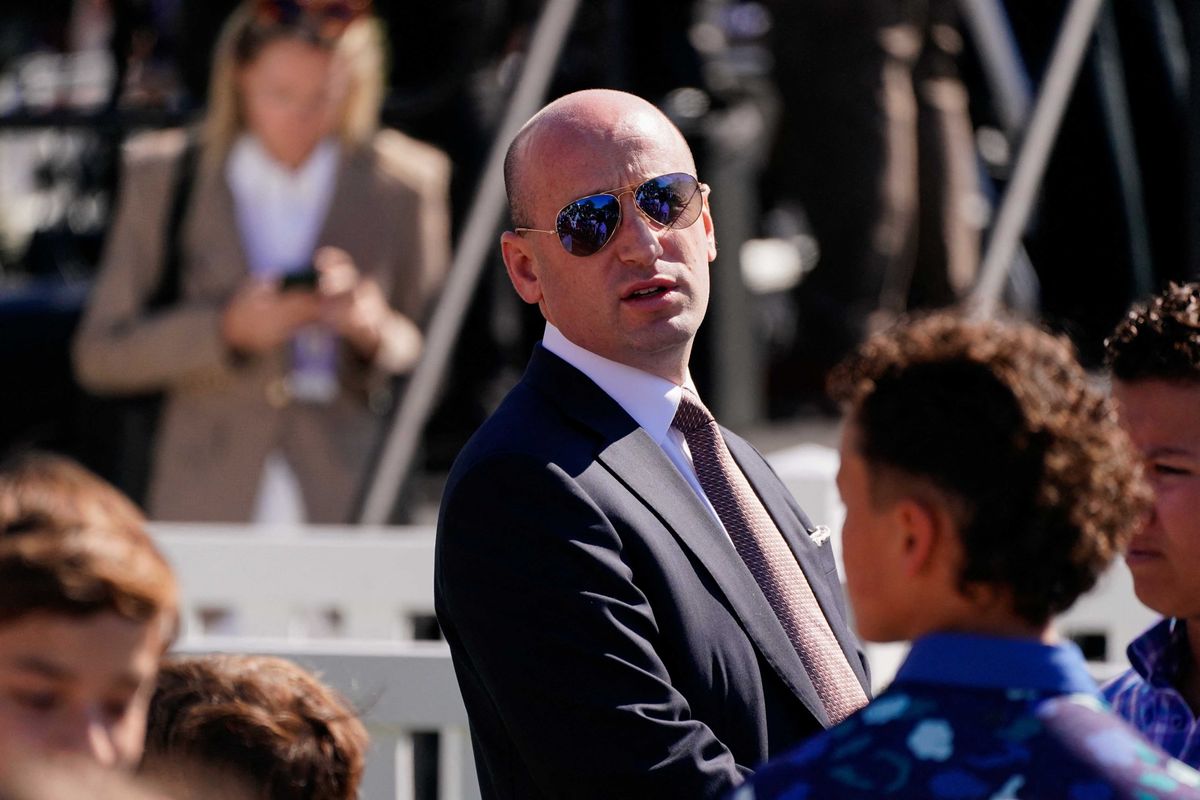
White House Deputy Chief of Staff Stephen Miller attends the 2026 White House Easter Egg Roll at the White House in Washington, D.C., on April 6, 2026. REUTERS/Nathan Howard
White House deputy chief of staff Stephen Miller pushed to bring in the FBI and potentially seize more voting machines after investigators found no evidence of vote tampering ahead of the midterm elections.
The account comes from a Reuters investigation published Friday into an effort by President Donald Trump's administration to prove that voting machines were used to rig the 2020 election.
Reuters found the effort had two goals: to find that evidence and to use it to support sweeping changes to the American voting system.
The push came on Oct. 3, 2025, when Jason Wareham, chief executive of the contractor Mojave Research, briefed Miller, White House chief of staff Susie Wiles, and Tulsi Gabbard, then the director of national intelligence, he told Reuters.
He said his team had found weaknesses that could be fixed, including outdated software, but no evidence of hacking or altered votes.
Miller then pushed to bring in the FBI and potentially seize more machines, according to people familiar with the investigation. Wiles asked whether the team had uncovered any new evidence that the 2020 election was rigged.
Later that month, Gabbard's office sent the White House its own report, which also found no evidence that votes had been manipulated, Reuters reported.
The briefing capped months of work driven by Kurt Olsen, a Washington lawyer who had spent years promoting Trump's false claim that the 2020 election was stolen, according to Reuters.
In spring 2025, Gabbard's office formed a task force whose first project was to investigate the 2020 election, the report said. White House officials asked the office to work with Olsen, who held no government job at the time, according to two former officials.
Olsen was in near-daily contact with White House officials and shared election-related intelligence from inside the government with outside analysts, people familiar with the operation told Reuters. The White House said in a statement that the administration "carefully follows the law regarding access to sensitive information."
In June 2025, Wareham, an FBI agent and others copied data from a Dominion voting machine in Puerto Rico, where officials cooperated after scanner problems disrupted the island's 2024 elections, according to Reuters. Olsen had insisted on secrecy, saying he faced resistance inside the administration to reopening the 2020 election.
Wareham said the job was a forensic exercise. Olsen wanted to search for traces of Smartmatic code that, under his theory, would show how Venezuela or China could manipulate Dominion machines, a claim courts have repeatedly rejected.
The White House told Reuters the investigation began after island officials raised concerns and was meant to find weaknesses, not to revisit the 2020 election. Reuters found that Olsen pushed it toward proving foreign manipulation.
By late summer 2025, Olsen had turned on Mojave Research, telling Trump the firm was secretly funded by billionaire philanthropist George Soros, Reuters reported. Mojave, Wareham and the Open Society Foundations, Soros' family philanthropy, denied any ties.
Gabbard's office ended Mojave's contract later that month, and Reuters could not determine why. Mojave said its work was halted before it could be completed.
Trump named Olsen White House director of election security and integrity in late October 2025, weeks after the briefing, Reuters reported.
What began with one machine in Puerto Rico grew into an investigation spanning Gabbard's office, the Justice Department, the Department of Homeland Security and the FBI, the report said.
Olsen's first target was Fulton County, Georgia, where FBI agents on Jan. 28 seized every ballot cast in 2020, along with voter rolls, ballot images and machine records, Reuters reported.
The case began with a referral from Olsen, according to an affidavit supporting the warrant. Agents removed about 650 boxes, and Gabbard attended the raid.
As administration officials pressed Olsen for evidence the election had been rigged, he blamed intelligence agencies for withholding what he needed, and his relationship with the White House deteriorated, the report found.
"Special government employees are limited to 130 days per calendar year," Olsen told Reuters of his May exit from the White House. "And my 130 days were up."
Olsen then joined federal prosecutors in Florida examining whether investigations into Trump, including the Russia probe and the Mar-a-Lago classified documents case, were part of what Trump allies call a "grand conspiracy" to damage him, according to Reuters.
That probe also reaches former special counsel Jack Smith's investigation of Trump's attempts to overturn his 2020 election defeat, Reuters reported last month.
In December 2020, Olsen pressed then-acting Attorney General Jeffrey Rosen to file a Supreme Court complaint to invalidate the electors for six swing states, Rosen later testified to the Senate Judiciary Committee, CNN reported.
"You're going to force me to call the president and tell him you're recalcitrant," Olsen told Rosen after the acting attorney general resisted, according to the testimony.
Olsen told Reuters he stepped down from the Florida probe on Monday but remains at the Justice Department. He declined to say why.
"I am still at DOJ and not participating in that investigation," Olsen said.
With the midterms a month away, some election officials fear Olsen's mission laid the groundwork for the administration to seize voting equipment or ballots, Reuters reported. Some are hiring lawyers and drafting emergency court filings in case federal agents demand machines or records.
Peter Ticktin, a Florida lawyer and longtime Trump ally, believes the president's best chance to force changes before the midterms would be to declare a national emergency, or even martial law if China or other foreign powers exploited flaws in voting machines, according to Reuters.
"We're at a crossroads," Ticktin said.
White House Deputy Chief of Staff Stephen Miller attends the 2026 White House Easter Egg Roll at the White House in Washington, D.C., on April 6, 2026. REUTERS/Nathan Howard
White House deputy chief of staff Stephen Miller pushed to bring in the FBI and potentially seize more voting machines after investigators found no evidence of vote tampering ahead of the midterm elections.
The account comes from a Reuters investigation published Friday into an effort by President Donald Trump's administration to prove that voting machines were used to rig the 2020 election.
Reuters found the effort had two goals: to find that evidence and to use it to support sweeping changes to the American voting system.
The push came on Oct. 3, 2025, when Jason Wareham, chief executive of the contractor Mojave Research, briefed Miller, White House chief of staff Susie Wiles, and Tulsi Gabbard, then the director of national intelligence, he told Reuters.
He said his team had found weaknesses that could be fixed, including outdated software, but no evidence of hacking or altered votes.
Miller then pushed to bring in the FBI and potentially seize more machines, according to people familiar with the investigation. Wiles asked whether the team had uncovered any new evidence that the 2020 election was rigged.
Later that month, Gabbard's office sent the White House its own report, which also found no evidence that votes had been manipulated, Reuters reported.
The briefing capped months of work driven by Kurt Olsen, a Washington lawyer who had spent years promoting Trump's false claim that the 2020 election was stolen, according to Reuters.
In spring 2025, Gabbard's office formed a task force whose first project was to investigate the 2020 election, the report said. White House officials asked the office to work with Olsen, who held no government job at the time, according to two former officials.
Olsen was in near-daily contact with White House officials and shared election-related intelligence from inside the government with outside analysts, people familiar with the operation told Reuters. The White House said in a statement that the administration "carefully follows the law regarding access to sensitive information."
In June 2025, Wareham, an FBI agent and others copied data from a Dominion voting machine in Puerto Rico, where officials cooperated after scanner problems disrupted the island's 2024 elections, according to Reuters. Olsen had insisted on secrecy, saying he faced resistance inside the administration to reopening the 2020 election.
Wareham said the job was a forensic exercise. Olsen wanted to search for traces of Smartmatic code that, under his theory, would show how Venezuela or China could manipulate Dominion machines, a claim courts have repeatedly rejected.
The White House told Reuters the investigation began after island officials raised concerns and was meant to find weaknesses, not to revisit the 2020 election. Reuters found that Olsen pushed it toward proving foreign manipulation.
By late summer 2025, Olsen had turned on Mojave Research, telling Trump the firm was secretly funded by billionaire philanthropist George Soros, Reuters reported. Mojave, Wareham and the Open Society Foundations, Soros' family philanthropy, denied any ties.
Gabbard's office ended Mojave's contract later that month, and Reuters could not determine why. Mojave said its work was halted before it could be completed.
Trump named Olsen White House director of election security and integrity in late October 2025, weeks after the briefing, Reuters reported.
What began with one machine in Puerto Rico grew into an investigation spanning Gabbard's office, the Justice Department, the Department of Homeland Security and the FBI, the report said.
Olsen's first target was Fulton County, Georgia, where FBI agents on Jan. 28 seized every ballot cast in 2020, along with voter rolls, ballot images and machine records, Reuters reported.
The case began with a referral from Olsen, according to an affidavit supporting the warrant. Agents removed about 650 boxes, and Gabbard attended the raid.
As administration officials pressed Olsen for evidence the election had been rigged, he blamed intelligence agencies for withholding what he needed, and his relationship with the White House deteriorated, the report found.
"Special government employees are limited to 130 days per calendar year," Olsen told Reuters of his May exit from the White House. "And my 130 days were up."
Olsen then joined federal prosecutors in Florida examining whether investigations into Trump, including the Russia probe and the Mar-a-Lago classified documents case, were part of what Trump allies call a "grand conspiracy" to damage him, according to Reuters.
That probe also reaches former special counsel Jack Smith's investigation of Trump's attempts to overturn his 2020 election defeat, Reuters reported last month.
In December 2020, Olsen pressed then-acting Attorney General Jeffrey Rosen to file a Supreme Court complaint to invalidate the electors for six swing states, Rosen later testified to the Senate Judiciary Committee, CNN reported.
"You're going to force me to call the president and tell him you're recalcitrant," Olsen told Rosen after the acting attorney general resisted, according to the testimony.
Olsen told Reuters he stepped down from the Florida probe on Monday but remains at the Justice Department. He declined to say why.
"I am still at DOJ and not participating in that investigation," Olsen said.
With the midterms a month away, some election officials fear Olsen's mission laid the groundwork for the administration to seize voting equipment or ballots, Reuters reported. Some are hiring lawyers and drafting emergency court filings in case federal agents demand machines or records.
Peter Ticktin, a Florida lawyer and longtime Trump ally, believes the president's best chance to force changes before the midterms would be to declare a national emergency, or even martial law if China or other foreign powers exploited flaws in voting machines, according to Reuters.
"We're at a crossroads," Ticktin said.


No comments:
Post a Comment