Tuesday, October 27, 2026


Olive trees irrigated with treated wastewater, a pilot project to combat drought

      Copyright Euronews
By Aurora Velez
Published on

Olive trees irrigated with treated wastewater: in Puglia, southern Italy, a pilot project thus combats drought and emerging pollutants. The molecule is generated by combining hydrogen peroxide and ultraviolet rays. The results of this experience will be known in two years.

Farmland, especially in southern Europe, is thirsty. Every drop of water counts in the Adriatic basin.

In Puglia, in southern Italy, water shortage has been accentuated by climate change and, in addition, a bacterium, Xylella fastidiosa, has decimated the olive groves.

The European project ECO FLOW brings together Greek and Italian experts. It proposes reusing Gallipoli's treated wastewater for irrigation, which would otherwise go to the sea. They are focusing on the so-called emerging contaminants. These chemical, material or biological substances, created by humans, come from industrial activities and are present in urban and hospital wastewater.

The experiment is carried out in a field adjacent to the Gallipoli water treatment station. There are three rows of bacteria-resistant olive trees and three forms of irrigation: the traditional one, with the water from the well, the water treated in the purification station and the water subjected to a particular treatment, with which it is intended to reduce the amount of polluting substances.

Rocco Protopapa, of the Regional Agency for Irrigation and Forestry Activities (ARIF), a public body in the Puglia region, explains that ECO FLOW's objectives also include "comparing the plants irrigated with the water from the well with those that have received the treated water and those that have received the water treated with hydrogen peroxide. We want to see how much fruit they produce and how they produce it. And that way we avoid wasting water that would otherwise end up in the sea," he said.

At the Gallipoli purification station, the treated water destined for ECO FLOW is purified even more than that of the station's tanks, using the patented technology of a mini station, conceived in another European project, RE-WATER.

How does this process of additional water disinfection work?

Fabrizio Dell'Anna, in charge of the technical coordination and development of the project from the Aquedotto Pugliese – the organisation in charge of the management of the comprehensive water cycle in Puglia and Campania - comments that the technique "is based on the use of hydrogen peroxide combined with ultraviolet radiation generated by a lamp. This combination enables the formation of an extremely reactive molecule, capable of degrading pollutants. The challenge was important because the equipment used did not exist on the market." The reactor where the water subjected to this treatment is located is "thermally insulated to avoid temperature variations that could disturb the operation of the hydrogen peroxide". They realised that the number of reactive molecules available to attack the contaminants increased if the water circulated and they completed the system to do so.

"The chemical compound that allows contaminants to be removed is produced when hydrogen peroxide is exposed to UV rays. There were already other technologies in the world but the true originality of our facility lies in its recirculation system. This stage of the research was exciting because we had a gut feeling, we put it to the test, and the results confirmed it"
Fabrizio Dell'Anna
Technical coordination and project development, Aquedotto Pugliese

ECO FLOW has a budget of more than one and a half million euros, of which 75% have been financed by European cohesion policy and the remaining 25% by funds from Greece and Italy, the two countries participating in the project. In Greece, researchers worked on a physical membrane to better treat and filter wastewater, while in Italy, they concentrated on the chemical solution. Both solutions are complementary, insisted the experts who share this know-how in the framework of the ECOFLOW pilot.

The laboratory of the Polytechnic University of Bari provides technical and scientific support to Acquedotto Pugliese, the project's main partner in the experiments carried out at ECO FLOW.

Danilo Spasiano, professor and researcher at the Polytechnic University of Bari explains that the monitoring of ECO FLOW has recently started. They study water and plant development, but also soil characteristics and the accumulation of contingent substances in the soil where the two varieties of olives irrigated in this experiment grow: Favolosa and Lecciana, both resistant to Xylella.

"One of the main issues we are going to evaluate is the amount of salts that can accumulate in the soil. We will also study the possible presence of micro contaminants or emerging contaminants that may accumulate in olives"
Danilo Spasiano
Professor and researcher, Polytechnic University of Bari

This pilot project will run for two years.

The Francesca Stajano farm produces more than sixty tons of olives per year. Its owner, Antonio Astuto, irrigates part of the production with water from his well and another younger olive grove with treated water at the Gallipoli purification station and sees the difference.

"We didn't expect four-year-old trees to start producing now. Therefore, we were very happy to see that the plants grew faster, probably thanks to the type of water used," he said.

In his facilities, the olive trees are irrigated with a drip system to "achieve a good result, avoiding the use of as little water as possible" so that it is not wasted, he concludes.


Extreme weather drives support for green voting in Europe


International Institute for Applied Systems Analysis


A new study co-authored by IIASA researchers Jonas Peisker, Roman Hoffmann, and Raya Muttarak has found that extreme heatwaves are changing how Europeans feel about climate change and influencing their voting choices. The results highlight the demographic heterogeneity of the effects and could provide valuable insights for policymakers, communicators, and advocates aiming to enhance climate action legitimacy and engagement across diverse populations in the region.

In representative democracies, it is important that climate change policies are made through transparent processes and citizen representation, which in turn requires an understanding of how climate-related events influence public support for such policies. National legislatures are critical for progress in environmental protection because they play a key role in setting, implementing, and monitoring climate policies with taxation and government spending as powerful tools at their disposal.

The study, just published in the Proceedings of the National Academy of Sciences of the United States of America (PNAS), is the first to provide large-scale evidence from 25 countries over a period of ten years on how personal experiences with extreme temperatures affect attitudes toward climate change and voting behavior in national elections. The research is based on individual-level data from the European Social Survey (2012–2022) and reveals that unusually high temperatures make people more likely to feel responsible for climate change, worry about its effects, and support Green parties as well as parties that intend to enter a coalition with them before the election. 

“Our analysis shows that firsthand experiences of extreme temperatures can shift attitudes and voting behavior, particularly among groups that are generally less concerned about climate change. This suggests that climate change impacts are not only raising awareness but also shaping real-world political decisions,” explains study author Jonas Peisker, a research scholar in the Migration and Sustainable Development Research Group of the IIASA Population and Just Societies Program.

The researchers found that while women and individuals with higher education show higher pro-environmental attitudes and likelihood of voting for green parties overall, less-educated men show the largest attitudinal and voting shifts following extreme weather. In addition, the results show that the influence of temperature anomalies differs depending on individuals’ sector of work and the macro-economic characteristics of their region of residence. Workers in the service sector respond more strongly to weather events in their voting pattern than workers in the agricultural or manufacturing sector. The influence of heatwaves is also weaker in economically disadvantaged regions or those with more greenhouse gas-intensive economies, highlighting tensions between economic interests and support for climate action.

“Climate policy needs to support regions that are relatively disadvantaged in the transition away from fossil fuels, in other words, regions with a large share of greenhouse gas intensive industry and a low income level. Residents of such regions already have a lower probability of being environmentally concerned and of voting for green coalitions. Exacerbating economic inequalities across and within regions in the process of decarbonization is likely to further alienate people from a pro-environmental agenda,” notes study author Roman Hoffmann, who leads the Migration and Sustainable Development Research Group in the IIASA Population and Just Societies Program.

While estimates of average effects of extreme weather events are important to better understand how public support for environmental policy could generally be affected by climate change, the authors emphasize that the differences between demographic groups and regions matter. To build support for climate policies, communication strategies should therefore highlight the real-world impacts of climate change, focusing on groups that are less engaged.

However, the study also underscores the need for targeted economic policies to support disadvantaged regions during the transition to a low-carbon economy. Without this support, economic inequalities may undermine public backing for climate policies.

Reference
Bassetto, J., Hoffmann, R., Muttarak, R., Peisker, J., & Stanig, P. (2026). Heterogeneous impacts of temperature extremes on climate attitudes and Green voting. Proceedings of the National Academy of Sciences of the United States of America (PNAS)


About IIASA:
The International Institute for Applied Systems Analysis (IIASA) is an international scientific institute that conducts research into the critical issues of global environmental, economic, technological, and social change that we face in the twenty-first century. Our findings provide valuable options to policymakers to shape the future of our changing world. IIASA is independent and funded by prestigious research funding agencies in Africa, the Americas, Asia, and Europe. www.iiasa.ac.at


EU set to miss 2030 marine protection targets, auditors warn

Flamingos wade in the nature reserve of Camargue in Salins-de-Giraud near Arles, southern France.
Copyright CLAUDE PARIS/AP2005

By Marta Pacheco
Published on


Despite designating 14% of its waters as protected areas, the EU has placed less than 1% under strict protection, leaving marine ecosystems vulnerable to damaging fishing practices and putting its 2030 biodiversity targets at risk.

The EU is unlikely to meet its 2030 targets for protecting marine biodiversity, with many designated marine protected areas offering little meaningful protection against damaging activities such as commercial fishing, the European Court of Auditors (ECA) warned on Monday.

Around 14% of EU waters are currently designated as marine protected areas, but less than 1% are under strict protection, exposing a gulf between the bloc’s environmental ambitions and the reality at sea.

The EU aims to protect 30% of its marine waters by 2030, including 10% under strict protection. But auditors warn that simply expanding the network of protected areas will not be enough without tougher restrictions on activities that damage marine ecosystems.

“The EU has made some progress in designating marine protected areas, but our audit shows that the true challenge is turning designation into actual protection," said Iliana Ivanova, the ECA member in charge of the audit.

Imposing tougher restrictions could, however, prove politically contentious, particularly if fishing communities and other affected industries bear the costs without adequate consultation or support.

While countries such as France and Sweden have made progress through community involvement and new bans on bottom trawling, Ireland has been hampered by major data gaps and legal delays.

Protected on paper but not in practice

A chronic shortage of staff, inadequate funding and lengthy administrative procedures also hamper enforcement. Authorities may identify harmful or illegal activities but lack the resources or legal powers to stop them.

"Turning political ambition into tangible results for marine ecosystems will require faster action, applicable protective measures and a more coherent network across the EU’s seas,” Ivanova added.

Protected status does not necessarily mean that damaging activities are restricted. Fishing restrictions, for example, apply to only a small proportion of designated areas, despite the threat posed by commercial fishing and other activities that damage the seabed.

As a consequence, designating protected areas is politically easier than imposing the restrictions needed to make them effective.

Those restrictions could affect fishing fleets operating across national borders, creating tensions between biodiversity objectives and the economic interests of coastal communities.

The EU auditors are calling for the European Commission and EU countries to move beyond national approaches towards more harmonised and enforceable conservation rules.

“To ensure that marine protected areas function effectively, we need the European Commission and member states to join forces, as well as engagement with local stakeholders,” Ivanova said.

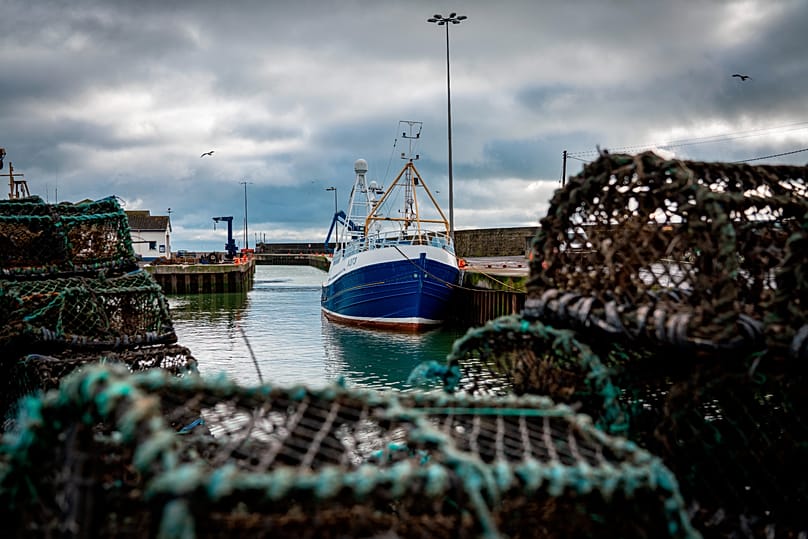
A fishing vessel is docked at Kilkeel harbor in Northern Ireland.
A fishing vessel is docked at Kilkeel harbor in Northern Ireland. AP Photo / David Keyton

Funding gaps and local opposition hamper protection

Fragmented financing is also a barrier to effective protection, the ECA report warns.

Conservation efforts rely on national budgets and different EU funding instruments, leaving protected areas facing problems with staffing, resources and long-term planning.

Even if stricter rules are imposed, securing support from the communities affected by them can also be a challenge, according to the EU auditors.

"The process for adopting conservation measures affecting fishing fleets of several member states can be complex and lengthy because it may require negotiations between member states that have fishing interests, as well as with various stakeholders. It can take many years, and few conservation measures have been adopted since 2013," reads the ECA report.

Monica Verbeek, executive director at the NGO Seas At Risk, said Europe does not lack policies, solutions or scientific knowledge.

"Where measures are implemented consistently and at a sufficient scale, nature responds. But recovery at scale is still not happening. We cannot afford another decade of ambitious targets followed by insufficient implementation," Verbeek said.


EU aims to be 'truly climate resilient' with new strategy

27.10.2026,

Photo: Heiko Rebsch/dpa

By Katharina Redanz, dpa

The European Commission presented a new framework for climate resilience in Brussels on Tuesday to better identify droughts, floods, wildfires and other effects of climate change and to manage the risks more effectively.

Climate resilience should be taken into account in all major EU policy areas in the future, the commission said.

"Europe is warming at double the global rate. To become truly climate resilient, we need to adjust and learn along the way," Commission President Ursula von der Leyen said.

"Today, we are presenting a European approach to climate risks - to anticipate, to prepare for and to manage. We are ensuring that climate resilience will be included in policies across the continent, supporting investment, innovation and long-term growth," she added.

A new Climate Resilience Act is intended to ensure that EU countries assess their climate risks and plan their preventive measures using the same basic assumptions.

The specific ways in which the member states protect themselves against heat, drought and flooding will largely remain up to the individual countries, depending on their risks and priorities.

A website entitled the European Climate Viewer will show potential hazards for specific locations and periods. For example, users should be able to identify railway routes that may be particularly exposed to high temperatures or heavy rainfall, allowing targeted protective measures to be planned.

Other platforms will help public authorities identify suitable, proven measures for addressing specific climate risks.

The aim of the initiative is to anticipate the effects of climate change and prevent damage through action at EU, national and local levels, the commission said.

According to the commission's estimates, economic losses caused by climate-related damage amounted to around €200 billion ($223 billion) between 2022 and 2025, or €50 billion per year.

In September, von der Leyen announced that the initiative would pursue a whole-of-society approach, down to the local level.

According to data from the EU Earth observation programme Copernicus, the past summer was the hottest on record for Western Europe. 

Up to September 2, the area of land that burned in wildfires in the EU was almost twice as large as the average for 2006 to 2025.

According to estimates by British scientists, heat killed around 50,000 people in European cities over the summer, more than ever before. 

In Germany, some 16,000 people died as a result of heat, according to estimates by the Robert Koch Institute (RKI), a government health agency.

UN body: Atmospheric CO2 reached record level in 2025


27.10.2026

Photo: Armin Weigel/dpa

The concentration of carbon dioxide (CO2) in the atmosphere reached a new record last year of 426.8 parts per million (ppm), the World Meteorological Organization (WMO) reported in its annual Greenhouse Gas Bulletin on Tuesday.

The concentration increased by 2.8 ppm between 2024 and 2025. According to the report by the UN's atmospheric science body, the total level corresponds to 153% of the CO2 concentration before the beginning of the industrial era in 1750.

"A new year, a new record," WMO Deputy Secretary-General Ko Barrett said. Greenhouse gases were trapping an unprecedented amount of heat, providing energy for extreme weather and other risk factors, Barrett said.

The rise was slightly slower than that recorded between 2023 and 2024, which was marked by a strong El Niño event. Among other effects, the climate phenomenon contributed to a greater number of wildfires, resulting in increased emissions.

El Niño occurs every few years, and the climate phenomenon has begun again this year. For this reason, among others, the WMO expects CO2 levels to rise further in 2026.

The burning of fossil fuels is also contributing to the increase, WMO scientist Oksana Tarasova said. At the same time, there is a growing risk that the oceans will become less capable of absorbing CO2.

According to the report, carbon dioxide accounts for 66% of the greenhouse effect caused by gases. Another 16% is attributable to methane, which is released, among other sources, through agriculture, the extraction of fossil fuels and landfill sites.

Methane concentrations also reached a record high last year, as did concentrations of nitrous oxide.

According to the United Nations, current global climate policies put the world on course for warming of 2.8 degrees Celsius above pre-industrial levels by the end of this century. The international community had intended to limit warming to 1.5 degrees.

However, according to the WMO, the transition to non-fossil energy sources also presents climate-related challenges.

The report states that the global shift towards electrification has been accompanied by a continuous increase in atmospheric concentrations of sulphur hexafluoride over recent decades. The gas, which is an extremely potent greenhouse gas, is used in electrical switchgear, among other applications.

The WMO called for greater attention to hydrogen, which is finding use as an energy source in transport and steel production.

Although not itself a greenhouse gas, hydrogen leaks from pipelines or fuel cells are becoming an increasing cause for concern, the WMO warned. Hydrogen affects the chemical composition of the atmosphere and therefore has a significant indirect effect on global warming.


Europe must prepare for a 3°C warmer world, EU climate chief warns

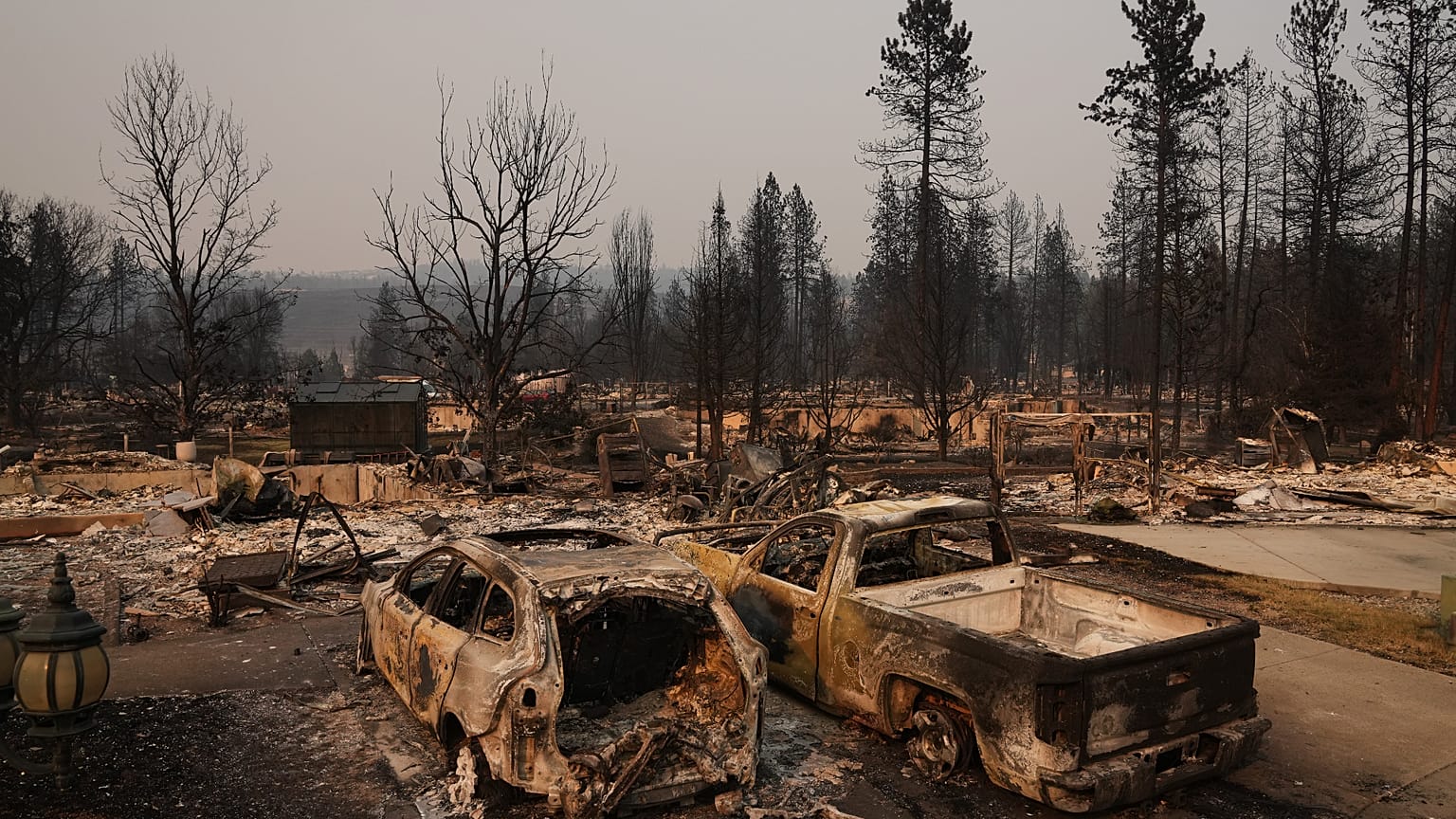
Dozens of homes are seen burned to the ground after a wildfire hit the northern part of Spokane, Wash., Monday, Aug. 3, 2026.
Copyright AP Photo/Lindsey Wasson

By Marta Pacheco
Published on

As Brussels warns that Europe must prepare for increasingly extreme weather, new EU rules will require governments to clarify who is responsible for climate preparedness – but no new funding is being offered to help households adapt.

The European Commission will unveil new climate rules on Tuesday requiring EU governments to clarify who is responsible for protecting citizens from climate disasters, Climate Action Commissioner Wopke Hoekstra told Euronews.

The move comes as Brussels warns that Europe must prepare for increasingly extreme weather, including scenarios involving 3°C of global warming by 2100.

Hoekstra warned that the world is heading towards a temporary or potentially prolonged overshoot of the Paris Agreement’s 1.5°C warming limit, making it essential for governments to prepare for more extreme heat and climate disasters, even if efforts to cut emissions succeed.

“It is up to member states to decide where they want to put that responsibility. But what we do make mandatory is that they do have to appoint and articulate where the responsibility is going to lie,” Hoekstra said.

While the EU continues to pursue emissions reductions, the costs of adapting to a hotter world are becoming harder to ignore, from rebuilding after wildfires and floods to protecting homes, roads and public infrastructure.

The Dutch Commissioner estimated the economic damage from this summer's extreme weather at more than €100 billion.

The reference trajectory is based on scientific research, including work by the Intergovernmental Panel on Climate Change and advanced European climate modeling, he said.

The Commission's projections envisage 2°C of global warming by 2050 and 3°C by 2100 for Europe, reflecting Brussels' assessment that Europe is warming roughly twice as fast as the global average.

The trajectory is intended to be translated into national and local risk assessments, taking account of the uneven distribution of climate impacts.

“Even if we get all of this right, we have no way to avoid more summers than the one we saw last year,” the Commissioner said, arguing that readiness, resilience and preparedness must become the priority alongside emissions cuts.

The proposed legislation would require EU countries to specify whether national, regional or local authorities are responsible for preparing for climate disasters.

Governments would retain flexibility over how they allocate responsibilities, but would have to specify who is accountable — an attempt to prevent political disputes over who failed to prepare when floods or wildfires destroy homes.

The Commission also wants climate scenarios to be considered when planning new roads, bridges and neighbourhoods, recognising that infrastructure designed for past weather conditions may no longer be fit for purpose.

"We want to introduce a culture of preparedness and resilience by design, rather than dealing with the damages in the aftermath, which is often very ad hoc and doesn't always build back better," a senior Commission official said on Monday on condition of anonymity.

No new money

However, the question of how to pay for climate adaptation remains unresolved.

No new financial commitment to household support is expected from the Commission's climate resilience strategy, despite concerns that ordinary citizens may struggle to afford the investments needed to adapt.

Hoekstra pointed to the Commission's proposal to devote 35% of the EU budget to climate and nature.

But the strategy's effectiveness will depend partly on the outcome of ongoing negotiations over the EU's next multiannual budget, with climate spending competing against priorities such as defence, security, competitiveness and agricultural support.

The Commission is also counting on the recently announced €30 billion from the European Investment Bank for climate adaptation through 2030.

Nonetheless, the lack of new funding is a potential weakness in the Commission's ambition.

The Commissioner argued that preventive investment is economically worth it but did not announce a new household support scheme or explain how the EU would ensure that lower-income households could afford necessary improvements.

In an attempt to fill the bloc's climate protection gap, Brussels wants to work with the insurance sector, as Commissioner Hoekstra pointed out that many areas in Europe are underinsured against climate disasters.

According to the senior Commission official, only around 25% of assets exposed to climate impacts are insured, leaving governments and property owners vulnerable to substantial losses.

“The fact that so many areas are underinsured” is one of the issues the Commission will examine, Hoekstra said.

The strategy could therefore expose another fault line between Brussels' climate ambitions and the cost-of-living pressures facing European voters.


COMMENT: Lula’s comeback shows the far right can be beaten

COMMENT: Lula’s comeback shows the far right can be beaten
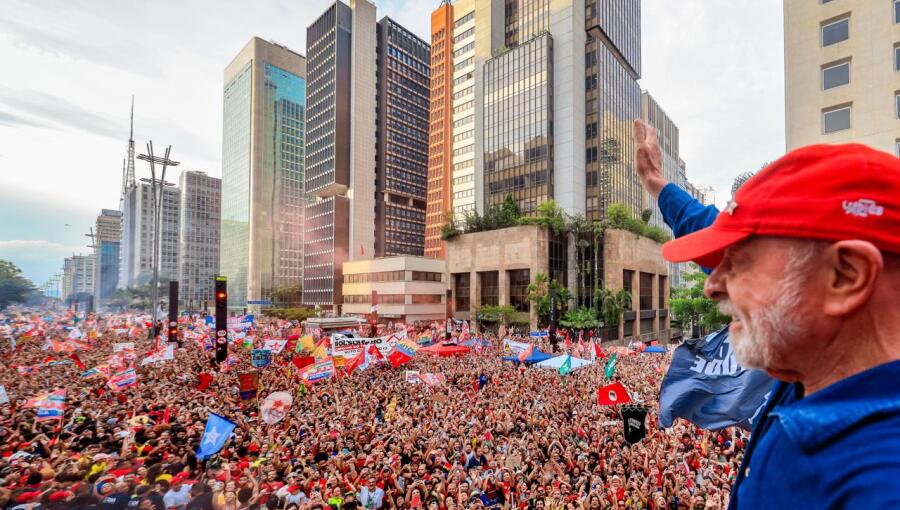
For Europe and the wider world, Brazil is a potent reminder that the right-wing tide is not necessarily the wave of the future. / XFacebook
By Ricardo Martins in Utrecht October 26, 2026

In one of the most pivotal elections of the year, Brazil has sent a message that resonates far beyond its borders. On October 25, President Lula da Silva of the left-wing Workers’ Party (PT) defeated far-right senator Flávio Bolsonaro in the presidential run-off, winning 51.8% of valid votes to 48.2%. At 80, Lula has been re-elected for a fourth, non-consecutive term.

Having trailed after the first round, he turned the race around, something no candidate had achieved before in Brazil’s democratic history. The unexpected result also broke a string of right-wing and far-right victories across Latin America.

Yet the significance of this victory cannot be measured in percentages alone. The contest was a battle over the political and social direction of Latin America’s largest nation. At stake was whether Brazil would continue to stand for democratic institutions, social protection, environmental responsibility and an independent foreign policy, or move towards a more authoritarian, socially exclusionary model aligned with the US’s political project.

Lula’s win was a stinging defeat for the Bolsonaro family and their political allies, and a blow to the international far right more broadly. It also made it harder for US President Donald Trump to complete the construction of a conservative, Washington-led bloc across the Americas. The election showed that the region’s shift to the right is not necessarily a one-way street. In his victory speech, Lula sent an immediate message to Trump and Secretary of State Marco Rubio: “Brazil is no one’s backyard.”

Trump, who had quietly backed Bolsonaro’s campaign, has made no public comment on the result, though his son Donald Trump Jr took aim at it in a post on X.

Europe, by contrast, has warmly welcomed the outcome. European Commission president Ursula von der Leyen declared that “democracy and multilateralism have won in Brazil”, while other European leaders stressed the importance of continuing to work with Brazil on trade, climate and every other area of international co-operation. It was a clear acknowledgement that Brazil remains a vital partner at a time when the multilateral system, international co-operation and the rules-based order are under sustained pressure.

The relief is palpable. Across Europe, democratic forces are confronting populist parties that play on cultural anxieties, hostility to immigration, distrust of institutions and a general sense of economic insecurity.

Brazil has shown that such movements can be defeated at the polls, even when they command significant resources and a devoted base, operate in a deeply polarised society and enjoy US support.

But the big lesson is not that Lula has beaten the far right once and for all. It is that the future remains open, and that organised citizens can shape it.

The people returned to the streets and to the political debate

One of the most remarkable features of Lula’s victory was the high level of popular mobilisation in the run-up to the second round. This was not simply a matter of the PT’s campaign machine, established political alliances or the president’s personal popularity. Indeed, Lula openly complained about his campaign’s (dis)organisation after the first round. As the prospect of a Flávio Bolsonaro victory became ever more tangible, a wider movement took shape, particularly among young people and progressive social groups, amplified by more intensive use of social media.

Students, artists, activists and citizens of all kinds helped bring the campaign back into the public sphere. Social media became another battleground. Deputy André Janones played a central, pioneering role in mobilising online supporters through the “Exército de Lula” (Lula’s Army) WhatsApp network, which, according to Agência Brasil, had 10.8mn members. Its communication with voters was far more direct and informal in tone.

This mobilisation mattered because the election was not just about Lula. Above all, it was a choice between two very different visions of Brazil. Many feared that a new Bolsonaro government would erode democratic safeguards, weaken the social safety net and further polarise Brazilian society along the lines that became clear in 2018, when Flávio’s father, convicted former president Jair Bolsonaro, was elected.

The campaign thus became a defence of much more than one candidate, uniting people concerned about public healthcare, social assistance, workers’ rights, the environment, religious pluralism and, above all, the future of democracy itself. Brazilians who voted for Lula in the second round did not necessarily agree on every political issue. What they did agree on was that Brazil should not throw away the social and democratic gains it has painstakingly built over the years.

Lula alluded to this in his post-election speech, thanking voters and stressing that no one can win an election without the people. It was also a clear warning for the future: a movement should not come together only when an election looms. The energy that brought Lula back from behind must be sustained through his next term, keeping the government on its toes and demanding real improvements in people’s lives.

Brazilian democracy has survived authoritarianism, political crises and deep social divisions. Its strength has always lain in its citizens’ capacity to organise, protest and defend their rights. The historic mobilisation ahead of the run-off built on exactly that tradition.

The election also exposed the dangers of the digital public sphere. Campaigns increasingly depend on platforms whose algorithms determine what voters see, share and believe. During the campaign, multiple allegations surfaced of unequal treatment and political bias by social media companies such as Meta, owner of Facebook, Instagram and WhatsApp.

Leaks from Meta staff confirmed that the company was biased towards Bolsonaro, as did its own council and a UN expert panel. Meta officially blamed the shortcomings on technical problems. However, the disruptions were consistently one-sided, hampering the left’s efforts to amplify its messaging and leading to messages and accounts being blocked.

These allegations raise a wider democratic question. Private technology companies, most of them US-based, should not be able to wield political power through opaque algorithms without transparency, accountability and appropriate safeguards. In his victory speech, Lula renewed his commitment to further regulating digital platforms.

Democracy must deliver social justice

Brazil’s choice was also a defence of a particular conception of the state, one in which public institutions have a duty to reduce poverty, protect the vulnerable and ensure basic services are available to all.

Social policy was at the heart of the run-off. Welfare programmes such as Bolsa Família, Lula’s flagship cash-transfer scheme for the poor, are not simply handouts. They enable families to put food on the table, keep their children in school and tackle the structural inequalities that persist in Brazilian society. Universal public healthcare, real increases in the minimum wage, employment and access to education are equally part of this social contract.

The World Bank has linked Brazil’s recent poverty reduction to a combination of real increases in the minimum wage, the expansion of Bolsa Família and better labour market conditions. These include a recently legislated maximum five-day working week, while free public transport for all at weekends (Saturday and Sunday) is due to be discussed soon.

Such progress does not mean Brazil has solved inequality for good, but it does show that public policy can raise living standards when growth is combined with measures that effectively reach the poor.

The right’s alternative, in fact, was not simply a pledge to scrap existing programmes. Later in the campaign, Flávio Bolsonaro and his allies went some way towards assuring voters that social benefits would remain. But that made the core argument of their campaign inconsistent: slash spending with Argentina’s Milei-style chainsaw while keeping Lula’s outlays. The numbers did not add up, and both market participants and his own voters questioned Bolsonaro’s credibility. As a result, the right’s message became far less convincing.

Brazil has a long and painful history of slavery, racial inequality, regional disparities and concentrated wealth. Brazilians expect democracy to mean more than the right to vote. It must also mean the ability to live with dignity. Lula’s record provides grounds for defending this model, but there is still a long way to go.

The environmental dimension is just as important. According to INPE, Brazil’s National Institute for Space Research, deforestation in the Amazon fell by 41.8% between August 2025 and July 2026 compared with the previous year, the lowest level in the 38-year monitoring series that began in 1988. Deforestation in the Cerrado also declined. This does not mean the country’s ecosystems are no longer under threat, but it does underline the value of enforcement and the need for continued policy and monitoring.

Voters’ choice, then, was never simply an abstract one between left and right. It was about the kind of society Brazil wants to build.

Sovereignty, multilateralism and a different international order

Lula’s victory carries enormous geopolitical significance. Brazil is a major economy, set to climb from 10th to 8th in the global rankings in 2027, as well as a continental power, a leading agricultural producer and a significant diplomatic player. Its position has implications for Latin America, the Global South and the future of multilateralism.

Sovereignty was the defining issue of the campaign when it came to Brazil’s international posture. Lula has been unequivocal that Brazil has the right to maintain relations with the US, China, the EU and all its other partners without accepting that Washington can dictate the terms of Brazilian foreign policy. His ironclad commitment to BRICS, south-south co-operation and a more multipolar world order is central to that stance.

For Lula, however, strategic autonomy does not mean hostility towards the US. The leftist leader maintains good personal relations with Trump and instead blames Secretary of State Marco Rubio, whom he sometimes calls “the frustrated Latino”. Lula also prides himself on his strong relations with Xi Jinping, Vladimir Putin, Narendra Modi, Emmanuel Macron, and practically the rest of the world, though less so with Latin America’s hard-right governments. A former union negotiator, he is skilled at working with all kinds of partners.

This matters all the more as competition intensifies over energy, critical minerals, advanced technology, trade and supply chains. In his victory speech, Lula said Brazil’s resources should underpin industrial development, scientific research and well-paid jobs at home, rather than leaving the country as just another exporter of raw materials and importer of processed goods. Sovereignty must have economic and social substance, he said. That means the capacity to generate value, develop technology and improve the lives of the Brazilian people.

Lula’s victory also matters for the defence of multilateralism. Brazil has long championed diplomacy, supported international institutions and promoted co-operation across political divides. Its continued participation in BRICS and other international forums gives it the opportunity to act as a bridge between countries whose interests do not always align. However, Brazil’s natural leadership in South America has been damaged by the recent election of a large number of far-right governments that prefer direct alignment with Trump’s Latin America policy.

For Europe, the stakes are particularly high. A democratic Brazil that supports open trade, notably the EU-Mercosur trade agreement, as well as climate action and multilateralism, is a very useful partner in an increasingly uncertain geopolitical landscape. The relationship should not be seen as a simple contest between Brussels, Washington and Beijing. It should rest on mutual interest, mutual respect for national sovereignty and a shared desire to work together on common problems.

The sovereignty agenda has not gained the same traction in Europe as in Brazil, where voters’ choice was rooted in the country’s own history, inequalities, institutions and political struggles. Even so, the outcome offers a lesson: democratic states need not accept that international politics must be structured around authoritarian nationalism, perpetual confrontation and the subordination of the weak to the strong.

Brazil now has the opportunity to show that sovereignty and international engagement are not mutually exclusive, and can in fact reinforce each other.

The road ahead

Brazil’s message is a positive one, but it by no means marks the end of the far-right threat. Flávio Bolsonaro took 48.2% of valid votes, and the right emerged from the legislative elections with considerable strength. Lula now faces a hostile conservative Congress and a very difficult road to getting his programme through.

These realities demand political intelligence from Lula, not triumphalism. He must govern well beyond his own electorate, negotiate with the legislature without losing sight of his core principles, and show that a democratic government can in fact get things done. He will have to tackle soaring crime, the cost of living, employment and the state of public services while managing significant fiscal constraints. And he must do all this in a way that revitalises the progressive movement, so that its future does not depend entirely on one elderly man, particularly as this is his last election.

The final point is the most important. Lula’s political career has been built on bringing broad coalitions together. For his fourth administration to be viable and democratic, it must involve the Brazilian people in decision-making, as he promised in his victory speech. The spontaneous mobilisation of young people in the run-off should be seen not as a mere electoral tool, but as a demand for a genuine role in shaping the country’s future.

Europe, likewise, will defeat the far right only if it stays in touch with its people. Holding elections is not enough to make a democracy if governments do not serve the people. Geopolitical pressures close to home have led European leaders to relegate their own citizens to second or third place. We have even heard remarks such as: “I do not care what my voters think.” The far right cannot be kept at bay simply by telling people what a threat it poses.

Brazil has not solved all these problems. Society remains deeply divided, the defeated candidate is questioning the result, institutions are under pressure, especially the Supreme Court, and the next government faces a very difficult set of challenges.

The election has nonetheless shown something very significant: the populist conservative forces can be challenged, electoral momentum can be reversed, and popular mobilisation can make a real difference. That offers grounds for hope to democrats around the world. But defeating the far right at the ballot box is only the beginning. Lasting victory comes when democracy proves it can deliver a better life.

Ricardo Martins is based in Utrecht, the Netherlands, and has a PhD in Sociology specialising in European politics, geopolitics and international relations.