CLIMATE CRISIS
Philippines evacuates more than a million, at least two die as super typhoon nears
The Philippines evacuated more than a million people on Sunday and at least two people died as super typhoon Fung-wong moved west towards the archipelago nation. The storm is set to bring wind and heavy rain to broad swathes of the country just one week after another typhoon, Kalmaegi, killed hundreds of people.
Issued on: 09/11/2025 -
By: FRANCE 24
Video by: Eliza HERBERT

01:48
Super Typhoon Fung-wong slammed into the Philippines' eastern seaboard on Sunday, the national weather service said, after killing at least two people and forcing more than a million to evacuate.
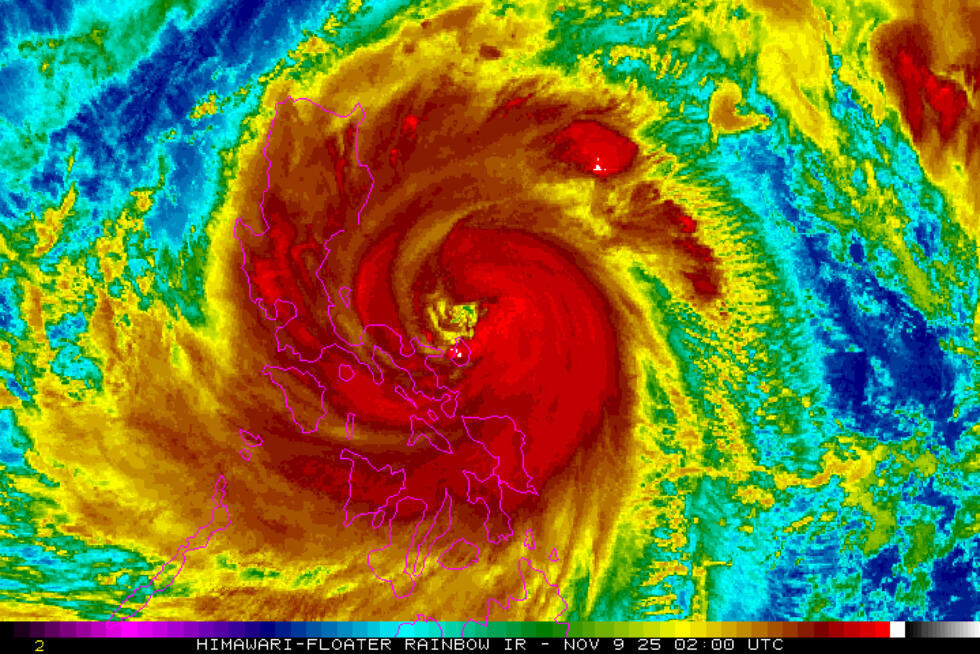
The storm, with a radius spanning nearly the whole of the Philippines, made landfall in Aurora province on the main island of Luzon at 9:10 pm (1310 GMT), the state forecaster reported.
Fung-wong is expected to bring wind and heavy rain to swathes of the archipelago nation, which just last week saw more than 220 people killed by Typhoon Kalmaegi.
Earlier Sunday, one of the already storm-stricken provinces in the central Philippines recorded the first known death from the new typhoon.
Rescuer Juniel Tagarino in Catbalogan City told AFP the body of a 64-year-old woman attempting to evacuate had been pulled out from under debris and fallen trees.
"The wind was so strong and the rain was heavy... According to her family members, she might have forgotten something and went back inside her house," Tagarino said.
The civil defence office later confirmed a second death, a person who drowned in a flash flood on Catanduanes island.
In Aurora, where the eye of the storm made landfall, government worker Aries Ora was boarding up his home in Dipaculao town with steel sheets and wooden boards.
"What really scares us is that the expected landfall is at night," the 34-year-old told AFP earlier on Sunday.
"Unlike previous typhoons, we won't be able to clearly see the movement of the wind and what's happening around us."
Further north, in Cagayan province, people sheltering in an evacuation centre told AFP that fear of flooding had convinced them to leave their homes.
"We often suffer flooding in our home, so when we were told to evacuate, we evacuated, because we would be trapped," said Loretta Salquina.
"The typhoon might blow away our roofs... We're safer here."
Schools and government offices have been ordered closed on Monday across the main island of Luzon, including the capital Manila, where nearly 300 flights have been cancelled.
'The ground was shaking'
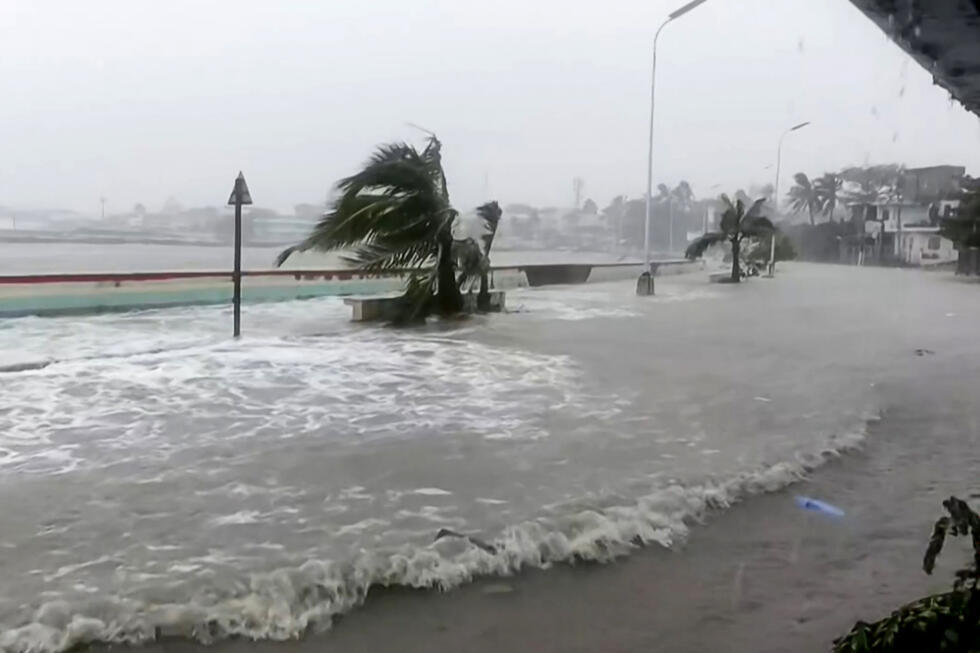
Catanduanes, a small island that the state weather service said could take a "direct hit", was already being lashed by wind and rain early Sunday, with storm surges sending waves hurtling over streets and floodwaters rising in some areas.
"The waves started roaring around 7:00 am. When the waves hit the seawall, it felt like the ground was shaking," Edson Casarino, 33, a resident of Catanduanes' Virac town, told AFP.
Video verified by AFP showed a church in the town surrounded by floodwaters that reached halfway up its entrance.
Flooding was also reported in southern Luzon's Bicol region, according to civil defence deputy administrator Rafaelito Alejandro, who later confirmed the preemptive evacuation of nearly 1.2 million people nationwide.
In Guinobatan, a town of about 80,000 in the region's Albay province, verified video showed streets transformed into a raging torrent of floodwaters.
Typhoon Fung-wong is expected to bring at least 200 millimetres (eight inches) of rain to many parts of the country, according to government meteorologists.
Scientists warn that storms are becoming more powerful due to human-driven climate change. Warmer oceans allow typhoons to strengthen rapidly, and a warmer atmosphere holds more moisture, meaning heavier rainfall.
'Strapping down the roofs'
On Saturday, Catanduanes rushed to prepare for the onslaught, with residents tying down their houses with ropes and putting weights on their roofs.

"They decided to do our tradition of strapping down the roofs with big ropes and anchoring them on the ground, so they won't be blown away by the wind," provincial rescue official Roberto Monterola told AFP.
Only days earlier, Typhoon Kalmaegi sent floodwaters rushing through the towns and cities of Cebu and Negros islands, sweeping away cars, riverside shanties and massive shipping containers.
READ MOREPhilippine president declares state of emergency in the wake of Typhoon Kalmaegi
The typhoon, the deadliest of 2025 according to disaster database EM-DAT, killed at least 224 people and left 109 missing, according to government figures.
Search and rescue efforts in Cebu were suspended on Saturday due to safety concerns over the approaching super typhoon.
(FRANCE 24 with AFP)
The Philippines is preparing for the impact of another powerful typhoon, less than a week after a deadly storm left at least 200 people dead and caused widespread devastation across the archipelago the BBC reports.
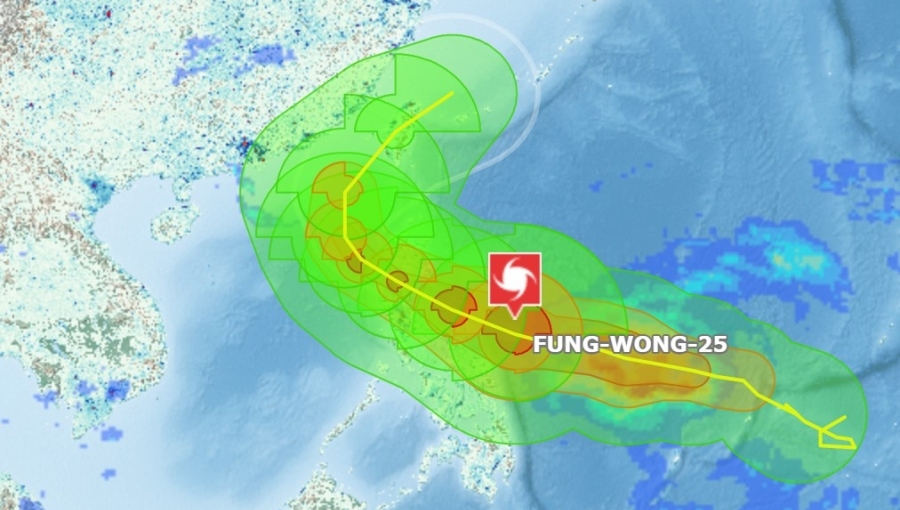
Typhoon Fung Wong, known locally as Uwan, is expected to strengthen into a super typhoon — with sustained winds of at least 185 km per hour before striking the main island of Luzon as early as the evening of November 9, according to the Philippine weather bureau/
Officials have warned that Fung Wong could prove even more intense than Typhoon Kalmaegi, which battered the country on November 4 and 5, triggering landslides, floods, and power outages. The new storm is forecast to bring torrential rainfall and dangerous storm surges to coastal regions.
Schools have cancelled classes on November 10 or shifted to online learning, while Philippine Airlines has suspended multiple domestic flights in anticipation of severe weather.
Authorities in the Philippines have said eastern provinces had already begun to experience heavy downpours and gusty winds as of late November 8 the BBC adds. It has also been projected that Fung Wong would make landfall between 12:00 GMT on Sunday and 12:00 GMT on Monday, before moving northwards towards Taiwan by November 11.
Preparations for the arrival of the storm are also underway across much of eastern Taiwan.
Although the storm is expected to weaken once it crosses land, meteorologists said it was likely to retain typhoon strength while passing over Luzon.
Fung Wong is the latest in a series of intense tropical storms to strike the Philippines and Taiwan this year, underscoring both nation’s growing vulnerability to extreme weather events linked to climate change.

No comments:
Post a Comment