Tungsten West produces first trial concentrate at Hemerdon mine in UK
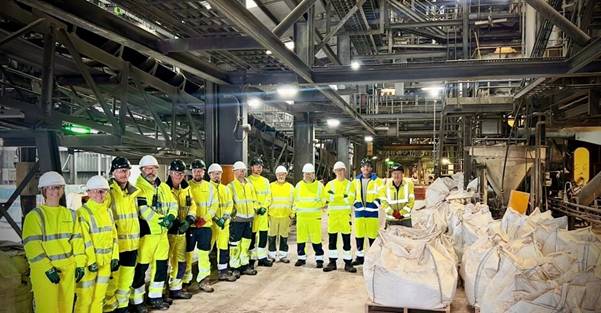
Tungsten West (LON: TUN) has successfully generated its first tungsten concentrate from the ongoing mineral processing trial towards restarting the Hemerdon mine in Devon, England.

The trial is being undertaken as part of a program focused on testing and optimizing the performance of key sections of the mine’s processing facility. The program is part of Tungsten West’s approach to de-risking operations and gathering technical data essential for the planned restart of full-scale production.
Tungsten is a smaller market, with an estimated value of around $5 billion in 2023. But the industries that depend on it are getting bigger, and it is the material of choice for a key defense application – what the military calls penetrators – high-density, armour-piercing projectiles.
Hemerdon, formerly known as Drakelands mine, or the Hemerdon Ball or Hemerdon Bal mine, has a history of mining activity. Operations date back to 1918, with production during both World Wars, according to the company’s website.
Further exploration and feasibility work were carried out in the 1980s. The site was later developed into a modern operation and produced tungsten and tin between August 2015 and October 2018 under previous operators. The mine is located 7 miles northeast of Plymouth, and is one of the largest tungsten resources in the world, the Plympton-headquartered miner said.
Tungsten West said the first concentrate production marks an important milestone in restarting operations at Hemerdon — a strategically important project to the UK and Europe that could provide a secure supply of tungsten outside of China, with restart of operations anticipated by late 2026.
“The progress we are making in this processing trial is an important milestone in restarting operations at Hemerdon and provides confidence to our neighbours, the environment agency, our investors and off-takers that we are moving towards production,” Tungsten West CEO Jeff Court said in a news release.
“We have ensured that all activities throughout this trial have been conducted to high environmental and operational standards,” Court continued. “As the need for a diversified source of tungsten intensifies, Hemerdon becomes an even more important strategic asset.”
Tungsten West’s London-listed shares closed the day up 12%. The company has a £21.28 million ($28 million) market capitalization.
Cove Capital to mine Kazakhstan tungsten in Trump-announced deal
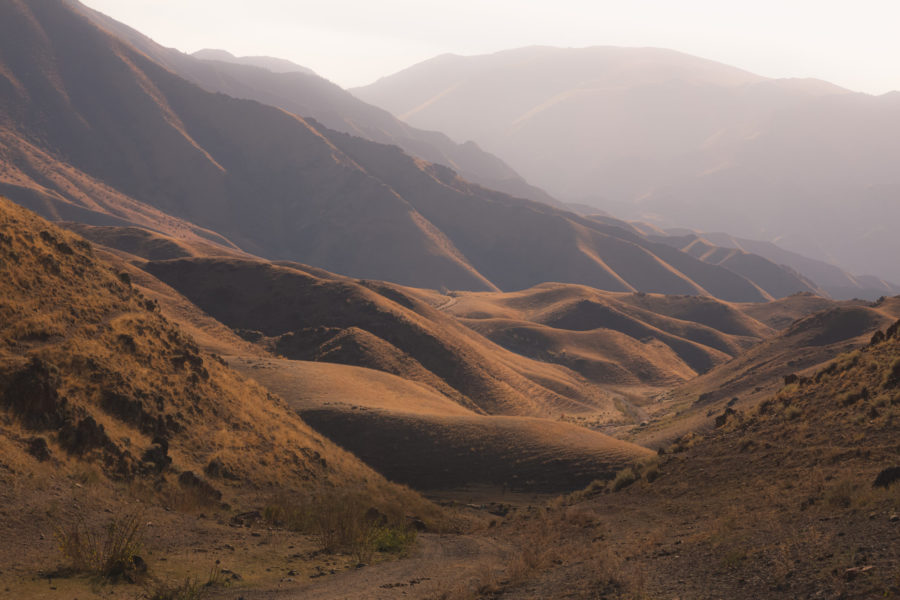
Mining investment firm Cove Capital will develop a large tungsten deposit in Kazakhstan with the state mining firm JSC Tau-Ken Samruk under a deal to be announced by the Trump administration on Thursday.
The agreement is part of a suite of deals announced between Washington and Astana to tighten economic partnerships between the countries.
Cove Capital will control 70% of a joint venture and sales of the metal, with Tau-Ken Samruk controlling the remaining 30%, according to a document seen by Reuters. Costs to develop the Northern Katpar and Upper Kairakty projects – in the country’s east – are estimated at $1.1 billion, while the US Export-Import Bank has issued a letter of interest to fund $900 million.
Tungsten, used to harden steel for a range of industries, is considered a critical mineral by the US government. The US has not mined the metal since 2015 and China is by far the world’s largest producer. Supplies of the metal from the Kazakhstan projects will be used “to prioritize US government and American commercial needs,” according to the document.
“This is a generational win for the US and its critical minerals needs,” Cove CEO Pini Althaus told Reuters.
Althaus, who was previously the CEO of USA Rare Earth, said US President Donald Trump and Commerce Secretary Howard Lutnick personally helped negotiate the deal to prevent Chinese companies from developing the asset.
“This has just been a very under-explored part of the world, from a US point of view, and vice versa,” Deputy Secretary of State Christopher Landau said at a C5+1 business conference event at the Kennedy Center on Thursday, which included Kazakhstan officials.
Mine construction should start within two years and production should commence within 3-1/2 years, with refining also occurring inside Kazakhstan, Althaus said.
(By Ernest Scheyder, Trevor Hunnicutt and Daphne Psaledakis; Editing by Rod Nickel)

No comments:
Post a Comment