A PIECE OF THE ACTION FOR PROTECTION
A minerals-for-security deal between the United States and the Democratic Republic of Congo is facing a constitutional challenge in Kinshasa, with critics warning the government may be underselling the country’s vast mineral wealth. The partnership was praised by US President Donald Trump during a visit to Washington last week by President Félix Tshisekedi.
Issued on: 09/02/2026 - RFI
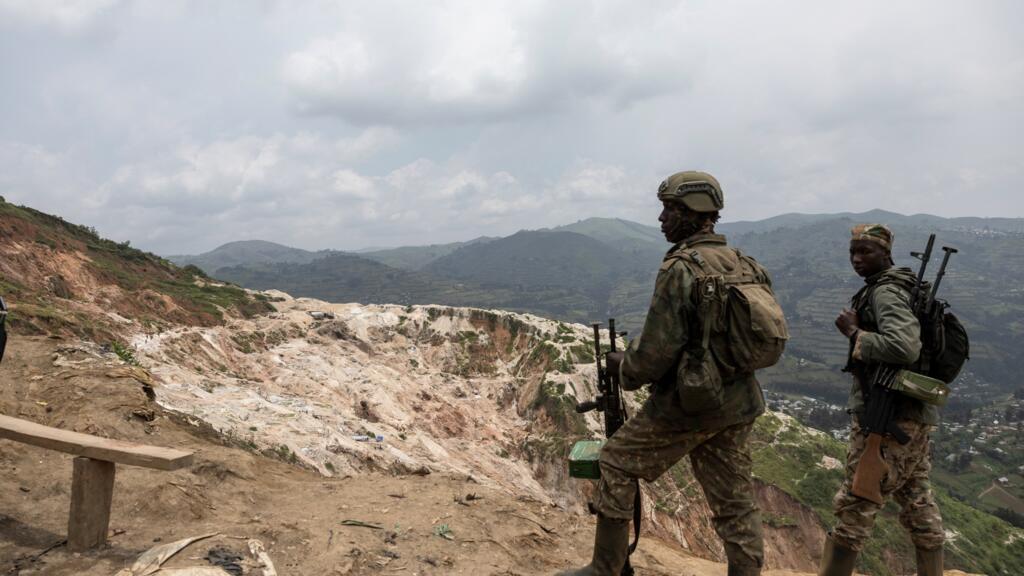
M23 soldiers stand at the mining pits in Rubaya on 5 March, 2025. Ravaged by conflict for 30 years, eastern DRC is believed to hold between 60% and 80% of the world's reserves of coltan, an essential mineral for manufacturing electronic equipment. © AFP - CAMILLE LAFFONT
By:Zeenat Hansrod
Congolese lawyers and human rights defenders filed a petition on 21 January arguing the agreement should have been approved by parliament and may even require a referendum under the constitution.
Last Thursday, Trump praised Tshisekedi at the annual National Prayer Breakfast in Washington – a gathering of US political leaders and foreign dignitaries – calling him a “good guy”.
Asking Tshisekedi to stand up and be applauded as a strong partner to the United States, Trump added that he was a “very brave and wonderful man".
The praise came two months after Congo and the United States signed a Strategic Partnership Agreement on critical minerals, linked to the Washington Accords, a US-brokered peace deal between Congo and Rwanda signed on 4 December by Tshisekedi and Rwandan President Paul Kagame.
By:Zeenat Hansrod
Congolese lawyers and human rights defenders filed a petition on 21 January arguing the agreement should have been approved by parliament and may even require a referendum under the constitution.
Last Thursday, Trump praised Tshisekedi at the annual National Prayer Breakfast in Washington – a gathering of US political leaders and foreign dignitaries – calling him a “good guy”.
Asking Tshisekedi to stand up and be applauded as a strong partner to the United States, Trump added that he was a “very brave and wonderful man".
The praise came two months after Congo and the United States signed a Strategic Partnership Agreement on critical minerals, linked to the Washington Accords, a US-brokered peace deal between Congo and Rwanda signed on 4 December by Tshisekedi and Rwandan President Paul Kagame.
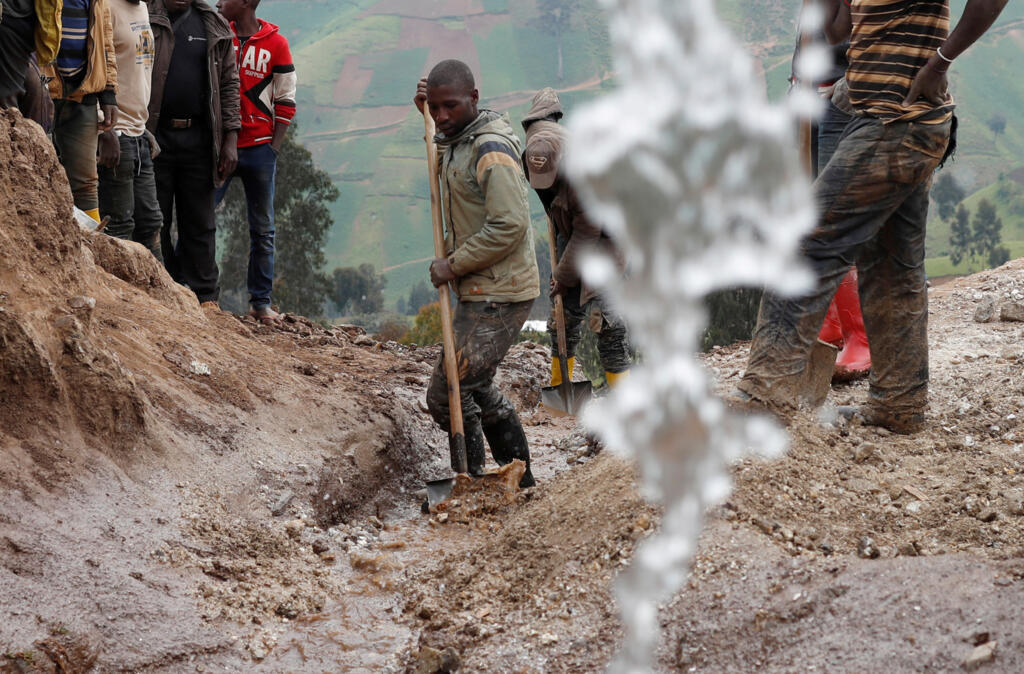
Miners work in a coltan mine in Birambo, Masisi territory, North Kivu Province of Democratic Republic of Congo, 1 December, 2018. © Reuters/Goran Tomasevic
Minerals and security
The move gives the US preferential access to Congolese minerals including cobalt and coltan – which are essential for batteries, electronics and defence manufacturing.
Washington says the arrangement will help stabilise eastern Congo while reducing US reliance on China for critical minerals.
In early February, the United States stepped up efforts to secure critical mineral supply chains. Secretary of State Marco Rubio convened 54 countries and the European Commission for talks on critical minerals, attended by Tshisekedi and six other African delegations.
Last December, while celebrating his “America First” foreign policy, Trump told supporters: “I actually stopped the war with Congo and Rwanda. And they said to me, ‘Please, please, we would love you to come and take our minerals.’ Which we’ll do.”
The agreement has triggered debate in Congo about sovereignty, oversight and who benefits from the country’s mineral wealth.
RFI spoke to Maurice Carney, who heads Friends of the Congo, a Washington-based organisation supporting the Congolese lawyers and civil-society groups behind the constitutional challenge.
RFI: The Trump administration is selling this agreement as a big win for both the Americans and the Congolese. Trump said Tshisekedi and he signed the largest minerals deal in US-Africa history. How is it violating the Congolese constitution?
Maurice Carney: It violates various aspects of the constitution, in particular section 214, which states that international agreements should go through the Congolese parliament and may even be subjected to a referendum. The lawyers are arguing that this never happened.
It hasn’t been presented to parliament, even though the agreement calls for changes in Congo’s laws, fiscal policy, mining laws and quite possibly constitutional changes.If you look at what has unfolded over the past year in Congo’s market, the Congolese government instituted a ban on cobalt because it felt the Chinese were flooding the market and wanted to rein in cobalt exports, which it was able to do successfully.
Now, according to this agreement with the United States, if Congo wanted to do that again in the future, it would be required to report quarterly to the US ambassador in Kinshasa about any fiscal or trade policy changes it would like to make. It would also have to be presented to the Joint Steering Committee for discussion and consensus.
The Joint Steering Committee of this agreement is made up of five US representatives and five DRC representatives.
Minerals and security
The move gives the US preferential access to Congolese minerals including cobalt and coltan – which are essential for batteries, electronics and defence manufacturing.
Washington says the arrangement will help stabilise eastern Congo while reducing US reliance on China for critical minerals.
In early February, the United States stepped up efforts to secure critical mineral supply chains. Secretary of State Marco Rubio convened 54 countries and the European Commission for talks on critical minerals, attended by Tshisekedi and six other African delegations.
Last December, while celebrating his “America First” foreign policy, Trump told supporters: “I actually stopped the war with Congo and Rwanda. And they said to me, ‘Please, please, we would love you to come and take our minerals.’ Which we’ll do.”
The agreement has triggered debate in Congo about sovereignty, oversight and who benefits from the country’s mineral wealth.
RFI spoke to Maurice Carney, who heads Friends of the Congo, a Washington-based organisation supporting the Congolese lawyers and civil-society groups behind the constitutional challenge.
RFI: The Trump administration is selling this agreement as a big win for both the Americans and the Congolese. Trump said Tshisekedi and he signed the largest minerals deal in US-Africa history. How is it violating the Congolese constitution?
Maurice Carney: It violates various aspects of the constitution, in particular section 214, which states that international agreements should go through the Congolese parliament and may even be subjected to a referendum. The lawyers are arguing that this never happened.
It hasn’t been presented to parliament, even though the agreement calls for changes in Congo’s laws, fiscal policy, mining laws and quite possibly constitutional changes.If you look at what has unfolded over the past year in Congo’s market, the Congolese government instituted a ban on cobalt because it felt the Chinese were flooding the market and wanted to rein in cobalt exports, which it was able to do successfully.
Now, according to this agreement with the United States, if Congo wanted to do that again in the future, it would be required to report quarterly to the US ambassador in Kinshasa about any fiscal or trade policy changes it would like to make. It would also have to be presented to the Joint Steering Committee for discussion and consensus.
The Joint Steering Committee of this agreement is made up of five US representatives and five DRC representatives.
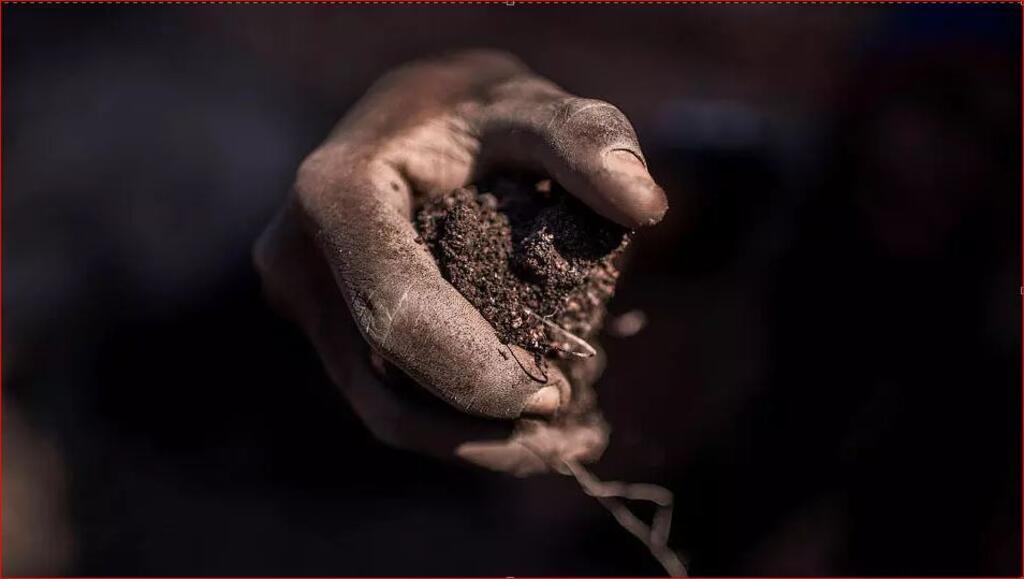
The Democratic Republic of Congo is the world’s largest producer of cobalt. © Getty Images
RFI: Is Trump or the Trump family personally gaining from the strategic partnership agreement with DRC, given reports documenting how Trump and his family have profited since his accession to the White House, reaping billions shadowed by conflicts of interest?
MC: I know there are groups here in Washington doing investigative work to see whether Trump and his family are benefiting, but they haven’t released their reports yet.
We do know that people close to him are lined up to benefit from some of these investments. For example, Bloomberg News has reported that former campaign finance co-chair Gentry Beach, who runs a company in Texas, is preparing to invest in the Rubaya coltan mines currently under occupation by the M23 and Rwandan soldiers.
RFI: China is made to look like a big bad wolf, thriving in eastern DRC’s unstable environment, according to Congressman Ronny Jackson, keeping American companies out by colluding with Kinshasa to impose unreasonable taxes on them. How fair and sustainable do you think the US will be compared with China?
MC: That’s a good question. I think the characterisation of China is really a mischaracterization because China has just been ahead of the United States. It has been willing to go into the Congo where the United States has not.
The United States had one of the largest copper and cobalt mines in the Congo through its company Freeport McMoRan and had ownership of the Tenke Fungurume mines. They sold them on the market and China bought them.
So the US is trying to play catch up. We don’t know the extent to which it will be successful. But certainly, China hasn’t been a bad actor.
It has done business with the Congolese government and negotiated with the Congolese government. That’s what there is to it.
As for the agreement that’s been signed, the United States has laws and standards, and we don’t see them being applied. For example, when entering into agreements abroad around minerals, we usually seek prior and informed consent from local communities. Local communities in Congo have been excluded from all these discussions.
There are questions of labour rights, human rights and environmental rights, and we haven’t seen any of those pursued by the United States before any of these deals have been signed or money has been distributed.
Some 50 members of Congress wrote to Trump in 2025 calling on the administration to address how the minerals-for-security agreement would deal with labour, human rights, environmental protections and informed consent from local communities. We haven’t seen a response to that letter.
RFI: Is Trump or the Trump family personally gaining from the strategic partnership agreement with DRC, given reports documenting how Trump and his family have profited since his accession to the White House, reaping billions shadowed by conflicts of interest?
MC: I know there are groups here in Washington doing investigative work to see whether Trump and his family are benefiting, but they haven’t released their reports yet.
We do know that people close to him are lined up to benefit from some of these investments. For example, Bloomberg News has reported that former campaign finance co-chair Gentry Beach, who runs a company in Texas, is preparing to invest in the Rubaya coltan mines currently under occupation by the M23 and Rwandan soldiers.
RFI: China is made to look like a big bad wolf, thriving in eastern DRC’s unstable environment, according to Congressman Ronny Jackson, keeping American companies out by colluding with Kinshasa to impose unreasonable taxes on them. How fair and sustainable do you think the US will be compared with China?
MC: That’s a good question. I think the characterisation of China is really a mischaracterization because China has just been ahead of the United States. It has been willing to go into the Congo where the United States has not.
The United States had one of the largest copper and cobalt mines in the Congo through its company Freeport McMoRan and had ownership of the Tenke Fungurume mines. They sold them on the market and China bought them.
So the US is trying to play catch up. We don’t know the extent to which it will be successful. But certainly, China hasn’t been a bad actor.
It has done business with the Congolese government and negotiated with the Congolese government. That’s what there is to it.
As for the agreement that’s been signed, the United States has laws and standards, and we don’t see them being applied. For example, when entering into agreements abroad around minerals, we usually seek prior and informed consent from local communities. Local communities in Congo have been excluded from all these discussions.
There are questions of labour rights, human rights and environmental rights, and we haven’t seen any of those pursued by the United States before any of these deals have been signed or money has been distributed.
Some 50 members of Congress wrote to Trump in 2025 calling on the administration to address how the minerals-for-security agreement would deal with labour, human rights, environmental protections and informed consent from local communities. We haven’t seen a response to that letter.
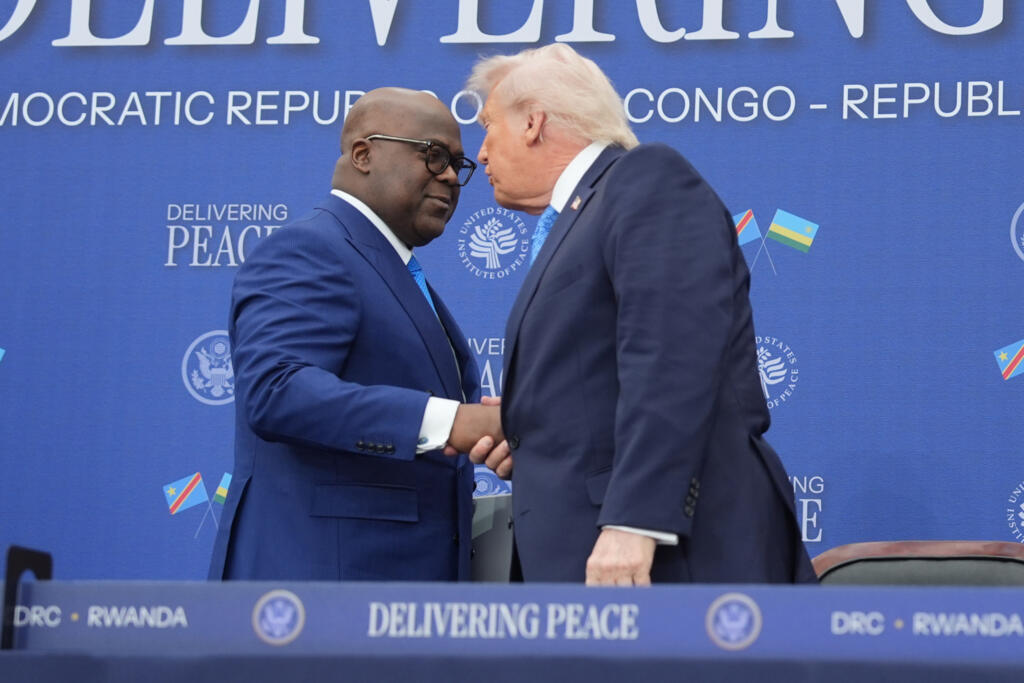
Democratic Republic of the Congo President Felix Tshisekedi (L) shakes hand with United States President Donald Trump (R) at the signing ceremony of the Washington Accords with Rwanda on 4 December 2025. © AP/Evan Vucci
RFI: How is Congo’s rapprochement with Washington affecting relations with China?
MC: China hasn’t said much, and I’m not sure there’s much that can be said.
The Chinese do business differently on a global scale than the United States. They confine themselves mostly to business transactions, economics and trade, whereas the United States gets involved in politics.
RFI: How is that going to translate on the ground, in terms of China’s presence in DRC?
MC: At the moment, it’s a status quo. China got its deals.
The deals aren’t being challenged by the DRC government. In fact, one of the big questions before the agreement was made public was what the DRC had to offer, considering China controls about 80 percent of the copper and cobalt mines in the Congo.
You see that the United States is not able to encroach on those deals, other than the aspect of the strategic partnership agreement that says Congo can offer its minority stake in existing deals.
If you look at the deals being established, the US government has had to, for example with the Orion and Glencore deal, establish joint partnerships.
In fact, the US doesn’t even have mining companies there. They’re setting up and trying to catch up. China is in the pole position, so to speak.
The big question is whether the United States will be able to catch up. China is far ahead, not only in minerals extraction but also in processing and refining across the supply chain.
RFI: Is the US government investing more than American private companies in DRC through this agreement?
MC: Absolutely. The US government is taking the lead and investing in two areas. One is the mines for critical minerals. The second is infrastructure to ship those minerals out, particularly through the Lobito Corridor in Angola.
What we see unfolding is not just memorandums of understanding and agreements, but money and investment flowing directly from the US government. We’re up to around 3.8 billion dollars lined up to be invested through the International Development Finance Corporation.
This interview has been lightly edited for clarity
RFI: How is Congo’s rapprochement with Washington affecting relations with China?
MC: China hasn’t said much, and I’m not sure there’s much that can be said.
The Chinese do business differently on a global scale than the United States. They confine themselves mostly to business transactions, economics and trade, whereas the United States gets involved in politics.
RFI: How is that going to translate on the ground, in terms of China’s presence in DRC?
MC: At the moment, it’s a status quo. China got its deals.
The deals aren’t being challenged by the DRC government. In fact, one of the big questions before the agreement was made public was what the DRC had to offer, considering China controls about 80 percent of the copper and cobalt mines in the Congo.
You see that the United States is not able to encroach on those deals, other than the aspect of the strategic partnership agreement that says Congo can offer its minority stake in existing deals.
If you look at the deals being established, the US government has had to, for example with the Orion and Glencore deal, establish joint partnerships.
In fact, the US doesn’t even have mining companies there. They’re setting up and trying to catch up. China is in the pole position, so to speak.
The big question is whether the United States will be able to catch up. China is far ahead, not only in minerals extraction but also in processing and refining across the supply chain.
RFI: Is the US government investing more than American private companies in DRC through this agreement?
MC: Absolutely. The US government is taking the lead and investing in two areas. One is the mines for critical minerals. The second is infrastructure to ship those minerals out, particularly through the Lobito Corridor in Angola.
What we see unfolding is not just memorandums of understanding and agreements, but money and investment flowing directly from the US government. We’re up to around 3.8 billion dollars lined up to be invested through the International Development Finance Corporation.
This interview has been lightly edited for clarity

No comments:
Post a Comment