Twenty-four families on Tuesday filed a legal complaint at the Paris Court of Justice against the French state and baby milk manufacturers for negligence over their handling of contaminated formula. They are calling for the products to be tested by an independent laboratory.
Issued on: 10/02/2026 - RFI
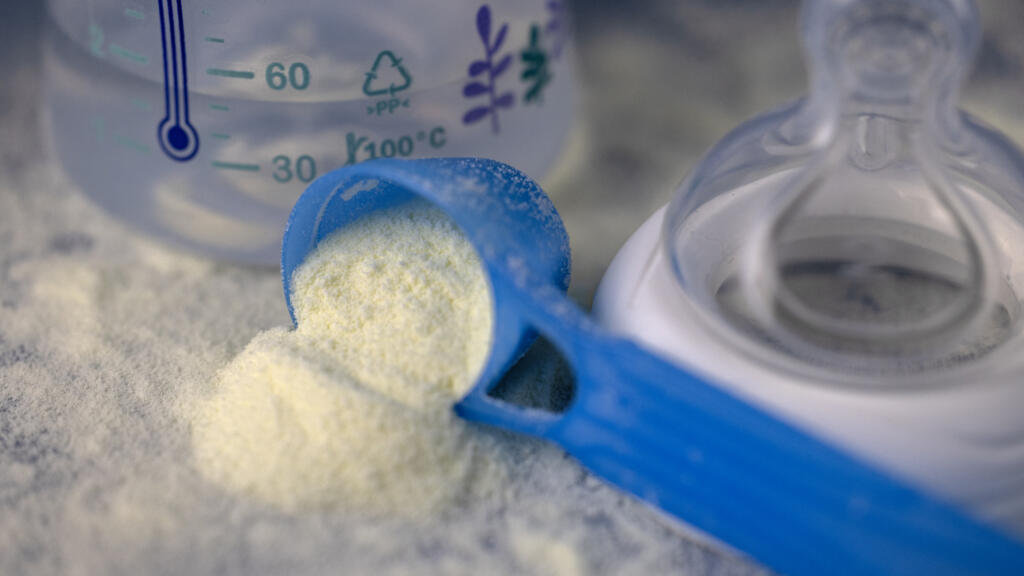
Europe's infant milk formula industry has been rocked by recalls in recent weeks. © Fred Tanneau / AFP
Several manufacturers, such as giants Nestlé, Danone and Lactalis, have issued recalls of infant formula in more than 60 countries, including France, since December due to a risk of cereulide contamination.
Cereulide, a toxin produced by certain bacteria, is "likely to cause primarily digestive problems, such as vomiting or diarrhoea," according to the French health ministry.
Two criminal investigations have already been opened in Angers and Bordeaux following the deaths of two infants who consumed infant formula recalled by Nestlé due to "possible contamination" by a bacterial substance.
The French health ministry said that no "causal link" has yet been established.
According to information and testimonies gathered by Radio France's investigative unit, other families have come forward to criticise what they say are inadequate health investigations.
The families - members of the Intox'Alim collective - filed a legal complaint on Tuesday, accusing both the French state and manufacturers of "deliberate endangerment, continued supply of dangerous goods, unintentional injury, and obstruction of justice".
They are demanding that the milk powder be analysed by an independent laboratory to establish a link between the consumption of this milk and their children's hospitalisations or episodes of illness.
Families denounced the fact that the health authorities referred them to Nestlé which then asked families to return the milk powder to them so that they can carry out their own analyses.
"This procedure raises serious issues. By asking parents to return the powder to Nestlé, the manufacturer is effectively conducting a health investigation that directly concerns it," says Nathalie Goutaland, the lawyer representing 24 families in this case.
When contacted by Radio France's investigative unit, the Ministry of Agriculture assured that manufacturers' laboratories are adequate, adding that official assessments may be carried out at a later date.
Ignoring the risks
The National Agency for Food, Environmental and Occupational Health and Safety (Anses) is the only public laboratory in France capable of detecting and quantifying cereulide toxin, but with limited capacity.
A similar lawsuit was filed on 29 january on behalf of eight French families by European consumer association Foodwatch. They said their babies suffered severe digestive problems after drinking formula named in the December recall.
The complaint, while not naming the manufacturers or government agencies, calls for a legal investigation.
Foodwatch believes that producers could not have ignored the risks to babies by leaving their milk on sale in France and in more than a dozen European countries, as well as in Australia, Russia, Qatar or Egypt
The recall of potentially contaminated infant formula has heaped scrutiny on Chinese firm Cabio Biotech, the supplier of an ingredient used in infant formula which is suspected of being tainted.
Headquartered in the central Chinese city of Wuhan, Cabio Biotech is one of the world's largest producers of ARA, a fatty acid used primarily in baby formula and food products.
Cereulide was discovered in ARA manufactured by Cabio Biotech.
Last Monday the EU's food safety agency proposed new reference doses for the toxin, prompting a further recall of products.
Several manufacturers, such as giants Nestlé, Danone and Lactalis, have issued recalls of infant formula in more than 60 countries, including France, since December due to a risk of cereulide contamination.
Cereulide, a toxin produced by certain bacteria, is "likely to cause primarily digestive problems, such as vomiting or diarrhoea," according to the French health ministry.
Two criminal investigations have already been opened in Angers and Bordeaux following the deaths of two infants who consumed infant formula recalled by Nestlé due to "possible contamination" by a bacterial substance.
The French health ministry said that no "causal link" has yet been established.
According to information and testimonies gathered by Radio France's investigative unit, other families have come forward to criticise what they say are inadequate health investigations.
The families - members of the Intox'Alim collective - filed a legal complaint on Tuesday, accusing both the French state and manufacturers of "deliberate endangerment, continued supply of dangerous goods, unintentional injury, and obstruction of justice".
They are demanding that the milk powder be analysed by an independent laboratory to establish a link between the consumption of this milk and their children's hospitalisations or episodes of illness.
Families denounced the fact that the health authorities referred them to Nestlé which then asked families to return the milk powder to them so that they can carry out their own analyses.
"This procedure raises serious issues. By asking parents to return the powder to Nestlé, the manufacturer is effectively conducting a health investigation that directly concerns it," says Nathalie Goutaland, the lawyer representing 24 families in this case.
When contacted by Radio France's investigative unit, the Ministry of Agriculture assured that manufacturers' laboratories are adequate, adding that official assessments may be carried out at a later date.
Ignoring the risks
The National Agency for Food, Environmental and Occupational Health and Safety (Anses) is the only public laboratory in France capable of detecting and quantifying cereulide toxin, but with limited capacity.
A similar lawsuit was filed on 29 january on behalf of eight French families by European consumer association Foodwatch. They said their babies suffered severe digestive problems after drinking formula named in the December recall.
The complaint, while not naming the manufacturers or government agencies, calls for a legal investigation.
Foodwatch believes that producers could not have ignored the risks to babies by leaving their milk on sale in France and in more than a dozen European countries, as well as in Australia, Russia, Qatar or Egypt
The recall of potentially contaminated infant formula has heaped scrutiny on Chinese firm Cabio Biotech, the supplier of an ingredient used in infant formula which is suspected of being tainted.
Headquartered in the central Chinese city of Wuhan, Cabio Biotech is one of the world's largest producers of ARA, a fatty acid used primarily in baby formula and food products.
Cereulide was discovered in ARA manufactured by Cabio Biotech.
Last Monday the EU's food safety agency proposed new reference doses for the toxin, prompting a further recall of products.

No comments:
Post a Comment