Gulf war drives up demand for Asian EV
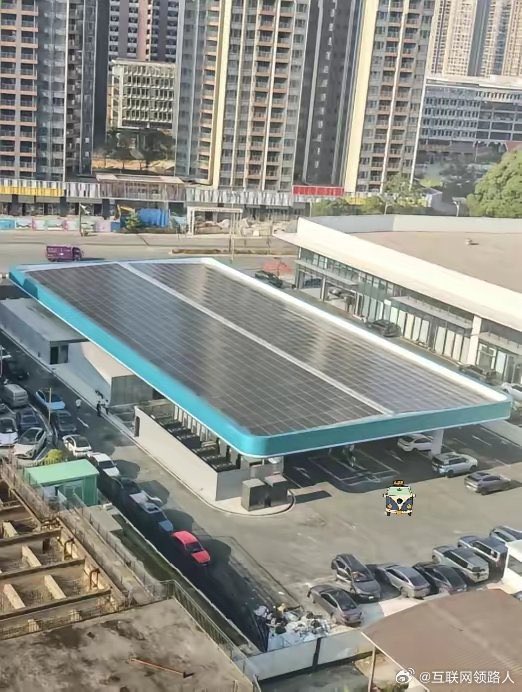
Chinese electric vehicle maker BYD has launched a large-scale supercharging station supported by on-site solar panels and a battery energy storage system (BESS), as the company deepens its push into integrated clean energy infrastructure.
The facility combines high-capacity charging technology with renewable power generation and storage, allowing the station to operate with reduced reliance on the grid.
In parallel with the rapid development of solar panel technology, China is also a global leader in the battery revolution that smooths out the unreliable generating cycle of renewables. The inclusion of a BESS enables the station to store excess solar energy generated during peak sunlight hours and deploy it when demand is high.
Demand for EV surging
Asian electric vehicle makers are seeing a surge in demand as higher oil prices linked to the Iran conflict push consumers to reconsider petrol-powered cars, Bloomberg reported on March 21.
At a BYD dealership in Manila’s financial district, sales activity has accelerated sharply in recent weeks. “Clients are replacing units in favor of EVs because of the oil price hikes,” said Matthew Dominique Poh, a salesman at the outlet, adding that he had seen a month’s worth of orders in just two weeks.
Similar trends are emerging across the region. In Hanoi, Nguyen Hoang Tu Anh said VinFast showrooms had expanded staffing after customer visits quadrupled, resulting in the sale of 250 electric vehicles in the three weeks since the war began. That equates to more than 80 units a week, roughly double the company’s average sales pace in 2025.
Consumers are increasingly motivated by cost considerations. “Switching to EV will help us significantly save money,” said Lai The Manh Linh, a 41-year-old telecom employee who replaced a petrol-powered Toyota Vios with a VinFast electric model for his daily 60–70 kilometre commute.
The shift reflects broader pressure from fuel markets. The Pacific region has been particularly exposed, with about 80% of crude shipments through the Strait of Hormuz typically destined for Asian markets before the route was disrupted.
“Higher oil prices always help the transition to electric vehicles,” said Albert Park, chief economist of the Asian Development Bank. “It creates economic incentives to accelerate the green transition.”
However, sustaining the momentum will depend on structural improvements. “Affordability and charging have always been the two biggest factors hindering EV adoption,” said Joanna Chen, analyst at Bloomberg Intelligence, noting that upfront costs remain higher than for conventional cars in most markets outside China.
Even before the latest oil shock, EV adoption had been rising across Asia. In China, electric and plug-in hybrid vehicles account for more than half of total car sales, supported by government policy. Southeast Asia has also seen rapid uptake, with adoption rates approaching 40%, according to think tank Ember.
“We were previously less upbeat about EV demand in 2026, as the government’s lower subsidy made EV prices less attractive compared with conventional fuel-powered vehicles,” said Surapong Paisitpatnapong, spokesman for the Federation of Thai Industries’ automobile industry group. “If oil prices stay at current levels or rise further, we expect a significant increase in EV demand.”

No comments:
Post a Comment