Friday, August 22, 2025


Ozone will warm planet more than first thought


University of Reading


The world will warm more than expected due to future changes in ozone, which protects Earth from harmful sun rays but also traps heat as it is a greenhouse gas. 

While banning ozone-destroying gases such as CFCs has helped the ozone layer to recover, when combined with increased air pollution the impact of ozone could warm the planet 40% more than originally thought.  

A new study led by the University of Reading found that from 2015 to 2050, ozone is expected to cause 0.27 watts per square meter (Wm⁻²) of extra warming. This figure - which measures how much extra energy gets trapped per square metre of Earth's surface - would make ozone the second largest contributor to future warming by 2050 after carbon dioxide (1.75 Wm⁻² of extra warming). 

Professor Bill Collins, lead author from the University of Reading, said: “Countries are doing the right thing by continuing to ban chemicals called CFCs and HCFCs that damage the ozone layer above Earth. However, while this helps repair the protective ozone layer, we have found that this recovery in ozone will warm the planet more than we originally thought.  

“Air pollution from vehicles, factories and power plants also creates ozone near the ground, causing health problems and warming the planet.” 

Simulating the atmosphere 

The research, published today (Thursday, 21 August) in Atmospheric Chemistry and Physics, used computer models to simulate how the atmosphere will change by the middle of the century. The models followed a scenario with low implementation of air pollution controls, but with CFCs and HCFCs being phased out as mandated by the Montreal Protocol (1987). 

The findings show that stopping CFC and HCFC production - done mainly to protect the ozone layer - provides less climate benefit than previously calculated. CFCs and HCFCs are greenhouse gases that warm the planet. Countries banned them to save the ozone layer, expecting this would also help fight climate change. But as the ozone layer heals, it creates more warming that cancels out most of the climate benefits from removing CFCs and HCFCs. 

Countries that reduce air pollution will limit some ozone formation near the ground. However, the ozone layer will continue repairing itself for decades regardless of air quality policies, creating unavoidable warming.  

Protecting the ozone layer remains crucial for human health and preventing skin cancer. The ozone layer shields Earth from dangerous ultraviolet radiation that can harm people, animals and plants. However, the research suggests climate policies need updating to account for ozone's larger warming effect.  


Inaugural editorial of Sustainable Carbon Materials


Biochar Editorial Office, Shenyang Agricultural University

Sustainable Carbon Materials 

image: 

Sustainable Carbon Materials

view more 

Credit: Roger Ruan, Xiangke Wang, & Yaning Zhang


Introducing Sustainable Carbon Materials—a new peer-reviewed, open-access journal dedicated to advancing fundamental and applied research on carbon-based materials! 
As a multidisciplinary global platform, we foster innovation in this rapidly expanding field by publishing high-impact reviews, original research, rapid reports, perspectives, commentaries, and correspondence.

Broad Scope Includes:
✅ Synthesis & characterization of graphene, nanotubes, fullerenes & more
✅ Physical/chemical properties for electronics, optics, and spintronics
✅ Energy applications (batteries, supercapacitors, fuel cells)
✅ Environmental solutions (water treatment, carbon capture)
✅ Biomedical innovations (drug delivery, bioimaging)
✅ Composites, theory, industrial tech, sustainability & recycling

Unmissable Opportunity:
📢 No Article Processing Charges (APCs) in 2025–2027!
Accepted papers during this period will be published free of charge—maximize your reach without cost barriers.
Submit Today!


Our submission portal is now open at:
https://www.maxapress.com/scm 

Drive solutions for energy, environment, economy, and a resilient future!

Free to read, share, and build upon (CC BY 4.0)!

Join editors Roger Ruan, Xiangke Wang & Yaning Zhang in advancing a sustainable civilization!

https://www.maxapress.com/article/doi/10.48130/scm-0025-0001

Learn more: https://www.maxapress.com/article/doi/10.48130/scm-0025-0001 

Italy's Ventina glacier has melted so much geologists now can only monitor it remotely


Copyright Lombardy Glaciology Service via AP

By SILVIA STELLACCI with AP
Published on 19/08/2025 -

After 130 years of direct measurement, the retreat of Italy’s Ventina glacier will now be tracked by drones due to rapid melting and unstable terrain.


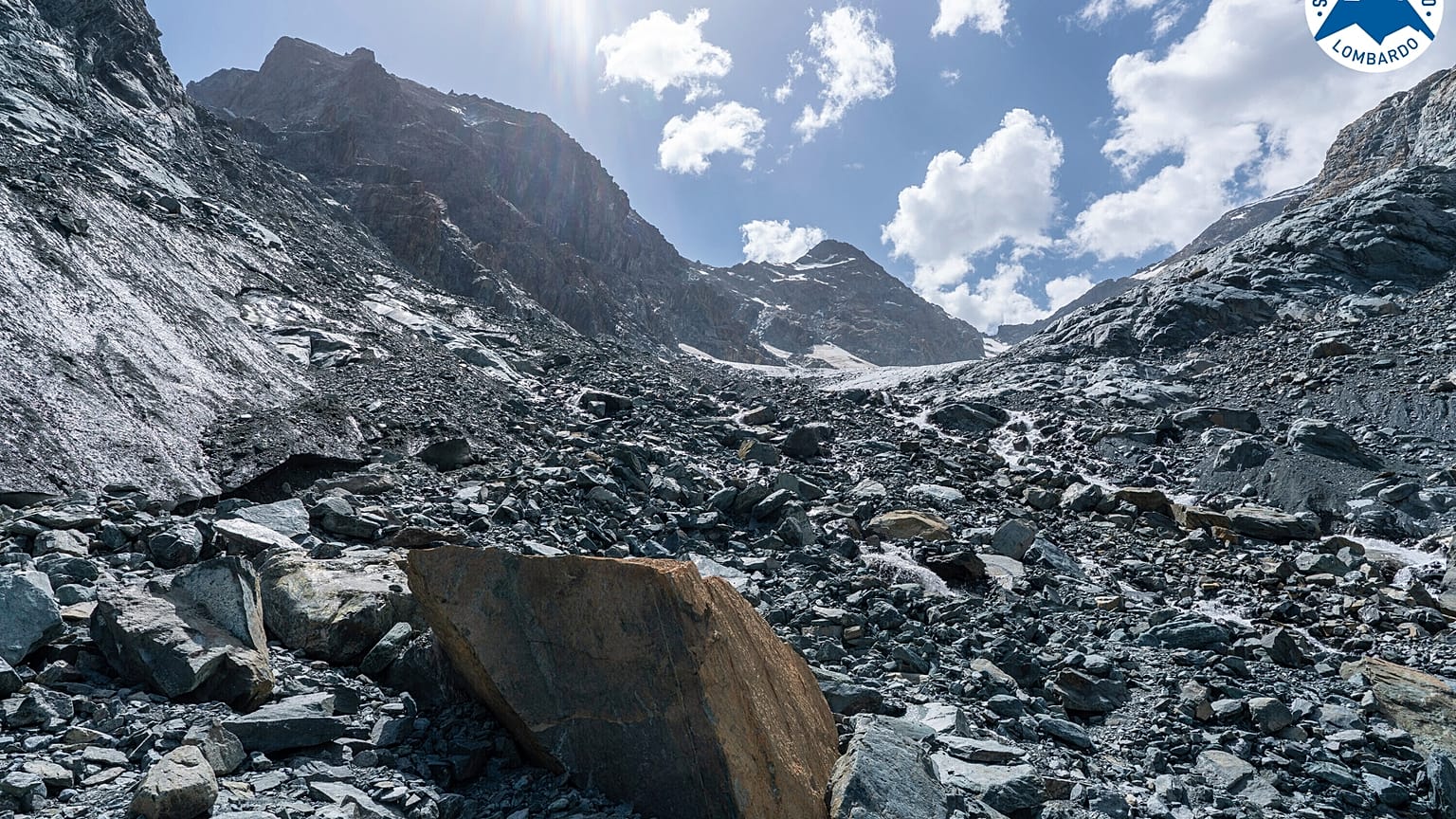
Italy’s Ventina glacier, one of the biggest in northern Lombardy, has melted so much due to climate change that geologists can no longer measure it the way they have for the past 130 years.

After this year’s hot summer, geologists discovered that the simple stakes used as benchmarks to measure the glacier’s retreat each year are now buried under rockslides. Debris has made the terrain too unsteady for future in-person visits.

The Lombardy Glaciological Service said Monday that it will now use drone imagery and remote sensing to keep track of the ongoing shrinkage of the glacier, which is located near Sondrio, in the same general area of northeast Lombardy that is hosting some 2026 Winter Olympics events.

An overview of the Ventina glacier, near Sondrio, northern Italy in 1985. Lombardy Glaciology Service via AP

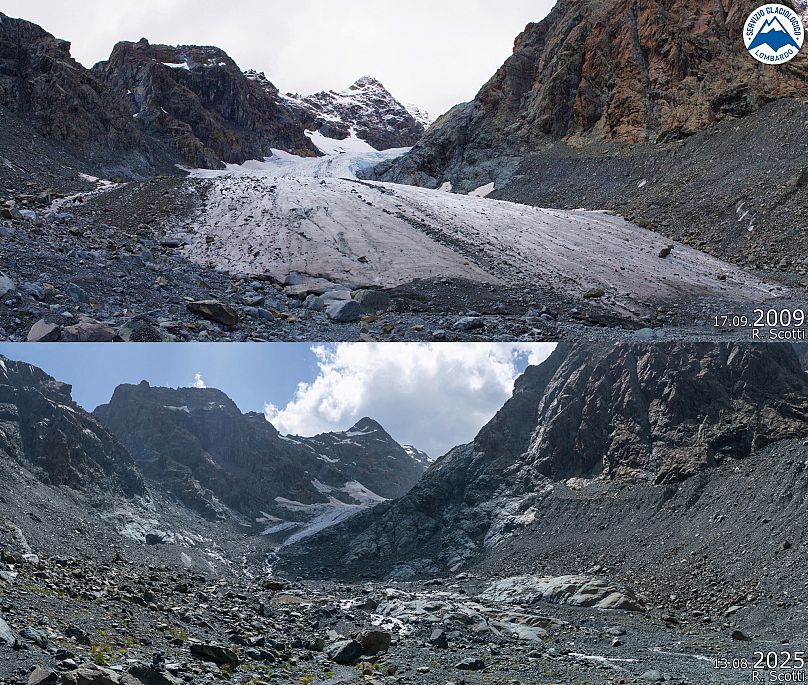
Geologists say that the Ventina glacier has already lost 1.7 kilometres in length since the first measuring benchmarks were positioned at the front of the glacier in 1895.

Related Glaciers are losing more water each year than the world will consume in three decades, study warns

The melting has accelerated in recent years, with the glacier losing 431 metres in the last 10 years, nearly half of that since 2021, the service said. It's another example of how accelerating global warming is melting and shrinking Europe’s glaciers, causing a host of environmental and other impacts.

A combo image of an overview of the Ventina glacier, near Sondrio, northern Italy, in 2009, above, and same view on Wednesday 13 August 2025. Lombardy Glaciology Service via AP

“While we could still hope until the 1980s that there would be normal cycles (of retraction) or at least a contained retraction, in the last 40 years something truly striking has occurred,” said Andrea Toffaletti, a member of the Lombardy Glaciological Service.

Hot summers and less snow are melting Italy's glaciers

Italy’s mountain glaciers, which are found throughout the Alps and Dolomites in the north and along the central Apennines, have been receding for years, thanks to inadequate snowfall in the winter and record-setting hot summers.

Glaciers always melt some in summer, with the runoff fueling mountain streams and rivers.

But the hot summers are “no longer able to guarantee the survival of the winter snowpack,” which keeps the glacier intact, Toffaletti said.

“In order to regenerate and remain in balance, a certain amount of residual snow from the winter must remain on the glacier's surface at the end of the summer. And this is happening less and less frequently,” said Toffaletti.

Related

Climate change turns Alpine glaciers into ‘Swiss cheese’, raising water and power concerns

According to the Lombardy service, the Alps represent a climate hotspot, recording double the global average of temperature increases since pre-industrial times, resulting in the loss of over 64 per cent of the volume of Alpine glaciers.

In February, the journal Nature reported on a study showing the world’s glaciers lost ice at the rate of about 231 billion tonnes annually from 2000 to 2011, but that quickened to about 314 billion tonnes annually over about the next decade.
Crackdown on 'forever chemicals' expands ahead of EU rules overhaul


Copyright European Union - Atte Kajova

By Gerardo Fortuna
Published on 20/08/2025 

As the EU prepares a broader reform of its chemical legislation, the European Chemicals Agency has updated its proposal to restrict “forever chemicals,” adding new sectors to the scope of its planned ban.

The European Chemicals Agency (ECHA) on Wednesday expanded its proposal to restrict so-called “forever chemicals” from eight new industrial and commercial sectors as the long-awaited revision of the EU’s flagship chemical safety law, REACH, continues to gather pace.

First manufactured in the 1940s, per- and polyfluoroalkyl substances (PFAS) are prized for their water, grease, and heat resistance, making them essential in everything from non-stick cookware and waterproof clothing to semiconductors and firefighting foams.

However, their extreme persistence in the environment has earned them the label “forever chemicals.”

Studies have linked PFAS exposure to serious health conditions, including liver disease, hormonal disruption, and certain cancers, raising alarm among scientists and regulators alike.

A restriction proposal of these chemicals was originally submitted in January 2023 by five European authorities—Denmark, Germany, the Netherlands, Norway, and Sweden.

The group of countries, collectively known as the ‘dossier submitter’, revised its plan targeting over 10,000 PFAS substances after evaluating more than 5,600 comments gathered during a public consultation.

New sectors under review


The ECHA's expanded proposal now covers printing, sealing, and machinery applications, as well as certain medical uses such as immediate packaging and pharmaceutical excipients.

Military and explosives applications are also added, alongside technical textiles and broader industrial uses, such as solvents and catalysts.

These sectors join a growing list of industries facing possible restrictions under what could become the world’s most comprehensive ban on PFAS.

While the central thrust of the proposal remains a broad ban, ECHA has also assessed more flexible regulatory options.

These include allowing continued use of PFAS in certain industries (such as electronics, energy, and transport) provided that risks can be adequately controlled.

Another updated document detailing these scenarios now serves as the basis for opinions by ECHA’s scientific committees, which may further refine the plan.

The road to REACH reform

The ultimate goal is a near-total phaseout, with time-limited derogations for essential applications in healthcare, defence, and high-tech sectors where no alternatives currently exist.

The broader revision of REACH is expected in December 2025, when the European Commission will present a formal legislative proposal, setting the course for Europe’s chemicals policy in the decades to come.

This review is expected to modernise and simplify EU rules, introducing changes such as time-limited registration validity, mandatory dossier updates, digital safety data sheets, and stronger enforcement measures.

Early drafts were already shared with national experts in April 2025, marking the final stages of internal consultation.

The Commission has already confirmed on several occasions that the REACH revision will include provisions clarifying the regulation of PFAS, though a universal restriction is expected to follow separately.

In parallel, sector-specific measures, such as the existing ban on PFAS in firefighting foams, continue to advance under the current framework.

The updated ECHA proposal marks a decisive step in what could become one of the most significant chemical regulatory efforts in Europe’s history.

Cheetah cubs destined for the illegal trade in exotic wildlife rescued in Somaliland

Copyright CRCC via AP

By EVELYNE MUSAMBI with AP
Published on 21/08/2025 - 

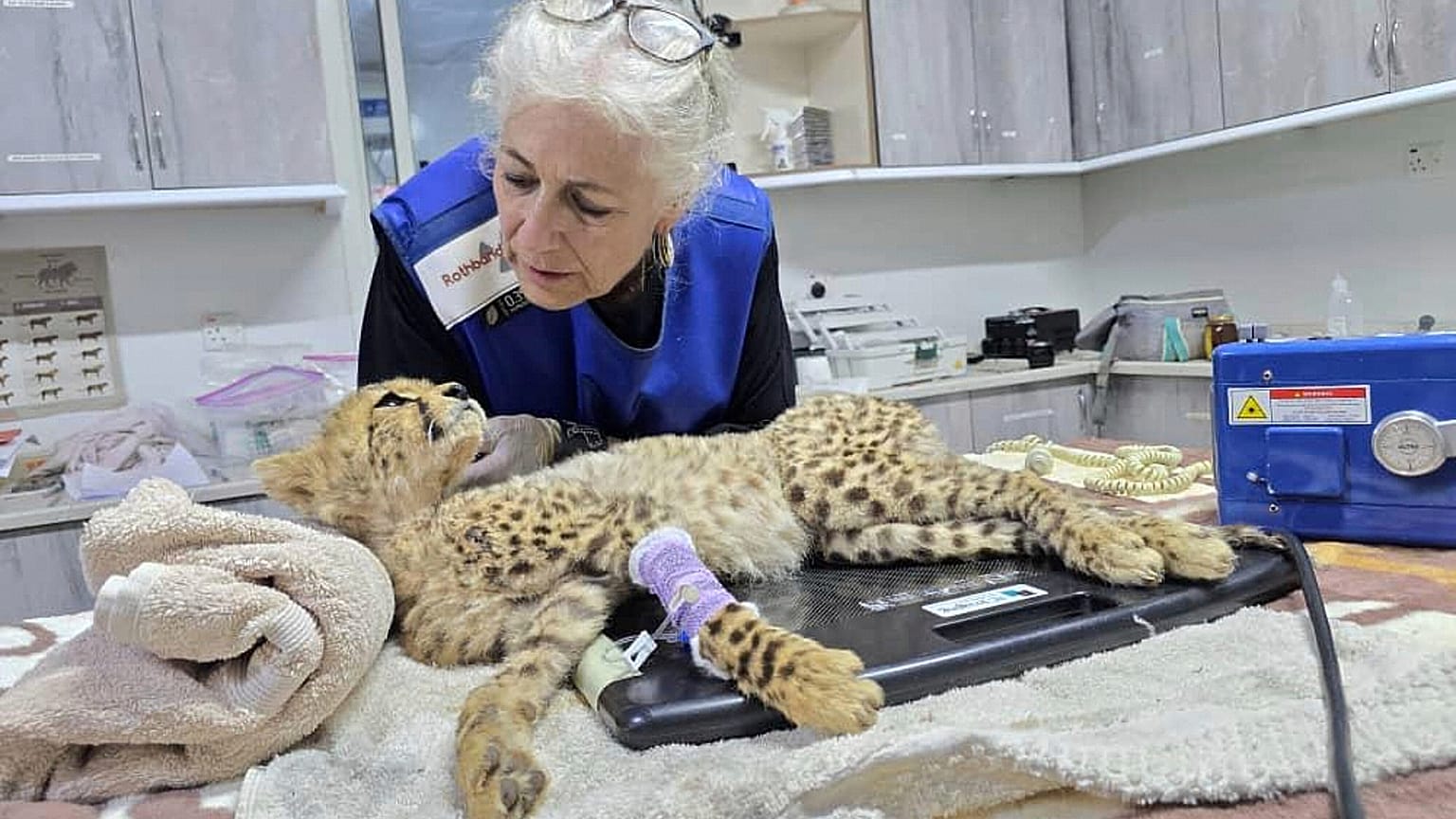
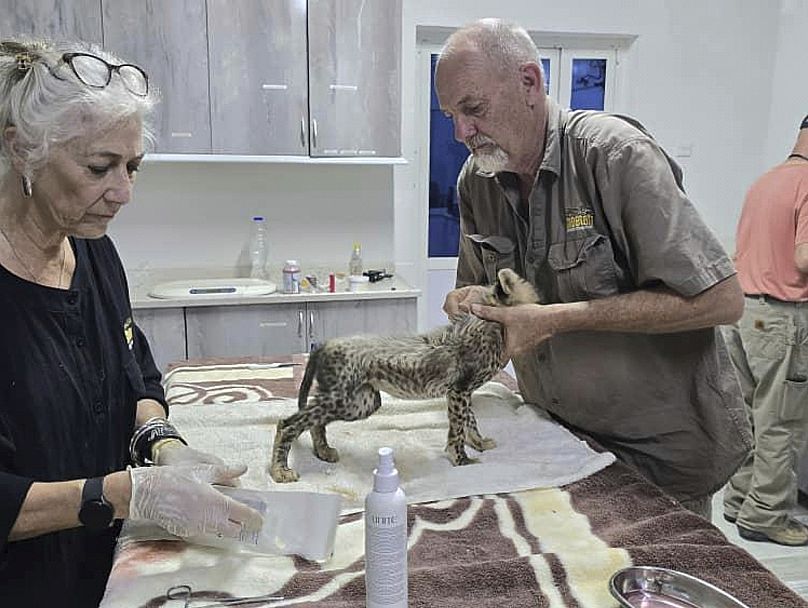
One eight-month-old cub was unable to walk after being tied up for six months, while a five-month-old was “very malnourished".

Ten cheetah cubs held in captivity since birth and destined for international wildlife trade markets have been rescued in Somaliland, a breakaway region of Somalia

Laurie Marker, the founder of the Cheetah Conservation Fund (CCF), which is caring for the cubs, said Wednesday they were all in a stable condition despite all of them having been undernourished and limping due to being tied in captivity for months.

She said one eight-month-old cub was unable to walk after being tied up for six months, while a five-month-old was “very malnourished (a bag of bones), with sores all over her body and full of botfly maggots which are under the skin.”

“But with cubs like this, we need to start them onto on food slowly due to refeeding syndrome, similar to people in starvation,” she added.


One of 10 cheetah cubs rescued from the illegal wildlife pet trade receives treatment at the Cheetah Rescue and Conservation Centre. CRCC via AP

Two people who were in possession of the cubs were arrested during a 14 August operation in the northern Sallahley District. The authorities have urged the public to report suspected wildlife trade activities.

Environment Ministry Director Abdinasir Hussein Said told journalists that the cheetah cubs have joined a group of 109 others rescued in similar operations.
A transit hub for the illegal wildlife trade

Somaliland is a major transit hub for the illegal wildlife trade. Hundreds of cheetahs and leopards from the Horn of Africa have been transported to Gulf countries through the Gulf of Aden.

Possession of wildlife is illegal in Somaliland, and police often crack down on suspected traders.

“We encourage the people of Somaliland to protect wildlife in their natural habitats, as their best interests lie there,” said Hussein. “We can imagine the distress of a mother being separated from her young.

"These animals are currently suffering due to being separated from their mothers, which may lead to the mothers experiencing stress and potentially dying. Once again, we emphasise the importance of protecting wildlife in their habitats.”

Conservationists in the Horn of Africa have previously expressed concern over the rise in demand for exotic pets in Gulf countries and the resulting illegal trade affecting ecosystems in Horn of Africa nations.

Thursday, August 21, 2025

Telefonica renewed one Huawei 5G contract in Spain until 2030, report says

 VivaTech conference dedicated to innovation and startups in Paris


Reuters
Thu, August 21, 2025 


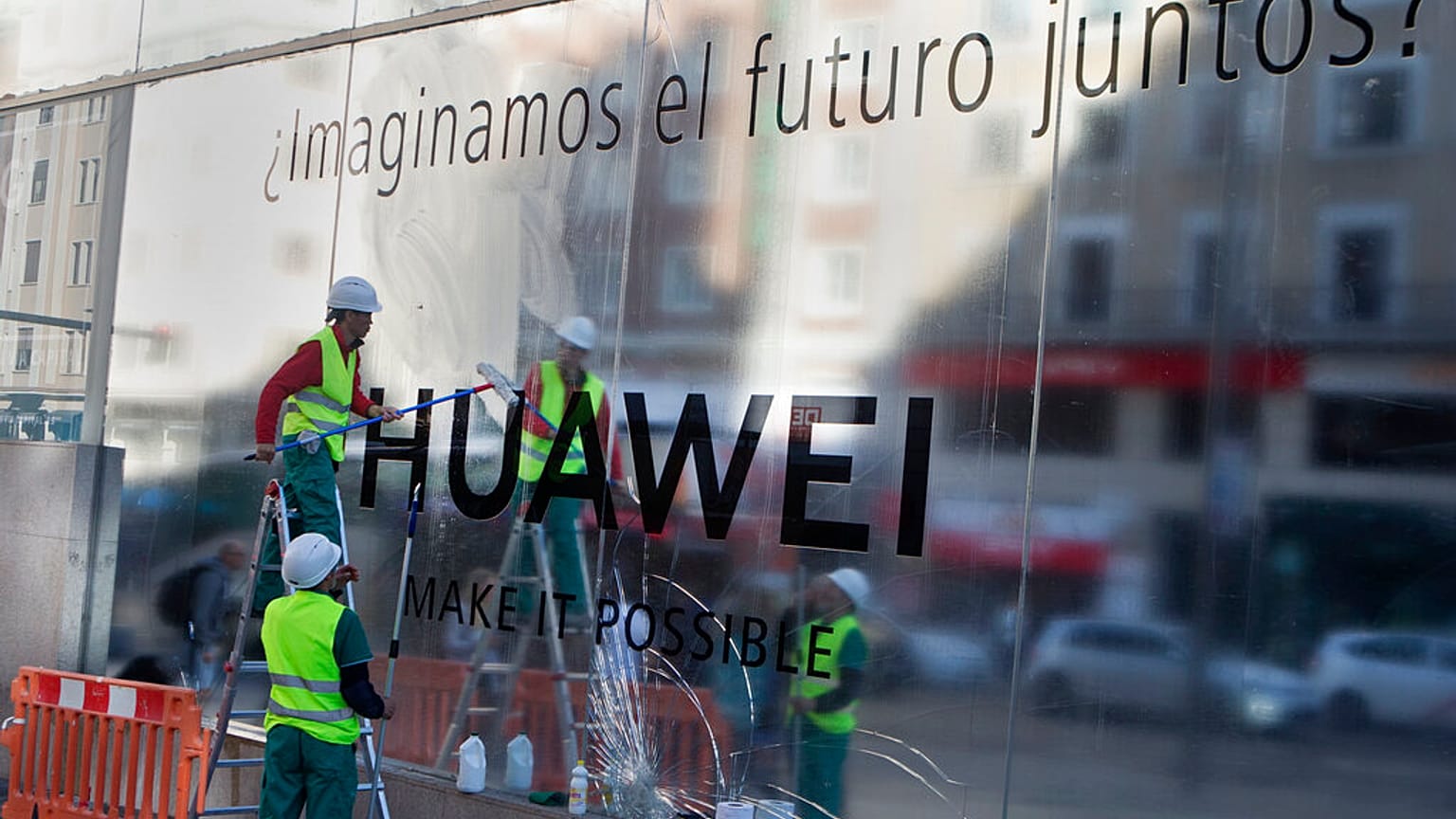
MADRID (Reuters) -Telefonica renewed a contract with Chinese manufacturer Huawei to supply equipment for its 5G mobile core network for retail customers in Spain until 2030, El Pais newspaper reported on Thursday, citing unnamed industry sources.

Telefonica renewed that contract in late 2024 and, in early 2025, it awarded to rival manufacturer Nokia a contract for 5G core for its service to companies and government institutions, El Pais said.

Telefonica's Chief Operating Officer Emilio Gayo told Reuters last month that the company was "reducing its exposure to Huawei" in Spain to comply with EU recommendations to telecom operators to phase out Huawei-made devices over concerns they pose a potential security risk.

A spokesperson for Telefonica said the company would not comment on individual contracts and Gayo did not immediately respond to a request for comment.

Huawei declined to comment.

Some European countries, including Germany, have passed outright bans on the use of Huawei gear, while Spain has not.

(Reporting by Inti Landauro and Paul Sandle; Editing by Emelia Sithole-Matarise)

US lawmakers urge investigation into Spain's deal with Huawei amid national security concerns


Copyright Paul White/Copyright 2019 The AP. All rights reserved

By Maria Muñoz Morillo
Published on 21/08/2025 

American lawmakers accused Spain of putting US national security at risk by contracting Chinese tech giant Huawei to handle sensitive data.

A pair of American lawmakers have accused the Spanish government of putting US national security at risk by contracting the Chinese telecommunications giant Huawei to handle sensitive data.

Pedro Sánchez's government has been facing backlash for weeks over the multimillion-euro deal, which would see Huawei manage and store sensitive data related to judicial wiretaps.

US President Donald Trump's administration has demanded that Sánchez cancel the agreement, threatening to cut off intelligence cooperation. The US considers Huawei an extension of the Chinese state and a potential instrument of espionage.

The Spanish government has kept publicly quiet amid the criticism.

Now, two US Congressmen are raising their own concerns. In a letter to US Commerce Secretary Howard Lutnick dated August 8, they said the plan has serious implications for US digital security, privacy, and commercial interests, and that it would hurt US workers.

Reps. Richard Hudson and Gus Bilirakis, both Republicans, cited Huawei's ties to the Chinese Communist Party (CCP) and noted that Trump previously banned Huawei and another Chinese firm, ZTE, from US telecommunications infrastructure in 2019.

The key American concern is that Huawei will be forced to share data under the mandate of Xi Jinping's Chinese government, and that this sensitive information will fall into the hands of the CCP.

In the letter, Hudson and Bilirakis accused the EU and especially Spain of having a double standard, restricting data transfers with the US on privacy grounds, but allowing the free flow of data to China. They said the US-EU Data Privacy Framework (DPF) has been invalidated several times by the EU, creating legal uncertainty for US companies.

The lawmakers called on the US Commerce Department to investigate decisions by Spain and other EU governments that may adversely affect US digital commerce.

The European Commission, the European Union's executive arm, has also raised concerns over Huawei and ZTE.

In 2023, the Commission said member states would be "justified" in restricting or excluding the Chinese companies from their 5G networks because they come with "materially higher risks than other 5G suppliers".
Europeans back minimum tax for large multinationals and the super-rich
Copyright EuronewsBy Carolina Cardoso   &   Loredana DumitruPublished on 21/08/2025 

The majority of EU citizens are willing to increase environmental taxes, and most support the introduction of a minimum tax for the super-rich.

The latest Eurobarometer survey on taxation shows that citizens are open to policy shifts that would make taxes fairer and greener.

In 2024, 80% of respondents agreed that large multinational companies should pay a minimum tax in every country where they operate.

Nearly two-thirds (65%) of respondents support the introduction of a tax for the wealthiest individuals (the top 0.001%) to ensure they pay a minimum level of taxes. Support is highest in Hungary (78%), Bulgaria (71%) and Croatia (71%).

Those who oppose such a tax are concerned about competitiveness, investment, and potential capital flight.

When it comes to fairness, only one in five European Union citizens believes that tax contributions in their country are proportional to income and wealth "to a large extent", with most respondents being more sceptical.

The system is considered most fair in Finland and Luxembourg, while Latvia, Czechia, Lithuania and Poland are ranked lowest when it comes to taxation fairness.

Among those who agree with higher taxes for improved public services, nearly half would first target tobacco and alcohol, and one-third would increase taxes on investment income like interest or rent.

Nearly six in ten EU citizens favour using fiscal measures to discourage the usage or consumption of environmentally harmful goods and polluting energy. Most would prioritise taxes on non-recyclable or hard-to-recycle products, followed by plastics and greenhouse gas emissions.

As for what citizens want the EU to prioritise in terms of taxation issues, the number one issue is tackling tax avoidance and evasion, which costs member states billions of euros each year. The second priority is preventing double taxation between EU countries.

In the EU, nearly 90% of the revenue available to national governments comes from taxes.


FUKUSHIMA SHRIMP?!

Walmart recalls frozen shrimp in the US over potential radioactive contamination


Copyright Canva

By Euronews with AP
Published on 21/08/2025 


One food safety expert says the risk is low from the recalled shrimp, which was sold in 13 US states.

Walmart has recalled frozen, raw shrimp sold in parts of the United States because health officials there say it could have potential radioactive contamination.

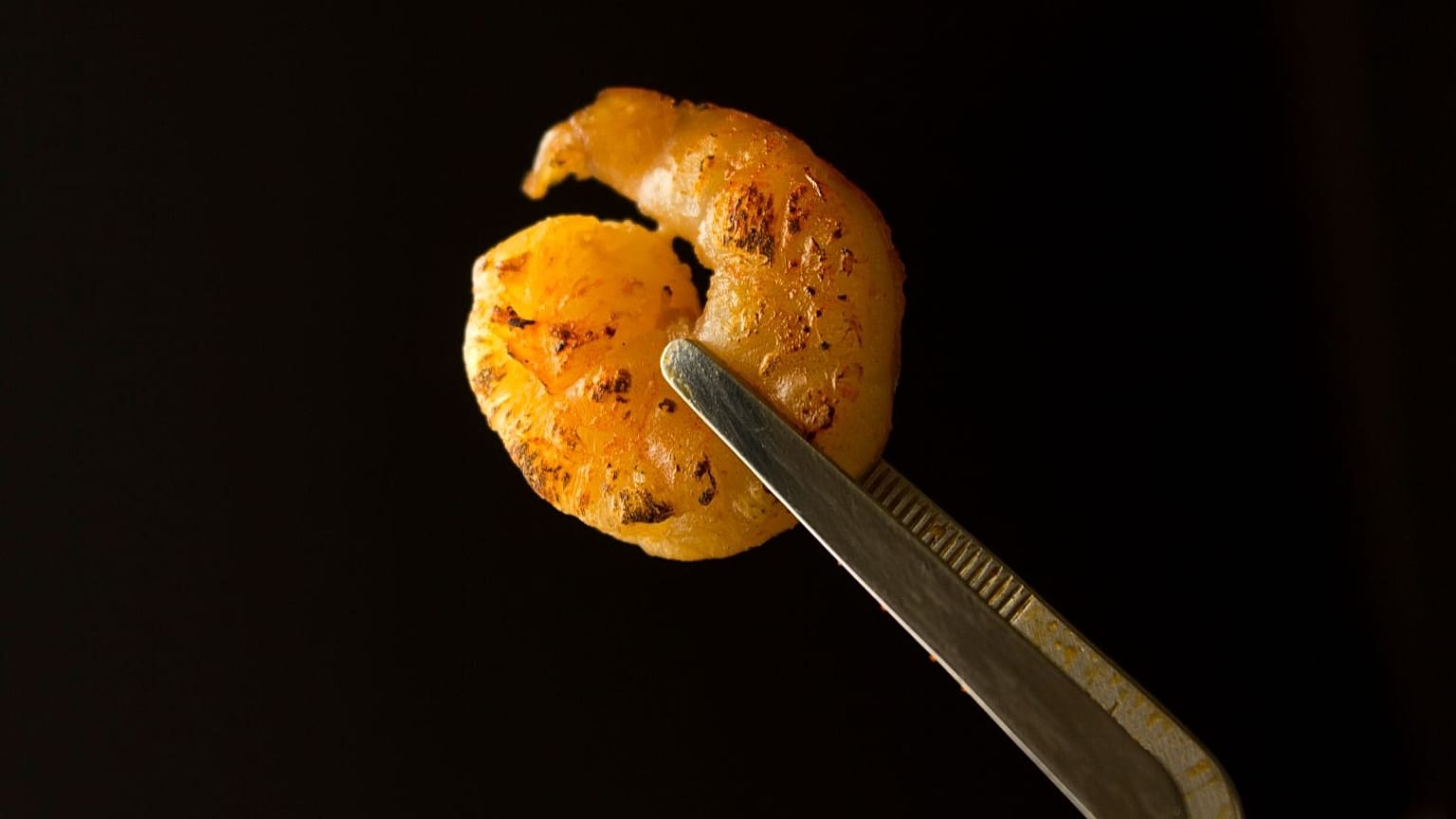
The US Food and Drug Administration (FDA) asked Walmart to pull three lots of Great Value brand frozen shrimp from stores after federal officials detected Cesium-137, a radioactive isotope, in shipping containers and a sample of breaded shrimp imported from Indonesia.


The products could pose a “potential health concern” for people exposed to low levels of Cesium-137 over time, FDA officials said.

“If you have recently purchased raw frozen shrimp from Walmart that matches this description, throw it away,” FDA officials said in a statement.

The risk from the recalled shrimp is “quite low,” said Donald Schaffner, a food safety expert at Rutgers University.

Cesium-137 is a byproduct of nuclear reactions, including nuclear bombs, testing, reactor operations, and accidents. It’s widespread around the world, with trace amounts found in the environment, including soil, food, and air.

The level detected in the frozen breaded shrimp was far lower than FDA intervention levels. However, the agency said that avoiding potentially contaminated products could reduce exposure to low-level radiation that could lead to health problems over time.

The FDA is investigating reports of Cesium-137 contamination in shipping containers and products processed by PT Bahari Makmur Sejati, doing business as BMS Foods of Indonesia.

US Customs and Border Protection officials alerted FDA that they found Cesium-137 in shipping containers sent to US ports in four cities across the country.
RelatedDeath toll rises to 4 in botulism outbreak in Italy

FDA officials collected several product samples and detected contamination in one sample of frozen breaded shrimp. The shipping containers and products were denied entry into the U.S.

However, the FDA then learned that Walmart had received potentially affected products imported after the first detection, from shipments that did not trigger contamination alerts.

Walmart immediately recalled the products, a company spokesperson said. The shrimp was sold in 13 states.
Palestinian groups in Lebanon begin handing over weapons under state deal

Some Palestinian armed groups in Lebanese refugee camps started handing over their weapons Thursday as part of a state-backed deal aimed at establishing government control and enabling a state monopoly on arms.


Issued on: 21/08/2025 - 
By: FRANCE 24

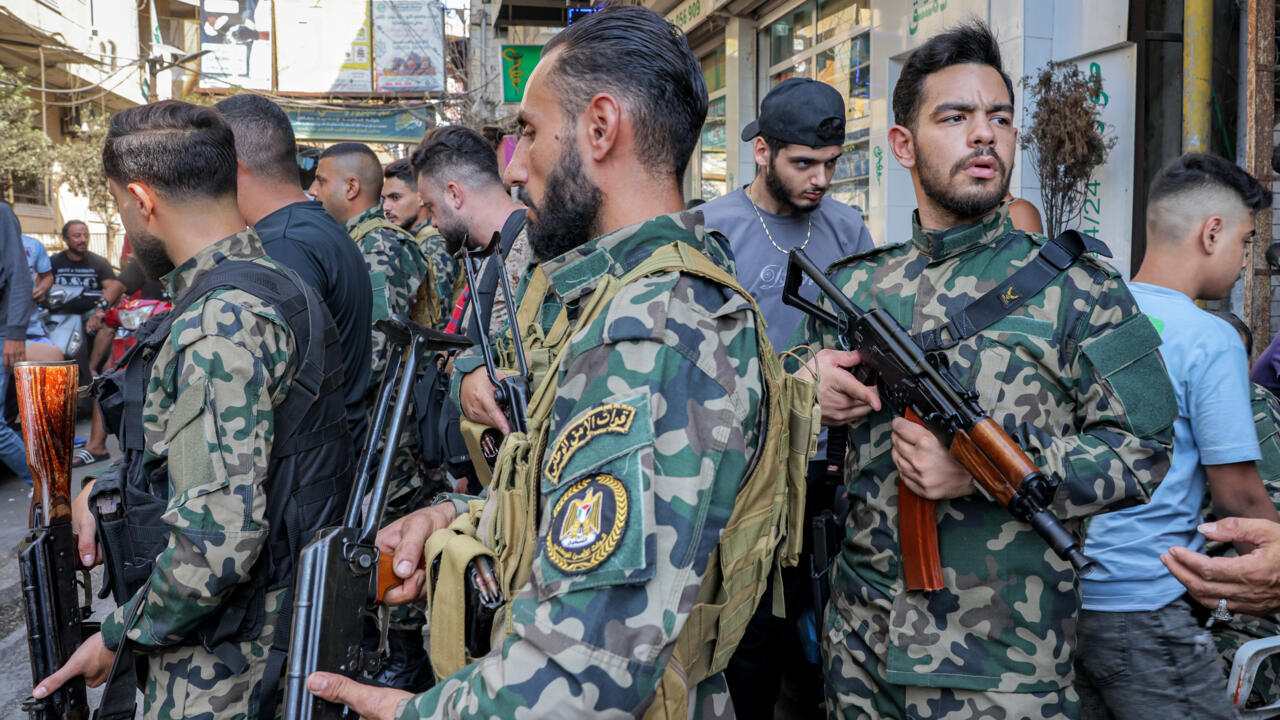
File photo shows Palestinian fighters in the Burj al-Barajneh camp for Palestinian refugees in Beirut's southern suburbs. © Anwar Amro, AFP

Palestinian factions began handing over some of the weapons held in a refugee camp on the outskirts of Beirut to the Lebanese army Thursday, an initial step in implementing a plan officials announced three months earlier for removing arms from the camps.

It was a modest first step. One pickup left the camp loaded with light weapons packed in bags. The butts of machine guns could be seen protruding from some of the sacks.

It remains unclear whether all factions will abide by the decision.

Representatives of Hamas and the allied Palestinian Islamic Jihad did not respond to requests for comment.

A spokesperson for Hamas sent a statement signed by “the Palestinian Factions in Lebanon” that called Thursday’s handover of weapons “an internal organizational matter within the Fatah movement” that “has no connection, near or far, to the issue of Palestinian weapons in the camps.”

It added, “Our weapons have always been and will always be linked to the right of return and the just Palestinian cause and will remain so as long as the occupation remains on Palestinian soil.”

The decision to remove weapons from the camps was announced in May during a visit by Palestinian President Mahmoud Abbas to Lebanon, during which he and Lebanese President Joseph Aoun announced that arms would be consolidated under the authority of the Lebanese government.

The step of removing weapons from the camps was seen as a precursor to the much more difficult step of disarming the Lebanese militant group Hezbollah, which last year fought a bruising war with Israel that ended in a ceasefire in November. The group has been under domestic and international pressure since then to give up its remaining arsenal, which it has so far refused to do.

Read moreHezbollah leader accuses govt of ‘handing’ Lebanon to Israel with disarmament plan

Implementation of the plan for the Palestinian camps was delayed amid disagreements among and within the various Palestinian factions operating in Lebanon, which include Abbas’ Fatah movement, the rival Hamas group and a range of other Islamist and leftist groups, over the mechanism for handing over the weapons.

Ramez Dimashkieh, head of the Lebanese-Palestinian Dialogue Committee, a government body that serves as an interlocutor between Palestinian refugees and officials, said in a statement that the handover of weapons Thursday at the Burj al-Barajneh camp south of Beirut “will be the first step, with further batches to be delivered in the coming weeks from Burj al-Barajneh camp and the rest of the camps,” the statement said.

Nabil Abu Rdeneh, a spokesperson for Abbas, said in a statement that weapons were also handed over Thursday at al-Bass camp in southern Lebanon and would continue in other camps in implementation of the agreement between Abbas and the Lebanese government.

US envoy Tom Barrack congratulated the Lebanese government and Fatah “for their agreement on voluntary disarmament in Beirut camps.” In a post on X, he called it “a historic step toward unity and stability, showing true commitment to peace and cooperation.”
"Congrats to the Lebanese government & Fatah for their agreement on voluntary disarmament in Beirut camps," US envoy Tom Barrack said on social media. © Screenshot, FRANCE 24

However, the extent to which the decision would actually be implemented remained unclear. Some officials with the Palestinian factions said only “illegal” weapons would be handed over, not those belonging to organized factions. They also said personal light weapons would not be included.

Badih al-Habet, a spokesperson for Fatah in Beirut, told reporters that Aoun had acknowledged that “personal weapons are part of Arab and national culture."

(FRANCE 24 with AP)

France leads European pushback against US  move to end UN Lebanon mission

France and its European partners are resisting Washington’s push to end the UN peacekeeping mission in Lebanon – UNIFIL – arguing its presence remains essential for stability along Israel’s northern border.


Issued on: 19/08/2025 - RFI

French soldiers of the United Nations Interim Force in Lebanon (UNIFIL) march during the Bastille Day parade, Monday, 14 July 2025 in Paris. AP - Michel Euler

The United Nations Security Council began to debate Monday a resolution drafted by France to extend the UN peacekeeping force in south Lebanon for a year with the ultimate aim to withdraw it.

The future of UNIFIL has become the latest flashpoint between Washington and its European allies.

While the Trump administration has been pressing to draw down and shut the operation within months, France and its European partners are rallying behind it, arguing its continued presence is vital for stability in the region.

Created in 1978 and expanded after the 2006 war between Israel and Hezbollah, UNIFIL has long served as a buffer force in southern Lebanon.

Its 10,000-strong contingent of international troops patrols a volatile border and supports the Lebanese army as it works to consolidate authority. For many in Europe, the mission is imperfect but indispensable.

UNIFIL vehicles drive in the town of Qlayaa, near the border with Israel, amid ongoing hostilities between Hezbollah and Israeli forces, southern Lebanon 19 October 2024. © REUTERS - Karamallah Daher

'Expensive failure'

The White House, however, has made no secret of its desire to curtail the operation.

Senior officials, echoing longstanding Israeli frustrations, see UNIFIL as an expensive failure that has done little to weaken Hezbollah’s grip in the south of the country.

US Secretary of State Marco Rubio recently endorsed a plan to wind down the mission over six months, part of a broader retreat from multilateral commitments and UN spending.

But France – backed by Italy and Britain – has mounted a determined diplomatic campaign to resist an abrupt end.

European envoys argue that cutting short UNIFIL’s work would create a dangerous security vacuum.

France has pointed to the example of Mali, where a premature UN withdrawal left government forces overstretched and paved the way for extremist groups to expand.

As one French diplomat, speaking on condition of anonymity, warned: “If you leave too soon, others will rush to fill the space – and not the kind of actors anyone wants.”

France secures UNIFIL extension


After a series of negotiations last week, France and its allies secured provisional US agreement to a one-year extension of the mandate, buying time to keep the mission alive.

Israel, though long hostile to the peacekeepers, reluctantly accepted the compromise. What happens beyond next year, however, remains the subject of debate.

The French draft resolution, circulated in New York ahead of an upcoming Security Council vote on 25 August, deliberately avoids setting a fixed withdrawal date.

Instead, it extends UNIFIL’s mandate for a year while signalling the Council’s “intention to work on a withdrawal”.

For Paris, keeping the mission's closure open-ended is crucial to avoid emboldening Hezbollah or undermining the Lebanese army before it is ready to assume full responsibility.

Disarming Hezbollah


Lebanon’s government is itself deeply wary of any rapid pullback. With only 6,000 troops currently deployed in the south, Beirut says it needs time and resources to scale up to the planned 10,000.

Retired general Khalil Helou has warned that without UNIFIL, the army would have to divert soldiers from the Syrian border or other critical posts, risking wider instability. “For Lebanon, their presence is important,” he said.

Even Washington’s own representatives have softened their tone. Tom Barrack, the US envoy to Lebanon, this week called on Israel to fully honour its ceasefire commitments, including withdrawal from five Lebanese border points it still occupies.

He praised Beirut for taking steps to disarm Hezbollah and urged an “economic plan for prosperity, restoration and renovation” in the country.

Meanwhile, UN officials, have continued to underline the mission’s contribution. Peacekeepers have uncovered weapons caches and rocket launchers in recent weeks, sharing intelligence with the Lebanese army.

“UNIFIL remains critical to regional stability,” spokesman Stephane Dujarric said.

Financial constraints may still force adjustments. With UN budgets under strain, diplomats acknowledge that troop numbers could be reduced, offset by the greater use of surveillance technology.

(with newswires)
Anti-war protest in Gaza City as Israel prepares offensive


Issued on: 21/08/2025 - FRANCE24

Residents of Gaza City demonstrated this Thursday to call for an end to the war, as Israel approved a plan to seize Gaza City and prepares to launch its offensive and enter the city. Ceasefire negotiations appear to be at a standstill, although Hamas recently accepted a mediated proposal.

.


‘We've given up on Israel’: Disillusioned with Netanyahu and the war in Gaza, Israelis are fleeing

Analysis

Israel has seen emigration double since the attacks of October 7, 2023, and the subsequent war in Gaza. While some are choosing to leave for security reasons, among those choosing exile are peace activists weary of war and feeling increasingly isolated amid their country's illiberal drift.


Issued on: 20/08/2025 - FRANCE24
By: Sophian Aubin

Protesters march amid demonstrations against the Netanyahu government's judicial reform bill in Tel Aviv, April 15, 2023 © Jack Guez, AFP

Working towards peace in the Middle East is why left-wing activist Mordechai, 42, chose to remain in Israel.

Then came October 7, 2023, and the war in Gaza.

“We've given up on Israel,” he says. “We've given up on turning the government into something that can create peace in the Middle East.”

In the aftermath of the October 7 attacks, “I saw that there is very little left wing left in Israel,” he says.

“I just realised that … we're not doing the right thing. We're not on the right path. And my children are going to be on the same path as I am.”

But he soon experienced a shift that put him on another.

“At some point, this responsibility [I felt] towards the region kind of turned into responsibility towards my kids,” he explains. “I have two boys, and I don't want their head filled with the stuff that I have in my head … people dying and people [as] hostages and people suffering.”

Mordechai now lives with his wife and two sons, ages 9 and 10, in Greece, one of the top destinations for emigrating Israelis, with tens of thousands of them making a home there.

Record numbers of Israelis have been leaving since the October 7 attacks – even doubling, by some estimates – leading to fears of a “brain drain”. While some are emigrating for security reasons, others are increasingly disillusioned with Israel’s shift to the political right and the punishing war in Gaza.

‘Taboo’ of Israeli emigration

In total, 82,700 Israelis left the country in 2024, according to government figures, a number that exceeded the roughly 55,280 arrivals that same year, leaving Israel with a rare negative net migration rate.

Frédérique Schillo, an Israel specialist and co-author of “Sous tes pierres, Jérusalem” (Beneath the Stones of Jerusalem), calls it a “phenomenon of unprecedented magnitude".

"For a long time, the departure of Israelis was not studied, the authorities were reluctant to talk about it: the idea of Israel, a supposed refuge for Jews from all over the world, letting its children leave was absolutely taboo," the Jerusalem-based historian explains.

During his first term in the 1970s, former prime minister Yitzhak Rabin roundly mocked Israelis leaving the country, “referring to ‘wimps’ and the ‘fall of the weak’”, Schillo notes.

In a nation built on migration, the idea of leaving is particularly contentious. In Hebrew, to settle in Israel is referred to as "aliyah" or "ascension". Conversely, to leave is "yerida", meaning "descent".

"There is this idea that to leave is to fall," Schillo says. And this feeling remains deep-seated in Israeli society.

To emigrate on political grounds is also a luxury, she points out. Only Israelis of a certain socioeconomic level – or those with origins that entitle them to a foreign passport – are able to expatriate.

‘I no longer felt safe’ in Israel

While October 7 may have prompted record numbers to consider emigration, many began looking to leave several years earlier, Schillo says, citing “the unease of Israeli intellectuals” with the policies of Israeli Prime Minister Benjamin Netanyahu.

In early 2023, Netanyahu’s government launched a controversial judicial reform aimed at weakening the powers of the Supreme Court, the centerpiece of Israeli checks and balances. Mass demonstrations erupted across the country, gathering tens of thousands people for weekly protests over several months.

Among them were Mordechai and his wife. But the national mood shifted after the October 7 attacks.

“Netanyahu really ramped up this right-wing engine … ,” Mordechai says. “I started feeling open hostility towards me in Israel as a liberal.”

"I no longer felt safe. I felt like the climate made it very easy to attack left-wing protesters like us, even if they were Israeli citizens," he recalls.

As immigrants to Greece, “in Athens we are isolated,” he says. “But at least people are not openly hostile.”

Peace activist Noga, who documented human rights violations in the Palestinian Territories for the B'Tselem centre, left Israel in September 2024.

“I lost faith,” she says simply. “I saw how people react when there is violence against them, and there is injustice and violence committed by their country against the others … people just don't want to know about the injustice that we are doing. They just feel [like] victims.”

She also spoke of feeling “isolated”, even among her mostly leftist circle in Israel. After the Hamas-led attacks of October 7, she says many Israelis “lost compassion”.

“I felt that hardly anybody that I know [or] around me cares about what's going on in Gaza … it was not something even that people talk about,” she says. “And when the people do talk about it, they found a way to justify what is going on.”

“Of course, there are activists in Israel that stay in Israel and fight and do very important work,” she says.

But those who are working for peace may still have a long wait.

“We're too small a minority to change things,” Noga says.

The Israeli ‘burden’

A year after settling into her new home in Milan, Noga found a new sense of peace. “I felt I moved to just a normal country that when you see an airplane, it's just an airplane that takes people from here and there. Not a war machine that is going to kill children.”

And no one seems to judge her in the Lombardy capital. But Noga still has a lingering sense of remorse, what she calls “the burden of my Israeliness”.

“I always feel … the guilt of what Israel is doing, and I'm always afraid that people will think that I support it.”

And there may be reason to feel uneasy.

"Israel is on the verge of becoming a pariah state on the international stage, and Israelis are being singled out," Schillo observes.

Italy saw a sharp increase in anti-Jewish violence following the October 2023 attacks and the start of the Gaza war. The 216 anti-Semitic incidents recorded just between October and December of that year were almost equal to the 241 seen in the entirety of 2022, according to an annual report from the anti-Semitism observatory.

‘Anti-Semitic tsunami’

A similar trend can be seen in many Western countries. "An anti-Semitic tsunami is sweeping the planet," says Schillo. "Israelis, even if they have chosen to move away from Israel, are still perceived as Israelis, as Jews: they are caught in the crossfire."

Mordechai is cautious in his new home country, rarely mentioning his country of origin and often lowering his voice when speaking Hebrew to his wife or children.

While he was never a particularly proud Israeli, he says he now feels like it is “something that I need to apologise for”.

When people ask, “Saying I'm from Israel is already sometimes considered a political or even violent act,” he says. “But you can't help it … it's where I was born.”

He is even careful speaking to other Israelis who may not share his critical views of Israel.

Left-wing and liberal Israelis are currently experiencing a “double isolation”, he says.

Since leftists usually take the side of the victim and the underdog, “the international left doesn't have room for us right now”.

"There is no room for our pain."