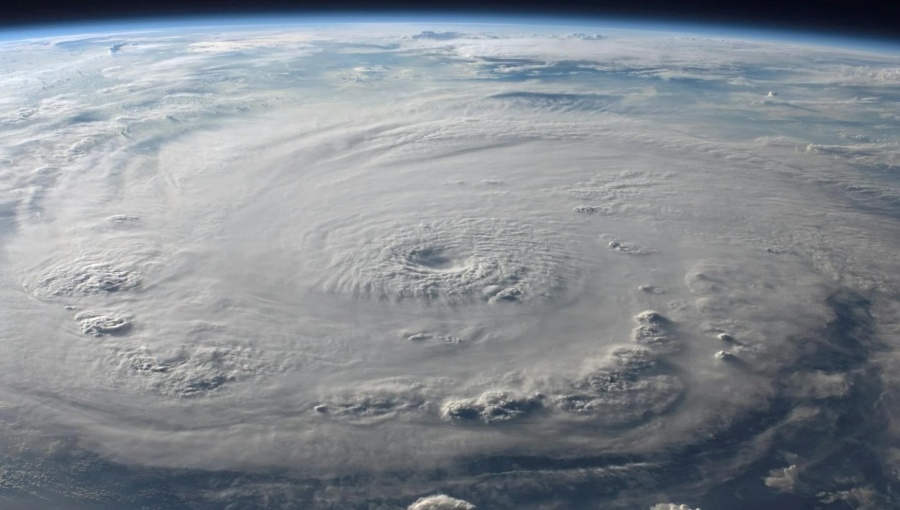
The recent onslaught of tropical storms across portions of South and South East Asia has tragically resulted in considerable loss of life and extensive disruption. While the humanitarian toll is devastating, the overall financial impact on the region is forecast to be relatively contained, primarily because the major industrial and commercial heartlands were largely spared from the worst destruction, according to Capital Economics.
Key Areas of concern and economic channels
In recent weeks, a succession of tropical cyclones has swept through the area, with Vietnam, the Philippines, Indonesia, Thailand, Malaysia, and Sri Lanka all reporting substantial damage. The death toll has surpassed 1,000, affecting hundreds of thousands of residents. The importance of this story lies in the region's reliance on agriculture and the risk that widespread crop destruction, even without hitting industrial centres, could still push up food inflation, adding pressure to household budgets already strained by other economic factors.
Natural catastrophes influence a nation's Gross Domestic Product (GDP) via several mechanisms. Initially, there is an immediate impediment as production, trade, and supply chains are interrupted, and the tourism sector suffers. This short-term negative shock is often followed by a recovery phase fuelled by deferred consumer demand. Furthermore, the necessary rebuilding efforts can stimulate subsequent economic expansion.
Asia has frequently endured such disasters. Historically, the repercussions on GDP have usually been minor and brief. For instance, despite Typhoon Haiyan causing over 10,000 fatalities in the Philippines in 2013, the effect on the nation's overall economic output was limited. Even the catastrophic 2004 tsunami, which claimed over 230,000 lives, had only a modest impact on the wider regional growth figures. As Gary Leather from Capital Economics observed, the economic impact in most cases has been short-lived and modest.
An important counterexample is the 2011 floods in Thailand, which caused a significant economic downturn. GDP plunged by a double-digit percentage as manufacturing (particularly the automotive industry), exports, and tourism all suffered major blows. This severity was due to the disruption being concentrated in the industrial zones surrounding Bangkok, where numerous automotive and electronics plants were inundated and forced to halt operations. Though manufacturing quickly resumed within a few months, the floods generated substantial global supply chain ripples, slowing production and exports globally.
Limited impact on major economic hubs
This latest series of events differs in scope. Despite affecting a broad geographical area, the region's main commercial and industrial centres seem to be mostly undamaged.
In Indonesia, the harm is concentrated in northern Sumatra and parts of Kalimantan, primarily impacting rural communities and transport networks rather than significant industrial areas.
Sri Lanka has experienced the worst damage in its rural, elevated districts, where crop losses and infrastructure damage are most severe.
In the Philippines, the areas most affected are in the Visayas and Mindanao, with landslides and flooding disrupting local services and transport links. Of additional note in the Philippines is the political context: the floods have coincided with a corruption investigation related to flood-management initiatives, which could intensify public discontent and potentially force a more robust government intervention.
Overall, while there might be some temporary interruption to manufacturing and supply chains, the reduction in overall activity is expected to be minimal and temporary. The assessment by Capital Economics' Gary Leather is that the hit to activity is likely to be small and temporary, aligning with the pattern seen when major industrial areas are not severely affected.
The agricultural sector is predicted to absorb the greatest impact. Extensive flooding and crop failures are anticipated to drive food prices higher, posing an upside risk to future inflation forecasts. The encouraging news is that current inflation across most of the region is already very low, sitting near or below target levels. Consequently, Gary Leather and his team at Capital Economics project that central banks will likely retain an accommodative monetary policy, with further interest rate reductions probable in the coming months.

No comments:
Post a Comment