Sunday, August 24, 2025


Taiwan’s vote to switch on nuclear power falls short

Taiwan’s vote to switch on nuclear power falls short


\

Maanshan nuclear power plant / Sgroey-CC 4.0 Wiki
By bno - Taipei Office August 24, 2025

Taiwan’s President Lai Ching-te has signalled a willingness to consider advanced nuclear technology being reintroduced while preparing to overhaul his Cabinet, following a weekend of political tests that largely favoured his administration.

Most prominent amongst the weekend votes was a referendum on extending the life of the island’s last nuclear power station that fell short of the legal threshold Focus Taiwan reports. A total of 4.34mn (74.2%) people supported restarting the Third Nuclear Power Plant, compared with the 1.51mn (25.8%) who opposed, but the vote required at least a quarter of all eligible citizens in favour to pass.

Speaking after the overwhelming pro-nuclear results, Lai said his government respected the outcome but acknowledged that society expects a broader mix of energy choices. The president, who also chairs the ruling Democratic Progressive Party (DPP), then moved to take the wind out of the sails of the pro-nuclear camp by adding that nuclear energy cannot be decided through a single plebiscite.

Any attempt to restart a facility, he explained, would require both regulatory approval from the Nuclear Safety Commission and a separate inspection process by state-owned Taipower. He has instructed both bodies to follow those legal steps.

Lai then stressed that policy on nuclear energy would remain grounded in three principles: safety, the management of nuclear waste, and public consensus. He added that if technology improved, waste was better handled, and social acceptance grew, his administration would not exclude the possibility of advanced nuclear systems. In doing so, given the speed such legislation is passed in Taiwan, he essentially put in place a set of criteria designed to pass off the nuclear debate to his eventual successors.

In the eyes of many Taiwanese the day after the referendum, such remarks were interpreted as a softening of the DPP’s long-standing goal of a “nuclear-free homeland”, a policy reached in mid-May this year when the Maanshan plant - Taiwan’s final operating reactor - was shut down.

Key to the eventual return to nuclear power, however, will be the resulting Cabinet reshuffle, which Lai confirmed on the evening of August 23; one expected to be shaped by the ongoing energy debate as his government looks to consolidate authority and manage Taiwan’s transition to new power sources.

On the street in Taiwan though, the result has reignited long-standing divisions over the island’s energy strategy, prompting contrasting interpretations from opponents and supporters alike – particularly over numbers as turnout at the referendum stood at just 29.5% of eligible citizens Focus Taiwan says.

Given the fact that support is required from at least 25% of the electorate though, the outcome drew immediate reaction from across the political spectrum. Anti-nuclear campaigners hailed the abstention of more than 70 per cent of voters as evidence of a lack of appetite for prolonging the Maanshan facility.

In doing so, The National Nuclear Abolition Action Platform described the initiative as rushed, lacking widespread public engagement and failing to provide sufficient information. The Green Citizens’ Action Alliance argued that the result underscored the limits of party-led campaigning, noting that attempts by the opposition Kuomintang (KMT) and Taiwan People’s Party (TPP) to mobilise voters did not achieve the turnout needed.

Local officials aligned with the ruling Democratic Progressive Party (DPP) echoed that view. Pingtung County Magistrate Chou Chun-mi said the high abstention rate amounted to a rejection of nuclear energy and signalled strong public disapproval of keeping Maanshan online.

Supporters of nuclear power, meanwhile, claimed that the result told a different story. According to Focus Taiwan, TPP chairman Huang Kuo-chang was reported as highlighting the overwhelming share of “yes” votes compared with “no”, which he argued reflected growing societal acceptance of nuclear energy as part of Taiwan’s power mix. He further pointed to the outcome in Pingtung Country itself in southern Taiwan, where residents living closest to the plant also backed the extension by a wide margin.

Huang said his party would seek changes to the Referendum Act in the next legislative session, contending that the current system restricts the expression of public opinion. He argued that amendments introduced by the DPP in 2019 which require referendums to be held every two years in August – holiday season for many Taiwanese with schools out and parents needing to take care of offshoring - rather than alongside national elections which are typically held in January effectively confined direct democracy to what he called a “caged” or “bird cage” mechanism.

Opposition KMT lawmaker Su Ching-chuan also urged the government not to ignore the majority in favour, despite the legal threshold not being met. He rightly described the vote as a clear signal that policymakers should weigh more carefully the role of nuclear energy.

Serbia reportedly seeks foreign workers for Stellantis plant

Serbia reportedly seeks foreign workers for Stellantis plant
Serbia is reportedly looking to bring in foreign workers from Nepal and Morocco to support operations at the Stellantis car factory in Kragujevac, amid labour shortages and limited local interest in factory jobs, according to officials and union representatives. / bne IntelliNews
By bne IntelliNews August 22, 2025

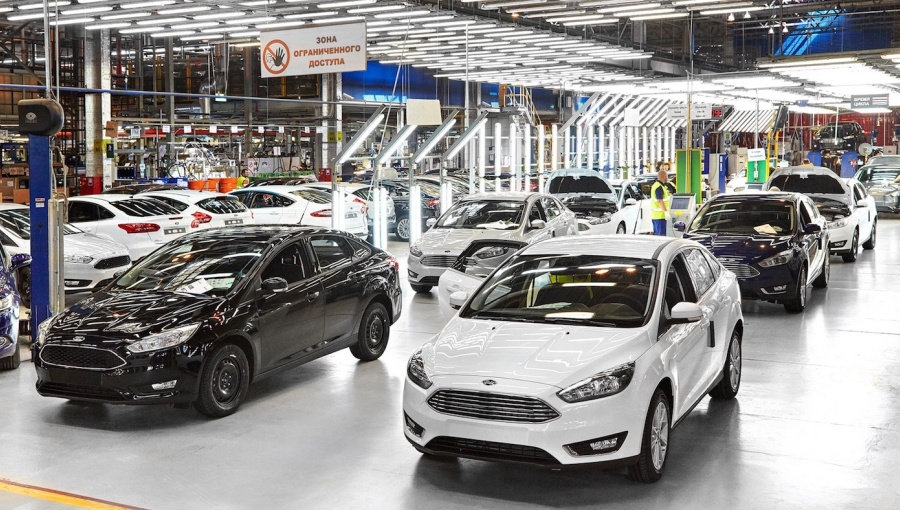
Serbia is reportedly looking to bring in foreign workers from Nepal and Morocco to support operations at the Stellantis car factory in Kragujevac, amid labour shortages and limited local interest in factory jobs, according to officials and union representatives.

City authorities last week claimed that the Fiat plant, owned by global auto giant Stellantis, will begin employing workers from abroad to help staff a third production shift scheduled to launch in October. The factory, which began producing electric vehicles in July 2024, is currently operating with around 2,800 workers but needs 800 more.

The move comes as Serbia’s new foreign labour law — including a streamlined, digitalised combined residence and work permit system introduced in 2024 — has made it easier for foreign nationals to access the local job market. The reform is already contributing to a visible shift in the workforce across major Serbian cities, including the capital Belgrade, where South Asian workers have started filling roles in public transport and services.

A source at the Kragujevac plant told Beta news agency last week that around 100 workers from Stellantis’ facility in Morocco will be temporarily relocated to Serbia for training and support, with the aim of launching production of the “Grande Panda” model in Morocco. The model is currently manufactured in both hybrid and fully electric versions at the Kragujevac site.

However, conflicting statements have emerged regarding the scale of foreign hiring. City councillor for the economy, Radomir Eric, said the factory would employ 800 workers from Nepal and Morocco due to a lack of local applicants — despite Kragujevac having approximately 9,000 unemployed residents, Danas reported.

Long-time union leader Jugoslav Ristic said the reliance on foreign workers reflects the broader challenge of uncompetitive wages. “It’s clear people in Kragujevac are not interested in salaries slightly above RSD70,000 (€600), which are insufficient for a decent life,” he said. Ristic noted that domestic workers can earn around RSD90,000 by working overtime and weekends.

Union representatives argue that the real issue is not the availability of labour, but rather the conditions on offer. Goran Milic of the Independent Union’s regional board in Central Serbia said many local hires quit after just a few days on the job.

The factory, which shipped its first batch of electric Fiat Pandas to Western Europe in February 2025, is part of a €190mn joint investment agreement signed between Stellantis and the Serbian government in 2022.

As Serbia prepares to host Expo 2027, thousands of additional foreign workers are expected to enter the country, raising questions about long-term social integration and rights protections.

Salih Saitovic, president of the Democratic Union of Roma (DUR), criticised the decision to recruit workers from abroad instead of investing in education and employment programmes for the domestic Roma population. According to the latest census, over 147,000 Roma live in Serbia, many of whom face systemic barriers to employment.

WAR IS ECOCIDE

Ukraine hits Russia’s Druzhba oil pipeline again with drones

Ukraine hits Russia’s Druzhba oil pipeline again with drones
Ukraine has hit the Druzhba oil pipeline again that delivers Russian oil to Hungary as it increasingly targets Russian oil assets inside Russian territory. / bne IntelliNews
By bne IntelliNews August 22, 2025

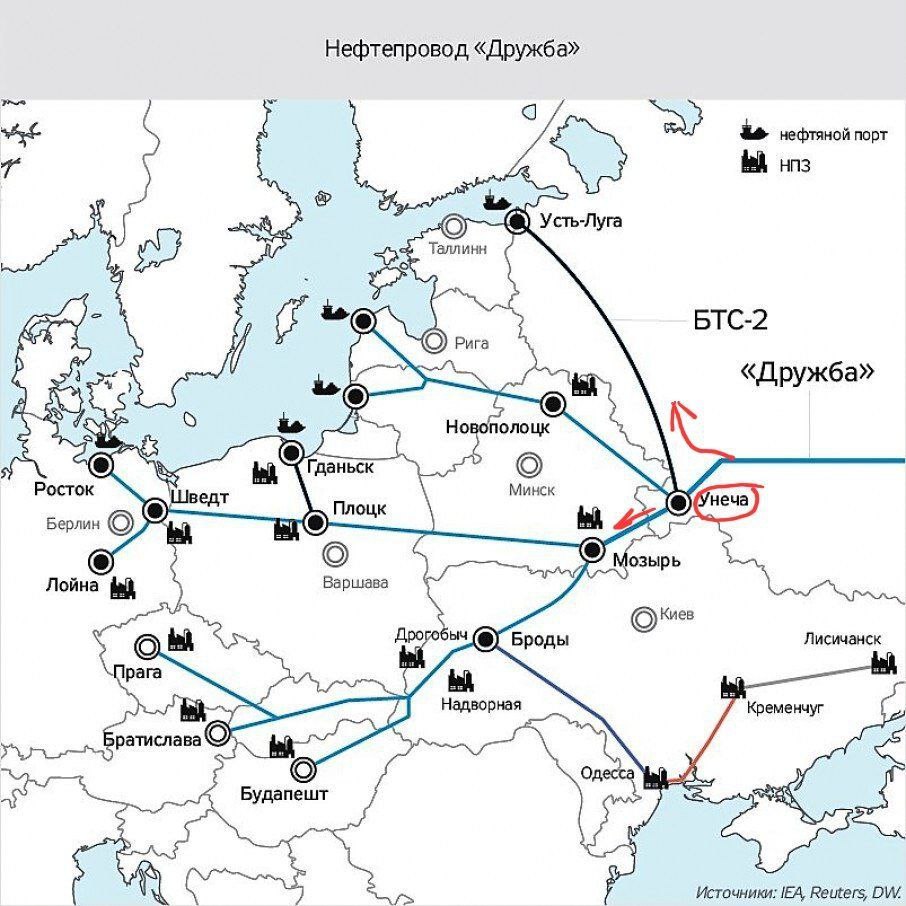
Ukraine has carried out another strike on the Druzhba oil pipeline, hitting the Unecha oil pumping station, Russian officials confirmed on August 21. The attack is the latest in a series of incidents targeting the Soviet-era pipeline that delivers Russian crude to central Europe.

The Unecha facility in Bryansk region has been a repeated target. The previous strike occurred there on August 14, followed by an attack on August 18 at the Nikolskoye terminal. Despite the disruption, transit flows were restored within days. On August 20, Hungary and Slovakia announced that crude shipments via Druzhba had resumed.

Prior to that attack, supplies were temporarily suspended in an attack on the pipeline in March. Kyiv is increasingly attacking Russian oil refining and transport infrastructure inside Russia.

The campaign by Kyiv to restrict Russian oil flowing to Europe via Druzhba opened in August last year, when Kyiv imposed sanctions on Russian oil major Lukoil that sells oil to Hungary, effectively excluding it from using the Druzhba pipeline. Lukoil’s obligations were quickly taken up by other state-owned Russian oil companies, and the move was seen as Kyiv testing the waters to see how its Western allies would react to a reduction of oil supplies to the European market.

The Druzhba pipeline, one of the world’s longest oil transport systems, has supplied Russian crude to several European countries for decades, including Hungary, Slovakia and the Czech Republic. Operators have previously stressed that damage from drone and missile attacks has been localised, allowing flows to restart after emergency repairs.

Moscow has said the Ukrainian attacks threaten Europe’s energy security, while Kyiv argues they are a legitimate response to Russia’s ongoing war and missile attacks on Ukraine’s territory.

Hungary and Slovakia, both heavily dependent on Druzhba for oil imports, have repeatedly voiced concern over interruptions but confirmed that deliveries were back to normal this week.

Since Russia launched its missile war following a devastating missile barrage in May, Ukraine has stepped up attacks on Russia's energy infrastructure using a new class of long-range drones in an effort to starve Russia’s military of oil products and hurt its exports.

On the night of August 21, Ukraine's Armed Forces also targeted infrastructure and production facilities at the Novoshakhtinsky Oil Products Plant in Russia's Rostov region. This marks the ninth refinery hit by Ukraine in August. Ukraine performed a strike near the fuel and lubricants depot that supplies Russian forces in the Voronezh region.

Ukrainian strikes on Russian oil refineries have caused a record spike in wholesale gasoline prices across Russia and led to fuel shortages in several regions. On August 20, the price of A-95 (Euro-95) gasoline on the stock exchange hit RUB82,300 ($1,023) per ton, a 55% increase from the start of the year and an 8% rise since early August.

The growing fuel crisis has been made worse by Ukrainian attacks on railway infrastructure in central Russia, which has disrupted fuel transportation. As well, these rail and air transport disruptions have caused more people to rely more heavily on cars, boosting fuel demand.

The Druzhba pipeline operates outside of the oil import ban from Russia to the EU after Central European countries, and Hungary in particular, won exemptions to the twin oil sanctions imposed at the end of 2022. Unlike most other European Union countries, Slovakia and neighbouring Hungary have kept up their dependence on Russian energy and get most of their crude through the Druzhba pipeline.

Chronology of strikes on refineries.

August 02

1. Novokuibyshevsky Refinery

2. Ryazan Refinery

August 07

3. Afipsky Refinery

August 10

4. Saratov Refinery

August 14

5. Volgograd Refinery

August 15

6. Syzran Refinery

August 21

7. Novoshakhtinsky Refinery


Are Ukraine's Flamingo cruise missiles really made in Ukraine?

Are Ukraine's Flamingo cruise missiles really made in Ukraine?
Ukraine has suddenly made a quantum leap forward in missile design and production, producing one advanced Flamingo cruise missile a day, after the previous Palyanytsia missile programme has struggled to get off the ground. the rapidity of the progress has raised some questions. / bne IntelliNews
By Ben Aris in Berlin August 22, 2025

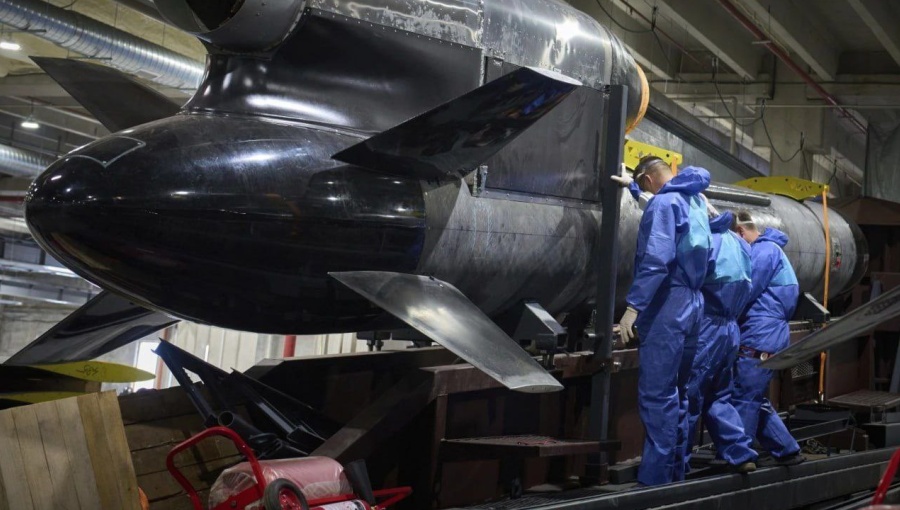
A camera crew from Associated Press was granted access to the Fire Point factory at an undisclosed location inside Ukraine to witness the production of Ukraine’s new Flamingo cruise missile.

Iryna Terekh, head of production at drone manufacturer Fire Point and a former architect, joined in 2023 when the target was 30 drones per month. Output has since surged to about 100 drones per day, each costing $55,000. She said Fire Point’s FP-1, with a 60kg payload, is responsible for 60% of Ukrainian strikes deep inside Russian territory. But the factory has recently upgraded and moved on to the serial production of the Flamingo missiles, so named because a factory error meant the first prototypes came out pink. Fire Point is producing roughly one Flamingo per day, and by October they hope to build capacity to make seven per day, Terekh said.

Unanswered questions

The sudden appearance of the jet powered Flamingo and its rapidly accelerating production rate has raised a series of questions that have led some to question the Ukrainian origins of the missile – at this point pure speculation.

“The Ukrainian company claims they aim to produce 8 Flamingos per day in October. This raises a red flag for me, suggesting they are probably not manufacturing any missiles but rather assembling kits that arrive pre-made, in an effort by European countries to evade the missile treaty, which limits these countries from exporting long-range missiles to Ukraine,” journalist and Ukraine-watcher Patrica Marins wrote in a social media post.

The release of AP’s report is also extremely timely. Russia recently did the same thing, allowing an unidentified camera crew into a factory in its vast hinterland churning out hundreds of upgraded Shahed drones. Since Moscow launched a devastating missile barrage on Kyiv and other cities, the number of missile and drone attacks has quadrupled to some 750 per day.

Now Kyiv has countered with its own drone and missile factory report. Ukraine is looking for leverage in the mooted bilateral meeting between Russian President Vladimir Putin and Zelenskiy. Putin believes that he has the upper hand on the battlefield as the Armed Forces of Russia (AFR) continues to make steady, albeit slow, progress on the battlefield and is prepared to fight on, according to reports, if the peace talks fail. Ukraine needs to show it can hold its own in a protracted war.

The appearance of powerful Ukrainian missiles that can cause real damage to Russia’s military and energy infrastructure will improve Zelenskiy's hand at the negotiating table and comes in the week where Kyiv struck Russia’s crucial Druzhba oil pipeline to Hungary for a second time in a week.

“Maybe all of this is just a staged show to strengthen Ukraine’s position in negotiations,” says Marins. “We’re at a crossroads: either Ukraine is bluffing, or it’s preparing to escalate the war to another level.”

Ukraine’s defence industry

Ukraine’s defence industry has been growing fast from a standing start at the start of the war with Russia in February 2022. Last month Ukrainian President Volodymyr Zelenskiy said that Ukraine now provides itself with between 40% and 50% of all the arms it needs and Kyiv’s foreign partners are increasingly investing in local production under the successful Danish model rather than digging into their dwindling stockpiles to supply Ukraine with materiel.

While Ukraine has amazed the world with its innovative use of drones and ramped up production to produce over 2mn units this year, it produces almost no missiles at all. Russia has a long history of missile production that gives it a huge strategic advantage on the battlefield and has since caught up with drone production. But after the US ran out of money for Ukraine at the start of last year, the Kremlin used its high precision and powerful missiles to destroy all of Ukraine’s non-nuclear power infrastructure.

As Ukraine faces the same problem this year – US Secretary for Defence Pete Hegseth briefly cut off Ukraine’s supplies of military hardware again in July until Trump’s ““big announcement” Europe-will-pay deal – it still lacks the ability to make the missiles it needs to target Russian military and economic assets in the hinterland to denigrate Moscow’s ability to supply its troops and pay for the war.

The Western allies have been sparing in their supply of missiles. The US finally agreed to send Ukraine the most powerful HIMARS and ATACMS in 2022 and 2023 respectively, but they came with a long list of restrictions. Likewise, Europe has supplied Ukraine with its Franco-British Storm Shadow missiles, but those went out of production 15 years ago and the first batch from revived production are only due to arrive this autumn. And Berlin has flatly refused to supply Ukraine with its state-of-the-art Taurus cruise missiles, despite lifting restrictions on their export in theory, that would be a game changer. So, Ukraine has begun to produce its own missiles, which it is free to use as it likes.

Missile arms race

Russia is well ahead in the missile arms race, leading some to ask if Ukraine can go it alone. Given the current discussions on providing Ukraine with security guarantees, one of the most discussed options on the table is not to provide Ukraine with Nato-lite bilateral security promises, as suggested by Italy’s Prime Minister Giorgia Meloni in March, but simply to beef up the Armed Forces of Ukraine (AFU) so that Ukraine can provide for its own security.

That means providing Ukraine with the powerful long-range ballistic and cruise missiles it currently lacks. Russia has ramped up its missile production and is currently making an estimated 1,200 per year or 23 a week. But Russia is at the limit of its missile production. Everything it produces is immediately used.

Thanks to its Cold War arms race legacy, Russia has developed an extensive mix of high- and low-tech missiles and bombs that vastly outgun Ukraine’s current production abilities. At the top of the range are the new hypersonic missiles that Putin showcased during his 2018 state of the nation speech and are so fast he claims that the US has no counter to them. The newest addition to this class of ICBM is the Oreshnik missile that has a range of 5,000km and can reach any European capital in under 20 minutes. Russia recently agreed to station some Oreshniks in Belarus and last year already began to store some of its nuclear missiles there. At the low end of the scale are Russia’s repurposed FAB glide bombs – a WWII gravity bomb with wings and an engine strapped onto its back that has a massive payload of up to 3,000kg of explosives.

Ukraine has been developing and producing cruise missiles to counter the Russian arsenal. An early entry to the war was the home-made surface-to-ship Neptune missile that spectacularly sank Russia’s Black Sea fleet flagship, the Moskva in April 2022. The missile has since been adapted so that it can be used against land-based targets.

Since then, progress has been slow. Zelenskiy announced in September last year that it has developed and tested its own cruise missile, the Palyanytsia. It was first deployed in August 2024, and it has a range of approximately 600-700 km, allowing it to target Russian military airfields and Bankova doesn’t need US permission to use it. The Palyanytsia is a hybrid between a missile and a drone, which makes it unique and hard for Russian defences to counter, however, since Zelenskiy’s announcement there have been battlefield reports of its use.

The Flamingo is a quantum leap ahead from the Palyanytsia. The contrast between the slow development of the Palyanytsia, its limited capabilities and its lack of any impact on the fighting, compared to the sophistication, high production forecasts and range and power of the Flamingo have only fuelled speculation that the missile is actually foreign-made.


South Korea’s parliament  passes disputed LIBERAL broadcasting bill amid RIGHT WING opposition boycott

South Korea’s parliament passes disputed broadcasting bill amid opposition boycott
/ frakorea
By bno - Seoul Office August 22, 2025

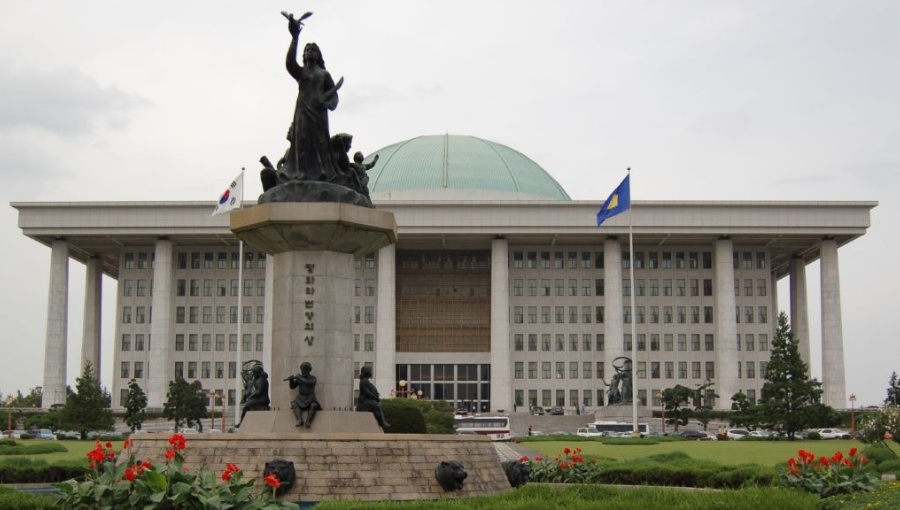
South Korea’s National Assembly on August 21 approved one of three disputed broadcasting reform measures designed to curb government control over state broadcasters, Yonhap News Agency reports. The ruling Democratic Party (DP), which holds a majority, passed the bill without support from the main opposition People Power Party (PPP).

During the plenary session, 169 lawmakers voted in favour and one opposed, while PPP members boycotted in protest.

DEMOCRATIZATION

The amendment relates to the Foundation for Broadcast Culture Act, expanding the foundation’s board membership from nine to 13. The foundation is a major shareholder in MBC, one of the country’s largest public broadcasters. The broader legislative package seeks to restructure governance at KBS, MBC and EBS by increasing the number of board directors and involving media and broadcasting associations in their appointment.

The PPP has strongly resisted the reforms, arguing that the measures will simply strengthen progressive influence over the broadcasters rather than promote neutrality. 

A previous attempt to pass the bill in early August was delayed when the opposition mounted a filibuster, causing the legislation to expire at the end of the extraordinary session.

This week’s vote follows the DP’s earlier approval of an amendment to the Broadcasting Act. The party also introduced another reform concerning the Korea Educational Broadcasting System, though the PPP immediately began a filibuster to block it.

In parallel, the DP intends to advance additional bills, including revisions to the Commercial Act and a so-called “yellow envelope” bill aimed at enhancing protections for workers engaged in industrial action.

Meanwhile, six-term DP legislator Choo Mi-ae has been appointed chair of the legislation and judiciary committee, replacing Lee Choon-suak, who was expelled following controversy over stock dealings.

Bangladesh’s rooftop solar ambitions face tight deadlines and systemic challenges

Bangladesh’s rooftop solar ambitions face tight deadlines and systemic challenges
/ Watt A Lot - Unsplash
By bno - Mumbai Office August 22, 2025

Bangladesh’s target of adding 3,000 megawatts (MW) of installed rooftop solar capacity by the end of December risks falling short due to a combination of technical, financial and institutional hurdles, according to a new report by IEEFA - the Institute for Energy Economics and Financial Analysis.

The briefing note, published on August 18, examines the government’s recently announced rooftop solar initiative, designed to accelerate renewable energy deployment at a time when the country is grappling with a persistent energy crisis. While the programme signals a strong policy commitment, IEEFA cautions that the deadline and scale of the target may be overly ambitious given the country’s limited progress so far.

Slow progress so far
Between June 2008 and June 2025, the South Asian country installed just 245 MW of rooftop solar capacity. To reach 3,000 MW in less than six months would require an increase in installation rates by more than 12 times the existing pace. IEEFA notes that such a rapid ramp-up has little precedent in the country’s energy sector and will demand extraordinary coordination, resources and capacity that may not currently exist.

One major constraint is the limited sanctioned load in the buildings identified for installations. Government offices, hospitals, educational institutions and religious facilities—the priority sites under the programme—have a combined demand of less than 1,500 MW. This makes it mathematically impossible to achieve 3,000MW of rooftop capacity in these facilities under the current net metering framework.

Capacity and institutional bottlenecks
Shafiqul Alam, IEEFA’s lead energy analyst for Bangladesh and the author of the note, highlights that even if the demand constraint could be overcome, the institutional timeline is unrealistic. He points to the processes of project funding, tendering, bid evaluation, issuance of work orders and on-the-ground implementation, all of which typically take several months each. Without streamlining, an extension of the December 2025 deadline appears inevitable.

Another significant bottleneck is the availability of skilled companies to deliver projects at scale. Bangladesh currently has only 15–20 established Engineering, Procurement and Construction (EPC) firms with the technical expertise to handle rooftop solar. According to IEEFA, these firms may not collectively have the capacity to deploy 3,000 MW in less than six months, particularly if installations are dispersed across numerous sites.

Capex vs opex: mixed models and risks
The government has opted for a mixed approach, with government offices expected to adopt the CAPEX model—using public funds for installations—while hospitals and educational institutions will operate under the OPEX model, which involves no upfront costs for the institutions.

IEEFA notes that each model has advantages but also critical weaknesses. The CAPEX model can deliver faster deployment and higher long-term savings, but is vulnerable to rushed developer selection, poor maintenance, and weak coordination between agencies. In contrast, the OPEX model ensures better quality control but provides smaller savings, faces financing constraints, and may not attract companies to invest in small, scattered projects, especially in rural areas affected by load-shedding.

Technical risks such as soiling, which can significantly reduce annual solar output, also remain under-addressed. IEEFA recommends that public offices establish funds from monthly energy savings under CAPEX projects to finance long-term maintenance contracts with service providers. At the same time, utilities should work on mitigating the impact of rural load-shedding to make OPEX projects viable.

Learning from regional experience
The report urges Bangladesh to learn from neighbouring countries with more advanced renewable energy penetration. Pakistan, for example, has leveraged its energy shortages and high tariffs to rapidly scale up rooftop solar adoption. In Sri Lanka, the government addressed financing bottlenecks by partnering with multilateral agencies, before funding rooftop installations on public buildings. India, with over 18,000 MW of rooftop solar capacity by May 2025, has shown how consistent policy and regulatory backing can deliver large-scale results.

By comparison, Bangladesh’s renewable energy sector remains in its infancy, contributing a small fraction to the national grid. Rooftop solar is considered a “low-hanging fruit” that could support the government’s target of 30% renewable energy in the power mix by 2040, but realising this potential requires addressing fundamental gaps in policy execution, institutional readiness and market capacity.

Urgent need for capacity building
IEEFA stresses that Bangladesh must prioritise capacity development across its key institutions. Building technical expertise within government agencies, creating specialised training programmes for the private sector, and investing in monitoring systems are essential steps to ensure projects operate smoothly and securely over the long term. The establishment of an independent monitoring mechanism is also recommended to provide oversight and accountability.

The report also notes a cultural and structural challenge: the perception of cybersecurity, financing and maintenance expenses as additional costs rather than essential investments. Without changing this mindset, rooftop solar projects could suffer from poor upkeep and eventual underperformance.

Balancing ambition with reality
While the 3,000 MW rooftop solar programme has been welcomed as a bold step, experts caution that unrealistic timelines could undermine its credibility. For Bangladesh, which is highly dependent on fossil fuel imports and vulnerable to global price shocks, diversifying into renewable energy is a strategic necessity. However, unless the government tempers ambition with realistic planning, the programme risks becoming another missed opportunity.

IEEFA concludes that Bangladesh’s rooftop solar strategy has the potential to transform its renewable energy sector, but only if accompanied by structural reforms, adequate financing, capacity development and a phased, practical roadmap. Without these, the 3,000 MW target by December 2025 may remain out of reach.

French consumer group sounds alarm on cadmium levels in chocolate

An investigation has revealed that popular cocoa-based products in France may contribute more than expected to daily exposure to cadmium, a metal that builds up in the body over time and can increase the risk of cardiovascular disease and cancer.


Issued on: 23/08/2025 - RFI

A French consumer watchdog has warned chocolate can carry a hidden heavy metal that can present a risk to human health. Flickr/John Loo

Chocolate may be one of life’s small pleasures, but a French consumer group has warned that it can contain a "significant" amount of cadmium – a heavy metal linked to health risks if consumed in excess.

UFC-Que Choisir, which published its findings on Thursday, is calling on French consumers to moderate chocolate consumption, particularly among children.

While the chocolate products tested by UFC-Que Choisir did comply with legal limits, the group warns that cadmium intake can still add up quickly.

Eating several products in a single day – even if each one individually meets regulations – could lead consumers to exceed the tolerable daily dose.

For example, according to the organisation, a 10-year-old who consumed two Bjorg chocolate biscuits, a bowl of Chocapic cereal and a cup of Poulain hot chocolate in one day would be at nearly 50 percent of the recommended daily limit.

Cadmium accumulates in the body over time and has been associated with an increased risk of cardiovascular disease and cancer.

France’s food safety agency, Anses, has set the toxicological reference value at 0.35 micrograms of cadmium per kilogram of body weight per day – a limit beyond which health risks present themselves.

Naturally occurring

Chocolate producers have acknowledged the findings, with Bjorg and Carambar&Co (which owns Poulain) confirming the presence of cadmium to the consumer group.

Nestlé, the maker of Chocapic cereal, said that although it does not add cadmium, the metal can naturally be present in some raw ingredients.

The fact that the metal is naturally occurring also means that organic chocolate is not automatically safer.

In fact, UFC-Que Choisir notes that cadmium levels can be even higher in organic products, especially when the cocoa beans come from parts of Latin America where the metal occurs naturally in soils.

The group advises choosing organic chocolate made from beans grown outside these high-cadmium regions.

Earlier this summer, doctors too raised the alarm over widespread exposure to cadmium among the French population, particularly women and children.

Much of this comes from phosphate-based fertilisers used in agriculture, which leave traces in everyday foods such as breakfast cereals, bread and potatoes.

Anses has said it will publish a full report by the end of the year evaluating human exposure to cadmium and exploring possible ways to reduce the French population’s intake.
PATRIARCHAL GENDER APARTHEID 

‘All they dream of is leaving’: the reality of life for women under the Taliban

Chela Noori, the founder and president of the Afghan Women of France organisation, was recently able to travel across Afghanistan for the first time since the Taliban returned to power in 2021. She told RFI about the conditions in which she found women and girls living, under the oppressive regime.


Issued on: 24/08/2025 - RFI


Afghan women walk past a mural in the Fayzabad district of Badakhshan province, 12 June, 2025. © AFP - OMER ABRAR

RFI: How were you able to travel to Afghanistan?

Chela Noori: I travelled to Afghanistan with my British passport. I didn't need a visa because my country of birth on my passport is Afghanistan.

I had never attempted to travel under the Taliban regime before. I didn't know if it would work out or not. In the end, it did. I had no problems at the airport. What I wanted to do was to assess the psychological and humanitarian situation by travelling around the country a little. I visited 15 cities and major provinces and I interviewed many women, but not just women. I also spoke to little girls, little boys, men... I wanted to get everyone's point of view.

What kind of restrictions did you encounter?

Officially, the burqa is mandatory, but in reality this is not always the case. I went there wearing a veil and a long black tunic, and many Afghan women were dressed like that. I was also always accompanied by a "mahram" [a male relative who acts as a chaperone].

Taliban mark fourth year in power in Afghanistan

Did you sense any resistance among Afghan women?

For me, resistance in Afghanistan comes from women – that's clear. Here in France, what we hear is that Afghan women are forbidden from leaving their homes unless accompanied by a mahram. But people said to me: "You know the character of Afghan women, they couldn't keep us all locked up at home."

So some manage to go out anyway, even if they don't have a mahram. The Taliban tolerate it, let's say. But the Amr bil-Maroof [the morality police], not at all.

Who are the Amr bil-Maroof?

There are lots of videos circulating on social media showing them beating women in public because they didn't wear their face coverings properly, for example. They find any excuse to reprimand them. There are also kidnappings.

I came face to face with them in Bamyan. I really wanted to visit Band-e-Amir Lake. They made us pay and let us in, but while my mahram was parking, I acted like a typical European and ran over to look because the place is so beautiful. I took out my phone and called my children. I wasn't paying attention and suddenly I realised that someone was talking to me. I saw one of these men looking at me with a murderous expression and repeating in a loud voice: "According to the Amr bil-Maroof, women are not allowed here."

Suddenly, my whole body started shaking. I told him I was with my nephew. But he repeated the same thing. You're not supposed to stand up to them, you're not supposed to talk to them. I turned around politely, and they followed me to the car.

A window into the hidden lives of Afghan women cut off from society

You weren't allowed to be outside alone as a woman, right?

It's not even just that – it's that all leisure facilities are off limits to women. I tested this everywhere, in Kabul, in Kandahar...

What was the state of mind among the women you met?

I interviewed about 15 young girls and women. The young girls are in a very bad way psychologically, because they are thinking, at 13, we will be banned from school, it will be over [since the return of the Taliban, girls are no longer allowed to go to school beyond primary level].

They start crying because they have no future at all. People are thinking of marrying them off. Since there is no future, it's the only option for them. Those who were studying or working are all extremely depressed. They told me, look, we are at home all day, we get up, we cook, we clean... the only thing we can do is go out to do the shopping or visit each other. But apart from that, there's nothing else to do from morning to night. And since they're not allowed to go out, the children are all at home too.

Can they consider leaving?

All they dream of now is leaving. But it is very difficult to obtain a passport. Since 2023, Pakistan has been sending all Afghans back, and the visa that used to cost $800 (€682) can now cost up to $5,000. Everything is being done to prevent Afghans from leaving the country.

‘Collective heroism’: French film recounts evacuation amid Taliban takeover

Did you meet any women who have continued to work or study?

I haven't seen any women studying. Women who work, yes. Everywhere you look, it's women – because it's women who have to search women. At the airport too, at the immigration desk, it was women.

Children are suffering under this regime too, of course...

Yes, what struck me most were the children. Because we talk a lot about women, but very little about the youngest who are suffering.

It's important to note that there are almost no jobs in Afghanistan. So all the adults are unemployed. I noticed that all the streets were spotless everywhere, and it's actually the children who clean them. I asked a few of them about this, and they explained that their parents weren't working, so they had to pay the rent. So they're out there working in the sun all day, without hats, without protection – for, let's say, 50 cents a day.

The humanitarian situation is dire. There are no jobs, so people live on credit. Everyone goes into debt to pay the rent, which is forbidden in Islam. And it's a vicious circle. So when the children manage to find a little work, they bring home money to pay the rent.

A window into the hidden lives of Afghan women cut off from society

And what did the men you met say about all of this?

I saw anger in the eyes of an impoverished father, who told me: "My dream was that my three daughters wouldn't have to struggle, that they would get an education and make something of themselves, that they wouldn't have to depend on a husband. But in the end, they'll become as dependent as my wife. I hoped they would become doctors and get a good education." And he started to cry.

Are people resigned to their powerlessness, or is there hope for them?

They say, if we lose hope, we will commit suicide. So we hope. We hope – but in the long term. Four years without being able to study is already a big loss in the long term. The message they wanted me to convey here is that we should put pressure on this regime to let them work, let them study.

You mentioned mental health, but physical health is also an issue. If girls can no longer be treated by male doctors and women are no longer being trained as doctors, soon there will be no one left to treat women.

Yes, it's a lost generation. There won't be any more female doctors. For now, there are a few who are still working. But in the long term, there won't be any more female doctors. Everything is being done to ensure that there are no more.

Calls for France to recognise all Afghan women and girls as refugees

You went to Kabul, but also to other parts of the country, such as Kandahar, Jalalabad and Herat. Did you notice any differences between the capital and the provinces?

What's incredible is that I saw the same situation, the same atmosphere, everywhere I went. Whether in big cities, large provinces or small villages, it was the same thing. They have established a form of security – but the insecurity only existed because of them. When they took power, they established this form of peace through dictatorship.

You mentioned pockets of resistance. Did you see any other forms of resistance or solidarity among Afghan women?

Today, all beauty salons and hairdressers are closed. However, I noticed that there were still many lavish weddings taking place, so I asked about this. They explained that they were all going to one person's house to do their makeup. They are doing what they used to do, but hidden away at home. That is our form of resistance.

This article has been adapted from the original version in French.

Click here to read more about Afghan Women of France (in French).


Valls extends visit to New Caledonia as independence deal remains elusive

Manuel Valls has extended his stay in New Caledonia as he seeks to rally support for the Bougival agreement amid political divisions and a struggling health system.


Issued on: 23/08/2025 - RFI

Overseas Minister Manuel Valls during a meeting with provincial presidents and mayors in Nouméa, New Caledonia, on 20 August 2025. © AFP

France’s Overseas Minister, Manuel Valls, will extend his stay in New Caledonia until Monday, when he is set to once again bring together supporters of the Bougival agreement on the future of the archipelago, his office confirmed on Friday, following comments he made to local daily Les Nouvelles calédoniennes.

“We will hold a third meeting of the drafting committee on Monday morning, which will give me the chance to meet more people, to reaffirm my deep commitment to New Caledonia and, of course, to press ahead with the implementation of the Bougival agreement,” Valls told the paper.

The former prime minister, who arrived in the Pacific territory on Wednesday, had originally been due to return to mainland France on Saturday.

Protesters wave flags of the Socialist Kanak National Liberation Front (FLNKS) during a demonstration in New Caledonia, in Noumea, on April 13, 2024.

Independence Front shuns meetings


The process has, however, been complicated by the Kanak and Socialist National Liberation Front (FLNKS), which has chosen not to take part in the drafting committee.

The committee’s role is to transform the Bougival agreement – signed on 12 July in the Paris region – into a constitutional bill.

That deal, endorsed at the time by the Overseas Minister, independence leaders and non-independence parties alike, proposed that New Caledonia be recognised as a distinct State within the French constitution, with its own Caledonian nationality.

While the FLNKS grassroots later rejected the accord, all other political forces in the territory have stood by it and continue to participate in the drafting process.

The Front declined to attend Thursday’s first meeting of the committee, which is scheduled to gather again on Saturday.

Valls unveils health measures

Earlier on Friday, Valls also announced a raft of measures aimed at revitalising the health sector, which has been under severe strain since the 2024 riots.

Triggered by proposed electoral reforms, the unrest left 14 people dead and caused damage estimated at more than €2 billion.

In the north, two local hospitals were forced to shut due to staff shortages. In May, a man tragically died outside Koumac hospital, after relatives had taken him there despite its closure.

Facilities that remain open are struggling to cope. The Bourail medical-social centre in the north of South Province, for example, has seen patient numbers jump by 30 percent in the space of a year, according to provincial health authorities.

To help plug the gaps, Valls announced the deployment of a mobile medical team in partnership with the Order of Malta.

The unit – comprising three doctors, a dentist and a midwife – will serve the hardest-hit areas suffering from a lack of healthcare professionals. The €1.4 million scheme will be fully funded by the French state.


WHO declares Kenya free of deadly sleeping sickness after decades

KENYA – Kenya’s success in the fight against deadly sleeping sickness marks a milestone in the African continent's battle to eradicate neglected tropical diseases.


Issued on: 23/08/2025 - RFI

The WHO has announced that Kenya has eliminated sleeping sickness, a disease spread by the tsetse fly. © AFP

Kenya has been officially recognised as having eliminated sleeping sickness as a public health issue, the World Health Organization announced this month.

The achievement makes Kenya the 10th African country to reach this milestone, after years of sustained efforts.

Sleeping sickness – formally known as human African trypanosomiasis (HAT) – is a parasitic disease transmitted by the bite of the tsetse fly.

Without treatment, the infection is almost always fatal, but Kenya’s decades of vigilance and investment in public health have paid off.

"I congratulate the government and people of Kenya on this landmark achievement," said WHO director-general Tedros Adhanom Ghebreyesus. "Kenya joins the growing ranks of countries freeing their populations of HAT. This is another step towards making Africa free of neglected tropical diseases."

A health worker pricks a child’s finger to draw blood as she takes part in sleeping sickness screening in Cote d’Ivoire, October 2019. AFP - ISSOUF SANOGO

Distinctive symptoms


The first cases of sleeping sickness in Kenya were recorded in the early 20th century, at a time when the disease was sweeping through parts of Africa.

Rural communities lived under the shadow of the illness, which thrives in areas where people rely on farming, fishing, hunting or animal husbandry.

Sleeping sickness is caused by the parasite Trypanosoma brucei, which tsetse flies pick up from infected animals or people.

Once inside the human body, the parasite multiplies in the blood and lymphatic system before eventually invading the central nervous system.

This is when the most distinctive symptoms appear: personality changes, confusion, sensory problems, poor coordination – and the disruption of sleep cycles that gives the disease its name.

African healthcare at a crossroads after United States pulls WHO funding


Disease in decline

Sleeping sickness was once one of the great scourges of sub-Saharan Africa. In the late 1990s, almost 40,000 cases were being reported every year, with the true number believed to be much higher due to under-diagnosis in remote communities.

According to WHO figures, fewer than 1,000 cases have been reported annually across the entire African continent since 2018 – a remarkable public health turnaround.

This progress is thanks to coordinated international action, new diagnostic tools, safer treatments and community-based surveillance that has allowed health workers to respond quickly to outbreaks.

The WHO has set an ambitious target of eliminating sleeping sickness as a public health problem across Africa by 2030.

WHO countries strike landmark deal on tackling future pandemics

Kenya’s success follows similar announcements from nine other African nations: Benin, Chad, Equatorial Guinea, Ghana, Guinea, Cote d'Ivoire, Rwanda, Togo and Uganda.

While challenges remain in countries where the disease is still endemic, experts say the overall trajectory is highly encouraging.

For Dr Aden Duale, Kenya’s Secretary for Health: "This validation marks a major public health milestone for Kenya, as we celebrate the elimination of a deadly disease in our country. The achievement will not only protect our people but also pave the way for renewed economic growth and prosperity."
Senegal calls on US to withdraw sanctions against ICC magistrates

Dakar has denounced new United States sanctions on a Senegalese ICC prosecutor and three others at the International Criminal Court, made in connection with arrest warrants for Israeli Prime Minister Benjamin Netanyahu and his former defence minister.


Issued on: 22/08/2025 - RFI

Deputy Prosecutor Mame Mandiaye Niang at the International Criminal Court in The Hague, Netherlands in June 2024. AP - Peter Dejong

By: Melissa Chemam with RFI

The United States announced new sanctions against two judges and two prosecutors from the International Criminal Court (ICC) on Wednesday, over efforts to prosecute US and Israeli citizens.

Senegalese deputy prosecutor Mame Mandiaye Niang was among the four sanctioned. The others include French Judge Nicolas Guillou, who is presiding over a case in which an arrest warrant was issued for Israeli Prime Minister Benjamin Netanyahu; Canadian judge Kimberly Prost, and deputy prosecutor Nazhat Shameem Khan of Fiji.

"Senegal calls on the American authorities to lift these sanctions, which constitute a serious violation of the principle of judicial independence," Senegal's Foreign Ministry said in a statement posted on social media.

The US State Department said the two deputy prosecutors were being punished for supporting "illegitimate ICC actions against Israel", including by supporting arrest warrants against Netanyahu and former Israeli defence minister, Yoav Gallant.

International Criminal Court chiefs slam US sanctions on top staff


'Full solidarity'

The Senegalese Ministry of Foreign Affairs said in a statement that it learned "with surprise of the US sanctions against four ICC magistrates".

The ministry expressed its "full solidarity" with Niang, saying the sanctions violate ICC members' rights to "freely and peacefully exercise the mandate entrusted to them".

The country's authorities "call on the American authorities to withdraw these sanctions, which constitute a serious attack on the principle of the independence of justice," said a press release from the Ministry of Foreign Affairs.

Senegalese Prime Minister Ousmane Sonko posted on social media on Thursday that the "government of Senegal will... confront these unjust and unfounded measures by the United States of America".

More broadly, the statement from the Foreign Affairs Ministry reaffirmed Senegal's "unwavering support for the ICC in its mission to serve international criminal justice".

It also called for "solidarity" from other countries backing the ICC, urging them to "redouble their efforts to ensure that the judges and all staff of the Court can carry out their mission in complete independence, without threats or restrictions".

US Secretary of State Marco Rubio previously imposed sanctions on four other ICC judges in June. In February, the US sanctioned chief prosecutor Karim Khan, who was responsible for the request that led the ICC to issue arrest warrants for Netanyahu and Gallant.

The US and Israel have never joined the ICC, which is backed by the majority of Western democracies.

'Existential threat': What next for the ICC after US sanctions?


'The wrath of the US'

For Maître Drissa Traoré, secretary-general of the International Federation for Human Rights, the situation concerning the ICC is getting worse, "all the more so since the American president now feels invested with greater power and presents himself as both the great peacemaker and one who only respects his own wishes," he told RFI.

This is affecting the court's funding and ability to function, according to him.

"The proceedings before the ICC are progressing more slowly," Traoré said, "but above all, all the organisations and individuals, the NGOs that help the proceedings and investigations on the ground to run smoothly, must be very careful not to incur the wrath of the United States."

He believes the US also makes use of the ICC according to its own political positions.

"We remember that the United States previously supported the work of the Court, with regard to Darfur and Libya, for instance," he said. "Today, its interests, both political and strategic, are no longer the same, and the United States with President Trump opposes the Court being able to do its work in Afghanistan and particularly in Palestine."

He believes the recent controversy has given African nations a new appreciation of the scope of the ICC's work.

"We no longer hear that the ICC is there only for Africans and those who do not have power", he said. "We realise today that the ICC is truly a court that is called upon to work across the entire Earth and to address all serious human rights violations."