Tuesday, October 14, 2025

Psychedelics offer new therapeutic framework for stress-related psychiatric disorders

Viewpoint examines neuroplasticity and emotional processing mechanisms underlying psychedelic therapy potential


Genomic Press


CHANGCHUN, Jilin, CHINA, 14 October 2025 -- A peer-reviewed viewpoint article published today in Psychedelics by Prof. Xiaohui Wang and colleagues examines the therapeutic potential of psychedelic substances for treating stress-related psychiatric disorders through novel neurobiological mechanisms. The analysis synthesizes current evidence on how compounds like psilocybin, lysergic acid diethylamide (LSD), and MDMA could fundamentally alter treatment paradigms for depression, anxiety, and posttraumatic stress disorder (PTSD).

Addressing Chronic Stress Impact

The authors emphasize that chronic stress represents a major contributor to psychiatric illness worldwide, with persistent activation of the hypothalamic-pituitary-adrenal (HPA) axis leading to structural brain changes. Traditional treatments including selective serotonin reuptake inhibitors and cognitive behavioral therapy, while helpful for some patients, leave many with residual symptoms or significant side effects. This treatment gap has renewed scientific interest in psychedelics, substances that were extensively studied before regulatory restrictions in the 1970s halted most research.

Prof. Wang and colleagues outline how psychedelics primarily act through serotonin 2A (5-HT2A) receptors, highly expressed in brain regions controlling mood, emotion, and cognition. This receptor activation promotes neuroplasticity and functional connectivity that could counteract structural damage from chronic stress exposure. The authors note that preclinical studies demonstrate psilocybin can upregulate brain-derived neurotrophic factor and enhance dendritic arborization in the prefrontal cortex, processes critical for mood regulation.

Clinical Evidence Accumulating

The viewpoint highlights mounting clinical evidence across multiple conditions. For depression, the authors cite studies where single psilocybin doses produced significant symptom reductions lasting weeks to months in treatment-resistant patients. One pivotal study showed approximately 67% of PTSD patients no longer met diagnostic criteria after MDMA-assisted psychotherapy, though recent FDA advisory committee concerns about methodological limitations underscore the need for refined trial designs.

"Psychedelics offer a potential in counteracting the damaging effects from prolonged exposure to stress," the authors write, noting these substances foster neuroplasticity that may allow recovery of brain regions impacted by cortisol. Unlike conventional treatments targeting symptoms, psychedelic therapy addresses underlying causes, potentially enabling sustained relief through confronting and integrating unresolved stressors.

Beyond Serotonin: Multiple Mechanisms

The analysis extends beyond serotonergic effects to examine anti-inflammatory properties that may provide additional therapeutic benefit. Preliminary evidence suggests psilocybin decreases pro-inflammatory cytokines, offering potential protection against stress-related brain changes. The authors propose that concurrent monitoring of immune markers and cortisol could clarify whether these mechanisms work synergistically.

MDMA presents a distinct profile as an entactogenic agent, functioning as a monoamine-releasing compound that promotes emotional openness and reduces fear responses. The authors emphasize its therapeutic signal derives from acute prosociality and enhanced memory reconsolidation during psychotherapy sessions, rather than classical psychedelic phenomenology. This pharmacological state enables patients to access traumatic memories without overwhelming fear responses.

Challenges Requiring Resolution

The viewpoint acknowledges substantial hurdles before mainstream integration becomes feasible. Current Schedule I classification severely restricts research and therapeutic implementation, though evolving policy experiments in Oregon and Colorado suggest regulatory frameworks may emerge. The authors stress the need for specialized therapist training, noting psychedelic therapy differs qualitatively from traditional verbal psychotherapy approaches.

Safety considerations include predictable adverse effects like nausea, headache, and cardiovascular changes requiring careful medical screening and monitoring. The authors advocate for standardized protocols, enhanced safety reporting, and strategies to manage expectancy effects that complicate efficacy interpretations. Longitudinal studies comparing psychedelic-assisted therapy with conventional treatments across psychiatric diagnoses remain essential.

Future Research Priorities

Prof. Wang and colleagues identify critical research needs including biomarker development for personalizing treatment, optimization of dosing regimens, and investigation of genetic factors influencing response. They emphasize interdisciplinary collaboration across neuroscience, psychology, engineering, and pharmacology will advance understanding of stress-activated neural circuits and plasticity mechanisms.

This viewpoint article represents a critical synthesis of the current state of knowledge in psychedelic therapeutics, providing researchers, clinicians, and policymakers with a comprehensive framework for understanding these substances' therapeutic potential. By systematically analyzing and integrating findings from across the literature, the authors offer both a historical perspective on how the field has evolved and a roadmap for future investigations. Such comprehensive reviews are essential for identifying patterns that may not be apparent in individual studies, resolving apparent contradictions in the literature, and highlighting the most promising avenues for advancing the field. The synthesis presented here serves as a valuable resource for both newcomers seeking to understand the field and experienced researchers looking to contextualize their work within the broader scientific landscape.

The peer-reviewed Viewpoint in Psychedelics titled "Psychedelics in the context of stress and psychiatric disorders: A new horizon in mental health treatment," is freely available via Open Access on 29 September 2025 in Psychedelics at the following hyperlink: https://doi.org/10.61373/pp025v.0038.

About Psychedelics: Psychedelics: The Journal of Psychedelic and Psychoactive Drug Research (ISSN: 2997-2671, online and 2997-268X, print) is a peer-reviewed medical research journal published by Genomic Press, New York. Psychedelics is dedicated to advancing knowledge across the full spectrum of consciousness altering substances, from classical psychedelics to stimulants, cannabinoids, entactogens, dissociatives, plant derived compounds, and novel compounds including drug discovery approaches. Our multidisciplinary approach encompasses molecular mechanisms, therapeutic applications, neuroscientific discoveries, and sociocultural analyses. We welcome diverse methodologies and perspectives from fundamental pharmacology and clinical studies to psychological investigations and societal-historical contexts that enhance our understanding of how these substances interact with human biology, psychology, and society.

Visit the Genomic Press Virtual Library: https://issues.genomicpress.com/bookcase/gtvov/

Our full website is at: https://genomicpress.kglmeridian.com/

Journal

Psychedelics

DOI

10.61373/pp025v.0038

Method of Research

News article

Subject of Research

People

Article Title

Psychedelics in the context of stress and psychiatric disorders: A new horizon in mental health treatment

Article Publication Date

14-Oct-2025


Psychedelics activate the 5-HT2A receptor, upregulate brain-derived neurotrophic factor, and enhance synaptic plasticity, leading to therapeutic potential for stress and psychiatric disorders.


Credit: XiaohuiWang


Psychedelics in the context of stress and psychiatric disorders: A new horizon in mental health treatment 

Psychedelics in the context of stress and psychiatric disorders: A new horizon in mental health treatment

Credit

Xiaohui Wang


MDMA psychiatric applications synthesized: Comprehensive review examines PTSD treatment and emerging therapeutic indications

Dr. Kenji Hashimoto and colleagues analyze clinical evidence, safety profiles, and resilience mechanisms in peer-reviewed invited review

Peer-Reviewed Publication

Genomic Press

Vagus-dependent gut–brain signaling inMDMA-induced stress resilience. 

image: 

Vagus-dependent gut–brain signaling inMDMA-induced stress resilience. MDMA elevates central 5-HT and stimulates peripheral release of 5-HT from enterochromaffin cells, alongside oxytocin from enteroendocrine cells and the posterior pituitary. These gut-derived signals—together with bile acid changes—
activate vagal afferents in the intestinal wall, relaying to brainstem nuclei. Downstream modulation of limbic and cortical circuits enhances neuroplasticity, stress resilience, and adaptive behaviors.

view more 

Credit: Kenji Hashimoto

CHIBA, JAPAN, 14 October 2025 -- A comprehensive peer-reviewed invited review published today in Psychedelics by Dr. Kenji Hashimoto and colleagues (Dr. Mingming Zhao and Dr. Jianjun Yang) synthesizes the evolving landscape of MDMA-assisted psychotherapy, examining robust clinical evidence in treatment-resistant posttraumatic stress disorder while identifying promising applications in autism spectrum disorder, eating disorders, and existential distress. The review traces the complex journey from early therapeutic promise through prohibition to current regulatory challenges, providing critical analysis of safety profiles and novel resilience mechanisms mediated by the gut-brain axis.

Bridging Seven Decades of Research

The review encompasses MDMA research spanning from its 1912 synthesis at Merck through contemporary Phase III clinical trials. Dr. Hashimoto and colleagues systematically analyze how this distinctive entactogen reverses the serotonin transporter to massively increase synaptic serotonin while simultaneously engaging oxytocin and catecholaminergic pathways. The authors examine 126 primary sources to construct a comprehensive narrative of how MDMA produces its unique prosocial and therapeutic effects through multiple neurobiological systems.

This synthesis arrives at a critical juncture following the FDA's August 2024 decision requesting additional Phase III trials despite earlier Breakthrough Therapy designation. The review methodically addresses concerns about functional unblinding and protocol standardization that contributed to regulatory delays while maintaining focus on the substantial therapeutic potential demonstrated across multiple psychiatric conditions.

Convergent Evidence Across Psychiatric Indications

The authors identify consistent patterns across diverse clinical applications, with PTSD trials showing particularly robust outcomes. Phase II and III studies demonstrated remission rates approaching 80 percent in treatment-resistant cases, with benefits persisting for years following treatment. The synthesis reveals how MDMA-assisted therapy achieved significant symptom reductions where conventional approaches failed, though regulatory approval remains pending due to methodological concerns about blinding integrity and psychotherapeutic protocol standardization.

Beyond PTSD, the review synthesizes emerging evidence in autism spectrum disorder, where controlled trials demonstrated significant reductions in social anxiety. The authors analyze how MDMA's oxytocin-mediated effects may specifically address core social deficits in autism. Similarly promising signals emerge from studies in eating disorders with comorbid PTSD and in patients experiencing existential distress from life-threatening illness.

Novel Gut-Brain Mechanisms of Resilience

A particularly innovative contribution involves the authors' synthesis of recent discoveries regarding MDMA-induced resilience through vagus nerve-dependent gut-brain signaling. The review integrates findings from multiple preclinical studies demonstrating that MDMA pretreatment prevents stress-induced behavioral and neurobiological changes through modulation of gut microbiota composition and bile acid metabolism. These mechanisms appear distinct from acute therapeutic effects, suggesting MDMA may confer lasting stress resilience through peripheral as well as central pathways.

Dr. Hashimoto and colleagues analyze how subdiaphragmatic vagotomy abolishes both MDMA-induced oxytocin release and its resilience-enhancing effects, establishing the vagus nerve as critical for therapeutic action. The synthesis connects these findings to epidemiological data associating MDMA use with reduced depression and suicidality at population levels, though the authors carefully note limitations in establishing causality from observational studies.

Critical Safety Considerations and Risk Mitigation

The review provides comprehensive analysis of acute and chronic safety concerns, synthesizing evidence on hyperthermia, hyponatremia, sympathomimetic overstimulation, and potential neurotoxicity. The authors detail how controlled trials demonstrate an average 3 milliequivalent per liter sodium reduction with unrestricted fluids, with approximately 31 percent developing hyponatremia. They identify oxytocin-mediated antidiuresis as the primary mechanism while noting arginine vasopressin contributions under specific conditions.

Regarding neurotoxicity concerns, the synthesis examines convergent evidence from human neuroimaging, cognitive studies, and animal models demonstrating selective serotonergic terminal injury amplified by hyperthermia and oxidative stress. The authors emphasize how controlled clinical settings with temperature monitoring, fluid restriction, and dosing limits can substantially mitigate these risks while preserving therapeutic benefits.

Framework for Clinical Translation

The review proposes specific strategies for advancing MDMA-assisted therapy toward clinical implementation. The authors advocate for incorporating biomarkers including threat-evoked functional magnetic resonance imaging and oxytocin receptor genotyping to guide patient selection. They emphasize standardizing both pharmacological protocols and psychotherapeutic components while developing consensus on acceptable unblinding thresholds in controlled trials.

Dr. Hashimoto, Professor at Chiba University Center for Forensic Mental Health, brings extensive expertise in neuropharmacology and stress resilience mechanisms. The international team combines clinical psychiatry experience with fundamental neuroscience perspectives, positioning them uniquely to synthesize this complex, multidisciplinary field.

This comprehensive peer-reviewed review article represents a critical synthesis of the current state of knowledge in MDMA-assisted psychotherapy, providing researchers, clinicians, and policymakers with a comprehensive framework for understanding this emerging therapeutic modality. By systematically analyzing and integrating findings from across the literature, the authors offer both a historical perspective on how the field has evolved and a roadmap for future investigations. Such comprehensive reviews are essential for identifying patterns that may not be apparent in individual studies, resolving apparent contradictions in the literature, and highlighting the most promising avenues for advancing the field. The synthesis presented here serves as a valuable resource for both newcomers seeking to understand the field and experienced researchers looking to contextualize their work within the broader scientific landscape.

The peer-reviewed Thought Leaders Invited Review in Psychedelics titled "MDMA in Psychiatry: From PTSD to emerging indications, safety, and future directions," is freely available via Open Access on 14 October 2025 in Psychedelics at the following hyperlink: https://doi.org/10.61373/pp025i.0035.

About Psychedelics: Psychedelics: The Journal of Psychedelic and Psychoactive Drug Research (ISSN: 2997-2671, online and 2997-268X, print) is a peer reviewed medical research journal published by Genomic Press, New York. Psychedelics is dedicated to advancing knowledge across the full spectrum of consciousness altering substances, from classical psychedelics to stimulants, cannabinoids, entactogens, dissociatives, plant derived compounds, and novel compounds including drug discovery approaches. Our multidisciplinary approach encompasses molecular mechanisms, therapeutic applications, neuroscientific discoveries, and sociocultural analyses. We welcome diverse methodologies and perspectives from fundamental pharmacology and clinical studies to psychological investigations and societal-historical contexts that enhance our understanding of how these substances interact with human biology, psychology, and society.

Visit the Genomic Press Virtual Library: https://issues.genomicpress.com/bookcase/gtvov/

Our full website is at: https://genomicpress.kglmeridian.com/


Measles immunity 90% in BC’s Lower Mainland


Canadian Medical Association Journal


In British Columbia’s Lower Mainland, 90% of people have detectable antibodies against measles, indicating high vaccine coverage and population protection, according to a new study published in CMAJ (Canadian Medical Association Journalhttps://www.cmaj.ca/lookup/doi/10.1503/cmaj.250788.

Measles has been on the rise in North America, with more than 4000 cases reported in Canada as of August 2025, a fivefold increase over any full-year tally since Canada achieved measles elimination status in 1998. Measles is highly infectious, and herd immunity should be around 92% to 94% to prevent widespread circulation. Individuals born before 1970, during the time of endemic measles circulation, are considered immune through infection, while those born after the decline in measles circulation rely on vaccine-induced antibodies. Two doses of measles vaccine are recommended, with the first dose routinely given at 12 months and the second dose given at 4 to 6 years of age in BC.

In recent years, public health officials have expressed concern that the increase in vaccine hesitancy may be negatively affecting vaccine coverage. About 90% of the measles cases in Canada have involved unvaccinated people.

To gauge the risk of sustained measles transmission in the community at large, researchers analyzed blood samples collected in August 2024 from more than 1000 people within the most populated Lower Mainland region of BC. They found measles antibodies in about 90% of people overall, including 92% to 94% of 2- to 3-year-olds and 97% of 4- to 6-year-olds, reflecting high first- and second-dose measles vaccine coverage in children. Measles antibody levels were lower in older children, including those who had been due for their second dose of vaccine during the COVID-19 pandemic.

Virtually all adults aged 55 years or older but fewer than 75% of adults aged 20 to 39 years had detectable measles antibodies. The authors suggest that this may be due to a combination of factors, including a decline in vaccine-induced antibody with age that may be exacerbated in people vaccinated as infants who were born to previously infected mothers. Vaccinated people in whom antibodies cannot be detected likely still have some protection due to other components of the immune response.

“The observed epidemiology in BC and elsewhere in Canada indicates that current levels of population immunity are sufficient to suppress sustained or generalized measles transmission,” writes Dr. Danuta Skowronski, BC Centre for Disease Control and the University of British Columbia, Vancouver, BC, with coauthors. “This is supported by measles outbreaks that have been sporadic, self-limited, or centred on linked and largely nonvaccinated individuals or communities. … Ensuring high 2-dose coverage in the general population remains critical to elimination.”

The findings show that the vast majority of parents know the importance of vaccinating their children, with serosurveys helping to identify areas for improvement.

“Overall, our serosurvey in August 2024 identified a higher proportion of children with measles antibody, reflecting vaccine uptake, than vaccine coverage estimates would suggest. Our findings highlight missed documentation of administered measles vaccine doses and reinforce the importance of efficient and accurate systems to capture and confirm 2-dose coverage.”

“Periodic population-based serosurveys, interpreted within a public health context, can clarify estimates of vaccination coverage, inform vaccination catch-up and other program adjustments, and support measles elimination efforts overall,” concludes the investigative team.

Flood funds embezzlement leaves Filipinos at mercy of climate crisis

FRANCE24
Issued on: 13/10/2025 -

05:46 min
From the show


It’s one of the biggest corruption scandals the Philippines has seen since the final years of dictator Ferdinand Marcos. The government has admitted that 70 percent of the funds allocated for flood control measures have been embezzled since 2023, including a staggering eight billion euros in 2025 alone. Chloe Borgnon, Constantin Simon, Justin McCurry, and Aruna Popuri report from Manila Bay.

Ferdinand Marcos Jr., who assumed the presidency in 2022, was confronted with an uncomfortable truth during a recent visit to the site of a flood barrier that had never been built. Shortly after, he admitted that funds for most of the 10,000 planned flood prevention projects had been embezzled by corrupt officials. The revelation sparked massive protests and clashes between demonstrators and police, with the army being deployed in September to restore order. The Philippines is one of the countries most vulnerable to rising sea levels.
By:

Constantin SIMON

Aruna POPURI

Justin McCURRY

Chloé BORGNON


Greenland Is Shrinking Slightly And Drifting Slowly Towards Northwest

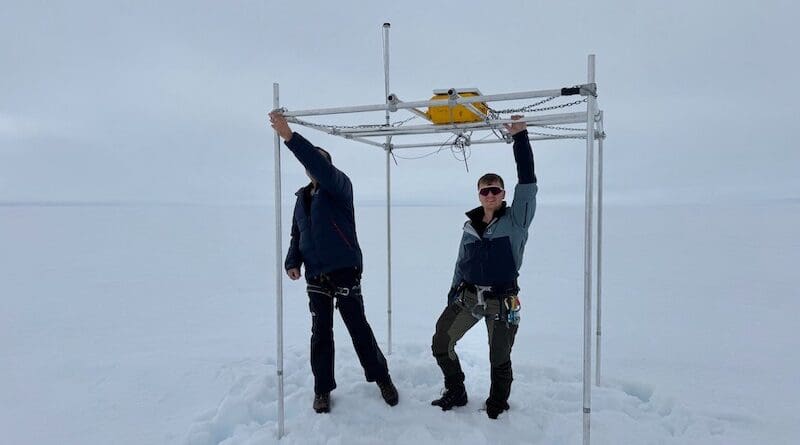
Greenland is shifting some centimeters northwest each year, shows new research led by Danjal Longfors Berg (right). The island’s size also changes due to bedrock stretching and compression. Photo: DTU Space


By 

Greenland is being twisted, compressed, and stretched. This happens due to plate tectonics and movements in the bedrock, caused by the large ice sheets on top melting and reducing pressure on the subsurface.

The pressure is easing both because large amounts of ice have melted in Greenland in recent years, and because the bedrock is still affected by the enormous ice masses that have melted since the peak of the last Ice Age around 20,000 years ago.

As a result, the entire island has shifted northwest over the past 20 years by about 2 centimeters per year.

At the same time, the movements are causing Greenland to both expand and contract horizontally. The effect is that Greenland’s area is currently being ‘stretched out’ and becoming slightly larger in some regions, while others are being ‘pulled together’.

This is shown by new research from DTU Space, recently published in the Journal of Geophysical Research.

”Overall, this means Greenland is becoming slightly smaller, but that could change in the future with the accelerating melt we’re seeing now,” says DTU Space postdoc researcher Danjal Longfors Berg, lead author of the article in Journal of Geophysical Research.


The geophysical processes affecting Greenland’s shape are pulling in different directions.

”The ice that has melted in recent decades has pushed Greenland outward and caused uplift, so the area has actually become larger during this period. At the same time, we see movement in the opposite direction, where Greenland is rising and contracting due to prehistoric changes in the ice masses related to the last Ice Age and its end,” says Danjal Longfors Berg.

A very detailed model

It is the first time the horizontal movements have been described in such detail.

”We have created a model that shows movements over a very long timescale from about 26,000 years ago to the present. At the same time, we have used very precise measurements from the past 20 years, which we use to analyze the current movements. This means we can now measure the movements very accurately,” says Danjal Longfors Berg.

The new measurements are based on 58 GNSS stations (GPS) placed around Greenland. They measure Greenland’s overall position, elevation changes in the bedrock, and how the island is shrinking and stretching.

”There have not previously been such precise measurements of how Greenland is shifting. The assumption has been that Greenland is primarily being stretched due to the dynamics triggered by the ice melting in recent years. But to our surprise, we also found large areas where Greenland is being ‘pulled together’, or ‘shrinking’, due to the movements,” says Danjal Longfors Berg.

Important for Arctic surveying and navigation

The new research provides useful information about what happens when climate change hits the Arctic with accelerating speed, as is the case in these years.

”It’s important to understand the movements of landmasses. They are of course interesting for geoscience. But they are also crucial for surveying and navigation, since even the fixed reference points in Greenland are slowly shifting,” says Danjal Longfors Berg.

The GNSS stations are owned by the Climate Data Authority under the Ministry of Climate, Energy and Utilities. They are used for research purposes and operated in collaboration with DTU Space. The research is conducted under the DTU Space research center Center for Ice-Sheet and Sea-Level Predictions (CISP).


‘No food, no business’: Kenyan women reveal hidden links between climate change and mental health

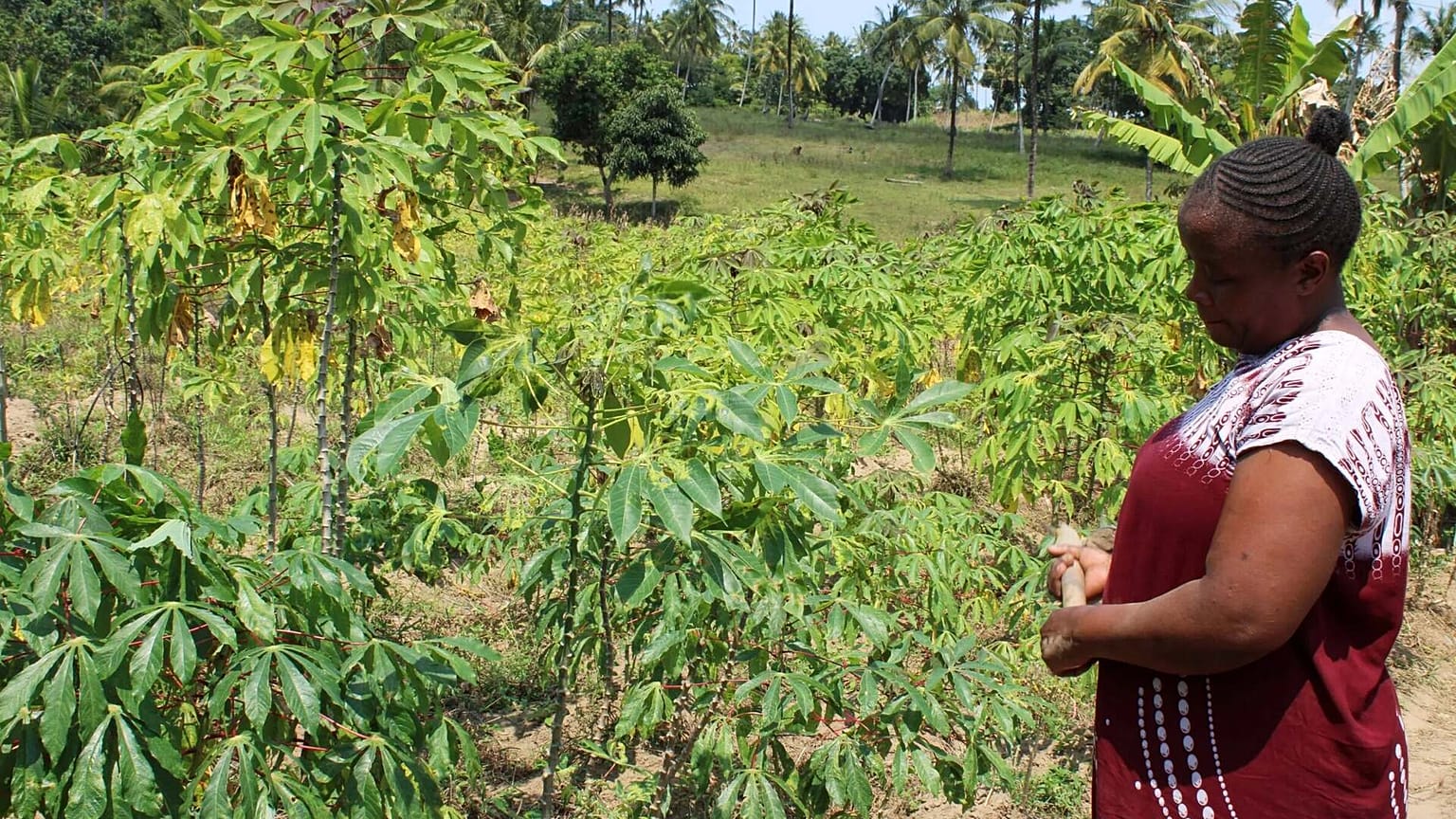
Elizabeth Amina Kadenge works on her farm in Kilifi, Kenya
Copyright AP Photo/Inaara Gangji

By Craig Saueurs & Desmond Tiro, Inaara Gangji and AP News
Published on 

Researchers in Madagascar, Spain and the Netherlands have also found links between climate change and depression and anxiety.

Across rural Kenya, extreme heat, failed rains and unpredictable seasons are doing more than devastating harvests. They’re taking a psychological toll.

In Kaloleni, one of the country’s poorest areas, researchers are uncovering how climate change is driving anxiety, depression and suicidal thoughts, particularly among women who shoulder the burden of keeping their families fed.

Here, homes are mostly built of mud and have no indoor plumbing, and during hot spells and droughts, the region’s all-important maize crops wither.

“These communities are struggling to grow their crops and have to spend money on food,” said Zul Merali from The Aga Khan University, who has set up a local institute for mental and brain health. “This creates a lot of pressure, particularly on women, because they are in charge of making sure that kids and families are fed.”

The human toll of climate stress

This farming community is one of the most studied populations in Kenya.

A network of community health workers visits all households every month to check how people are doing. They fill in questionnaires that the government uses to understand needs in rural communities.

Humphrey Kitsao is a community health promoter who looks after 115 households in Kilifi County totalling 532 people. He’s done this work for 18 years and says he’s seen a lot of change.

“People here still farm, but their income isn’t like before,” he told The Associated Press. “They have to spend a lot of money on their farms, but often there is no harvest.”

Jasmit Shah is a data scientist at The Aga Khan University’s Brain and Mind Institute who wanted to research the impact of climate change on the mental health of women in Kenya’s rural farming communities. While climate anxiety has been studied in the United States and Europe, no study on mental health had been done with women in this region.

The university was already supporting Kenya’s government in its data collection in Kilifi County. For its own research on mental health and climate change, it only had to add some questions.

“The questions are quantitative: Do you have any suicidal thoughts, and if you do, do you have them every day, several days a week, a few times a month?” Shah said.

“Then we asked them a set of about 15 questions related to climate shocks and looked at the correlation between climate shocks and people saying that they are having suicidal thoughts.”

Shah said the survey of nearly 15,000 women produced some concerning signs. For example, he said, it appears that droughts and heat waves are linked with much higher levels of suicidal thoughts.

Climate change is causing anxieties around the world

The links between climate change and mental health are becoming increasingly clear around the world.

In Europe, researchers have found that long-term exposure to cold led to anxiety, depression and other issues among adolescents and young adults in the Netherlands. Higher heat in Spain, on the other hand, has been tied to attention problems.

In rural areas, especially in developing regions, the effects are often more tangible.

Earlier this year, researchers revealed that climate change is causing a mental health crisis among adolescents in Madagascar, where fears of food insecurity and futures stolen by droughts and storms have led to spikes in anxiety and depression in rural areas.

In Kaloleni, Kenya, 41-year-old farmer and mother of four Elizabeth Amina Kadenge said her maize harvest had been wiped out by drought at the time of the study. This year, it was wiped out again – by too much rain.

“It has been very stressful because farming is also my business,” Kadenge said. “When I farm the way I know, some of my maize is for food, and some of it is for my business. But if it fails, I have no food and no business.”

Kadenge has addressed her anxiety around the unreliable weather by switching to planting cassava, which is less fickle. But maize takes three months from planting to harvest. Cassava takes a year. If the family is hungry, they must uproot it before it’s big enough to sell and use it for food “because we have no other option.”

Breaking the silence on mental health

With such serious problems in rural Kenya, mental health often isn’t a priority. “We don’t talk about it a lot, not only in that community, but everywhere,” Shah said.

Mercy Githara is the mental health and psychosocial manager at the Kenya Red Cross. In her experience, the mental fallout from droughts or floods is very real.

“There is a lot of psychological distress among these communities, and some of them have developed mental health conditions such as depression,” she said.

She wants to see a greater emphasis on mental health. “Ensure that communities that are facing climate change can be able to access mental health services,” she said.

Shah is hopeful it’s already starting to happen. He noted the government’s community health promoters’ program across Kenya and the mental health training for participants. “So if they see a problem with a certain household or individual, they can refer them to a facility where they can be seen by a health professional.”

Such support could be needed for the long run.

“Climate change is not going to be a short-term thing,” Merali said. “It’s here to stay.”

Brazil set to host COP30 with climate wins on deforestation, indigenous reserves


As Brazil prepares to host the UN COP30 climate summit in the Amazon next month, the country's president Luiz Inacio Lula da Silva has clocked impressive climate wins on curbing deforestation, legalising indigenous land reserves and securing conservation funding.


Issued on: 14/10/2025 
By: FRANCE 24

Brazilian President Luiz Inacio Lula da Silva appointed Sonia Guajajara (R) as his minister of indigenous peoples. © Ricardo Stuckert, AFP

Brazil's president has slashed deforestation in the Amazon and worked to better protect Indigenous people, giving him a generally positive environmental record as he prepares to host COP30 UN climate talks in a month.

However, veteran leftist Luiz Inacio Lula da Silva faces a strong agribusiness lobby in congress that has tried to weaken environmental laws, and the president has enraged green activists with his support for the expansion of oil exploration.

This is what experts say he is doing right:

Brazil's climate comeback

The 79-year-old has returned to office after years of rampant Amazon deforestation under his climate-sceptic predecessor Jair Bolsonaro.

"Brazil is back," he declared at COP27 in Egypt shortly after his re-election, receiving a rock star's welcome as he pledged to protect a rainforest with billions of carbon-absorbing trees that are a key buffer against global warming.

He announced plans to host COP30 in the Amazon itself so world leaders could get a first-hand look at one of Earth’s richest ecosystems.

Another strong message was Lula's choice of environment minister, Marina Silva – who cut deforestation dramatically during his first term.

The pair have previously feuded over the clash between development goals and environmental protection.

They set about rebuilding Brazil's environmental agencies and Lula also reactivated the Amazon Fund, an international financing mechanism to protect the forest that had been suspended under Bolsonaro.
Slowing forest loss

Lula pledged zero deforestation by 2030.

In the last year of Bolsonaro's presidency in 2022, deforestation reached more than 10,000 square kilometres (3861 square miles) – an area about the size of the country of Lebanon.

This number had dropped by more than half by 2024, falling to 4,200 square kilometers.

However, in 2024, Brazil suffered one of its worst waves of forest fires on record. The flames, often linked to agricultural activity, grew out of control amid a historic drought linked to climate change.

Silva said fires had become one of the main causes of deforestation.

Forest loss also slowed in other sensitive biomes like the Cerrado, a vast region of tropical savannah in central Brazil.
Indigenous lands

Indigenous lands are seen as a key barrier to Amazon deforestation.

Lula created an Indigenous people's ministry and legalised 16 Indigenous reserves during his third term – a process that had been paralyzed under previous governments.

Read more Brazil's Lula renews recognition of indigenous land reserves

Marcio Astrini of the Climate Observatory, a collective of NGOs, said the demarcation of Indigenous lands was particularly important in case a climate-sceptic candidate wins 2026 presidential elections.

"A new government can withdraw funding from climate policies, but it won't be able to undo a protected Indigenous area," he told AFP.

Government policies also expelled invaders from more than 180,000 square kilometers of Indigenous lands – an area slightly smaller than Uruguay – according to the state Indigenous affairs agency Funai.

Local populations "regained freedom to move around, resume hunting ... they recovered their territory," Nilton Tubino, coordinator of Indigenous policies for the federal government in the northern Amazon state of Roraima, told AFP.
Financing forest protection

Brazil's government has also designed a global initiative to finance the conservation of endangered forests: the Tropical Forest Forever Fund (TFFF).

"This is the main contribution Brazil intends to make to the COP," said Finance Minister Fernando Haddad.

Authorities envision the TFFF as a fund of more than $100 billion in public and private capital.

Three weeks ago, Lula announced that Brazil would invest $1 billion in this initiative during a speech in New York on the sidelines of the UN General Assembly.

(FRANCE 24 with AFP)

Climate Change Already Affects The Daily Lives Of Amazon Population

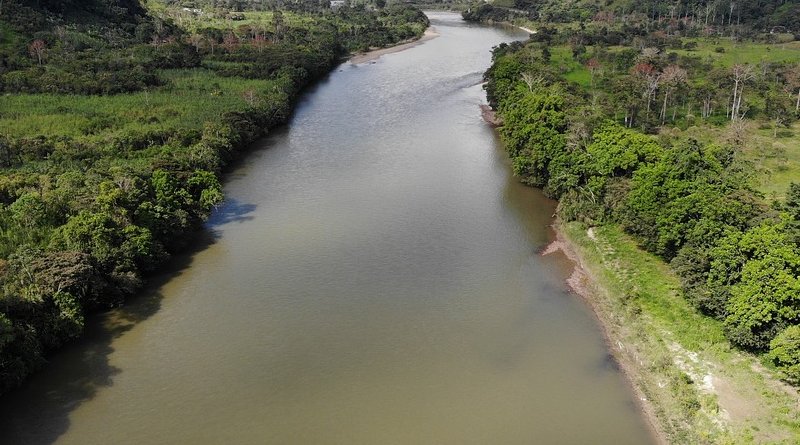
amazon river

By 

By Elaine Patricia Cruz


One in three residents of the Amazon (32%) can already feel the effects of climate change directly. The data can be found in the population perception survey Mais Dados Mais Saúde – Clima e Saúde na Amazônia Legal (“More Data, More Health – Climate and Health Care in the Legal Amazon”), released this week.

According to the study, this perception is even greater among people who identify as part of traditional communities – such as indigenous people, quilombolas, riverine communities, and rubber tappers. Of these, 42.2 percent say they can already experience the effects of climate change.

“The Amazon has been prioritizing the establishment of a number of hydroelectric dams, large agricultural businesses, and large-scale deforestation. This has consequences. This development model is exclusionary and predatory, and reinforces poverty and inequality. Traditional peoples are directly affected by these consequences,” Luciana Vasconcelos Sardinha, deputy director for chronic noncommunicable diseases at Vital Strategies and technical head for the study, said in an interview with Agência Brasil.

Among the effects most commonly named by residents are increased electricity bills (83.4%), increased average temperatures (82.4%), increased air pollution (75%), increased occurrence of environmental disasters (74.4%), and increased food prices (73%).

Available at the Public Health Observatory, the survey was conducted online from May 27 to July 24, 2025, with 4,037 people living in one of the nine states that make up the Legal Amazon region – Acre, Amapá, Amazonas, Maranhão, Mato Grosso, Pará, Rondônia, Roraima, and Tocantins.


Above-average temperatures

Two out of three respondents from the Legal Amazon (64.7%) reported experiencing heat waves in the last two years, with temperatures above the local average. Furthermore, about one-third of them (29.6%) stated that, also in the last two years, they experienced persistent drought, aggravated by more heat and less rain, as well as forest fires with intense smoke that impacted their daily activities (29.2%).

During the same time range, residents also reported witnessing environmental deforestation (28.7%), worsening air quality (26.7%), and worsening water quality (19.9%).

Among the people identifying as part of a traditional community, the top reports were of worsening water quality (24.1%) and problems with food production (21.4%).

Behavior

The survey also points out that climate change has already caused changes in the behavior of residents of the Legal Amazon. Half of the population stated, for example, that they had reduced practices they believe could contribute to the worsening of the problem (53.3%), and 38.4 percent said they felt guilty about wasting energy. Most residents usually separate their waste for recycling (64%), a practice that is even more common among traditional communities (70.1%).

According to Sardinha, even though traditional peoples are the most impacted by climate change, they are also the ones who can produce the most efficient responses to these consequences. “Respect for this cultural diversity, which comes from this [traditional] knowledge, is crucial when we think about how to solve these problems or improve quality of life,” she noted.

“We observe that traditional peoples are more exposed because they are more vulnerable and generally have lower incomes and less education. This is directly transforming the territory they live in, as well as their way of life. But it also shows their potential to reinvent themselves. They organize themselves largely in communities and networks, which has helped mitigate the consequences of climate change,” Sardinha said.

However, she went on to say, mitigating the effects of climate change also needs to be part of public policies that focus on reducing regional inequalities.

“We need to strengthen governance to achieve integrated planning and join forces to increase financial, logistical, and human resources, which are always scarce. So, if we do something in an integrated way, we can achieve better results. Another important way to mitigate these problems is through a development model that involves demographic participation, the socialization of these policies, and, above all, sustainability. We must take into account the initiative of traditional peoples,” she argued.


ABr

Agência Brasil (ABr) is the national public news agency, run by the Brazilian government. It is a part of the public media corporation Empresa Brasil de Comunicação (EBC), created in 2007 to unite two government media enterprises Radiobrás and TVE (Televisão Educativa).