Five European nations and Japan ready to 'contribute' to securing Hormuz
The conflict around the Strait of Hormuz is starting to draw in global powers, as disruptions to shipping and energy flows raise concerns about wider economic fallout.
European nations and Japan have said they are ready to support efforts to improve security in the Strait of Hormuz, as the war with Iran continues to disrupt shipping without a concrete military role being outlined.
In a joint statement, countries including Britain, France, Germany, Italy, the Netherlands and Japan condemned attacks on commercial vessels and said they were prepared to "contribute to appropriate efforts" to help ensure safe passage through the waterway and support stability in global energy markets.
The statement did, however, not provide details on how they would do so or the extent they would be willing to commit resources.
At the same time, maritime data shows the strait has not been completely shut. Around 90 ships, including oil tankers, crossed the waterway in the first two weeks of March. That is far below normal levels, but indicates that limited traffic is continuing.
Analysts say the strait is now operating on a selective basis, with some vessels allowed through while others face higher risks.
Disruption and attacks at sea
The crisis began on 28 February when the United States and Israel launched strikes on Iran, raising immediate concerns about the safety of shipping routes in the Gulf.
Within days, tankers were damaged in attacks and shipping companies began delaying voyages as risks increased.
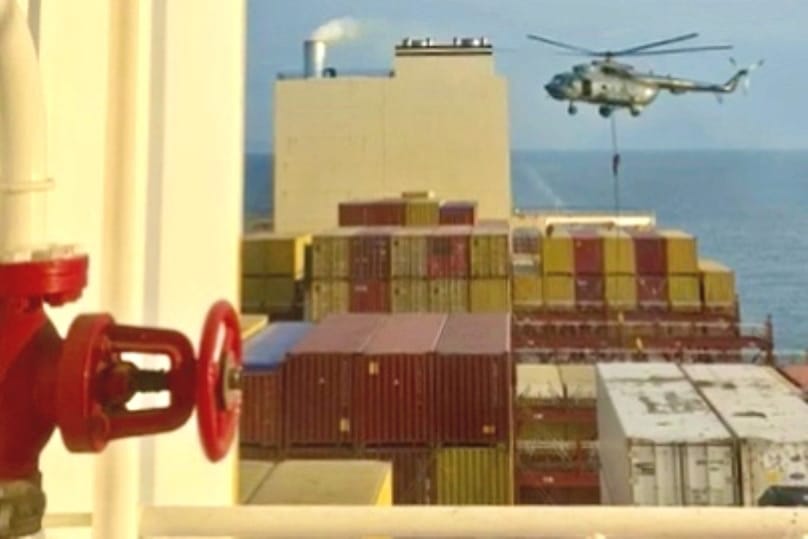
A Malta-flagged container ship was hit by a projectile while passing through the strait, forcing its crew to abandon the vessel.
Shipping data showed dozens of vessels slowing or waiting in Gulf waters, while many others delayed movements as operators reassessed whether it was safe to transit the narrow passage.
At least 20 vessels have been attacked in the area since the start of the conflict.
Iran has warned it could target ships attempting to pass through the strait if attacks on its territory continue.
Selective crossings and energy impact
Despite the disruption, some ships have continued to get through, often under specific conditions.
Vessels linked to Iran or from countries that maintain ties with Tehran have been among those able to transit, while others have relied on diplomatic arrangements to pass safely.
Iran has continued exporting oil during the conflict, with trade data suggesting millions of barrels have still been shipped despite the slowdown in traffic.
The disruption has fed into global energy markets, with oil prices rising sharply and shipping rates increasing as insurers and operators factor in the risks of sailing through the strait.
The Strait of Hormuz is one of the world’s most important energy routes, carrying around a fifth of global oil supply and key liquefied natural gas exports from the Gulf.
As U.S. Applies Force in Hormuz, European Powers Support Post-War Security
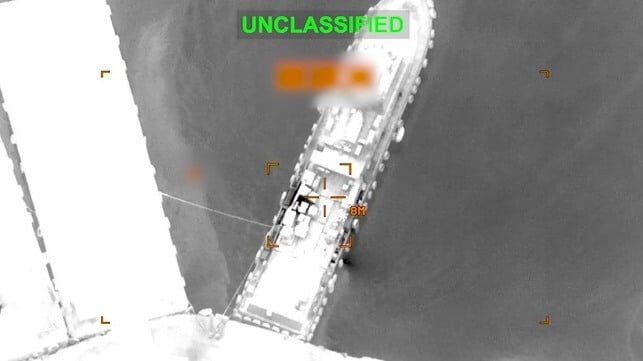
On Thursday, following a broad rejection of the White House's appeal for help in reopening the Strait of Hormuz, a coalition of six allied nations released a statement supporting action to protect shipping in the contested waterway - leading to immediate confusion.
"I have read completely erroneous interpretations of the document approved today by some European and non-European nations, including Italy," said Italian defense minister Guido Crosetto, referring to a joint release approving action in Hormuz.
The miscommunication may have stemmed from open-ended timing and unspecified means of assistance in the language of the letter. In their statement, the leaders of United Kingdom, France, Germany, Italy, the Netherlands and Japan expressed a "readiness to contribute to appropriate efforts to ensure safe passage through the strait."
For the U.S. and Israel, "appropriate efforts" in the strait include the immediate use of high-end military force in combat with Iran. For Italy, "appropriate efforts" means the opposite: no war mission, and no entry into Hormuz right away - without first establishing a truce and building a multilateral naval coalition, Crosetto said.
"We are aware of the importance for all of working to safely reopen Hormuz and believe it is right and appropriate for the United Nations to provide the legal framework for a peaceful and multilateral initiative to achieve this goal," said Crosetto.
The pledge for a post-conflict security mission received praise from the UK Chamber of Shipping. "Protecting crews must remain the foremost consideration at every stage, and we strongly support sustained international coordination to restore maritime security, stabilize shipping operations and safeguard those working on the front line of global trade," the trade organization said.
In the meantime, Iran has its own plans for safe passage through the strait. According to the Iranian Student News Agency (ISNA), Iran's parliament is considering a bill that would impose a fee structure for passing vessels. Lloyd's List reports that at least one ship has already paid a steep fee of $2 million to make the run through Iran's new protected route between Qeshm and Larak; the bill would formalize this arrangement.
Trump calls NATO allies 'cowards' over refusal to join Strait of Hormuz security force
The death toll has risen to more than 1,300 people in Iran, more than 1,000 people in Lebanon, 15 in Israel and 13 US military members in the region. Millions of people in Lebanon and Iran have been displaced.
Three weeks into an escalating war in the Middle East, the US is reportedly sending more warships and Marines to the region, and Iran threatened Friday to expand its retaliatory attacks to include recreational and tourist sites worldwide.
As Israeli airstrikes landed in Tehran, Iran launched more attacks on Israel and energy sites in neighbouring Gulf Arab states, and the region marked Eid, one of the holiest days on the Muslim calendar. Iranians were also celebrating the Persian New Year, known as Nowruz, a normally festive holiday that is more subdued this year.
Jerusalem's Old City was hit by debris on Friday from incoming intercepted Iranian missiles. The debris landed in the Jewish quarter, less than 500 metres from The Western Wall, the holiest site where Jews can pray, and Al Aqsa Mosque, the third holiest site in Islam. It struck just above Dung Gate, one of seven functional entrances into the Old City.
With little information coming out of Iran, it was not clear how much damage its arms, nuclear or energy facilities have sustained in the punishing US and Israeli strikes that began on 28 February — or even who was truly in charge of the country. But Iran's attacks are still choking off oil supplies and denting the global economy, raising food and fuel prices far beyond the Middle East.
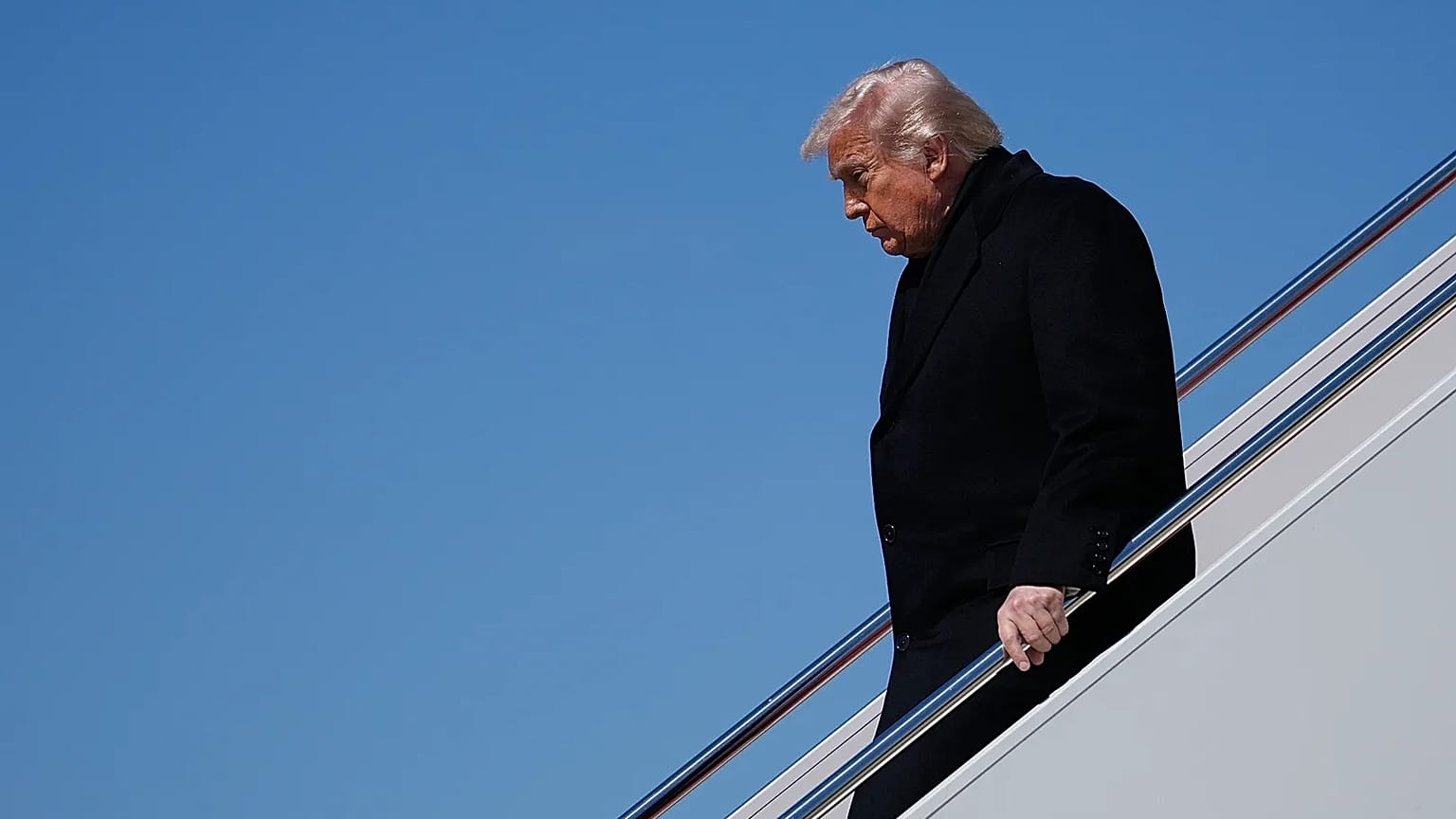
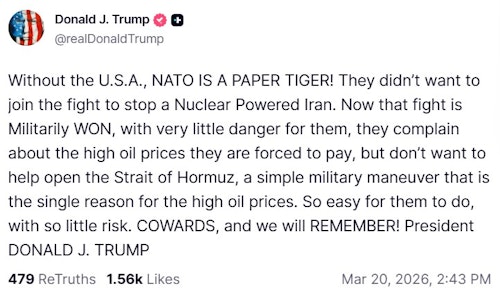
Trump Friday called his NATO allies "cowards" for not responding to his call to provide security in the Strait of Hormuz, adding that saying that without America the alliance is a “paper tiger.”
Hours after Trump's statement, the United Kingdom announced that it had authorised the use of its military bases for the US to carry out strikes on Iranian sites attacking ships in the Strait of Hormuz.
The agreement expands the previously agreed to conditions for use of its bases, which stated that American forces could use British bases for operations to prevent Iran firing missiles that put British interests or lives at risk.
The US and Israel have offered shifting rationales for the war, from hoping to foment an uprising that topples Iran’s leadership to eliminating its nuclear and missile programs. There have been no public signs of any such uprising and no end in sight to the war.
 Trump calls NATO allies 'cowards' over refusal to join Strait of Hormuz security force
US President Donald Trump has lashed out at NATO, saying that without America the alliance is a “paper tiger.”
In a post on his Truth Social platform, Trump complained about NATO allies not responding to his call to provide security in the Strait of Hormuz.
“Now that fight is Militarily WON, with very little danger for them, they complain about the high oil prices they are forced to pay, but don’t want to help open the Strait of Hormuz, a simple military maneuver that is the single reason for the high oil prices. So easy for them to do, with so little risk. COWARDS!” he wrote.
On Monday, Trump warned that NATO faces a “very bad future” if allies didn’t respond to his call to create an international naval police force.
The Strait of Hormuz is a key route for global oil and gas from the Gulf, carrying about one-fifth of the world’s crude oil.
Most shipping traffic has been halted since early March, shortly after the start of the war in Iran.
Oil prices have risen above $100 (€86) a barrel in recent weeks.

No comments:
Post a Comment