FE
India’s iron ore imports set to hit 7-year high in 2025–2026
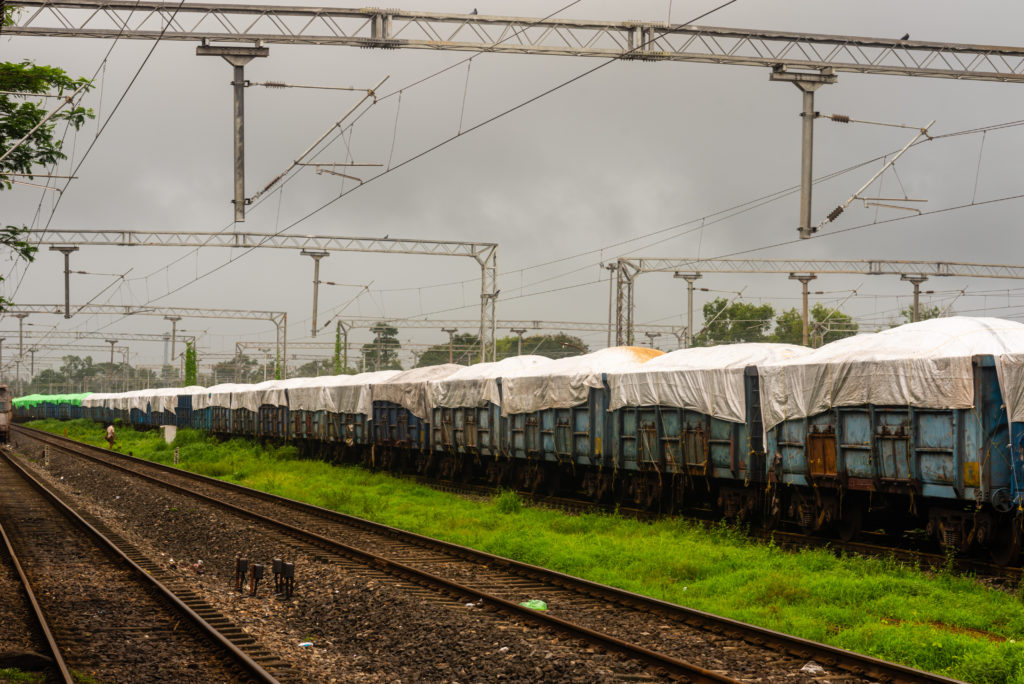
India’s imports of iron ore, a key raw material in steelmaking, are set to rise to a seven-year high in the fiscal year ending on March 31, driven by a shortage of high-grade ore and demand from JSW Steel, analysts and industry executives said.

Overall imports are likely to reach 12 million to 14 million metric tons in 2025-26, more than doubling from a year earlier, analysts and trade officials said.
JSW Steel, India’s biggest steelmaker by capacity, was a key driver of iron ore imports for its mills in the western state of Maharashtra and the southern state of Karnataka, said Lalit Ladkat, a senior analyst at London-based consultancy CRU.
A cargo of BHP’s Jimblebar Fines iron ore is heading to India in a rare sale, driven by discounts on the product that was banned for sale in China, Reuters reported last week.
The bulk of India’s iron ore imports in the fiscal year originated from Brazil and Oman, which together accounted for about 70% of total shipments, Ladkat said.
Iron ore output in India, the world’s second-largest crude steel producer, is expected to reach 305 million tons in the 2025–26 fiscal year, up from 289 million metric tons a year earlier, according to commodities consultancy BigMint.
But exports of iron ore are expected to reach 29 million metric tons, up 26% from a year earlier, with 85% of shipments going to China, Ladkat said.
India mainly exports low-grade iron ore that is generally not used by steel mills in the country, mining officials said.
In the fiscal year that begins on April 1, India’s iron ore output is expected to rise as mines ramp up production, although imports may continue depending on grade requirements and plant-level supply dynamics, said Sumit Jhunjhunwala, vice president at ICRA Ratings.
Iron ore pellet imports to drop
India, which has been importing cheaper iron ore pellets – processed or value-added products – from Iran since last year, is likely to see volumes decline due to the conflict in the Middle East, analysts said.
“Indian pellet imports from Iran could decline amid heightened geopolitical tensions and associated trade uncertainties, while ample domestic pellet availability is likely to constrain import demand,” BigMint said.
From April to February, India imported 1.88 million metric tons of iron ore pellets, up six times from a year earlier.
(By Neha Arora; Editing by Mayank Bhardwaj and Thomas Derpinghaus)
Fortescue bets on China ties as CMRG broadens iron ore influence

Fortescue Ltd. expects its extensive use of Chinese capital and mining equipment to set it apart from rival iron ore producers as Beijing seeks to extend its influence in the market, chief executive officer Dino Otranto said in an interview.
Speaking on Bloomberg Television, Otranto said state-backed iron ore buyer China Mineral Resources Group Co. had told him from the start that it wanted better terms, and to bring in more investment.
“The message was very clear. We procure all of your iron ore; You get all your money from the US, you get all your equipment from the US. We need to look at opening up that relationship,” he said on the sidelines of the China Development Forum.
Otranto added that Fortescue had already taken significant steps to source equipment from Chinese suppliers, including by placing a large order for trucks. Last August, the company also secured a 14.2 billion yuan ($2 billion) loan from lenders including mainland banks, in an effort to diversify away from the US. This could position Fortescue as a “unique offering in the market compared to some of our peers,” Otranto said.
CMRG has disrupted the global iron ore market with its effort to increase the clout of the world’s top consuming nation. It has been locked in months of pricing negotiations with BHP Group, a dispute that has resulted in steel mills being told to halt purchases of certain types of ore produced by the miner.
Fortescue and Rio Tinto Group have already switched the index they use to price some of its iron ore contracts under agreements with CMRG.
(By Katharine Gemmell, Paul-Alain Hunt and Stephen Engle)

No comments:
Post a Comment