ZN
Korea Zinc faces fresh vote challenge in long-simmering dispute
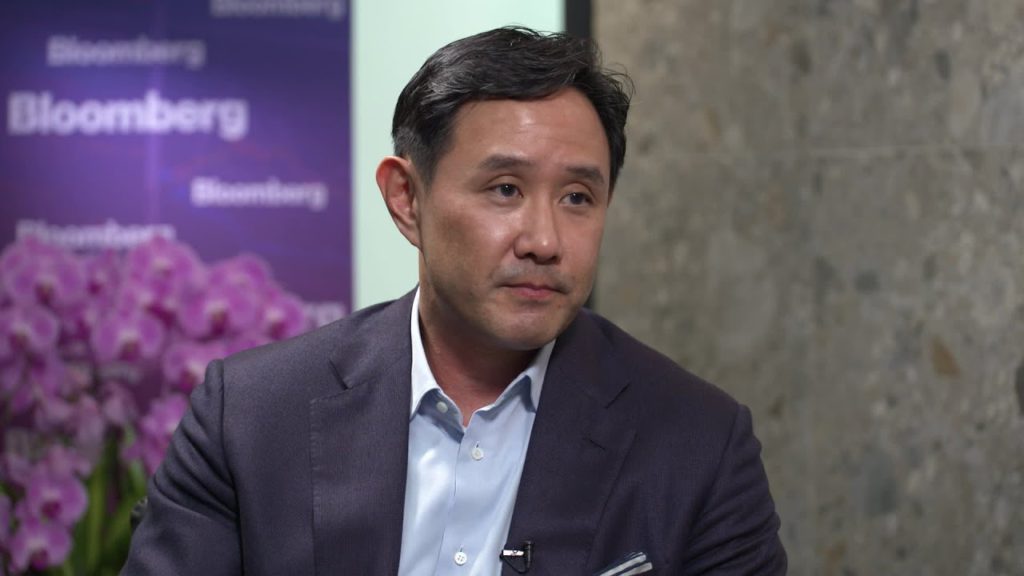
More than a year after an upstart coalition of activist investors attempted to wrest control of Korea Zinc Co. from its chairman, shareholders will vote on his fate Tuesday.

Chairman Yun B. Choi’s bid for re-election to the board has faced last-minute setbacks after South Korea’s powerful National Pension Service abstained and the California Public Employees’ Retirement System, the largest US public pension fund, opted to vote against him.
The decisions are raising the stakes for Tuesday’s annual general meeting, turning a boardroom power struggle into a broader test of activist influence and investors’ ability to challenge Korea’s traditionally management-friendly culture.
While Choi’s side holds a majority on the board, his fate will be decided by minority investors. If the activist alliance led by MBK Partners Ltd. and Young Poong Corp. — which together control more than 41% of the company’s voting stake, according to Yonhap — prevails, it would mark a rare shift of power for shareholders in Korea.
“From a corporate governance perspective, there are big questions about the current management,” said Namuh Rhee, chair at the Korean Corporate Governance Forum. “It is a tight contest, and the key issue is whether shareholder and investor protections are being properly upheld.”
The episode dates back to September 2024, when MBK and Young Poong launched a hostile takeover attempt, arguing that executives had violated their fiduciary duties and saddled the company with debt to bolster Choi’s control. While the bid drew intense investor scrutiny, the pair failed to topple Choi.
With a 5.2% stake, the NPS — currently the fourth biggest holder — is a key swing voter. Its decision not to back Choi — while also opposing some audit committee nominees — is being interpreted differently by the two camps. MBK and Young Poong called it a “de facto negative assessment” of Choi’s leadership, while Korea Zinc described it as a “balanced and neutral” stance.
The pension fund cited concerns over “past records of infringement of corporate value and shareholder rights” in explaining its stance on key nominees.
Following NPS’s decision, CalPERS said it voted against the management proposal to elect Choi. Its exact holdings are undisclosed.
Global proxy advisers have issued conflicting guidance ahead of Tuesday’s meeting. Institutional Shareholder Services recommended a vote against Choi’s reappointment, identifying governance issues as the primary concern. In contrast, Glass Lewis advised in favor of his reappointment.
The timing is critical for Korea Zinc, one of the world’s biggest zinc refiners, as it pushes ahead with plans to build a US smelter backed by the US government and other investors, part of broader efforts to secure critical mineral supply chains.
The two sides have been locked in disputes over Korea Zinc’s third-party share issuances tied to the establishment of a US joint venture, though the activist alliance has said it supports the US smelter project.
Tuesday’s meeting also features a hefty and contested agenda, underscoring the broader questions about governance for investors. Proposals include changes to board size under cumulative voting, a 10-for-1 stock split, expanding separate elections for audit committee members, imposing fiduciary duties on directors, and altering who chairs shareholder meetings.
NPS has said it would back competing proposals on board size and split votes evenly between rival slates tied to four director candidates.
“Korea Zinc received more than 50 shareholder proposals with most focusing on a potential lack of governance,” said Yasutake Homma, a Bloomberg Intelligence ESG strategist, in a report. “The firm is now under shareholder pressure over investment in the US.”
(By Haram Lim)

No comments:
Post a Comment