Tuesday, September 27, 2022

Seabridge, Copper Mountain recognized for mine reclamation work in BC

Staff Writer | September 22, 2022 |
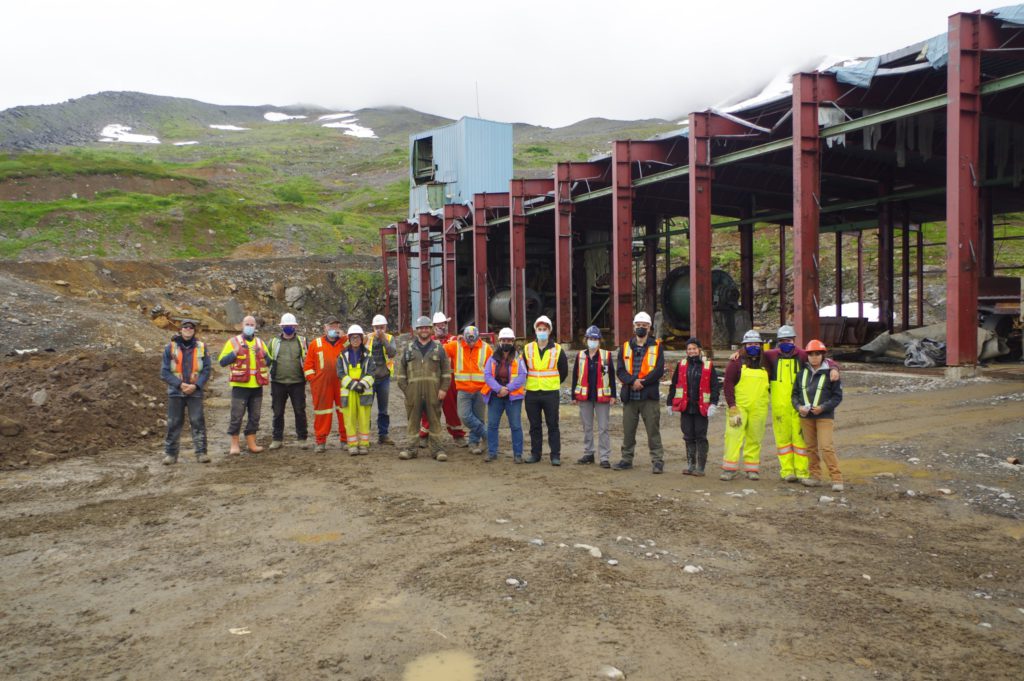
Seabridge is working with the Tahltan Nation to bring the former Johnny Mountain mine site back to its pre-mining conditions. Credit: Seabridge Gold

The British Columbia Technical and Research Committee on Reclamation (TRCR) has announced the winners of the this year’s BC mine reclamation awards. These awards were presented at the TRCR’s 45th annual Mine Reclamation Symposium on Wednesday evening.


Taking home the Jake McDonald annual mine reclamation award is Seabridge Gold, which was recognized for its work at the past-producing Johnny Mountain gold mine that operated in the late 1980s. The work is part of the company’s C$12 million environmental and reclamation program that it is voluntarily undertaking with the Tahltan Nation at the 100%-owned Iskut project in northwest BC.

“Seabridge Gold has shown great leadership in its ongoing efforts to reclaim an inherited site with a high level of indigenous nation support and involvement,“ says Tim Antill, outgoing chair of the TRCR and chair of the awards subcommittee.

Since acquiring Snip Gold and its mineral tenures that included the former Johnny Mountain mine in 2016, Seabridge Gold has worked to return disturbed lands and anthropogenic landforms to their original land use and capability of alpine tundra wildlife habitat.

The environmental and reclamation activities completed at the Johnny Mountain mine were recognized because of the timely implementation of the site activities, and for the company’s commitment to work with indigenous partners to ensure all site environmental and reclamation activities, which are on the traditional territory of the Tahltan Nation, have both Indigenous input and approval.

“It’s a great honour to be recognized with the prestigious Jake McDonald annual mine reclamation award, which further validates our reputation as a ‘responsible operator’ and our commitment to protect the environment,” said Rudi Fronk, Seabridge Gold’s chair and CEO.

Seabridge is expected to complete the full reclamation and closure of the Johnny Mountain mine site in 2025.

The metal mining category award was given to Copper Mountain Mining for its channel realignment of Wolfe Creek and implementation of fish habitat offsetting sites consisting of five components to improve fish productivity and one site to improve fish passage.

In 2019, Copper Mountain initiated work to realign a section of Wolfe Creek around its flagship mine in southern BC near the town of Princeton. The company also developed plan to a provide a new higher quality fish habitat to offset a portion of the creek that was fish-bearing. The reclamation work consisted of soil applications, seeding and planting trees and shrubs. In 2021, an initial effectiveness evaluation was conducted and indicated that the habitat suitability index values were above average to excellent.

Concurrent with the industry recognition for its reclamation work, Copper Mountain has also formalized its sustainability initiatives dating back to its inception by releasing the company’s inaugural environmental, social and governance (ESG) report.

The coal mining category award went to Teck Resources for its unique approach to assessing baseline environmental conditions, developing ecosystem and habitat models using historic and current geospatial data, and ongoing reclamation monitoring.

The Tony Milligan book award was presented to Jeff Anderson, Melissa Iverson and Ben Pearse of Integral Ecology Group for its paper, “Applications for remote sensing by unmanned aerial vehicles in reclamation monitoring,” presented online at last year’s Mine Reclamation Symposium.
Baffinland gets nod from Nunavut board to extend Mary River operation until year-end

Cecilia Jamasmie | September 23, 2022 

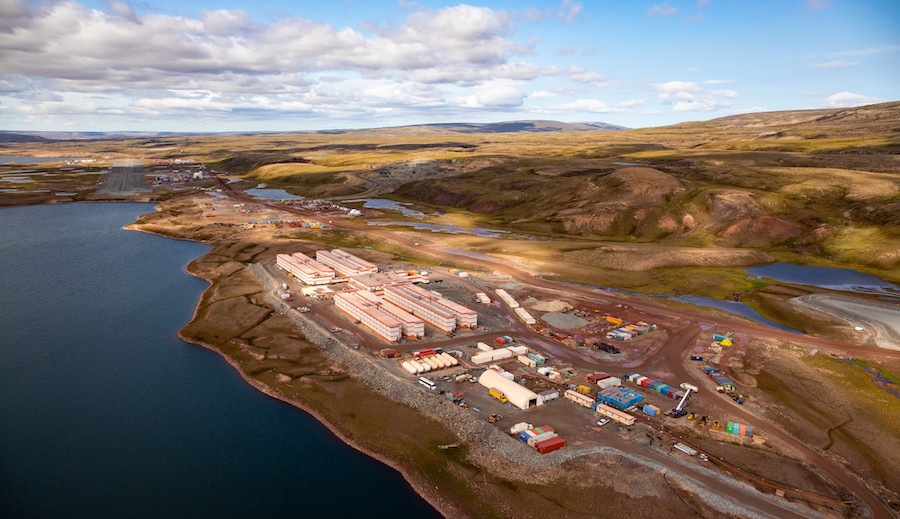
Mary River iron ore mine site on Baffin Island, Nunavut, Canada, (Image courtesy of Baffinland Iron Mines.)

Baffinland Iron Mines has received a positive recommendation from the Nunavut Impact Review Board (NIRB) to temporarily increase production at its Mary River iron ore mine in Canada’s Nunavut territory to 6 million tonnes through to the end of the year.


The decision, the company said, could help it keep the mine viable and save more than 1,100 jobs off the chopping block this fall.

Northern Affairs Minister Dan Vandal, however, has the final word and there hasn’t been any information on when that decision will come.


“Out of care and concern for the livelihoods of our employees and their families, we are delaying the issuance of termination notices until October 20th, which is the outside date the minister’s office has indicated it will be able to respond to the NIRB recommendation,” the company said.

While Baffinland is pleased about the NIRB’s decision, it is urging the minister to approve the production increase for the rest of the year.

Vandal is also still considering whether to approve Mary River’s Phase 2, which proposes a railway to Milne Inlet, as well as an increase in allowed shipments to 12 tonnes of iron ore a year, with eventual plans to increase that amount. The NIRB earlier rejected that plan.

Expansion detractors have argued for months that expanding the mine’s capacity would affect the world’s densest narwhal population.

Narwhals are a type of whale with a long, spear-like tusk that protrudes from its head. The marine mammal is an important predator in Eclipse Sound and other Arctic waters, as well a major food source for Inuit in the region.

Last year, a group of hunters from Arctic Bay and Pond Inlet blocked access to the mine in protest of the company’s ice breaking practices due to their negative impacts on narwhals. The company agreed to avoid ice breaking in spring, based on “the precautionary principle that is the foundation of our adaptive management plan,” Baffinland’s CEO said in a statement at the time.
Synthetic rocks shed light on how REEs are formed
Staff Writer | September 25, 2022 

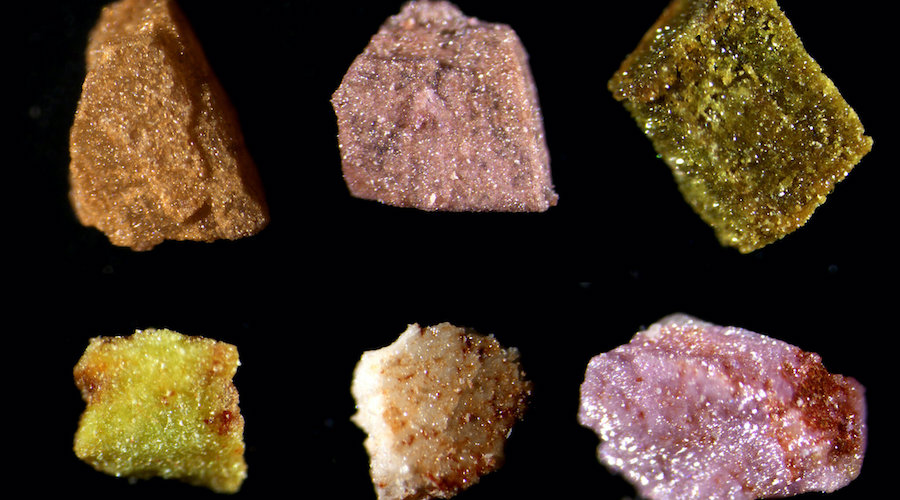
A selection of some of the rare earth artificial rocks produced. 
(Image courtesy of Trinity College Dublin).

Researchers from Trinity College Dublin have shed new light on the formation of rare earth elements by creating synthetic rocks and testing their responses to varying environmental conditions.


In a paper published in the journal Global Challenges, the scientists point out that their findings have implications for recycling REEs from electronic waste, designing materials with advanced functional properties, and even for sourcing new REE deposits hidden around the globe.

“As both the global population and the fight against carbon emissions grow in the wake of global climate change, the demand for REEs simultaneously increases, which is why this research is so important. By growing our understanding of REE formation, we hope to pave the way to a more sustainable future,” head researcher Juan Diego Rodriguez-Blanco said in a media statement.

According to Rodriguez-Blanco, the genesis of rare earth deposits is one of the most complex problems in earth sciences. However, he believes his team’s approach is shedding new light on the mechanisms by which rocks containing rare earths form. This knowledge is critical for the energy transition, as rare earths are key manufacturing ingredients in the renewable energy economy.

The researcher noted that the new study has revealed that fluids containing REEs replace common limestone—and this happens via complex reactions even at ambient temperature. Some of these reactions are extremely fast, taking place at the same time it takes to brew a cup of coffee.

This knowledge allowed the team to better understand the basic mineral reactions that are also involved in industrial separation processes, which will help improve extraction methods and separate REEs from fluids.

Since the team’s primary goal is to understand the complex processes of REE-carbonate deposit formation, they decided to synthesize their own minerals and rare earth carbonate rocks (similar to bastnasite, the critical mineral from which REEs can be extracted from carbonatite rocks). This, instead of studying natural samples.

Once they’ve completed the synthesis process, they then mimic natural reactions to learn how REE mineralizations form.

This also allows them to assess how changes in the main environmental factors promote their formation. Such knowledge, in turn, can help inform on the origin of mineralizations on untapped carbonatite resources, which are not only in China – the supplier of 60% of the global REEs need – but also in other areas of the world, such as Brazil, Australia, the US, India, Vietnam, South Africa and Greenland.

“As REEs are playing a critical role in a technology-filled and sustainable future, it is necessary to understand the behaviour of REEs in the geochemical cycle and in basic chemical reactions,” Adrienn Maria Szucs, lead author of this study, said.
Artisanal miners’ protests in Colombia hacked by looters
Staff Writer | September 25, 2022 | 

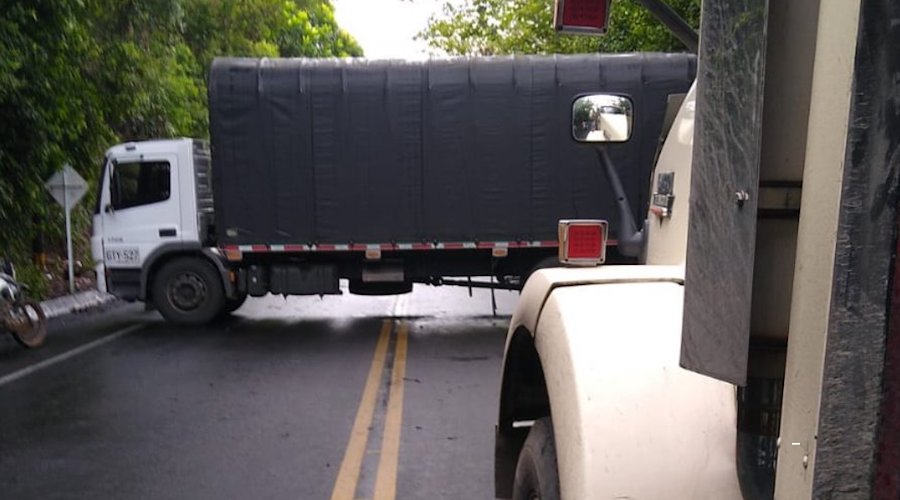
Blockade in Colombia’s Antioquia department.
 (Image by Antioquia’s Governor Aníbal Gaviria Correa, Twitter.)

A series of protest actions led by small-scale miners in Colombia’s northwestern Antioquia department since September 21 turned violent by the end of the week as people not linked to the protests, used the blockades as an excuse to ransack 30 cargo vehicles carrying food and other consumer products.


According to local media, the first protest took place between the towns of Cáceres and Caucasia, where some 200 miners were demanding to meet with local and regional authorities. They wanted to negotiate an agreement that allowed them to work without being harassed by the police.

The artisanal miners say authorities tend to persecute them and destroy the machinery they use to extract gold from nearby deposits.

The ongoing blockades, however, have been hacked by third parties who not only have looted cargo trucks passing by, but have also caused damages to the vehicles and, in some cases, hurt the drivers.

The Freight Forwarders Association also told local media that economic losses caused by these incidents add up to over $20 million, as out of the 350,000 tons of products transported by the intercepted trucks, 2,000 tons of perishable and 1,000 tons of non-perishable products were lost.

Following the looting, the association that gathers artisanal miners in Cáceres issued a statement condemning the violence and distancing themselves from the riotous actions.
CHILE
Los Pelambres union urges workers to support strike action

Valentina Ruiz Leotaud | September 25, 2022 | 

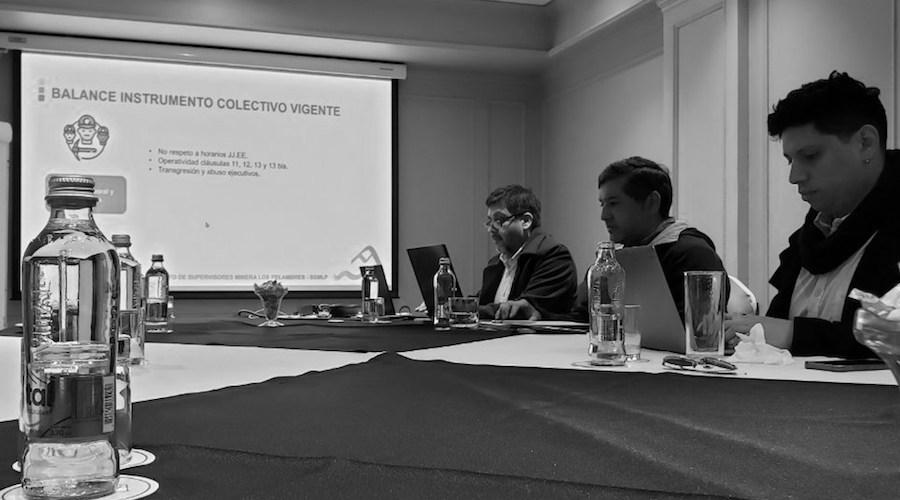
Contract negotiations between Antofagasta and Los Pelambres union.
 (Image by the Board of Supervisors of the Los Pelambres Union.)

The union at Antofagasta’s (LON: ANTO) Los Pelambres copper mine in Chile has rejected the company’s most recent contract offer and launched a strike threat.


In a media statement, the Board of the Supervisors Union of Los Pelambres said that even though at first glance the company’s proposal seems attractive, it doesn’t include all the demands presented by the workers and is far from what was expected by both leadership and union members.

“The company’s offer does not recognize or compensate us at the same level as our colleagues from the other AMSA [Antofagasta Minerals] companies and from the industry, despite the fact that Pelambres is the largest contributor to the group in terms of production, profits and profitability (52%). Under these circumstances, as directors, we take a specific position: reject the latest offer and, at the same time, call our bases to vote for the strike on September 29 and 30,” the commiuniqué reads.

The union leadership urged workers to join the general assemblies taking place the last week of September, read the company’s offer in detail and become informed on how to vote in favour of the strike.

It is still uncertain how a stoppage at Los Pelambres would affect Antofagasta’s full-year copper production. However, the company had already announced, back in June, that it was likely to reach only the lower end of its previous guidance of 660-690,000 tonnes, following a series of community-led blockades and protests in the High Valley of Salamanca.
WORD OF THE DAY: Phytoremediation 
Southern cattail highly effective for rehabilitation of areas affected by iron mine tailings

Staff Writer | September 26, 2022 |

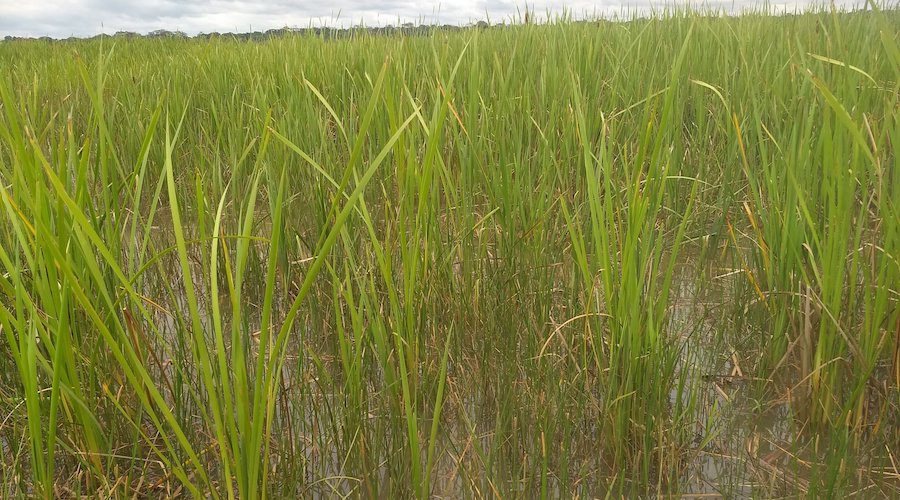
Phytoremediation involves the use of plants to extract and remove elemental pollutants or lower their bioavailability in soil. 
(Image by Amanda Duim Ferreira, courtesy of FAPESP).

A recent study conducted by Brazilian researchers and reported on by the São Paulo Research Foundation demonstrated the potential of Southern cattail for use in the sustainable rehabilitation of areas affected by iron ore mine tailings.


In a paper published in the Journal of Cleaner Production, the researchers explain that their experiments showed that the plant can scavenge up to 34 times more manganese from contaminated soil than other plants found in similar environments.

Typha domingensis or Southern cattail is a reedy marsh plant that inhabits fresh to slightly brackish waters and is about 2.5 m tall.


The analysis performed by the researchers showed the amount of manganese to correspond to 6,858 milligrams per kilogram (mg/kg) in the plant’s shoots, compared with an average of 200 mg/kg for other species.

The fieldwork was conducted in Regência on the Doce River estuary, Espírito Santo state, an area inundated by part of the 50 million cubic meters of iron mining waste released when the Fundão tailings dam burst in November 2015 in the locality of Mariana, Minas Gerais (a neighbouring state to Espírito Santo), causing the worst environmental disaster in Brazilian history.


The disaster affected 41 towns in Minas Gerais and Espírito Santo, and 19 people died. The toxic waste reached the estuary some two weeks later and is estimated to have contaminated 240.8 hectares of Atlantic Rainforest and killed 14 metric tons of fish.

Many projects and programs have been launched since then to try to mitigate the damage, but the estuary is still contaminated.

The study showed that the plants in the estuary extracted 147 metric tons of manganese, or 75.7 tons per hectare (t/ha).

An earlier study conducted in the same area showed that the same plants removed larger amounts of iron from contaminated soil and water than Hibiscus tiliaceus, a 4–10 m tree with yellow flowers often called beach hibiscus.

“We’ve been working on the Doce since 2015 and have achieved a good grasp of the geochemical dynamics of several metals contained in the tailings, such as iron, manganese and other potentially toxic elements,” Tiago Osório Ferreira, senior author of both articles, said in a media statement.

“This gives us the opportunity for progress in planning more effective remediation strategies for these contaminated areas. The knowledge built up in these studies will be used not only to rehabilitate degraded areas but also to formulate agromining strategies as a contribution to more sustainable mining.”

Phytoremediation and agromining


Phytoremediation involves the use of plants to extract and remove elemental pollutants or lower their bioavailability in soil. Agromining consists of growing plants capable of storing metals in their roots and leaves in order to extract these metals for industrial use.

“We knew from research by others that manganese is a problem in the region, contaminating the water, soil and fish. When we went to the area affected by iron ore tailings, we expected to find that T. domingensis and Eleocharis acutangula [acute spikerush] accumulated more manganese than H. tiliaceus, a tree species found in the area, but the results showed that T. domingensis can accumulate 13 times more manganese in its aerial parts than the other two species.

The process had less impact via root iron plaque [a form of physiological adaptation whereby iron oxide precipitates to form iron plaque on the surface of the plant’s roots],” said Amanda Duim Ferreira, first author of both articles.

According to the latest study, T. domingensis accumulated 18 mg/kg in roots and 55 mg/kg in iron plaque.

Plants adapted to wetland environments capture oxygen from the atmosphere via their aerial parts and transfer it to the roots via porous tissue called aerenchyma. This oxygenation maintains the root system, which is responsible for anchorage as well as the ingestion of water and mineral salts.

Absorption of organic matter by plants favours the dissolution of manganese oxide, and the release of protons can trigger the dissolution of manganese carbonate. On the other hand, aquatic plants can also oxidize their rhizosphere (the zone surrounding plant roots where soil biology and chemistry are influenced by the roots) owing to the internal transport of oxygen to the roots to avoid hypoxia. This process can reduce the bioavailability of manganese.

The measurement

The researchers measured the soil’s physicochemical parameters (rhizosphere pH, bulk soil pH and redox potential) as well as total carbon organic content. They also extracted manganese from the soil under sites naturally vegetated by the three plant species and performed geochemical fractionation of manganese in the soils studied.

Manganese levels were measured in the plants’ roots, aerial portion and iron plaques. Bioconcentration and translocation factors were determined to estimate their capacity to act as hyperaccumulators of manganese and their potential use in phytoremediation programs.

“These discoveries open up a range of possibilities for the use of phytoremediation. Knowledge of absorption mechanisms can be a basis for growing T. domingensis via different strategies to obtain optimal results. We’ve moved on from phytoremediation to agromining as we continue this research,” Osório Ferreira said.
Transparency International urges EU sanctions on Russian diamonds, Alrosa

Reuters | September 26, 2022 |

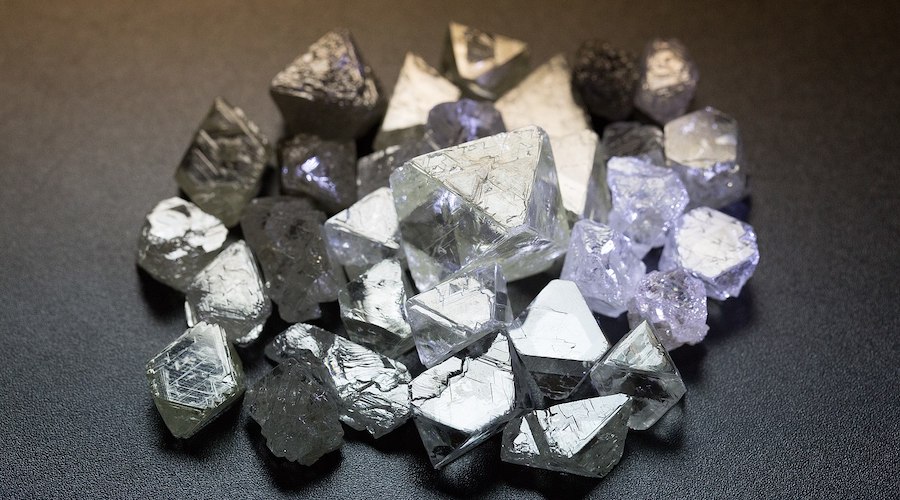
Russian diamonds. (Image by Ptukhina Natasha, Wikimedia Commons.)

The European Union should bar Russian diamond imports and blacklist diamond miner Alrosa and its head Sergei Ivanov, Transparency International told Reuters on Monday, as the 27-nation bloc prepares new sanctions over Russia’s war in Ukraine.


Galvanized by Russian President Vladimir Putin announcing a partial military mobilization and issuing a thinly veiled nuclear threat to the West, EU countries were quick to say last week that they will respond with new sanctions.


Two diplomatic sources, however, told Reuters on Monday the process would take time as the 27 EU countries need to agree unanimously in order to impose sanctions.

The bloc’s executive European Commission is expected to make a formal proposal on that in the coming days and it might get final approval from the 27 national EU leaders meeting in Prague on Oct. 6-7.

Highlighting how fragile EU unity is on Russia, Hungary’s Prime Minister Viktor Orban – who had cultivated a close relationship with Putin – spoke against such sanctions on Monday.

Those in the bloc who take a hawkish view of Russia, such as Poland and the Baltic states, have proposed introducing a cap on the oil price paid to Russia to match a G7 agreement, banning imports of Russian diamonds and imposing wider export restrictions covering technical equipment and other areas.

More sanctions on individuals – including those involved in organizing Moscow’s ad hoc votes in occupied east Ukraine on joining Russia – are also expected.

Transparency International said that, beyond the diamond embargo, Russia’s state-controlled Alrosa – the world’s largest producer of rough diamonds – and its CEO Sergei Ivanov should be added to the EU’s blacklist, which includes 108 entities and 1,206 individuals.

“This sectoral ban needs to be extended for the assets of Alrosa,” said Transparency International’s Roland Papp. “Targeting them would be a logical next step.”

“Ivanov himself is closely linked with the Kremlin, he is already sanctioned by the USA, so it would be time to include him on the EU sanctions list as well.”

The United States has sanctions in place on Alrosa, while Britain has blacklisted Ivanov.

(By Gabriela Baczynska; Editing by Hugh Lawson)
Mega-polluting coal plans clash with Australia’s climate goals
Bloomberg News | September 26, 2022 | 

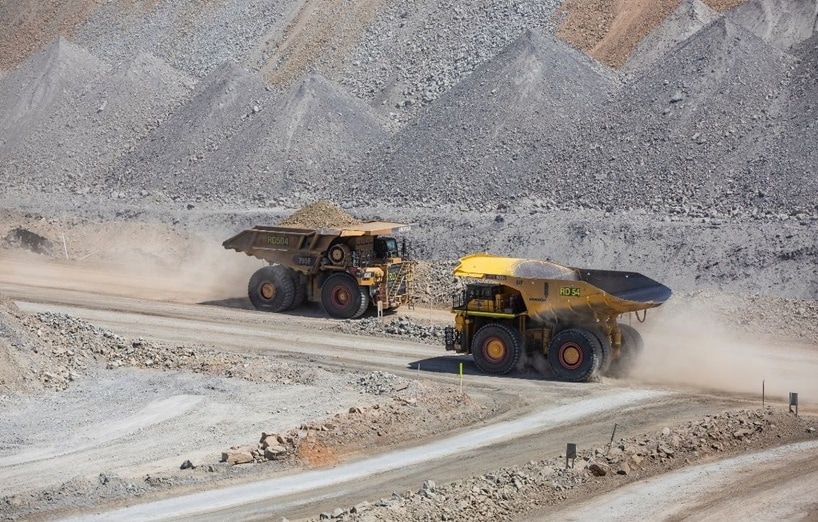
Blackwater coal mine in Queensland. Credit: BHP

A proposed pipeline of coal mine projects in Australia, the world’s second-biggest exporter of the fuel, are threatening to lock in decades of new carbon emissions and challenge the country’s promises of bolder climate action.


The federal government is considering 29 applications for new mines and expansions which, if developed to their full capacity, would produce more than 250 million tons a year and contribute as much as 17 billion tons of carbon dioxide emissions, according to a study by Move Beyond Coal, a Sydney-based climate advocacy group. That total is equivalent to more than half of global emissions in 2021.

The future of the country’s $63 billion coal export industry is a dilemma for Prime Minister Anthony Albanese, who took office in May with a promise to improve a weak record on climate action. Though his government has tightened emissions reduction targets, Albanese has also signaled support for new gas and coal developments amid a global energy crisis that’s seen buyers scramble for the country’s exports and swelled profits for fossil-fuel producers.


Global electricity generation from coal jumped about 8.5% last year to more than 9,600 terawatt-hours, the first increase since 2018, according to data compiled by BloombergNEF. Climate groups have raised concerns over the potential impact on efforts to curb emissions as nations revert to using the dirtiest fossil fuel.

Albanese’s government “is talking the talk that Australia is back on climate, but it’s got all these coal mines that are under review,” said Fahimah Badrulhisham, a spokesperson for Move Beyond Coal, the campaign group that produced the data. “We cannot allow new mines to be dug in 2022.”

Ministers currently have no legal obligation to consider climate impacts when authorizing development of new mines, and campaigners in March lost an attempt to block a Whitehaven Coal Ltd. proposal over its projected emissions. Members of Australia’s Green Party and pro-climate independent lawmakers have called for existing environmental laws to be tightened.

Environment Minister Tanya Plibersek is reviewing current laws, her office said. Coal mine applications are being assessed on a “case-by-case” basis, she said in July. Mining tycoon Clive Palmer was refused approvals in August for a the Central Queensland Coal project over the potential impact on the Great Barrier Reef.

Mining giants including BHP Group, Glencore Plc, and Peabody Energy Corp. are among producers with projects in Australia being considered by the government. BHP and Mitsubishi Corp.’s proposed Blackwater South metallurgical coal mine in Queensland is seeking approvals to cover a 90 year lifespan. That would equate to 1.98 billion tons of emissions, according to Move Beyond Coal’s estimates.

BHP declined to comment on the emissions forecast. Chief Executive Officer Mike Henry previously suggested the mine would be unlikely to operate for the duration set out in approval documents.

Glencore’s Valeria thermal and metallurgical coal mine in central Queensland has a proposed lifetime of 35 years and would emit 1.39 billion tons of carbon dioxide, Move Beyond Coal said.

The release of 17 billion tons of carbon dioxide from all the proposed mines would account for 4% of the world’s remaining “carbon budget” of 420 million tons — the point at which planetary warming of 1.5 degree Celsius (2.7 degrees Fahrenheit) becomes the most likely scenario, according to the Global Carbon Project.

A total of 31 coal mine projects were at the committed stage, where a final investment decision has been taken, or undergoing feasibility studies, Australia’s resources ministry said in a report in December.

(By James Fernyhough, with assistance from Andrew Janes)
Rio Tinto says employee sexually assaulted in Western Australian mine

Reuters | September 26, 2022 

(Stock Image)

Rio Tinto Ltd on Monday said an employee at one of its mines in Western Australia state was sexually assaulted and that police removed the alleged perpetrator from the site.


The incident comes three months after Australia’s sex discrimination commissioner called for urgent changes in the country’s mining industry after a state government report found that sexual harassment and assault were rife in the sector.

“Rio Tinto continues to work closely with Department of Mines, Industry Regulation and Safety in relation to its investigation,” a spokesperson said in an emailed statement.

Rio said the company will not provide more details due to right to privacy and respect for any legal process but the incident has been shared with employees.

A report released by Rio in February outlined a culture of bullying, harassment and racism at the global mining giant, including 21 complaints of actual or attempted rape or sexual assault over the past five years.

Women in mining sites across the industry have long complained of sexual harassment in so-called “fly in, fly out” mining camps, temporary accommodation set up at remote mines to house workers.

(By Renju Jose; Editing by Jason Neely)

Sexual abuse at Australian mines set to be targeted by new rules

Bloomberg News | September 21, 2022 |

Eight-month independent review of Rio Tinto’s workplace culture uncovered shocking reality. (Stock image.)

Western Australia’s state government has outlined plans to clamp down on sexual assault and harassment in the mining industry, after a landmark inquiry unveiled shocking cases of abuse of women workers at companies including BHP Group and Rio Tinto Group.


All 24 recommendations in the inquiry, released in June, have been agreed to or supported in-principle by the government, it said in a statement Wednesday. They include implementing a code of practice to improve security for remote workers, funding for legal and advocacy advice, and legislation to bring WA’s definition of sexual harassment in line with the rest of Australia.

“We have a vicious cycle, where women aren’t attracted to work in the industry — let alone stay in the industry — because of inappropriate behavior and a disregard of women’s experiences,” Women’s Interests Minister Simone McGurk said in the statement. “We need more women to work in this sector and we need them to be treated with respect.”

The government’s probe came amid calls for the industry to address its impacts on local communities and the wider environment. BHP and Rio Tinto conducted their own inquiries after allegations from women in Western Australia’s $159-billion a year resources industry, where so-called Fly In-Fly Out (FIFO) workers are transported to remote sites for several weeks at a time.

WA’s inquiry revealed that BHP recorded 91 reports of alleged sexual harassment or assault in the year through June 30, 2021, of which 79 were substantiated. Rio Tinto, from January 2020 to August 2021, received 51 complaints of sexual harassment or assault in FIFO operations, including one substantiated report of sexual assault and 29 substantiated reports of sexual harassment.

Allegations of abuse were also received at projects operated by Woodside Petroleum, Fortescue Metals Group, and Chevron Corp.

(By Jason Scott)

OWNERS SHOULD GO TO JAIL
Trevali to close Burkina Faso zinc mine after deadly flood

Reuters | September 23, 2022 |

Perkoa is located about 120km from Burkina Faso’s capital city of Ouagadougou. (Image courtesy of Trevali Mining.)

Canadian mining firm Trevali will close its Perkoa zinc mine in Burkina Faso, a company official told Reuters on Friday, following a flood at the mine in April that killed eight workers.


The miners drowned in the underground passages of the mine in Sanguie province after unexpected torrential rain during the West African country’s dry season.

The mine, one of Trevali’s three main operating assets, has been closed since.

“The funds still available…are insufficient to complete the rehabilitation of the mine,” said Ditil Moussa Palenfo, country director of Nantou Mining, the Trevali entity that owns Perkoa.

“Funds are barely sufficient to cover severance pay for terminated employees.”

A court in Burkina Faso last week handed out suspended sentences to two executives after finding them guilty of involuntary manslaughter for the flood disaster.


That came just weeks after the company announced it was halting trading on the Toronto Stock Exchange.


(By Anne Mimault and Edward McAllister; Editing by Chris Reese and Josie Kao)

ENFORCE THE LAW IN CANADA