Monday, March 16, 2026

From diagnosis to data: How AI is reshaping healthcare and raising ethical questions

From diagnosis to data: How AI is reshaping healthcare and raising ethical questions.
Copyright Cleared/Canva

By Marta Iraola Iribarren
Published on 

Can artificial intelligence reshape healthcare without deepening inequalities or outpacing the rules designed to govern it? Experts will debate the boundaries of Europe’s digital health future at Euronews Health Summit on 17 March in Brussels.

Artificial intelligence (AI) and other new technologies are transforming healthcare, driving advances in diagnostics, drug development, and easing the workload of healthcare professionals.

Many European countries are already using AI in their health systems. Finland, for example, uses it to train health workers, Estonia is applying it to medical data analysis, and Spain is using AI for disease detection.

If there is one thing experts agree on when talking about artificial intelligence in health, it is that it will never, or should never, replace a health worker.

“AI is already a reality for millions of health workers and patients across the European Region,” said Hans Kluge, WHO Regional Director for Europe, in a recent statement.

“But without clear strategies, data privacy, legal guardrails, and investment in AI literacy, we risk deepening inequities rather than reducing them,” he added.

With the many advantages technological innovation brings to healthcare, there are also many risks: data privacy, access, and representation in the algorithms.

AI across the health system

There is also a shortage of the health workforce worldwide, deepened by an ageing population, which is straining health systems.

Some countries are already partnering with AI companies to help ease the pressure and facilitate access.

In January 2026, the Gates Foundation and OpenAI announced a $50 million (€43.6 million) in funding, technology, and technical support to build AI health capacities in African countries. Starting in Rwanda, they aim to reach 1,000 primary healthcare clinics by 2028.

Doctors in Europe are using AI scribe tools to reduce the amount of time they spend taking notes and doing paperwork, allowing them to spend more time with patients.

AI is also starting to be developed for diagnosis, which could accelerate the process and allow earlier access to treatment.

Mind the risks

But all that glitters is not gold. With the rapid expansion of AI, concerns and warnings from experts are also increasing.

Recent research has shown that language models may be a dangerous tool when looking for medical advice, as they don’t always correctly assess urgency.

Experts have also warned of the sensitivity of biological data and the need for concrete frameworks for how AI models can access it.

The gaps in legal accountability, uneven investments in workforce development, and emerging risks of exclusion underscore the need for continued vigilance, cooperation, and learning, the WHO warned in a recent report.

The organisation found that only 8 percent of its member states have issued a national health-specific AI strategy, “an urgent reminder that ambition must be matched with concrete action”.

As technology evolves, the questions may not be what AI can do in health, but who gets to decide how, and for whom it does it.

What happens when algorithms are trained on non-representative data? Who has access to the data AI models use? Who should regulate this, and how?

Experts working at the intersection of artificial intelligence and health will discuss these questions during the Euronews Health Summit on 17 March in Brussels.


How AI will reshape work: Anthropic identifies the most exposed jobs

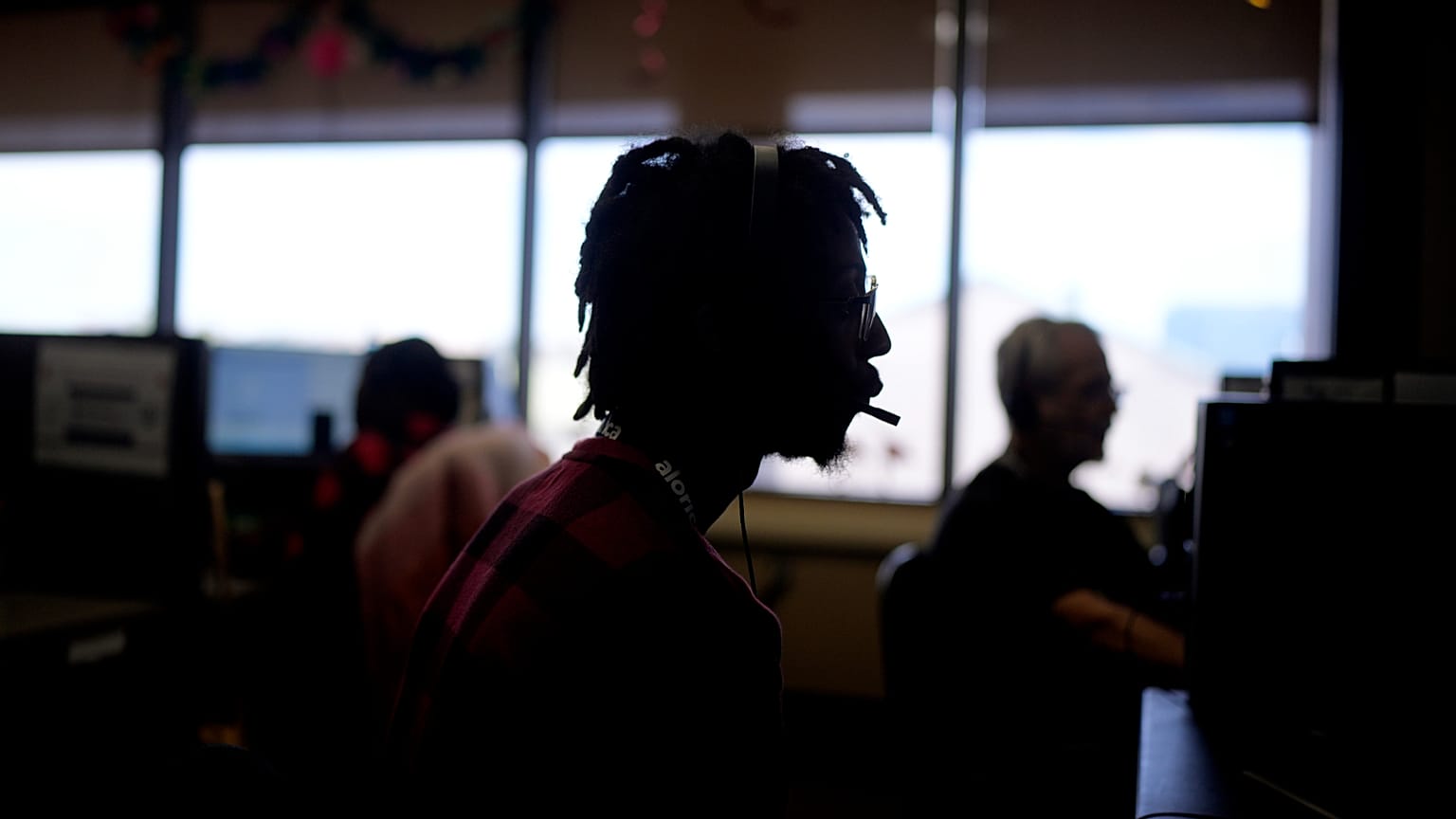
AI Job Market  Customer Experience Representative Rico Thomas takes calls at an Alorica center, Monday, Aug. 19, 2024, in San Antonio.
Copyright Copyright 2024 The Associated Press. All rights reserved

By Servet Yanatma
Published on 

AI giant Anthropic compared observed AI exposure and theoretical AI capability in the labour market. The analysis shows that AI is still far from reaching its theoretical potential.

The impact of Artificial Intelligence on jobs has become one of the defining debates of the moment, with international organisations, academics and hiring companies regularly publishing projections on which professions are most at risk.

A new entry in that crowded field now comes from one of the AI giants itself.

Anthropic, the company behind Claude, has published a report titled Labour Market Impacts of AI: A New Measure and Early Evidence, based on its own real-world usage data.

Theoretical capability vs observed exposure

The report introduces a new measure called "observed exposure" — designed to quantify not just which tasks large language models could theoretically speed up, but which are already being automated in practice.

The distinction matters: theoretical capability reflects what AI could do while observed exposure reflects what it is actually doing.

Highest theoretical AI coverage: Computer, math, business and finance

The theoretical AI coverage exceeds 80% in several occupation groups among the 22 analysed. Computer and math, as well as business and finance occupations have the highest theoretical AI coverage both at 94.3%.

Other groups with theoretical capability above 80% include management (91.3%), office and administrative support (90%), legal (89%), architecture and engineering (84.8%), and arts and media (83.7%).

In five additional occupational groups, scope for LLM penetration exceeds 50%.

These include life and social sciences (77%), sales (62%), education and library occupations (61.7%), healthcare practitioners (59.9%), and social services (50.5%).

The red area above, based on data from the Anthropic Economic Index, shows how people use Claude in professional settings.

“As capabilities advance, adoption spreads, and deployment deepens, the red area will grow to cover the blue. There is a large uncovered area too; many tasks, of course, remain beyond AI’s reach—from physical agricultural work like pruning trees and operating farm machinery to legal tasks like representing clients in court,” the report said.

Lowest ‘potential’ include transportation, agriculture and food

Theoretical AI coverage is lowest in ground maintenance where only 3.9% of jobs in this group are theoretically open to AI usage.

Transportation (12.1%), agriculture (15.7%), food and serving (16.9%), construction (16.9%), personal care (18.2%), installation and repair (18.4%), and production (19%) also have significantly lower theoretical AI coverage, all below 20%.

This suggests there may be less potential space for AI use in these sectors.

Theoretical AI coverage is also lower in healthcare support (28.5%) and protective services (31.6%).

Highest observed exposure: Computer, math, office and admin

The more important question is to what extent theoretical capability has turned into observed exposure, showing AI displacement risk

Computer and math occupations have the highest observed AI coverage at 35.8%, followed closely by office and administrative roles (34.3%).

Business and finance (28.4%) and sales (26.9%) are also close to these levels.

Legal (20.4%), arts and media (19.2%), and education and library occupations (18.2%) also have relatively high observed AI exposure at around 20%.

Observed exposure as a share of theoretical AI capability

The ratio of observed exposure to theoretical capability shows to what extent this potential is already being used.

Sales tops the list at 43% (27% vs 62%), followed by office and administrative jobs (38%) and computer and math occupations (38%).

Observed exposure as a share of theoretical AI capability is 30% in business and finance, and in education and library occupations.

While architecture and engineering have very high theoretical capability (85%), the ratio is just 5%.

Most exposed occupations: Computer programmers and customer service representatives

Among individual occupations, computer programmers show the highest observed AI exposure at 74.5%.

Customer service representatives (70.1%), data entry keyers (67.1%), and medical record specialists (66.7%) also rank among the most exposed.

Market research analysts and marketing specialists follow at 64.8%, along with sales representatives in wholesale and manufacturing, except technical and scientific products (62.8%).

The data also sheds light on who is most exposed. Workers in the highest-risk professions tend to be older, more educated, better-paid and more likely to be women.

Yet so far, at least, exposure has not translated into unemployment.

The report found no systematic increase in joblessness among workers in heavily exposed occupations since late 2022, though it did find suggestive evidence that hiring of younger workers has slowed in those same fields — a detail worth watching.


Why is chocolate so expensive — and where have prices risen most?

Chocolate prices surge in Europe
Copyright Arthur H. Trickett-Wile/LINCOLN JOURNAL STAR via AP


By Servet Yanatma
Published on 

Chocolate prices rose 18% across the EU in 2025 — the highest increase of any food item — as drought in West Africa drove up cocoa costs. But the impact has varied widely across Europe.

Overall consumer prices rose by 2.5% in the EU in 2025, based on the annual average rate of change.

The increase was slightly higher for food and non-alcoholic beverages at 3.3%. Among all food items, chocolate recorded the highest rise at 17.9% across the EU according to Eurostat.

So why did chocolate prices increase the most across Europe? And which countries saw the sharpest rises?

Chocolate prices rose significantly more than many other key food products. For example, beef and veal ranked third in the EU with a 10% increase.

That is about 8 percentage points (pp) lower. Inflation for eggs and butter was around 8%, roughly 10 pp below chocolate.

Within EU countries, the average annual inflation in consumer prices for chocolate in 2025 ranges from 6.6% in Slovakia to 32.6% in Poland.

When other European countries are included, the range extends from 1.6% in Albania to 44% in Turkey.

Turkey’s figure is not directly comparable, as it reflects the category "chocolate, cocoa and cocoa-based food products" at an annual rate of change as of January 2026.

Turkey is an outlier not only in food inflation but also in overall inflation across Europe.

Estonia (31.5%), Lithuania (31.5%), Romania (26.1%), Latvia (25.9%) and Serbia (25.4%) also recorded rises of over 25% in chocolate prices.

Inflation was also above the EU average in Sweden, Bulgaria, Montenegro, Greece, North Macedonia, Spain, Finland, Czechia, the Netherlands and Germany, ranging between 18% and 22.5%.

Cyprus, Luxembourg, Italy, Kosovo and Switzerland are among the countries with the lowest chocolate inflation, all below 12%.

Among other major EU economies, the increase was 14% in France. Belgium, a significant centre for the chocolate industry saw a 12.3% rise.

In the UK, chocolate prices rose by 16.2% in 2025 according to ONS.

Why did chocolate prices rise the most?

**“**Chocolate prices in Europe have risen sharply in 2025 mainly because of an unprecedented surge in global cocoa prices driven by severe supply disruptions,” Emiliano Magrini, economist at the United Nations Food and Agriculture Organization (FAO), told Euronews Business.

Dryness in West Africa

He noted that cocoa production is highly concentrated in a few West African countries, particularly Côte d’Ivoire and Ghana, which together account for the bulk of global supply.

In 2023-24, output in both countries fell dramatically due to adverse weather conditions — especially prolonged dryness — and the spread of cocoa swollen shoot virus disease.

“These shocks generated a large global production deficit and pushed inventories to historically low levels, leaving markets extremely exposed to further disruptions and driving cocoa prices to record highs,” Magrini added.

Cocoa prices surged

John Baffes, senior economist at the World Bank’s Prospect Group, pointed out that cocoa is a key input in chocolate production, accounting for about 10–20% of total costs.

“Cocoa prices surged from an average of $3.28/kg (€2.8) in 2023 to $7.33/kg in 2024 and $7.80/kg (€6.7) in 2025 — an increase of more than 120 percent between 2023 and 2024, the largest among the 70 primary commodities monitored by the World Bank and the largest in the history of the cocoa market,” he told Euronews Business.

He stated that such an increase reflected weather-related production shortfalls in West Africa (especially Cote d’Ivoire and Ghana, which together account for nearly two thirds of global cocoa supplies).

“This sharp rise of cocoa prices pushed up chocolate production costs and, ultimately, retail prices despite cocoa’s relatively modest cost share,” Baffes added.

Why does chocolate inflation vary widely?

Emiliano Magrini emphasized thatdifferences in chocolate inflation mainly reflect variations in domestic market structure and the degree of integration of national chocolate industries.

Countries with large, well‑established chocolate manufacturing sectors — such as Germany, France, Italy, Belgium and the Netherlands (and Switzerland) — tend to show lower price increases than the EU average.

“In these markets, large and vertically integrated firms are better able to absorb higher cocoa costs by adjusting margins, using long‑term contracts, or spreading costs across export markets,” he said.

Prices in Central and Eastern European

FAO economist noted that countries with smaller chocolate industries or greater reliance on imports tend to experience a stronger pass‑through of global cocoa price shocks to retail prices.

In several Central and Eastern European member states, chocolate prices may respond more directly to increases in input costs, probably because domestic value chains are shorter and offer fewer buffers.

“Differences in labour costsenergy prices, the prices of other key ingredients such as milk and sugar, exchange rates, and the intensity of retail competition further contribute to cross‑country variation," Magrini added.

In addition to income levels and country conditions and cocoa content in the chocolate, Baffes pointed to industry structure.

This reflects vertical integration, the mix of multinational and domestic firms, branding, and distribution networks influence how costs are passed through.

“Some firms absorb part of cocoa price increases to protect market share, while others pass them on more fully and quickly,” he said.


Fossil fuels ‘ripping away national security’ but renewables ‘turn the tables’, says UN executive

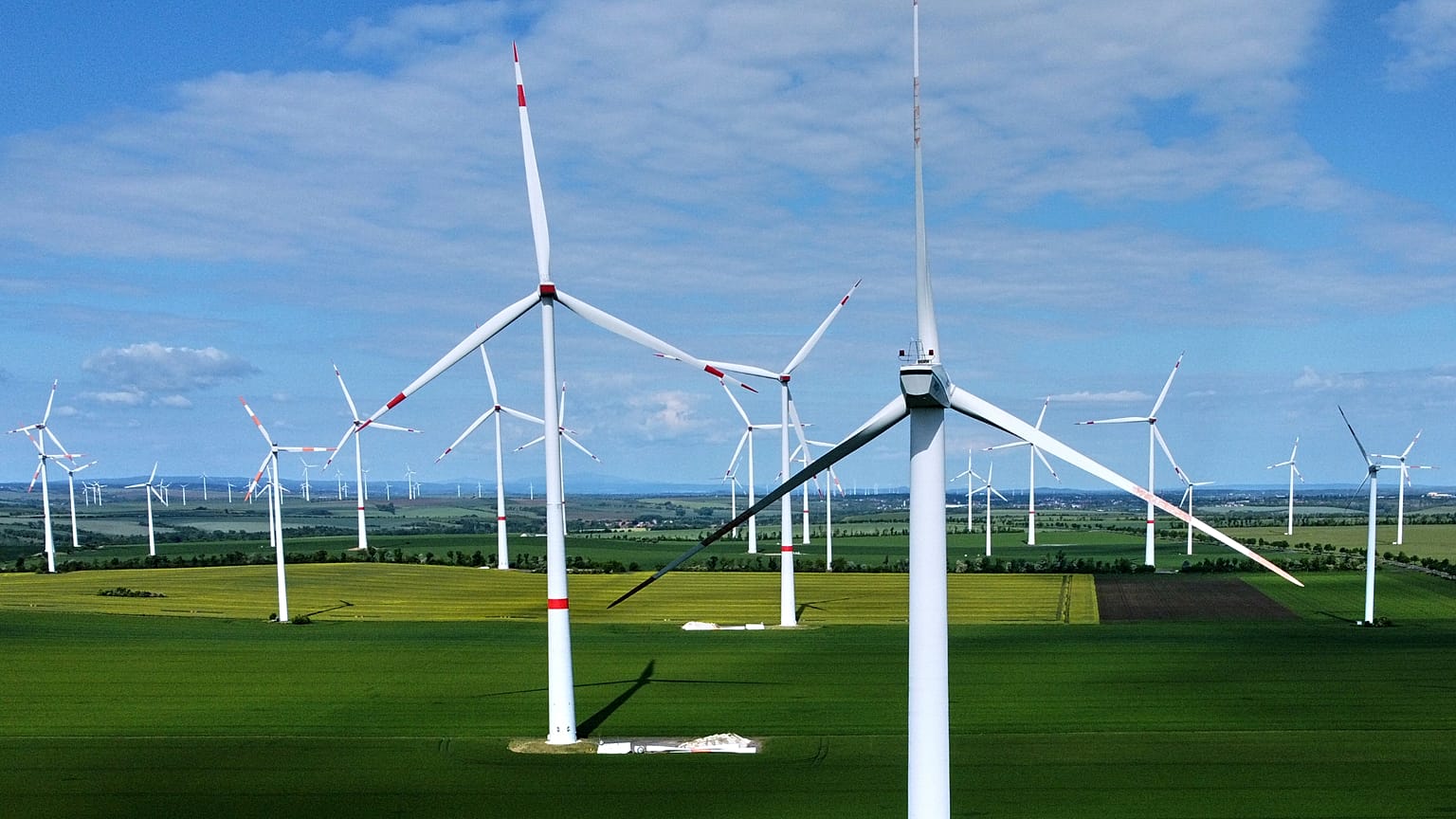
Wind turbines operate on a wind farm near Aschersleben, Germany, Monday, May 26, 2025.
Copyright AP Photo/Matthias Schrader


By Angela Symons
Published on 


‘Sunlight doesn’t depend on vulnerable shipping straits,’ says UNFCCC’s Simon Stiell.

“Fossil fuel dependency is ripping away national security and sovereignty, and replacing them with subservience and rising costs,” warns Simon Stiell, United Nations Framework Convention on Climate Change (UNFCCC) Executive Secretary, as the Green Growth Summit in Brussels begins today (16 March).

Electricity and gas prices have been spiralling since the onset of the war on Iran on 28 February, exposing the vulnerability of nations still reliant on fuel imports from the Middle East. Much of the price volatility is down to Iran attacking commercial ships in the Strait of Hormuz, a 38km passage that carries around one-fifth of global oil supplies.

Despite renewables outpacing fossil fuels for the first time last year, Stiell argues that Europe is more reliant on fossil fuel imports than almost any other major economy.

Some nations, such as Spain, are weathering the impacts better than others thanks to their investment in green energy. Since 2019, Spain has doubled its wind and solar capacity. As a result, its electricity price is much less influenced by the ever-fluctuating cost of gas.

Renewables allow countries to insulate themselves from global turmoil.
 Simon Stiell 
UNFCCC Executive Secretary

“Renewables turn the tables,” continues Stiell. “They allow countries to insulate themselves from global turmoil… Sunlight doesn’t depend on narrow and vulnerable shipping straits. Wind blows without massive taxpayer-funded naval escorts.”

Today’s summit brings together European climate and environment ministers, businesses, investors and other stakeholders to accelerate the transition to a low-carbon, sustainable economy. EU Energy Ministers are also expected to meet in Brussels later today.

‘Cheaper, safer and faster’ than fossil fuels

Similar calls to double-down on renewables came after Russia’s invasion of Ukraine spiked energy prices in 2022. However, several European nations rushed to secure new fossil fuel supplies, reopening coal plants and signing long-term LNG deals with the US and Gulf states that locked in fossil fuel dependence for years to come.

At the time, critics warned that Europe was learning the wrong lesson. Now, with a second energy crisis in three years, some fear the same mistakes will be made.

“Some responses to the fossil fuel crisis – incredibly – argue for doubling-down on the cause of the problem and slowing the shift to renewable energy. Even though it is clearly cheaper, safer, and faster to market. This is completely delusional,” says Stiell.

Already, fossil fuel majors have been accused of capitalising on the conflict, as oil prices surged to $100 (around €86.53) a barrel. Before the US-Israel war on Iran, Brent crude – the worldwide benchmark for oil prices – traded in the range of $60-$70 (€52-€60) per barrel.

On 11 March, dozens of countries – including most of Europe – agreed to release 400 million barrels of oil from their emergency reserves to tackle supply shortages and sky-high prices. Despite the record amount, this only equates to around four days’ worth of global supply.

A report released last week by independent advisory body the Climate Change Committee (CCC) underlined the economic benefits of the green transition. It found that

achieving the UK’s net zero target by 2050 would cost less than a single future fossil fuel price shock.

‘What most voters are demanding, climate action delivers’

Price stability in times of conflict is just one benefit of investing in renewables. Transitioning away from planet-heating fossil fuels would slow the acceleration of extreme weather events and boost public health.

“There’s a lot of commentary about populism at the moment. But the reality is, what most voters are demanding, climate action delivers at scale,” argues Stiell.

“Renewables and resilience keep bills down and create far more jobs. Cutting out fossil fuel pollution cleans our air, improving health and quality of life.”

Last summer alone, climate extremes cost Europe at least €43 billion in economic losses.

Meanwhile, meeting the EU’s 2040 emissions reduction target is projected to boost the economy by two per cent – despite criticism over carbon credit ‘loopholes’ that experts say weaken its climate leadership.

“Meek dependence on fossil fuel imports will leave Europe forever lurching from crisis to crisis, with households and industries literally paying the price,” says Stiell.

Africa Urged To ‘Mainstream’ Homegrown Climate Adaptation


Women farmers in Tanzania. An African Union report calls for private and public investment in locally-led climate adaptation. Copyright: ©2016CIAT/GeorginaSmith (CC BY-SA 4.0)

March 15, 2026
By Dann Okoth


Mainstreaming locally-led adaptation interventions is vital to building resilience against escalating climate risks, which are threatening livelihoods, ecosystems and development in Africa, according to new analysis.

However, adaptation efforts on the continent remain fragmented, unevenly financed, and dominated by external priorities, finds the study, published by Global Health Strategies in partnership with the African Union (AU) Commission’s Sustainable Environment and Blue Economy Directorate.

In a video interview with SciDev.Net, Emmanuel Siakilo, a senior climate adaptation and resilience advisor with the AU Commission, warns against “copy-paste kind of interventions” and “pumping money in interventions that don’t necessarily work for the continent”.

He says locally-led adaptation needs to be contextually relevant and well-coordinated to deliver measurable resilience.


“However, they must be embedded in national planning and budgeting processes,” says Siakilo.

“Adaptation must move from being treated as a project-based kind of environmental issue to being mainstreamed into economic planning and public finance systems and sectoral policy.”

With parts of Africa set to experience warming of between 2 and 6 degrees Celsius by 2025, climate adaptation is “not only a developmental priority but a survival imperative”, warns the climate adaptation study.

The report, published 25 February, identifies four critical locally-led interventions which governments across the continent could embrace.

These include climate-smart agriculture and agro-ecological practices, integrated with traditional knowledge, and early warning systems where meteorological data is paired with local response planning.

However, for these interventions to be successful, buy-in is needed from the private sector as well as government, says Siakilo.

“The resources that the public institutions have, at national level, are not sufficient to manage adaptation interventions in the continent,” he explains.

“In fact, countries in the continent have been utilising resources meant for critical social sectors like health and education to adapt to the impacts of climate change […] creating more challenges with the communities in these specific countries.”

Siakilo also highlights the importance of including gender, youth, indigenous peoples and civil society in climate adaptation, adding that this must go beyond “tokenism”.

“We do not just have to be talking about engaging these groups at the consultation level,” he says.

“What is critical here is that participation must influence budgets, it must influence authority. We need to have direct representation of indigenous communities, of youth, of gender, of civil society, in adaptation decision-making bodies and spaces.”


This piece was produced by SciDev.Net’s Sub-Saharan Africa English desk. It was supported by Global Health Strategies

Dann Okoth writes for SciDev.net


Meet the scientist heading to Greenland’s fjord glaciers to understand their ‘climate tipping point’

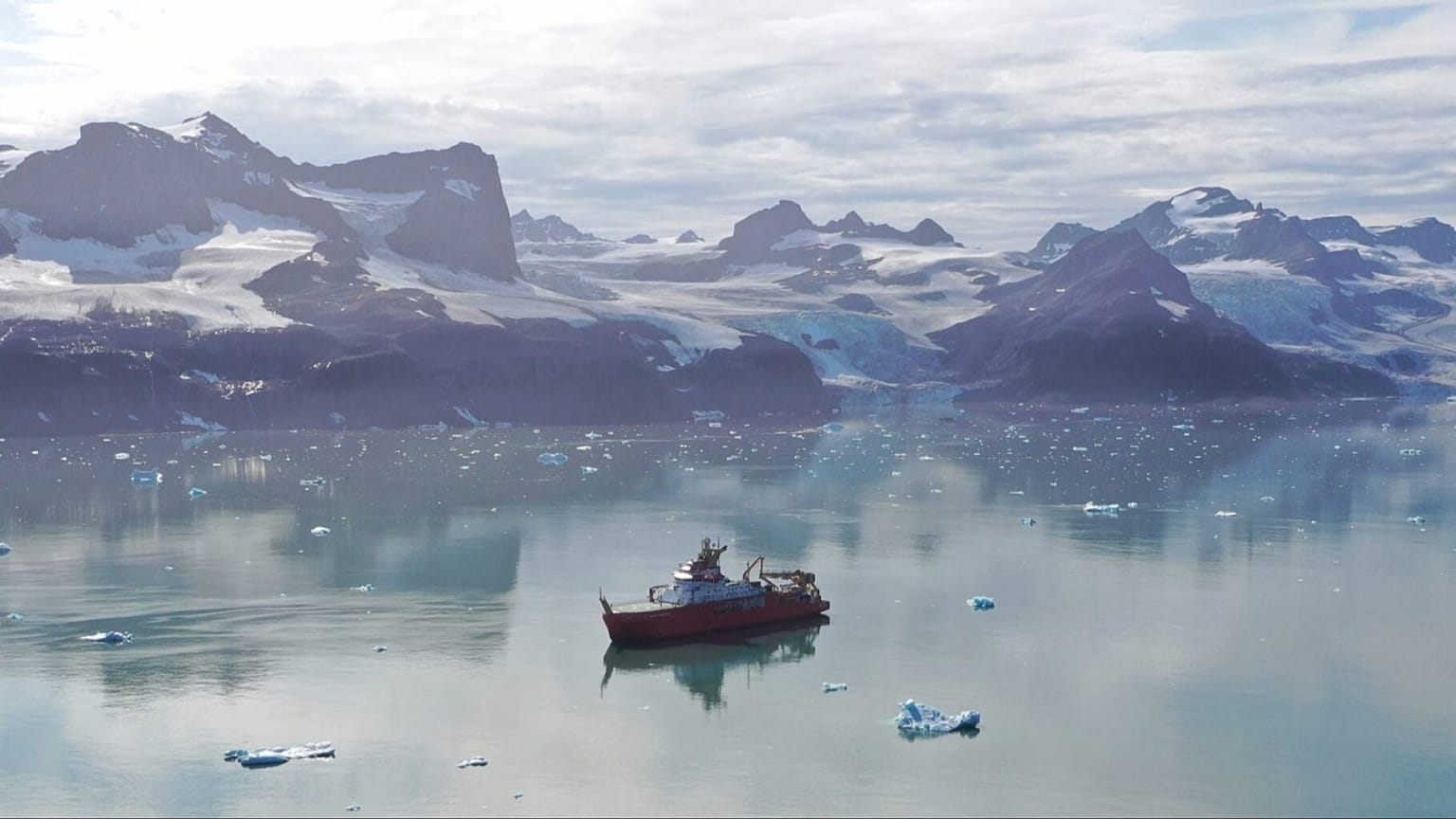
RRS Sir David Attenborough in Greenland in 2024.
Copyright British Antarctic Survey

By Liam Gilliver
Published on 

Researchers will also trial a prototype ‘Early Warning System’ for glacier change in Greenland, as ice melt continues to accelerate.

An international team of scientists is determined to understand just how quickly Greenland’s melting glaciers are pushing the Atlantic Ocean towards a “critical climate tipping point”

As part of a five-year project known as GIANT (Greenland Ice sheet to Atlantic Tipping Points), researchers from 17 partners – led by the British Antarctic Survey (BAS) – will head to the autonomous island this summer for a two-month expedition.

Funded by the Advanced Research and Invention Agency (ARIA), researchers hope to grasp the level of meltwater being released from Greenland's fjord glaciers, how it enters the North Atlantic Ocean, and how this process impacts the global climate system.

Why Greenland’s tipping point is a concern for everyone

Greenland’s shrinking ice caps have already contributed around one-fifth of global sea level rise, as heat-trapping emissions send temperatures soaring.

According to the National Snow and Ice Data Centre, the Greenland ice sheet holds enough water to raise global sea levels by 7.4 metres if it were to melt completely. For every centimetre of sea level rise, around six million people on the planet are exposed to coastal flooding.

Greenland’s melting ice also discharges vast quantities of freshwater into the ocean, which scientists worry may impact a major Atlantic Ocean current system called the Subpolar Gyre. This system carries heat from the tropics to the North Atlantic, regulating temperatures and weather across Europe and North America.

However, fresh meltwater may “cap” the Subpolar Gyre, blocking the formation of warmer, dense water that powers the wider global ocean conveyor belt that moves heat and nutrients around the world. Some estimates warn that the Subpolar Gyre could change in the next four years.

Inside the race to understand Greenland’s melting glaciers

Despite the stark implications, scientists currently don’t have a clear picture of how Greenland’s fjord glaciers and the island’s 200 narrow fjords actually interact with the surrounding ocean.

It’s why researchers are travelling to Greenland this summer armed with a “sophisticated suite” of technologies including airborne drones, autonomous marine robots, satellites and instruments that can be embedded directly into glacier ice.

The coordinated observing system will allow researchers to get up close and personal with the glaciers, scanning individual cracks in the ice all the way up to the flow of meltwater and icebergs into the North Atlantic.

This data will then be fed into multiple computer models and will be used to develop a prototype Early Warning System that could signal advance notice of any rapid glacier change.

“This is a massively ambitious project and is urgent,” says Dr Kelly Hohan, co-creator of GIANT and a climate scientist at BAS.

“We know Greenland is losing ice at an unprecedented rate and this will impact the surrounding ocean – from the coastal fjords [that are] so important to Greenland’s communities – to the large currents that bring heat to Western Europe.”

GIANT will focus on two types of glaciers in Greenland that offer “contrasting but complementary insights” into their stability. This includes tidewater glaciers near Kangerlussuaq in South-East Greenland and Petermann Glacier in North-West Greenland.

“Trying to build modelling systems that can capture abrupt glacier change is bold and risky,” says Professor Paul Holland, who is leading the computer modelling efforts for GIANT.

“The science is intricate and there’s a real chance we won’t be able to predict sudden ice losses.”

Even if the project doesn’t pan out as planned, Holland argues that scientists will still have improved their skill of climate forecasting and understanding of how Greenland might affect the ocean in the future.

An Early Warning System for Greenland’s glaciers

Researchers hope that by working towards an Early Warning System, governments can be better prepared to adapt to the consequences of climate change.

This online system would combine satellite observations, field data and statistical glacier modelling to predict when ice loss into the North Atlantic might suddenly increase.

Sarah Bohndiek of ARIA’s Forecasting Tipping Points programme, says scientists are currently unable to forecast when climate tipping points might be crossed – leaving us “poorly equipped to handle the potentially irreversible consequences” of breaching these thresholds.

“Developing an early warning system is necessary to provide governments, industry and society more broadly the information they need to build resilience and accelerate proactive climate adaptation,” she adds.

How Climate Change Is Reshaping Arctic Geopolitics – Analysis

 Glacier at Disko Bay (Greenland), © Giles Laurent, gileslaurent.com, License CC BY-SA, CC BY-SA 4.0, via Wikimedia Commons


March 15, 2026 
360info
By Pier Paolo Ramondi

The Arctic returns to the centre of global power politics

Once a remote and largely inaccessible region, the Arctic has become the focus of far-reaching international developments. In recent years, competition among major powers – USA, Russia and China above all – has intensified, threatening to erode the region’s long-standing cooperative model, often summed up by the slogan “High North, Low Tension”. A particularly revealing case is Greenland, which has emerged as a focal point of Arctic competition, as underscored by US President Donald Trump’s stated ambition to secure control of the island.

Since the end of the Cold War, the Arctic had been widely regarded as a positive example of sustained international cooperation, despite underlying disagreements among some of its most influential states.

In 1996, the Arctic states, a grouping of eight countries including USA, Russia, Canada and Denmark, established the Arctic Council. This intergovernmental body is tasked with promoting sustainable development and scientific cooperation across the region. Today, however, great-power rivalry increasingly appears to be taking on the characteristics of a zero-sum game, with states focused on maximising relative advantage. This shift is not limited to so-called revisionist powers such as Russia and China, but also involves the United States, the main guarantor of the existing international order. Inevitably, this evolving geopolitical landscape has drawn the Arctic ever more firmly into global strategic calculations.

Competition in the region is further fuelled by another structural transformation: climate change. Global warming is already reshaping the Arctic, long shielded by extensive ice cover. Temperatures in the region are rising four times faster than the global average. Data published by NASA shows September sea-ice extent has declined by about 12 percent per decade compared with the 1981–2010 average. A 2023 report by the Intergovernmental Panel on Climate Change found that the share of multi-year ice aged at least five years fell by around 90 percent between 1979 and 2018.


Melting ice is creating new security challenges but also economic opportunities, from resource extraction to the development of shipping routes, inevitably attracting the interest of Arctic and non-Arctic states alike.
Greenland at the heart of Arctic competition

Greenland encapsulates several major global trends intersecting with Arctic stability and sustainable development, linking local, regional and global dynamics.

The world’s largest island is home to fewer than 60,000 people, making it one of the least densely populated territories on the planet. Formally part of the Kingdom of Denmark for centuries, its relationship with Copenhagen has evolved from colonial rule to overseas territory and, eventually, to recognised semi-autonomous status. This status has fuelled independence movements despite persistent socio-economic constraints.


Greenland remains heavily dependent on Danish financial transfers, estimated at around 500 million euros a year, accounting for roughly half of government revenues and about 20 percent of its GDP. While support for independence has grown, the outcome of the most recent local parliamentary election in March 2025 – with Denmark’s ruling Social Democratic Party suffering big losses in municipal elections – suggested a broadly shared and cautious approach to the process.

Against this complex domestic backdrop, external actors have sought influence on the island. US interest in Greenland predates the Trump administration. Trump’s declaration that Washington needed control of the island “one way or another” for reasons of “absolute” national security highlighted its strategic value.

Greenland’s location had already drawn US attention at the start of the Cold War. Since 1951, Denmark and the United States have maintained a defence agreement covering Greenland, which hosts the Pituffik Space Base, formerly known as Thule Air Base, a key US facility supporting NATO’s space surveillance and missile-defence systems.
Melting ice and new maritime routes

After the Cold War, Western countries reduced their focus on the Arctic, a trend that has reversed in recent years. Rising tensions with Russia and China, combined with ice melt and studies highlighting Arctic mineral potential, have renewed interest from both governments and private actors.

Trump’s 2019 proposal to buy Greenland was not unprecedented. In 1946, President Harry Truman offered to purchase the island from Denmark, largely because of its uranium reserves, seen as critical for military and civilian development.


Ice melt is also opening new possibilities for international shipping. Greenland’s geography places it between two potential Arctic sea routes: the Northwest Passage, running along North America’s northern coast, and the Transpolar Sea Route, which would cross the Arctic Ocean near the North Pole. As ice retreat accelerates, these routes could shorten travel times and reduce transport costs. While the transpolar route remains unlikely in the medium term, it could prove transformative if ice conditions deteriorate further.

Projections suggest the Arctic could experience its first ice-free day before 2030. In any case, Arctic routes could offer alternatives to traditional chokepoints such as Suez and Bab el-Mandeb, which are increasingly exposed to security risks. Arctic transit increased by 37 percent between 2013 and 2023, driven by ice melt and stronger political engagement. For now, most Arctic shipping occurs along the Northern Sea Route off Russia’s coast, supported by more developed infrastructure and strong political backing. Still, economic incentives are prompting governments to plan the development of the other two routes.

Greenland could play a significant role in the supporting infrastructure for Arctic shipping, providing ports, refuelling services, monitoring and security. Yet turning these ambitions into reality would require substantial investment, skilled labour and prolonged ice-free periods. The Intergovernmental Panel on Climate Change estimates a 10–35 percent probability that the Arctic will be ice-free in September by the end of the century if global warming stabilises at 2°C.
Resources, minerals and strategic rivalry

At the same time, Greenland’s strongest pull lies in its natural resources, ranging from oil and gas to critical minerals. The US Geological Survey estimates that Greenland may hold up to 17.5 billion barrels of oil and 4 trillion cubic metres of gas. During the 2010s, Greenland sought to develop and monetise these resources, encouraged by high oil prices. However, exploration costs remain extremely high, at around US$ 100 million per offshore exploration well under the most favourable conditions.

Lower oil prices, harsh weather and limited infrastructure have undermined economic feasibility, while growing environmental concerns over climate change led Greenland in 2021 to suspend the approval of new exploration licences.

Climate policy and the energy transition have stimulated a renewed interest in Greenland’s mining sector. The island is rich in critical minerals such as graphite, copper, rare earths, lithium and uranium. Ice retreat could facilitate exploration and extraction, attracting governments and private companies alike.

Since Greenland controls its subsoil resources, mineral development is seen as a pathway to diversification and greater independence from Denmark. The island could emerge as a relevant player in critical mineral value chains, essential for digital, military and clean-energy technologies.


Because of their economic importance, critical minerals have become central to global geopolitical and industrial competition. Western economies remain heavily dependent on a small number of suppliers, notably China, which dominates refining and processing through decades of industrial policy, state support and fewer environmental constraints, reinforced by an assertive mineral diplomacy. Western governments are now trying to close that gap through diplomacy and investment, a process that has inevitably drawn Greenland into focus.

Estimates suggest Greenland hosts at least 39 of the 50 minerals considered critical to US national and economic security, and 25 of the 34 minerals identified by the European Commission as strategically important.

In November 2023, the European Union signed a memorandum of understanding with Greenland to promote a strategic partnership on sustainable raw-material value chains. Now it’s time to translate these agreements into real projects. Greenland’s natural resources minister has warned, however, that the island will not wait indefinitely for transatlantic partners to deliver concrete results.
Structural limits and unresolved trade-offs

Turning potential into reality depends on more than geology alone. Investment capacity, human capital, infrastructure, market conditions and political will are equally decisive, and Greenland faces significant constraints in each area. It is therefore unsurprising that its resource potential has yet to translate into large-scale success. As with US interest in Greenland’s uranium during the post-war period, today’s renewed focus reflects a return to older strategic patterns.

Extraction alone does not guarantee economic security. Investments must also extend to refining and processing to reduce dependence on China. Yet these activities carry significant environmental costs, often triggering local opposition.

In 2021, due to concerns over environmental risks, Greenland halted development of the Kvanefjeld rare earth and uranium project in the island’s south. Building alternative, sustainable value chains would require close cooperation among Western partners. Greenland’s mining future, and the competition surrounding it, illustrates how local, regional and global dynamics are increasingly intertwined.

Climate change is opening new opportunities for the Arctic and for Greenland in particular. Whether these translate into lasting political and economic gains will depend on how structural socio-economic and environmental challenges are addressed. Without overcoming at least the most critical constraints, ice melt alone will not ensure an expansion of Greenland’s mining sector capable of delivering broad-based benefits.


About the author and editors:
Pier Paolo Raimondi is a Senior Researcher at the Energy, Climate and Resources (ECR) Program of the Istituto Affari Internazionali (IAI) and Lecture at the Alta Scuola in Economia e Relazioni Internazionali (ASERI) of the Catholic University of the Sacred Heart, Milan. His main research activity is related to energy markets, energy and climate policy as well as energy geopolitics and geoeconomics. He holds a PhD from the Catholic University of Milan.

Giuseppe Francaviglia, Commissioning Editor, 360info
Samrat Choudhury, Commission, 3
60info


Source: This article was published by 360.info


360info

360info provide an independent public information service that helps better explain the world, its challenges, and suggests practical solutions. Their content is sourced entirely from the international university and research community and then edited and curated by professional editors to ensure maximum readability. Editors are responsible for ensuring authors have a current affiliation with a university and are writing in their area of expertise.