Monday, May 04, 2026


Bankrupt Retailer Bed Bath & Beyond Wins Record $45M FMC Claim Against OOCL
containership arriving in port
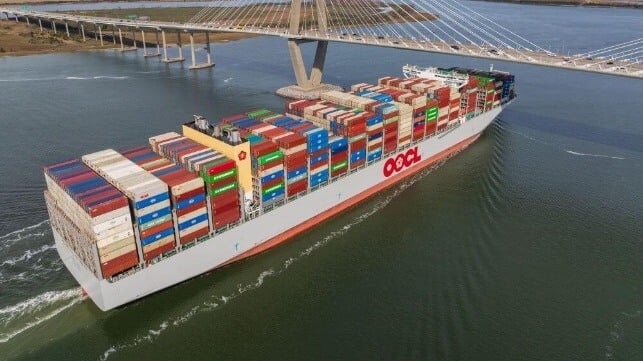
FMC judge found OOCL failed to meet service commitments and retaliated against the shipper (SC Ports - Matthew Peacock photo)

Published Apr 29, 2026 5:10 PM by The Maritime Executive


A Federal Maritime Commission administrative law judge awarded a record $45.6 million in reparations to the administrator of the bankrupt retailer Bed Bath & Beyond in its claim against Orient Overseas Container Line (OOCL) stemming from denied service and higher shipping rates during the COVID-19 pandemic. The case has the potential to be a precedent-setting decision for the shippers' complaints against the business practices of carriers during the pandemic.

The bankruptcy administrator for the former retailer now known as DF-Butterfly filed a series of claims starting in 2023, citing the denial of service, failure to provide contracted space allocations, higher rates, and detention and demurrage charges (D&D), which it claimed represented “price gouging” followed by retaliation by the major carriers. Once a leading home furnishings retailer in North America, the company collapsed into bankruptcy, accusing the container shipping industry of precipitating its failure. The company said it had not been able to get merchandise or had to pay excessive rates, leading to its downfall.

The first of the claims was filed against OOCL in April 2023, citing at least $30 million in costs, and was later amended to a final claim of just over $165 million, including doubling of claims based on assertions of retaliation and a refusal to deal. Subsequent claims were filed against MSC Mediterranean Shipping Company, Evergreen Line, BAL Container Line, CMA CGM, and HMM, making similar assertions in each case.

The claims center on assertions of unreasonable practices for failing to meet space commitments under annual freight contracts, service not in accordance with the contracts, unreasonable practices related to D&D, and then assertions of retaliation and refusal to deal when the shipper began protesting the problems in 2021 and 2022. The shipper asserts it had to enter the spot market to make up for shortfalls under its service contract, paying significantly higher prices.

OOCL argues that the FMC has no authority and that this is a simple contract dispute that should have been treated as such. It also asserts that the administrator failed to provide factual details and that the claims did not have factual merit.

Chief Administrative Law Judge Erin Wirth, however, ruled last week that “the evidence shows that OOCL violated sections” of the FMC code as it relates to service commitments and filed rate doctrine. Further, the ruling finds evidence that OOCL refused to deal and retaliated against Bed Bath & Beyond. As one example, they cite an October 18, 2022, letter, which they conclude “was to view it as threatening and that it motivated not just a reduction in cargo carried for the 2021-22 timeframe, but also in negotiating a service contract for 2022-2023.” Further, Judge Wirth says the “violations were willfully and knowingly committed.”

The bankruptcy administrator had calculated its claim in part by the reduced number of containers carried multiplied by the calculated profit per container. It also sought the D&D charges it incurred. OOCL objected to Bed Bath & Beyond’s damages calculations, and the judge concluded, “Some of OOCL’s concerns are well-founded.”

The decision awards total reparations of $45,600,599.25, including the penalties for retaliation. The reparations are awarded for failure to meet the initial space and price commitments. No additional reparations, however, are awarded for service not in accordance with service contracts or refusal to deal. Further, the judge ruled there were no violations as it pertained to the claims of unreasonable practices for detention and demurrage.

Under FMC rules, either party can file an exception to the decision within 22 days. Further, the initial decision could be reviewed by the FMC but would become final absent a review by the commission.

In addition to the host of other claims still pending filed by Bed Bath & Beyond, other major shippers and many smaller companies made similar claims about the services provided during the pandemic. Companies including Samsung Electronics and retailers QVC and Dollar General, as well as manufacturers, each also filed claims against carriers, making similar claims to Bed Bath & Beyond.

 

Edda Wind Closes Fleet Sale as Investment Funds Drive Sector Consolidation

offshore service vessels
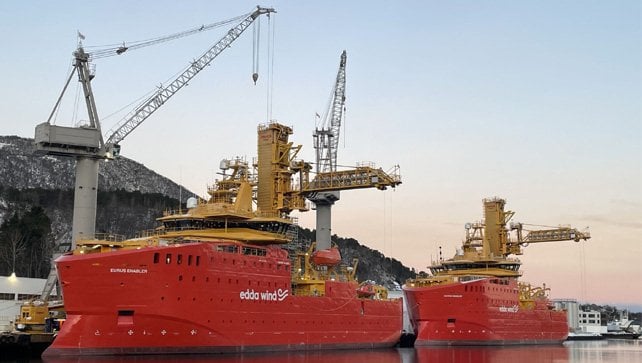
Edda Wind's fleet is split up in the sale as two investment groups believing in market opportunities drive sector consolidation (Edda Wind)

Published Apr 30, 2026 9:11 PM by The Maritime Executive


Edda Wind, which had been launched as an early service provider dedicated to the emerging offshore wind sector, has officially wound down its operations, completing the sale of 10 ships and ships under construction to North Star and Norwind Offshore. The deal, which was first announced by the investors in Edda Wind in March, is driven by the investments from Partners Group and Navigate Capital Partners, which are supporting growth on consolidation with North Star Norwind.

The company was started in 2015 by Østensjø Group, an offshore provider, and announced plans to build a dedicated fleet of Service Operation Vessels (SOV) and Commissioning Service Operation Vessels (CSOV) for Edda Wind. Wilhelmsen joined as an investor in 2020 and was later joined by Geveran Trading Co., which is controlled by John Fredriksen, and another company associated with Idan Ofer.

While the company was growing, the investors also highlighted challenges in its public company format. They decided to take the company private in 2025, reporting that it would aid in future investment and growth. Instead, they cashed out with reports of a tidy profit.

Wilhelmsen, which owned just over a third of Edda Wind, reported in a stock exchange filing that after accounting for its total investment in Edda Wind ASA since 2020, the transactions will generate a net cash flow of approximately $55 million. It said it would report a net positive accounting effect of $27 million for Wilhelmsen in the second quarter.

Due to certain conditions in one of its charter agreements, Edda Wind will continue to officially own one of the vessels until certain conditions precedent are satisfied later in the year. They anticipate the last delivery will be completed in Q4 2026.

The fleet is being split up, with four vessels going to UK-based North Star, which has aggressively been pursuing growth since its acquisition by Partners Group in 2022. It is pushing to deepen its presence in the European offshore wind market, saying that this acquisition is strategic in broadening its client base and advancing its next phase of growth.

All of this is being made possible by Partners Group, which said, “The long-term SOV market is supported by compelling structural growth drivers, including a growing offshore wind asset base, the location of assets further from shore, rising uptime requirements, and rationalizing the supply chain. North Star is well positioned to capture future market growth." It made a further equity investment in North Star to finance the acquisition of the Edda Wind vessels.

The four vessels that are joining its fleet are Goelo Enabler, Boreas Enabler, Nordri Enabler, and Sudri Enabler, all with associated charters. The firm will now have a fleet of 14 vessels, making it among the largest in Europe. It has a fleet of 37 Emergency Response & Rescue Vessels, which complements its growing SOV fleet business and is the largest of its kind in Europe. It provides mission-critical services to the offshore energy industry under a highly regulated framework, according to the investors, who also highlight that the company is expected to generate approximately £100 million (US$136 million) of run-rate EBITDA, up more than threefold in the last four years. The majority of this increase is derived from the growing SOV fleet business.

The other six vessels in Edda Wind’s fleet were sold to affiliates of Navigate Capital, which highlights that this is its largest transaction to date. Stig Duus Enslev, founding partner of Navigare Capital, highlighted, “Our continued belief in the offshore wind market is unwavering, and we look forward to deepening our cooperation with Norwind Offshore as we jointly support the effort of energy transition.”

Norwind highlights that it is doubling its fleet through the acquisition of six state-of-the-art Commissioning Service Operation Vessels (CSOVs) from Edda Wind. The newly added vessels have either recently been delivered from the shipyard within the past year or are in the final stages of delivery.

“This transaction marks a significant step forward for Norwind Offshore,” said CEO Svein Leon Aure. “It is not just about the scale – it is about readiness. By adding these modern tonnages to our fleet, we strengthen our platform and ability to better support our customers and the offshore wind market in general.” 

Navigate already owns seven CSOVs. The six additional vessels will bring the fleet to a total of 13 ships, all being operated by Norwind Offshore.

Both investment groups highlight the strong opportunities they see in the sector. The European offshore wind market is on a growth trajectory. Some of the factors driving growth include an increasing offshore wind asset base, location of wind farms further from shore, rising uptime requirements, and a rationalizing supply chain.

Data show that the offshore wind sector is expected to see significant multi-decade growth, with installed capacity in Europe growing at a 16 percent annual rate over the next decade. They expect the impact of this expansion to increase the demand for long-term offshore operations and maintenance support services.


U.S. Makes Massive Bust Targeting Shark Fin Smuggling Ring

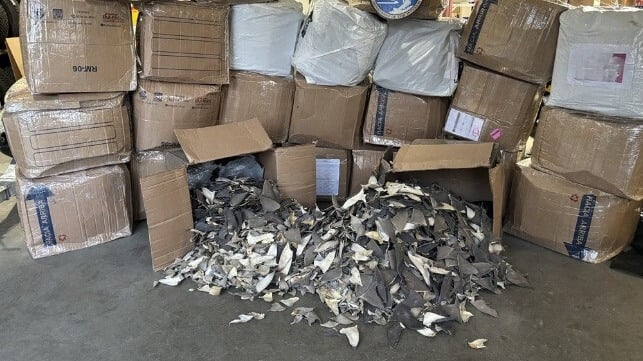
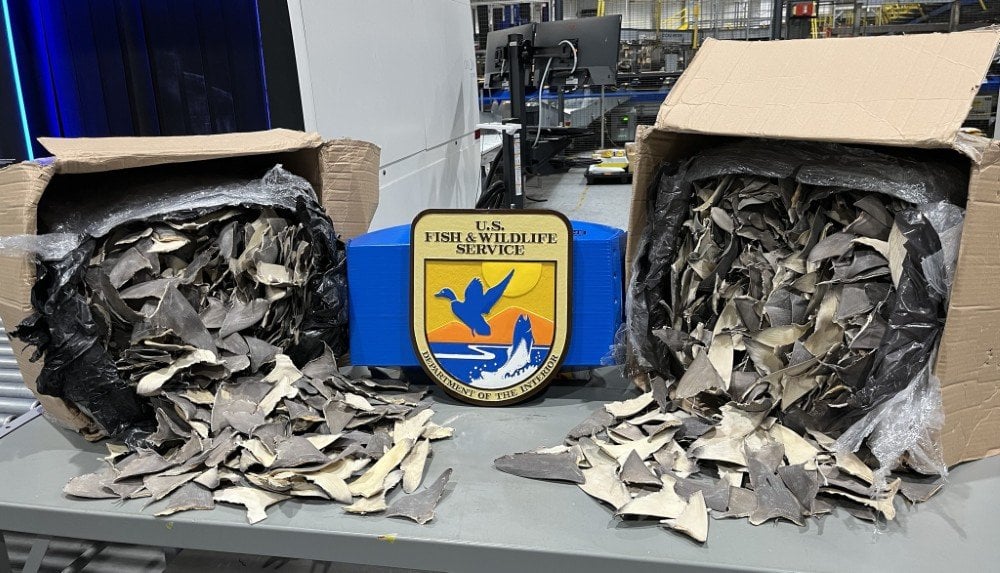
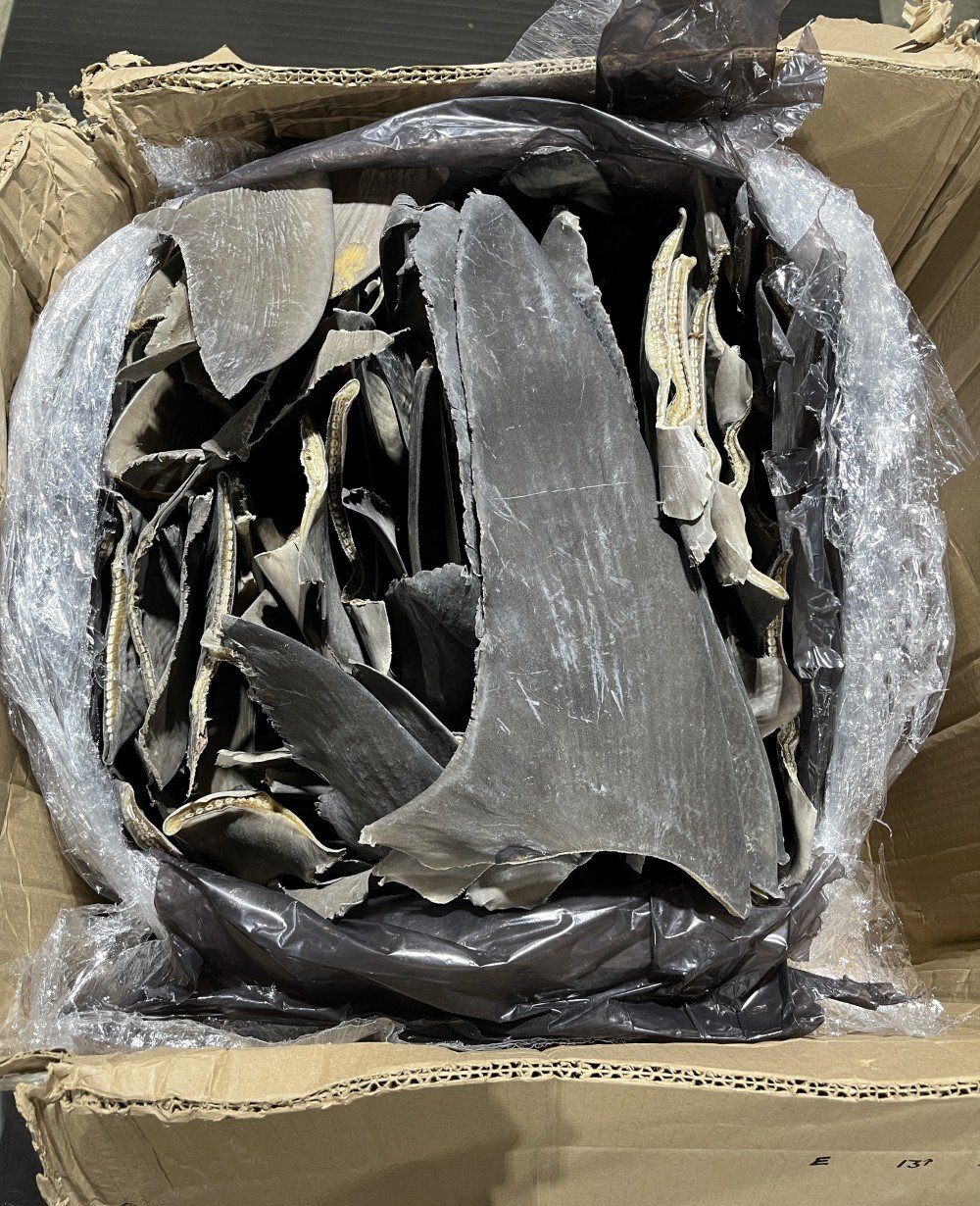
26 boxes of shark fins seized in Anchorage, October 2025 (USFWS)

Published Apr 29, 2026 5:07 PM by The Maritime Executive


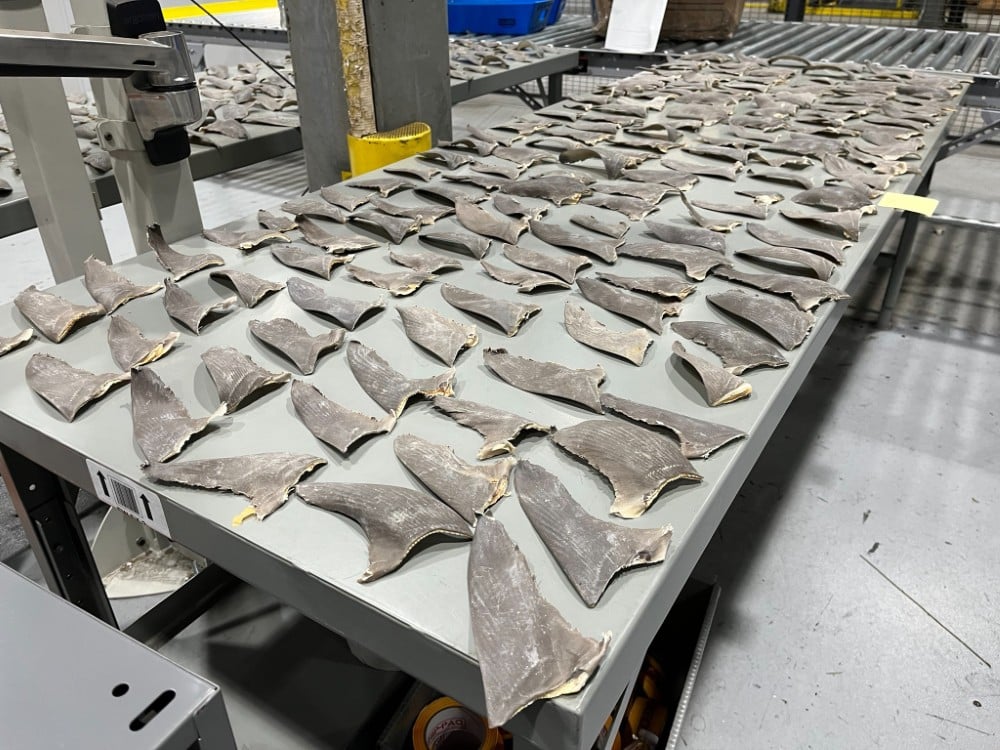
The U.S. Fish and Wildlife Service has announced a massive bust of illegal shark fins, seized at ports around the United States. Concerningly, the characteristics of the dried and preserved fins matched primarily with two species of internationally-protected sharks. 

Last October, a shipment of shark fins was discovered by inspectors at the port of Anchorage, Alaska. It was disguised as a consignment of car parts. Delving into the details of the package, the Fish and Wildlife Service launched a broader operation to intercept similar shipments in Anchorage, Louisville and Cincinnati. All were en route from Mexico to Hong Kong via United States ports; Hong Kong is a hub for the trafficking and consumption of shark fins and other illicit seafood products. According to USFWS, the shipments were all linked to the same smuggling network. 

The agency determined that most of the fins were from bigeye thresher sharks and silky sharks. Both are listed on CITES Appendix II, which protects species that are "not necessarily now threatened with extinction but that may become so unless trade is closely controlled." International trade in species on this list is only legal if it is accompanied by an export permit from the state of origin - unlikely to apply to a misdeclared shipment described in the bill of lading as a package of car parts. 

All of the fins in the consignments were seized, and information about the smuggling attempt was shared with partner agencies overseas for follow-up on enforcement under local laws. 

To reduce the prevalence of the fin trade, USFWS recommends that the public should avoid buying shark fins or items that contain shark fins. It also welcomes tips on its enforcement hotline. 

MARINE PROTECTION AREAS

Study: MPAs are Unusually Vulnerable to Wastewater Runoff

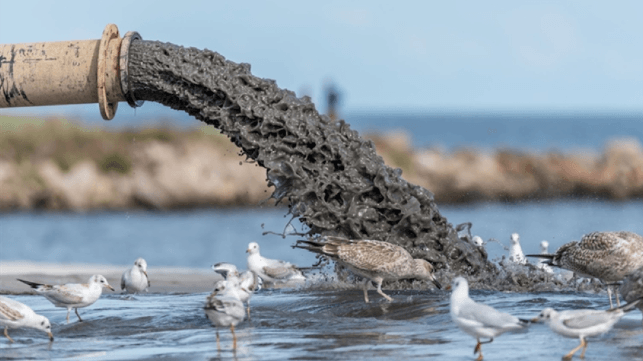
WCS sewage pipe
Courtesy WCS

Published Apr 29, 2026 11:26 PM by The Maritime Executive


Researchers have long understood that land-based pollution sources are a leading cause of environmental harm in the ocean, from plastic wastes to nutrient runoff. Land-based sewage is an issue as well, and it turns out that marine protected areas (MPAs) might be more affected by this form of pollution than the average acre of unprotected ocean, a new study in Ocean & Coastal Management has determined. 

Working together, researchers from the University of Queensland and the New York-based Wildlife Conservation Society (WCS) evaluated the total nitrogen load at 1,855 coastal MPAs around the world in tropical latitudes. Excess nitrogen comes from agricultural fertilizer runoff, as well as sewage effluent; in river deltas it can cause algae blooms and eutrophication, and in reef habitats it is harmful to the growth of coral, supporting diseases and reducing light availability in the water column. In lieu of direct measurements, the team used 

For the study, the researchers selected MPAs in regions with high concentrations of coral reefs, seagrass meadows, and mangrove forests - areas in Southeast Asia, Australia, the Indian Ocean, the Arabian Gulf and the Caribbean. Within these key regions for coral biodiversity, about nine out of 10 MPAs are affected by wastewater pollution, the authors found. Contamination levels within MPA boundaries often exceeded the levels in nearby, unprotected waters - sometimes by  factor of 10. 

The authors warned that the effects of wastewater pollution could negate the value of MPAs in providing a safe refuge for marine life. While charitable donors and political actors pursue further MPA expansion, onshore wastewater leakage goes unaddressed in MPA governance: it occurs far outside of the geographical bounds and legal structures of MPAs. Without heavy investments in fixing wastewater runoff - the source of the excess nitrogen - MPAs could fall short as a conservation tool, they warned. 

"The global push to achieve 30x30 will fail to deliver on its promise unless the effectiveness of protection from pollution is prioritized alongside extent. For MPAs to safeguard biodiversity, pollution sources that undermine their ecological integrity, such as wastewater, must be addressed," the authors concluded.


IMO Adopts World’s Largest Emission Control Area and Other Issues at MPEC

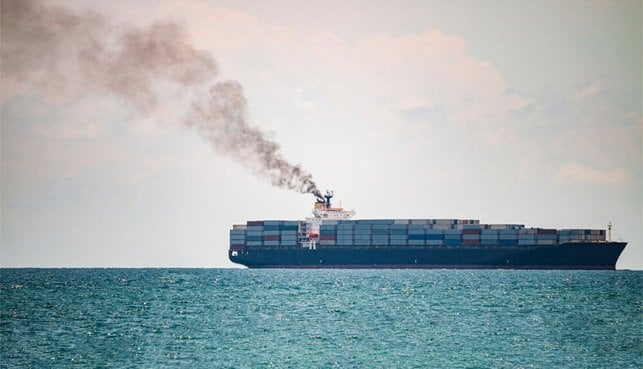
ship emitting smoke
MPEC adopted several measures including the largest emission control area spanning the Atlantic and linking existing zones in Europe (iStock)

Published May 1, 2026 7:39 PM by The Maritime Executive


While much of the Marine Environment Protection Committee (MPEC 84) was bogged down with political positioning and stalling tactics, the International Maritime Organization (IMO), however, reports decisions on a number of key initiatives, including the North-East Atlantic Control Area (ECA) as well as efforts on plastics and ballast water. The new Atlantic ECA is being billed as the world’s largest emission control area, extending the efforts in Northern Europe with a far broader reach.

The efforts for the ECA had begun with 27 EU member states and had been gaining support as it moved through the process at the IMO. Iceland, the United Kingdom, and the European Commission also endorsed the launch of the ECA, which was formalized during this week’s MPEC session.

The entry into force date was set as September 1, 2027, with the ECA taking effect 12 months later in 2028. It covers an area extending 200 nautical miles into the ocean and a region spanning from Greenland, Iceland, the Faroe Islands in the north, to encompass Ireland, the mainland of the United Kingdom, France, Spain, and Portugal.  It will also link the existing ECAs in the Baltic, North Sea, and Mediterranean and connect them with the recently approved ECAs in the Norwegian Sea and Canadian Arctic.

The adoption introduces stricter emission limits on nitrogen oxides (NOx) and sulfur oxides (SOx) as well as particulate matter. According to the IMO, ships within the ECA will have to use fuel with a sulfur content of no more than 0.10 percent. 

The other key initiatives adopted by MPEC include a strategy and action plan to address marine plastic litter from ships. It focuses on work to improve port reception facilities and waste processing. It updates and supersedes earlier actions in 2021 and 2025.

The focus on plastics also extends to a code for transporting plastic pellets (i.e. nurdles). They have become a key focus after several high-profile incidents where they were released into the environment. The committee agreed to develop a mandatory code governing the maritime transport of plastic pellets in freight containers.

MPEC also adopted a package of amendments to the Ballast Water Management Convention. The guidelines were revised along with the requirements for the development of ballast water management plans.

Work was also advanced on underwater radiated noise. MPEC agreed in principle to extend the experience-building phase by two years to the end of 2028. The aim is to address the barriers member states face in applying the guidelines that had previously been adopted for reducing underwater noise from shipping that is harmful to marine life.


IMO Delays Decisions but Maps Steps for Net-Zero Framework at Close of MPEC

IMO International Maritime Organization
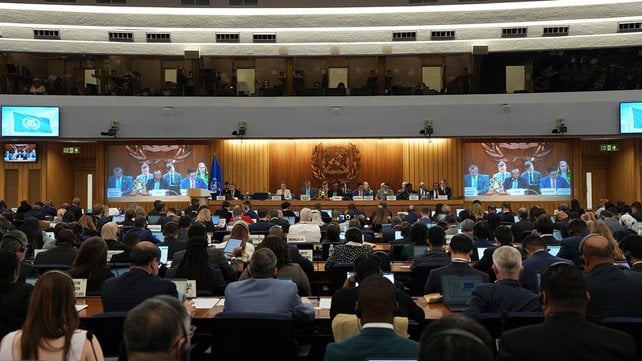
IMO closed MPEC 84 agreeing to continue the discussions on the Net-Zero Framework and consider other proposals (IMO)

Published May 1, 2026 5:11 PM by The Maritime Executive


Two weeks of hard-fought discussions at the International Maritime Organization (IMO) on the approach to the Net-Zero Framework (NZF) and efforts to control greenhouse gas emissions came to a close on Friday with a general consensus that there was progress. With the opposition of the United States and others, however, the meeting concluded with the agreement to have more meetings, without selecting a framework.

The first week consisted of a working group that set the framework for constructive discussion and moved forward some of the basic principles. The full Marine Environment Protection Committee meeting (MPEC 84) took place this week, with all member states as well as a lot of backroom discussions and sidetracks before the closing session on Friday, May 1. The conclusion was that the working groups would reconvene in September and November, ahead of the next MPEC session starting on November 30 and a Second Extraordinary Session on December 4.

“We are back on track, but we have to rebuild trust,” said IMO Secretary-General Arsenio Dominguez at the conclusion of the sessions on Friday. “I encourage you to maintain this momentum through your intersessional work and to prepare submissions that can bring the membership together,” he told member states in his closing remarks.

The IMO highlighted constructive discussions centered on the adoption of “mid-term measures” on emissions. It noted that multiple proposals had been tabled while highlighting that the intersessional working group had made progress and worked toward a broad consensus.

Many groups broadly agreed that there was progress with the World Shipping Council, for example, saying the meeting was “encouraging.” WSC President & CEO Joe Kramek said, “These are complex and, at times, difficult discussions. But continued engagement from governments is essential to keep progress moving.”

Thomas Kazakos, Secretary General of the International Chamber of Shipping, also called it “a constructive dialogue.” The ICS said it welcomed the decision to convene additional negotiations in September.

The full number of member states supporting the Net Zero Framework varies by report but is generally set at between 55 and 59. The feeling was that “the pendulum was swinging back” with support building. Yet, the IMO failed to settle on a single structure, saying it would continue to consider alternatives.

Last fall, Saudi Arabia succeeded in stalling the discussions with a motion to table the discussions for another year. The United States, Liberia, Panama, and others mounted strong opposition. 

The United States continued its strong opposition, calling the focus on alternative fuel, which it insists does not exist, flawed, and the pricing structure for carbon emissions a tax on consumers. The U.S. expanded its efforts, including the attendance of the newly appointed chairman of the Federal Maritime Commission, Laura DiBella. She released a statement “ensuring full FMC attention on the serious economic harm that would be caused by the NZF.” She underscored the need to consider viable alternatives submitted by several other countries while reiterating the Trump administration’s position that a carbon price “would force American consumers to pay a carbon tax for shipments transiting international waters.”

DiBella said despite the persistence of a “minority bloc” that had previously overwhelmed the “silent majority,” the “silent majority” had found its voice this week. The United States and its allies succeeded in keeping an alternative proposal from Liberia under discussion. At the closing, the chair of MPEC confirmed that they would continue to consider alternatives while telling member states that they could submit further revisions for consideration or additional proposals.

The U.S. State Department issued a statement saying it had “successfully delivered … by forcing the organization to negotiate on alternative proposals that will not harm American consumers and businesses.” It said it had forced the body to authorize future negotiations that examine multiple alternative proposals while continuing to call the NZF “fundamentally flawed.” It took credit along with  Saudi Arabia, Liberia, Panama, and Argentina for “successfully brokering a diplomatic path forward” to further discuss alternative proposals, including those from Japan, Panama, Argentina, and Liberia.

"The USA and their allied petrostates weren't successful in stopping climate negotiations at the IMO,” says Lukas Leppert, Policy Officer at NABU (Germany's largest environmental association, Nature And Biodiversity Conservation Union). “However, they obstruct the final adoption of necessary and agreed measures.”

Vanuatu and other small Pacific island nations were among the strongest proponents continuing their push, saying decisive action is needed. In its official statement to the IMO, Vanuatu stressed that the decarbonization of international shipping is not optional but “a strategic necessity for the Pacific,” noting the immense vulnerability of Pacific Island countries to climate change impacts.

“What started off as a legitimate framework, with a carbon pricing at its core for a chance at a just transition, has been weakened along the way,” said Anaïs Rios, Senior Shipping Policy Officer, Seas At Risk. It was among the groups criticizing the delay, saying shipping must play its fair share in the efforts to reduce emissions.

Member states, including Australia, also expressed concern at the endless discussions and lack of a consensus and path forward. It said it fears these steps are just setting the process back.

For now, the agreement was to keep discussing and reviewing proposals. However, hope was building that the member states were moving forward and that agreements might be reached by the end of the year.


India Moves to Accelerate Expanding Shipping Capacity by Adding 62 Vessels

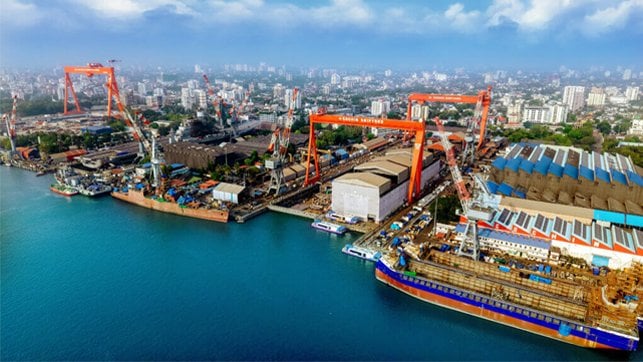
Indian shipbuilding
Cochin Shipyard is one of the largest and working to expand its role in commercial shipbuilding (Cochin)

Published Apr 30, 2026 8:11 PM by The Maritime Executive


India’s Minister of Ports, Shipping, and Waterways, Sarbananda Sonowal, mapped out an ambitious plan to rapidly expand the country’s domestic maritime capabilities. The government has already set a high priority on building its commercial maritime operations, and now the minister told an inter-ministerial meeting it is even more important, highlighted by the recent global situation.

The Minister said that the hostilities in the Middle East and the closing of the Strait of Hormuz had further highlighted the vulnerabilities and the need to make India more self-reliant. The ministers acknowledged that India had brought home more than 3,000 seafarers stranded due to the U.S. war with Iran. The country had dozens of ships trapped and worked hard at its diplomatic channels to get its tankers and gas carriers released, bringing vital cargo to its ports.

“We must act with urgency to strengthen our fleet, shipbuilding capacity, port infrastructure, and the broader maritime ecosystem,” the minister said, underscoring the need for a coordinated national effort. He said all the ministries represented needed to work together and also had to involve the ministers of Petroleum and Natural Gas, Chemicals and Fertilizers, and Commerce and Industry.

He announced a goal to add 62 new vessels to India’s domestic maritime fleet in FY 2026-2027. Furthermore, he said the government would back it with an investment of US$5.4 billion. He said the goal was to add 2.85 million gross tons to the fleet.

The minister said that, based on the current global scenario, the focus includes container vessels, LPG carriers, crude oil tankers, and green tugs. This would also be in addition to an effort by the Shipping Corporation of India to acquire 59 new vessels.

Indian Prime Minister Narendra Modi has already highlighted the government’s high priority on reducing the country’s dependence on foreign shipping. Currently, approximately 90 percent of Indian commerce and trade is transported on foreign-flagged vessels, but Modi has set a goal for at least 20 percent of India’s exports to be on Indian-flagged vessels. He has also said that transshipping should grow from the current 20 percent to 75 percent by 2030.

The government has already taken a series of steps to revise its cabotage regulations. It is ending waivers for foreign ships in transshipments and cargo movement between domestic ports. This has prompted major carriers, including CMA CGM, Maersk, Mediterranean Shipping Corporation, and Hapag-Lloyd, to begin efforts to transfer vessels into the Indian registry. This month, CMA CGM is working on completing the transfer of its sixth containership from Malta’s registry to India.

Shipbuilding is also a top priority, with the government spelling out financial programs to support new construction and the expansion of the industry. It is calling for domestic yards to expand capacity and also for the development of new shipbuilding clusters. The goal is for India to become a top 5 shipbuilding nation by 2047.

The minister instructed the participants in the inter-ministerial meeting to develop an actionable white paper that lays out the roadmap for achieving the accelerated expansion of the Indian merchant fleet. He told them to identify gaps and work with the broader group of ministers to develop the plan for the maritime supply chains.


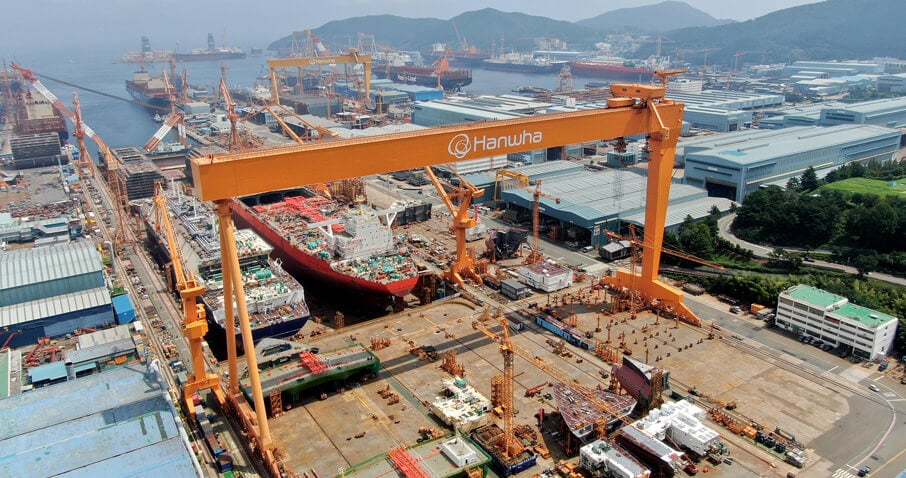
South Korea Extends Antitrust Restrictions on Hanwha from DSME Acquisition

shipbuilding yard Hanwha Ocean
Korea's antitrust regulator extended provisions created in 2023 in the DSME acquisition to ensure a fair market for naval shipbuilding and components (Hanwha Ocean)

Published Apr 28, 2026 6:07 PM by The Maritime Executive


South Korea’s antitrust regulators have taken the unusual step of extending a series of restrictions imposed on several of Hanwha’s companies as a condition for the 2023 acquisition of Daewoo Shipbuilding and Marine Engineering. At the time, the Korea Fair Trade Commission expressed concerns that Hanwha’s combination of the shipbuilding operation and its military component systems could create an unfair advantage or monopolistic elements, especially in naval shipbuilding.

The FTC said the combination in 2023 would give the companies potentially a market share exceeding 60 percent for surface vessels and submarines. Hanwha Aerospace and Hanwha Systems were and continue to be leaders in supplying key components used in naval ships, both being built at DSME (now Hanwha Ocean) as well as the rival shipbuilders. The FTC said the DSME acquisition raised the potential for discriminatory pricing and information sharing that could disadvantage competitors in bidding for future projects.

The commission announced on April 28 that it has completed a three-year review since the completion of the merger and that it finds many of the same conditions remain in the market. It found that the market issues have not corrected themselves since the completion of the merger.

For the first time in the history of its regulation over mergers, the FTC determined to extend the prohibitions for an additional three years till May 2, 2029. It further said that it would conduct another review and could determine to extend the restrictions for an additional two years if the conditions for market dominance continue.

Hanwha accepted in 2023 measures that were designed to prevent discriminatory offers on quoted prices for ship components, a ban on unfair refusals of requests for technical information on ship components, and a ban on the sharing of competitors’ trade secrets. 

The commission said that the advantage remained for bidding on shipbuilding contracts as well as in eight areas of components supplied by Hanwha. The restrictions are being continued for each of the elements. The commission, however, found that the measures were no longer required for systems used to identify friend or foe for ships and the integrated machinery control system market for ships. The restrictions are being allowed to expire for these two segments as new competitors have emerged in these segments.

The decision comes as Hanwha continues to move aggressively to expand its market share in key segments, from military shipbuilding to components. The company is also expanding these segments internationally with its announced investment in Austal and its investments in the United States, including the acquisition of the Philly Shipyard. Hanwha has highlighted the market opportunities both domestically and internationally as it works to integrate its capabilities in shipbuilding with its expertise in electronics and key component systems.


Military Permit Derails South Korea’s Anma Offshore Wind Project

South Korean offshore wind farm
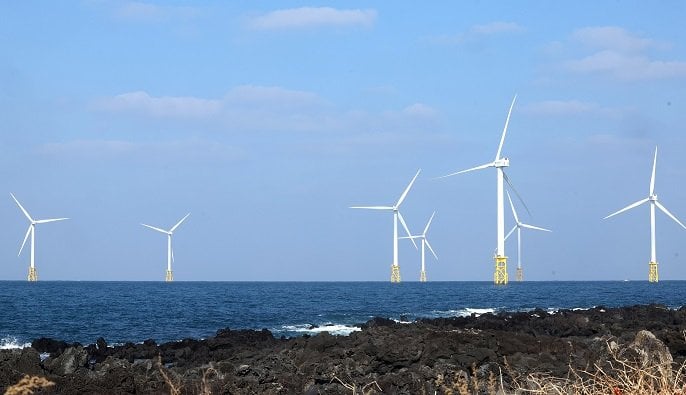
Completed at the end of 2025, the 100 MW Jeju Hanlim Offshore Wind Power project is the largest in South Korea (KEPCO)

Published May 1, 2026 7:16 PM by The Maritime Executive


Technical hurdles have been a primary risk in the development of offshore wind projects around the world. In South Korea, however, a non-technical issue is derailing the Anma offshore wind farm, proving how regulatory barriers could affect a project already in the construction phase. Anma is a 532 MW offshore wind farm project located 24 miles west of the South Korean Peninsula’s southwestern coastline. 

The $3.5 billion project was one of the successful bids on the 2024 fixed-price wind power auction. In 2025, several key supply contracts were signed, with the project on course for its completion in 2029. It is expected to feature 38 wind turbines of 14 MW capacity, supplied by Siemens Gamesa.

The project site, however, reportedly overlaps with the maritime area used by the Agency for Defense Development (ADD) for military weapons testing. With this conflict, the project has been unable to secure the public waters occupation and use permit, which is a pre-construction requirement approved by the Ministry of National Defense.

With the military approval delays, some project suppliers have decided to suspend their contracts. This represents a massive blow to Korea’s first utility-scale wind projects. 

South Korea’s SK Oceanplant is one of the companies that has suspended its contract with Anma offshore wind. The contract valued at $273 million was for the supply of 38 jacket foundations. According to local media reports, SK Oceanplant said that the temporary suspension was done at the client’s request.

LS Cable & System also announced this week that its contract with Anma has been terminated. The $110 million contract was for the supply and installation of onshore and offshore export cables. The contract period was from July 2025 to May 1, 2028. CS Wind is another firm that has withdrawn from the project.

There are also reports that Anma’s largest shareholder, the Singapore-based investment firm Equis, is offering to sell its stake in the project to the Copenhagen Infrastructure Partners (CIP). Equis has a 78 percent stake, with the remaining part shared by South Korean companies, including Korea Development Bank, CS Wind, and Hoban Industries. Industry analysts expect that a local company is likely to take up the Equis stake, owing to the current approval uncertainties.

The delays facing Anma come at a time when foreign investors are pulling out of the South Korean offshore wind market. Last month, the British offshore wind firm Corio Generation completed its exit from Korea, disbanding its local unit. The company had earlier withdrawn from its joint offshore wind projects in Busan and Ulsan.

Early this year, Germany’s RWE also quit its two projects: the 495 MW West Sea Offshore wind farm, which was set for construction off the coast of Taean County, South Chungcheong Province, and the 510 MW Neulsaeumui offshore wind farm in South Jeolla Province.

The complex regulatory process in Korea has been blamed for these high-profile exits. However, the government has tried to resolve this challenge with the enactment of the Offshore Wind Power Special Act last month. The new law, among other things, has integrated the permitting and licensing procedures, creating a one-stop-shop system for the approvals.

 Previously, a developer needed to acquire a total of 28 licenses but now will only require approval from the Ministry of Trade, Industry and Energy (MOTIE). It remains to be seen if South Korea can get its efforts for offshore wind energy fully back on track.


First Commercial Bunkering of Ammonia Completed on Exmar Ship in Ulsan

ammonia gas carrier first bunkering
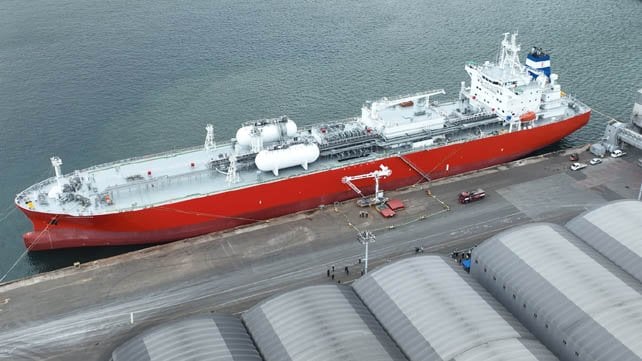
Exmarr's gas tanker Antwerpen completed the world's first ammonia bunkering for a commercial, ocean-going vessel docked at the Port of Ulsan, South Korea (Ulsan Port Authority)

Published Apr 28, 2026 8:09 PM by The Maritime Executive


The emerging market for ammonia-fueled commercial shipping achieved its next milestone with the first-ever port-to-ship bunkering on an ocean-going vessel. Previously, the only bunkering had been done as demonstrations, while extensive work has been underway by port authorities, classification societies, and others to develop the processes for safely handling highly toxic ammonia as a marine fuel.

The Ulsan Port Authority (UPA) in South Korea announced that the first ammonia bunkering operation had been carried out on April 23. The gas tanker Antwerpen, built by HD Hyundai as the first in a series of vessels for Exmar, achieved the milestone.

The bunkering operation took place at Pier 2 of Ulsan Main Port, where Lotte Fine Chemical, designated as the sustainable marine fuel supply demonstration operator, supplied approximately 600 tons of clean ammonia via the port-to-ship method. 

“This world-first ammonia bunkering operation was made possible by Ulsan Port’s advanced energy infrastructure and accumulated bunkering expertise,” said Byun Jae-young, President of UPA. “It is a meaningful milestone that demonstrates the port’s readiness to support a range of major sustainable marine fuels.
 
To enable this milestone, the Ulsan Port Authority reports it signed a Memorandum of Understanding in January 2024 to promote the ammonia bunkering industry. Since then, it has worked closely with key stakeholders across the ammonia value chain, including Korean Register (KR), Lotte Fine Chemical, HD Hyundai Heavy Industries, and HMM, covering policy and regulation, port infrastructure, vessel readiness, and fuel supply.

The 46,000 cubic meter gas carrier continues to mark milestones in the development of this new segment. The ship was ordered in 2023 and named during a ceremony earlier in April at the HD Hyundai shipyard. It measures 190 meters (623 feet) in length and was specifically designed for the transport of liquefied gas cargoes, including ammonia and LPG. It can also use its cargo, including the ammonia, as its fuel.

The Antwerpen remains on the dock in Ulsan while her sister ship, Arlon, is completing sea trials. The second ship is scheduled to be delivered to Exmar in June.

To prepare for the bunkering, Lotte Fine Chemical announced in March that it had completed the world’s first commercial import of green ammonia. It was the first cross-border trade of green ammonia. The imported green ammonia was entirely produced using 100 percent renewable energy (wind and solar power) at the world’s largest green hydrogen and ammonia production complex developed by Envision and located in Inner Mongolia, China.  

Lotte developed storage capabilities for the green ammonia at the Port of Ulsan. It said that it planned to use it to meet the growing demand for carbon-free energy applications, including ammonia marine bunkering, co-firing power generation, and as a hydrogen carrier.

The first ammonia bunkering for a vessel took place in Singapore in early 2024 and involved three tonnes of liquid ammonia loaded from Vopak’s Banyan Terminal on Jurong Island in Singapore. It was placed aboard Fortescue’s converted offshore supply vessel, which was rechristened Fortescue Green Pioneer and began ammonia demonstration in 2024. The only other vessels currently able to operate on ammonia are two tugboats, with Japan also reporting ammonia bunkering from tank trucks to NYK’s Sakigake, a tug that was converted from LNG to ammonia as part of an ongoing demonstration of the future marine fuel.


Chinese Firm Files Arbitration Over Australia's Move to Reclaim Darwin Port

Darwin Australia
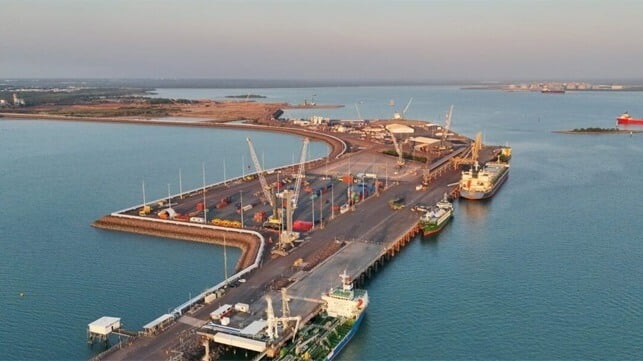
Dispute centers on a Chinese company's 99-year lease for the Darwin port (Landbridge)

Published May 1, 2026 3:17 PM by The Maritime Executive


The long-running dispute regarding a Chinese company’s 99-year lease of Australia’s Darwin port took a new turn with Landbridge Group confirming it filed an arbitration claim against the Australian government. The now decade-old lease has become the center of an ongoing politically charged issue, with both the current government and the opposition demanding the port be returned to Australian control.

Landbridge, owned by Chinese billionaire Ye Cheng, who is reported to have ties to the Chinese Communist Party, won the bidding for the lease in 2015 and paid Australia A$506 million (approximately US$375 million based on 2015 exchange rates). At the time, it was a small port, and Landbridge promised investments to revitalize the operations. It was nonetheless a controversial deal that drew political comments and reactions from the United States and others due to the strategic position of Darwin. The government is now calling control of the port a national security issue.

Landbridge asserts it has made the investments helping to grow the operation. In November 2025, it reported more than A$42 million in profit (EBITDA) for the operations. It was an increase of 25 percent over the prior year, and the operators said the port was generating strong net cash flows. They cited the growth in cruise operations and the support of the Barossa offshore gas project.

“Landbridge acquired its interest in the port through a fair, open, and competitive process in full compliance with all applicable Australian laws and regulatory approvals. Multiple Australian Government reviews have confirmed there are no national security concerns,” the company asserted in a statement. “Having engaged with the Commonwealth in an effort to reach a constructive resolution, Landbridge has regrettably been unable to achieve a satisfactory outcome through dialogue alone and is now taking the necessary steps to protect its legal rights.”

The company filed an arbitration claim on April 24 with the World Bank’s International Centre for Settlement of Investor Disputes. It is calling Australia’s actions “discriminatory” and “inconsistent with Australia’s obligations” under the Australia-China Free Trade Agreement (CChAFTA).

The government and the company confirmed they have been in discussions, with both sides calling them “constructive,” but said they have been unable, so far, to achieve a “satisfactory outcome.” There is ongoing political pressure in Australia to wrap up the discussions, with some calling for the government to nationalize the port and cancel the lease.

Landbridge says it “expects” Australia to “refrain from taking any action adverse” to its interests pending resolution of the dispute and consistent with international rules. Experts are highlighting in the Australian media, however, that it could take years for the arbitration to be resolved.

Australia’s Transport and Infrastructure Minister Catherine King issued a statement saying the government was “disappointed” by Landbridge’s decision. She said the government would defend the claim while saying they intended to continue the discussions with Landbridge.

This dispute and the actions are very similar to the case between Hong Kong-based CK Hutchison and Panama over the port operations at Balboa and Cristobal. Panama’s Supreme Court ruled the concession to operate the port terminals was unconstitutional, and the government seized the operations. China and the company have also cited the breach of contracts and trade agreements. CK Hutchison has also filed an arbitration seeking more than $2 billion in damages from Panama.


Groundbreaking Starts Sparrows Point Container Terminal for Baltimore

Baltimore new container terminal groundbreaking
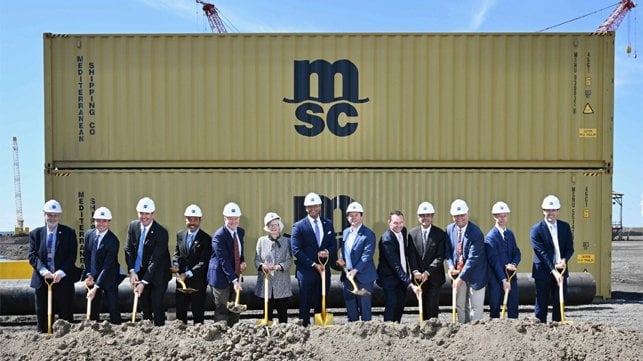
Groundbreaking ceremony kicked off the construction of Baltimore's new container terminal at Sparrows Point (Governor Wes Moore)

Published May 1, 2026 8:39 PM by The Maritime Executive


Tradepoint Atlantic and MSC’s Terminal Investment Limited (TiL) broke ground on May 1 on the Sparrows Point Container Terminal. A key part of the redevelopment of the former Bethlehem Steel site in the Baltimore (Maryland) area, the companies are saying it represents one of the largest private container terminal investments ever made in the U.S.

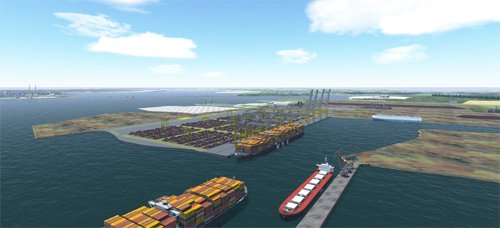
The new terminal, developed in partnership with TiL, a global leader in container terminal investments owned by MSC and BlackRock, will dramatically expand Baltimore's capacity to handle container cargo and serve the midwestern United States. It is a 168-acre site that will include a container terminal with two berths and an on-dock rail facility able to handle double-stacking rail cars. The terminal's on-dock rail facility will provide direct intermodal connectivity.

Together, TiL and Tradepoint Atlantic have committed approximately $1.2 billion of private finance to deliver a terminal with an annual throughput capacity of more than one million containers, able to handle two ultra-large container vessels simultaneously and equipped with seven ship-to-shore cranes. 

MSC said that with the completion of the terminal, it will be able to move more gateway volume to the Midwest. It predicts that this will dramatically increase the competitiveness for importers and exporters.


Rendering of the new terminal due to begin service in 2028 (Tradepoint Atlantic)


"This groundbreaking marks one of the most significant moments in the history of this site and for the Port of Baltimore," said Kerry Doyle, Managing Director of Tradepoint Atlantic. "The Sparrows Point Container Terminal will position the port as a true global gateway and economic engine, making Maryland strategically significant and globally competitive for decades to come." 

Sparrows Point was once the world’s largest iron and steel-making facility, operating alongside the shipyard that built ships for many years before converting to a repair yard facility. Operations ended at the site in 2014, and two years later, plans were announced for the redevelopment of the site into a multi-use industrial park. TiL joined the plans, announcing in 2023 that it would partner with Tradepoint Atlantic for the development of the new container terminal.

Officials ranging from Governor Wes Moore to other elected officials and industry leaders all highlighted the recovery of the Port of Baltimore and called this a key next phase in its development. The Port of Baltimore achieved a record-breaking year in 2025, handling more than 1.1 million TEU at its Seagirt Marine Terminal.

The Army Corps of Engineers approved the final permits for the new container terminal in December 2025. Tradepoint expects to complete the first berth by the third quarter of 2028 and finish the second berth in early 2029.