‘Global climate shocks demand global action: Britain’s role in building a liveable future for all’
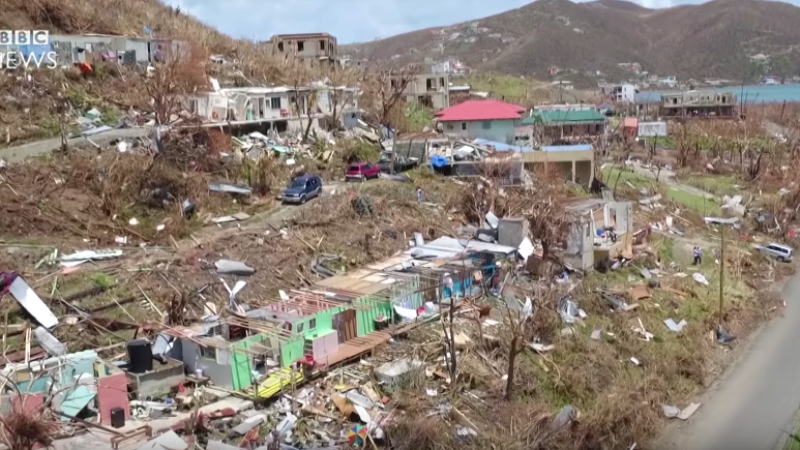
The impacts of climate change are no longer distant warnings – they’re disasters we watch unfold every day.
Turn on the news and you’ll see it: another record-breaking storm, flood or wildfire devastating a country. The Intergovernmental Panel for Climate Change (IPCC) says that “extreme weather causing floods and droughts have become more likely and severe due to anthropogenic [human-induced] climate change.”
Death tolls rise as nature tears homes and livelihoods apart.
Super typhoons ravaged through the Philippines and Asia washing everything away, turning cities into reservoirs. Flash floods and landslides covered towns in mud in northern Spain while extreme heatwaves killed thousands in the south. Last year’s wildfires that swarmed through the Pantanal in Brazil, the world’s biggest tropical wetland that acts as a vital carbon storage in regulating our climate, with flames made 40% more fiercer by human-driven climate destruction.
READ MORE: ‘We mustn’t retreat on the green transition’
It is heartbreaking to see these extreme weather events impacting so many lives abroad. But, why should this be of national interest to Britain? And what role should Britain have when climate change impacts another country?
These extreme weather incidents, being termed climate shocks due to their overwhelming impacts, do not only result in the death of hundreds and thousands of people, agricultural loss, disrupted infrastructure and loss of homes. The people who survive have to rebuild their lives; find work; rebuild businesses and educational institutes; survive illnesses; and care for their disabled, children, and the elderly. Inevitably, productivity drops not just for that country, but for any partnerships and supply chains with other countries.
When you recognise the knock-on effects of an extreme weather event in another country, it becomes very apparent that the socioeconomic and environmental impacts of climate change in one country, can have much wider cross border impacts.
Last year the International Chamber of Commerce reported climate shocks resulted in “cumulative losses to the global economy of around US$2 trillion over the past decade.” On Monday, the UN Refugee Agency released a report saying weather-related disasters have displaced 250 million people around the world over the last decade” which translates to 70,000 people per day.
Today our technology and ability to communicate and collaborate, enable us to predict such weather events and build homes and infrastructure that can withstand them. Communities and governments can prepare for extreme weather events.
For this to happen, we must see governments across the globe commit to investing in their infrastructure, have warning systems, and efficiently work with their communities to employ safety measures during weather events.
At COP30, world leaders face a choice: will they take the decisions that help countries withstand the devastation of climate change – or wait until the costs come crashing back home? Supporting others avoids the devastation of climate change and strengthens their own national socioeconomic and environmental stability.
As Labour Party members we all have a stake in our future and we all have a say in how our Government addresses climate change in order to protect it. The Labour Campaign for International Development (LCID) believes in working towards a world free from poverty on a liveable planet, including plans to reset relationships with the Global South and focus on building genuine partnerships based on mutual respect.
That is why LCID calls upon our world leaders to commit to investing in infrastructure and services that measure, warn, and protect against extreme weather events. Governments must embed climate policy in everything they do – from trade deals to research; such as seeking to invest in infrastructure and services that combat the effects of extreme weather, and commit to reducing human-induced climate change altogether.
In the face of climate breakdown, there is no “somewhere else”. We are, after all, all in the same boat.

Majority of public support net zero in blow to Nigel Farage, poll finds
Left Foot Forward
Despite climate change having catastrophic effects, with extreme weather events on the rise, including heat waves, droughts and flooding, right-wing politicians have sought to rubbish net zero policies,
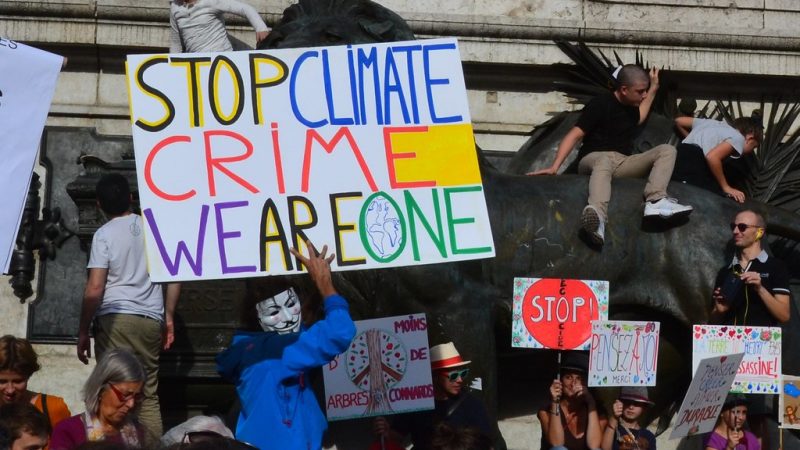
A clear majority of the public support cutting carbon emissions to net zero by 2050, a new poll has found, in a rebuke to right-wing politicians and their cheerleaders in the press.
The poll, carried out by YouGov, found that 60% of Britons support net zero, with only 25% opposed.
While 40% of 2024 Labour Party voters say that they ‘strongly support’ net zero, the figure drops to 37% of Lib Dem voters and 10% of 2024 Conservative Party voters.
Opposition was highest among Reform voters, with 47% of the party’s 2024 voters opposing net zero.
Despite climate change having catastrophic effects, with extreme weather events on the rise, including heat waves, droughts and flooding, right-wing politicians have sought to rubbish net zero policies, with Tory leader Kemi Badenoch claiming that the target was ‘impossible’ and didn’t make sense.
Farage has also criticised net zero targets, previously saying that Reform would advocate for a referendum on net zero policies.
Luckily, the majority of the British public reject their climate denialism.
Basit Mahmood is editor of Left Foot Forward

No comments:
Post a Comment