Iran Claims Strikes on Multiple Tankers, Emboldened After US Elections
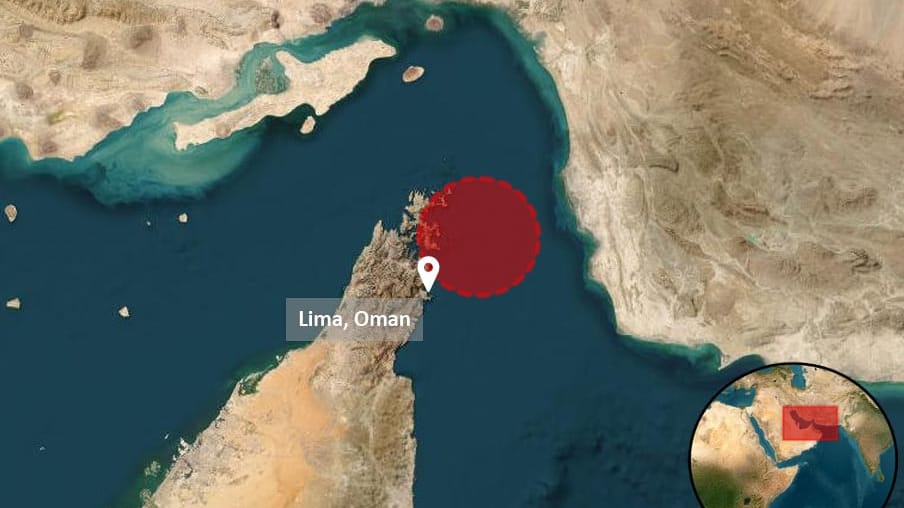
Iran’s Revolutionary Guard Navy continues to issue reports of multiple tankers being struck each day in the Strait of Hormuz. The latest reports came hours after the results of the U.S. midterm elections were emerging and as Iranian leaders emphasized the Republican losses.
Today’s statement from the IRGC Navy claimed that four unidentified tankers had struck mines while attempting transits through the southern channel near the coast of Oman. It said that two of the tankers were still ablaze. At the same time, they said two other tankers had been turned back before attempting to make the illegal passage and that they had downed a U.S. MQ-9 drone, marking the 56th of its kind Iran claims to have downed since the start of the war.
Yesterday, the IRGC Navy made a similar unsubstantiated claim, saying that three oil tankers exploded and caught fire after entering an unauthorized route through the Strait of Hormuz and striking sea mines. This came after its so-called Persian Gulf Strait Authority doubled the number of vessels on its non-compliant list.
No independent verification has emerged for most of the claims, although tankers have been known of late to be delaying or not reporting incidents. CENTCOM and the Trump administration have also remained silent, although it has repeated in recent days the assertions that the shipping channels in the Strait of Hormuz have been cleared of mines.
UK Maritime Trade Operations said it received details of only one attack late on Tuesday, November 3. It said a tanker reported being struck by two unknown projectiles into the engine room approximately 14 NM northeast of Lima, Oman. Vanguard Tech is identifying the vessel as the Barbados-registered shadow fleet tanker Grit (298,555 dwt). Built in 2003, it appears to be under Chinese ownership since June 2026.
Grit was one of the vessels Iran placed in the latest round on its non-compliant list. Some reports say the tanker had loaded in Qatar, while TankerTrackers.com posted that the vessel “recently transported Iraqi crude oil to the Gulf of Oman.” The tanker’s AIS signal had been turned off for more than a month.
Lloyd’s List Intelligence also reported one other strike on a bulker early on November 2. It reports the Panama-flagged bulker Era S. (46,681 dwt) was attempting to transit the Strait of Hormuz. The vessel was built in 1999 and is managed by Turkish interests.
The claims of strikes came as Iran cited the results of the U.S. midterm elections and said it was evidence the American people did not support the war. Some within Iran repeated the statements of determination to pursue the war, while others called for ending the conflict through dialogue. Iran’s chief negotiator, Mohammed Bagher Ghalibaf, posted on social media that Americans had said no to war.
Iranian officials continue to insist they gave negotiators seven points that the U.S. must meet before reopening the Strait of Hormuz and that it is the U.S. that did not respond. At the same time, Ahmad Hayat Moghaddam of the Iranian Parliament told the media that they had decided to grant exemptions for transits without limitations to vessels from China, India, Iraq, and Qatar. He noted Iran’s business relations with these four countries.
TankerTrackers.com, however, notes the tanker struck yesterday, Grit, has been transporting Iraqi oil. It also highlighted that roughly 30 percent of the cargo aboard the tankers listed by the PGSA is Iraqi. TankerTrackers.com wrote that “Iraq is not immune to the IRGC.”
Donald Trump, for his part, told reporters that the vote did not reflect views of himself, as he was not on the ballot. He said Americans might have been reacting to the high gas prices, but reiterated his determination to see the war effort through and ensure Iran never has a nuclear bomb.
Iran Increases Pressure on Shipping Doubling “Non-Compliant” List
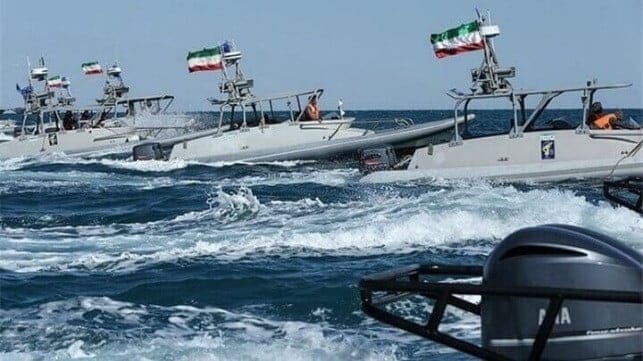
Iran’s so-called Persian Gulf Strait Authority, without fanfare, on Monday released a new list of vessels it calls “non-compliant,” doubling the number of vessels and reiterating its further limitations. It comes after weeks of increased attacks on shipping, broad claims from Iran, and was followed by a small retaliatory strike by the United States.
The Iranians continue to assert that ships added to the listing “shall face restrictions on future passages, including fines, detention, or confiscation.” The ships are reported not to have complied with the demand for transiting only through the northern channel near Iran and clearing their passage with the Iranians.
The list now totals 240 vessels, with an additional 114 ships on this latest version. Risk intelligence firm Orbital issued an analysis of the update noting that only half the vessels (118 of the 240) are crude oil tankers and that they made up 65 of the additions. Other types of vessels include LPG and LNG carriers as well as a few bulk carriers and four containerships.
Orbital’s analysis shows, however, that the concentration is on the vessels of the Gulf states and their national shipping companies. The Kuwait Oil Tanker Company, Bahri and NCC, ADNOC, Nakilat and QatarEnergy, and Safeen and AD Ports are all heavily targeted, with a total of 72 of the vessels listed and 25 among the latest additions.
The single largest group, however, is vessels linked to South Korea’s Sinokor, and this follows Iran’s threat to the shipping company days earlier. On October 27, the PGSA accused Sinokor of having “committed the highest number of passage violations over the past three months.”
Orbital notes that Sinokor vessels and the Gulf States’ vessels collectively make up more than half of the list and the new additions. It notes that the list, however, includes three vessels that Iran has already sunk. Five of the vessels are under sanctions, and seven have no registered owner.
Iran’s threat extends further as it reiterates that “cargo owners shipping to/from the Persian Gulf must review the Non-Compliance List (NCL) in order to avoid potential issues.” It also says that any vessel cooperating with listed vessels (via STS, transshipment, etc.) will be added to the list.
The additions came as UK Maritime Trade Operations reported that October concluded with one more attack inside the Arabian (Persian) Gulf, the sixth attack inside the Gulf since October 7. It also received reports of three attacks in the Strait of Hormuz, bringing its total to 18 confirmed attacks since October 6. It notes that Iran continues to harass vessels as well, while it has been pointed out that vessels are delaying or not reporting some incidents to UKMTO and others.
While there have been reports of new indirect discussions through mediators in an attempt to resolve the war, the United States reportedly struck Qeshm Island overnight. Central Command has not acknowledged the strikes, but Iranian reports said there were explosions late on Monday into Tuesday. Off-the-record comments from sources to the Associated Press said U.S. forces struck Iran’s surface-to-air missile sites after a launch against a U.S. plane.
Donald Trump dismissed the overnight strikes as minor and not the start of new efforts. U.S. officials, however, have not acknowledged the increased level of strikes against shipping in the last month. CENTCOM continues to dismiss the claims of mines, asserting the Strait of Hormuz has been cleared and remains open.
AP, however, highlights that the region remains on edge over the prospects of further U.S. strikes in the coming days or a possible resumption of full-scale operations. Trump had said the U.S. would not move before today’s midterm elections but has said he needed to decide on actions to bring the war to a close.

No comments:
Post a Comment