Could new technology save your daily cup of coffee?
Edith Cowan University
Could new technology save your daily cup of coffee?
New research from Edith Cowan University (ECU) could potentially save your daily cup of coffee. The research has identified a new and quicker method to detect infections in coffee berries, which has the potential to save coffee crops around the world.
The global coffee industry suffered a loss of more than $1 billion in 2023 from the coffee berry borer – a detrimental pathogen that destroys coffee berries.
With early detection key, ECU researchers used colour and shape separation via L-systems software – an image processing method which mimics human vision – to identify infection quickly.
ECU Lecturer Dr David Cook said instead of looking for the pest itself, drones flying over coffee crops would look to find what the coffee berry borers leave behind.
“Coffee berry borers are very difficult to identify. They're tiny little insects that are very difficult to see with the naked eye,” Dr Cook said. “However, instead of looking for the coffee berry borer itself, we looked for what it did.
“If you imagine when you drill into a piece of wood you see little bits of sawdust gather around the outside of the hole. In the same way, when a borer bores into a coffee berry, they leave an enormous amount of debris, called frass and this is much easier to identify.”
With the speed of identifying a coffee berry borer critical, this research could help farmers to act swiftly and save harvests.
“The problem with the coffee berry borer is if it's not recognised, it spreads through the various berries from bunch to bunch then bush to bush, and it can destroy an entire crop,” Dr Cook said. “This allows farmers to make very quick decisions about which parts of a crop might be infested with this particular pathogen and begin treating immediately.”
ECU Senior Lecturer and co-author Dr Leisa Armstrong said it could have a huge economic benefit for farmers in coffee producing countries.
“This coffee berry bora effects coffee in South America as well as through Indonesia and parts of Africa. So, for the three major producing areas for coffee, it's a big thing,” she said. “Coffee is a high value crop. If you can eradicate the infection and save a crop rather than losing a percentage of the harvest, then it's a financial improvement.
“If there is more high-quality coffee, then from an economics perspective that should mean coffee isn’t quite so expensive. I’m not sure it’s going to drop the price, but it might prevent it from going up dramatically if there is a coffee shortage.”
The software system developed by Masters student Chris Napier uses coloured lattice squares to discover the size, shape and number of berries as part of the anomaly-detection procedure - something that could lead to the technology being used in other crops.
“With a lot of farmers now relying on drone technology, they can fly over a particular crop and with this software, they can very quickly identify areas effected by a range of different pathogens,” he said.
“We can adapt this to many different agricultural crops. This could be used for detecting infestation when you need to look at the understory of the plant rather than just on top, so it could be very useful in crops that have bunches and groups, such as grapes.”
Edith Cowan University
Could new technology save your daily cup of coffee?
New research from Edith Cowan University (ECU) could potentially save your daily cup of coffee. The research has identified a new and quicker method to detect infections in coffee berries, which has the potential to save coffee crops around the world.
The global coffee industry suffered a loss of more than $1 billion in 2023 from the coffee berry borer – a detrimental pathogen that destroys coffee berries.
With early detection key, ECU researchers used colour and shape separation via L-systems software – an image processing method which mimics human vision – to identify infection quickly.
ECU Lecturer Dr David Cook said instead of looking for the pest itself, drones flying over coffee crops would look to find what the coffee berry borers leave behind.
“Coffee berry borers are very difficult to identify. They're tiny little insects that are very difficult to see with the naked eye,” Dr Cook said. “However, instead of looking for the coffee berry borer itself, we looked for what it did.
“If you imagine when you drill into a piece of wood you see little bits of sawdust gather around the outside of the hole. In the same way, when a borer bores into a coffee berry, they leave an enormous amount of debris, called frass and this is much easier to identify.”
With the speed of identifying a coffee berry borer critical, this research could help farmers to act swiftly and save harvests.
“The problem with the coffee berry borer is if it's not recognised, it spreads through the various berries from bunch to bunch then bush to bush, and it can destroy an entire crop,” Dr Cook said. “This allows farmers to make very quick decisions about which parts of a crop might be infested with this particular pathogen and begin treating immediately.”
ECU Senior Lecturer and co-author Dr Leisa Armstrong said it could have a huge economic benefit for farmers in coffee producing countries.
“This coffee berry bora effects coffee in South America as well as through Indonesia and parts of Africa. So, for the three major producing areas for coffee, it's a big thing,” she said. “Coffee is a high value crop. If you can eradicate the infection and save a crop rather than losing a percentage of the harvest, then it's a financial improvement.
“If there is more high-quality coffee, then from an economics perspective that should mean coffee isn’t quite so expensive. I’m not sure it’s going to drop the price, but it might prevent it from going up dramatically if there is a coffee shortage.”
The software system developed by Masters student Chris Napier uses coloured lattice squares to discover the size, shape and number of berries as part of the anomaly-detection procedure - something that could lead to the technology being used in other crops.
“With a lot of farmers now relying on drone technology, they can fly over a particular crop and with this software, they can very quickly identify areas effected by a range of different pathogens,” he said.
“We can adapt this to many different agricultural crops. This could be used for detecting infestation when you need to look at the understory of the plant rather than just on top, so it could be very useful in crops that have bunches and groups, such as grapes.”
Journal
BIO Web of Conferences
BIO Web of Conferences
DOI
Method of Research
Imaging analysis
Imaging analysis
Subject of Research
Not applicable
Not applicable
Article Title
Coffee Berry pathogen anomaly detection using colour and shape separation via L-systems
Coffee Berry pathogen anomaly detection using colour and shape separation via L-systems
Does coffee fight ageing? What the science really shows about it being good for your health
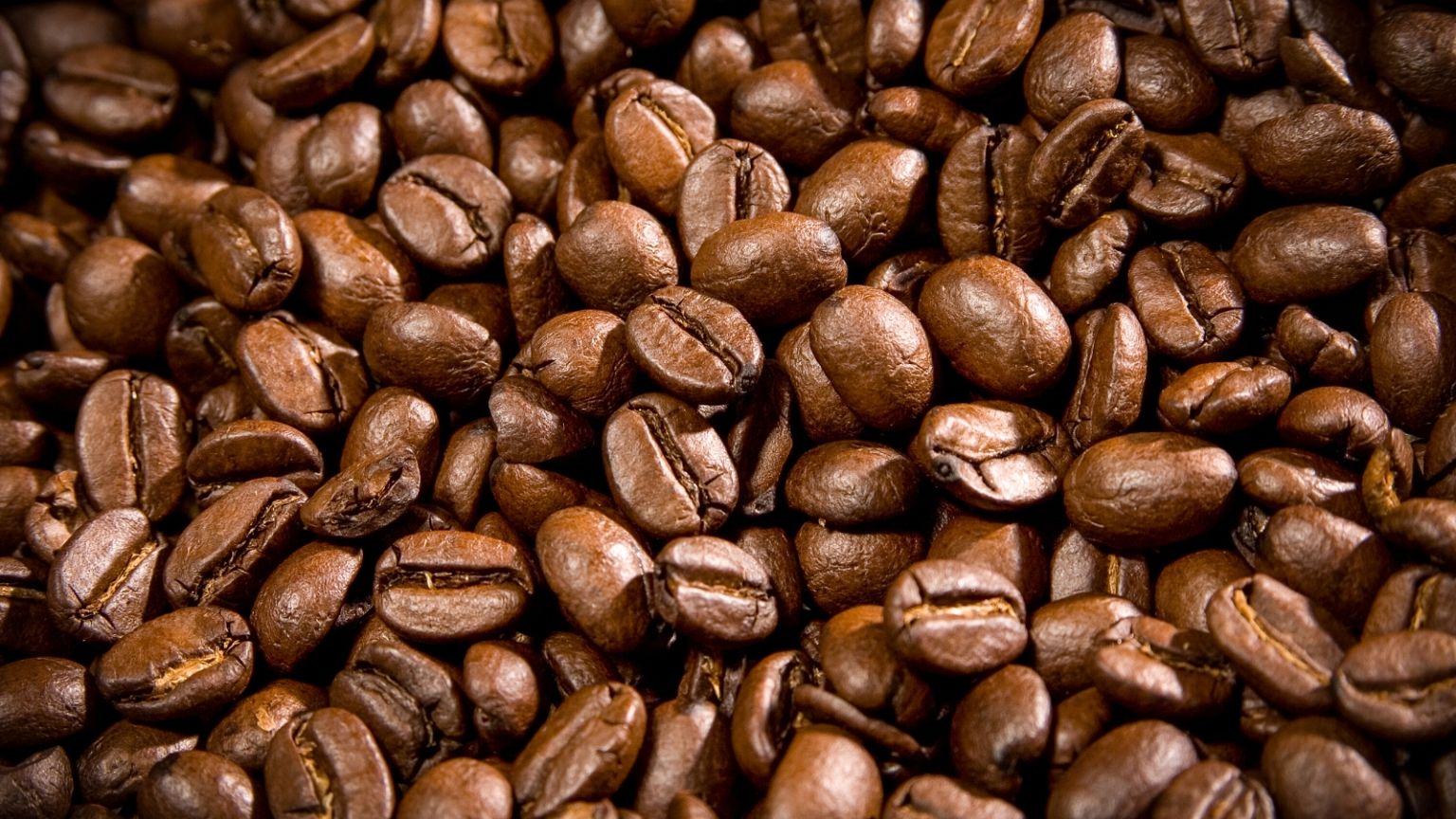
Coffee comes with some health benefits, but that doesn’t mean aficionados should drink as much as they want.
Coffee-drinkers around the world scored a win last week after scientists concluded that women who drink coffee in midlife are more likely to age healthily.
Their analysis, presented at the American Society for Nutrition’s annual meeting, found that over 30 years of follow-up, women who drank around three small cups of caffeinated coffee per day were more likely to be physically active and free of chronic health issues or cognitive problems later in life.
“These results, while preliminary, suggest that small, consistent habits can shape long-term health,” Sara Mahdavi, one of the study’s authors and an adjunct professor of nutritional science at the University of Toronto, said in a statement.
Other studies have identified a range of other perks for coffee drinkers – lowering their risk of everything from type 2 diabetes to dying of bowel cancer.
That means the new findings are in line with “old consensus” on coffee’s health benefits, according to Bertil Fredholm, who researched how caffeine affects the body at the Karolinska Institute in Sweden.
“In moderation, coffee has, for the majority, more positive than negative health effects,” Fredholm told Euronews Health.
But how solid is the science on those benefits, really? And does the type of coffee, when you drink it, or even who you are matter?
Here’s what the latest evidence says about what coffee does for your health – and how to know when to put down the mug.
Where do coffee’s health benefits come from?
Coffee is rich in compounds that have anti-inflammatory properties, such as chlorogenic acid, which is also found in kale and apples.
These compounds may improve our metabolisms and how our bodies regulate insulin levels, according to the World Cancer Research Fund.
“Coffee contains antioxidation ingredients and may also lower inflammation, stimulating blood circulation,” Dr Lu Qi, director of the Tulane University Obesity Research Center in the US, told Euronews Health.
It’s also possible that some of this comes from caffeine, which neutralises adenosine – another molecule in the body that makes people feel tired throughout the day or after a difficult task.
“Other caffeine sources, such as tea, have similar effects,” Qi added.
But not all caffeinated drinks are the same, and loading your coffee with sugar and milk may offset any benefits.
In Mahdavi’s study, for example, each additional small glass of soda was tied to a 20 per cent to 26 per cent lower likelihood of healthy ageing.
Does timing matter?
Taking your coffee break earlier in the day could maximise the health benefits, Qi found in a study published this year in the European Heart Journal.
People who drank coffee in the morning had lower rates of death, including from heart problems, than those who drank it all day or not at all, according to the analysis of nearly 41,000 people.
Later coffee consumption may disrupt the circadian rhythm, or the internal body clock, which helps regulate people’s metabolisms and how much they eat, the study suggests.
But the findings have some limitations, namely that outside factors might influence the results. For example, morning coffee drinkers could be more likely to have jobs that make it easier to stay healthy, independently of their caffeine habits.
“We can't eliminate the possible impact” of other factors, Qi said. “While waiting for further studies, our study supports a 'morning-type' drinking”.
Are there any health risks from coffee – and how much is too much?
For years, the World Health Organization (WHO) thought coffee might cause cancer. However, after reviewing more than 1,000 studies, it concluded in 2016 that there isn’t enough evidence to suggest coffee is carcinogenic.
But at the time, the WHO warned people against drinking very hot coffee – or any other beverages – because high temperatures could increase the risk of oesophageal cancer.
That doesn’t mean coffee-lovers should double down, though. Researchers don’t know exactly where coffee’s benefits taper off, or at what point healthy consumption turns into overkill.
“There is not a clear line,” Qi said, but he suggests people stick to “moderate” levels of two to three cups per day.
The type of coffee also matters. Unfiltered coffee, such as Swedish boiled coffee and espresso, contains diterpenes, which are substances that raise people’s cholesterol. But filter coffee is free of them, according to the Karolinska Institute.
Is coffee good for everyone?
In a word, no. Qi said people with high blood pressure or sleep problems may want to reconsider their caffeine intake, because “coffee addiction may adversely affect certain systems such as cardiovascular and sleep disorders”.
Doctors also recommend that pregnant women limit their caffeinated coffee intake to reduce the risk of miscarriage and poor birth outcomes.
Caffeine lingers in the blood for much longer during pregnancy, and some studies indicate that too much of it could be tied to low birth weight, preterm birth, or stillbirth.
Meanwhile in another study, Mahdavi found that genetics can play a role in how coffee affects people’s health, meaning those with lower caffeine tolerance may want to hold off on drinking too much.
What’s the bottom line?
Most people can savour their morning cup of coffee, knowing it is safe and maybe even a healthy part of their routine.
But if someone doesn’t already drink coffee, the evidence doesn’t suggest they should pick up the habit for health reasons.
And even if coffee does offer some perks, they don’t compare to the benefits of a nutritious diet and regular exercise, Mahdavi said.
“The benefits from coffee are relatively modest compared to the impact of overall healthy lifestyle habits,” she said.

No comments:
Post a Comment