As Iranian forces crack down on Kurdish regions in the wake of the war with Israel, locals face arrests, executions and rising repression, with activists and analysts warning of deepening isolation and a broader struggle for democratic change
Lior Ben Ari|
Ynetnews
The war with Israel has deeply affected the lives of Kurds in Iran. Kurdish regions made headlines during the war, primarily because they lie along the country’s western border—seen as a gateway for Israeli strikes. Following the outbreak of war, the regime began arresting Kurds for allegedly aiding Israel.
Razaneh, a Kurdish international relations researcher who lived in Iran until 2020 and now resides in Europe, spoke to Ynet about the complex situation facing Iran’s Kurdish population and the impact of the recent war. “Under the Islamic Republic, the Kurdish population numbers between 9 and 12 million, representing 12–17 percent of Iran’s total population,” she said.
Kurds in Iran are concentrated in the northwest, in the region of Iranian Kurdistan, which also spans northern Iraq, southeastern Turkey and northeastern Syria. “Most Iranian Kurds live in the western provinces,” Razaneh explained, citing Kurdistan, Kermanshah, West Azerbaijan, Ilam and Lorestan, with smaller communities in northeastern Khorasan. They speak various Kurdish dialects. Most are Sunni Muslims, though there are also Shiite Kurds and followers of other faiths.

“Kurds in eastern Kurdistan (Iran), like others across Kurdistan, are generally not radical in their religious outlook,” she noted. “Most are more secular in their lifestyles and beliefs. The Kurdish political parties are not religious and tend to adopt leftist or social-
Razaneh noted that during times of crisis—such as the war with Israel or the 2022 mass protests in the wake of Mahsa Amini’s killing—a sense of shared identity arises among Kurds that often sparks calls for unity and solidarity across the four parts of Kurdistan. However, she added, tensions persist among Kurds in Iran, Iraq, Turkey and Syria, with differences in ideological goals—some advocating federalism, others independence.
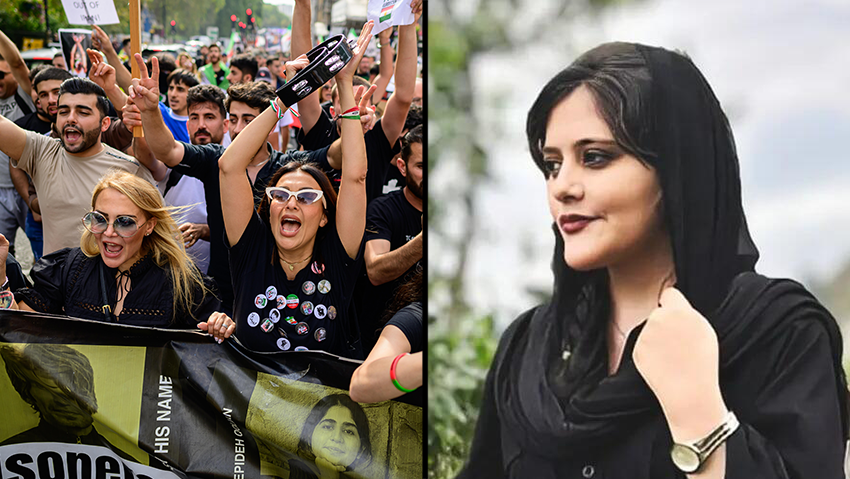
Mahsa Amini
(Photo: Getty Images Europe /Leon Neal)
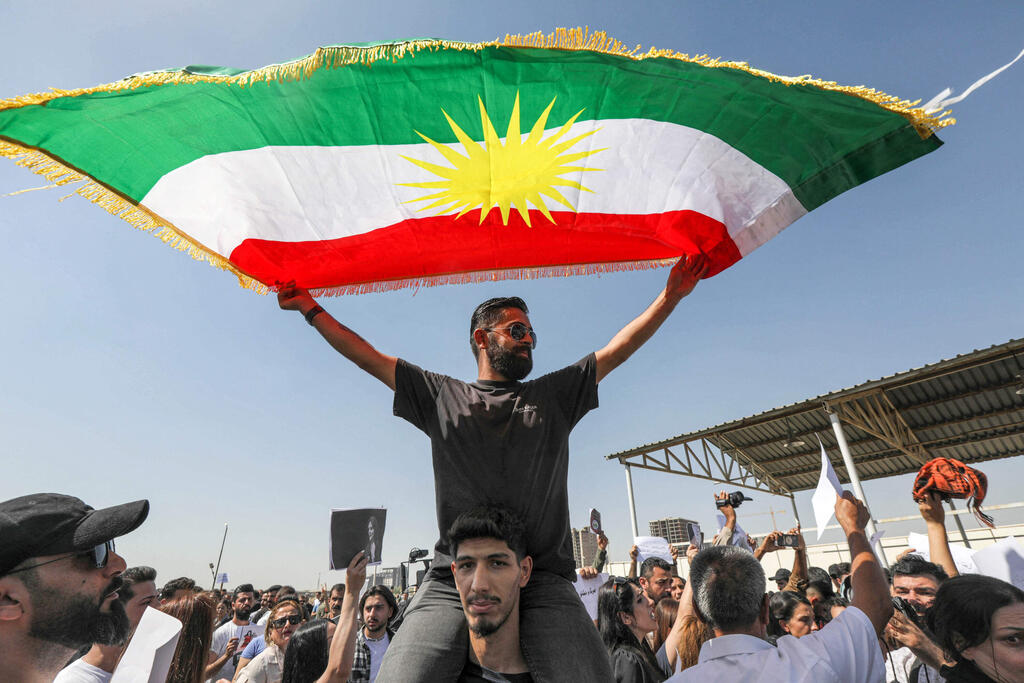
Iraqi Kurds protesting the death of Mahsa Amini
(Photo: AFP)
She also highlighted that some Iranian Kurds have connections with diaspora communities in Europe and the U.S. These communities play a vital role in raising awareness of Kurdish issues, organizing protests and engaging with foreign governments.
Friends to all peoples in the Middle East
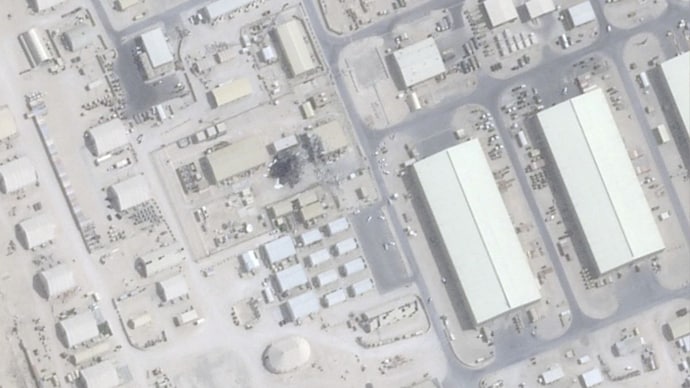
During the Israel–Iran war, Iranian military sites in Kurdish-populated areas — including missile storage and launch facilities — were targeted. Those tracking Persian-language reports and Iran’s air defense activity could clearly follow the strikes.
According to Razaneh, Tehran also carried out multiple military operations in these regions, especially near the border — a move she says helped the regime tighten its grip on eastern Kurdistan.
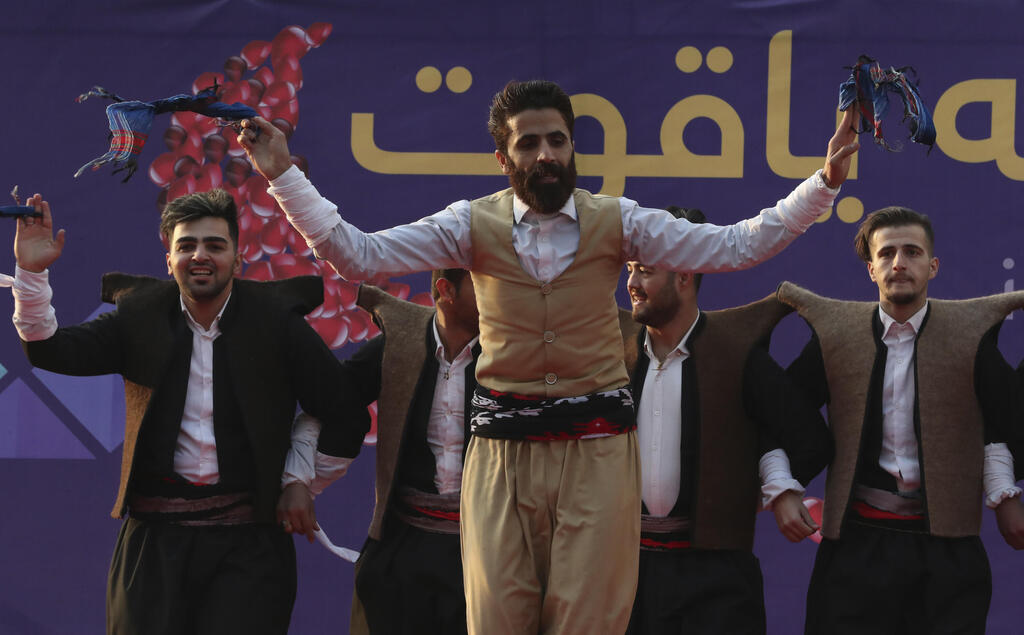
Kurds celebrate Yalda Night in Tehran
(Photo: AP Photo/Vahid Salemi)
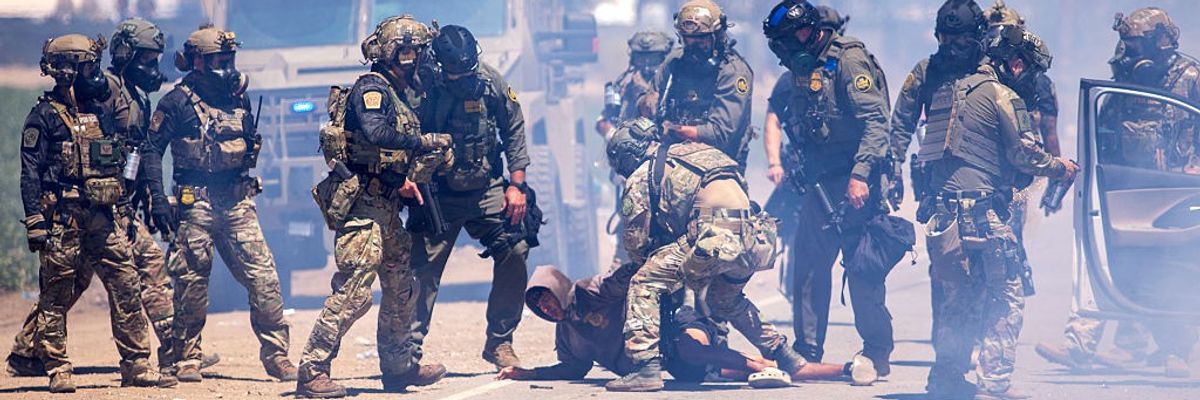
“Some of the Israeli targets included military bases in Kurdish cities such as Mahabad, Kermanshah and Urmia,” she told Ynet. “Security oversight increased, as did arrests by the Iranian government. Following the start of the war, the regime became stricter in Kurdish areas, arresting hundreds for alleged cooperation or spying with Israel. At least three Kurdish men were executed in Urmia,” she added, also noting “new checkpoints and house and phone searches were deployed.”
“Exiled Kurdish parties in northern Iraq watched the war closely,” Razaneh said. “Some, like the PAK, saw it as an opportunity to strike back at the Iranian regime. Others, like Komala, urged restraint and patience. Many Kurds inside Iran hope the war will lead to future change.”
Kurds in Iran remain almost unable to communicate directly with Israeli officials or media — especially now — but one source in Sanandaj, Karwan (a pseudonym), told Ynet: “[Economically, socially and in terms of security,] the recent Iran–Israel conflict has directly affected all Iranians, including Kurds. In recent weeks, prices of basic goods have skyrocketed, widespread arrests have surged and death sentences and executions have increased. Iranian cities have become heavily militarized, with arbitrary arrest measures intensifying.”
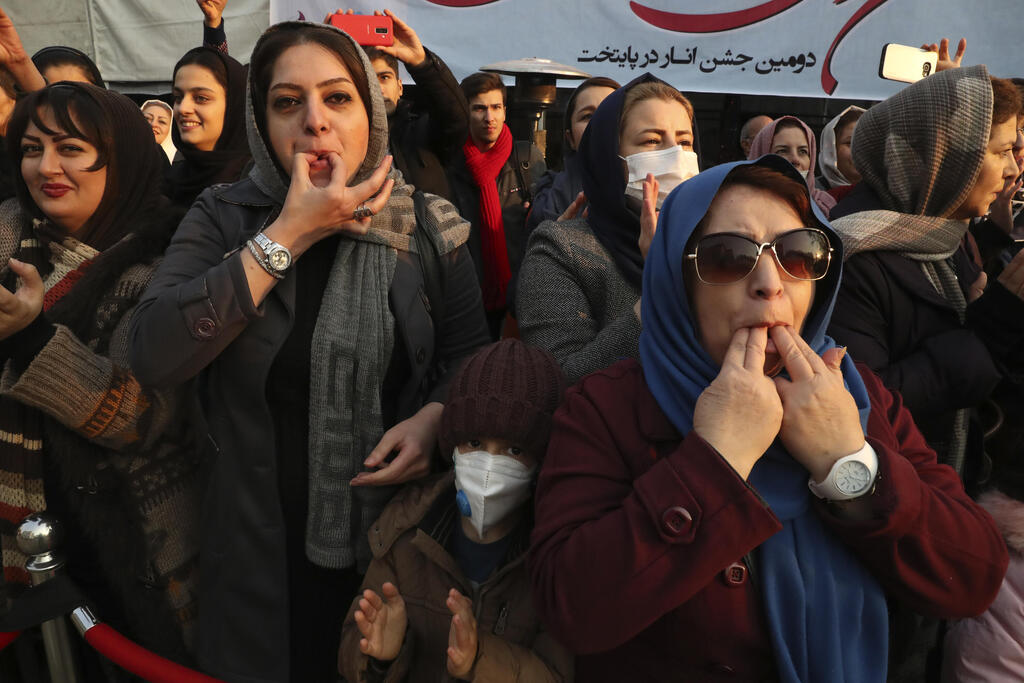
Kurds in Iran
(Photo: AP Photo/Vahid Salemi)
Kurds in Iran
(Photo: AP Photo/Vahid Salemi)
Karwan said Iran has used the allegation of “collaboration with the enemy” to justify its crackdown. “Iranians, including Kurds, aspire to democratic change in their country. Kurds see themselves as friends to all peoples in the Middle East and hope for free, dignified and peaceful lives for all its inhabitants.” He added that Kurdish regions have long been neglected due to Iran’s centralizing policies.
On Kurdish political activity, Karwan observed: “Because of high political awareness and organization in these territories, they have historically been centers of pro-democracy and freedom-driven movements — and are thus subjected to heavy security repression. Kurdish activists frequently face threats of arrest, imprisonment or execution.”




 Transfer of Su-34s as part of the fourth batch from the UAC. Photo credits: United Aircraft Corporation