
The share of Ukrainians who say they are willing to endure the war for as long as it takes has risen to 61%, up from a low of 48% in April, according to a poll by the Kyiv International Institute of Sociology (KIIS) conducted July 20-August 3 among 974 respondents in government-controlled territory.
The rebound comes even as expectations of a swift end to the fighting remain low. Only 5% of respondents expect the war to end as soon as summer 2026, and a further 15% expect it to end in the autumn or winter of 2026; 15% expect it to end in the first half of 2027, and 45% expect it to run into the second half of 2027 or later, with the remaining 19% offering no firm view — leaving a clear majority bracing for the conflict to run well beyond this year.
On the terms of any eventual settlement, the poll found 60% of Ukrainians consider it completely unacceptable to withdraw troops from Donbas at Russia's demand in exchange for US and European security guarantees; 27% called it a painful but acceptable trade-off, and just 5% said they would readily agree to it. A separate, identically-sized 60% of respondents said they would accept freezing the war along the current front line in exchange for security guarantees — a combination that suggests resistance is now aimed less at any pause in the fighting than at a settlement that formally signs away land.
The poll also points to a striking degree of confidence in Ukraine's ability to keep fighting despite battlefield pressure: 77% of respondents said that while Russia is advancing, it is doing so very slowly and at enormous cost, and that Ukraine remains capable of mounting effective resistance. Only 12% said further resistance was futile.
Asked how much longer they personally were prepared to endure the war, 61% said for as long as necessary, 20% said for another several months to half a year, and 5% said for another year — a breakdown that, taken together with the timeline question, suggests most Ukrainians have made peace with a long war rather than expecting an imminent end to it.
The swing back toward endurance follows a spring in which war fatigue was laid bare by an anti-conscription riot in Lviv and Zelenskiy's own approval ratings slid through the summer, underlining how volatile Ukrainian public opinion on the war has become as it grinds into a fifth calendar year with no ceasefire in sight.
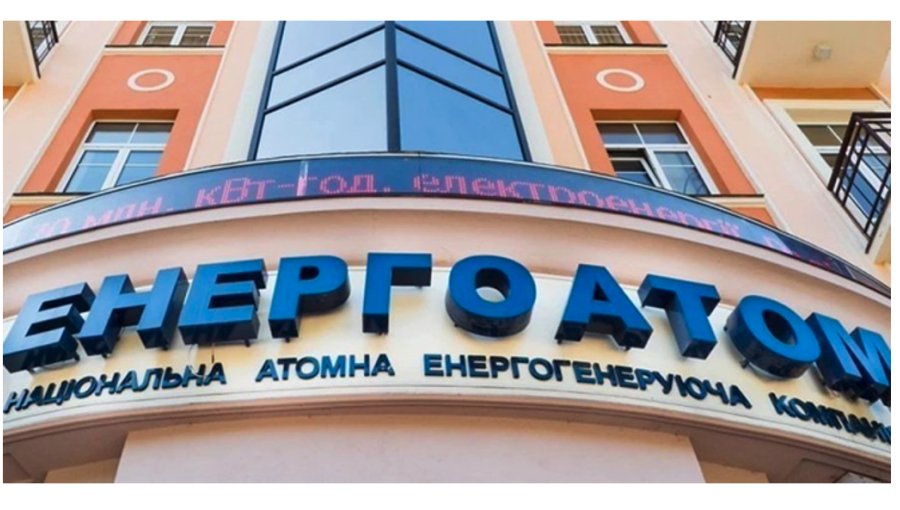
Corruption worries Ukrainians more than the nightly bombing of thier cities by Russia, according to a new poll released on Auugst 7.
Nearly half of Ukrainians, 49.3%, believe high-level government corruption has the most negative impact on the situation in the country, edging out constant Russian drone and missile attacks on infrastructure, cited by 44.6% of respondents, according to a survey conducted by pollster Socis from July 28-August 2, Interfax-Ukraine reported on August 6.
The survey poignantly comes just as the latest corruption scandal breaks. Ukraine's ex-ambassador to Washington Olha Stefanishyna was charged with illicit enrichment in a under-price apartment purchase scam on August 6 that is part of a widening corruption investigation by the National Anti-Corruption Bureau of Ukraine (NABU).
Stefanishyna resigned from her post at the start of August, once she learned she was under investigation, triggering a surprise reshuffle of the government a week later.
Some 39.4% of respondents cited a falling standard of living, 30.4% pointed to aggressive mobilisation methods and 24.8% to government mistakes and unprofessionalism as the most negative factors, while 21.3% named Russia's continued seizure of Ukrainian territory. A 60.2% majority said the government's persistent corruption and embezzlement of budget funds was its single biggest mistake, ahead of poor war preparation (32.7%), flawed personnel decisions (28.6%) and the abuse of power against political rivals (25.5%).
Only 12.7% of respondents believe the situation in Ukraine is moving in the right direction, against 31.8% who say it is not; 55.9% believe the overall situation has worsened over the past year. Asked how the war is most likely to end, 34.8% expect a ceasefire along the current line of contact followed by a protracted diplomatic process, while 21% believe fighting will continue until Russia's political situation changes.
A separate Socis survey, published the same week, found 61.7% of Ukrainians support holding elections immediately if a temporary ceasefire ends martial law, against 25.7% who want the vote postponed. A parallel poll by the Kyiv International Institute of Sociology (KIIS), conducted July 20-August 3, put the figure lower, at 38% supporting elections before the war fully ends, of whom 15% would hold a vote even before a ceasefire and 23% only after a ceasefire and security guarantees are in place.
Neither survey was conducted in occupied Crimea, Luhansk oblast or other areas under Russian occupation or active fighting. The Socis polls involved 2,000 respondents each, with a margin of error of +/-2.6%.
Fedorov's dismissal remains unpopular
The same Socis wave found 62.5% of Ukrainians hold a negative or predominantly negative view of Mykhailo Fedorov's mid-July dismissal as defence minister, with 57.6% supporting protests against his removal. Respondents attributed the dismissal mainly to Fedorov's conflict with then-commander-in-chief Oleksandr Syrskyi, who was himself removed the same week (63.5% approve of Syrskyi's own dismissal), and to "pressure on the president from his corrupt entourage".
Asked what role they would like to see Fedorov play in future, 35.3% of respondents chose defence minister again, 15.1% minister of digital transformation, and smaller shares named deputy prime minister for military technology or prime minister. Nearly half would see him run as an independent candidate in a future presidential election, against 12.8% who would place him inside President Volodymyr Zelenskiy's own political team.
Fedorov himself, speaking on Serhii Sternenko's YouTube channel on August 6, said he still hopes to return to the post.
"I currently have no moral right to engage in anything else while people are fighting for tomorrow and my name is being mentioned," he said, adding that Ukraine currently has only an acting defence minister, Yevhenii Khmara, who cannot vote on government decisions.
Fedorov said it was "irresponsible" to leave the post unfilled once the Verkhovna Rada returns from recess on August 18.
Fedorov also said he was continuing talks with SpaceX owner Elon Musk over using Starlink to help Ukraine target Russian ballistic missile launchers. "We are in communication with Musk; we last spoke a few days ago," he said. "It is a difficult task at the moment to achieve the result we need through this communication." The two have worked together before on curbing Russia's unauthorised use of Starlink to operate Shahed-type strike drones.
Fedorov's future has become a recurring subplot of Kyiv's broader wartime reshuffle, which has since moved on to a swap of Ukraine's foreign-intelligence and security-council leadership and the removal of Ambassador to Washington Oksana Stefanishyna over corruption scrutiny.

No comments:
Post a Comment