Andes Iron’s $2.5B Dominga project in Chile hits fresh snag
A Chilean court of appeals has overturned a favourable court ruling in the long-running dispute over Andes Iron’s $2.5 billion Dominga iron ore and copper project, effectively sending the development back into legal limbo.

The Antofagasta Court of Appeals on Saturday unanimously annulled a ruling by the First Environmental Court that had ordered a committee of ministers to hold a new vote on the proposed mine and port in the central Coquimbo region, calling the move inadmissible and procedurally flawed.
The court did not assess the project’s merits, focusing instead on whether the enforcement vote process was valid.
It said the earlier judgment did not create an enforceable right or resolve the core dispute. Because the Supreme Court had previously instructed the Committee of Ministers to issue a new decision rather than approve or reject Dominga outright, there was no final ruling to enforce, the appeals court found.
The decision send the case back to the special Committee of Ministers, which has already rejected Dominga three times, most recently in January last year. Andes Iron appealed that rejection, and in September the Supreme Court revived the project and ordered ministers to vote again.
Two pits and a port
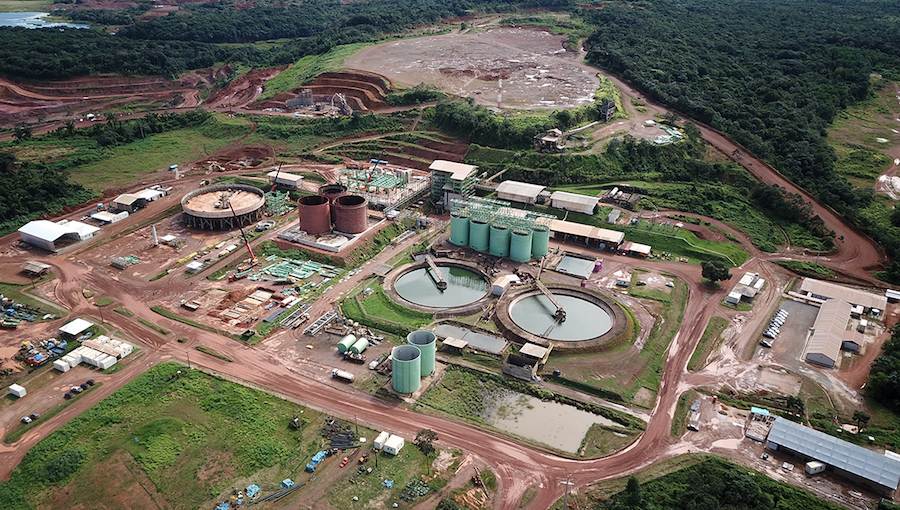
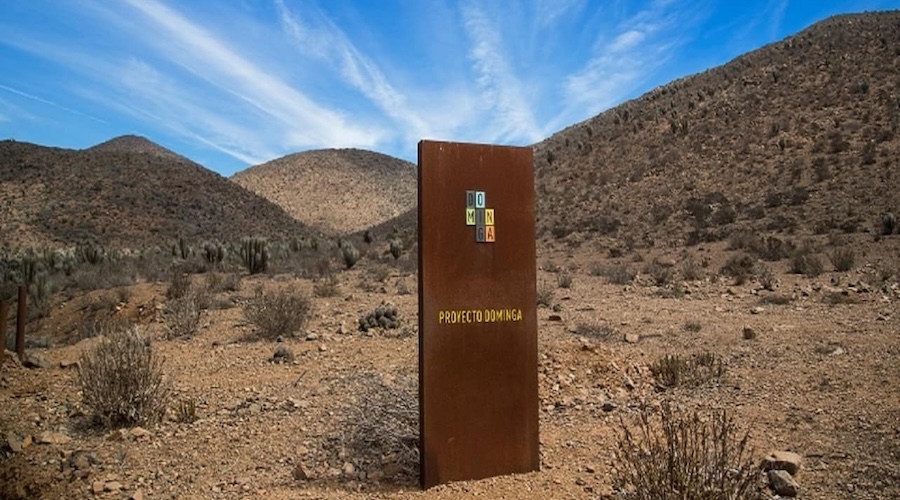
Dominga, first submitted in 2013, would include two open-pit mines, North and South, and a port, with an estimated 26.5-year lifespan. The project is designed to produce 12 million tonnes a year of high-grade, low-impurity iron concentrate and 150,000 tonnes a year of copper concentrate. Andes Iron says it would create 30,000 jobs and meet strict environmental standards after years of review.
The site lies about 500 km north of the capital, Santiago, near the Humboldt Penguin National Reserve and other protected areas. Environmental groups and President Gabriel Boric’s government oppose the project, arguing its proximity to ecologically sensitive zones poses unacceptable risks to protected species. The location has turned Dominga into a flashpoint in Chile’s broader debate over resource development and conservation.
Andes Iron called the decision disappointing but stressed it was procedural and did not address the project’s technical or environmental merits. “This decision in no way discourages us or alters our commitment to move forward with the Dominga project,” the company told Emol.com, adding that Dominga has passed rigorous reviews and complies with regulations.
Billions in stalled projects
The drawn-out dispute has made Dominga a symbol of the complex permitting system in one of the world’s leading mining jurisdictions. Business groups and conservative politicians argue political considerations have weighed too heavily on major investment decisions.
Chile faces an estimated $105 billion backlog in mining investments, according to industry estimates, as companies push for reforms to environmental assessment and permitting rules they say have slowed approvals and raised costs.
Andes Iron’s $2.5B Dominga project in Chile hits fresh snag
A Chilean court of appeals has overturned a favourable court ruling in the long-running dispute over Andes Iron’s $2.5 billion Dominga iron ore and copper project, effectively sending the development back into legal limbo.
The Antofagasta Court of Appeals on Saturday unanimously annulled a ruling by the First Environmental Court that had ordered a committee of ministers to hold a new vote on the proposed mine and port in the central Coquimbo region, calling the move inadmissible and procedurally flawed.
The court did not assess the project’s merits, focusing instead on whether the enforcement vote process was valid.
It said the earlier judgment did not create an enforceable right or resolve the core dispute. Because the Supreme Court had previously instructed the Committee of Ministers to issue a new decision rather than approve or reject Dominga outright, there was no final ruling to enforce, the appeals court found.
The decision send the case back to the special Committee of Ministers, which has already rejected Dominga three times, most recently in January last year. Andes Iron appealed that rejection, and in September the Supreme Court revived the project and ordered ministers to vote again.
Two pits and a port
Dominga, first submitted in 2013, would include two open-pit mines, North and South, and a port, with an estimated 26.5-year lifespan. The project is designed to produce 12 million tonnes a year of high-grade, low-impurity iron concentrate and 150,000 tonnes a year of copper concentrate. Andes Iron says it would create 30,000 jobs and meet strict environmental standards after years of review.
The site lies about 500 km north of the capital, Santiago, near the Humboldt Penguin National Reserve and other protected areas. Environmental groups and President Gabriel Boric’s government oppose the project, arguing its proximity to ecologically sensitive zones poses unacceptable risks to protected species. The location has turned Dominga into a flashpoint in Chile’s broader debate over resource development and conservation.
Andes Iron called the decision disappointing but stressed it was procedural and did not address the project’s technical or environmental merits. “This decision in no way discourages us or alters our commitment to move forward with the Dominga project,” the company told Emol.com, adding that Dominga has passed rigorous reviews and complies with regulations.
Billions in stalled projects
The drawn-out dispute has made Dominga a symbol of the complex permitting system in one of the world’s leading mining jurisdictions. Business groups and conservative politicians argue political considerations have weighed too heavily on major investment decisions.
Chile faces an estimated $105 billion backlog in mining investments, according to industry estimates, as companies push for reforms to environmental assessment and permitting rules they say have slowed approvals and raised costs.
Expectations are growing that President-elect José Antonio Kast, who takes office March 11, could move to accelerate major projects.
Expectations are growing that President-elect José Antonio Kast, who takes office March 11, could move to accelerate major projects.