Deadly snakes might be coming to a neighbourhood near you
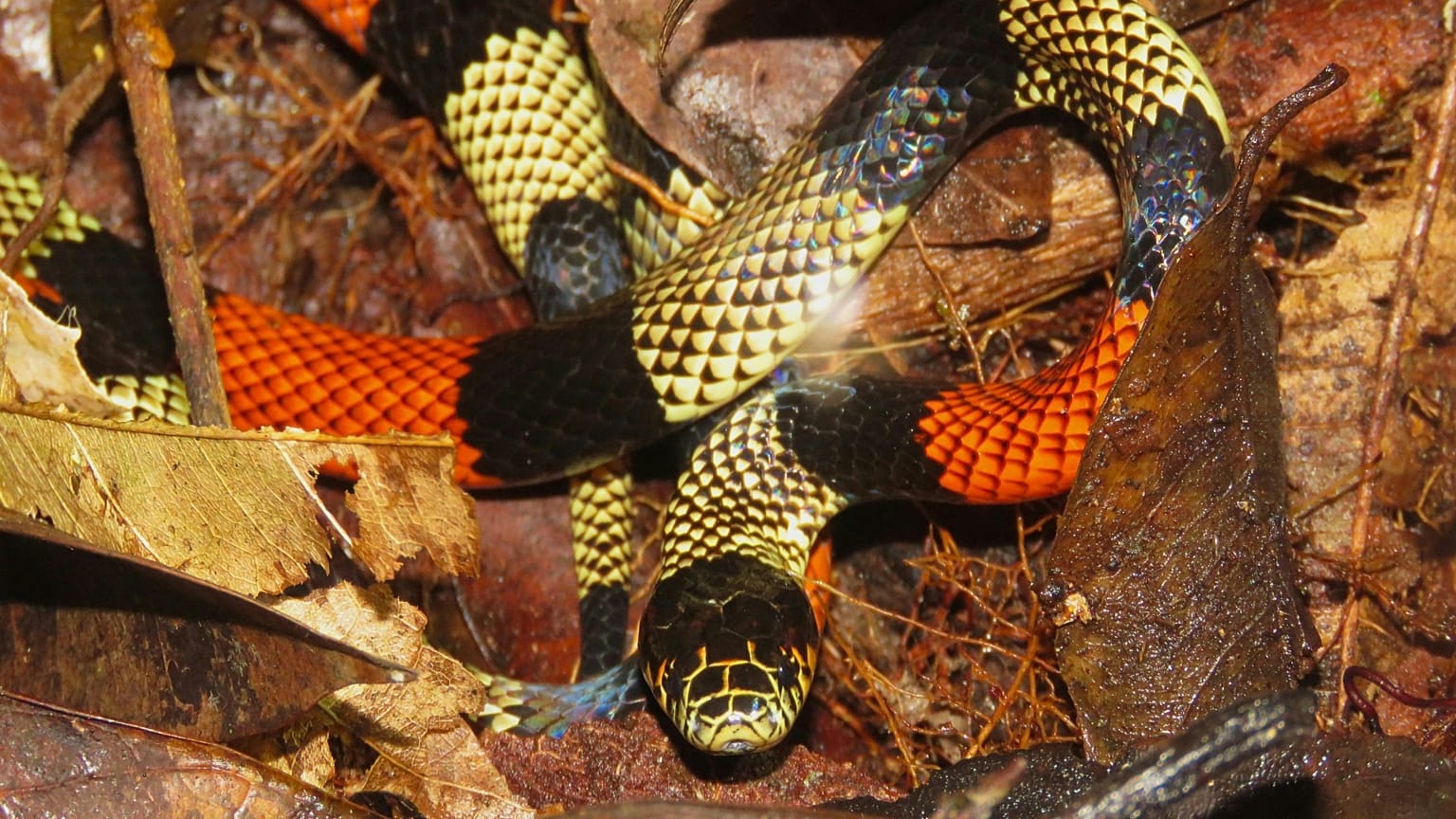
Highly venomous snake species such as cottonmouth moccasins in North America, kraits in Asia and the black mamba in Africa could all increasingly move habitats due to rising temperatures and human encroachment.
Warmer weather could lead to a higher risk of snakebites across the world as snakes move to change habitats, according to a new study.
The research, led by the World Health Organisation (WHO) was published in the PLOS Neglected Tropical Diseases journal on Thursday.
It highlighted that more snakes may move closer to densely populated areas, as well as places which have never had to deal with venomous reptile species, in a bid to escape rising temperatures, as well as habitat encroachment by humans.
This could lead to more encounters between these snakes and humans, leading to more snakebites, as well as more snake deaths.
While snakebites statistics can often be unclear and hard to access, the majority of cases happen in the tropics, especially south Asia. According to the authors of the study, there are around four million new cases annually.
However, while risks were mostly understood at a local and national level, there was previously very little clarity about how these could change in the future due to population increase and climate trends.
The new study uses a range of private and public databases, museum records, scientific literature and citizen science platforms to understand in much greater detail where the most venomous snakes live across the world. It then attempts to predict how warmer temperatures would change their habitat ranges by 2050 and 2090.
Which species could move habitats in the coming years?
Several snake species may be forced to find new homes in the next few years, both due to shifting landscapes and climate pressures.
These include North American cottonmouth moccasins, African spitting cobras and vipers in both South America and Europe, along with kraits in Asia. Given that some of these deadliest species may expand into highly populated areas, billions of people could potentially be exposed to higher snakebite risks.
Unsurprisingly however, some of the greatest risks of climate change are to the snake species themselves.
This is likely to be especially true for coral snakes in the Amazon, puff adders in Africa and copperheads in Papua New Guinea, who could see both hotter weather and rising conversions of wetland, grasslands and forests into monocultures, ranches and towns. In some extreme cases, certain species could also be propelled to the brink of extinction.
However, many others, like the black mamba, are likely to move from the Kenyan coast and areas of Eritrea, Ethiopia, Djibouti and Congo into parts of Nigeria, South Africa and Somalia.
In highly populated areas, snake encounters could be common in much-frequented places like playgrounds, running tracks, water sources and farmlands, in the next few years.
For example, in India, some of the most dangerous snakes, such as Russell’s vipers, common cobras and kraits are likely to move from the south to the much more densely populated north. Similarly, kraits in Asia could move from China’s Yunnan province and Myanmar’s forests into the more crowded northern and central cities.
This change is expected to be even deadlier in poorer, rural areas, where farmers often work without shoes in fields and healthcare is far away and not easily accessible.
How can health authorities and people prepare for this shift?
The study aims to assist health authorities in understanding where best to focus their resources, especially antivenom stockpiles, in, while improving access to healthcare in remote communities. However, snake conservation, especially for vulnerable species, is also a priority.
“People should always be aware of their environments and take notice of changes they see. For animals such as venomous snakes that may present a risk to human health, it is important to always take active prevention and risk-avoidance steps,” David Williams, one of the authors of the study, said.
He added: “This includes wearing covered footwear, watching where we put our hands and feet, using light sources when we are outside in the dark, not interfering with animals such as snakes if they are encountered, and instead giving them time to leave the area and knowing what to do when and accident happens.”

No comments:
Post a Comment