Saturday, October 16, 2021

NORTHERN ONTARIO
Forestry company filling skills gap, labour shortage through international recruitment

About 10 international workers have already arrived and more are expected over the winter

2 days ago By: Dariya Baiguzhiyeva
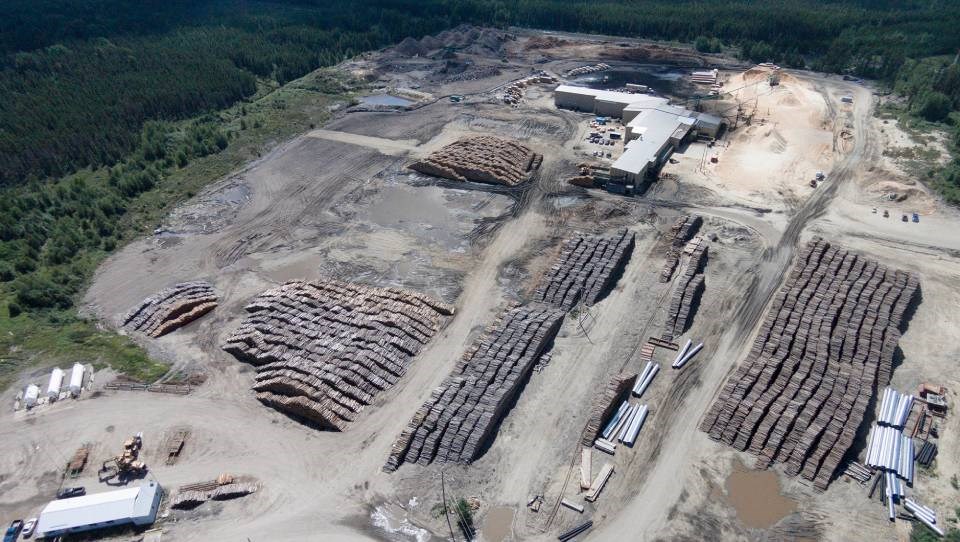
EACOM's sawmill in Gogama produces 110 million board feet of lumber annually, in addition to wood chips, sawdust and shavings.
Supplied photo

EACOM Timber Corp. is addressing the employment issue in the north through international recruitment.

The forestry company has been working with IVEY Group, a Sudbury-based international recruitment and consulting firm, to recruit and retain workers in northern communities.

The partnership has been ongoing for several years, according to Jean Brodeur, EACOM’s director of communications and government relations.

“Employment has been an issue for us in Northern Ontario or northern Quebec,” he said. “It’s isolated communities. If you look at Timmins or other sites we have, it’s very difficult to find employees available.”

According to Statistics Canada's recent job vacancy data, the labour shortage has affected multiple sectors of the economy.

EACOM hired IVEY to recruit international employees for the Gogama sawmill, said Anthony Lawley, the CEO and president of IVEY Group. The two companies do business on other sites as well, he said.

About 10 international workers from Ukraine, Mexico and Honduras have already arrived in Gogama. More employees are expected, including a group of six arriving in the winter, according to Brodeur.

EACOM also recently announced a $10-million investment to build a new 44-unit housing facility in Gogama over five years.

The housing complex will house new international employees and their families as well as corporate and regional employees who travel to the area on business.

“If you don’t have accommodation for them, then you have to essentially be on breaks in terms of recruitment because you don’t have a place to have them. That was becoming an outstanding issue for us, so we needed to find a solution,” Brodeur said about the housing project.

Hiring internationally has become essential due to the labour shortage and the skills gap, Lawley said.

“The other thing with Gogama is Côté Gold Project is hiring a ridiculous amount of people … and because of the industry, they’re able to pay a higher wage. So, people are quitting, going to work for the mining project,” he said noting people are also reluctant to move to Gogama because of its location. “People would rather live in Timmins or Sudbury than Gogama.”

Lawley said IVEY Group has partnership agreements with many various organizations outside of Canada. The firm recruits employees in Mexico, Colombia, Peru and Ukraine for its clients.

“It is extremely difficult today to find workers,” Lawley said. “It’s not stealing jobs from Canadians, it’s not importers trying to hire cheap labour … These people coming here for an opportunity to change their life for something better.”

– TimminsToday


Report: Decaying Yemeni FSO Threatens the Health of Millions of People

safer
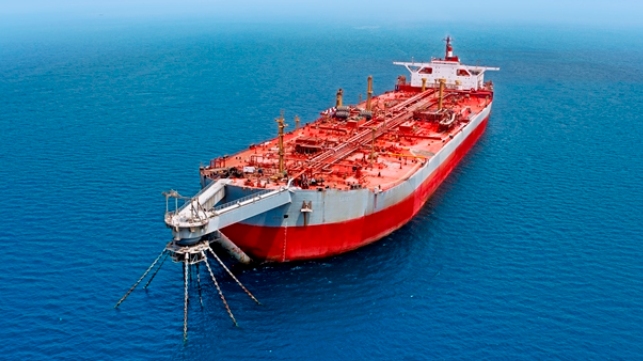
The FSO Safer in better days (Conflict Observatory)

PUBLISHED OCT 12, 2021 9:04 PM BY THE MARITIME EXECUTIVE


The abandoned FSO Safer continues to rot off Yemen’s Red Sea coast, threatening the region with environmental catastrophe. Although negotiations to offload the defunct vessel have been ongoing for months – and are now being led by the UNSC - there is no expected date for a resolution.

The FSO Safer has undergone no major maintenance since 2015, when it came under the control of Houthi rebels at the start of Yemen’s civil war. It poses a significant environmental threat to the biodiversity-rich Red Sea, and a potential oil spill would spell doom for the livelihoods of an estimated 28 million people in the region.

The vessel contains 1.1 million barrels of Marib light crude oil - about four times the 260,000 barrels that spilled from the Exxon Valdez in Alaska in 1989.

The UN Security Council blames Houthi rebels for delaying a technical assessment of the tanker that the body had deployed back in March. The Iran-aligned Houthis are in control of Yemen’s western Red Sea ports, where the tanker is moored.

research paper released on Monday modeled the immense environmental and economic impacts of a potential spill by the rotting vessel. The team of researchers from Harvard, Stanford and UC Berkeley simulated the Safer oil spill over a variety of weather conditions, along with the expected spread in the Red Sea region.

The team found that all of Yemen’s fuel imported through its key Red Sea ports - Hudaydah and Salif - would be disrupted, in addition to 93-100 percent of Yemen’s Red Sea fisheries. A major oil spill would also threaten the clean water supply for about nine million people through contamination of desalinization plants.

“If the spill spreads unmitigated for three weeks, oil will probably impede passage throughout the Gulf of Aden and could reach ports as far as Eritrea and Saudi Arabia,” the authors wrote.

The authors estimate that for every month of Red Sea port closure, delivery of 200,000 tonnes of fuel for Yemen will be disrupted. This is equivalent to about 38 percent of the nation's fuel needs, and would create a fuel price spike that could worsen the nation's long-running humanitarian crisis.

In addition, port closures in the Red Sea would lead to severe food aid disruptions. This could affect the 5.7 million people in Yemen currently requiring food assistance.

The long-term and global impacts of a potential spill could be difficult to model. Ecological and environmental impacts through wildlife endangerment and coastline contamination can persist for years or decades. The spill could have a potential impact on the Red Sea coral reefs, which have been much-studied for their unique resilience to seawater warming.

The paper concludes by calling on the international community to find a long-term solution for the handling of the oil on board Safer.


First Submerged Wave Energy Technology Begins Trials off California

trial of submerged wave energy technology off California
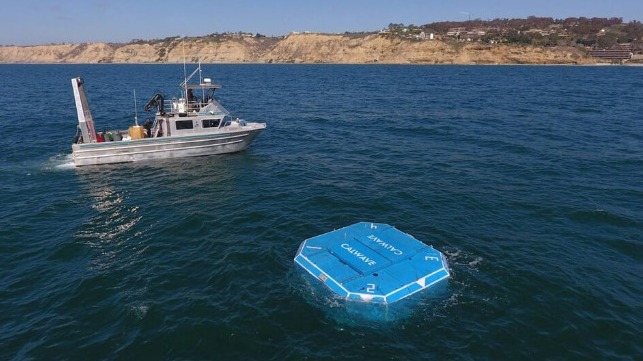
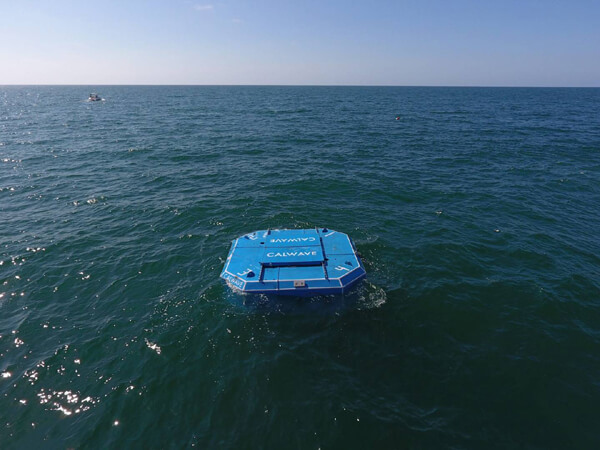
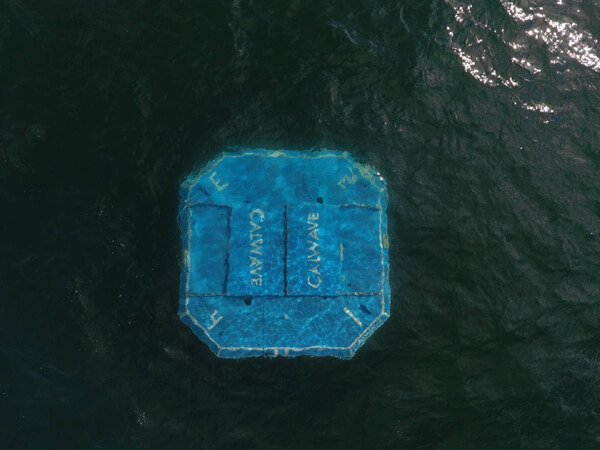
Wave energy prototype ie beginning a six-month trial in the ocean (CalWave)

PUBLISHED OCT 11, 2021 4:58 PM BY THE MARITIME EXECUTIVE


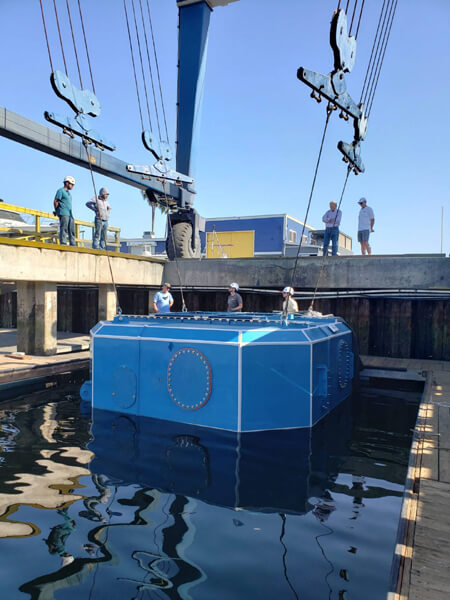
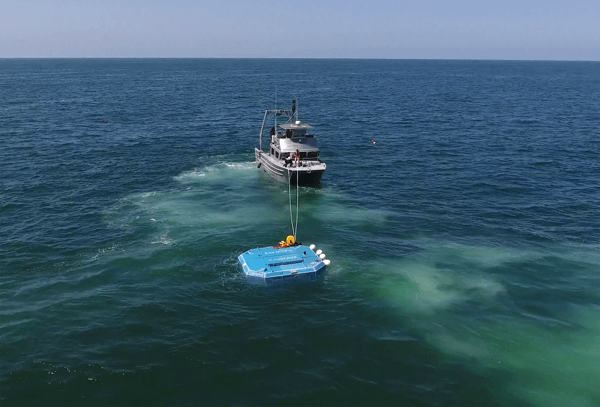
California’s first at-sea, long-duration wave energy pilot is getting underway with a unique fully submerged technology. Developed by CalWave Power Technologies, the system was deployed on September 16 off the coast of San Diego and will be tested for six months with the goal of validating the performance and reliability of the system in the open ocean.

Operating fully submerged, CalWave believes its xWave architecture has unique capabilities that will contribute to the commercialization of wave energy technologies. The company says that its system achieves high performance while being able to control structural loads in rare but destructive storms on all parts of the system. Further, because it sits below the surface the system eliminates visual impact.

“CalWave’s long-duration deployment is a novel open water demonstration of a wave energy technology with active load management features,” said Jennifer Garson, Acting Director of the Department of Energy’s Water Power Technologies Office (WPTO). “WPTO is pleased to recognize this accomplishment as a major milestone for unlocking the potential of wave energy from our oceans and providing access to clean energy for the growing blue economy in the US.”

Wave energy devices work on the same principles as wind turbines or other hydro turbines the company explains. It’s a kinetic device that captures a renewable resource to produce electricity. Wave farms export power using the same electrical infrastructure as offshore wind farms. However, unlike conventional technologies that extract wave energy at the ocean surface, CalWave’s patented xWave architecture operates fully submerged at a range of different water depths and distances to shore. Its unique approach enables it to survive stormy seas and extreme conditions and allows for unique control of structural loads by eliminating excessive loads during storms. 

“Wave power is the largest unused renewable resource and the third-largest after wind and solar globally,” says Marcus Lehmann, CEO and Co-Founder of CalWave. “Wave power can provide power at night and during wintertime where other renewables can’t, and so far it is completely unused.”

The Department of Energy recently published a study including an updated resource assessment and found that wave power can provide up to 30 percent of the 2019 energy consumption in the US. CalWave believes that the wave energy industry is at an inflection point has the potential to complement existing renewable energy forms to provide reliable power when no other renewables are available.

Utility-scale units can be co-located with offshore wind farms using the same electrical export infrastructure and achieve a significantly higher joint capacity factor due to the complementary production profile of wind and wave power. According to the company, the CalWave x1 is well suited for the needs of end-users of the blue economy with applications in offshore inspection, aquaculture, ocean science, and others that require access to power and data offshore. 

Following the current demonstration, CalWave plans to prepare for the deployment of a larger unit at PacWave, the first commercial-scale, utility grid-connected wave energy test site in the US rated at 20 MW.

This project is supported by a US Department of Energy award. Partners including the Scripps Institution of Oceanography, the National Renewable Energy Laboratory, Sandia National Laboratories, DNV GL, and UC Berkeley have all collaborated with CalWave on the project.


(Photos courtesy of CalWave)

 'MAYBE' TECH

Plan to Transition Orkney Oil Facility to Green Hydrogen Production

converting oil terminal to green hydrogen production powered by offshore wind
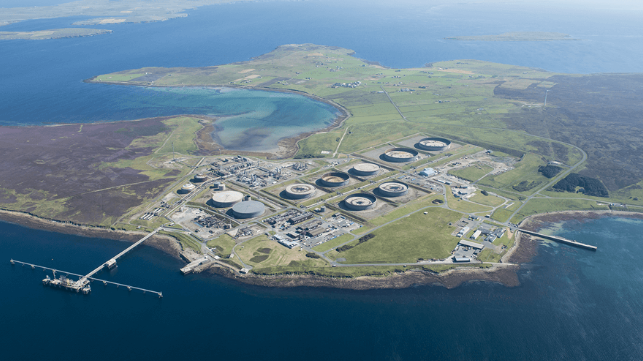
Land alongside Orkney's Flotta terminal could be used for a hydrogen production facility (OWPL)

PUBLISHED OCT 12, 2021 5:56 PM BY THE MARITIME EXECUTIVE


One of the concepts that continues to draw attention for renewable energy is linking offshore wind energy generation with the production of hydrogen. Exploration has begun primarily along the North Sea where it is believed the combination could create new economic opportunities for the wind industry while creating a source of clean, renewable energy.
 
“We believe that green hydrogen could provide a critical alternative route to market for some of Scotland’s largest offshore wind projects and play a significant role in creating wider economic benefits as the North Sea goes through its energy transition,” explains Edward Northam, Head of Green Investment Group Europe.

A consortium formed by Macquarie’s Green Investment Group, TotalEnergies, and Scottish developer Renewable Infrastructure Development Group (RIDG) is studying the use of offshore wind to power the production of green hydrogen. They are exploring the opportunities to link with Scotland’s developing offshore wind farms to develop green hydrogen on an industrial scale. They are targeting the island of Flotta in Orkney, Scotland.  

“Flotta is an ideal location for green hydrogen production – it is surrounded by the best wind resource in Europe, it lies close to major shipping routes within the vast natural harbor of Scapa Flow. The time is right to maximize the incredible natural assets and geography of the Flow and Orkney to ensure a long-term sustainable, climate-friendly future for our communities,” said James Stockan, Leader of Orkney Islands Council.”

The Flotta Terminal has been in operation since 1976 serving as a crude oil reception, processing, storage, and export facility. Receiving oil, and previously natural gas, by pipeline, Flotta has a deep-water terminal for the export of the energy resources. Under the plan being proposed by the consortium, the Flotta terminal would be progressively transformed into a diversified energy hub where conventional oil and gas operations continue, alongside the development of a sustainable long-term green future for the facility.  

The Offshore Wind Power Limited consortium submitted a proposal to the Crown Estate Scotland’s offshore wind leasing round to develop a portion of the area west of Orkney. If successful, the proposal would develop renewable power and a green hydrogen production facility at the Flotta Terminal.?  

Plans to power the proposed Flotta Hydrogen Hub are being developed in partnership with Flotta Terminal’s owner Repsol Sinopec, and Uniper. 

“The production of green hydrogen is a hugely exciting opportunity for both offshore wind and the Scottish supply chain,” said Mike Hay, RIDG Commercial Director. “Projects with substantial capacity factors, such as the West of Orkney Windfarm, could deliver highly competitive power to facilities like the Flotta Hydrogen Hub which could, in turn, supply demand for hydrogen both nationally and internationally.”

The group believes the proposal provides a strong case repurposing the oil terminal facility to provide an additional 25 years or more of economic life to the aging facility. It would also position the region as a leader in the new green energy economy.

 'MAYBE' TECH

Hydrogen Fuels Could Enable Up to 80% Cut in Ship Emission by 2050

roadmap for decarbonization through green hydrogen and biofuels
IRENA's roadmap focuses on green hydrogen and advanced biofuels to meet climate goals

PUBLISHED OCT 13, 2021 6:56 PM BY THE MARITIME EXECUTIVE


A rapid replacement of fossil fuels with renewable fuels based on green hydrogen along with advanced biofuels could enable to cut up to 80 percent of CO2 emissions by mid-century attributed to the international maritime sector. That is the assessment of a new report released by the International Renewable Energy Agency (IRENA), an intergovernmental agency focused on supporting countries in their transition to a sustainable energy future. By 2050, 

Decarbonizing global shipping is one of the most challenging sectors to address - and despite raised ambitions - current plans fall short of what is needed,” says Francesco La Camera, Director-General of IRENA. “Our outlook clearly shows that cutting CO2 emissions in such a strategic, hard to abate sector, is technically feasible through green hydrogen fuels.”

IRENA’s new report, A Pathway to Decarbonize the Shipping Sector by 2050, outlines a roadmap for the global shipping sector to be in line with global climate goals. The organization says that renewable fuels should contribute at least 70 percent of the sector’s energy mix in 2050 to achieve climate goals.

‘‘Taking early action is critical’, La Camera added. “May this report encourage policymakers, ship owners and operators, port authorities, renewable energy developers and utilities to work together towards common climate goals and show their ambition to world leaders at the UN climate conference COP26 in Glasgow.”

If the international shipping sector were a country, IRENA highlights that it would be the sixth- or seventh-largest CO2 emitter. IRENA’s decarbonization pathway is based on four key measures including indirect electrification by employing green hydrogen-based fuels, the inclusion of advanced biofuels, the improvement of vessels’ energy efficiency, and the reduction of sectoral activity due to systemic changes in global trade dynamics.

In the short term, IRENA believes that advanced biofuels will play a key role in cutting emissions, providing up to 10 percent of the sector’s total energy mix in 2050. In the medium and long-term green hydrogen-based fuels will be pivotal, making up 60 percent of the energy mix in 2050. E-methanol and e-ammonia are the most promising green hydrogen-based fuels says IRENA, with particularly e-ammonia set to be the backbone for the sector’s decarbonizing by 2050. 

IRENA’s report highlights that e-ammonia could represent as much as 43 percent of the sector’s energy needs in 2050, which would imply the use of about 183 million tons of renewable ammonia for international shipping, a comparable amount to today’s ammonia global production.

IRENA’s report also finds that the production costs of alternative fuels and their availability will ultimately dictate the actual employment of renewable fuels. 

Moving from nearly zero CO2 emissions to net-zero requires a 100 percent renewable energy mix by 2050. While renewable energy costs have been falling at an accelerated rate, further cost declines are needed for renewable energy-derived fuels to become the prime choice of propulsion. According to the report, climate goals and decarbonization ambition can be raised by adopting relevant and timely coordinated international policy measures. A realistic carbon levy will be critical, putting an adjustable carbon price on each fuel to prevent new fossil fuel investments and stranded assets.

Finally, the report calls on all stakeholders to develop broader business models and establish strategic partnerships involving energy-intensive industries, as well as power suppliers and the petrochemical sector. Stakeholders need to be fully mapped out and engaged, the various players need to work towards a common goal. Accordingly, governing bodies regulating the international shipping sector need to develop integral and participative planning exercises, establishing step-by-step actions for reaching zero emissions by 2050.


Ørsted to Build Offshore Wind Steel Fabrication Plant in Maryland

Maryland’s First Offshore Wind Steel Fabrication Center to support wind farm construction
Steel fabrication plant will support Ørsted's wind farms in Maryland and New Jersey (Ørsted file photo)

PUBLISHED OCT 15, 2021 6:21 PM BY THE MARITIME EXECUTIVE


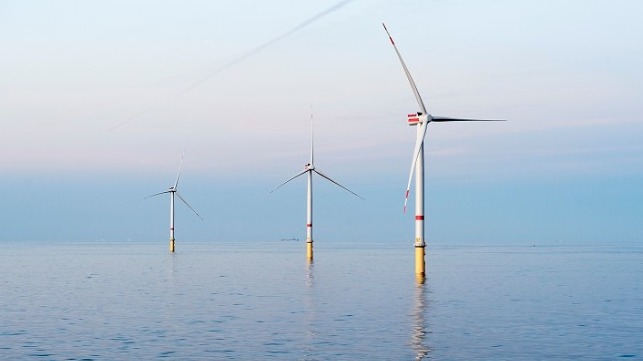
Construction will begin this month on Maryland’s first offshore wind steel fabrication center with Denmark’s Ørsted agreeing to make a financial investment with Crystal Steel Fabricators in Federalsburg, Maryland. With this step, Ørsted has completed another commitment it made as part of agreement to develop Maryland’s offshore wind farm and which will also provide broader support in the installation of wind farms along the U.S. East Coast. 

Crystal Steel will begin construction activity on the new facilities this month with the goal of suppling steel components that will be used to construct wind turbine foundations for Ørsted’s Mid-Atlantic projects, including the Skipjack Wind program in Maryland and Ocean Wind 1 and Ocean Wind 2 in New Jersey. As a result of the partnership with Ørsted, Crystal Steel will increase its workforce by nearly a third, hiring up to 50 new local welders, fitters, CNC machine operators, painters, and truck drivers. 

Crystal Steel’s workers will pre-fabricate, or manufacture, large-scale, steel components that are fundamental elements of the turbine foundations. These components, which range in size from 9 to 16 tons each and are as tall as 45 feet, will be used in the construction of the wind turbine foundation boat landings, ladders, internal and exterior platforms, railings, grating, and other items.  Final assembly of these component parts will be completed locally for each project.  For the Skipjack Wind program, components fabricated at Crystal Steel will be constructed at Tradepoint Atlantic, where Ørsted has invested in Maryland’s first offshore wind staging center. 

“Maryland’s Eastern Shore is an outstanding location for expanding offshore wind’s domestic supply chain,” said David Hardy, CEO of Ørsted Offshore North America. “For decades, offshore wind steel fabrication jobs were located overseas, so we are particularly excited to bring these sustainable, good-paying jobs here to America as part of our buildout of a new 21st century American industry. As builder, owner, and operator of Skipjack Wind 1, we are deeply committed to investing in Maryland and the Eastern Shore for decades to come.”

Awarded by the Public Service Commission in 2017, Ørsted’s lease to develop Maryland’s offshore wind farm also included provisions for the creation of onshore facilities to act as staging for the wind farm during assembly as well as creation of support facilities for the operations. Ørsted also committed to an investment to develop the necessary steel fabrication operations for the wind farm in the state of Maryland. 

Crystal Steel Fabricators purchased the facility located on the Delmarva Peninsula in Federalsburg, Maryland in 2016. The 96,000 sq. foot site provides structural steel fabrication with railway access, allowing us to receive extra-long raw materials. Current operations will be expanded to meet the demands from the wind farm industry.

This agreement marks Ørsted’s second economic commitment to Maryland’s Eastern Shore announced this month. Ørsted will also construct Maryland’s first offshore wind operations and maintenance facility in west Ocean City, in support of the Skipjack Wind program. The facility will serve as the wind turbine maintenance technicians, engineers, operations personnel, and other key roles.

Skipjack Wind 1 is a 120-megawatt offshore wind project under development 20 miles off the Maryland-Delaware coast. Commercial operations are expected to begin in the second half of 2026.


Longshoreman Survives 100-Foot Fall Into a Cargo Hold

NOFD
Courtesy New Orleans Fire Department

PUBLISHED OCT 14, 2021 10:39 PM BY THE MARITIME EXECUTIVE


[Brief] On Tuesday, New Orleans firefighters rescued a longshoreman who survived a 60-100 foot fall into the hold of a cargo ship. 

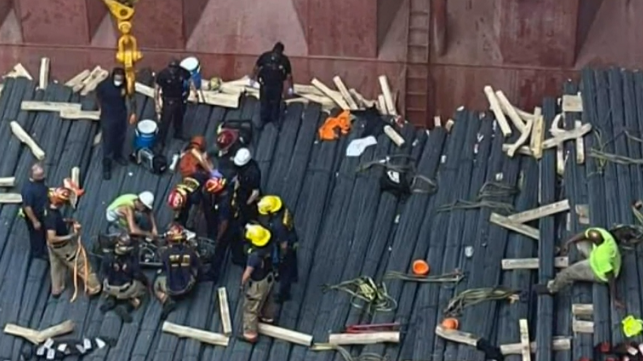
At about 1730 hours Tuesday, New Orleans Emergency Medical Services and the New Orleans Fire Department were dispatched to a medical emergency at the port's Poland Avenue Wharf. A longshoreman who had been working on board the bulker St. George had reportedly tripped and fallen to the bottom of an open hold, which was about 60-100 feet down. Photos from the scene appear to show that the hold was partially filled with bundles of rebar. 

Astonishingly, the longshoreman survived the fall. EMS personnel arrived first and bandaged the victim's injuries, Fire Capt. Scott Chapuis told local media, but it was up to the fire department to get him out. Several firemen descended into the hold with a Stokes litter and secured the victim with straps. When ready, they used the ship's crane to fly him out of the hold and deliver him to safety. 

According to the fire department, the victim was conscious, alert and able to communicate with responders throughout this evolution. Despite the height of the fall - a distance that carries a very high rate of mortality - the only injury that was apparent at the scene was a broken arm. The victim was delivered to a nearby hospital for treatment.


Biden White House Nominates its First Maritime Administrator

phillips
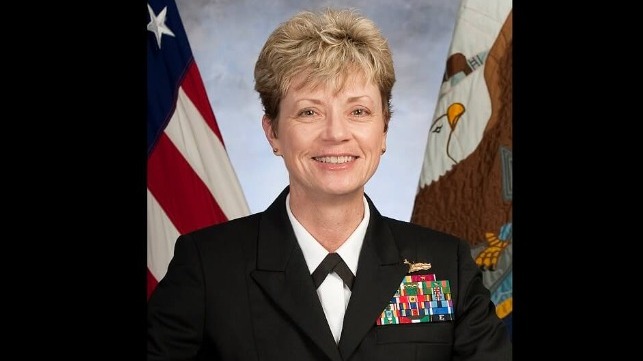
Rear Adm. Ann C. Phillips (USN, ret'd)

PUBLISHED OCT 15, 2021 11:20 PM BY THE MARITIME EXECUTIVE


On Thursday, the Biden administration announced the long-awaited nomination of its first Maritime Administrator, the director of the U.S. Department of Transportation's Maritime Administration. 

The post is currently held in an acting capacity by Lucinda Lessley, a former House staffmember who served on the Subcommittee on Coast Guard and Maritime Transport and the Committee on Homeland Security. The previous Maritime Administrator, Adm. Mark "Buzz" Buzby, resigned in protest after January 6 insurrection at the capital. Lessley has served as acting administrator for nine months while the White House discussed options for a permanent appointment.

Biden's nominee is Rear Adm. Ann Phillips, a 31-year veteran of the U.S. Navy. In the early years of her career, she served aboard the dry stores auxiliary USS San Jose and the destroyer tender USS Cape Cod during operation Desert Storm. She served as the first commanding officer of the destroyer USS Mustin, then went on to command Destroyer Squadron 28 and (most recently) Expeditionary Strike Group Two, which includes all amphibious warfare vessels on the U.S. East Coast.

On shore, she served on the Chief of Naval Operations’ Climate Change Task Force, advising on ways to make the Navy's bases and forces more resilient to climate change. She later became Director of the Surface Warfare Division (OPNAV N86), part of the Navy's planning, programming and budgeting office. 

Phillips retired from the Navy in 2014 and pursued an MBA at the College of William and Mary. In her current role, she serves as Special Assistant to the Governor of Virginia for Coastal Adaptation and Protection, working to address the impact of sea level rise and coastal flooding across the state. This portfolio includes the development of Virginia’s first Coastal Resilience Master Plan. 

If confirmed by the Senate, Rear Adm. Phillips will have an active roster of projects to address upon taking office as Maritime Administrator. First, MARAD is working hard to address a long-running pattern of alleged sexual misconduct in its Sea Year program, the onboard training program run by MARAD's U.S. Merchant Marine Academy. Her office will also have to work to boost the real-world readiness of the Ready Reserve Force, MARAD's component of the government-owned sealift fleet. And like her predecessor, Rear Adm. Phillips will have to address the slow decline of the U.S. maritime workforce, which is essential to crewing American sealift ships in time of war. 


[Video] Fire Damages Russian Coal Export Terminal Supplying China

fire damages one of Russia's leading coal export terminals
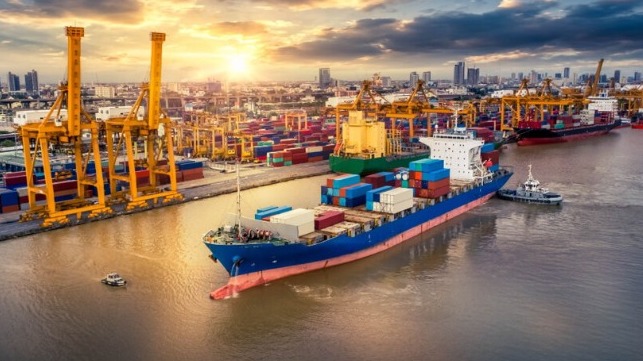
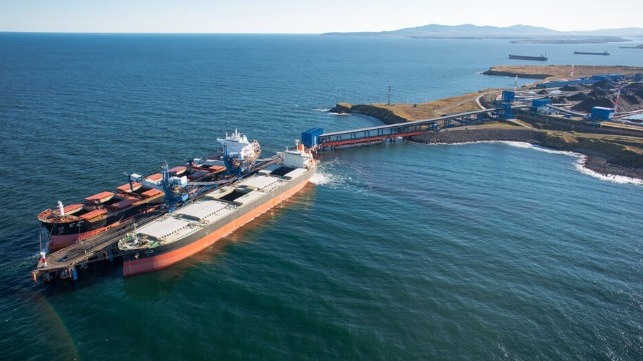
Vanino Bulk Terminal supplies coal to China, Japan, South Korea and Taiwan (SUEK file photo)

PUBLISHED OCT 14, 2021 8:11 PM BY THE MARITIME EXECUTIVE


A fire at one of Russia’s leading coal terminals has forced the suspension of the loading of coal while the terminal operator works to assess the full extent of the damage. The terminal located along Russia’s southeastern coast is a large source of coal for China, which was already reporting shortages, as well as supplying Japan, South Korea, and Taiwan.

According to reports from the Administration of the Vaninsky district in eastern Russia, a fire broke out on the coal conveyors on October 11 at the terminal located in Vannino. Several of the loading belts were reportedly heavily damaged, although they were able to contain the fire to the belts, not damaging the coal terminal, or spreading to the storage. The Administration posted video of the fire on social media.


The terminal, which is one of the largest in Russia, has a capacity to handle 24 million mt of coal annually loading Capesize bulkers. Media reports indicate that the terminal operator, the Siberian Coal Energy Company (SUEK) notified customers that it was declaring a force majeure due to the fire. No timeline was provided for when the terminal might resume loading operations.

The terminal, which opened in 2008, has shipped more than 150 million tons of coal since it began operations. SUEK reports that it is one of the most technologically advanced terminals employing a broad range of technologies to automate the operations while reducing the environmental impact. Dust suppression equipment is deployed around the coal depot, systems to wash the transshipped coal, and industrial vacuum machines to clean the coal port. Coal dust is highly explosive when suspended in air and notoriously flammable. 

SUEK announced plans in 2019 to undertake a four-year project to double the size of the terminal’s operations. Built to handle 12 million tons, after a previous upgrade it can handle 24 million tons and according to SUEK under certain conditions can operate up to rates of 30 million tons.  The current expansion, which was due to be completed by 2023, will increase the annual capacity to approximately 40 million tons. They are adding a second pier to have the capacity to load up to four ships at one time as well as the construction of a triple car dumper, and additional coal storage. They are also introducing advanced re-loaders.

Industry analysts noted that other terminals in the region are continuing to function although total output is expected to be reduced until the Vanino Bulk Terminal can return to service.


Ethiopia's Mega-Dam is About to Reshape the Water Politics of the Nile

USGS farmland
A US Geological Survey image shows green farmland marking a distinct boundary between the Nile floodplain and the surrounding harsh desert (USGS)

PUBLISHED OCT 13, 2021 11:11 PM BY THE LOWY INTERPRETER


[By Aly Verjee]

Amid an increasingly bitter war and an impending famine in Ethiopia’s northern region of Tigray, there is still, perhaps, one issue that unites Ethiopians, no matter their political views: that their country has the absolute right to develop and use its hydroelectric potential on the Blue Nile (or as the river is named in Ethiopia, the Abay). And that potential is on the cusp of being realized.

For the past decade, the second most populous country in Africa has been building the Grand Ethiopian Renaissance Dam (GERD), about 25 miles from the border with Sudan. The dam is a strand of continuity between Ethiopia’s ousted political regime, which started the construction and now finds itself fighting the federal government over Tigray, and the post-2018 government of Prime Minister Abiy Ahmed, who recently won a commanding majority and his first five year term in office. Once complete, the GERD will be capable of producing as many as 6,450 megawatts (MW) of electricity, ranking it as one of the world’s largest dams and by far Africa’s largest dam by electricity production. To put the GERD in perspective, only five dams outside of China have greater installed production capacity. 

Sudan and Uganda have both built large Nile dams in recent years, and there are numerous older dams on the Sudanese portion of the Blue Nile. Until now, the Nile’s largest dam was at Aswan, Egypt (installed capacity of 2,100 MW). Completed in 1970, it transformed Egypt by ending the Nile’s seasonal floods, creating hundreds of thousands of acres of newly arable, irrigated land, and bringing electricity to millions of Egyptians. It was also built without consulting upstream countries, drawing on antiquated colonial treaties to which Ethiopia, which escaped colonialization, was never a party.

The GERD, in a sense, offers Ethiopia an Aswan moment. It promises to provide power to millions of poor Ethiopians; only 47 per cent of the country’s 115 million people are currently connected to the grid. The dam could make Ethiopia a clean energy hub, providing cheap power to growing economies across the region. But much has changed since 1970. Then, Egypt had just 27 million people, Ethiopia 22 million, and Sudan 8 million. In 2020, Egypt’s population had reached 102 million, Ethiopia’s 115 million, and Sudan’s 44 million.  But Ethiopia’s future population growth promises to be the most explosive, doubling by 2050 to more than 200 million; Egypt is projected to grow to 160 million, and Sudan to 80 million. Even if population growth slows significantly, the amount of available water will clearly not increase on a per capita basis.

In effect, Egypt’s concerns about the GERD are a preview of the downstream country’s present and future econo-hydrological challenges. More than 80 per cent of the Nile water that reaches Egypt comes from the Blue Nile and the Ethiopian highlands. In its objections to the GERD, Egypt has cast the issue as a national existential crisis. In the GERD dispute, questions of emotion and identity have been ignored in favour of material and technical arguments about water security. Competing conceptions of state identity and entitlement make technical compromises over the dam’s operation much harder to reach. Still, more than 80 per cent of Egypt’s water is consumed by agriculture, an increasing amount of which is destined for export rather than local needs. What the GERD risks for Egypt is upsetting the national expectation that the country will be ever fertile, defying the desert.

In September, Ethiopia announced that the GERD would begin to produce power in the coming months. Dam construction continues despite an impasse in the trilateral negotiations between Egypt, Ethiopia and Sudan. For now, heavy rainfall and high seasonal flows on the river have averted a crisis, allowing the dam to fill without significant downstream consequences. But for several years, the characterisation of the dispute has changed little; wrangling over the dam has proceeded as if the day of completion would never come. The GERD is almost a fait accompli; now, more water flows into the reservoir each day than can physically exit the dam wall. Negotiations, therefore, are no longer about a hypothetical change on the river; change is already here.

Due to its scale, the case of the GERD could be an important example of how to approach, or not approach, future transboundary water management in an increasingly water scarce world. More than 260 watersheds cross the borders of two or more countries, and approximately 40 per cent of the world's population lives in transboundary river and lake basins. While not all transboundary watersheds are shared by countries at loggerheads, imperatives for regional cooperation may still not trump national interests. In Ethiopia, despite a war, a worsening economy, and growing international pressure, the GERD is an indisputable priority and a point of national pride; for some, it is even a cause to support the Abiy government. Given its present difficulties, the rhetoric of an Ethiopian renaissance may be overstated, but despite the challenges, Ethiopia’s development ambitions remain very real.

Aly Verjee is a political analyst. A fellow of the Rift Valley Institute, he was a visiting expert and then senior advisor to the Africa Center at the US Institute of Peace in Washington, DC. Previously, he was deputy and then acting chief of staff to the former president of Botswana, Festus Mogae, the chair of the Joint Monitoring and Evaluation Commission overseeing the 2015 peace agreement in South Sudan. 

This article appears courtesy of The Lowy Interpreter and may be found in its original form here.